
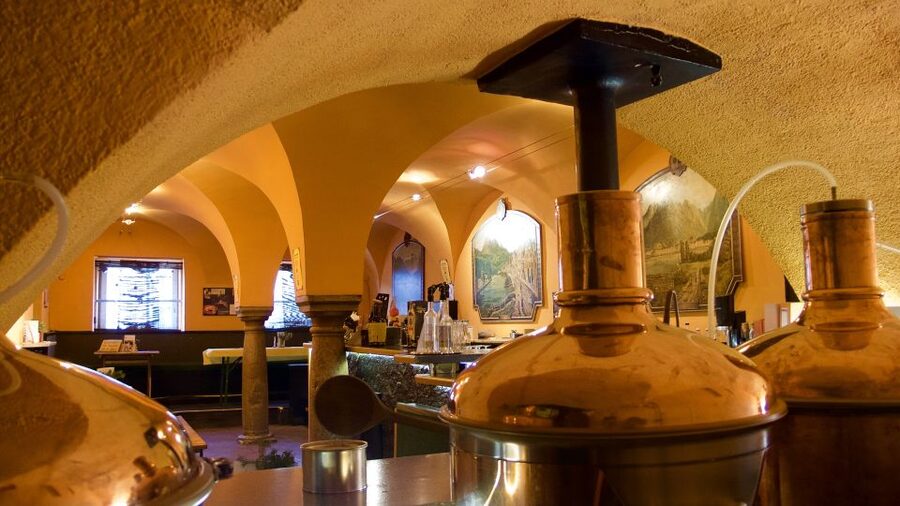
Reviewed · FOOD & DRINK
Salzkammergut: Sandstone Beer Cellar Tour
Bad Ischl’s oldest beer cellar sits below the Casino Keller, where hand-carved sandstone pillars support a cold, shadowy maze used for about 500 years. The story reaches back to Ice Age geology, then moves through local brewing and the building’s 1600s past. It is an unusual way to spend an hour in the Salzkammergut, especially on a wet day.
I like the chance to see 1,500 cubic meters of underground space without committing to a long excursion. I also like that the visit continues above ground with Carlo Battisti’s paintings and an in-house brewery. The main consideration is language: the live tour is in German, and the cellar is cool, so bring a warm layer.
Key points at a glance
- A 500-year-old cold store: See the sandstone cellar once used to keep food and beer cool before modern refrigeration.
- Ice Age traces underground: The tour links local geology with the cellar’s later use by Bad Ischl residents and brewers.
- 1,500 cubic meters to explore: Stone pillars and connected cellar spaces give the visit a strong sense of scale.
- Carlo Battisti’s paintings: Your ticket includes a stop at the gallery devoted to this legendary artist.
- A brewery finish: The tour ends with a visit to the in-house brewery, though drinks cost extra.
- German-language guiding: The tour suits you best if you understand German or are happy to appreciate the setting visually.
Entering Bad Ischl’s oldest beer cellar
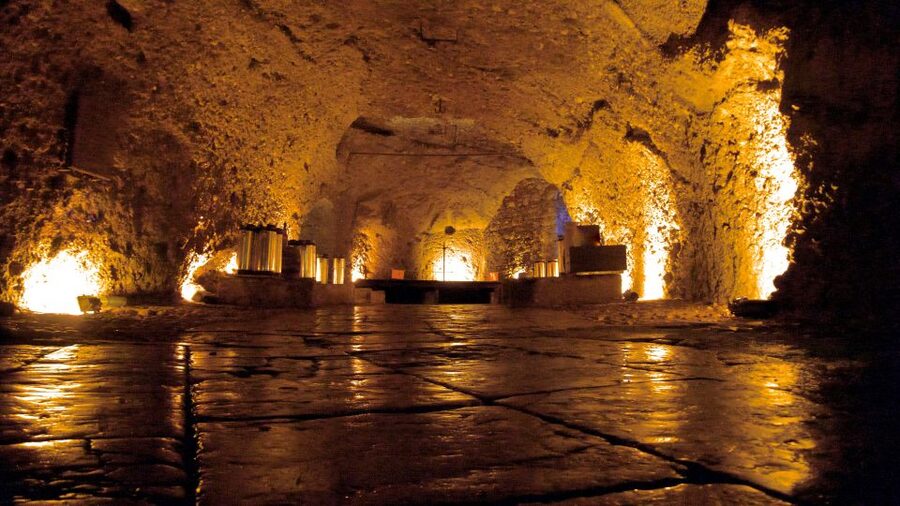
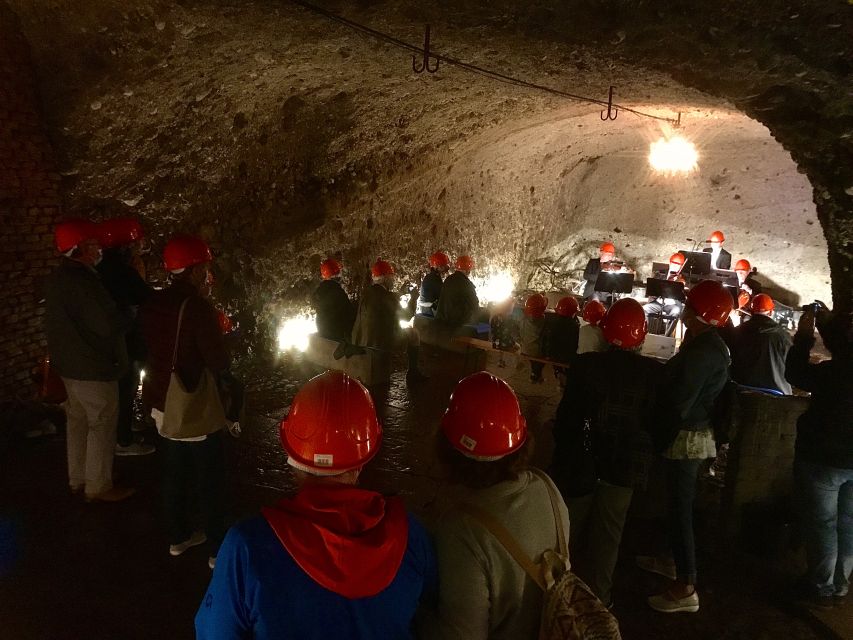
The meeting point is marked Casino-Keller in Bad Ischl. From there, you head underground for the guided portion, which lasts about one hour within the total 1.5-hour activity.
The first impression is likely to be temperature. This cellar was built to stay cool, making it useful as a cold store long before electric refrigeration. You will want a sweater or jacket even if the day outside is warm. Warm clothing is specifically advised, and it is practical advice rather than a minor footnote.
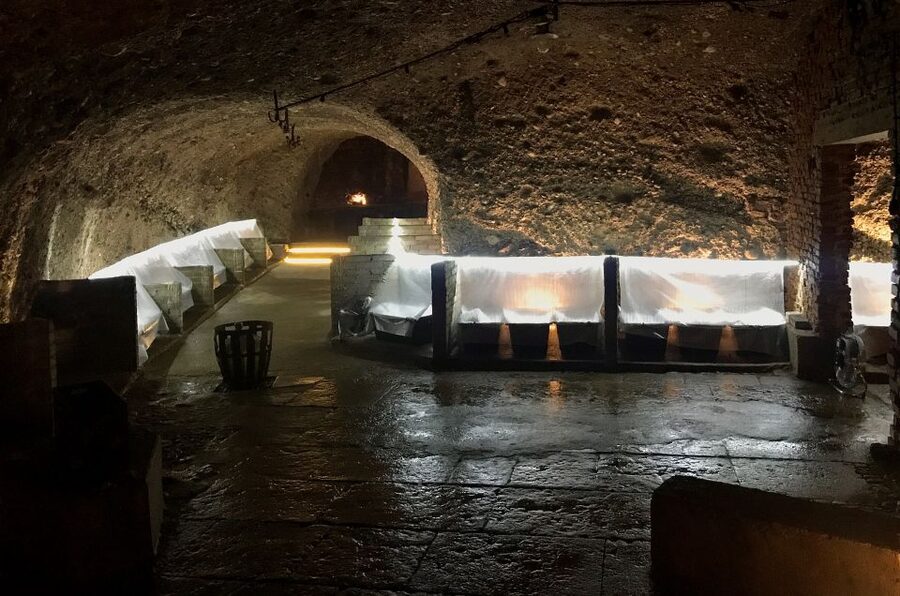
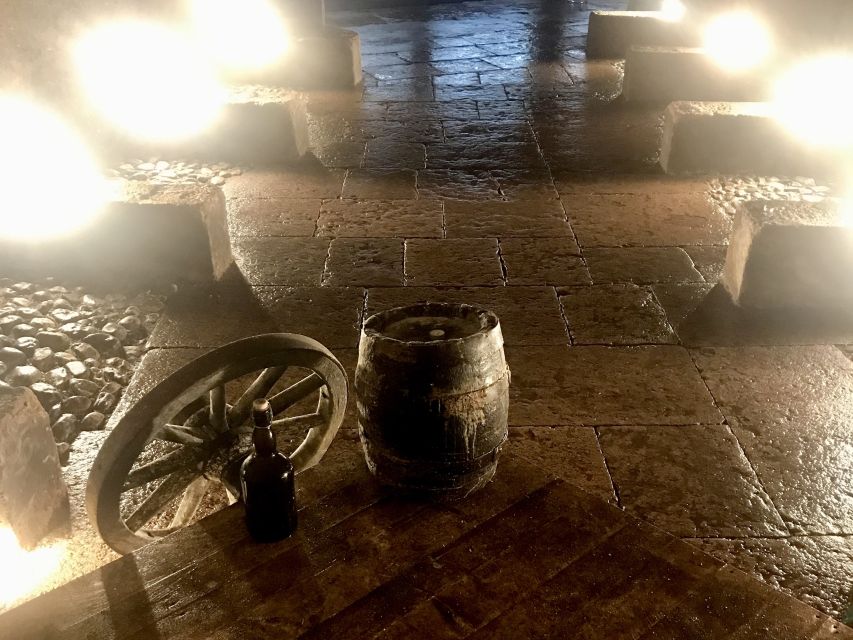
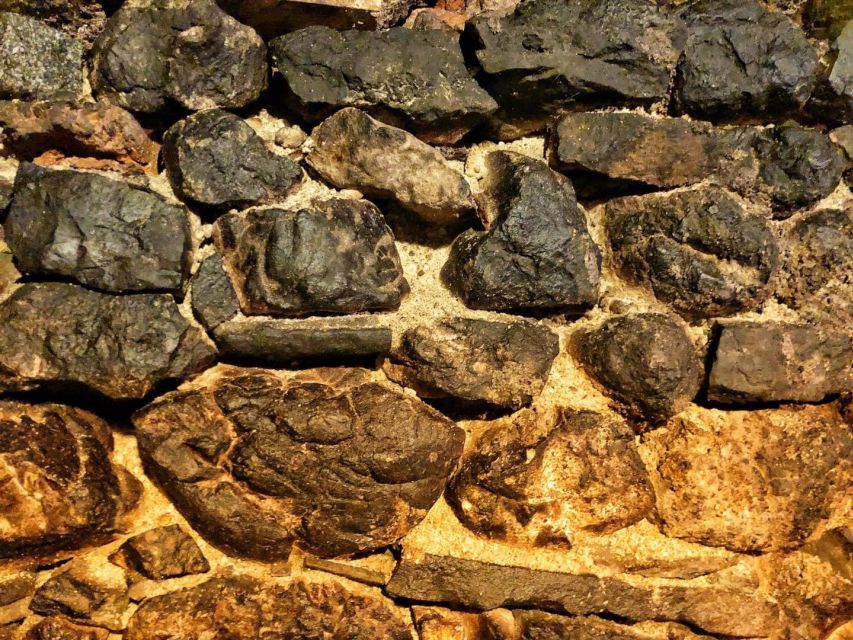
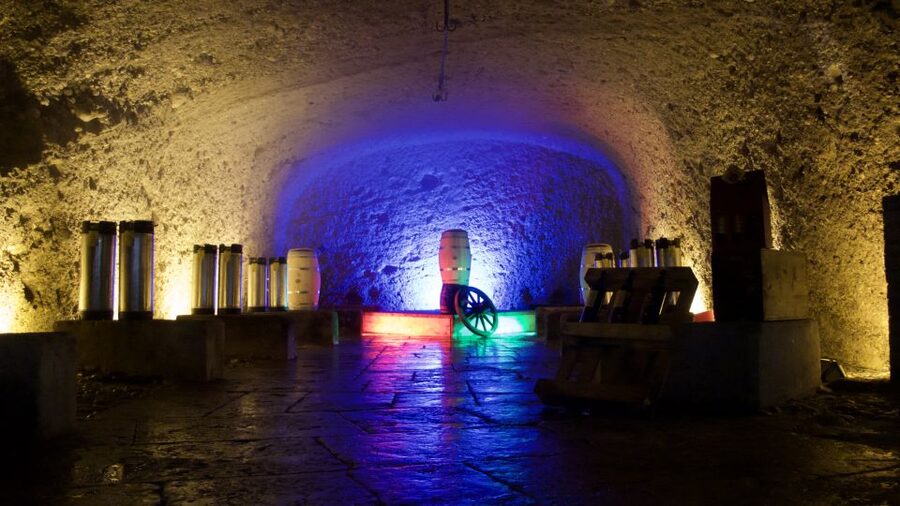
The cellar was carved into sandstone by hand. Its pillars and walls show the work of people shaping a natural space for daily use, not designing a polished modern attraction. I like that distinction. You are not simply looking at an old room with a few barrels in it. You are seeing a working underground system shaped by geology, labor, storage needs, and local brewing.
The stone has its own story. The cellar’s origins are tied to traces of the Ice Age, giving the guide a chance to explain how the natural formation came before the human use. That combination makes the tour more rewarding than a standard brewery visit. You get a basic lesson in the ground beneath Bad Ischl, then learn how people adapted it for food and beer.
More Food Tours in Austria:
- Vienna: Chocolate Workshop in Chocolate Museum w/ Tasting
★ 4.5 · 1,802 reviews - Vienna for Food Lovers: Cafés, Markets & Austrian Cuisine
★ 5.0 · 1,063 reviews - Wachau Valley Wine Tasting Bike Tour from Vienna
★ 5.0 · 829 reviews
How geology shaped a 500-year-old cold store
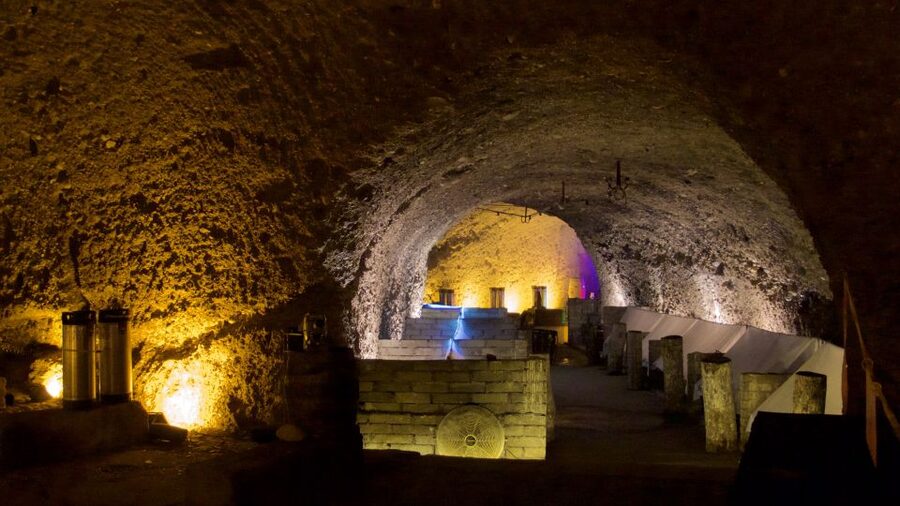
The cellar has been used for roughly five centuries. It once functioned as a cold store for local people, and it was connected with cellar spaces in the surrounding area. That connection helps you picture the underground network as part of the town’s older storage system rather than an isolated curiosity.
The sandstone pillars are the visual centerpiece. They divide and support the space while showing how the cellar was carved and altered over time. The scale is notable: about 1,500 cubic meters are included in the area you explore. That is large enough to feel like a proper underground complex, but the tour remains short enough to fit into a busy Bad Ischl day.
The geology also gives the guide a natural way to explain why the cellar worked so well. Cool underground conditions made it useful for storing supplies and beer. The Ice Age traces add a time scale far older than the building above, which dates to the 1600s.
I would treat the geology as a central part of the visit, not filler before the beer. If you enjoy old buildings but do not usually seek out technical geology, the cellar still offers enough visual interest through the rock, pillars, and unusual underground layout.
From the Ischler brewery to Casino Keller
The cellar was once owned by the Ischler brewery. That fact links the underground rooms to Bad Ischl’s brewing tradition and explains why beer is more than a theme added for tourists.
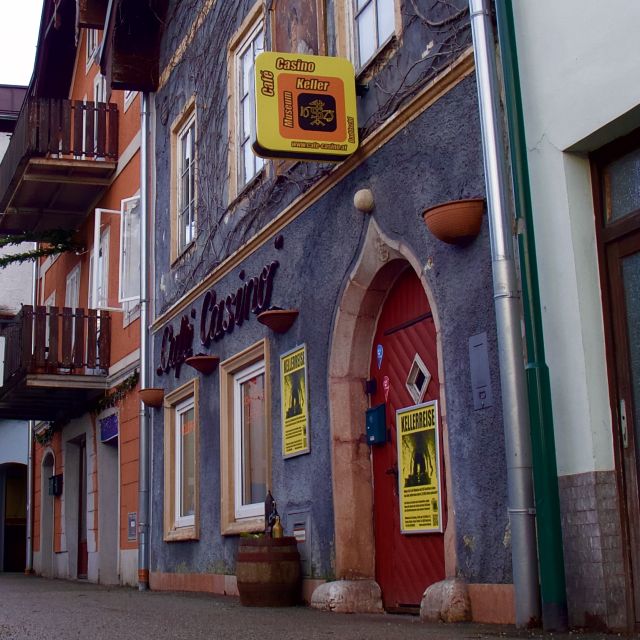
Above the cellar is Cafe Casino, a building dating from the 1600s. The Schmalnaeur family acquired it in 1971, adding another chapter to the site’s story. The tour connects these layers in a compact way: Ice Age geology, a 500-year-old storage cellar, the former Ischler brewery, and a historic building that later came into family ownership.
That timeline is one of the strongest reasons to choose this activity. You are not seeing a cellar in isolation. You are following the changing purpose of one place over a very long span of time.
The presentation is in German, with a live guide. If you understand German, you should get the full benefit of the historical and brewing explanations. If you do not, you can still appreciate the stonework and atmosphere, but the tour will be less informative unless someone in your group can translate. The supplied information does not name the guide or offer another language, so German is the safe assumption when deciding if this fits your plans.
The one-hour underground route
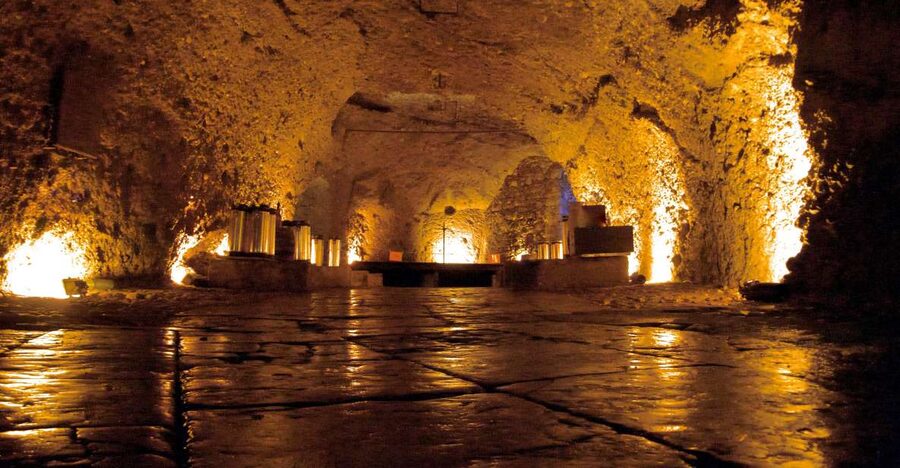
The itinerary is straightforward. You meet at Casino-Keller, take the guided tour through the cellar, pause for photos, and return to the same meeting point at the end.
The cellar visit lasts about an hour. That is enough time to look carefully at the stone pillars, hear how the space was used, and understand the connection between its geology and brewing past. It is also short enough to pair with other Bad Ischl sights, a meal, or a walk through town.
The route’s main strength is its focus. There are no long transfers and no complicated sequence of stops. You spend the core of the activity in the place that gives it meaning. I find that useful on a town visit, because a tightly focused hour can add texture to the destination without taking over the day.
The main limitation is that the underground portion may feel brief if you are fascinated by historic cellars. The listed total time is 1.5 hours, while the guided cellar section is about one hour. The remaining time includes the painting gallery and brewery visit, so the activity is not only a walk through tunnels, but you should not expect an extended underground expedition.
A few more Austria days worth a look
- Hallstatt: 2-Hour Guided Walking Tour with Photographer
★ 5.0 · 152 reviews - Guided e-bike tour of the alpine pastures in the Salzkammergut
★ 5.0 · 72 reviews - Salzwelten Altaussee: Salt Mine Entrance Ticket
★ 4.6 · 60 reviews - From Prague: Private Hallstatt Alps Day Trip with Lakeside Picnic
★ 5.0 · 32 reviews
Carlo Battisti’s paintings add an artistic stop
Your admission includes a visit to Battisti’s painting gallery. Carlo Battisti is described as a legendary artist, and his paintings give the experience a second subject beyond geology and beer.
This stop matters because it keeps the visit from becoming narrowly focused on brewing. The cellar tells you about the ground and local storage, while the gallery adds a cultural element inside the same venue. It also gives you a change of pace after the dark stone rooms.
The information provided does not specify how many paintings are displayed or how long you spend in the gallery. I would therefore see it as an included bonus rather than the sole reason to book. If art is your main interest, confirm the current display details when checking availability. If you already plan to see the cellar, the gallery adds value at no separate admission cost.
Finishing at the in-house brewery
After the cellar and gallery, you visit the in-house brewery. This is a sensible ending because it brings the story back to beer in a current setting.
The brewery visit is included, but drinks are not. That distinction matters when you are comparing the total cost of the outing. You pay about $11 per person for the guided experience and the included gallery and brewery visits, then pay separately if you want a beer or another drink.
I like this arrangement because it lets you decide how much you want to spend after the tour. You can look around the brewery without ordering, or add a drink if you want to continue the local beer theme. Just do not assume a tasting is bundled into the admission price.
The final stop also gives you a chance to connect old storage methods with present-day brewing. The cellar once kept beer cool; the brewery shows how the site remains tied to beer today. It is a small but satisfying arc for a 1.5-hour activity.
Is $11 a good value in Bad Ischl?
At around $11 per person, this is a low-cost cultural stop. The price covers a guided tour, access to the sandstone cellar, the Battisti painting gallery, and the in-house brewery. Drinks cost extra, but the core admission remains modest.
The value is strongest if you appreciate places with several layers of local history. You are paying for more than a quick look at beer-making equipment. The visit combines geology, underground construction, storage, Bad Ischl’s brewing past, art, and a current brewery.
It is also good value for a rainy afternoon. One of the most useful qualities of this activity is that much of it takes place indoors, and the cellar makes poor weather feel like part of the plan rather than a problem. The cool temperature means you should bring warm clothing, but rain outside will not spoil the central experience.
The price may feel less compelling if you only want a beer tasting. Drinks are not included, and the tour is conducted in German. In that case, the value depends on your interest in the site itself, not just the beverage at the end.
Children aged 6 to 10 are free. The activity is not suitable for children under 6. For older children who enjoy caves, old buildings, or unusual local stories, the cellar could be an appealing change from ordinary sightseeing, though the German-language guiding may limit what they understand.
Who will enjoy the Casino Keller tour?
I would choose this tour if you like specific places with a long working past, especially when the original function is still easy to understand. The cold-store purpose gives the cellar a practical story, while the Ice Age traces provide a natural starting point.
It suits couples, adult groups, and families with children aged 6 and older who can manage a cool underground visit. It also fits anyone looking for a compact activity near Bad Ischl rather than a full-day trip outside town.
You should think twice if you dislike enclosed spaces, cool rooms, or guided explanations in German. The activity is not described as suitable for children under 6, and pets are not allowed.
The tour is also a good match for an itinerary that already includes Bad Ischl. Since it begins and ends at Casino-Keller, you do not spend the activity traveling between distant locations. The return to the meeting point makes it simple to continue with the rest of your day.
You can reserve now and pay later, which helps if your schedule depends on weather or changing plans. Cancellation is free up to 24 hours before the activity for a full refund. Starting times vary, so check availability before planning other timed visits around it.
My call: book it for history, stone, and local beer
Book the Sandstone Beer Cellar Tour if you want a short, inexpensive look at a side of Bad Ischl that ordinary street sightseeing will not show you. The strongest parts are the hand-carved sandstone, the Ice Age connection, the cellar’s former role as a cold store, and the link to the Ischler brewery.
I also like the mix of stops. The painting gallery broadens the visit, and the in-house brewery gives the beer story a present-day finish. At $11, the combination offers good value, even with drinks sold separately.
Skip it if you need an English-language tour, want a full brewery tasting, or are traveling with a child under 6. For everyone else, especially on a rainy day, this is a practical and memorable Bad Ischl addition.
FAQ
Where does the Sandstone Beer Cellar Tour start?
The meeting point is Casino-Keller in Bad Ischl. Look for the meeting point marked Casino-Keller.
Where does the activity end?
The tour ends back at Casino-Keller, the same place where it begins.
How long does the experience last?
The total activity lasts about 1.5 hours. The guided cellar portion takes about one hour.
What language is the tour in?
The live guided tour is in German. No other tour language is specified.
Are drinks included in the price?
No. Drinks are not included, including any drink you may want at the in-house brewery.
Can children join the tour?
Children aged 6 to 10 can join for free. The activity is not suitable for children under 6, and pets are not allowed.
Just added around Austria
- Zurich: Liechtenstein, Austria and Germany Private Day Tour★ 5.0 · 6 reviews
- Zell am See: Schmittenhöhe Tandem Paragliding Flight★ 4.9 · 82 reviews
- Vienna: UNESCO Schönbrunn Palace Guided Tour with Entry★ 4.5 · 94 reviews
- Zell am See: Paragliding Tandem Flight★ 5.0 · 31 reviews
- Zurich: Private Liechtenstein, Austria, and Germany Day Trip★ 5.0 · 16 reviews
- Villach/Ossiachersee: Paragliding “Action” Tandemflug★ 5.0 · 4 reviews
- Werfen: Hohenwerfen Castle Entrance Ticket★ 4.5 · 84 reviews
- World War II History Vienna Old Town Private Walking Tour★ 4.8 · 9 reviews
Food & Drink, compared.
Chocolate Workshop in Chocolate Museum w/ Tasting
Read our review →
Vienna for Food Lovers: Cafés, Markets & Austrian Cuisine
Read our review →
Wachau Valley Wine Tasting Bike Tour from Vienna
Read our review →
Gerstner KuK Hofzuckerbäcker Baking Show & Tasting
Read our review →
Authentic Vienna Food Tour inc. lunch, street food, 3 drinks
Read our review →
Wachau Valley Small-Group Tour and Wine Tasting from Vienna
Read our review →
Wine Tasting Experience in a Private Wine Cellar
Read our review →Browse the lists this tour appears in