
Reviewed · INNSBRUCK TOURS
Innsbruck: Tickets for Schloss Ambras
Schloss Ambras is not just another grand residence with a few portraits on the walls. Its best rooms preserve the collecting habits of Ferdinand II, a Renaissance prince who gathered everything from coral and ivory objects to scientific instruments and portraits of people considered miracles. I especially like the strange, human side of the collection, and the chance to see it beside armor worn for tournaments and court festivals.
At $16 per person, the ticket gives you a full day to explore a major Innsbruck sight without paying for a guided tour you may not need. The main drawback is that audio guides and guided tours are not included, so you will need to bring your own context or pay extra for help interpreting the displays.
Key points to know before you go
- Ferdinand II’s Chamber of Art and Wonders mixes precious art, scientific tools, objects from distant places, unusual natural specimens, games, and musical instruments.
- The Armories include tournament armor, ceremonial armor, famous generals’ armor, and the Turkish Chamber.
- The Habsburg Portrait Gallery contains more than 200 paintings, including works linked to Cranach, Arcimboldo, Rubens, Van Dyck, and Velázquez.
- The $16 ticket is admission only, with no audio guide or guided tour included.
- Families have plenty to spot, from odd portraits and curious objects to imposing armor.
- The ticket is valid for one day, and free cancellation is available up to 24 hours before the visit.
Why Schloss Ambras feels different from a standard palace visit
Many European palaces ask you to admire elegant rooms, royal furniture, and official portraits. Schloss Ambras gives you that, but it also lets you see how a 16th-century prince tried to make sense of the world through collecting.
Ferdinand II, who lived from 1529 to 1595, gathered objects that represented art, nature, science, distant cultures, human oddities, and military power. His collection was not arranged like a modern museum display. It reflected a period when a prince could use a single room to show his taste, education, wealth, curiosity, and reach.
That makes the visit more personal than a simple parade of expensive objects. You can ask yourself what Ferdinand found fascinating and why he wanted certain things close at hand. Some pieces are beautiful. Others are odd, unsettling, or hard to classify. That mixture is a large part of the appeal.
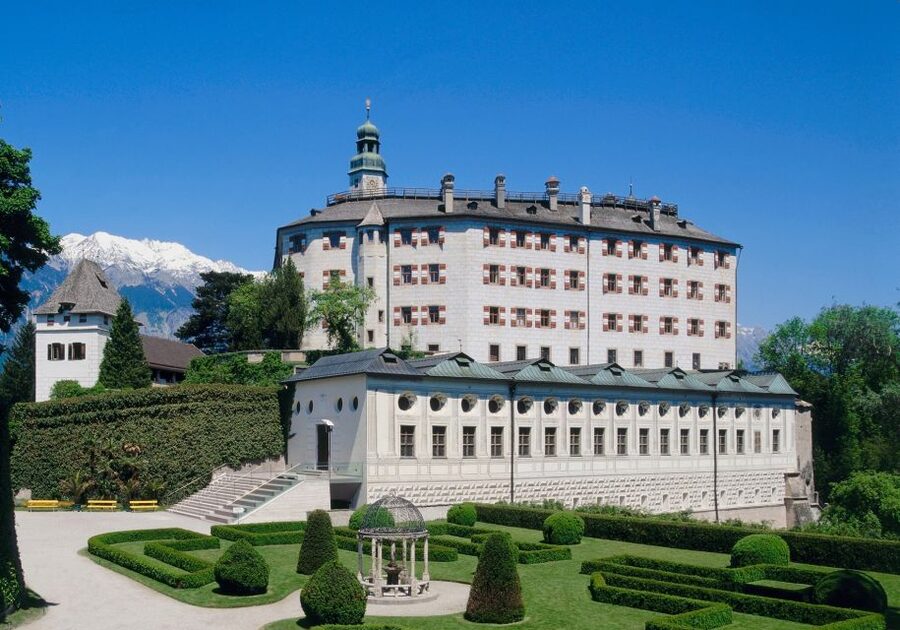
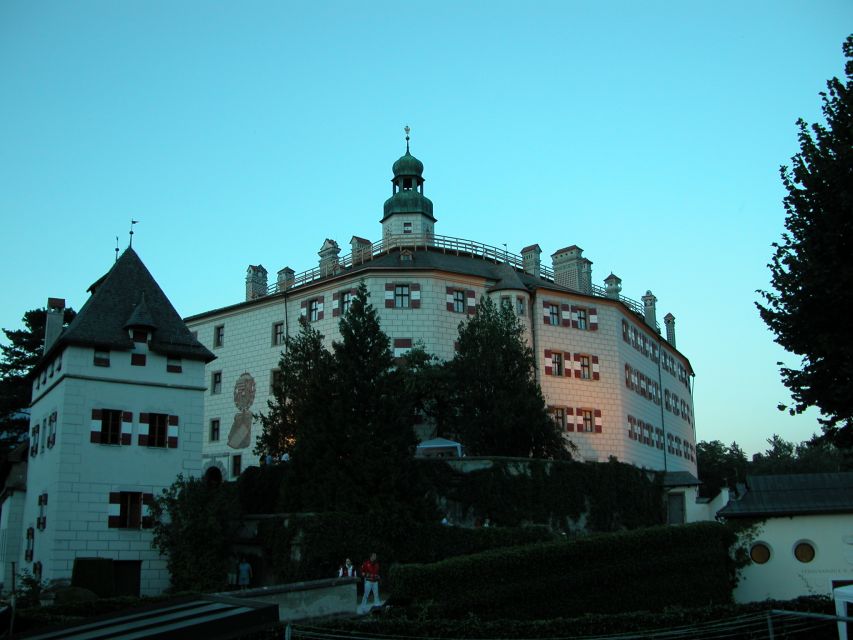
The setting also helps. Schloss Ambras is one of Innsbruck’s important sights, and the ticket gives you access to several collections within the same historic destination. You can move from art to armor, then from portraits to objects that once seemed to explain the wider world.
A few more Innsbruck days worth a look
- Tyrolean Evenings Family Gundolf in Innsbruck
★ 4.7 · 975 reviews - Top of Innsbruck: Roundtrip Cable Car Ticket
★ 4.8 · 701 reviews - Innsbruck Swarovski Crystal Worlds Ticket and Transfer
★ 4.6 · 658 reviews
Entering Ferdinand II’s Chamber of Art and Wonders
The Kunst- und Wunderkammer, or Chamber of Art and Wonders, is the intellectual heart of the visit. In the Renaissance, a collection like this aimed to present a broad picture of knowledge. It did not separate art, science, nature, travel, and entertainment as strictly as museums often do today.
You might see an outstanding work of art such as the Tödlein, alongside a scientific object such as the attachment with compass. The collection also includes objects from faraway places, including the Ryukyu bowl, as well as natural materials such as coral.
I find this combination more rewarding than a room filled only with famous names. A coral object can tell you about rarity and trade. A compass attachment suggests a growing interest in measurement and navigation. A bowl from the Ryukyu Islands points to a world that European collectors knew only imperfectly but wanted to possess and understand.
The collection also includes portraits of people considered miracles, including the hairy man. These displays can feel strange by modern standards, and that is worth keeping in mind. They show how curiosity and spectacle were mixed together in the Renaissance. Ferdinand’s collection was not a neutral scientific archive. It also reflected the era’s fascination with unusual bodies and things that challenged ordinary expectations.
You will find games and unusual musical instruments here as well. Those details keep the room from feeling like a dry lesson in art history. They remind you that collecting could be a form of entertainment, conversation, and social display.
For families, this may be the most approachable part of the castle. Children can look for the unusual objects first, while adults can consider the larger questions about science, travel, belief, and power. One recent booking described the visit as interesting for children too, which fits this collection well: there is plenty to notice without understanding every historical reference.
The Armories: armor built for display and combat
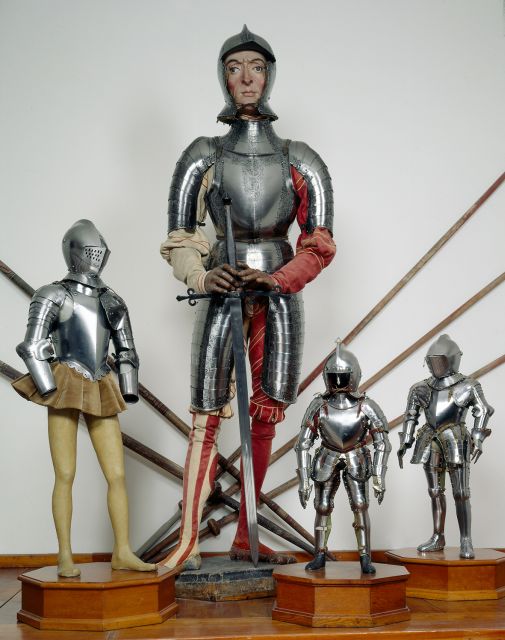
The Armories offer a change of pace. After the small, curious objects in the Chamber of Art and Wonders, you encounter armor that is large, formal, and immediately legible.
The collection includes rare tournament armor, which was made for highly organized contests rather than ordinary battlefield use. You will also see ceremonial armor intended for courtly feasts and festivals. That distinction matters. Armor was not always just protective equipment. It could also be a costume, a status symbol, and a carefully designed public statement.
The armor of famous generals adds another layer. These pieces connect the collection to military leadership and reputation. Look at the details rather than rushing past rows of metal. Shape, decoration, and scale can tell you whether an object was designed for a tournament, a ceremony, or war.
The Turkish Chamber, or Türkenkammer, belongs to this same story of power and imagination. It documents both fear of the Turks and European fascination with the Orient in the 16th century. That dual message is important. The collection reflects military anxiety, but it also shows how the Ottoman world influenced European taste and collecting.
You should not expect every display to explain itself in modern, plain language. If you are especially interested in arms and armor, a guided tour or audio guide could help. Since neither is included in the basic ticket, decide before you arrive if you want a more detailed explanation or prefer to move at your own pace.
More than 200 Habsburg portraits
The Habsburg portrait gallery covers a long span of European royal history, from the time of Albrecht III, who lived from 1349 to 1395, through the reign of Emperor Franz II, also known as Franz I, who lived from 1768 to 1835.
More than 200 paintings make this a substantial collection. It is not a quick corridor with a handful of royal faces. Give yourself time to compare the portraits and notice how rulers and members of the dynasty wanted to appear.
The gallery includes valuable works associated with Lukas Cranach, Giuseppe Arcimboldo, Peter Paul Rubens, Anton van Dyck, and Diego Velázquez. Those names give the collection real artistic weight, but you do not need to be an art specialist to enjoy it.
I like using portrait galleries as a kind of historical people-watching. Clothing, posture, jewelry, facial expression, and setting all send messages. Some portraits aim for dignity and authority. Others reveal fashion or family resemblance. Together, the paintings show how the Habsburgs built and maintained an image over several centuries.
The gallery also gives the visit a useful chronological backbone. The Chamber of Art and Wonders can feel wonderfully scattered, while the portraits help you see a longer line of dynastic history. If the unusual objects catch your attention first, return to the paintings afterward and consider how both collections served the same purpose: displaying a powerful ruler’s place in the world.
A completely different way to spend a day here:
- Combi Entrance Ticket to Alpine Zoo and Hungerburg
★ 4.5 · 637 reviews - Innsbruck: City Card Including Public Transport
★ 4.7 · 437 reviews - Tyrolean Folk Show Ticket in Innsbruck
★ 4.5 · 429 reviews - Innsbruck: Alpenzoo & Top of Innsbruck Combination Ticket
★ 4.6 · 362 reviews
How to plan your one-day visit
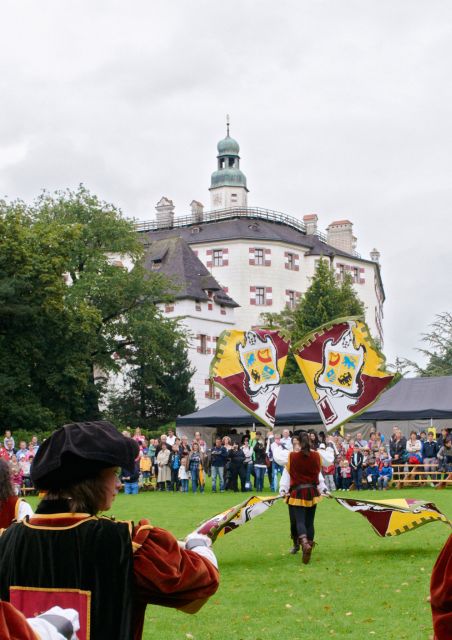
The ticket is valid for one day, and availability determines the starting times shown when you book. That gives you useful flexibility, especially if you are fitting Schloss Ambras around other plans in Innsbruck.
The meeting point is Schloss Ambras, Schlossstrasse 20, 6020 Innsbruck. The admission covers entry to the castle and its collections, but transportation is not listed as part of the experience. Plan your route to the castle separately rather than assuming a transfer is included.
A full day is available, though the right amount of time depends on your pace. If you read every label and spend time with the portrait gallery, armor, and curiosity cabinet, you will want more than a hurried pass through the rooms. If you are combining the visit with other Innsbruck sights, you can focus on the three main collections and choose your favorite section.
I would begin with the Chamber of Art and Wonders, while your attention is fresh. Its objects are small and varied, and it rewards close looking. Continue to the Armories for a visual change, then allow a quieter stretch of time for the Habsburg portraits.
There is no need to treat the visit like a guided march. The ticket lets you explore independently. That is useful if one person in your group wants to study paintings while another prefers armor or unusual objects.
Is the $16 admission good value?
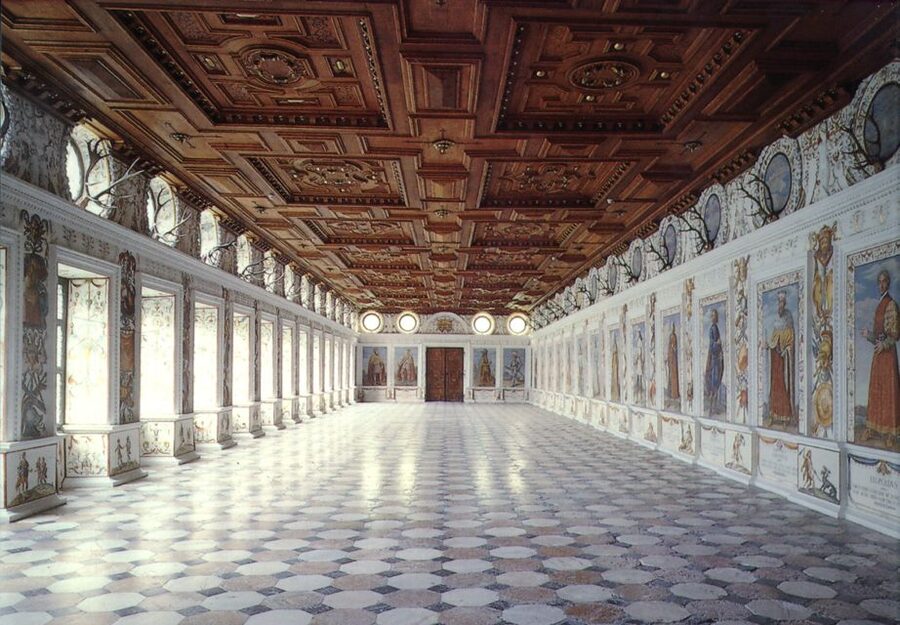
At $16, this is a reasonable admission price for a historic site with several substantial collections. You are not paying only to enter a building and glance at a few rooms. The ticket covers the Chamber of Art and Wonders, the Armories, the Antiquarium, and the Habsburg portrait gallery.
The value is strongest if you enjoy variety. One palace room focused only on portraits might feel repetitive. Schloss Ambras gives you art, military objects, natural specimens, science, distant cultures, royal history, and unusual human portraits in one visit.
The price is less attractive if you want a fully explained tour from the moment you arrive. The basic ticket does not include an audio guide or guided tour. You can come with a private tour guide, and the admission rules provide free entry for one guide accompanying a group of at least 10 people. State-certified tourist guides always receive free admission. For groups of fewer than 10, a guide does not receive free admission under the group arrangement, and an additional guide or accompanying person pays the regular visitor price.
That detail matters mainly for organized groups. For an individual or small family group, the simplest option is the standard ticket, with the understanding that interpretation is limited unless you arrange help separately.
Who will enjoy Schloss Ambras most?
I would recommend this visit to anyone who likes museums that mix beauty with oddity. The Chamber of Art and Wonders is especially good for people who enjoy objects with a story beyond their price or fame.
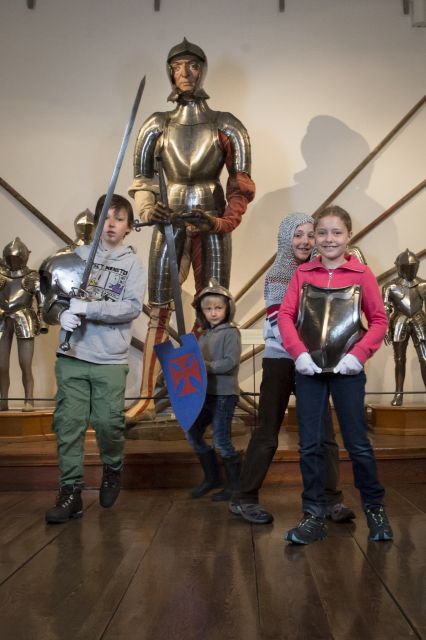
It also suits families. Armor is easy to appreciate at a glance, and the collection includes unusual people, instruments, games, animals or natural materials, and objects from faraway places. Children do not need to follow a long political history lesson to find something memorable.
Art lovers have plenty to see in the Habsburg portrait gallery, particularly if names such as Cranach, Arcimboldo, Rubens, Van Dyck, and Velázquez interest you. History-minded visitors will find the long Habsburg timeline useful, while military-history fans should spend extra time in the Armories and Turkish Chamber.
The visit may be less satisfying if you want a short, highly structured tour with a guide explaining every room. It is also not the best match for someone who prefers only grand architecture and polished interiors. Schloss Ambras is at its best when you pay attention to the objects and the ideas behind them.
Practical booking details
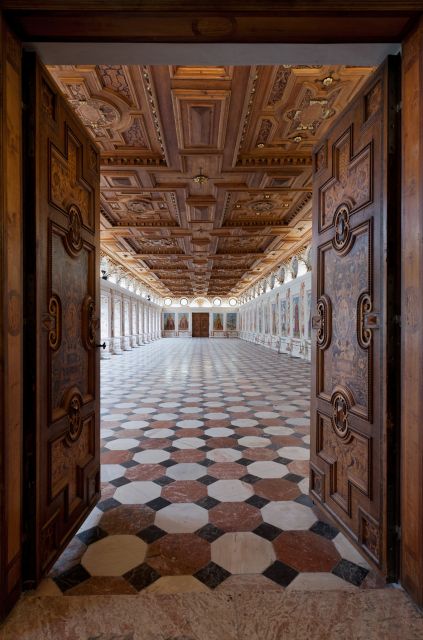
The admission price is $16 per person, and the ticket is valid for one day. You can reserve now and pay later, which helps if your Innsbruck schedule is still changing.
Free cancellation is available up to 24 hours in advance for a full refund. Check the available starting times when choosing your date, since the ticket information directs you to confirm availability before booking.
The experience is provided by the Kunsthistorisches Museum. No audio guide or guided tour is included, so arrange one separately if you want detailed commentary. You may also visit with a private tour guide.
The overall rating is 4.6 from 204 reviews, and the recent feedback points to a visit that feels practical and interesting rather than difficult to arrange. One family-oriented assessment specifically found it suitable for children, while other comments praised the process as easy and convenient. Those are useful clues if you want a worthwhile museum stop without a complicated schedule.
Should you book this Schloss Ambras ticket?
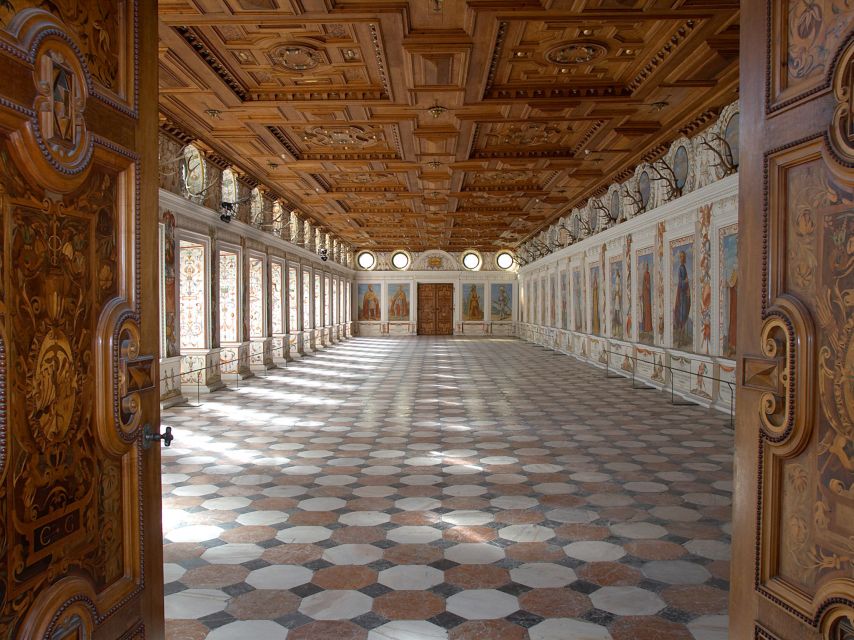
Book it if you want an unusual museum visit with more range than a standard palace tour. The best reasons are Ferdinand II’s strange and fascinating collection, the excellent mix of art and science, the armor displays, and the substantial Habsburg portrait gallery.
Think twice if you require a guide included in the ticket or want a quick attraction that takes only a few minutes. You will get the most from Schloss Ambras if you can give the rooms proper attention and enjoy making connections between the objects.
For $16, this is a sensible Innsbruck choice for families, art fans, history readers, and curious people who would rather see a compass, coral, tournament armor, and a hairy-man portrait than another room of ordinary royal furniture.
FAQ
What does the Schloss Ambras ticket include?
It includes admission to Schloss Ambras in Innsbruck, including the Chamber of Art and Wonders, the Armories, the Antiquarium, and the Habsburg portrait gallery.
How much does admission to Schloss Ambras cost?
The listed price is $16 per person.
How long is the ticket valid?
The ticket is valid for one day. Starting times depend on availability when you book.
Is an audio guide included?
No. The audio guide and guided tour are not included in the admission ticket.
Where do I meet for the visit?
The meeting point is Schloss Ambras, Schlossstrasse 20, 6020 Innsbruck.
Can I cancel the booking?
Yes. You can cancel up to 24 hours in advance for a full refund. You can also reserve now and pay later.
Just added around Innsbruck
- UP STREAM SURFING – The new way of surfing a river★ 5.0 · 5 reviews
- Innsbruck – capital city of tyrol, privat tour – local guide★ 5.0 · 31 reviews
- Paragliding in the morning★ 5.0 · 10 reviews
- Private Tour of Swarovski Crystal World from Innsbruck★ 4.5 · 10 reviews
- Private Full-Day Tour of Dolomites, Alpine Lakes including Braies from Innsbruck★ 5.0 · 34 reviews
- CITY QUEST INNSBRUCK: uncover the secrets of this city!★ 5.0 · 3 reviews
- Private tour of Tyrol’s beer history★ 5.0 · 4 reviews
- Dolomites Private Tour from Innsbruck: “Taste” of other Italy.★ 5.0 · 12 reviews
Innsbruck Tours, compared.


Innsbruck Swarovski Crystal Worlds Ticket and Transfer
Read our review →
Combi Entrance Ticket to Alpine Zoo and Hungerburg
Read our review →



Tandem paragliding in the Stubai Valley near Innsbruck
Read our review →Browse the lists this tour appears in