
Reviewed · LOWER AUSTRIA TOURS
Mödling/Vienna: Scenic Guided Hike with Alpacas and Llamas
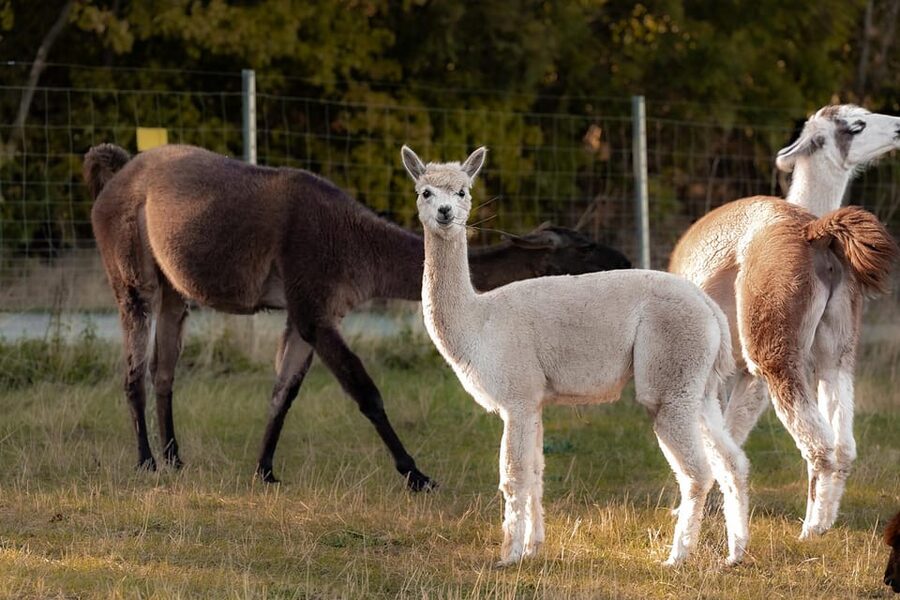
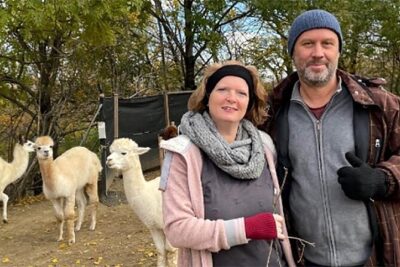
Mödling’s alpaca and llama walk gives you something Vienna cannot: a quiet country outing where you lead your own four-footed companion through woods and vineyards. The animals are named after Middle Earth characters, so you may find yourself walking with Sam, Bilbo, Gimli, or Tolkien.
I especially like the personal animal for each participant and the calm pace, which leaves room to watch the animals’ odd little personalities. The bilingual guides, including Karina Pöschl and staff such as Phil and Barbara, add useful detail without turning the walk into a lecture. The main drawback is muddy ground after wet weather, so proper hiking shoes matter.
Key points before you book
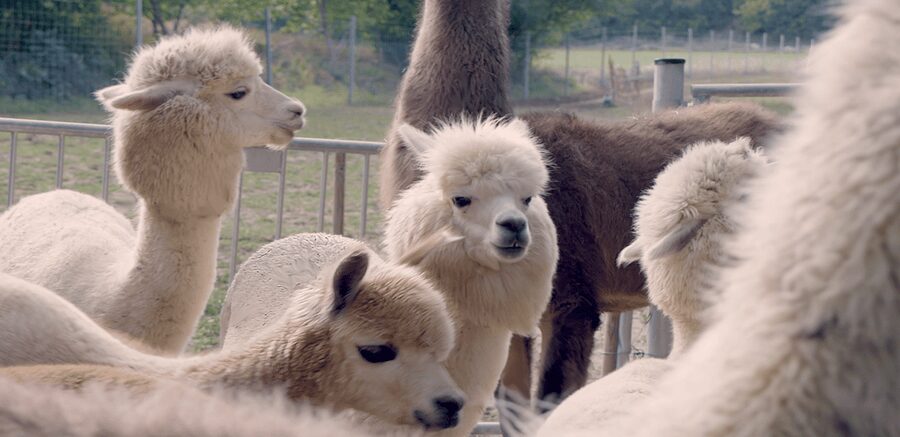
- Every participant leads one alpaca or llama, with animal swaps possible during the walk.
- The route runs through forests, fields, and vineyards around Mödling, just outside Vienna.
- The walk is gentle rather than strenuous, but it still involves a moderate amount of exercise.
- Guides speak German and English, useful for international visitors.
- Animals have Middle Earth names, including Sam, Tolkien, Gimli, and Bilbo.
- You receive a llama or alpaca license at the end, and wool goods may be available to buy.
Why this Mödling walk feels different from a Vienna day tour
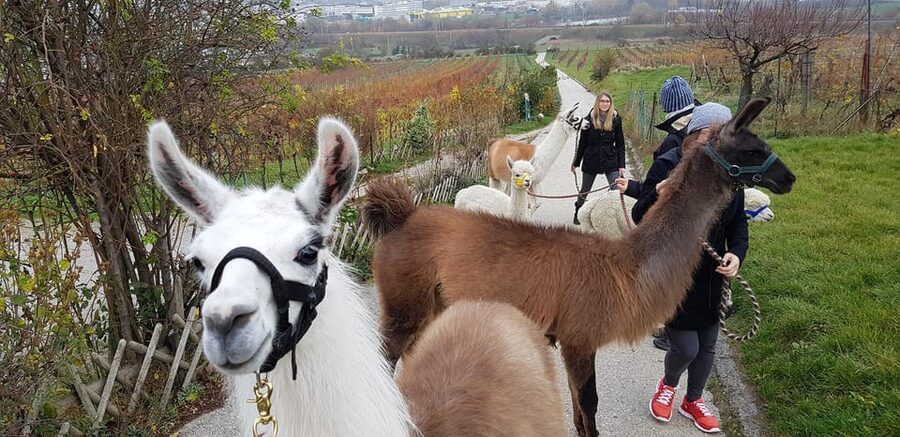
Most Vienna sightseeing keeps you among palaces, museums, cafés, and grand streets. This outing takes you into Lower Austria, where the pace slows and the city gives way to woods, open fields, and vineyards.
The appeal is not simply getting close to unusual animals. You also get a short rural break without committing to a demanding hike or a full day away from Vienna. At $58 per person for two hours, the price is fair for an experience that combines animal care, a bilingual guide, a countryside walk, and a personal animal companion.
You are not just watching the alpacas and llamas from behind a fence. Each person holds a leash and walks with one animal. That small responsibility gives the outing more character, though you should not expect every animal to march in a straight line. One may stop to graze, hesitate, or show more interest in the roadside plants than in keeping up.
The mood is relaxed and social. Guides explain the differences between llamas and alpacas, describe their habits, and introduce each animal by name. You learn to notice their individual behavior instead of seeing the herd as one fuzzy group.
More walks and via ferrata near Austria:
- Alpaca and llama hike Moedling near Vienna
★ 5.0 · 27 reviews - Ötztal: Via Ferrata Climbing at Stuibenfall
★ 4.8 · 20 reviews - Ötztal: Via Ferrata Climbing Tour at Lehner Waterfall
★ 5.0 · 16 reviews
Meeting the animals at the farm
The experience starts at Alpakawanderung und Lamawanderung Mödling, the farm meeting point. Look for the green meeting point sign. The instructions ask you not to enter or phone before the guide arrives, so plan to wait at the marked spot and be ready at the scheduled time.
The opening session takes about 25 minutes. You meet the guide, receive a safety briefing, and get acquainted with the animals before setting out. This introduction matters because the walk works best when you understand how to hold the leash and how to respond if your animal pauses or wants to graze.
The animals are individually named, with the Lord of the Rings and Hobbit theme running through the farm. That gives the introductions a playful touch and makes it easier to remember who you walked with later. Several animals that appear in the experience include Sam, Tolkien, Gimli, and Bilbo.
You can ask for an alpaca if you prefer one. Everyone begins with an alpaca or llama, and you may exchange animals during the walk if you want to lead a different one. This is helpful for families and groups who want a chance to meet more than one animal, though any switch should be handled with the guide’s direction.
The animals are described as well cared for and comfortable around people. Still, they remain animals, not props. They may move at their own pace, pause for food, or need gentle handling. That is part of the charm, but it also means the walk is less polished than a tightly timed sightseeing tour.
Forest paths and vineyards near Mödling
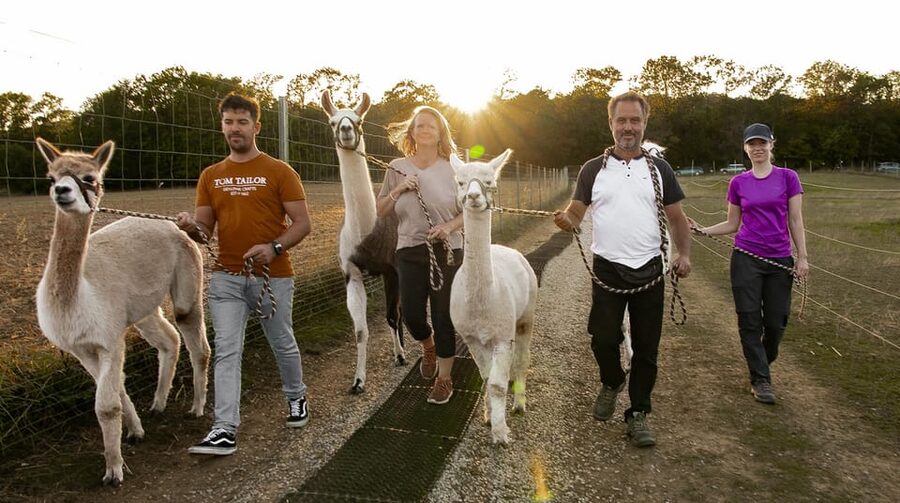
After the farm introduction, you walk for roughly 35 minutes through Mödling’s countryside. The route includes forest paths and vineyard areas, with open views along the way.
This is a scenic walk rather than a serious mountain hike. You will use your legs and spend much of the time on foot, but the route is described as gentle. The tour still calls for a moderate amount of exercise, so it may not suit someone looking for a seated animal encounter or an effortless stroll.
The animals set much of the rhythm. You walk with a leash in hand, keeping your companion moving while allowing time for the guide to explain the countryside and the animals’ behavior. A llama or alpaca can make an ordinary path more entertaining because you are constantly watching its ears, pace, and attention.
The countryside provides a useful change of scene from central Vienna. You get forest shade, vineyard views, and open rural space without needing a long excursion into the Alps. The setting is especially appealing if you want to add a quiet morning or afternoon to a city break.
The route may feel less scenic in poor weather, and muddy conditions can be a real issue. One visitor found unsuitable footwear to be the main problem. Wear hiking shoes or sturdy sports shoes, and do not choose your footwear only for appearance.
The 20-minute countryside break
About halfway through the outing, the group pauses for around 20 minutes. This is a chance to rest, take photographs, and enjoy the views without constantly watching your footing.
The break also gives you time to spend quietly with the animals. You can take pictures with your companion, photograph the countryside, and ask more questions about alpacas and llamas. Some accounts also describe feeding the animals, but you should follow the guide’s instructions rather than assume feeding is always part of the schedule.
This pause is useful for families because it breaks the walk into manageable sections. It also helps if your animal has been stopping frequently or you simply want to enjoy the rural setting at a slower pace.
Bring your camera, but keep your attention on the animal as well. The best pictures are likely to be informal ones, with the llama or alpaca looking curious or slightly distracted. The animals’ personalities are a big part of the experience, and they do not always pose on command.
A few more Austria days worth a look
- Krems: Wachau Valley River Cruise with 3-Course Meal
★ 4.5 · 254 reviews - From Melk: 5-Hour Wachau River Cruise
★ 4.5 · 103 reviews - From Krems: Wachau Valley River Cruise on the Danube
★ 4.6 · 95 reviews - Taste and Tour Small Organic Wineries with a Winemaker
★ 5.0 · 16 reviews
Returning with a better sense of the animals
The final walking section lasts about 35 minutes and brings the group back toward the farm. By then, you have had time to learn how your animal moves and how much patience it requires.
The guide continues to explain the animals in a relaxed way. You may learn how llamas and alpacas differ, how they behave around people, and why one animal is more eager to walk than another. The educational side is informal, which suits this experience better than a long technical talk.
The walk back also gives you another chance to exchange animals if you would like to lead an alpaca. If you have a strong preference, mention it early rather than waiting until the last few minutes.
On arrival, you return the animals and finish at the farm. A small llama or alpaca license, usually featuring a picture of your animal, is available as a keepsake. It is a simple souvenir, but it adds a fun ending, especially for children.
The farm may also offer hats, socks, and other products made from alpaca or llama wool. These are optional purchases, and prices can feel high, so treat the shop as an extra rather than part of the tour’s value.
How much value do you get for $58?
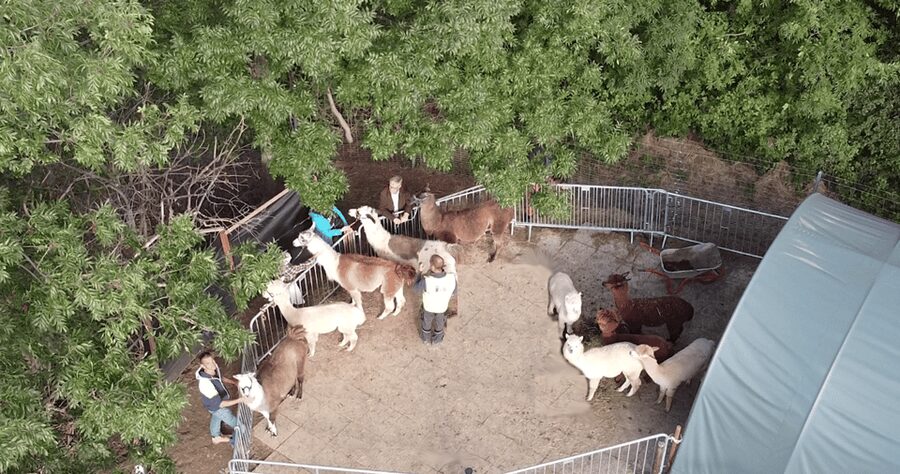
At $58, this is not the cheapest animal encounter near a major city. The price makes more sense when you consider what is included: about two hours, a guided countryside route, one animal per person, bilingual instruction, the farm introduction, and the chance to exchange animals.
You are paying for participation rather than a short photo stop. The animal is with you for the walk, and the guide stays involved as you learn how to handle the leash and move as a group.
The value is strongest for couples, families with older children, and anyone who wants a memorable break from museums and historic interiors. It is less appealing if you only want to see alpacas briefly or if you dislike walking in changing weather.
Drinks are available to buy, but food is not included. Hotel pickup and drop-off are also not included. Some people reach the area by train and bus, then walk to the meeting point. On at least one occasion, the guide offered a lift back to the train station, but you should not count on that as a guaranteed service.
Free cancellation is available up to 24 hours before the start, and you can reserve now and pay later. Those terms are useful if your Vienna plans are still moving around.
Family rules and physical limits
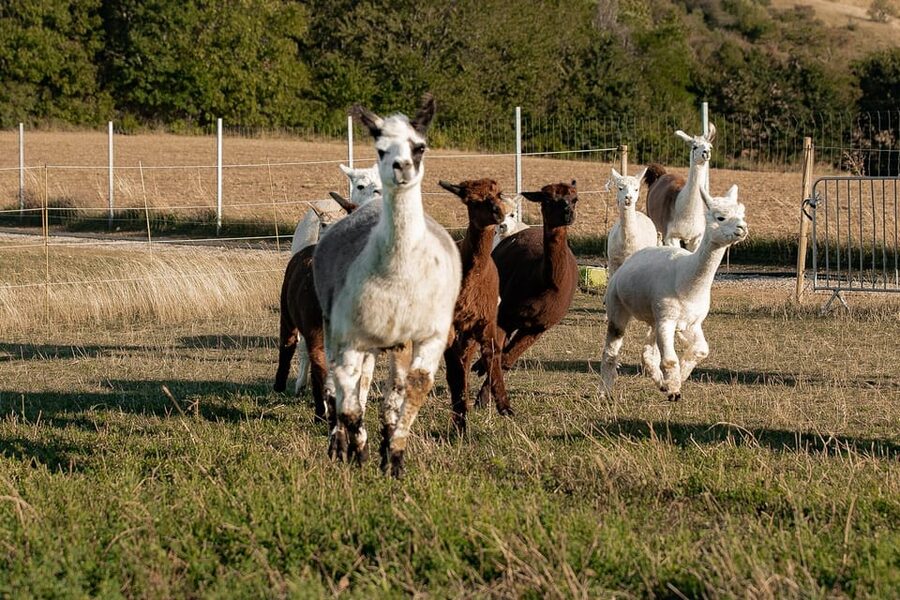
Children under five cannot take part. Children from five to eight need one accompanying adult each, though only one ticket booking is required in that situation.
Toddlers may come only in a child carrier. They cannot use a stroller or walk beside their parents during the activity. Baby strollers are not allowed, so families with very young children should check their childcare plan carefully before booking.
The activity is not suitable for wheelchair users or people over 75. The route includes forest paths and uneven outdoor ground, and the walk requires enough balance and stamina to handle a leash for two hours.
Pets are not allowed. That rule makes sense around a group of llamas and alpacas, which may react unpredictably to unfamiliar animals.
The walk suits children who can follow instructions and adults who are comfortable with a moderate amount of movement. It is not a race, but it is also not a stationary farm visit.
The guides and the tone of the outing
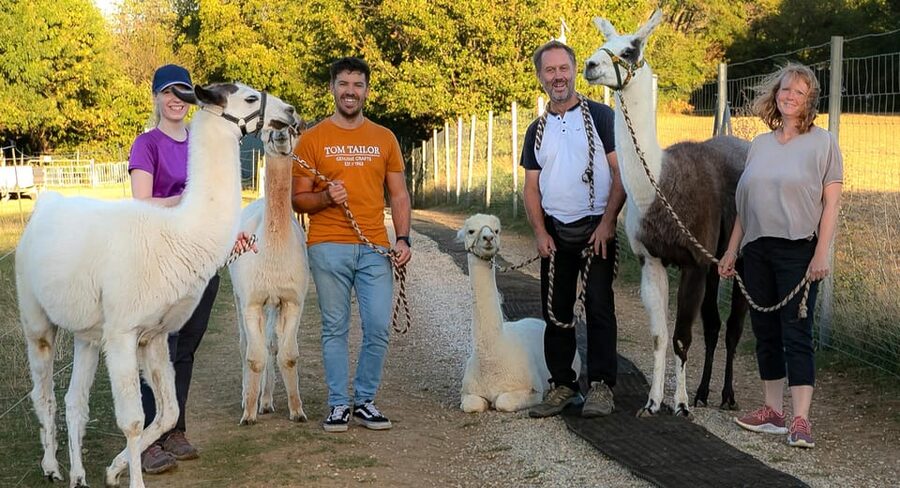
The guides are a major part of the experience. Karina Pöschl is associated with the farm, and Phil is also identified as a guide and owner. Barbara and Katherina are among the other guide names connected with the walks.
You can expect German and English support. English ability has been praised repeatedly, and international visitors should be able to understand the safety advice and animal explanations. If your group needs English, confirm that the selected departure offers it, since the activity lists both languages rather than promising a separate English-only departure.
The guiding style is warm and personal. You get stories about the animals, help when one refuses to move, and explanations of the region as you walk. That matters because handling a llama or alpaca is easy once you understand the basics, but less easy if you are left to guess.
Group size may vary. In the quieter season, the outing can be very small, even just a couple and the guide. At busier times, you may walk with a larger group. The experience remains personal because each person has an animal, but a bigger group can mean less one-on-one time with the guide.
Who should book this Mödling experience?
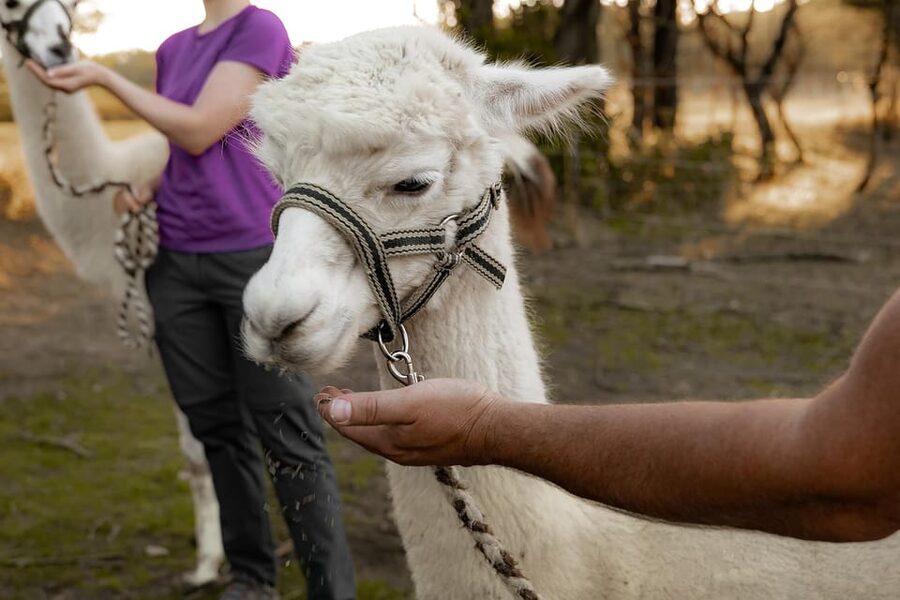
I would choose this outing if you want:
- A countryside break during a Vienna visit
- An animal experience that does not involve riding
- A gentle walk with plenty of photo opportunities
- A family activity for children aged five and older
- A bilingual experience with friendly personal guidance
- A memorable souvenir beyond a standard city postcard
I would think twice if you dislike mud, uneven paths, or animals that stop when they feel like it. You should also skip it if you need wheelchair access, are bringing a stroller, or want a fully indoor activity.
The walk is particularly good for couples and families who enjoy small, unusual experiences. It also works for solo visitors, especially in the quieter season when the guide can give more direct attention.
Practical tips for a smoother walk
Wear hiking shoes or sturdy sports shoes with grip. Mud is possible, and ordinary city sneakers may leave you wishing you had packed differently.
Dress for outdoor conditions rather than for central Vienna. The route passes through forests, vineyards, and open areas, so conditions can feel different from the city even when the distance is short.
Arrive at the green meeting point sign and wait there. Do not enter or phone before the guide arrives, according to the meeting instructions.
Keep your schedule flexible around the two-hour duration. The tour itself is planned for two hours, but getting to the meeting point and returning to Vienna require extra time.
If you hope to walk an alpaca, ask at the start. Alpacas are included when requested, and animal exchanges are possible during the walk, but the guide needs to manage the group and animals.
Bring a camera, but do not forget the simple pleasure of walking without looking through a screen. The best part is often seeing how your animal reacts to the path, the group, and the next tempting patch of grass.
Should you book it?
Book this Mödling walk if you want a gentle, personal outing that gives you real time with an alpaca or llama rather than a quick farm photo. The combination of forest paths, vineyards, bilingual guides, well-cared-for animals, and a small keepsake makes the $58 price reasonable for the right audience.
Skip it if you need a strenuous hike, guaranteed dry paths, wheelchair access, or a tightly controlled schedule. For most families with older children, couples, and curious visitors who want a different side of Vienna, this is an easy activity to recommend, provided you bring proper shoes and accept that the animals make some of the decisions.
FAQ
Where does the alpaca and llama walk take place?
It takes place near Mödling in Lower Austria, in the countryside outside Vienna. The walk follows forest paths, fields, and vineyards.
How long is the activity?
The full experience lasts about two hours. It includes an introduction and safety briefing, two walking sections of about 35 minutes each, and a break of about 20 minutes.
Does each person get an animal?
Yes. Each participant hikes with one alpaca or llama. You may exchange animals during the walk if you wish, and alpacas can be requested.
Are the guides available in English?
Yes. The activity offers bilingual guiding in German and English.
What should I wear?
Bring hiking shoes or sturdy sports shoes. Mud may be present, especially after wet weather.
Can young children take part?
Children under five cannot participate. Children aged five to eight need to be accompanied by one adult each. Toddlers may only come in a child carrier, not in a stroller or walking beside their parents.
Is food or hotel transportation included?
Food and hotel pickup and drop-off are not included. Drinks are available to buy, and toilets are available at the activity location.
Just added around Austria
- Zell am See: Schmittenhöhe Tandem Paragliding Flight★ 4.9 · 82 reviews
- Zurich: Liechtenstein, Austria and Germany Private Day Tour★ 5.0 · 6 reviews
- Vienna: UNESCO Schönbrunn Palace Guided Tour with Entry★ 4.5 · 94 reviews
- Zell am See: Paragliding Tandem Flight★ 5.0 · 31 reviews
- Zurich: Private Liechtenstein, Austria, and Germany Day Trip★ 5.0 · 16 reviews
- Villach/Ossiachersee: Paragliding “Action” Tandemflug★ 5.0 · 4 reviews
- Werfen: Hohenwerfen Castle Entrance Ticket★ 4.5 · 84 reviews
- World War II History Vienna Old Town Private Walking Tour★ 4.8 · 9 reviews
Lower Austria Tours, compared.
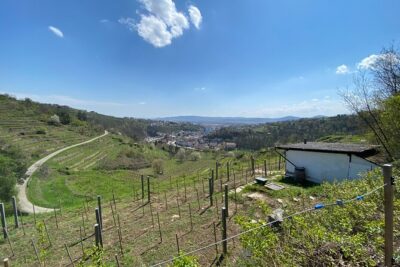
Taste and Tour Small Organic Wineries with a Winemaker
Read our review →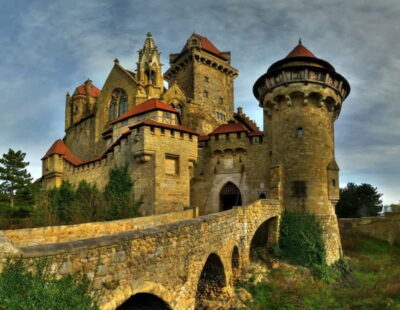
Day Trip from Vienna or Bratislava – Castles around Vienna
Read our review →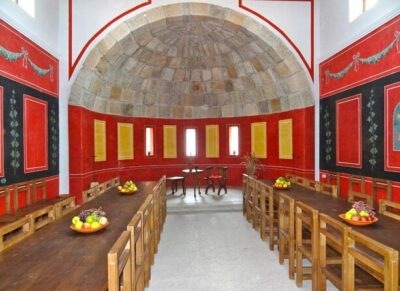
Admission Pass to The Roman Quarter and the Museum Carnuntinum
Read our review →
Browse the lists this tour appears in