
Reviewed · MARIONETTE & PUPPET THEATRE
Salzburg: The Magic Flute at Marionette Theater Ticket
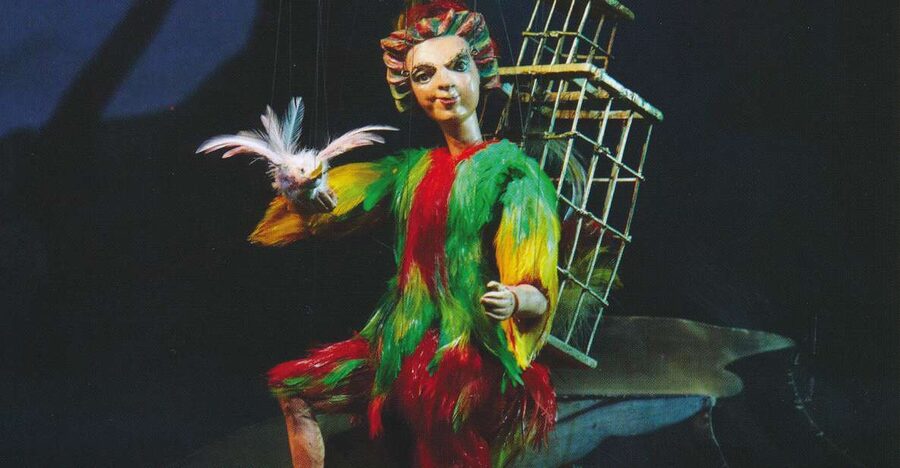
Mozart’s The Magic Flute takes on a wonderfully unusual form at Salzburg’s historic Marionette Theatre: the singers are represented by carefully controlled puppets, and the drama unfolds on a miniature stage. I like the astonishing hand skills behind every movement and the chance to see an opera inside a 350-seat Baroque-style auditorium. I also like that the show works as both a Mozart experience and a family outing.
The main consideration is language. The opera is performed in German, with explanations projected near the stage in several languages, but children may still find the story and puppet voices hard to follow. For younger viewers, the magic may be strongest in the movement, music, costumes, and lighting rather than in every plot detail.
Key points to know before booking
- The puppets are operated by professional performers: Their careful movements are the heart of the production, from character gestures to the timing of entrances and exits.
- You can choose a shorter or longer version: Available performances range from about 65 minutes to two hours, so check the exact show length before paying.
- The performance is in German: English, Spanish, French, and Chinese explanations are projected on the wall near the stage.
- The venue is part of the experience: You enter a historic 350-seat auditorium with Baroque styling at Salzburg’s Marionette Theatre.
- The production suits older children best: The visual action welcomes families, but understanding the German story may be easier for children around age 12 and up.
- The price is $38 per person: That is reasonable if you want a distinctive cultural performance rather than a standard concert, but food and drinks are not included.
Why The Magic Flute works so well with puppets
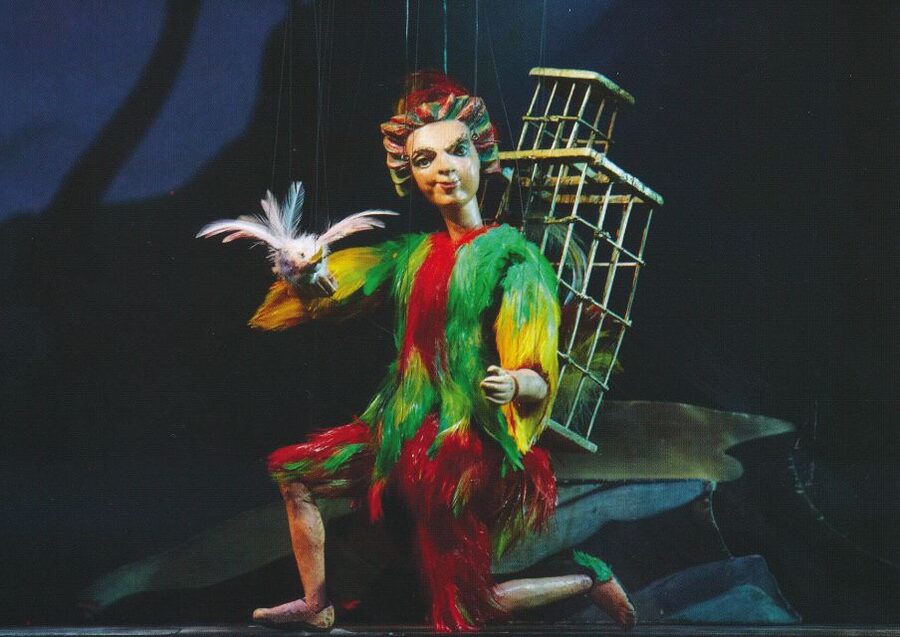
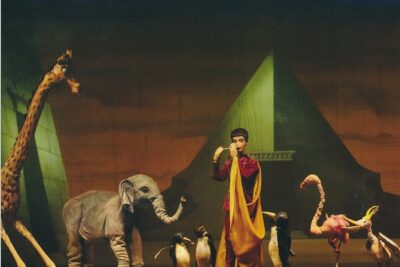
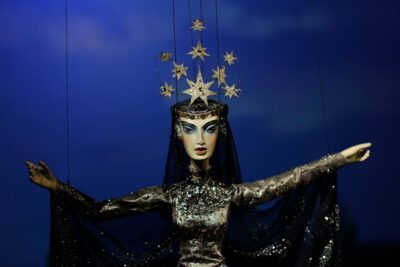
Mozart’s opera already has a storybook quality, with enchanted instruments, comic characters, tests of courage, and a battle between good and evil. Puppets make that quality visible. Instead of watching only human performers in costume, you see a small theatrical world built around movement, scale, and illusion.
I find the puppeteers’ work more interesting than it may sound on paper. A puppet does not move on its own. Every turn of the head, raised hand, pause, and change in posture must be planned and controlled. When several characters share the stage, the performers must coordinate those motions with the singing, scenery, lighting, and musical timing.
That is why this is not simply an opera with dolls placed in front of you. The manual work is part of the performance. The puppets are designed to appear alive, and the best moments come when you stop thinking about the people controlling them and accept the miniature world as real.
The production also gives you a fresh way to approach a famous opera. If a full-length opera feels formal or intimidating, this version offers a more visual entry point. You can follow the broad action through the characters and stage business, even if you do not understand every German line.
More marionette performances:
- Salzburg: The Sound of Music at Marionette Theater Ticket
★ 4.9 · 104 reviews - Salzburg Marionette Theater: The Sound of Music
★ 5.0 · 36 reviews - Salzburg Marionette Theater: The Magic Flute
★ 4.5 · 23 reviews
Entering the Salzburg Marionette Theatre
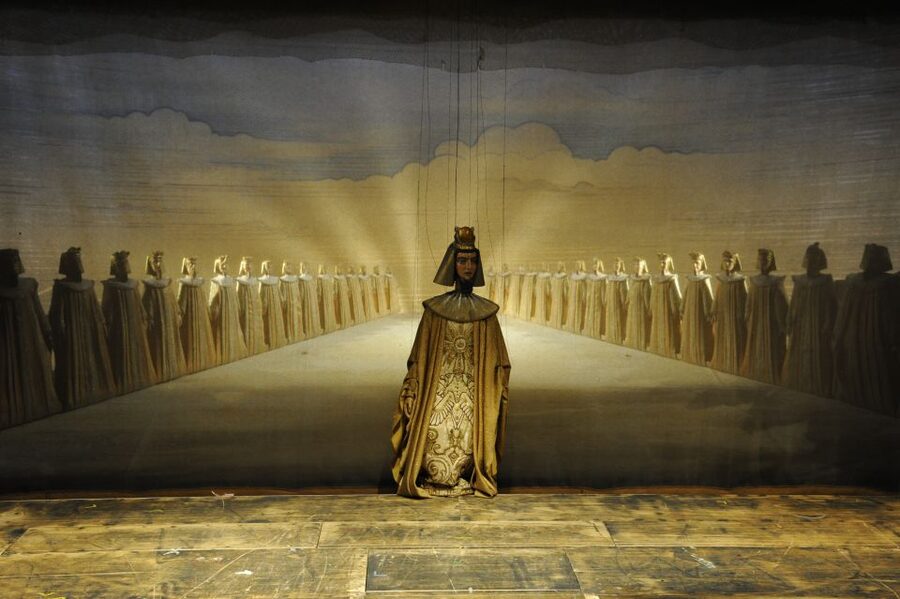
The theatre itself deserves your attention before the curtain rises. The auditorium seats 350 people and has a Baroque-style interior, giving the performance a sense of place that a modern black-box theatre would not provide.
I would arrive early enough to look around rather than rush straight to your seat. One especially appealing touch is that the scenery may be put into position at the beginning, allowing you to see some of the stage preparation before the story takes over. That small glimpse reminds you that the show depends on human hands and practical theatre craft.
The venue is also recognized as UNESCO Intangible Cultural Heritage. That matters because the theatre represents a specialized performance tradition, not simply a place where a popular show happens to be staged. You are seeing an art form tied to Salzburg and to the long relationship between the city and Mozart.
The auditorium has 350 seats, so this is not a huge arena production. That scale should help the puppets remain visible and keep the focus on the stage. Still, your exact view will depend on your seat, and the production relies on visual details. If you have a choice, a position with a clear view of the stage will matter more than sitting far to one side.
Choosing between the 65-minute and two-hour versions
The available versions range from about 65 minutes to two hours. That is a meaningful difference, especially if you are fitting the show between sightseeing, dinner, or a family bedtime.
The shorter version is the practical choice if you want a taste of the production without giving the opera a large part of your evening. It may also suit younger children who enjoy the visual side of the show but lose focus during longer scenes.
The two-hour version gives the story more room to develop. If you already enjoy opera, Mozart, or traditional theatre, you may prefer the longer presentation. It allows you to spend more time with the characters and the musical structure rather than treating The Magic Flute as a quick cultural stop.
Do not assume that every performance has the same length. Check the starting time and stated duration when you select your ticket. The booking information identifies both one-hour and two-hour options, but the precise schedule depends on availability.
Following a German opera without German
The Magic Flute is sung in German. You do not need to speak German to appreciate the puppets, but language will affect how much of the plot you catch in the moment.
Explanations in English, Spanish, French, and Chinese are projected on the wall near the stage. These translations help you understand the main story and follow the action, though they are not the same as hearing the opera in your own language. You will need to shift your eyes between the stage and the projected text, which can mean missing a small gesture or scenic change.
This is worth considering if you are booking for children. The puppet characters may grab their attention, but the story can be harder to follow when the dialogue and singing remain in German. I would be most comfortable recommending it for children around age 12 and older, particularly those who enjoy music, theatre, or visual storytelling.
For younger children, expectations are important. Tell them they are going to see a musical puppet performance, not a fully translated children’s play. They may love the magical movements and bright stage action while understanding only the broad outline.
Adults who know the opera will have an advantage. You can focus on how the puppets interpret familiar characters and scenes. If the story is new to you, read a short plot outline before arriving. That simple step will make the projected explanations easier to use and let you pay more attention to the stage.
A few more Salzburg days worth a look
- The Original Sound of Music Tour in Salzburg
★ 4.5 · 6,129 reviews - Salzburg: Original Sound of Music Tour
★ 4.8 · 5,059 reviews - From Salzburg: Half-Day Tour to Hallstatt
★ 4.6 · 3,596 reviews - Salzburg: Mozart Concert at Mirabell Palace
★ 4.8 · 3,498 reviews
Watching the puppeteers bring the stage to life
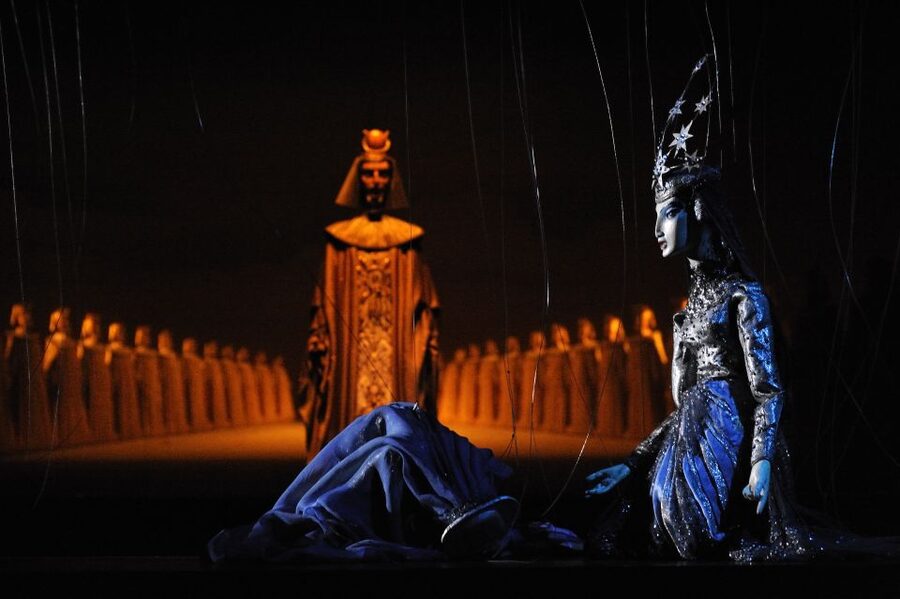
The most highly praised part of this experience is the puppet work. The performers do more than move figures from one spot to another. They create personality through posture, timing, and small gestures.
A puppet that turns slowly toward another character can suggest surprise or suspicion. A quick movement can make a comic figure seem lively. The performers must also keep the action readable from across the auditorium, so each motion has to be clear without becoming stiff.
The music gives the movement its structure. The puppeteers must respond to the rhythm and the singers while managing the figures by hand. That combination of listening, timing, and physical control explains why the production feels more like a live theatrical craft than a simple recorded presentation.
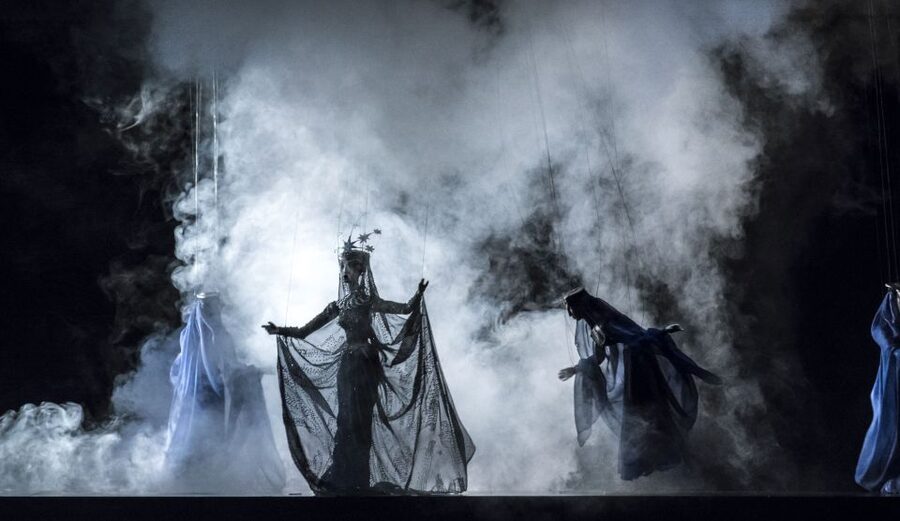
Lighting adds another layer. It directs your attention, changes the mood, and helps the small stage feel larger than it is. Scenery and lighting are not background decoration here. They help create the illusion that these puppets belong to a complete opera house of their own.
One memorable detail is the chance to see scenery being placed at the start. I appreciate that kind of honest theatrical moment. It lets you see the work behind the illusion before the story asks you to forget the mechanics.
Music, singing, dancing, and the live-performance question
The show combines singing, dancing, music, scenery, and lighting. Mozart’s score gives the performance its identity, and the puppets provide the visual surprise.
The supplied information describes the show as a live experience, but it does not promise a live orchestra or live instrumental accompaniment for every performance. If hearing a full live orchestra is your main reason for booking, check the exact performance details before you commit. One recent comment specifically wished the music could be live, so this point deserves a clear expectation.
You should still expect music to be central. The Magic Flute is an opera, not a silent puppet play with background sound added as an afterthought. The singing and the puppets work together, while the movement and stage effects give the music a visual shape.
I would book this for the combination rather than for only one element. If you want a traditional concert with musicians in full view, this may not be the right choice. If you want to see Mozart presented through a rare theatrical form, the balance is much more appealing.
How much value you get for $38
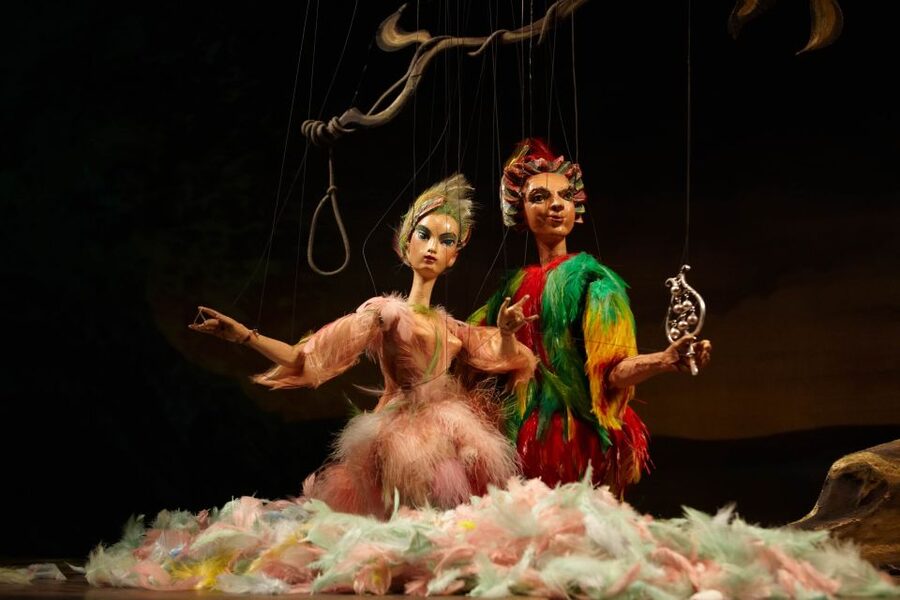
At $38 per person, the ticket is not a casual five-dollar attraction, but it is a fair price for a specialized performance in a historic theatre. You are paying for the venue, the production, the puppeteers’ skill, and a cultural experience that is difficult to duplicate elsewhere.
The value improves if you already plan to see Salzburg through its Mozart connections. A standard museum visit can explain Mozart’s life and work. This performance lets you encounter one of his best-known operas through a local theatrical tradition. It gives your sightseeing evening a stronger sense of place.
Families should calculate the value slightly differently. If your children are curious about puppets, music, or theatre, the show can replace a more ordinary evening activity. If they are very young or unlikely to sit through an opera, the cost may feel high if they lose interest after the opening scenes.
The ticket includes admission to The Magic Flute only. Food and drinks are not included, so plan those separately. That is easy enough in Salzburg, but remember to allow time before or after the performance rather than expecting refreshments as part of the booking.
Free cancellation up to 24 hours in advance and the option to reserve now and pay later make the ticket easier to fit into a changing schedule. Those terms are useful if you are still arranging your Salzburg days, though you should always check the conditions attached to the exact booking you select.
Who should book this performance
I would recommend the Marionette Theatre to several kinds of visitors.
If you enjoy Mozart, opera, or traditional stagecraft, this is an easy choice. You get a familiar work in a form that changes how you watch it. The performance asks you to notice the puppets, the lighting, and the physical skill behind the show.
If you want a cultural activity that works for a family, this is also a strong option. The visual storytelling gives children something to watch, while adults can appreciate the music and craftsmanship. I would set the best age at around 12 and up because the German-language performance may be difficult for younger children to follow.
It also suits anyone who wants a quieter alternative to Salzburg’s outdoor sightseeing. This is a seated indoor performance with a fixed duration, making it useful when you need a break from walking or when the weather is poor.
I would think twice if you need a fully translated performance, dislike opera, or want to see musicians performing live on stage. The projected explanations help, but they do not remove the language barrier completely.
Practical tips for making the most of it
Read the plot before you go. Even a short outline of the main characters will help you match the projected text to the action.
Check the duration carefully. The difference between roughly 65 minutes and two hours can affect dinner plans, transport, and children’s patience.
Arrive with time to appreciate the auditorium. The Baroque-style room is part of the attraction, and the beginning may include a look at scenery being set in place.
Keep your attention on the stage during major scenes, but glance at the projected explanations when you need help with the story. You will not catch every visual detail and every line at once, so choose what matters most to you.
For families, explain beforehand that the puppets are operated by skilled performers. Older children may find the hand movements and stage mechanics as fascinating as the story itself.
Should you book The Magic Flute at the Marionette Theatre?
Book it if you want a distinctive Salzburg evening built around Mozart, puppetry, and old-style theatre craft. The puppets are the main reason to go, and the historic 350-seat auditorium gives the performance a setting worthy of the subject.
Choose the shorter version for a compact cultural stop, or the two-hour version if you want more of the opera and have the time. The German language and uncertain live-music setup are the main points to weigh carefully.
For adults and families with older children, I consider $38 reasonable for such a specific performance. It will not suit everyone, but if the idea of Mozart’s opera performed by hand-operated puppets makes you curious, that curiosity is a good reason to book.
FAQ
How long does The Magic Flute performance last?
The available versions last from about 65 minutes to two hours. Check the specific performance option for its exact duration and start time.
Is the opera performed in English?
No. The Magic Flute is performed in German. Explanations are projected near the stage in English, Spanish, French, and Chinese.
Is the performance suitable for children?
Yes, it is presented as a family-friendly musical and cultural experience. Children around age 12 and older may find it easier to follow, while younger children may enjoy the puppets and stage action without understanding the full story.
Where does the performance take place?
It takes place at Salzburg’s Marionette Theatre, a historic venue with a 350-seat Baroque-style auditorium.
What does the ticket include?
The ticket includes admission to The Magic Flute. Food and drinks are not included.
Can I cancel my booking?
You can cancel up to 24 hours in advance for a full refund. A reserve-now-and-pay-later option is also available, subject to the booking terms.
Just added around Salzburg
- Zell am See: Schmittenhöhe Tandem Paragliding Flight★ 4.9 · 82 reviews
- Zell am See: Paragliding Tandem Flight★ 5.0 · 31 reviews
- Werfen: Hohenwerfen Castle Entrance Ticket★ 4.5 · 84 reviews
- Viator Exclusive: ‘The Sound of Music’ Private Tour★ 5.0 · 28 reviews
- Zell am See Alpine Village Private Day Trip from Salzburg★ 5.0 · 3 reviews
- Private transfer from Salzburg to Vienna, 2 hours for sightseeing★ 4.5 · 7 reviews
- Private Transfer from Salzburg to Munich with 2 hours for sightseeing★ 5.0 · 8 reviews
- Private Austrian Food Tasting Tour in Salzburg’s Old Town★ 4.5 · 3 reviews
Marionette & Puppet Theatre, compared.
The Sound of Music at Marionette Theater Ticket
Read our review →
Salzburg Marionette Theater: The Magic Flute SHORT version (1 hour)
Read our review →
Salzburg Marionette Theatre: Highlights-The Magic of Marionettes (30 min. show)
Read our review →Browse the lists this tour appears in