
Reviewed · FOOD TOURS IN VIENNA
Vienna: Wine Tasting Tour
Vienna’s wine culture is not confined to vineyards outside the city. This evening walk takes you into cellar restaurants and local bars in the center, where five glasses lead from Vienna’s own wine traditions to Wachau whites and Burgenland reds. The wine is the point, but the changing venues give the evening a useful sense of place.
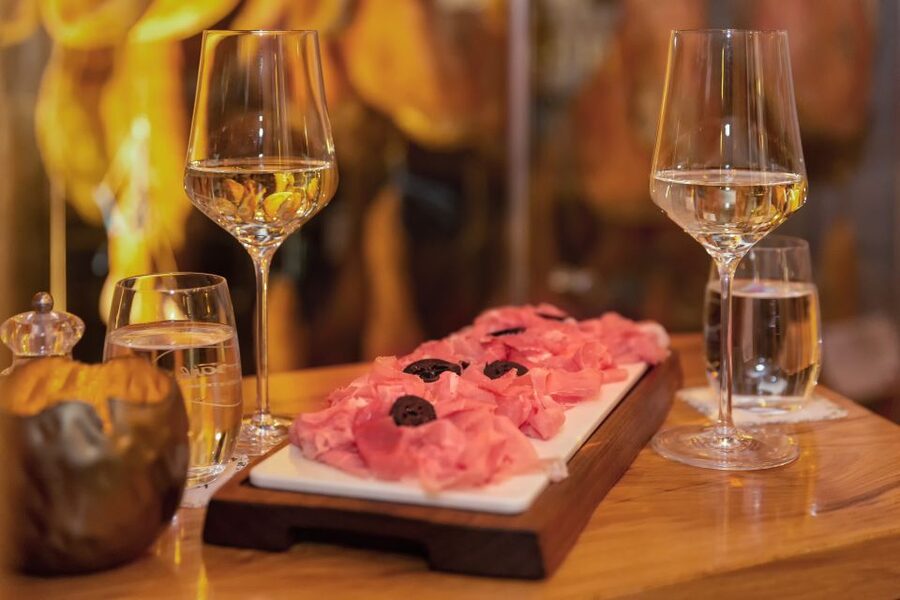
I like the tasting’s clear regional range, from Grüner Veltliner and Austrian Riesling to Blaufränkisch-style Burgenland red, and I like the food pairings: ham, bread, and familiar Austrian spreads rather than a parade of tiny, fussy bites. The possible drawback is the price, $159 per person, which is a serious outlay for 150 minutes and five glasses. You are paying for the guide, four locations, and access to private or less obvious spaces, not simply for the wine.
Key points at a glance
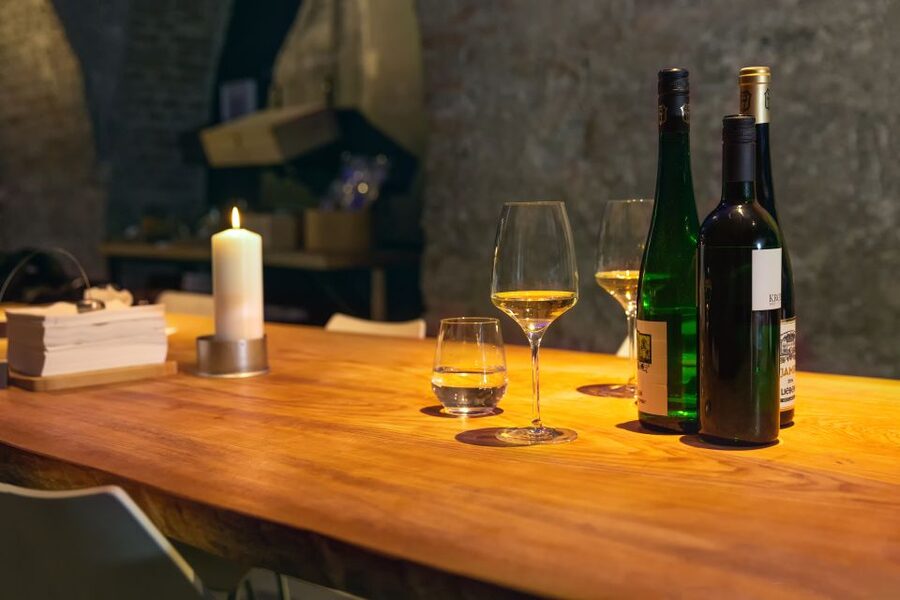
- Five wines in four central Vienna locations: The route moves between a private cellar, restaurants, and a local bar rather than keeping you in one tasting room.
- A useful introduction to Austrian wine: You sample Vienna wine, Austrian Riesling, Grüner Veltliner from the Wachau Valley, and red wine from Burgenland.
- Food is part of the experience: Austrian ham, bread, and traditional spreads accompany the tastings.
- Guides bring the evening to life: Lukas, also referred to as Luke or Hari in individual tour experiences, is praised for his wine knowledge, local tips, and friendly manner.
- A walking tour with modest distances: The route includes walks of five to eight minutes between stops, all within central Vienna.
- Best for adults who want context: The tour suits wine beginners and curious drinkers, but it is not suitable for children under 16 or pregnant women.
Why this wine walk works in central Vienna
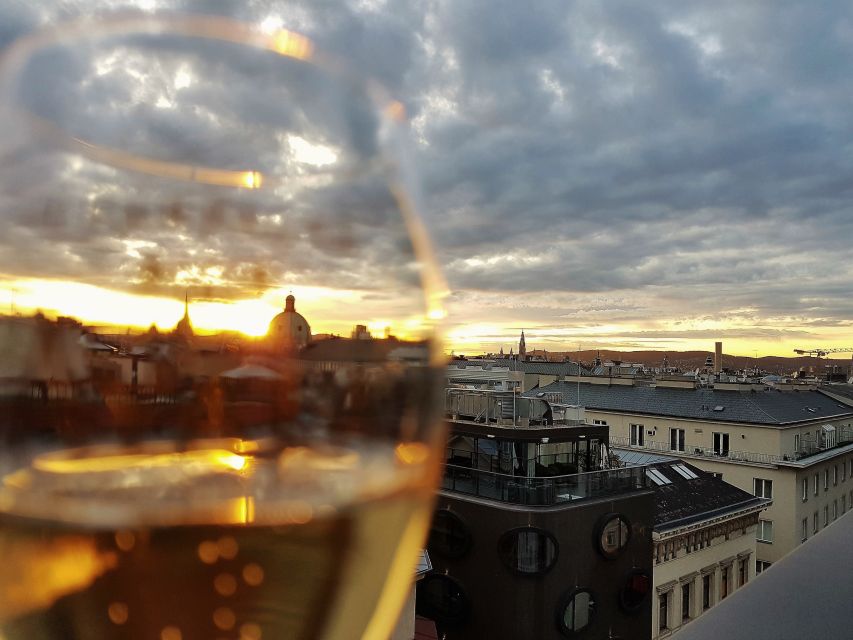
The clever part of this experience is its movement through the city. You begin at Lugeck 6, in front of the Johannes-Gutenberg Monument, then walk between four different places before finishing at Schottengasse 3. The distances are short, with walks of about five or eight minutes, so the evening has a pleasant rhythm rather than feeling like a long trek.
That change of setting matters. A formal tasting room can teach you about wine, but it does not always show you how wine fits into local life. Here, a cellar restaurant, a bar, and other central venues give the tasting a more social feel. You get the city streets between glasses, along with the sense that Vienna’s wine culture belongs in everyday places as much as in grand wine estates.
The full experience lasts 150 minutes. That is long enough for a guided introduction without taking an entire evening. You finish near Schottengasse, so you can continue with dinner, a drink, or a walk through central Vienna afterward.
The atmosphere also depends heavily on the guide. Lukas has received especially warm praise for making the tasting relaxed and personal, while other guests have named Luke, Hari, or Harry. The safest expectation is an enthusiastic English or German speaking wine guide, not a guarantee that one particular person will lead every departure.
More Food Tours in Vienna
- Vienna: Chocolate Workshop in Chocolate Museum w/ Tasting
★ 4.5 · 1,802 reviews - Vienna for Food Lovers: Cafés, Markets & Austrian Cuisine
★ 5.0 · 1,063 reviews - Wachau Valley Wine Tasting Bike Tour from Vienna
★ 5.0 · 829 reviews
The first glass: Vienna’s own wine identity
The opening wine is presented as closely tied to Vienna itself, as familiar to the city as St. Stephen’s Cathedral. The exact bottle is not specified, but the point is clear: you start with a wine connected to Vienna rather than jumping straight to a famous Austrian region.
This is a useful beginning because many people arrive in Vienna knowing Grüner Veltliner but knowing little about wine made in or associated with the city. Your guide explains the local wine background before the group moves on. That context helps you taste the next wines as part of a larger Austrian picture, not as unrelated samples.
The first stop lasts about 25 minutes. That gives you time to hear the story behind the wine, taste it, and ask questions without feeling rushed. If you are new to wine, this is where the guide’s role matters most. You do not need to arrive with a vocabulary of aromas and finishes. The aim is to understand what makes the wine local and why it belongs at the start of the route.
A private cellar and Austrian Riesling
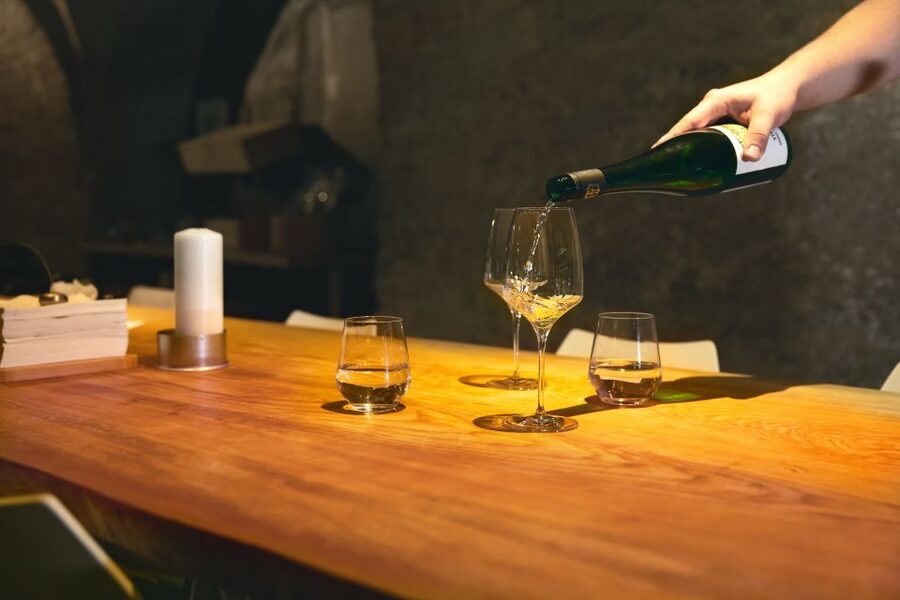
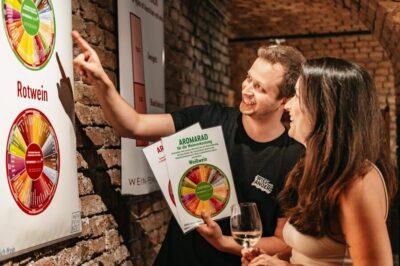
After a short walk of about eight minutes, the group reaches a private wine cellar. This is one of the more distinctive parts of the route. A private cellar gives the tasting a quieter setting and a sense of access that you would not get from simply ordering a glass at a standard restaurant.
Here you taste Austrian Riesling and discuss its particular qualities. Austrian Riesling can show a different character from the better-known German styles, and the guide uses the glass to explain how the grape and region shape the result. The supplied details do not specify the producer or vintage, so you should think of this as a guided introduction rather than a fixed bottle-by-bottle master class.
The stop lasts about 25 minutes. That is enough time to compare the second wine with the first and consider how two local wines can differ in weight, acidity, and style. Your guide can also answer questions about Austrian wine-making and vineyard regions, subjects that Lukas has been praised for explaining in an engaging way.
One practical point: wine cellars can have uneven access, steps, or tight spaces, and the tour information gives conflicting accessibility details. It describes the activity as wheelchair accessible but also says it is not suitable for wheelchair users. If you use a wheelchair, confirm the actual route and cellar access with the provider before booking.
Ham, a third wine, and a local bar
The next walk takes about eight minutes and leads to a local bar. This stop lasts around 30 minutes and combines wine with an Austrian ham tasting. The pairing gives the evening a welcome change of pace. Instead of treating food as decoration, you get something savory that helps show how wine works with ordinary local eating.
The wine at this stage is described as an international variety. The precise grape is not provided, so you should not book expecting a particular famous label. What you can count on is a comparison between the earlier Austrian wines and a different style, along with ham chosen for the pairing.
I like this part because it makes the tasting less academic. You can talk about wine, but you can also simply eat, chat, and notice what works together. The reviews repeatedly praise the friendly, social tone of the tour, and a bar stop is well suited to that atmosphere.
The guide’s personality is important here. Lukas has been praised for adjusting tastings to the group’s preferences, rather than forcing everyone through a rigid script. That does not mean you can redesign the tour, but it suggests room for questions and conversation. You may also meet other people on the walk, which makes this a better choice for solo visitors or couples who enjoy a shared evening.
More Vienna wine tastings worth an afternoon:
- Vienna: Swarovski House Tour with Champagne and Gift
★ 4.7 · 787 reviews - Countryside Half Day Wine Tour near Vienna
★ 5.0 · 545 reviews - Wachau Valley Small-Group Tour and Wine Tasting from Vienna
★ 5.0 · 540 reviews - From Vienna: Half-day Countryside Wine Tour with Meal
★ 4.7 · 526 reviews
Grüner Veltliner from the Wachau Valley
After another five-minute walk, you reach a local restaurant for the longest stop, about 30 minutes. Here the tasting focuses on Grüner Veltliner from the Wachau Valley and includes traditional Austrian spreads and bread.
For many visitors, this is likely to be the central wine moment. Grüner Veltliner is Austria’s signature white grape, and the Wachau is one of the country’s best-known wine areas. You get a chance to taste the grape in a regional context rather than only hearing its name on a restaurant wine list.
Bread and spreads make the stop feel more like an Austrian snack than a technical tasting. The food also gives you a way to judge the wine in a practical setting. A wine may seem sharp or austere on its own and more balanced with food. You do not need to decide whether a bottle is objectively good. You can decide what you like with a simple local bite.
The restaurant setting should appeal to anyone who wants a comfortable pause during the walk. At the same time, this is not a full dinner. Ham, spreads, bread, and tasting portions are included, but the activity does not promise a complete meal. If you need a substantial dinner, plan to eat afterward.
Finishing with Burgenland red wine
The route ends with a glass of red wine from Burgenland, Austria’s eastern wine region. The guide discusses the region and the character of its red wines, giving the tasting a final shift from white wines to red.
The information names Blaufränkisch among the wines you will encounter, while the final stop is described more broadly as a Burgenland red. You may therefore taste Blaufränkisch or another representative red, depending on the exact selection. This regional finish rounds out the evening well: Vienna at the beginning, major white-wine areas in the middle, and Burgenland’s red-wine tradition at the end.
The final stop also gives you a chance to look back at the range of the tasting. Five glasses over four places is not an enormous quantity, but it is enough variety for you to learn how Austrian wine differs by grape and region. The guide’s discussion of wine-making and vineyard areas adds value here, especially if you are considering bottles to order during the rest of your trip.
What the guide adds to the price
At $159 per person, this tour is not a cheap way to drink wine. If you only want five glasses, you can spend less by ordering independently. The value comes from the structure: four locations, a private cellar, food pairings, a walking route, and a guide who explains what is in your glass.
Lukas receives the strongest praise in the supplied experiences. He is described as personable, enthusiastic, flexible, and well informed about both Austrian wine and Vienna. Several people also appreciated his suggestions for restaurants, cafés, shopping, and other places to visit. If you schedule this near the start of your stay, those tips may help you make better use of the rest of your time in Vienna.
The experience also appears to work for different levels of wine interest. A local resident who had lived in Vienna for seven years found it worthwhile, while first-time visitors enjoyed the history and explanations. That is a good sign for mixed groups, such as one person who knows wine and another who simply enjoys trying local drinks.
Still, the cost deserves an honest look. The tour lasts two and a half hours, not a full evening, and five glasses are tasting portions rather than five large restaurant pours. You are paying a premium for access, guidance, and food. I would consider it good value if you want an organized introduction to Austria’s wine regions and prefer a personal guide to researching venues yourself. I would skip it if your main goal is a large meal or bargain-priced wine.
Who should book this experience
I would recommend the tour to adults who want to understand Austrian wine without leaving central Vienna. It is especially useful for:
- First-time visitors who want local orientation along with their drinks.
- Couples looking for a social evening with food and several settings.
- Solo visitors who enjoy meeting other people on a guided walk.
- Wine beginners who appreciate explanations without a stiff classroom mood.
- More experienced drinkers who want local recommendations and lesser-known city venues.
- Groups with mixed wine knowledge, since the guide can explain the basics and discuss regional detail.
The minimum drinking age is 16, but the activity is not designed for children under 16. It is also not suitable for pregnant women. The supplied information says both wheelchair accessible and not suitable for wheelchair users, so anyone with mobility needs should get a direct answer about the route before reserving.
The tour is offered in English and German. You should also be comfortable walking between stops and standing or sitting in several different venues. The longest individual walk is about eight minutes, but the evening is not based in one place.
Timing, cancellation, and practical planning
You meet at Lugeck 6, 1010 Vienna, in front of the Johannes-Gutenberg Monument. The activity finishes at Schottengasse 3. Starting times vary, so check availability when choosing your date.
I would schedule this early in your Vienna visit if you want to use the guide’s local suggestions for food, cafés, and shopping. If you already have a packed evening, the 150-minute length makes it easier to fit in than a full dinner tour.
You can cancel up to 24 hours before the activity for a full refund, and the reserve-now, pay-later option lets you hold a place without paying immediately. Those policies are useful if your Vienna plans are still changing, but they do not alter the main question: are guided tastings and local access worth $159 to you?
Should you book the Vienna wine tasting tour?
Book it if you want a friendly, guided introduction to Austrian wine with real movement through central Vienna. The combination of five wines, ham, spreads, four venues, and regional explanation gives you more than a single-room tasting. The strongest reason to go is the guide, particularly if Lukas is leading your departure, since his flexibility and local advice add a personal touch.
Think twice if you want a full dinner, large pours, or a low-cost wine night. Also confirm accessibility before booking, since the supplied details conflict. For curious adults who want to taste Vienna through its wine cellars, restaurants, and bars, this is a well-focused way to spend two and a half hours.
FAQ
Where does the wine tour begin?
The meeting point is at Lugeck 6, 1010 Vienna, in front of the Johannes-Gutenberg Monument.
Where does the tour finish?
The tour finishes at Schottengasse 3 in central Vienna.
How long does the experience last?
The tour lasts 150 minutes, or two and a half hours.
How many wines are included?
Five glasses of wine are included. The selection can include Vienna wine, Austrian Riesling, Grüner Veltliner from the Wachau Valley, and red wine from Burgenland, with Blaufränkisch among the Austrian varieties highlighted.
Is food included?
Yes. The experience includes an Austrian ham tasting, traditional spreads, and bread.
What languages are offered?
The live guide speaks English or German.
What is the minimum drinking age?
The minimum drinking age is 16. The activity is not suitable for children under 16 or for pregnant women.
Just added around Vienna
- Vienna: UNESCO Schönbrunn Palace Guided Tour with Entry★ 4.5 · 94 reviews
- World War II History Vienna Old Town Private Walking Tour★ 4.8 · 9 reviews
- Vienna: Winery and Wine Tasting Tour with a Wine Expert★ 5.0 · 5 reviews
- Vienna: Wine Tasting E-Bike Tour★ 4.9 · 46 reviews
- Vienna: Wine Tasting at Schönbrunn Palace★ 4.3 · 71 reviews
- Vienna: Concert by the Vienna Baroque Orchestra★ 4.6 · 56 reviews
- Vienna: Wachau Valley Private Kayak and Wine Tour★ 5.0 · 3 reviews
- Vienna: Wiener Schnitzel and Strudel Cooking Class★ 4.9 · 126 reviews
Food Tours in Vienna, compared.
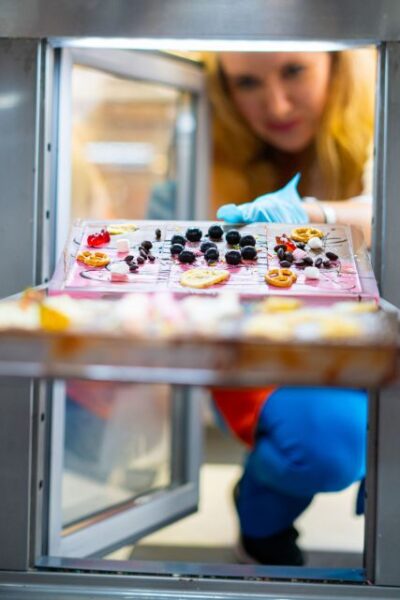
Chocolate Workshop in Chocolate Museum w/ Tasting
Read our review →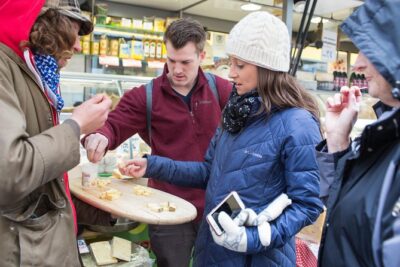
Vienna for Food Lovers: Cafés, Markets & Austrian Cuisine
Read our review →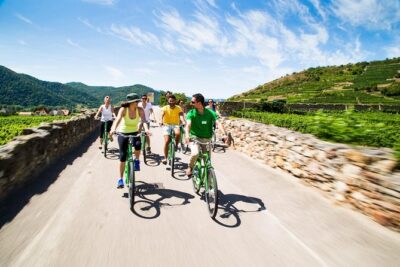
Wachau Valley Wine Tasting Bike Tour from Vienna
Read our review →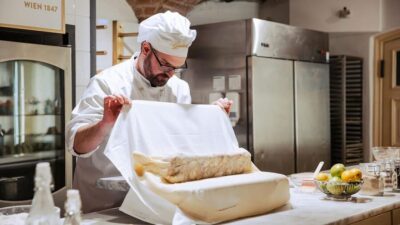
Gerstner KuK Hofzuckerbäcker Baking Show & Tasting
Read our review →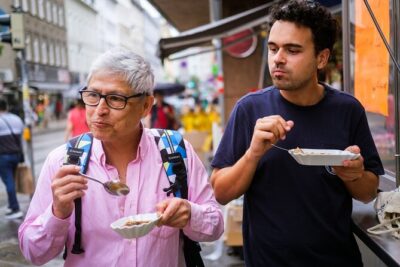
Authentic Vienna Food Tour inc. lunch, street food, 3 drinks
Read our review →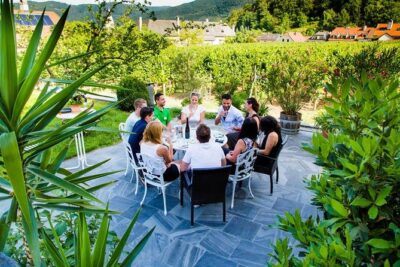
Wachau Valley Small-Group Tour and Wine Tasting from Vienna
Read our review →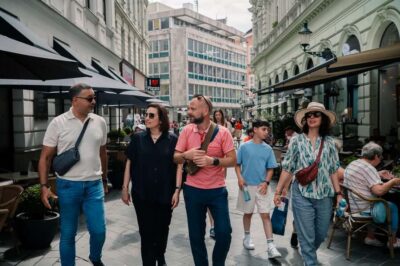
Wine Tasting Experience in a Private Wine Cellar
Read our review →Browse the lists this tour appears in