
Reviewed · AUSTRIA
Roman City of Carnuntum Admission
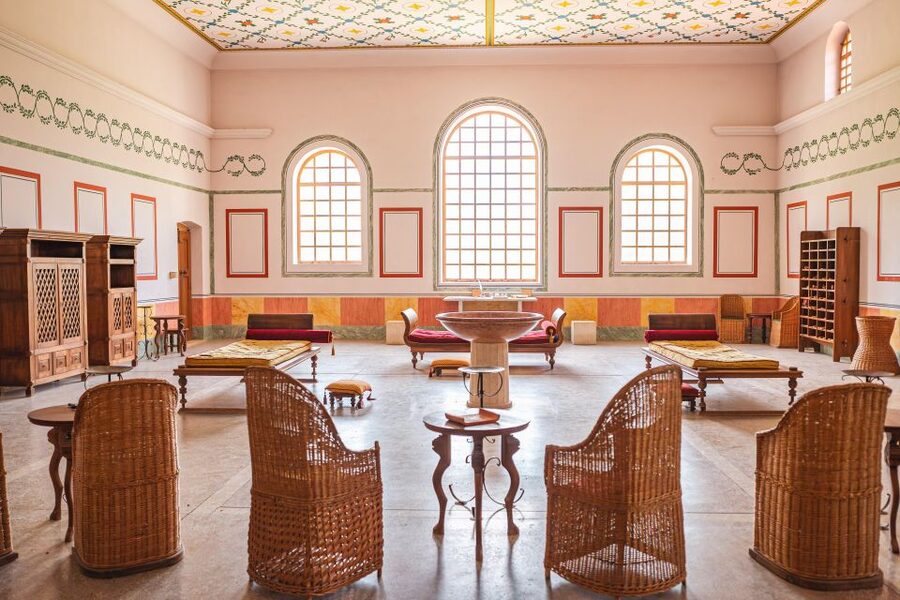
Carnuntum gives you something many Roman sites cannot: rebuilt buildings you can enter. Instead of looking down at scattered stones, you can walk through Roman rooms, see household furnishings, and picture daily life around the baths. The reconstruction follows archaeological finds made on site, so the visit feels more like exploring a neighborhood than reading a map of foundations.
I especially like the combination of the Roman Quarter and Carnuntinum Museum. One lets you move through reconstructed spaces, while the other gives you original objects and cultural context. The main drawback is important: the Military City’s amphitheater is closed for renovation, so the experience does not currently include all three historic sites some visitors may expect.
Key points
- Walk through a rebuilt Roman city quarter: Enter homes, living rooms, and baths reconstructed in their original locations.
- See Roman life at human scale: Furnishings and decorative details are based on archaeological finds from Carnuntum.
- Use one admission at two sites: Your ticket covers the Roman Quarter in Petronell-Carnuntum and the Carnuntinum Museum in Bad Deutsch-Altenburg.
- Add two memorable outdoor stops: Visit Heathen’s Gate and the nearby amphitheater of the Civil City.
- Reach Carnuntum from Vienna by train: The S7 runs hourly from Wien Mitte to Petronell-Carnuntum, followed by a walk of about 15 minutes.
- Allow a full day: The ticket is valid for one day, giving you time to visit the separate sites without rushing.
Roman rooms instead of Roman ruins
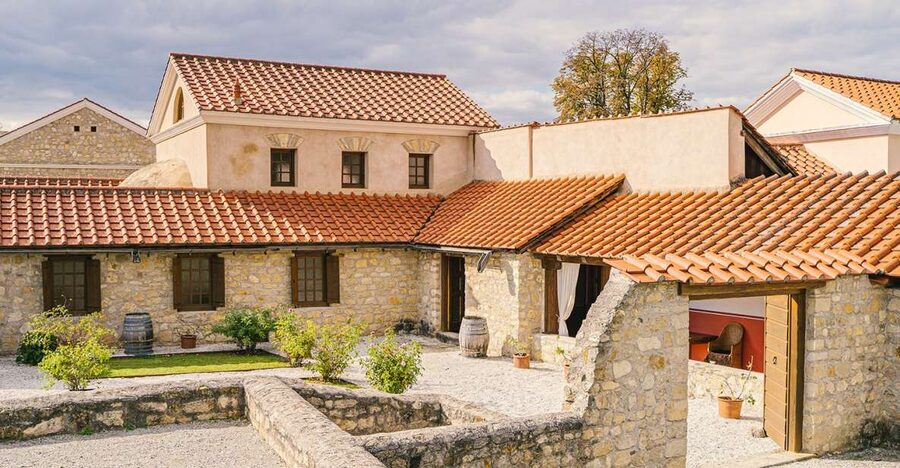
The Roman City of Carnuntum is the main attraction, and its unusual strength is the decision to rebuild part of the city quarter where the original buildings once stood. This is not a modern theme park version of Rome. The project uses archaeological evidence found at Carnuntum to recreate buildings, interior details, furniture, and decoration.
That approach changes the way you read the site. You can think about where people sat, bathed, and lived, rather than simply trying to imagine walls from low foundations. The reconstructed homes help you understand Roman society through ordinary spaces, including living rooms and bathing areas.
I find this especially useful if you are visiting with children or with someone who does not enjoy traditional archaeological sites. A field of stones can require patience and imagination. A recognizable room gives you an immediate point of reference.
The reconstruction is also valuable for adults who already know something about Roman history. It helps turn general knowledge into a physical sense of place. You begin to see how rooms connected, how decoration affected a home, and how bathing fit into urban life.
Still, you should know what this is. It is a partial reconstruction of a Roman city quarter, not a complete ancient city left standing. Some visitors may prefer untouched ruins, while others will find the rebuilt spaces far easier to understand.
Other Austria days people book alongside this one:
- Vienna: Vivaldi’s Four Seasons Concert in Karlskirche
★ 4.7 · 14,951 reviews - Vienna: Spanish Riding School Training
★ 3.9 · 9,281 reviews - Vienna: Skip-the-cashier-desk-line Giant Ferris Wheel Ride
★ 4.5 · 7,859 reviews
What you see inside the Roman Quarter
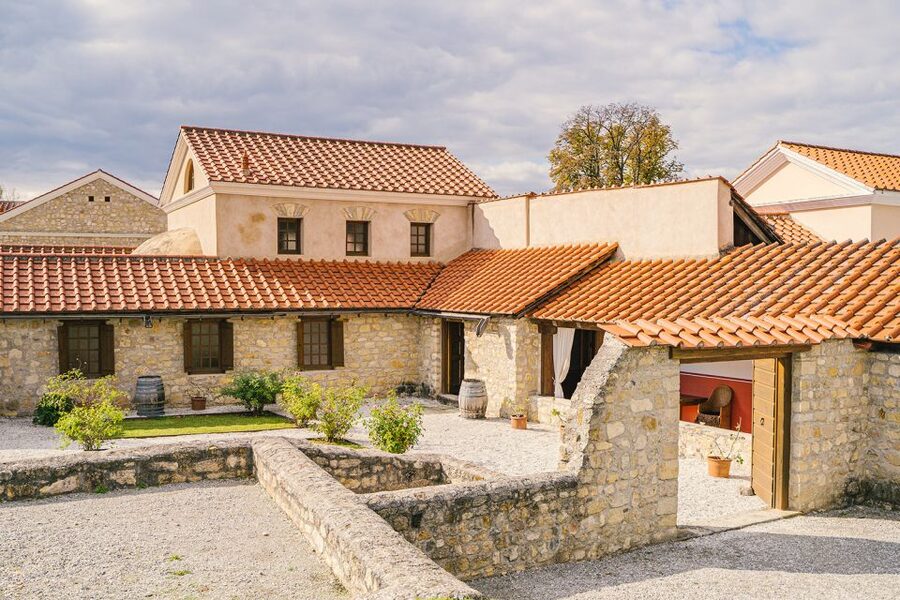
Take your time as you move through the buildings. The point is not simply to count rooms or collect photographs. Look at the decorative details and furnishings, then consider how those choices make the Roman world feel less distant.
The living rooms are particularly effective because they suggest the private side of Roman life. Public monuments often dominate Roman sites, but homes tell you more about everyday habits. Here you can picture people eating, resting, talking, and receiving visitors.
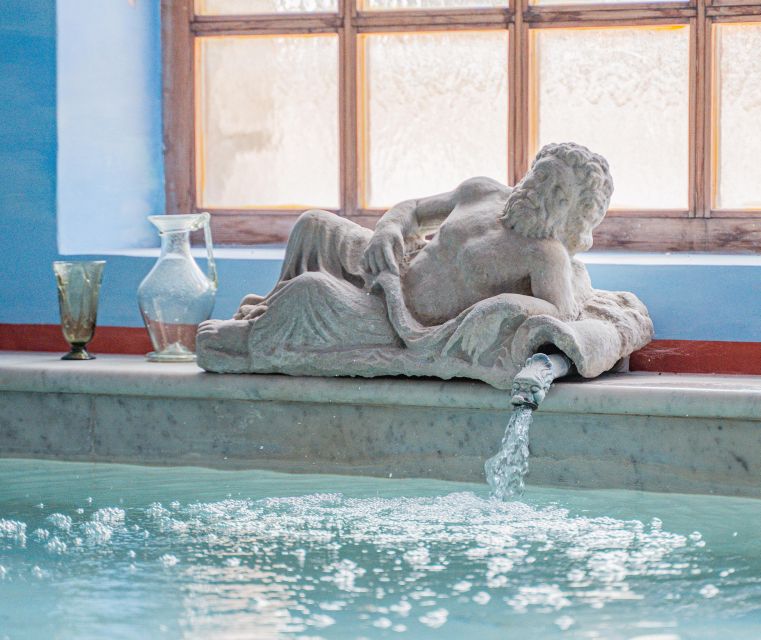
The ancient baths offer another useful stop. They show how bathing was part of urban culture and how a building could combine practical needs with social life. You might find the baths easier to understand than a bare bath complex because the rebuilt setting gives each space a clearer purpose.
The site also works well at a relaxed pace. Your admission is valid for one day, so you can pause without treating every room as a quick stop. If you are visiting from Vienna, plan enough time for the Roman Quarter, the museum, and the outdoor monuments rather than treating Carnuntum as a hurried photo break.
No named guide is provided in the activity details, and this is presented primarily as an admission experience. If you want a formal guided visit, check the arrangements before booking. The available description emphasizes clear explanations and accessible presentation, but it does not identify a guide or promise a particular language.
Carnuntinum Museum in Bad Deutsch-Altenburg
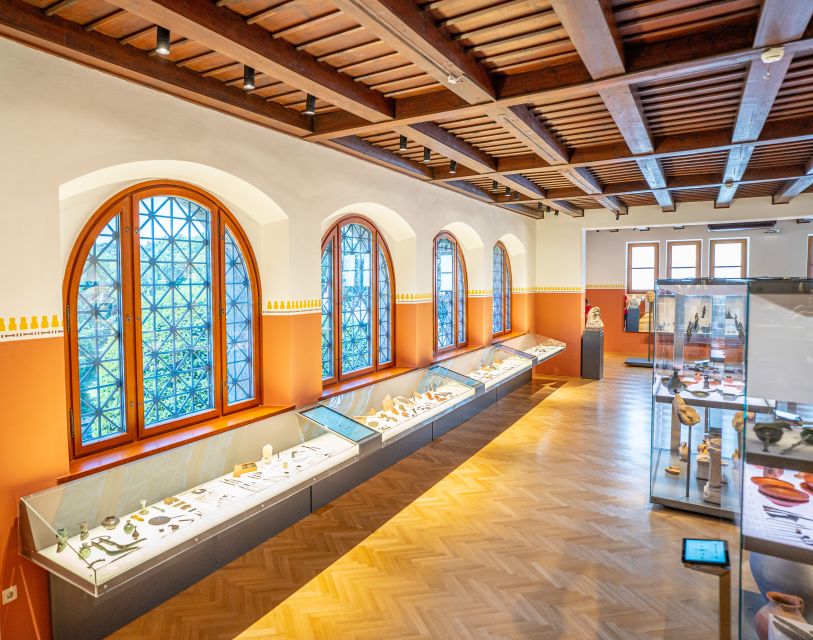
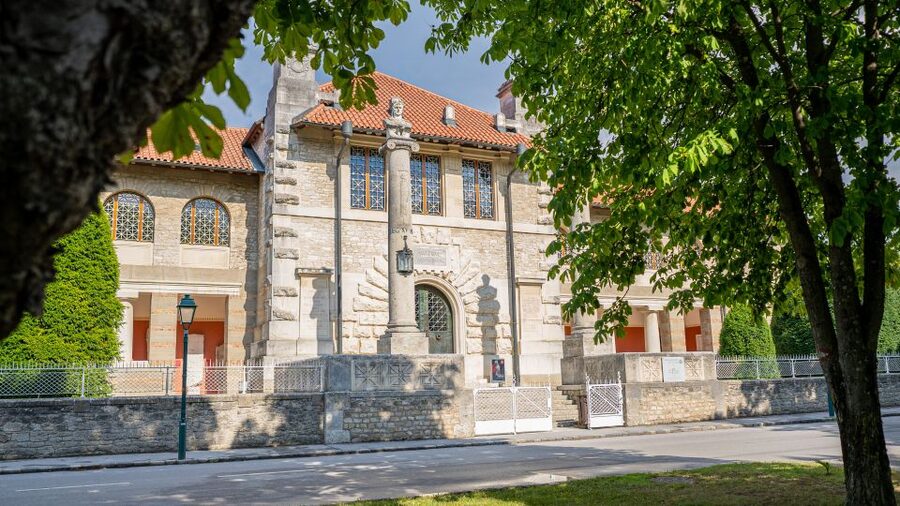
Your ticket also covers the Carnuntinum Museum in Bad Deutsch-Altenburg. This is a useful companion to the reconstructed quarter because it presents the objects and archaeological evidence behind the site.
At the Roman Quarter, you see rooms rebuilt in place. At Carnuntinum, you can focus on the artifacts and cultural material connected with the Roman settlement. Together, the two stops balance imagination and evidence.
I would not skip the museum simply because the reconstructed buildings are the more obvious attraction. The museum helps explain the people who lived at Carnuntum and the culture they created. It gives the visit a second layer, moving from how a Roman room looks to what the residents valued and used.
The museum is in a different location from the Roman Quarter, in Bad Deutsch-Altenburg. Plan this as part of the day rather than assuming everything is in one compact compound. The ticket includes admission to both places, but the supplied information does not specify a shuttle or a combined transport service between them.
That means the museum is easiest to handle with your own transport plan. If you arrive by train, check the local connection between the Petronell-Carnuntum area and Bad Deutsch-Altenburg before setting out. If you drive, the access information names both destinations as reachable from the regional road network.
Heathen’s Gate and the changing amphitheater plan
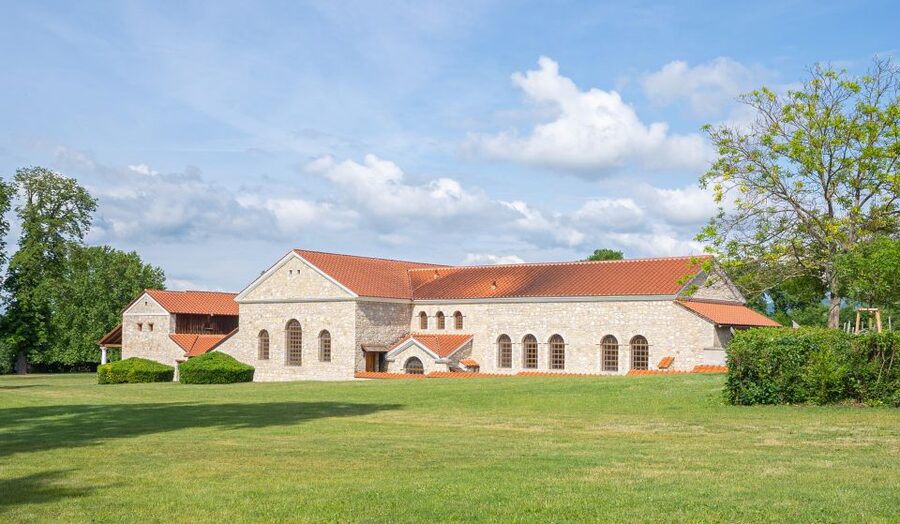
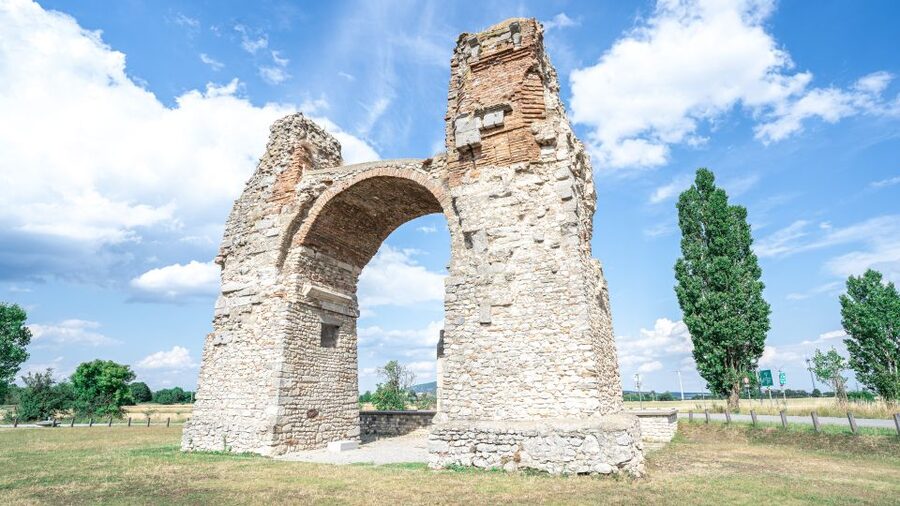
The Heathen’s Gate gives you a striking outdoor finish to the visit. It is one of the named attractions associated with Carnuntum, and it helps broaden your view beyond houses and museum displays.
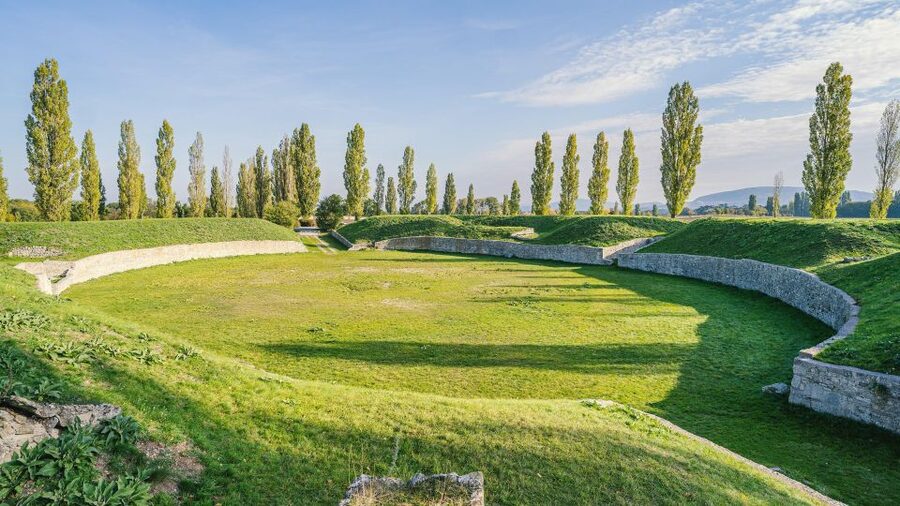
The activity information also points you toward the nearby amphitheater of the Civil City. That is worth noting because the Military City’s amphitheater is currently closed for renovation. The Civil City’s amphitheater provides an alternative, but it is not the same site.
This closure caused a practical problem for at least one visitor who expected access to three historic locations. The current arrangement is clear enough if you read the details carefully: visit the Roman Quarter and Carnuntinum Museum with your admission, then add Heathen’s Gate and the Civil City’s amphitheater, while the Military City’s amphitheater remains unavailable.
I would treat the closure as the main issue to check before paying. If the Military City’s amphitheater is central to your plans, this may not be the right time to visit. If your priority is the reconstructed quarter, museum, and broader Roman setting, the alternatives still give you a worthwhile day.
A completely different way to spend a day here:
- Vienna: Schönbrunn Palace & Gardens Skip-the-Line Tour
★ 4.7 · 7,739 reviews - Vienna: Light of Creation Votive Church Immersive Light Show
★ 4.8 · 6,779 reviews - Vienna Spanish Riding School Guided Tour
★ 4.7 · 6,765 reviews - Vienna: Classical Concert in the World-Famous Musikverein
★ 4.6 · 6,673 reviews
Getting there from Vienna by S7 train
Carnuntum is practical as a day trip from Vienna. From Wien Mitte, also called Landstraße, take the S7 in the direction of Wolfsthal. Trains run every hour, and you get off at Petronell-Carnuntum.
From the station, allow about 15 minutes to walk to the Roman City Carnuntum. Follow the signs. This is a useful detail because the train does not leave you at the entrance itself, and your day includes a short walk before the archaeology begins.
The train option makes the visit attractive if you do not want to rent a car. It also lets you avoid Vienna traffic. Build the full day around the hourly service, though, since missing a train can affect your timing.
You can also drive from Vienna. Take the A4 toward Budapest or the airport, then use the Fischamend exit and continue on the B9, Pressburger Bundesstraße, toward Hainburg an der Donau. Follow signs to Petronell-Carnuntum or Bad Deutsch-Altenburg.
From Bratislava, take the B9 toward Vienna and follow signs to either Petronell-Carnuntum or Bad Deutsch-Altenburg. The two places named in the admission are separate stops, so drivers should check the order that makes sense for their day.
Is $16 good value for one day?
At $16 per person, the admission is reasonably priced if you visit both the Roman Quarter and Carnuntinum Museum. You are paying for two related sites rather than one small exhibit, and the one-day validity gives you room to include Heathen’s Gate and the Civil City’s amphitheater.
The value is strongest for anyone who enjoys context. You get the visual impact of reconstructed homes and baths, then the museum’s archaeological material. That pairing makes the ticket more useful than an admission limited to ruins alone.
The value is less certain if you only want the Military City’s amphitheater. That site is closed for renovation, and one visitor felt the paid experience did not match the expected three-site visit. I would not ignore that concern.
Before booking, make sure your plan matches the current access arrangement. The included admission specifically covers the Roman Quarter and Carnuntinum Museum. Heathen’s Gate and the Civil City’s amphitheater are named alternatives, while the Military City’s amphitheater is closed.
The booking terms add flexibility. You can cancel up to 24 hours in advance for a full refund, and you can reserve now and pay later. That is helpful when your Vienna day trip depends on weather or a changing schedule.
Who will enjoy Carnuntum most?
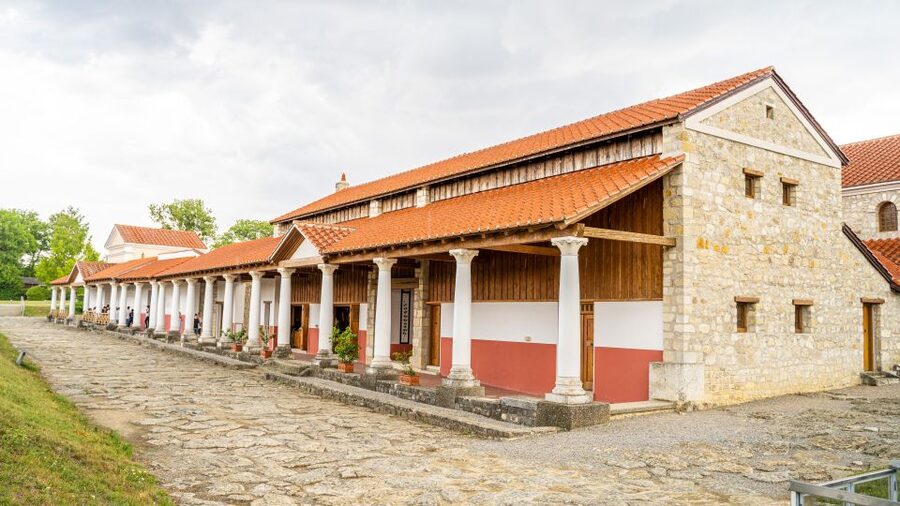
I would recommend this experience to you if you like Roman history but prefer places that explain themselves. The rebuilt rooms and baths provide an easier introduction than a site made up only of foundations.
It also suits families, school-age children, and anyone who wants a break from city museums. You can move through actual spaces, look at furniture and decoration, and connect Roman history with daily life.
The ticket makes sense for museum-minded visitors, too. The Carnuntinum Museum adds original archaeological material to the reconstructed setting, and the two sites give you different ways to understand Carnuntum.
You may want to reconsider if your main goal is a fully preserved Roman city or a guided tour led by a named specialist. The information provided does not identify a guide, group size, or set commentary schedule. This is best approached as a flexible admission visit.
The site is wheelchair accessible, which makes it a practical option for visitors who need accessible facilities. You should still confirm any route-specific questions before arrival, especially if you plan to combine both locations and outdoor monuments.
A practical one-day plan
Start with the Roman Quarter in Petronell-Carnuntum. Give yourself time to enter the reconstructed buildings, inspect the furnishings, and understand how the rooms fit together. Do not rush straight through to the museum.
Next, visit Heathen’s Gate and the Civil City’s amphitheater. These outdoor stops add scale to the Roman setting and help you see Carnuntum as more than a collection of reconstructed homes.
Finish at Carnuntinum Museum in Bad Deutsch-Altenburg, or visit it first if that order better suits your transport. The key is to remember that the museum is at a separate location.
If you are using the S7 from Vienna, check the day’s train timing before you leave. The hourly schedule is convenient, but it is not the same as having a train every few minutes. Allow time for the 15-minute walk from Petronell-Carnuntum station to the Roman City.
Bring a plan for the amphitheater closure. Do not expect access to the Military City’s amphitheater. Instead, include the Civil City’s amphitheater and Heathen’s Gate, both identified as available alternatives.
Should you book Roman City of Carnuntum Admission?
Book it if you want a clear, hands-on introduction to Roman urban life within reach of Vienna. The rebuilt quarter is the main reason to go, and the Carnuntinum Museum gives the visit useful archaeological depth. At $16, the combination offers good value when you have time for both sites.
Think twice if the Military City’s amphitheater is essential to your day. It is closed for renovation, and the current visit does not deliver that stop. For most people, though, the reconstructed homes, ancient baths, museum, Heathen’s Gate, and Civil City’s amphitheater make a strong one-day outing.
FAQ
Where is the Roman City of Carnuntum?
The Roman City is in Petronell-Carnuntum in Lower Austria. The Carnuntinum Museum is in nearby Bad Deutsch-Altenburg.
How much does admission cost?
The listed price is $16 per person.
How long is the admission valid?
The admission is valid for one day.
What does the ticket include?
It includes entry to the Roman Quarter in Petronell-Carnuntum and the Carnuntinum Museum in Bad Deutsch-Altenburg.
Is the Military City’s amphitheater open?
No. The Military City’s amphitheater is currently closed for renovation.
What can I visit instead of the closed amphitheater?
You can visit Heathen’s Gate and the nearby amphitheater of the Civil City.
How do I reach Carnuntum from Vienna by train?
Take the S7 from Wien Mitte, also called Landstraße, in the direction of Wolfsthal. Get off at Petronell-Carnuntum and walk about 15 minutes, following the signs.
Can I reach Carnuntum by car from Vienna?
Yes. Take the A4 toward Budapest or the airport, use the Fischamend exit, then continue on the B9 toward Hainburg an der Donau. Follow signs to Petronell-Carnuntum or Bad Deutsch-Altenburg.
Is the experience wheelchair accessible?
Yes, the activity is listed as wheelchair accessible.
Can I cancel my booking?
Yes. You can cancel up to 24 hours in advance for a full refund. You can also reserve now and pay later.
Just added around Austria
- Zell am See: Schmittenhöhe Tandem Paragliding Flight★ 4.9 · 82 reviews
- Zurich: Liechtenstein, Austria and Germany Private Day Tour★ 5.0 · 6 reviews
- Vienna: UNESCO Schönbrunn Palace Guided Tour with Entry★ 4.5 · 94 reviews
- Zell am See: Paragliding Tandem Flight★ 5.0 · 31 reviews
- Zurich: Private Liechtenstein, Austria, and Germany Day Trip★ 5.0 · 16 reviews
- Villach/Ossiachersee: Paragliding “Action” Tandemflug★ 5.0 · 4 reviews
- Werfen: Hohenwerfen Castle Entrance Ticket★ 4.5 · 84 reviews
- World War II History Vienna Old Town Private Walking Tour★ 4.8 · 9 reviews