
Reviewed · FOOD TOURS IN VIENNA
Austrian Wine Tasting
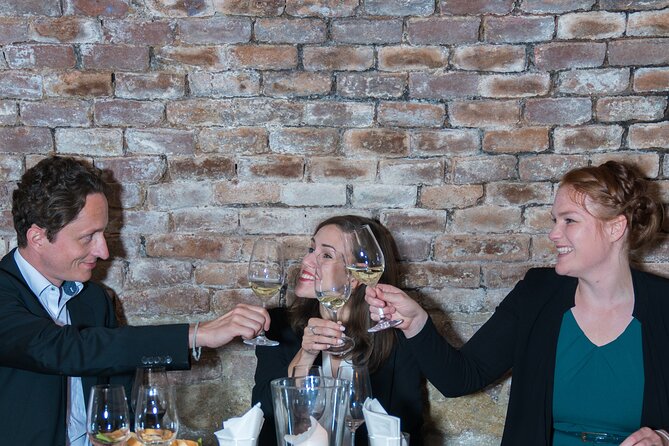
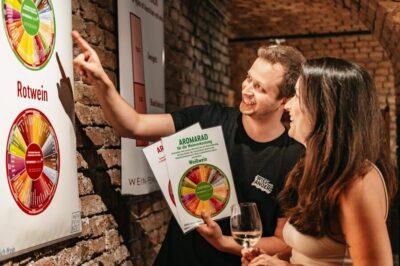
Austria’s wine story is easy to miss if you stay in Vienna’s grand center, but this tasting brings it into focus in a restored Wilhelminian-era building in the 2nd district. Over two hours, sommelier Stylianos guides you through six Austrian wines, explaining the grape varieties, growing regions, and methods behind each glass. I like the small group, limited to eight, and the generous board of local cheese, cured meat, and bread. The main drawback is the price: at $141 per person, this is a serious splurge for a two-hour tasting.
I also like that the session is built around discussion rather than stiff ceremony. Stylianos adjusts the conversation to the group, answers questions, and helps you feel more at ease if wine tastings usually seem formal or confusing. You should also know that the tasting is for adults and older teens only, with children under 16 not permitted.
Key points at a glance
- Six Austrian wines in two hours: Expect a broad introduction to Austria’s wine styles rather than a single-region tasting.
- A personal guide: Sommelier Stylianos leads the English-language session and shapes the discussion around what you want to learn.
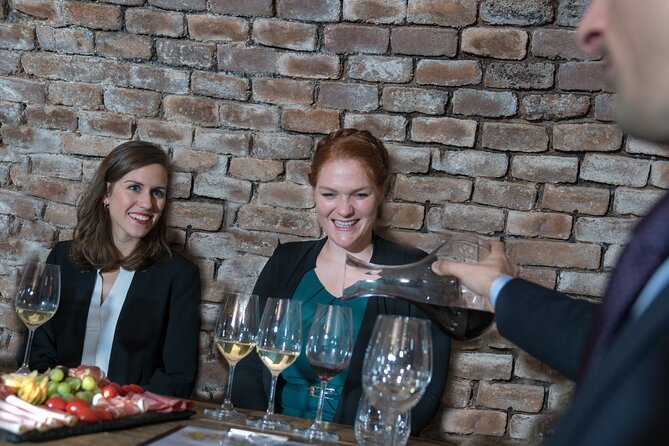
- Local food pairings: The serving board includes cheese, cured meat, and bread, with still water provided.
- Small-group setting: The maximum group size is eight, though a session can be especially personal if fewer people book.
- A useful Vienna location: The tasting takes place at Hollanstraße 10/1-3 in the 2nd district, inside a restored traditional building.
- A premium price: At $141, the value depends on how much you want instruction, variety, and a relaxed setting rather than just a few glasses of wine.
Why Austrian wine deserves two hours of your time
Austria is best known internationally for white wines, but the country produces more variety than many first-time visitors expect. This tasting gives you a practical way to get oriented before ordering wine in Vienna’s restaurants and wine bars.
The session covers prominent Austrian wine regions, local grape varieties, production methods, and the country’s wine story. That matters because Austrian labels can be unfamiliar at first. A guided explanation helps you understand what you are drinking instead of treating each bottle as a guessing game.
I especially like the promise of six different wines. Six glasses give you enough range to compare styles and notice how grapes, regions, and production choices affect the final drink. The tasting is not simply a chance to drink six good wines. It is a short lesson in how Austrian wine fits together.
The setting adds to the appeal. Rather than meeting in a busy restaurant, you gather in a restored traditional Viennese building from the Wilhelminian era. The location gives the experience a sense of place without requiring a trip outside the city.
More Food Tours in Vienna
- Vienna: Chocolate Workshop in Chocolate Museum w/ Tasting
★ 4.5 · 1,802 reviews - Vienna for Food Lovers: Cafés, Markets & Austrian Cuisine
★ 5.0 · 1,063 reviews - Wachau Valley Wine Tasting Bike Tour from Vienna
★ 5.0 · 829 reviews
Entering Vienna’s 2nd district
The meeting point is Hollanstraße 10/1-3, 1020 Vienna. Look for the entrance to the left of the main door, next to the Italian restaurant SoFare. This detail is worth saving before you go, since the entrance is not described as the main doorway.
The 2nd district gives you a different view of Vienna from the grand avenues and palace interiors found elsewhere in the city. You are still close to the center, but the setting feels more local and residential. That makes the tasting easy to add to a day of sightseeing without giving up an hour or more to reach a vineyard outside Vienna.
There is no transportation component, hotel pickup, or countryside visit included. You make your own way to the address, then stay at the tasting location for the full two hours. For me, that is both a benefit and a limit. You avoid a long transfer, but you also do not see vineyards, cellars, or production facilities in person.
Plan to arrive with the address and entrance instructions ready on your phone. The building entrance is the sort of small detail that can slow you down if you are searching at the last minute.
A relaxed table with six Austrian wines
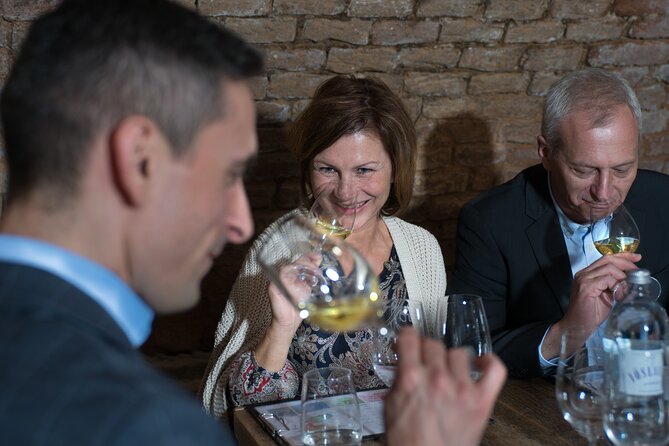
The central part of the experience is the tasting of six selected Austrian wines. The wines are presented as high-quality examples from the country’s acclaimed wine regions, giving you a chance to compare different expressions rather than focus on one producer or grape alone.
Stylianos leads the tasting in English. His role is not just to pour wine and name the bottle. He explains the background of each wine, discusses production choices, and connects the glass in front of you to the wider Austrian wine tradition.
That structure is valuable for beginners. You do not need to arrive with a strong wine vocabulary. The point is to ask questions, notice differences, and build a few reference points you can use later.
It also suits people who already know European wine. The tasting gives you a chance to explore Austria specifically, a country that can be overshadowed on a first trip by France, Italy, or Germany. The focus stays on Austrian wine, so you are not spending precious tasting time on a general lesson that could happen anywhere.
The experience is described as relaxed and social. You sit with a small group of like-minded people, talk about the wines, and hear questions from others. If you prefer a silent, highly formal tasting, this may feel more conversational than expected. If you dislike feeling tested on wine etiquette, that informality should be welcome.
Stylianos makes the lesson personal
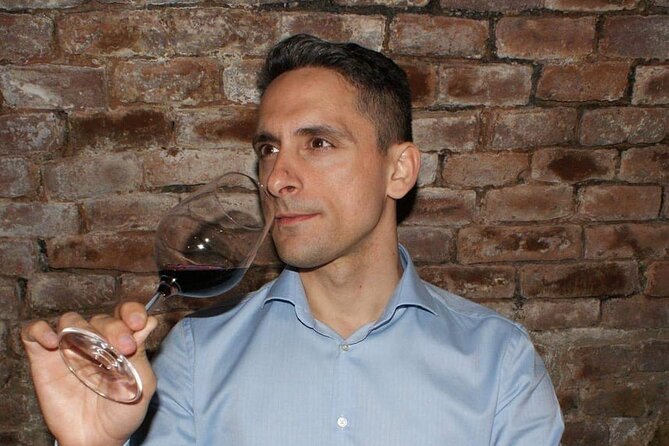
The guide can make or break a wine tasting, and Stylianos is central to this one. He is a certified sommelier who leads the session with a strong command of Austrian wine and winemaking.
The most useful feature is his willingness to adapt. The experience is not presented as a fixed speech delivered the same way to every group. He can shape the discussion around what you enjoy, what you already know, and what you want to understand better.
That makes the tasting work for couples with different levels of wine interest. One person can ask about grape varieties or serving styles while another asks simpler questions about what to order in Vienna. You do not need to pretend to understand a term before moving on.
The group size also matters. With no more than eight participants, the guide has time to respond to questions and include people in the conversation. A small group can make the tasting feel almost private, especially when fewer people book. One session had only one participant, yet the format still worked as a personal tasting rather than being canceled or reduced to a rushed presentation.
The guide’s approach is one of the strongest reasons to consider the price. You are paying for instruction and conversation as well as wine. If you only want to sample Austrian bottles, you can likely spend less at a wine bar. If you want help understanding what you are tasting, the guided format offers more.
More Vienna wine tastings worth an afternoon:
- Vienna: Swarovski House Tour with Champagne and Gift
★ 4.7 · 787 reviews - Countryside Half Day Wine Tour near Vienna
★ 5.0 · 545 reviews - Wachau Valley Small-Group Tour and Wine Tasting from Vienna
★ 5.0 · 540 reviews - From Vienna: Half-day Countryside Wine Tour with Meal
★ 4.7 · 526 reviews
Cheese, charcuterie, and bread at the table
The food pairing includes locally sourced cheese, cured meat, and bread, along with still water. This is not described as a full meal, so plan to eat before or after if you need dinner.
The board serves an important purpose beyond filling your stomach. Food changes how wine tastes, and cheese, cured meat, and bread give you useful comparisons as the tasting progresses. They also keep a two-hour session comfortable, particularly if you are sampling several wines.
The portions are described as generous, though the exact selection can vary. Do not book this expecting a multi-course Viennese meal or a full tour of Austrian cuisine. Think of it as a well-paired accompaniment that makes the tasting feel more complete.
I like the local sourcing because it keeps the food connected to the subject. You are not simply being handed generic crackers between glasses. The pairing adds another small link to Austrian food culture while giving the wine a practical context.
Still water is included. That is a modest detail, but it matters during a tasting and means you do not need to arrange a separate drink while you compare the wines.
What you will learn, in practical terms
The session covers four main ideas: Austria’s wine history, its major wine regions, its grape varieties, and its production methods. The value is in seeing how those subjects connect.
You may learn why one region produces a different style from another, how a winemaker’s choices shape a wine, and how to recognize some of the names that appear on Austrian wine lists. The goal is not to memorize a long set of facts. It is to leave with enough understanding to make better choices at dinner.
This can be especially helpful if you plan to eat in Vienna’s traditional restaurants or visit wine bars during your stay. After the tasting, unfamiliar Austrian bottles should feel less intimidating. You may not become a wine expert in two hours, but you can gain a clear starting point.
The session is also useful for people who have little time outside Vienna. A trip to Austria’s wine-producing areas would offer a different experience, with more scenery and a closer look at vineyards and wineries. But it also takes planning and transport. This tasting brings several regional styles together in one city location, which is efficient for a short visit.
Does $141 represent good value?
The cost is $141 per person. That puts this experience firmly in the premium category for a two-hour activity.
The price makes more sense if you value all of the following:
- Six high-quality Austrian wines
- A certified sommelier leading the session
- A small group of no more than eight people
- Local cheese, cured meat, and bread
- A guided lesson on regions, grapes, history, and production
- A central Vienna setting rather than transport to a distant wine area
If you are comparing the activity with buying six glasses at a bar, the calculation is not quite direct. Here, you are also paying for the guide’s time, the structured progression, the food, and the chance to ask questions.
On the other hand, the price may feel high if you mainly want to taste wine casually. You might prefer a wine bar, a restaurant with a good Austrian list, or a less formal tasting. The included food is a board, not a full meal, and the session remains in Vienna rather than visiting vineyards.
I would treat this as a specialist experience for people who enjoy wine or want to understand Austria through its bottles. It is not the best choice for someone simply filling a spare hour.
The small-group format and social side
A group of eight is large enough to create conversation but small enough for the guide to address individual questions. That balance is important in a tasting. You get a social evening without the noise and distance of a large tour group.
The atmosphere is intended to be relaxed. The setting is refined, but the tone is not meant to be intimidating. You can ask why a wine tastes a certain way, say that a style is not for you, or compare your reaction with someone else at the table.
That kind of honesty improves a tasting. Wine is personal, and the most useful lesson is often discovering what you actually like. Stylianos can then connect those preferences to regions, grapes, or production methods.
The experience is conducted in English. If you want instruction in another language, this is not the right match based on the information available. The small group and English-speaking guide make it well suited to international visitors who want a clear explanation without needing specialist terminology.
Who should book this tasting?
I would recommend it to you if Austrian wine is unfamiliar, if you enjoy guided food and drink experiences, or if you want a polished evening activity that does not require a day trip.
It is also a good fit for people who have felt awkward at tastings before. The discussion-led format and personal attention can make wine feel less like an exam. Couples and small groups of friends should find the setting easy to share, while solo visitors can still take part comfortably.
You should think twice if you do not drink wine, want a full meal, or are looking for a vineyard visit. The experience stays in Vienna, lasts two hours, and centers on tasting and instruction.
Children under 16 are not permitted, so this is strictly an adult-oriented activity. The $141 price also means you should have a real interest in the subject before booking.
Booking is flexible, with free cancellation up to 24 hours ahead and a reserve-now, pay-later option. Availability and start times should be checked for your date, since the listed duration is two hours but the exact schedule can vary.
Should you book the Austrian Wine Tasting?
Book it if you want a focused introduction to Austrian wine, a small group, and a guide who can turn six glasses into a useful lesson. Stylianos’s personal approach, the local food board, and the historic 2nd district setting give the experience more substance than a quick bar tasting.
Skip it if you want countryside views, winery visits, or a full dinner. At $141, this is not a bargain activity, but it can be good value for someone who wants to leave Vienna with a better grasp of Austrian wine and more confidence ordering it. For a wine-curious visitor with two free hours, it is a strong way to taste the country without leaving the city.
FAQ
Where does the Austrian Wine Tasting take place?
It takes place at Hollanstraße 10/1-3, 1020 Vienna, in the city’s 2nd district. The entrance is to the left of the main door, next to the Italian restaurant SoFare.
How long does the tasting last?
The tasting lasts two hours.
How many wines are included?
Six high-quality Austrian wines are included.
Is food included?
Yes. The experience includes a charcuterie board with locally sourced cheese, cured meat, and bread. Still water is also included.
Who leads the tasting?
A certified sommelier named Stylianos leads the English-language tasting.
How large is the group?
The experience is limited to eight participants.
Is the tasting suitable for children?
No. Children under 16 are not permitted.
Can I cancel my booking?
Yes. You can cancel up to 24 hours in advance for a full refund. A reserve-now, pay-later option is also available.
Just added around Vienna
- Vienna: UNESCO Schönbrunn Palace Guided Tour with Entry★ 4.5 · 94 reviews
- World War II History Vienna Old Town Private Walking Tour★ 4.8 · 9 reviews
- Vienna: Winery and Wine Tasting Tour with a Wine Expert★ 5.0 · 5 reviews
- Vienna: Wine Tasting E-Bike Tour★ 4.9 · 46 reviews
- Vienna: Wine Tasting at Schönbrunn Palace★ 4.3 · 71 reviews
- Vienna: Wine Tasting Tour★ 4.8 · 61 reviews
- Vienna: Concert by the Vienna Baroque Orchestra★ 4.6 · 56 reviews
- Vienna: Wachau Valley Private Kayak and Wine Tour★ 5.0 · 3 reviews
Food Tours in Vienna, compared.
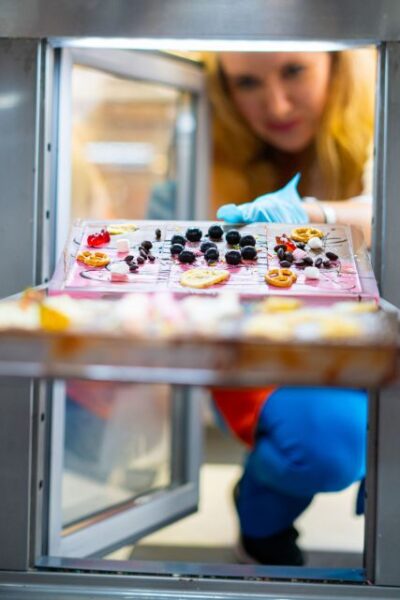
Chocolate Workshop in Chocolate Museum w/ Tasting
Read our review →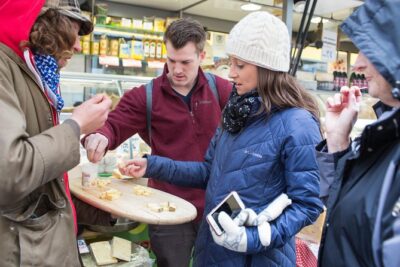
Vienna for Food Lovers: Cafés, Markets & Austrian Cuisine
Read our review →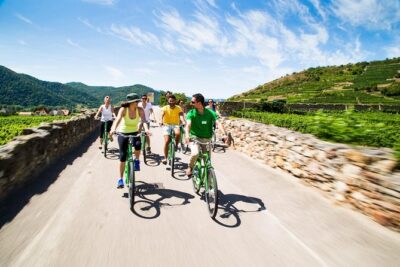
Wachau Valley Wine Tasting Bike Tour from Vienna
Read our review →
Gerstner KuK Hofzuckerbäcker Baking Show & Tasting
Read our review →
Authentic Vienna Food Tour inc. lunch, street food, 3 drinks
Read our review →
Wachau Valley Small-Group Tour and Wine Tasting from Vienna
Read our review →
Wine Tasting Experience in a Private Wine Cellar
Read our review →Browse the lists this tour appears in