
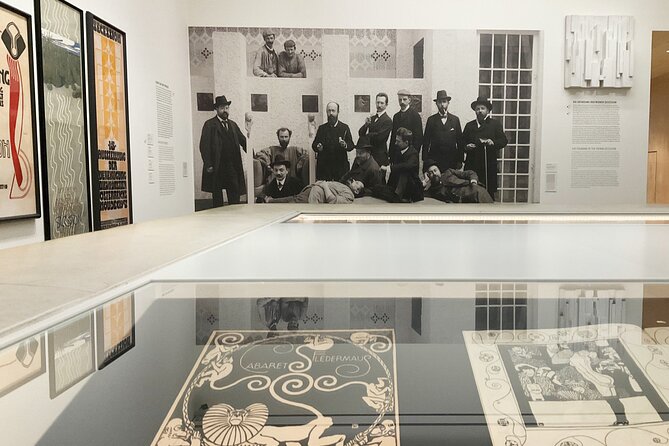
Reviewed · BELVEDERE PALACE TOURS
Private Tour of Viennese Art in the Leopold Museum: Klimt, Schiele, Kokoschka
Vienna’s Leopold Museum is the right place to confront the city’s more daring artists. This private tour brings you close to Egon Schiele’s provocative works, along with paintings by Gustav Klimt and Oskar Kokoschka, while your art historian explains the ideas, scandals, science, and social changes behind them.
I like the small private format, since your group can ask questions without waiting for a crowd to catch up. I also like the focus on Schiele’s uneasy subjects, especially the line between pornography and art, a question that still sparks arguments today.
The main drawback is simple: the museum ticket is not included in the tour price. At $378.71 for up to six people, the guide can be good value for a full group, but the total cost rises once you add admission.
Key points to know before you book
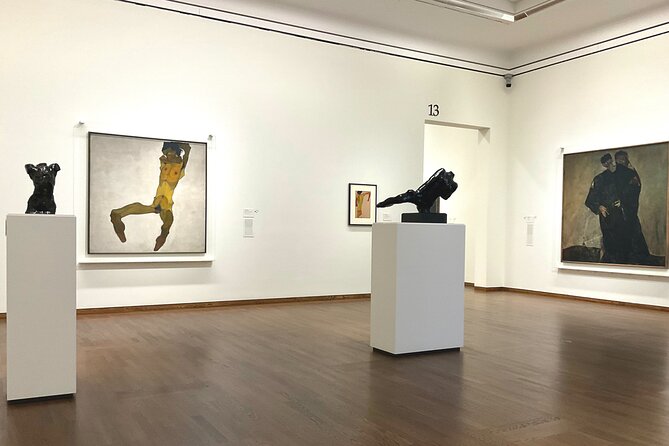
- Schiele is the central draw: The museum has a permanent exhibition of his work, including pieces that remain controversial.
- Klimt and Kokoschka add wider context: You see their work alongside Schiele’s, helping you compare three major Viennese artists.
- Your guide is an art historian: The tour is built around explanation and discussion, not simply pointing out famous paintings.
- It lasts about 2 hours and 15 minutes: That gives you time to focus on the museum rather than rush through every room.
- Only your group participates: The private tour works especially well for up to six people who want to ask questions.
- You meet at the Leopold Museum: The tour begins and ends at Museumsplatz 1 in Vienna’s MuseumsQuartier.
Why the Leopold Museum suits this subject
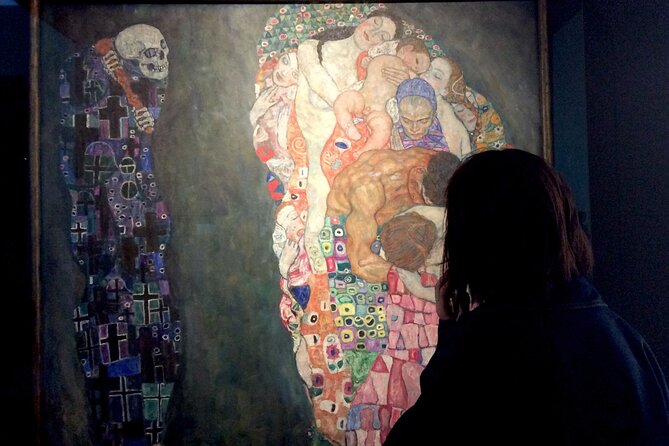
The Leopold Museum is one of Vienna’s best places to examine modern Austrian art in one setting. Its collection includes a permanent presentation of Egon Schiele’s work, with temporary exhibitions added at different times.
That matters because Schiele is not an artist you understand fully from a quick glance at a postcard. His figures can look raw, tense, awkward, or deliberately confrontational. The drawings and paintings ask you to think about the body, sexuality, self-display, and the limits of acceptable art.
The museum’s subject matter also gives the guide plenty to explain. Vienna’s early modern art scene was shaped by changing ideas in history, science, psychology, and society. You are not simply looking at attractive paintings. You are considering why artists began to reject older rules and why some works still make people uncomfortable.
The phrase nowness of art is useful here. It points to the idea that art should speak to its own time rather than merely repeat older styles. Schiele’s work still feels current because the questions it raises have not disappeared. What is private? What is public? When does a nude become a portrait, a provocation, or something more explicit?
More Belvedere and Klimt visits:
- Entry Ticket Upper Belvedere, Klimt’s Kiss & Permanent Collection
★ 4.5 · 831 reviews - Vienna: Lower Belvedere Entry Ticket & Temporary Exhibitions
★ 4.1 · 275 reviews - Vienna: Belvedere Palace Skip-the-Line Tour
★ 4.9 · 197 reviews
What the private guide adds to Klimt, Schiele, and Kokoschka
A private art historian changes the pace. You are not following a fixed group with a dozen other people, and you do not have to save every question for the end. Your group can spend longer on a work that catches your attention or move on when a particular style does not hold it.
The guide’s role is especially useful when comparing Klimt, Schiele, and Kokoschka. All three are linked to Vienna’s modern art scene, but they do not make the same kind of art. A guided comparison can help you notice differences in mood, treatment of the body, use of line, and emotional force.
Klimt is often the easiest name to recognize. His work can draw you in through surface, pattern, and decorative detail. Schiele pushes in a harsher direction, with distorted bodies and exposed emotion. Kokoschka adds another voice to the story, helping you see that Viennese modernism was not just one look or one artistic formula.
I would expect the guide to make the most of these contrasts rather than present three isolated biographies. The tour is described as a lesson in how history and science shaped Vienna’s art scene, so you should come ready for context as well as visual description.
The small group also matters for serious discussion. If you are curious about why a work was made, how it was received, or why it remains divisive, you can ask directly. That personal exchange is the strongest reason to choose this experience instead of simply entering the museum with an audio guide or printed notes.
Inside Schiele’s permanent exhibition
Schiele’s permanent presence is the heart of the visit. The museum is known for showing works that still provoke uncertain reactions, particularly his exhibitionist images and his treatment of nude bodies.
You may find some pieces difficult. That is not a flaw in the subject. It is part of what makes the collection worth discussing. Schiele’s work can make you aware of your own reaction before you have formed an opinion about the picture itself.
A good guide helps you slow down at that point. Instead of brushing past an uncomfortable image, you can ask what exactly causes the discomfort. Is it the pose, the directness, the thin and angular bodies, the sense of vulnerability, or the knowledge that the artist wanted to challenge conventional taste?
The issue of pornography and art is specifically part of this experience. That gives the tour a sharper edge than a standard introduction to Viennese painting. You are encouraged to think about how context changes interpretation and why a work that shocked one generation can be praised, censored, or debated by another.
Do not expect the Schiele section to feel calm or decorative throughout. This is art with a nervous charge. If you prefer only polished, beautiful images, parts of the visit may not suit you. If you like art that asks difficult questions, the subject should give your guide plenty to work with.
Klimt and Kokoschka in the wider Vienna story
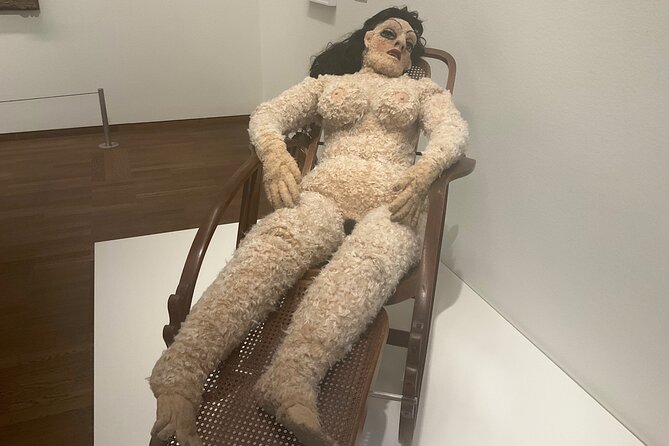
Klimt and Kokoschka prevent the visit from becoming only a study of Schiele’s controversies. Their work helps place him within a larger period of artistic change.
Klimt gives you a chance to consider the relationship between decoration and modernism. His visual language can be highly ornamental, yet the art also belongs to a period when artists were testing old boundaries. With a guide beside you, you can look past the familiar surface and ask what the style was trying to achieve.
Kokoschka offers another point of comparison. His place in the Viennese art scene helps show how varied the period was. You can use his work to compare emotional intensity and personal expression with the different pressures visible in Klimt and Schiele.
I would not book this tour expecting a complete survey of every artist in Vienna. The advertised focus is clear: Klimt, Schiele, and Kokoschka, with the Leopold Museum as the main setting. That narrow focus is a strength if you want to understand a few important artists instead of collecting a long list of names.
It also gives the guide room to connect art with the wider culture. The experience specifically links the museum’s work to history and science, so you are likely to hear more than dates and titles. For many people, that context is what turns a museum visit from a parade of pictures into a coherent story.
More museums and galleries in Vienna:
- Vienna: Skip-the-Line Sisi Museum, Hofburg and Gardens Tour
★ 4.8 · 5,918 reviews - Vienna Kunsthistorisches Museum Day Admission Ticket
★ 4.6 · 3,690 reviews - Tickets for the Albertina Exhibitions
★ 4.7 · 2,126 reviews - Vienna: Chocolate Workshop in Chocolate Museum w/ Tasting
★ 4.5 · 1,802 reviews
MuseumsQuartier makes the meeting point easy
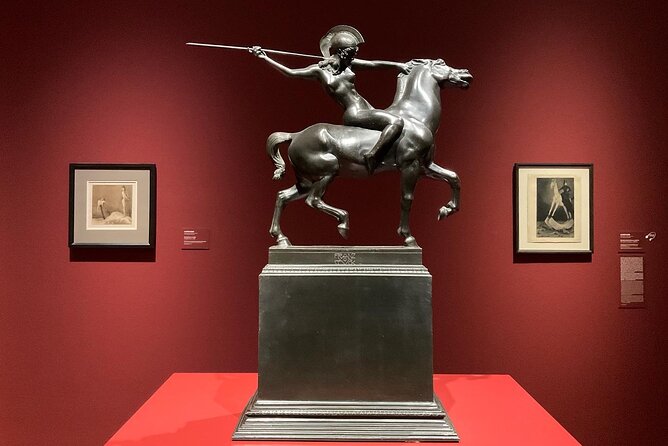
The tour begins at the Leopold Museum, Museumsplatz 1, in the 1070 Vienna district. The museum sits in the MuseumsQuartier, a major cultural area, so you can plan the experience as part of a larger museum day.
The MuseumsQuartier stop itself is brief. It is essentially the setting around the museum rather than a separate guided attraction, and no admission fee is listed for that part. The main time is spent inside the Leopold Museum.
The location is practical because the area is near public transportation. You should still allow enough time to reach Museumsplatz 1, particularly if you are unfamiliar with Vienna’s museum district. The activity ends back at the meeting point, so you do not need to arrange a separate pickup or figure out where the guide will leave you.
This fixed start and finish is helpful when planning the rest of your day. You can schedule lunch, another museum, or a walk through central Vienna afterward without guessing where the tour will end.
Two hours and 15 minutes is a useful length
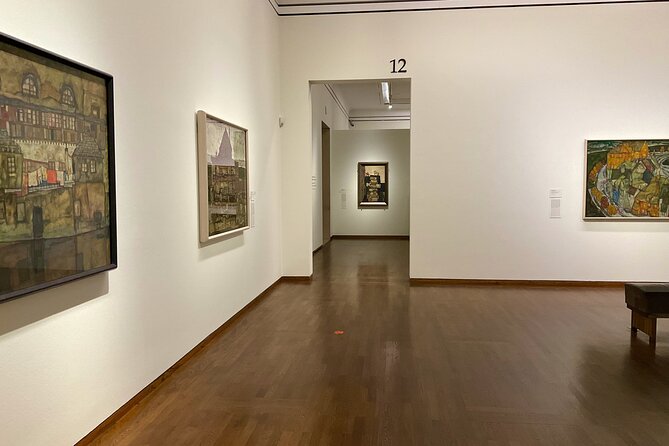
The experience runs for about 2 hours and 15 minutes. That is long enough for a serious look at the main artists without turning the visit into an all-day commitment.
The timing should suit you if you want guidance but still have other plans in Vienna. A shorter tour might leave you with names and a few memorable images but little sense of how the artists fit together. A much longer tour could become tiring, particularly when the subject includes challenging nudes and intense expression.
Keep in mind that the timing is approximate. Museum visits can shift slightly depending on the pace of your group and the conversation with the guide. Since this is private, an unusually engaged group may spend longer on certain works.
You should also think about ticket timing. Museum admission is separate, so the tour price does not cover entry to the Leopold Museum. Confirm the museum ticket arrangements when booking and allow enough time around the start of the tour.
Is $378.71 good value for a private tour?
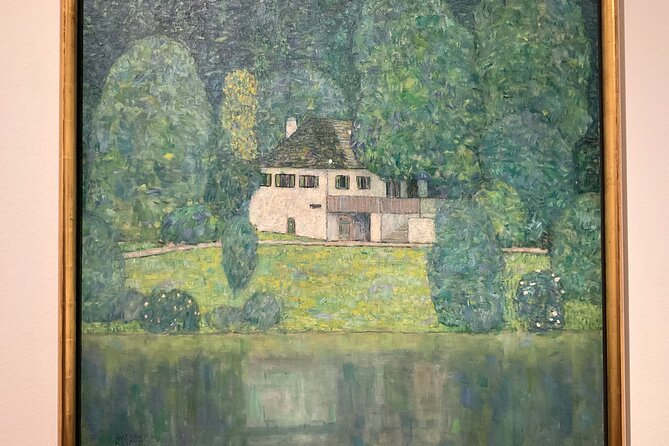
The listed price is $378.71 per group of up to six people. If six people share the cost, the guide portion works out to about $63.12 per person before museum admission. For two people, the per-person cost is much higher.
That makes group size the key value question. A full group of friends or family can get a private art historian for a reasonable individual cost. A solo visitor or couple will pay more for the same two-hour-plus service, though the private format gives you much more opportunity to shape the conversation.
The price includes the professional art historian guide but not museum tickets. You are paying for interpretation, comparison, and access to a specialist’s attention, not for entry alone. If you already enjoy reading wall labels and researching artists on your own, the added cost may not feel necessary.
I see the strongest value for people who want to understand why the art matters. The tour is not just a way to identify Klimt’s or Schiele’s work. It is a chance to ask about social limits, scientific ideas, artistic change, and the continuing argument over explicit art.
The experience has a small number of published ratings, so I would not treat the perfect five-star score as the only reason to book. The most useful signal is the praise for the guide’s engaging approach and ability to bring both the artists and their work to life. That matches the main purpose of a private museum tour.
Who will enjoy this Leopold Museum experience?
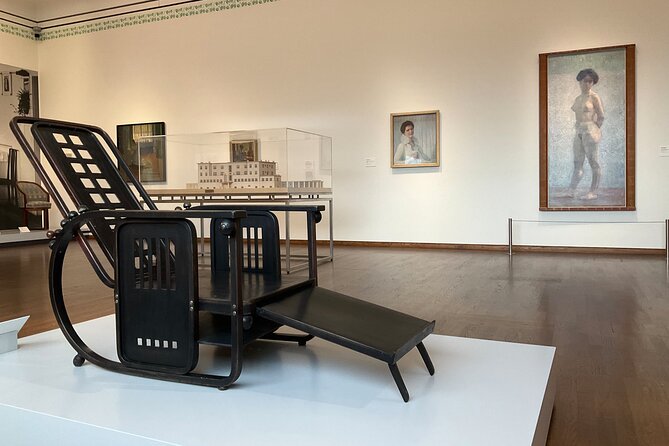
I would recommend it most strongly to:
- Adults with a real interest in modern art
- People who want context rather than a quick museum overview
- Couples or families who prefer a private guide
- Groups of friends who can share the cost
- Anyone curious about Schiele’s controversial treatment of the body
- First-time museum visitors who want help reading difficult works
You do not need to be an art specialist. The point of hiring the guide is to make the collection easier to approach. Still, you should be open to discussion. This is not a light sightseeing stop built around a few famous photographs.
Families can participate, since most people can take part, but the subject matter deserves thought before booking for children. Schiele’s exhibitionist works can be provocative, and the tour directly addresses the border between pornography and art.
The experience is also a good fit if you dislike large group tours. Only your party participates, with a maximum of six people. That private setup gives you room to speak plainly, ask basic questions, or spend extra time with a painting that puzzles you.
What to know before you reserve
The tour is offered in English and uses a mobile ticket. Confirmation is received when you book, and the meeting point is the Leopold Museum.
The guide is supplied by Art with me!, an experience provider focused on art for intellectually curious people. No individual guide name is provided, so you should not book expecting a particular named art historian.
Free cancellation is available if you cancel at least 24 hours before the start time. Cancellations or changes made less than 24 hours ahead are not accepted for a refund, and the cut-off uses Vienna’s local time.
I would book early enough to confirm both the tour and museum admission details. The private group limit is six, so the experience is easiest to price when you know exactly how many people will attend.
Should you book this private art tour?
Book it if you want to spend real time with Klimt, Schiele, and Kokoschka and you value explanation more than speed. The strongest parts are the private format, the permanent Schiele focus, and the chance to discuss why these works still provoke strong reactions.
Think twice if you only want to see the museum quickly or if the price is for one person or a couple. Tickets are extra, and the focus on explicit and controversial art may not suit every taste.
For a group of up to six, this is a sensible way to turn a museum visit into a focused conversation about Vienna’s modern art. For serious art lovers, the guide’s discussion of the body, science, history, and artistic freedom is the reason to choose it.
FAQ
Where does the tour begin?
The tour begins at the Leopold Museum, Museumsplatz 1, 1070 Vienna, Austria.
Where does the tour end?
The activity ends back at the meeting point, at the Leopold Museum.
How long does the tour last?
The tour lasts approximately 2 hours and 15 minutes.
What language is the tour offered in?
The tour is offered in English.
Is the tour private?
Yes. Only your group participates, with up to six people.
Are museum admission tickets included?
No. Museum admission tickets are not included in the tour price.
Which artists are covered?
The tour focuses on Gustav Klimt, Egon Schiele, and Oskar Kokoschka.
Can I cancel for a full refund?
Yes, if you cancel at least 24 hours before the experience start time. Cancellations or changes made less than 24 hours before the start are not accepted for a refund.
Just added around Vienna
- Vienna: UNESCO Schönbrunn Palace Guided Tour with Entry★ 4.5 · 94 reviews
- World War II History Vienna Old Town Private Walking Tour★ 4.8 · 9 reviews
- Vienna: Winery and Wine Tasting Tour with a Wine Expert★ 5.0 · 5 reviews
- Vienna: Wine Tasting Tour★ 4.8 · 61 reviews
- Vienna: Wine Tasting E-Bike Tour★ 4.9 · 46 reviews
- Vienna: Wine Tasting at Schönbrunn Palace★ 4.3 · 71 reviews
- Vienna: Concert by the Vienna Baroque Orchestra★ 4.6 · 56 reviews
- Vienna: Wachau Valley Private Kayak and Wine Tour★ 5.0 · 3 reviews
Belvedere Palace Tours, compared.
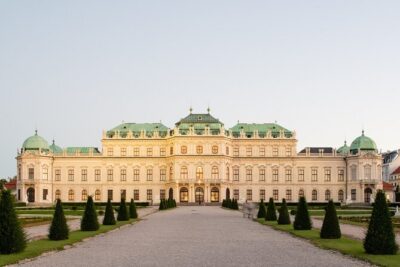
Entry Ticket Upper Belvedere, Klimt’s Kiss & Permanent Collection
Read our review →
Lower Belvedere Entry Ticket & Temporary Exhibitions
Read our review →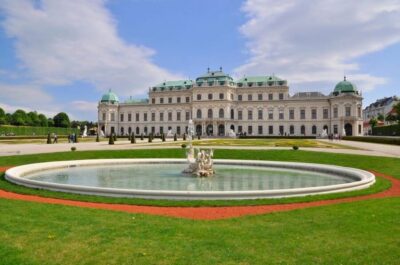
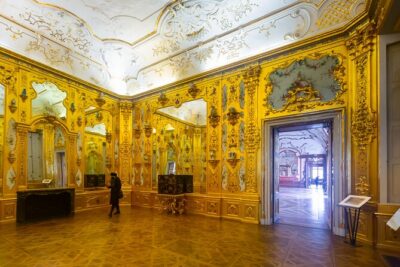
Skip-the-line Upper Belvedere Tickets and Guided Tour Vienna
Read our review →
Schönbrunn, Belvedere, Big Bus, Giant Wheel & Cruise
Read our review →
Skip-the-line Upper Belvedere Tickets and Guided Tour Vienna
Read our review →
Klimt Villa (Gustav Klimt Atelier & Museum) Ticket
Read our review →Browse the lists this tour appears in