
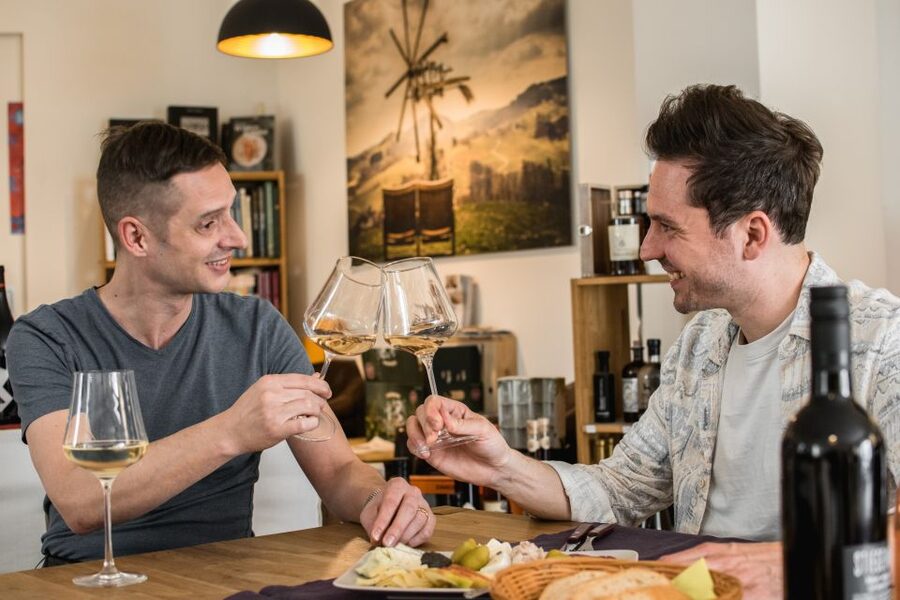
Reviewed · FOOD & DRINK
Salzburg: Guided Wine Tasting in a Hidden Wine Bar
Austrian wine is the star here, served in a small local wine bar rather than in a grand tasting room. Over 45 minutes, your guide introduces three wines, explains their flavors and background, and pairs them with regional spreads and small bites. It is a compact way to taste Austria beyond the usual beer-and-Schnitzel routine.
I like the relaxed setting, where you may sit beside local patrons rather than move through a formal tourist production. I also like the practical choice of tasting three full glasses at an unhurried pace, with the option to request a different style if one wine does not suit you. The main drawback is that 45 minutes can feel short if you want detailed instruction about every bottle.
- Three Austrian wines in a local bar: Taste a mix of regional and other Austrian wines with small food pairings.
- A calm, social setting: The bar may be shared with local patrons, making the experience feel less staged.
- A choice of tasting lengths: Book the 45-minute tasting or the 90-minute option with three extra wines and more snacks.
- A small group of up to 10: The limited size gives the guide room to answer questions and adjust the tasting.
- English or German guidance: Choose this experience if you want a guided tasting in either language.
- Austrian wine context: Learn how wine production reaches back to Roman times and continues across roughly 45,000 hectares today.
Three Austrian Wines Behind a Shopfront
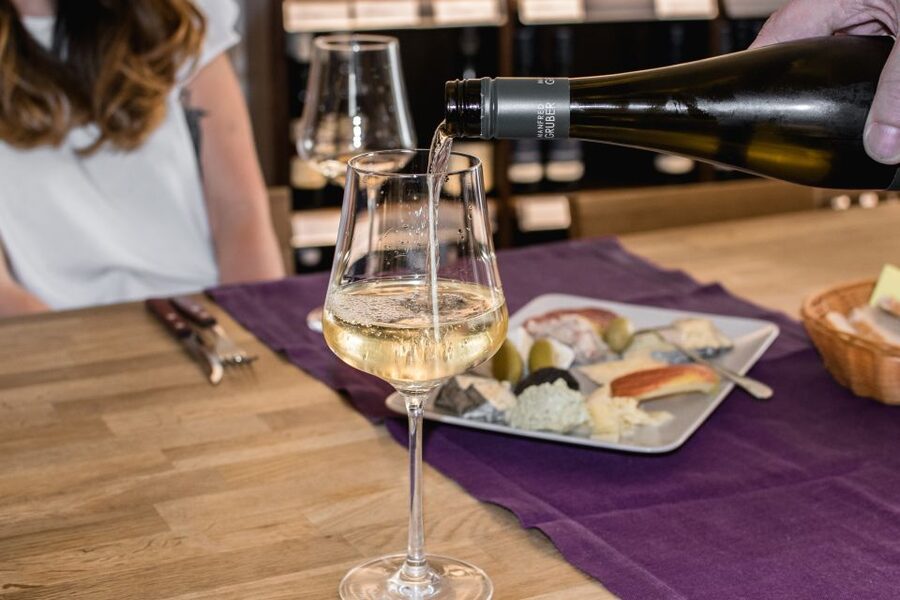
The experience begins when you enter the shop and ask for the tasting. That instruction is simple, but it matters: this is not necessarily a large, obvious tour meeting point with a guide holding a sign. Give yourself enough time to find the shop and confirm that you are in the right place before the scheduled start.
Once seated, you receive three wines selected from Austria’s regional and national styles. The exact bottles can vary, so you should expect a tasting built around the guide’s selection rather than a fixed published flight.
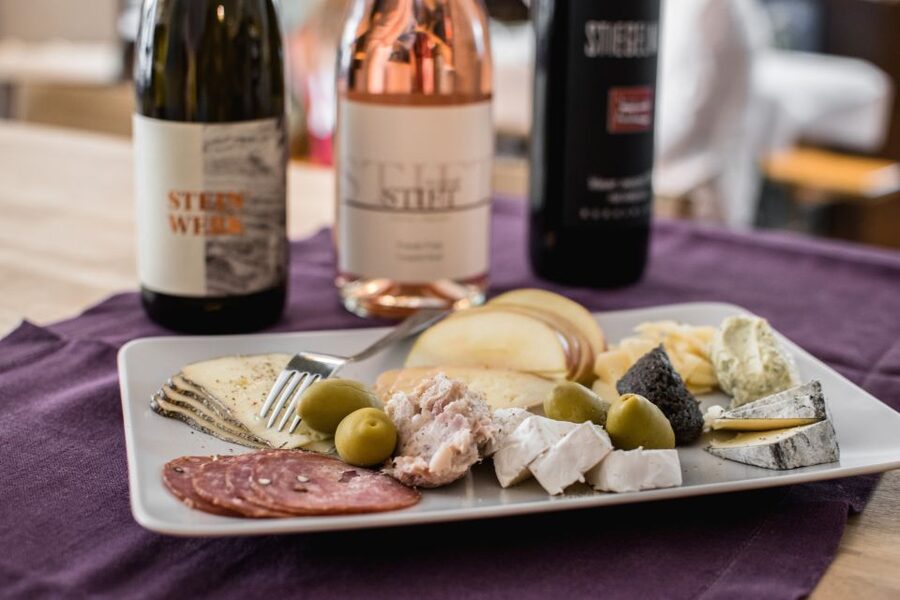
The wines can include different colors and styles. One recent tasting included a sparkling rosé, a white, and a red. That is a useful range for beginners because you can compare how sweetness, acidity, bubbles, fruit, and tannin change from one glass to the next.
The tasting is not presented as a race. You have time to finish the glasses, talk with the guide, and eat the accompanying snacks. That slower pace is important. A rushed tasting gives you names and pours, but a relaxed one lets you decide what you actually like.
Why Austrian Wine Has a Long Story
Austria’s wine tradition reaches back to Roman settlement roughly two thousand years ago. Wine has since become a major part of the country’s food culture, with about 45,000 hectares under cultivation.
You will not get a full wine-school course in 45 minutes, but the historical note gives the tasting a useful frame. These bottles are not random drinks chosen only for visitors. They come from a country with established growing regions, local grape traditions, and a strong link between wine and everyday dining.
The guide explains the flavor and background of each wine as you taste. That is most useful when you ask questions. If you want to know why one wine feels sharper, fruitier, sweeter, or heavier than another, use the small-group setting to speak up.
One point is worth keeping realistic: the amount of wine information can depend on the guide and on the pace of the group. Some people may want more detail about the bottles, grapes, or production methods than the short tasting allows. If wine education is your main goal, the 90-minute option gives you more time, but the supplied information does not promise a technical seminar.
More Food Tours in Salzburg
- Salzburg: Stiegl Brewery Tour with Beer Tasting
★ 4.7 · 278 reviews - Salzburg: Stiegl Brewery Museum Entry Ticket & Beer Tasting
★ 4.0 · 35 reviews - Salzburg Food Tasting Tour: delicious & fun
★ 4.5 · 29 reviews
Regional Spreads Make the Tasting More Useful
The food is not an afterthought. Each wine comes with regional spreads and small local delicacies, including toasts served during the tasting.
These bites help in two ways. First, they make the tasting more comfortable, especially when you are sampling three full glasses. Second, they show how Austrian wine fits with food. A wine can taste quite different beside a salty spread or a small savory bite than it does by itself.
The snacks also give non-specialists something concrete to discuss. You do not need to know wine vocabulary to say that one glass works better with the food than another. That is often a more useful discovery than memorizing grape names.
Food portions are described as small delicacies, not a meal. I would book this as an aperitif or cultural stop, not as a replacement for lunch or dinner. If you choose the longer option, you receive more snacks along with three additional wines, but the experience remains a tasting rather than a full meal.
The Hidden-Bar Atmosphere
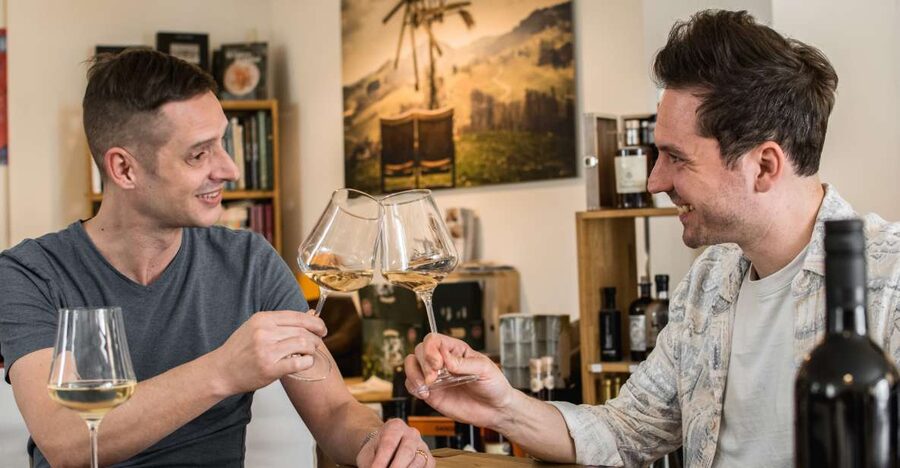
The setting is one of the strongest reasons to choose this activity. You are tasting in a local wine bar, with local patrons potentially enjoying wine nearby. That changes the mood from a staged demonstration to a more ordinary slice of Austrian wine life.
A recent solo participant was seated with two women who were traveling together, and the group ended up sharing conversation about travel and other subjects. That detail points to the social nature of the experience. You may focus only on the wine, but you also have a chance to meet people in an intimate setting.
The room can become full, so do not expect a private table sealed off from everyone else unless your booking specifically guarantees that arrangement. The activity is described as a private guided three-wine tasting, but group size is limited to 10, and the bar itself may also contain local patrons.
That combination works well for solo visitors and couples who want company without joining a large bus tour. It may be less appealing if you need silence, a highly formal presentation, or a private room for your party.
Choosing Between 45 and 90 Minutes
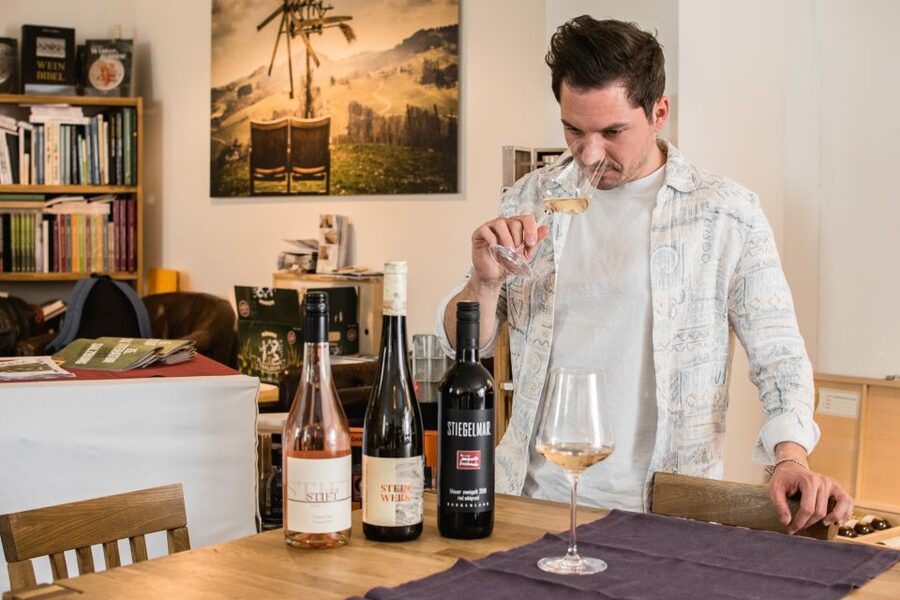
The standard option lasts 45 minutes. It includes three guided wines and regional delicacies. For many people, that is the right amount of time after a day of sightseeing. You get a clear introduction without committing a large part of your afternoon.
The 90-minute option adds wine-bar hopping, three more wines, and additional snacks. In practical terms, you are doubling the number of wines and giving yourself more time to settle into the bar setting.
Choose the shorter version if:
- You want a quick introduction to Austrian wine.
- You have a packed sightseeing schedule.
- You prefer a modest amount of alcohol.
- You mainly want to try local flavors with a few snacks.
Choose the longer version if:
- You want to compare a wider range of Austrian wines.
- You enjoy sitting and talking rather than moving on quickly.
- You want the added bar-hopping element.
- You are comfortable spending 90 minutes on a wine-focused activity.
The extra time is valuable for wine fans, but more wine is not automatically better for everyone. Consider your tolerance, your plans afterward, and whether you want a tasting or a longer social evening.
More Salzburg wine tastings worth an afternoon:
- Guided Wine Tasting in a Hidden Wine Bar
★ 4.0 · 12 reviews - Private Austrian Wine & Charcuterie Tasting Class with a Pro-Sommelière
★ 5.0 · 4 reviews - Wachau Valley Wine Tasting Bike Tour from Vienna
★ 5.0 · 829 reviews - Vienna: Swarovski House Tour with Champagne and Gift
★ 4.7 · 787 reviews
How the Guide Shapes the Experience
The guide speaks English or German and leads you through each pour. The best use of the guide is not simply listening to a prepared explanation. Ask for comparisons, request clarification, and tell the guide what styles you usually enjoy.
The host has been described as gracious and easy to understand, with a relaxed approach to the group. Another useful detail is that the guide may ask whether you drink red wine and offer a substitute if you do not. That flexibility makes the tasting friendlier for people who do not want to sample every standard category.
Still, you should not expect every guide to offer the same depth of explanation. One person wanted more information about the wines, while other tastings were praised for clear and competent guidance. The safest approach is to treat the activity as an accessible introduction, not a specialist certification course.
If you are new to wine, the setting should feel manageable. If you already know a lot about Austrian wine, you may want to prepare a few questions so the conversation reaches the level you want.
What the Three-Wine Flight May Feel Like
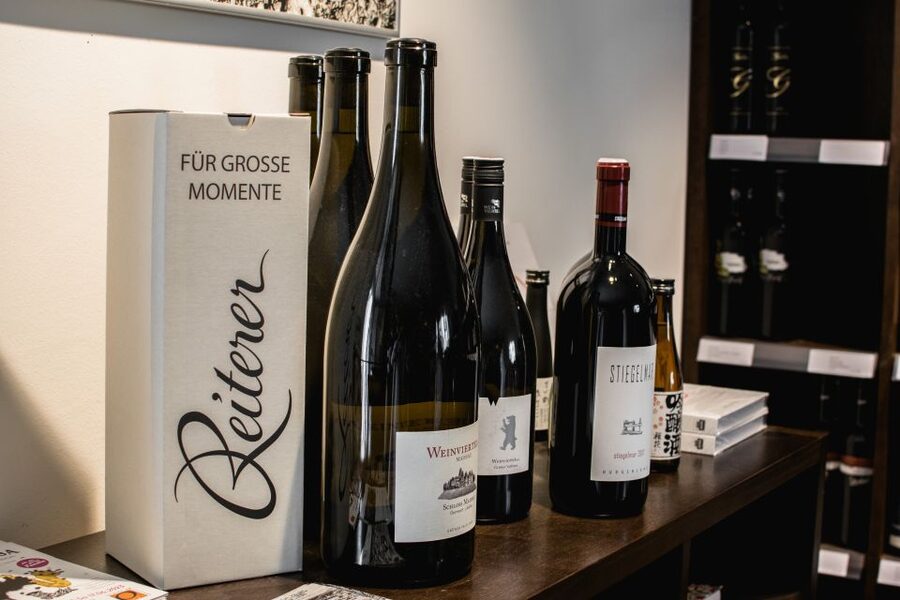
The selection can give you a useful progression through Austrian wine. A sparkling rosé may offer a bright, easy opening. A white wine can show a different balance of fruit and acidity. A red then brings a fuller style and a chance to compare texture and finish.
That example is not a guaranteed menu, so you should not book expecting those exact three bottles. The important point is that the tasting can cover contrasting styles rather than three nearly identical wines.
You may find one bottle you like much more than the others. One participant preferred the sparkling rosé, found the red a close second, and did not enjoy the aftertaste of the white. This is exactly what a tasting should help you discover. You are not being told which wine is best. You are given several choices and a chance to form your own opinion.
If you find a favorite, the shop may give you an opportunity to purchase a bottle, as happened with the sparkling rosé in one tasting. The supplied details do not specify bottle prices or shipping arrangements, so ask before assuming you can take wine home.
Price and Value at $44
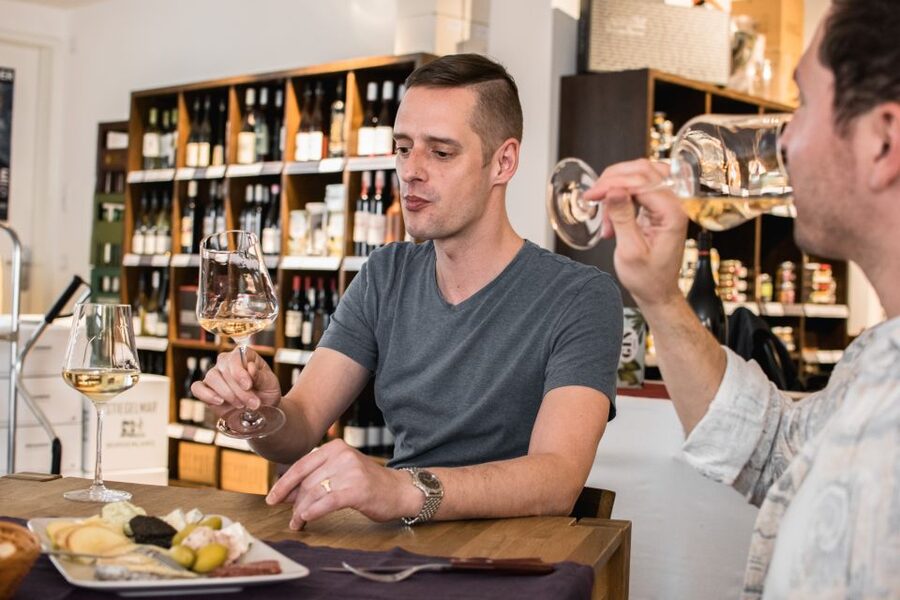
At $44 per person, the standard experience costs more than simply ordering three glasses at a bar. The price pays for the guided format, the wine selection, the explanations, and the regional snacks. It also buys a small-group setting limited to 10 people.
I consider that fair value if you want context and conversation, not just alcohol. The snacks and the chance to ask questions make this more than a flight ordered from a menu. The value improves for anyone who wants a gentle introduction to Austrian wine without spending half a day at a distant vineyard.
The calculation changes if you are mainly looking for a full meal or a long technical lesson. This is a short urban tasting, and the standard option may feel expensive if you only want a single glass of wine.
The 90-minute option may suit wine enthusiasts better because it adds three wines, more snacks, and wine-bar hopping. Since the supplied details do not give a separate price for that option, compare the final booking cost before deciding. Pay for the longer version because you want the extra time and variety, not simply because it sounds like more.
Who Will Enjoy This Tasting Most
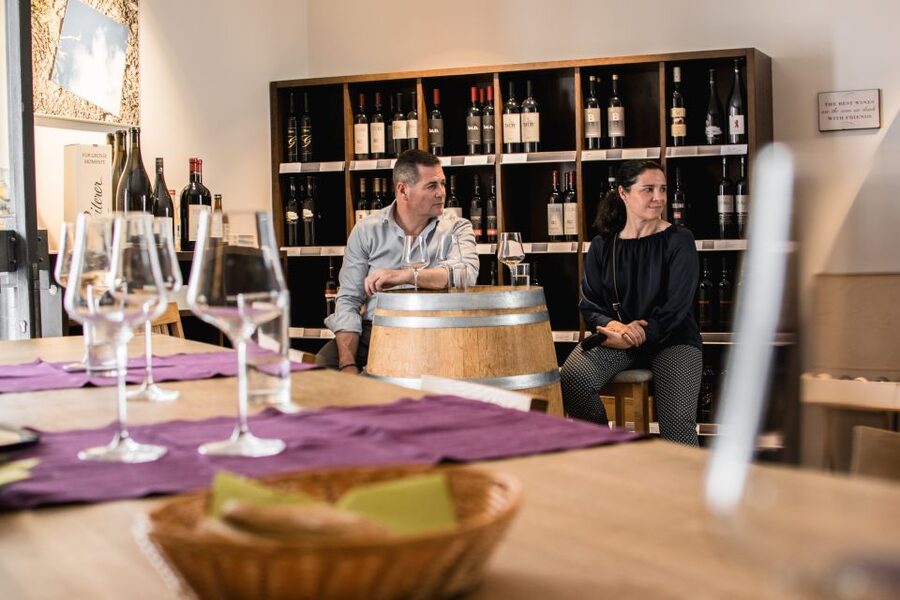
I would recommend this for solo visitors, couples, and small groups who want a social activity with local flavor. A solo participant can be seated with others, and the intimate scale makes conversation easier than on a large group tour.
It also suits people who want a break from major sights. You can spend less than an hour learning about Austrian wine, eating small local bites, and sitting in a bar that locals also use.
Wine beginners should feel comfortable here. You do not need prior knowledge, and the guide can explain the wines as you go. People who prefer red, white, or sparkling wine should also mention that preference, since a substitution may be possible.
I would be more cautious if you want a completely private experience, a substantial meal, or exact bottle details in advance. I would also think twice about the 90-minute option if you have a long day of walking ahead or plan to drive afterward.
The activity is wheelchair accessible, and the group is limited to 10. English and German are available, which makes it practical for many visitors.
Booking Tips for a Better Tasting
Book the 45-minute option if you want a compact stop between other activities. Check the available start times because the tasting runs at set times rather than whenever you arrive.
When you enter the shop, ask directly for the tasting. That is the stated meeting instruction, and it is more reliable than waiting outside for someone to find you.
Tell the guide early if you do not drink red wine or have another strong preference. The tasting may be flexible enough to substitute a different pour.
Eat something before the tasting if you need a full meal. The regional spreads and delicacies add useful food pairings, but they are described as small snacks.
You can cancel up to 24 hours in advance for a full refund, and you can reserve now while paying later. Those terms help if your Salzburg plans are still shifting.
Should You Book It?
Book this tasting if you want a short, social introduction to Austrian wine in a local bar rather than a formal winery visit. The relaxed host, full pours, regional snacks, and chance to sit beside local patrons give it a human scale.
Choose the 90-minute option if the extra wines and bar hopping are the main attraction. Stay with the standard 45-minute tasting if you want a focused stop and do not need a detailed wine lesson.
Skip it if you want a full meal, a guaranteed bottle list, or a private room away from other patrons. For everyone else, $44 is a reasonable price for guided tasting, food pairings, and a pleasant look at Austria’s wine culture in a compact format.
FAQ
Where does the wine tasting take place?
It takes place in a hidden local wine bar in the Salzburg area, in Upper Austria. Enter the shop and ask for the tasting.
How long does the standard tasting last?
The standard tasting lasts 45 minutes.
Is there a longer tasting option?
Yes. A 90-minute option includes three additional wines, more snacks, and wine-bar hopping.
How many wines are included in the standard option?
The standard option includes three different wines.
What food is served?
You receive regional spreads and small local delicacies with the wines. Toasts may also be served.
What languages does the guide speak?
The live guide speaks English or German.
How large is the group?
The group is limited to 10 participants.
Is the activity wheelchair accessible?
Yes, the activity is wheelchair accessible.
How much does the standard experience cost?
The listed price is $44 per person.
Can I cancel for a full refund?
Yes. You can cancel up to 24 hours in advance for a full refund.
Just added around Salzburg
- Zell am See: Schmittenhöhe Tandem Paragliding Flight★ 4.9 · 82 reviews
- Zell am See: Paragliding Tandem Flight★ 5.0 · 31 reviews
- Werfen: Hohenwerfen Castle Entrance Ticket★ 4.5 · 84 reviews
- Viator Exclusive: ‘The Sound of Music’ Private Tour★ 5.0 · 28 reviews
- Zell am See Alpine Village Private Day Trip from Salzburg★ 5.0 · 3 reviews
- Private Austrian Food Tasting Tour in Salzburg’s Old Town★ 4.5 · 3 reviews
- Private transfer from Salzburg to Vienna, 2 hours for sightseeing★ 4.5 · 7 reviews
- Private Transfer from Salzburg to Munich with 2 hours for sightseeing★ 5.0 · 8 reviews
Food & Drink, compared.

Chocolate Workshop in Chocolate Museum w/ Tasting
Read our review →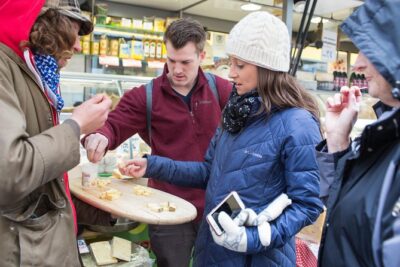
Vienna for Food Lovers: Cafés, Markets & Austrian Cuisine
Read our review →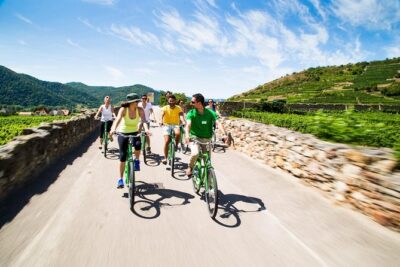
Wachau Valley Wine Tasting Bike Tour from Vienna
Read our review →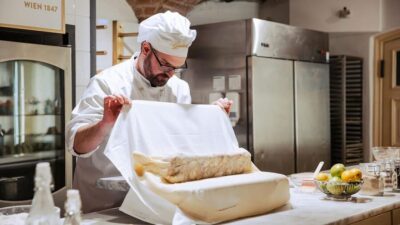
Gerstner KuK Hofzuckerbäcker Baking Show & Tasting
Read our review →
Authentic Vienna Food Tour inc. lunch, street food, 3 drinks
Read our review →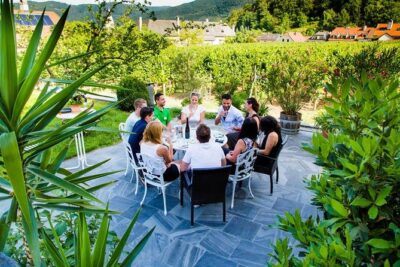
Wachau Valley Small-Group Tour and Wine Tasting from Vienna
Read our review →
Wine Tasting Experience in a Private Wine Cellar
Read our review →Browse the lists this tour appears in