
Reviewed · FOOD TOURS IN VIENNA
Viennese Wine Tasting in a Private Hidden Wine Cellar
Vienna’s best wine experience may begin beneath a delicatessen rather than in the countryside. At Haas & Haas, you walk several floors underground into an old cellar, then sit at a long table for three Austrian wines, local bread, meat, cheese, and spreads. I like the unusual setting and the way guides such as Cornelius and Bernie connect each glass to Vienna’s Roman past and present-day vineyards.
I also like the small maximum group of 12, which gives the tasting a personal feel, and the friendly teaching style suits first-time wine drinkers. The main drawback is simple: three small pours in about 45 minutes may feel brief for the price if you want a full winery visit or enough wine for a second glass.
Key points to know before booking
- Several floors below a central wine shop: The tasting takes place in an old underground cellar beneath Haas & Haas at Ertlgasse 4.
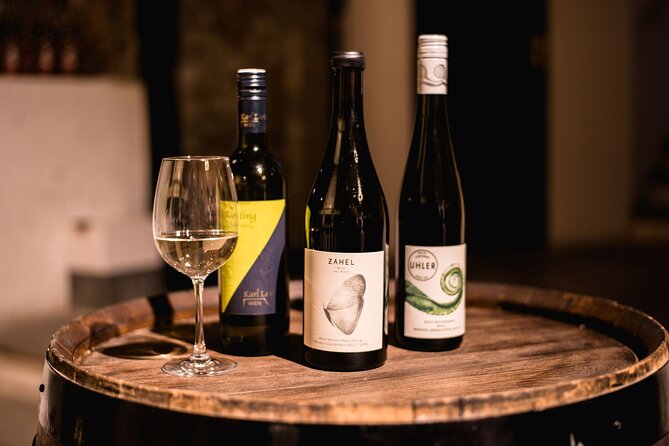
- Three Austrian wines: Expect a mix of Viennese and other Austrian wines, often including two whites and one red.
- Bread, meat, cheese, and spreads: The snack plate gives you something savory to eat with the wine.
- A good first lesson in Austrian wine: The guide explains grapes, regions, winemaking, and Vienna’s long connection with viticulture.
- Small-group format: The maximum is 12 people, though some sessions may have fewer.
- Short and easy to fit into a sightseeing day: The guided tasting lasts about 45 minutes, while the self-guided cellar option lasts about 30 minutes and includes one local glass.
Why this cellar makes the tasting special
Vienna is unusual among European capitals because vineyards still grow within the city limits. About 700 hectares of vines are cultivated inside the urban area, with viticulture reaching back to the Roman period. That fact gives this tasting more substance than a simple stop at a wine shop.
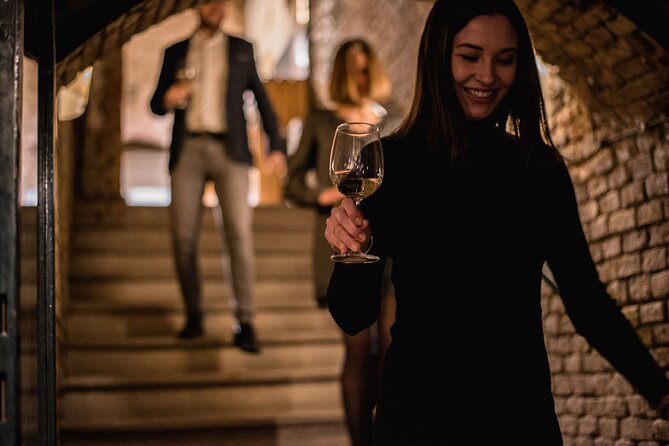
You are not heading out to a vineyard or riding through the countryside. Instead, you start in the center of Vienna and go underground. The cellar has several levels, and some sessions reach about three floors below the shop. Parts of it date back roughly 300 to 400 years, with old underground spaces that once served shopkeepers and businesses.
That setting is the real draw. The cellar is not presented as a polished modern tasting room. It feels old, spare, and tied to the city above it. A long tasting table is set in the underground space, with bottles, glasses, and small plates ready for the group.
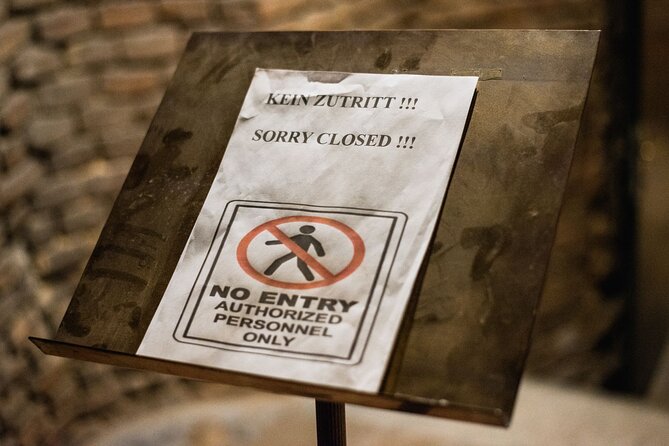
The cellar is not open for a wide public wander. The guided visit gives you access to a part of Vienna that is easy to miss while walking between St. Stephen’s Cathedral, the Hofburg, and the shopping streets. I find that valuable because the experience gives you a physical sense of the city’s older layers, not just another explanation delivered on a busy street.
More Food Tours in Vienna
- Vienna: Chocolate Workshop in Chocolate Museum w/ Tasting
★ 4.5 · 1,802 reviews - Vienna for Food Lovers: Cafés, Markets & Austrian Cuisine
★ 5.0 · 1,063 reviews - Wachau Valley Wine Tasting Bike Tour from Vienna
★ 5.0 · 829 reviews
What happens from Haas & Haas to the tasting table
You meet at Haas & Haas wine and delicatessen, at Ertlgasse 4 in Vienna’s first district. The activity ends at the same place, so it is easy to pair with other central sightseeing.
The guide first leads the group below the shop and explains the cellar’s past. The walk involves a few floors of stairs, so this is not a good choice if you have mobility concerns. Service animals are allowed, and the meeting point is near public transportation.
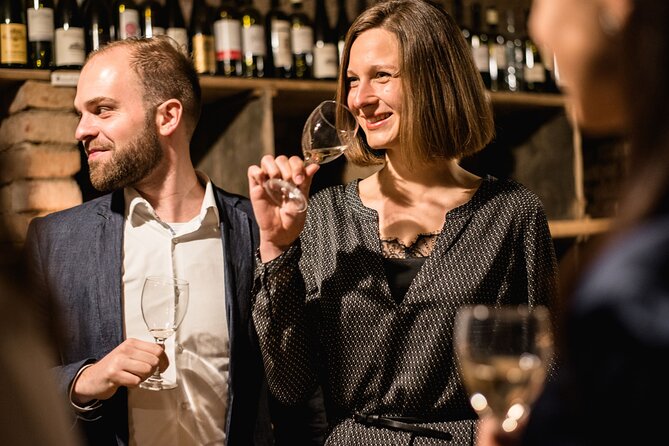
Once everyone reaches the tasting area, the guide introduces the wines and the basic idea behind Austrian wine. You do not need prior wine experience. The explanations cover the grapes, regions, flavor differences, and some of the guide’s own observations about each wine.
The pace matters here. A good guide keeps the presentation moving, allowing time for questions without turning the session into a formal lecture. Cornelius is described as especially clear and welcoming, while Bernie brings an enthusiastic style and strong knowledge of Austrian wine. The guide on your date may differ, but the format remains aimed at both beginners and people who already know a little about wine.
The experience usually takes around 45 minutes, although one session lasted closer to an hour. That difference can happen when the group asks questions or the guide spends more time on the cellar and wines. I would leave a little breathing room before your next fixed booking.
The three wines: a compact introduction to Austria
The tasting includes three different wines from Vienna and other Austrian regions. A common lineup includes two whites and one red, though the exact bottles can vary. The point is comparison. You taste several styles in one sitting and hear how the grape, place, and winemaking affect the result.
Viennese wine receives special attention because the city has a long tradition of growing grapes. The guide places local wine in the larger Austrian picture, so you learn that Vienna is not the whole story. Other Austrian regions and less familiar grapes can also appear in the lineup.
This is especially useful if you are standing in a wine shop later and want to choose a bottle without guessing. The tasting can help you identify the kind of white or red you prefer, even if you remember only a few names.
The pours are tasting portions, not full glasses. That is appropriate for comparing three wines and keeps the session focused, but it affects the value calculation. A few people may wish for a heavier pour or a second glass. You should book this for instruction, setting, and sampling, not for a long afternoon of drinking.
The guide explains each wine before or during the tasting, and the group can compare impressions. First-time tasters are included rather than expected to know the proper vocabulary. You can simply say what you smell or taste, or what you like and dislike.
Local snacks make the wine easier to understand
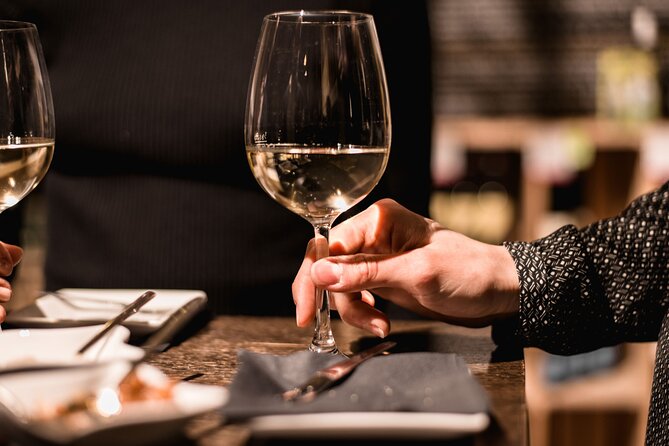
The food pairing is modest but useful. Expect Viennese spreads and delicacies, with bread, cheese, meat, and dip appearing in the snack plate. Salami has been part of the offering, and the portions work as a small accompaniment rather than a meal.
That distinction matters. If you arrive hungry, eat beforehand. The food is there to balance the wine and give you something savory between sips. It also introduces local flavors without adding a full restaurant stop to your schedule.
I like this part because food changes how wine tastes. A red may feel different with meat, while a white can show better with bread or a creamy spread. The snack keeps the tasting relaxed and gives the group something to share while the guide talks.
Portions are not large, and some people may wish for more. Still, the pairing is included when you select the option that includes snacks, and it adds real value compared with a bare three-wine sample.
Check your selected option carefully. Food and drinks are not included in every booking option, and the self-guided version may offer a different format.
More Vienna wine tastings worth an afternoon:
- Vienna: Swarovski House Tour with Champagne and Gift
★ 4.7 · 787 reviews - Countryside Half Day Wine Tour near Vienna
★ 5.0 · 545 reviews - Wachau Valley Small-Group Tour and Wine Tasting from Vienna
★ 5.0 · 540 reviews - From Vienna: Half-day Countryside Wine Tour with Meal
★ 4.7 · 526 reviews
The history lesson is more than decoration
The underground rooms are not simply a dark backdrop for wine glasses. The guide links Vienna’s old cellar spaces with the city’s Roman roots and its continuing wine culture. You hear how viticulture existed here long before Vienna became the imperial capital familiar from guidebooks.
The cellar’s physical layout helps the story. Going down several levels makes the old city feel tangible. One description places the spaces roughly three floors below the shop, while another refers to them as a former underground city used by shopkeepers. You may not see every section, and the deepest level is not always included, but the descent remains one of the most memorable parts.
This history also explains why a city tasting makes sense. Vienna’s wine identity is not imported from a distant rural region. Vineyards are part of the city’s own story, even though you are tasting in a central cellar rather than among the vines.
The guide’s skill makes a difference here. The best explanations connect Roman settlement, old storage spaces, and modern Austrian wine without getting lost in dates. Cornelius and Bernie are both described as friendly, clear, and easy to follow, with enough detail for wine beginners and enough substance for people who have tasted wine elsewhere.
One caution: a single poor experience involved a guide speaking too quickly for the group to follow. If English is not your first language, or if you prefer a slower pace, ask questions when needed. The small group makes that easier.
Is $22.93 a fair price?
At $22.93 per person, this is not an expensive wine activity by central European standards, but it is not a bargain if you judge it only by the amount in your glass. You receive three tastings, snacks when selected, a guided cellar visit, and an explanation of Austrian wine.
The price makes the most sense if you value the cellar access and the local context. A standard wine bar can give you three pours, but it will not necessarily take you below a historic central shop or explain Vienna’s connection to urban vineyards.
It is also a good use of time. A 45-minute activity fits neatly between major sights, and you do not spend half a day traveling to a wine region. If you want a full vineyard tour, a larger meal, or several generous glasses, this is too short.
The self-guided option changes the value calculation. It lasts about 30 minutes and includes a glass of local wine, with an audio guide available for that option. You bring your smartphone, and your own headphones are recommended for the best sound. Choose it if you want to move at your own pace and care more about seeing the cellar than having a live guide explain each wine.
Group size, timing, and practical details
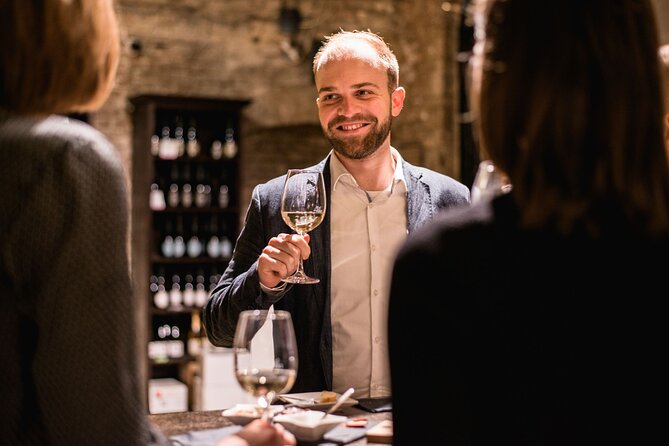
The maximum group size is 12. That is small enough for the guide to include beginners, answer questions, and keep the tasting from feeling like a presentation to a crowd. Some dates may have a much smaller group, and an especially quiet date could feel almost private.
The meeting point is easy to find at Haas & Haas wine and delicatessen in the first district. The experience finishes there, and the area is close to public transportation. You can also browse the shop after the tasting, with its wines and food products, and some people choose to stay for another glass afterward if available.
The stairs are the main physical issue. The cellar is not suitable for people with mobility limitations, and the activity does not offer a flat, step-free route. Wear shoes you are comfortable walking and standing in, though this is not a strenuous outing.
Confirmation arrives when you book. Free cancellation is available up to 24 hours before the start time. Changes or cancellations made within 24 hours are not accepted for a refund, so avoid booking it too tightly against another activity.
The experience is offered in English. For the audio-guide option, bring your smartphone and preferably headphones. The live tasting does not require special equipment.
Who will enjoy this Vienna wine experience?
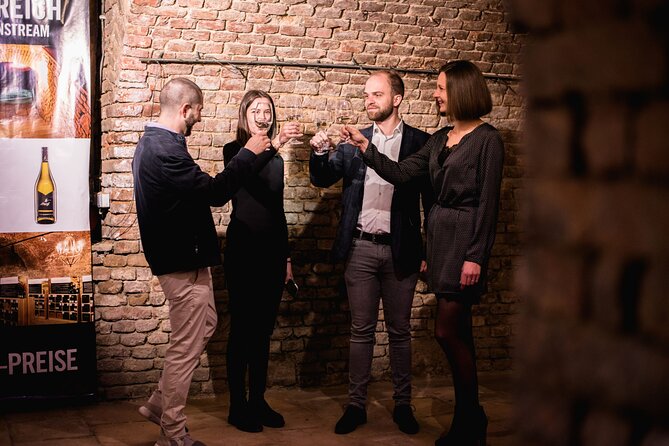
I would choose this for you if you want a short introduction to Austrian wine, enjoy old buildings, and prefer a central activity over a countryside excursion. It works especially well for a first visit to Vienna, when your schedule is full but you still want something beyond palaces and museums.
It also suits couples and small groups looking for a relaxed break. The long table encourages conversation, and the tasting can become a social part of the day. One especially successful format had people from different countries continuing together after the session, though that depends on the group.
Wine beginners should feel comfortable here. You do not need to know grape names or use formal tasting language. The guide explains what matters and gives you room to decide which wine you prefer.
Experienced wine drinkers may enjoy the cellar and regional detail, but should keep expectations in check. This is a compact introduction, not a professional certification course or a full producer visit. The three pours may seem restrained if you have attended longer tastings in Italy, California, or Austria’s wine country.
Should you book it?
Book this cellar tasting if you want three Austrian wines, local snacks, and an unusual piece of Vienna’s underground past in less than an hour. The strongest reasons to go are the old cellar, the central location, the small group, and the clear guidance from hosts such as Cornelius or Bernie.
Skip it if you want a full meal, large pours, vineyard views, or a long winery tour. For most visitors who want a practical first taste of Viennese wine without leaving central Vienna, the price is reasonable and the format is easy to fit into a busy day.
FAQ
Where does the Viennese wine tasting begin?
It begins at Haas & Haas wine and delicatessen, Ertlgasse 4, 1010 Vienna, Austria.
Where does the activity end?
The activity ends back at the meeting point at Haas & Haas.
How long does the guided tasting last?
The guided experience lasts about 45 minutes, although the exact timing can vary. A self-guided cellar option lasts about 30 minutes.
How many wines will I taste?
The guided tasting includes three different Viennese or Austrian wines when that option is selected.
Is food included?
Small snacks such as Viennese spreads, bread, cheese, meat, and dip are included when you choose the snack option. Food and drinks are not included in every option.
Is the cellar suitable for people with mobility issues?
No. The cellar has a few floors of stairs and is not suitable for people with mobility issues.
What should I bring for the audio guide?
Bring your smartphone. Your own headphones are recommended for the best audio experience.
Just added around Vienna
- Vienna: UNESCO Schönbrunn Palace Guided Tour with Entry★ 4.5 · 94 reviews
- World War II History Vienna Old Town Private Walking Tour★ 4.8 · 9 reviews
- Vienna: Winery and Wine Tasting Tour with a Wine Expert★ 5.0 · 5 reviews
- Vienna: Wine Tasting E-Bike Tour★ 4.9 · 46 reviews
- Vienna: Wine Tasting at Schönbrunn Palace★ 4.3 · 71 reviews
- Vienna: Wine Tasting Tour★ 4.8 · 61 reviews
- Vienna: Wachau Valley Private Kayak and Wine Tour★ 5.0 · 3 reviews
- Vienna: Wiener Schnitzel and Strudel Cooking Class★ 4.9 · 126 reviews
Food Tours in Vienna, compared.
Chocolate Workshop in Chocolate Museum w/ Tasting
Read our review →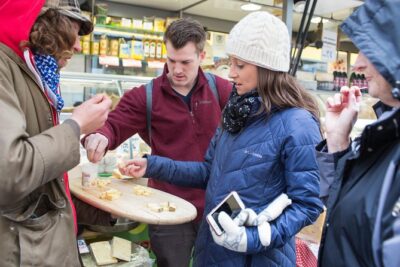
Vienna for Food Lovers: Cafés, Markets & Austrian Cuisine
Read our review →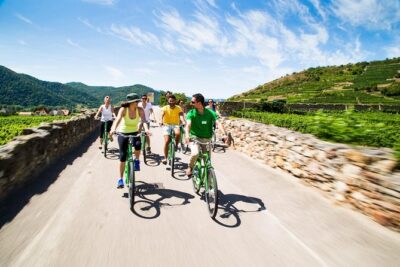
Wachau Valley Wine Tasting Bike Tour from Vienna
Read our review →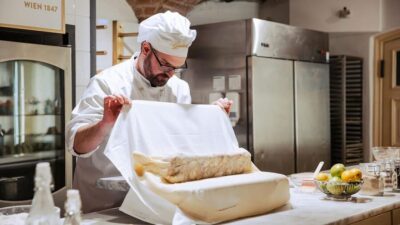
Gerstner KuK Hofzuckerbäcker Baking Show & Tasting
Read our review →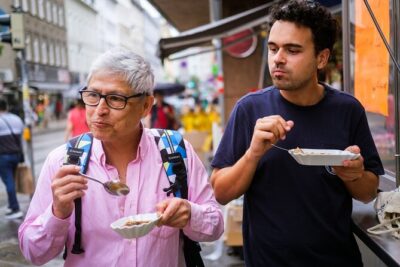
Authentic Vienna Food Tour inc. lunch, street food, 3 drinks
Read our review →
Wachau Valley Small-Group Tour and Wine Tasting from Vienna
Read our review →
Wine Tasting Experience in a Private Wine Cellar
Read our review →Browse the lists this tour appears in