
Reviewed · HOP-ON HOP-OFF TOURS
Vienna PASS Including Hop On Hop Off Bus Ticket
Vienna’s great strength is its sheer range: imperial palaces, Klimt paintings, Beethoven apartments, a historic library, a giant Ferris wheel, and even a sparkling-wine cellar. This pass puts more than 90 attractions under one card and adds hop-on hop-off buses for a quick first look at the city.
I especially like the freedom to choose your own mix of sights and the useful guidebook, which helps you build a sensible two-day plan. The pass is also strongest for museum fans and palace hoppers. One catch: public transport is not included, and the buses can be slow or miss stops, so the pass works best when you plan around its attractions rather than use it as your main transport ticket.
Key points to know before you buy
- More than 90 included attractions: Focus on Schönbrunn, Belvedere, the Hofburg, the Kunsthistorisches Museum, the Albertina, and smaller specialist museums.
- Best value over two or three days: One day can feel rushed, while longer passes give you time to visit several major sights without racing from one entrance to the next.
- Hop-on hop-off is useful for orientation: Three routes and 16-language audio commentary help you see the city, but buses may run slowly or pass stops.
- Schönbrunn needs planning: The palace, zoo, gardens, maze, and Gloriette can fill a full day, but some palace tour upgrades may cost extra.
- No normal transit included: You still need separate tickets for Vienna’s regular buses, trams, and underground trains.
- Redeem in person: Exchange your voucher at the Vienna Sightseeing and Vienna PASS Service Center opposite the State Opera, with photo ID.
What the Vienna PASS actually gives you
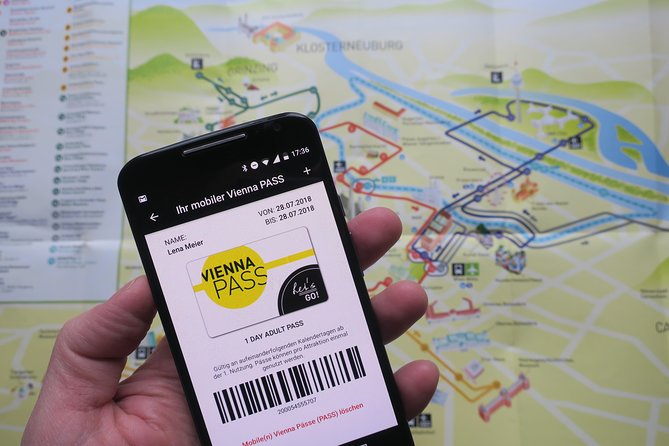
The Vienna PASS costs $134.56 per person and can be bought for one, two, three, or six days. Your pass is valid for consecutive days after activation, so the way you arrange your sightseeing matters.
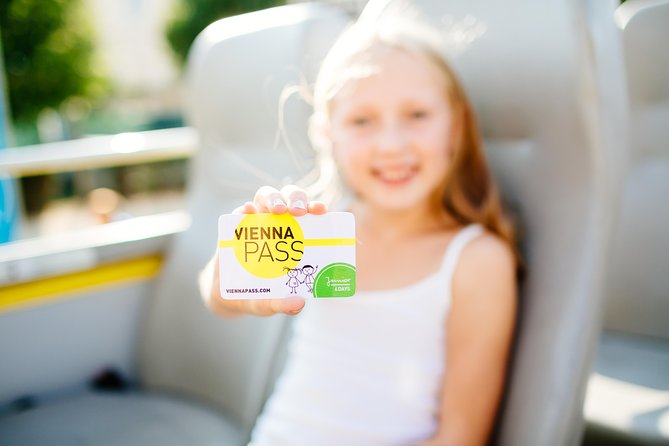
The basic idea is simple: you show the pass at participating sights and receive admission. The package also includes hop-on hop-off bus service, audio commentary in 16 languages, and a guidebook. That combination is convenient, but the value depends on how actively you use it.
I would not buy this pass for a relaxed weekend built around cafés, parks, and a few major buildings. I would consider it for a busy sightseeing schedule that includes several paid museums and palace collections each day.
A one-day pass can work, but only if you start early and choose attractions close together. Two days is a more comfortable target. Three days gives you room for Schönbrunn, Belvedere, the Hofburg, several art museums, and a few smaller museums without turning your holiday into a timed march.
More hop-on hop-off routes in Vienna:
- Vienna: Hop-On Hop-Off Sightseeing Bus Tour in 19 Languages
★ 4.2 · 4,518 reviews - Vienna: Big Bus Hop-On, Hop-Off Tour by Open-Top Bus
★ 4.4 · 3,529 reviews - Big Bus Vienna Hop-On Hop-Off Sightseeing Tour
★ 4.0 · 1,735 reviews
The hop-on hop-off buses: useful overview, imperfect transport
The bus is a good way to get your bearings on arrival. You can see the Ringstrasse, major imperial buildings, Schönbrunn, the Prater, the Danube area, and other parts of Vienna without studying a street map first.
The audio commentary comes in 16 languages, and the included guidebook helps you choose between the routes. I like using the bus on the first day for a broad city view, then walking or using regular public transport once I know where I want to return.
Do not assume the bus is the fastest way across town. The routes make many stops, and buses may be infrequent. Some passengers have found that a bus passed a marked stop, including at Naschmarkt, or that the next bus took too long to arrive. A commentary system may also fail to announce the next stop clearly.
The open-top experience is not guaranteed in every condition. One report describes a very hot upper deck that was not open to the air. In practice, treat the bus as a sightseeing loop, not as Vienna’s equivalent of an unlimited tram and subway pass.
The imperial core: Hofburg, crypt, library, and riding school
Start in the city center, where the Hofburg gives you the clearest sense of Vienna’s former imperial power. The palace complex served as the Habsburg residence until 1918 and now contains several collections, including the Imperial Apartments, the Sisi Museum, and the Imperial Silver Collection.
The nearby Imperial Crypt offers a quieter, more intimate look at the dynasty. It is the burial place of Habsburg emperors, empresses, and family members. Allow about an hour, especially if you want to consider the contrast between public ceremony and private mortality.
The Austrian National Library State Hall is one of the city’s most beautiful interiors. Emperor Charles VI commissioned this Baroque library for the court, and the grand room is worth visiting even if you are not a serious book lover. The Literature Museum and Papyrus Museum offer smaller, more focused visits. The first covers major Austrian authors, while the second displays about 300 objects from three thousand years of Egyptian culture, including material linked to the Book of the Dead and mummy portraits.
The Spanish Riding School adds a different kind of imperial tradition. The included Morning Exercise lets you watch Lipizzaner horses and riders practice basic movements to classical Viennese music. Check the exact schedule before arranging the rest of your day, since a one-hour visit still depends on timing.
Vienna’s best art stops: choose your style
The pass is particularly useful for art lovers because the museums are varied rather than repetitive.
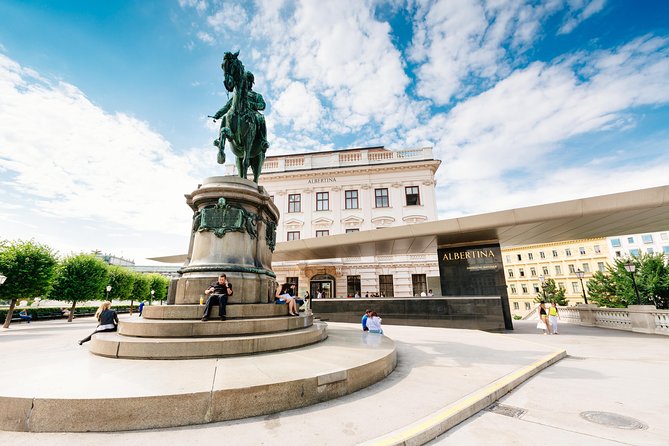
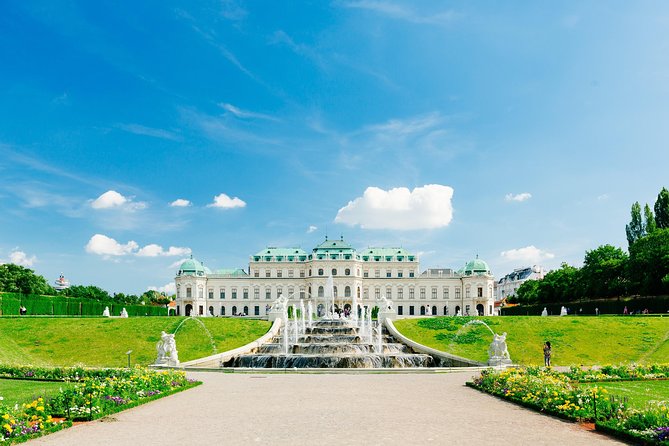
The Albertina occupies one of the former Habsburg residences in the city center. Its appeal is the mix of palace rooms and major works of art. The Belvedere offers Vienna’s most famous Klimt stop, with the Upper Belvedere displaying a major collection that includes The Kiss, along with works by Schiele, Kokoschka, Renoir, Monet, and Van Gogh.
Allow several hours for Belvedere. The gardens connecting the two palaces are part of the experience, and the Lower Belvedere has its own exhibitions. Belvedere 21 shifts the focus to Austrian and international contemporary art. The three sites are related but not interchangeable, so check which building your planned visit covers.
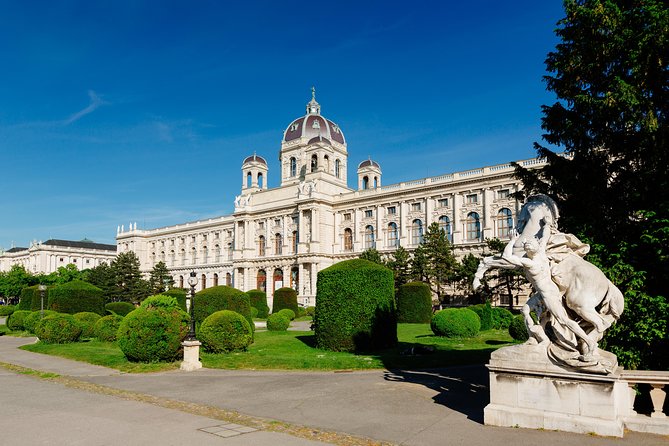
The Kunsthistorisches Museum is the grand imperial collection, with objects spanning five thousand years. It is a good choice if you want old masters, archaeology, and the collecting story of the Habsburg rulers.
For modern Vienna, choose the Leopold Museum for Egon Schiele, Gustav Klimt, Viennese Art Nouveau, and the Wiener Werkstätte. MUMOK covers Cubism, Futurism, Surrealism, Pop Art, Fluxus, Nouveau Réalisme, and Vienna Actionism. The Bank Austria Kunstforum focuses on classic modernism and postwar avant-garde work, while Kunsthalle Wien presents contemporary exhibitions at the MuseumsQuartier and Karlsplatz.
The MAK brings applied art, architecture, and contemporary art together. It is a good pick if you want to see design rather than spend another afternoon with paintings. The Heidi Horten Collection is a smaller modern and contemporary art stop in the center.
More city cards and sightseeing passes:
- Vienna PASS: All incl. Sightseeing Pass for 85+ Attractions
★ 4.3 · 3,067 reviews - Vienna FLEXI Pass: Choose from 70+ Top Sights in one Ticket
★ 4.3 · 548 reviews - Vienna Sightseeing FLEXI Pass
★ 3.5 · 47 reviews - Best of Vienna Pass: Schönbrunn, Belvedere, Big Bus & Cruise
★ 4.0 · 28 reviews
Schönbrunn: plan a full day, not a quick photo stop
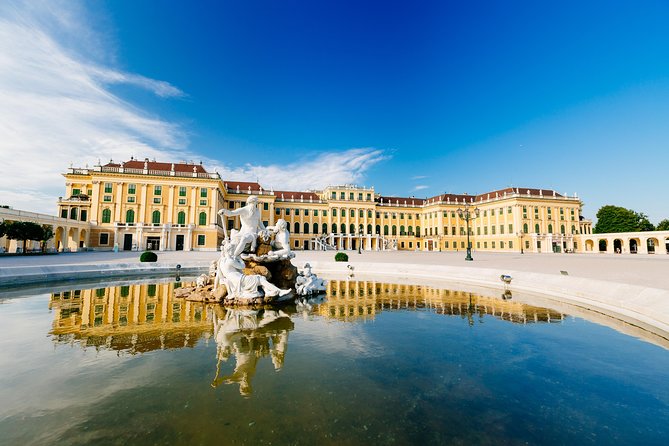
Schönbrunn is the pass’s biggest time commitment and one of its strongest inclusions. The former summer residence of Maria Theresa sits within a 160-hectare UNESCO World Heritage site, with palace rooms, gardens, the Gloriette, a maze, an orangery, and the world’s oldest zoo.
The palace itself explains court life and imperial ceremony. The Children’s Museum focuses on the everyday lives of the royal children and gives families a more approachable visit than a formal palace tour alone.
Outside, walk toward the Gloriette for the view across the gardens and Vienna. The maze and Labyrinthikon are useful additions for families, while the Crown Prince Garden shows the more private side of the palace grounds. The orangery, one of the largest Baroque orangeries in the world, adds another architectural stop.
Schönbrunn Zoo contains more than 700 animal species, including giant pandas, elephants, tigers, and koalas. The Desert House focuses on plants and animals adapted to dry climates. You can easily spend a full day here, especially with children.
Plan carefully around palace admission. The included palace entry may not cover every possible tour option. One useful warning from the experience: the Grand Tour at Schönbrunn may require an upgrade, so confirm what your pass covers before you enter. You do not want to discover the difference after waiting in line or reaching the ticket desk.
Beethoven, Mozart, Haydn, and Schubert in real rooms
Vienna’s music museums work best when you choose one or two rather than trying to collect them all.
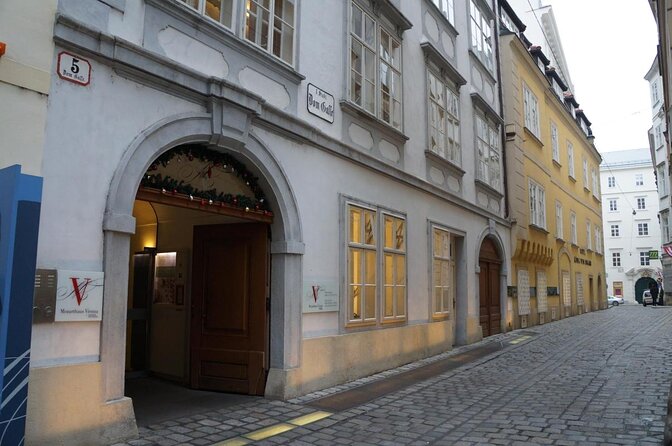
Mozarthaus Vienna occupies Mozart’s only preserved Vienna apartment. The exhibition concentrates on his years in the city, when he produced some of his most important work. It is a strong choice for first-time visitors because it connects the composer to a specific home rather than presenting only dates and portraits.
The Beethoven Museum is in Heiligenstadt, once a small wine village where Beethoven sought relief from his worsening deafness. The setting helps explain why this district mattered to him. Beethoven’s Pasqualatihaus presents another address, with personal objects and a well-known portrait by Willibrord Joseph Mähler.
Haydnhaus covers Joseph Haydn’s final years, including his life in the house where he died in 1809. Schubert’s death house presents his final drafts, last letter, and documents about his family’s care during his final weeks.
These smaller museums can be emotionally direct. They do not take as long as the major palaces, making them good one-hour or two-hour additions between larger visits.
Specialist museums and unusual stops
The pass earns its keep through smaller places that you might otherwise skip.
The Sigmund Freud Museum occupies Freud’s former home and practice at Berggasse 19, presenting his life and work with original furniture, objects, and photographs. The Museum of Applied Arts, the Literature Museum, and the Papyrus Museum each provide a focused hour or two rather than an all-day commitment.
The Wagenburg displays magnificent imperial carriages connected with Maria Theresa, Napoleon, and Emperor Franz Joseph. It pairs naturally with Schönbrunn, so combine the two if your schedule allows.
The Hofmobiliendepot Möbel Museum houses one of the world’s largest furniture collections, including objects associated with Maria Theresa, Franz Joseph, and Sisi. It offers a practical look at how imperial life functioned behind the formal palace rooms.
The Jewish Museum Vienna covers Jewish religion, tradition, and Austrian Jewish history at Palais Eskeles. The Dom Museum Wien, near St. Stephen’s Cathedral, combines historic treasures with modern and contemporary art.
The Remise Transport Museum traces 150 years of Vienna’s public transport. It is especially useful if you want to understand how the city grew and how trams and other systems changed daily life.
Prater, Danube Tower, and life beyond the palaces
Vienna is not only imperial rooms and art museums.
The Prater combines an amusement park with about 60 hectares of woods and meadows. The Giant Ferris Wheel is the famous draw, but the Prater Museum adds context about Vienna’s entertainment culture. The pass includes access to selected attractions, but rules can limit which rides are covered, so do not assume every amusement is included.
The Danube Tower gives you a view from 150 meters above the ground. The elevator ride is quick, and the observation platform provides a useful contrast with the close interiors of Vienna’s museums.
The United Nations in Vienna offers guided tours through the Vienna International Centre, along with permanent and temporary displays. You can see works such as a Hundertwasser tapestry and a moon rock donated by NASA. Check tour availability and timing before building your day around it.
The Schlumberger Kellerwelten takes you into 300-year-old cellar vaults and explains sparkling-wine production, including riddling, disgorging, dosage, and cellar markings. It is a fine change of pace after several formal museums.
Free sights and stops that do not decide the pass value
Several listed places are free, including the Johann Strauss monument in Stadtpark, Hundertwasserhaus, Vienna’s Central Cemetery, the Votive Church, Naschmarkt, the main hop-on hop-off tour, and the Heidi Horten Collection.
These are worthwhile, but they do not help much with the pass’s financial value because you can visit them without it. The Johann Strauss statue is a quick stop, while the Central Cemetery can take two hours and includes graves or memorials connected with Beethoven, Strauss, Brahms, Schubert, Mozart, and Falco.
Naschmarkt is best treated as a food and walking stop, not a major ticketed attraction. Hundertwasserhaus works well with the Kunst Haus Wien, which displays the largest collection of the artist’s work. The Votive Church is a striking neo-Gothic building and the second-tallest church in Vienna.
Price, timing, and practical details
At $134.56 per person, the pass is not cheap. It becomes sensible when you visit several paid sights each day, especially expensive palace and museum collections. A productive two-day plan might include Schönbrunn, the Belvedere, the Hofburg, the Albertina, the Kunsthistorisches Museum, and one or two smaller museums.
You should not count the free stops toward your savings. You should also value your time honestly. If the bus causes long waits, walking or buying separate public transport tickets may be faster. The package does not include regular public transit, hotel pickup, food, or drinks.
You must exchange the voucher for the physical Vienna PASS at the Vienna Sightseeing and Vienna PASS Service Center at Operngasse 3 to 5, opposite the State Opera. The center is open daily from 9 a.m. to 6 p.m. The person collecting the pass must bring official photo ID and must be the person named for use of the pass.
Children must be with an adult, and service animals are allowed. Most people can take part, and the activity has a maximum group size of 15, though the pass itself is mainly a self-guided sightseeing product rather than a guided tour.
Free cancellation is available up to 24 hours before the start time. Changes or cancellations inside that window are not accepted for a refund.
Should you buy the Vienna PASS?
Buy it if you want a packed museum and palace schedule over two or more days. It is particularly good for first visits built around Schönbrunn, Belvedere, the Hofburg, major art museums, and the Spanish Riding School.
Skip it if you prefer slow neighborhood walks, cafés, markets, and only one or two paid attractions. I would also think twice about adding the bus if your main goal is fast transport. Vienna’s central sights are often easy to reach on foot or by regular transit, which you would need to pay for separately.
The smartest approach is to plan your top five or six paid sights first, then check their individual prices against the pass. Use the buses for orientation, not as your only way around town. With that plan, the Vienna PASS can save money and waiting time. Without one, you may pay a high price for a card you barely use.
FAQ
How many days is the Vienna PASS valid?
You can choose a pass valid for 1, 2, 3, or 6 days.
Does the pass include hop-on hop-off buses?
Yes. The pass includes hop-on hop-off bus service, audio commentary in 16 languages, and a guidebook.
Does the Vienna PASS include regular public transportation?
No. Public transport is not included.
Is entry to Schönbrunn Palace included?
Admission to Schönbrunn Palace is included, but some tour options, such as the Grand Tour, may require an additional upgrade.
Where do I exchange the voucher for the pass?
You must exchange it at the Vienna Sightseeing and Vienna PASS Service Center at Operngasse 3 to 5, opposite the Vienna State Opera.
What identification is needed to collect the pass?
The person collecting the pass must bring official photo ID and must be the person for whom the pass was purchased.
Is the Spanish Riding School included?
Yes. The pass includes the Morning Exercise at the Spanish Riding School.
Can I cancel for a full refund?
Yes, if you cancel at least 24 hours before the experience start time. Cancellations made less than 24 hours before the start time are not refunded.
Just added around Vienna
- Vienna: UNESCO Schönbrunn Palace Guided Tour with Entry★ 4.5 · 94 reviews
- World War II History Vienna Old Town Private Walking Tour★ 4.8 · 9 reviews
- Vienna: Winery and Wine Tasting Tour with a Wine Expert★ 5.0 · 5 reviews
- Vienna: Wine Tasting E-Bike Tour★ 4.9 · 46 reviews
- Vienna: Wine Tasting at Schönbrunn Palace★ 4.3 · 71 reviews
- Vienna: Wine Tasting Tour★ 4.8 · 61 reviews
- Vienna: Concert by the Vienna Baroque Orchestra★ 4.6 · 56 reviews
- Vienna: Wachau Valley Private Kayak and Wine Tour★ 5.0 · 3 reviews
Hop-On Hop-Off Tours, compared.

Hop-On Hop-Off Sightseeing Bus Tour in 19 Languages
Read our review →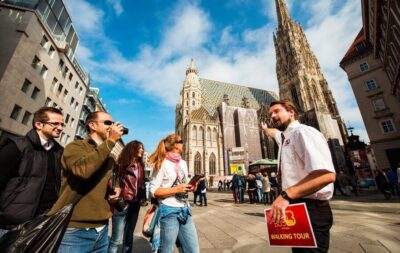
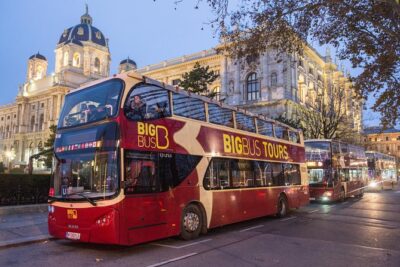
Big Bus Vienna Hop-On Hop-Off Sightseeing Tour
Read our review →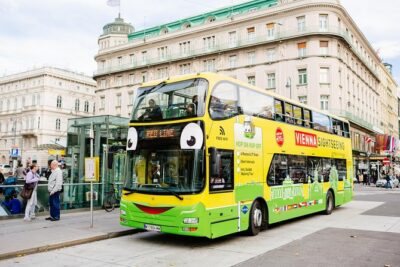

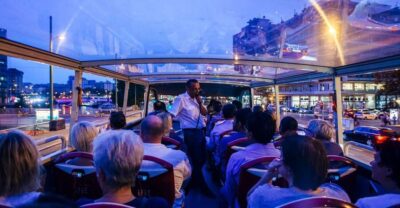
Big Bus City Highlights Night Tour with Live Guide
Read our review →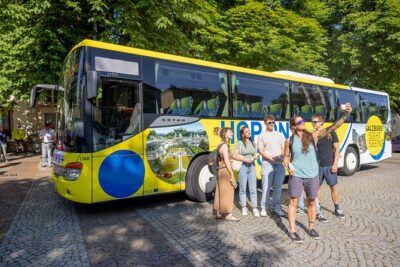
Browse the lists this tour appears in