
Reviewed · WINE TOURS
Vienna Woods Wine Tour – Wines, Vines & Good Times!
The best part of this day is that wine comes with a proper sense of place. You leave Vienna by train, walk through Baden and the Vienna Woods, pass working vines, then taste the wines where they are made. In summer, guide James adds a 9-kilometer hike with forest paths, vineyard rows, and a fine view over the Vienna basin.
I like the small maximum group of 12, which gives James time to adjust the pace and answer questions. I also like the two very different seasonal versions: summer brings fresh air and walking, while winter shifts the focus indoors and adds another tasting. The main catch is the hiking. The route includes steep uphill and downhill sections, so comfortable shoes and a moderate level of fitness are important.
Key points to know before booking
- Two distinct seasons: Summer includes a 9-kilometer forest and vineyard walk. Winter replaces most of the hike with indoor wine visits and tastings.
- A real day outside Vienna: Baden and Gumpoldskirchen offer a clear change from the city without requiring a car.
- Local wine, not just a quick sip: You visit producers, ask questions, and taste wines with a winemaker or at a historic wine institution.
- James is the named guide: His role includes pacing the walk, explaining the region, and helping with translation at the winery.
- Lunch is separate: You eat at a traditional Austrian wine tavern, but the meal is not included in the $191.02 price.
- Small groups matter here: The experience is capped at 12 people and requires at least four participants to run.
Why this Vienna day trip feels different
Vienna has grand museums, imperial rooms, and concert halls. It also has vineyards and wooded hills close enough for a relaxed day trip. This tour makes good use of that contrast.
You meet at Wien Mitte railway station and board a train south for about 30 minutes. That simple ride matters. You do not spend the day sitting in a tour bus or watching the city disappear through a window. You travel as you would on a normal Austrian outing, then begin walking through the countryside with a guide who explains what you are seeing.
The tour lasts about seven to nine hours, depending on the seasonal route and the day’s pace. You return to central Vienna in time to freshen up before dinner, an opera, theater, or a concert. That timing gives the day a useful shape: an active morning, a long lunch and tasting, then an evening back in town.
I would not book this as a formal wine class. You do not need technical knowledge, and the tone is deliberately relaxed. The appeal is the combination of scenery, food, conversation, and access to producers who can explain their work in plain terms.
More Vienna wine tastings worth an afternoon:
- Wachau Valley Wine Tasting Bike Tour from Vienna
★ 5.0 · 829 reviews - Vienna: Swarovski House Tour with Champagne and Gift
★ 4.7 · 787 reviews - Countryside Half Day Wine Tour near Vienna
★ 5.0 · 545 reviews
Summer begins in Beethoven’s Baden
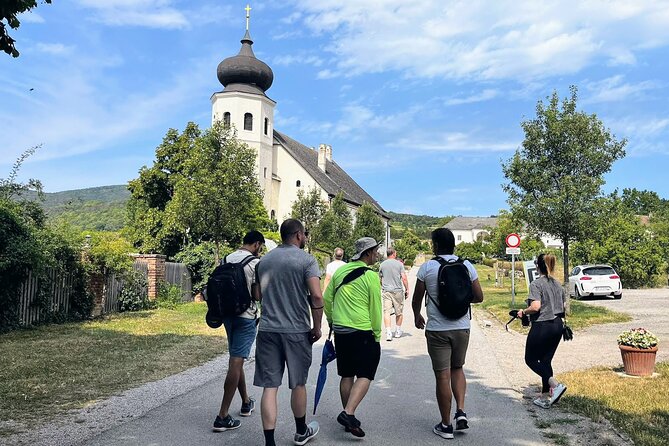
In summer, the train takes you to Baden, a spa town once favored as a country retreat by Beethoven. You start in the town center, passing parks and traditional streets before heading toward the forest.
The walking route covers about 9 kilometers, or a little more than five miles. Regular breaks help, but this is still a real hike rather than a gentle stroll between tasting rooms. You climb and descend on forest paths, so bring trainers or sturdier hiking shoes. A sunburn is an avoidable souvenir here, so pack water, sunscreen, and a hat.
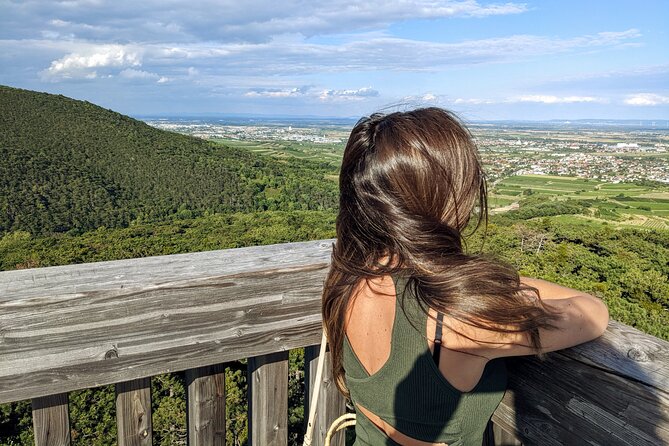
The reward is a high viewpoint over the Vienna basin and the Vienna Woods. This is one of the tour’s strongest moments because it gives you a sense of the region’s shape. You can see how the wooded hills and vineyards relate to Vienna, rather than experiencing the wine country as a series of unrelated stops.
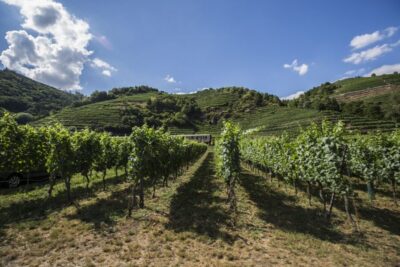
From the viewpoint, the route continues into the vineyards. You walk between working rows of vines, not a decorative garden built only for tour groups. The open-air tasting among the vines gives the morning a pleasant rhythm: walk, stop, taste, listen, and continue.
The guide’s role is especially useful here. James can explain the local setting, identify what makes the growing areas different, and keep the pace comfortable for the group. The small size helps. If a question comes up about the vines, wine production, or the region, there is room to stop and discuss it instead of rushing to the next scheduled point.
The drawback is clear. If you want a relaxed tasting day with little walking, the summer route may feel demanding. The distance is manageable for most people with moderate fitness, but steep sections make it unsuitable for anyone with mobility problems.
Winter trades the trail for wine history
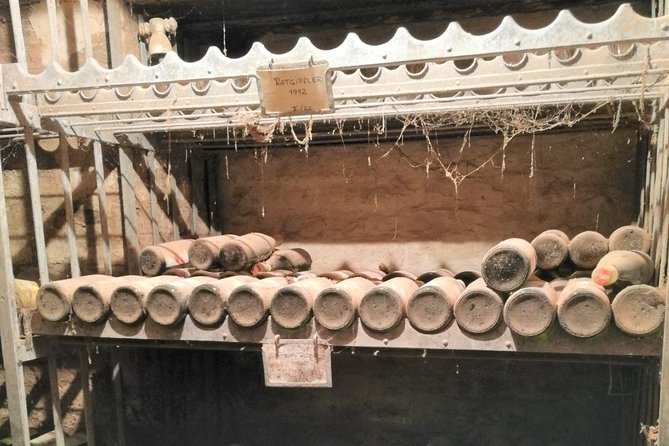
Winter changes the experience rather than simply offering a colder version of the summer trip. Instead of the longer forest hike, the train takes you toward the vineyards of the Thermal Region and one of Austria’s oldest wine-making institutions.
The focus turns to the role of monastic orders in early wine production and to the forces that shaped Austrian wine over time. This gives the first tasting more context than a standard flight of glasses. You can discuss how the country’s wine culture developed and where it may be heading.
There is still a short walk, about 20 minutes through flat vineyards as you move between villages. Dress warmly and check the forecast. Most of the winter program takes place indoors, but you should not treat it as a completely indoor activity.
Winter may suit you better if you care more about tasting and conversation than hiking. One winter outing included a second wine tasting in place of the summer walk, which makes the colder version especially attractive to wine enthusiasts. The tradeoff is that you lose the broad forest views and the outdoor tasting among the vines.
Gumpoldskirchen brings the day together
The second main stop is Gumpoldskirchen, a picturesque wine village in the Thermal Region. Here you have lunch at a traditional Austrian wine tavern. Lunch is not included, so plan to pay separately and keep some cash with you.
This part of the day works because it is unhurried. You have already spent time walking or learning about the area, so the tavern meal becomes more than a pause for food. It is a chance to try local cuisine in the kind of setting that gives the wine culture a social context.
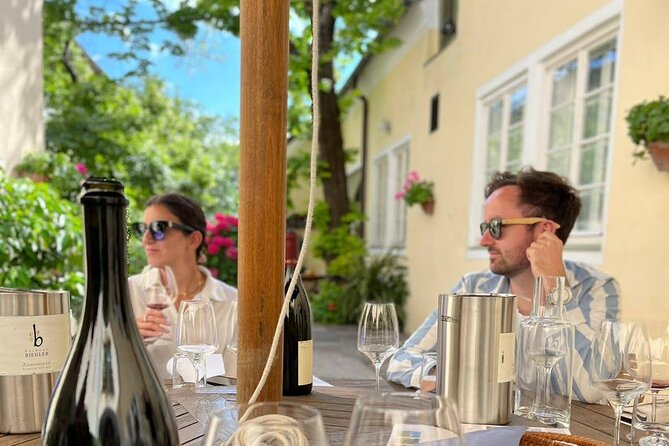
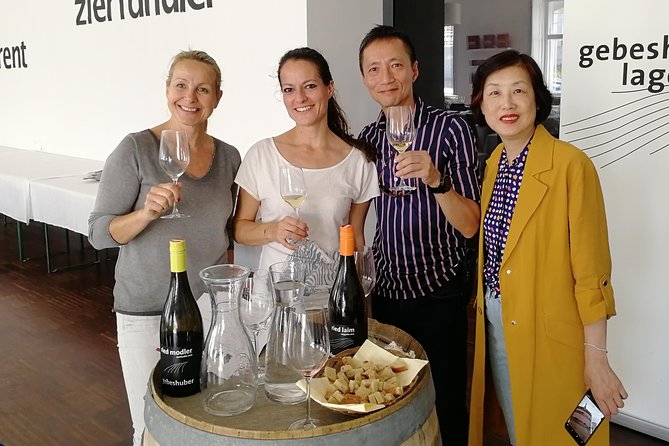
The central event comes in the afternoon at one of the village’s established producers. A local winemaker leads the tasting and explains how the wine is made. You can ask about vineyard work, production decisions, and the problems facing vintners today. James helps keep the discussion open and provides translation when needed.
That access is a major reason to consider the tour. A tasting in a Vienna bar can introduce you to Austrian wine, but it cannot give you the same connection to the people and places behind it. Here, the producer’s own story becomes part of the experience.
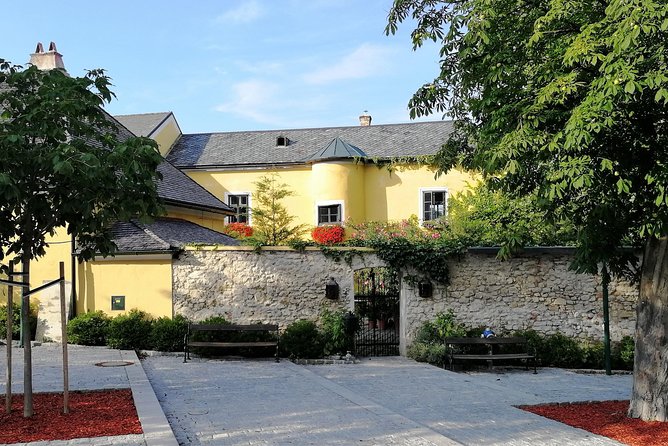
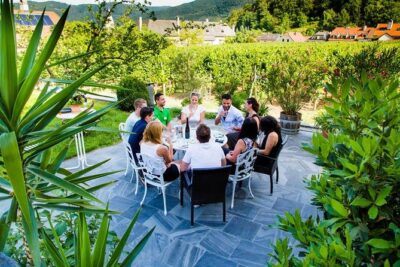
The setting can vary. Past visits have included tastings in a beautiful private courtyard and conversations with winery owners. You should expect an intimate producer visit, but not assume a fixed room or identical tasting lineup on every date.
A few more Vienna days worth a look
- Vienna: Vivaldi’s Four Seasons Concert in Karlskirche
★ 4.7 · 14,951 reviews - Vienna: Spanish Riding School Training
★ 3.9 · 9,281 reviews - Vienna: Skip-the-cashier-desk-line Giant Ferris Wheel Ride
★ 4.5 · 7,859 reviews - Vienna: Schönbrunn Palace & Gardens Skip-the-Line Tour
★ 4.7 · 7,739 reviews
What you will taste and learn
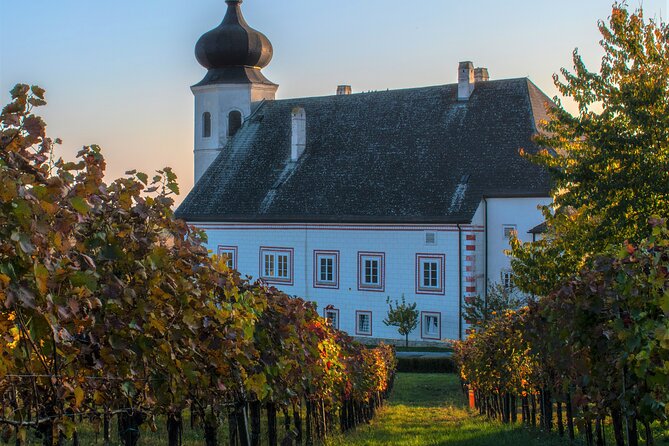
The tour includes an extensive wine tasting, alcoholic beverages, a winery visit, and questions with the people making the wine. It is not designed around memorizing grape names or scoring wines like a professional judge.
That makes it accessible if you are new to Austrian wine. James can guide you through aroma, flavor, and finish without turning the day into a lecture. If you already know wine, there is enough direct contact with producers to make the tasting worthwhile.
A useful detail from the experience is the attention to translation. James has helped visitors communicate at the winery, which matters when the most interesting information comes from a local producer rather than a prepared talk. You can ask about methods, challenges, and the decisions behind each bottle.
The wine tasting is also balanced by the physical setting. You taste outside among vines in summer, then later at a producer in Gumpoldskirchen. In winter, the indoor visits and added tasting give the day a stronger wine focus.
Do not expect every tasting to match your personal preferences. The value is in sampling regional wines and understanding their setting. You might find a style you would not have ordered in Vienna, which is part of the fun.
A small group changes the pace
The tour allows a maximum of 12 people and needs at least four participants to operate. That is a useful size for this kind of outing. You are not trying to hear a guide over a large crowd, and the group can move through a village or vineyard without becoming unwieldy.
James is specifically named as the guide. The strongest parts of his role are practical: meeting you at the station, managing the train connections, explaining the places along the route, translating at the winery, and checking that the walking pace feels comfortable.
The personal side matters too. The day includes long stretches for conversation, and a good guide can make those hours feel easy rather than programmed. You should expect live commentary in English from a native speaker, with room for questions and informal discussion.
The small group does not remove every uncertainty. The tour requires good weather, and if poor conditions cancel the outing, you are offered another date or a full refund. The minimum group requirement creates a second possible change, so keep that in mind if you are building a tightly timed Vienna schedule.
Is $191.02 a fair price?
At $191.02 per person, this is not a cheap half-day outing. It is a full day with train travel, guiding, two wine-focused stops, an extensive tasting program, and the summer hike or winter alternative.
The price makes more sense if you value access and structure. You do not need to arrange regional trains, locate producers, find a suitable hike, or work out how to combine Baden and Gumpoldskirchen. You also get a guide who can explain the region and help with winery communication.
Lunch is extra, and you should budget for that separately. The tour price also does not make it a private experience. You share the day with a group, though the maximum of 12 keeps it fairly personal.
I would compare it with the cost of arranging transport, tastings, and a countryside walk on your own. Independent planning could cost less, but it would also require more time and may not provide the same access to a local winemaker. For many people, that tradeoff gives the tour reasonable value.
It is booked an average of 55 days ahead, so popular dates may require planning. Free cancellation is available up to 24 hours before the start time. Changes or cancellations inside that window are not refunded.
What to bring and who should skip it
For summer, carry drinking water in a small backpack, sunscreen, a hat, cash, and a fully charged camera. Wear shorts or light trousers, a T-shirt, and an extra layer or light rain jacket. Conditions can change, and the forest may feel cooler than Vienna.
For winter, check the weather on the day and dress warmly. Bring cash, a camera, and possibly an umbrella. The flat vineyard walk is gentle, but you will be outdoors between some indoor stops.
The tour suits you if you want:
- A countryside day without renting a car
- Wine tasting tied to actual villages and vineyards
- A relaxed English-language experience
- A small group rather than a large coach
- Some physical activity in summer
- Direct contact with producers
It is less suitable if you have mobility issues, dislike walking, need a guaranteed indoor schedule, or want lunch included in the price. The minimum age is 16, and service animals are allowed.
The meeting point is Wien Mitte, near public transportation. Published departure information gives 9:10 from April through October and 9:40 from November through March, while the meeting details list 9:40. Confirm your exact departure time after booking so you do not start the day by sprinting through the station.
Should you book the Vienna Woods wine tour?
Book it if you want to see a quieter side of Austria and you like the idea of wine tasting as part of a place, not just a drink in a glass. The summer route is the better choice for views, forest walking, and photographs. The winter version is a good fit if your priority is wine history, indoor visits, and extra tasting time.
I especially recommend it to couples, small groups of friends, and curious wine drinkers who enjoy asking questions. You do not need to be a wine expert, but you should be comfortable with a long day and, in summer, a genuine hike.
Skip it if you want a short tasting close to central Vienna or a fully flexible day. For everyone else, this is a thoughtful way to pair Baden’s scenery, Gumpoldskirchen’s taverns, and Austrian wine with the personal touch of a small group.
FAQ
Where does the Vienna Woods wine tour start?
The tour starts at Wien Mitte-Landstraße in Vienna, Austria. The activity ends back at the same meeting point after the return train ride.
What time does the tour begin?
The published schedule gives a 9:10 meeting time from April through October and 9:40 from November through March. The meeting details also list 9:40, so confirm the exact time for your booking.
How long does the experience last?
The tour takes approximately seven to nine hours. You return to central Vienna in time to prepare for an evening dinner, opera, theater performance, or concert.
Is lunch included?
No. Lunch at a traditional Austrian wine tavern is not included in the tour price.
How much walking is involved?
The summer program includes a guided 9-kilometer forest and vineyard hike. It has some steep uphill and downhill sections, with regular breaks. The winter program includes a gentle 20-minute walk through flat vineyards.
Is the tour suitable for people with mobility issues?
No. The summer route is not suitable for people with mobility issues. Although most of the winter program is indoors, it still includes a walk between villages.
Do I need to be a wine expert?
No. The tour is designed for all levels and includes explanations, wine tasting, a winery visit, and time for questions.
What is the minimum age?
The minimum age is 16 on the day of the tour.
What happens if the tour is canceled?
If poor weather causes cancellation, you are offered a different date or a full refund. If the minimum number of participants is not reached, you are offered a different date or experience, or a full refund. You can also cancel up to 24 hours before the start time for a full refund.
Just added around Vienna
- Vienna: UNESCO Schönbrunn Palace Guided Tour with Entry★ 4.5 · 94 reviews
- World War II History Vienna Old Town Private Walking Tour★ 4.8 · 9 reviews
- Vienna: Winery and Wine Tasting Tour with a Wine Expert★ 5.0 · 5 reviews
- Vienna: Wine Tasting E-Bike Tour★ 4.9 · 46 reviews
- Vienna: Wine Tasting at Schönbrunn Palace★ 4.3 · 71 reviews
- Vienna: Wine Tasting Tour★ 4.8 · 61 reviews
- Vienna: Wachau Valley Private Kayak and Wine Tour★ 5.0 · 3 reviews
- Vienna: Wiener Schnitzel and Strudel Cooking Class★ 4.9 · 126 reviews
Wine Tours, compared.
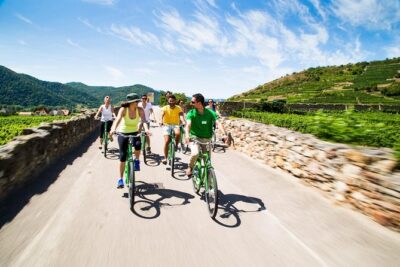
Wachau Valley Wine Tasting Bike Tour from Vienna
Read our review →
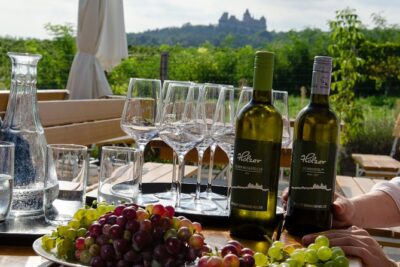
Wachau Valley Small-Group Tour and Wine Tasting from Vienna
Read our review →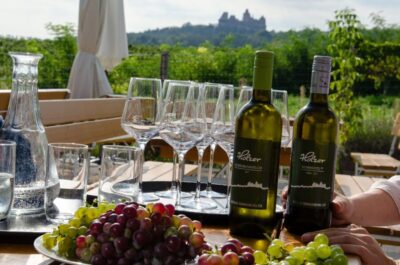
Grape Grazing: Wachau Valley Winery Biking Tour
Read our review →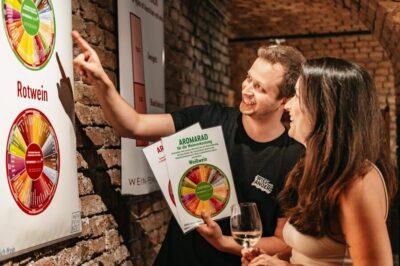
Wine Tasting Experience in a Private Wine Cellar
Read our review →
Browse the lists this tour appears in