
Reviewed · MUSEUMS
Vienna: Tickets for Kunst Haus Wien: Museum Hundertwasser
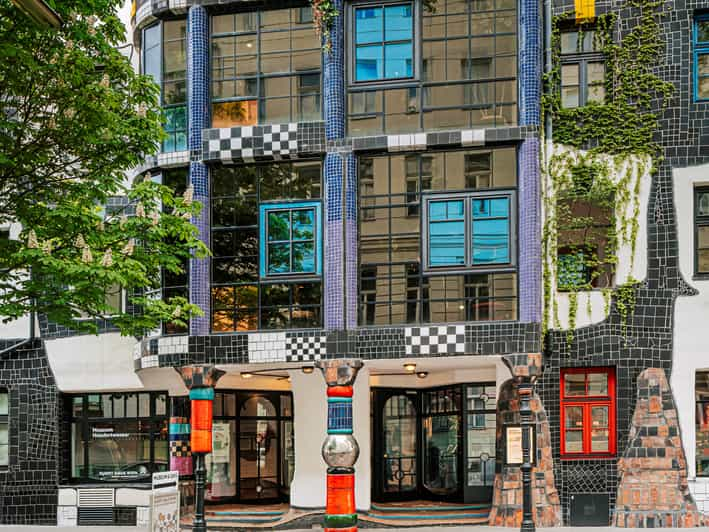
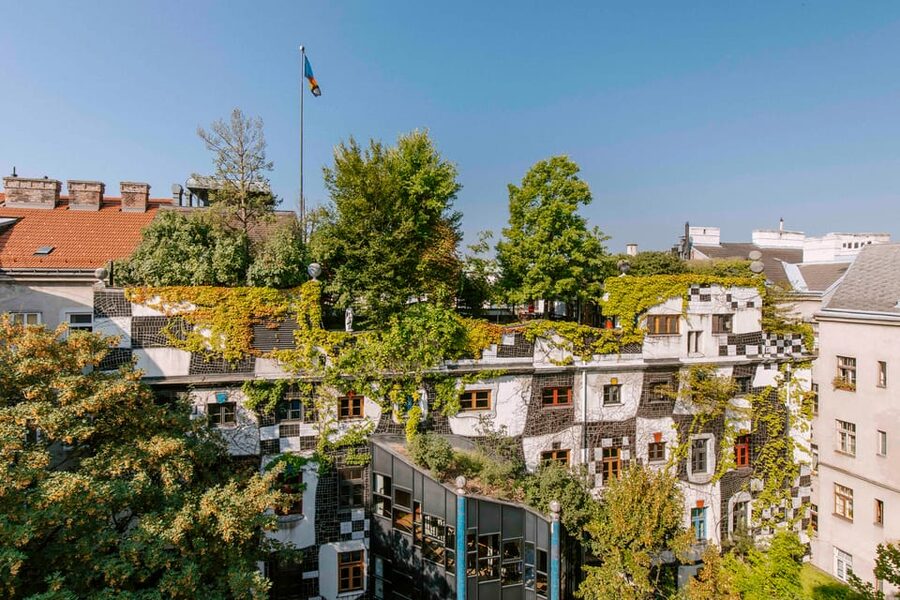
Hundertwasser wanted buildings and daily life to work with nature, not against it. At Kunst Haus Wien, that idea appears in curved forms, bold color, and almost no straight lines, from the building itself to the paintings, models, and ecological displays inside. I like that you are not simply looking at art on white walls. You are entering an argument about how cities should feel and function.
I especially like the link between Hundertwasser’s early artistic visions and his practical building ideas. I also like the chance to pair the permanent display with contemporary art and ecology exhibitions upstairs. The main thing to consider is size: this is a focused museum, not an all-day institution, and some paintings can be hard to grasp without the €4 audio guide.
Key points to know before you go
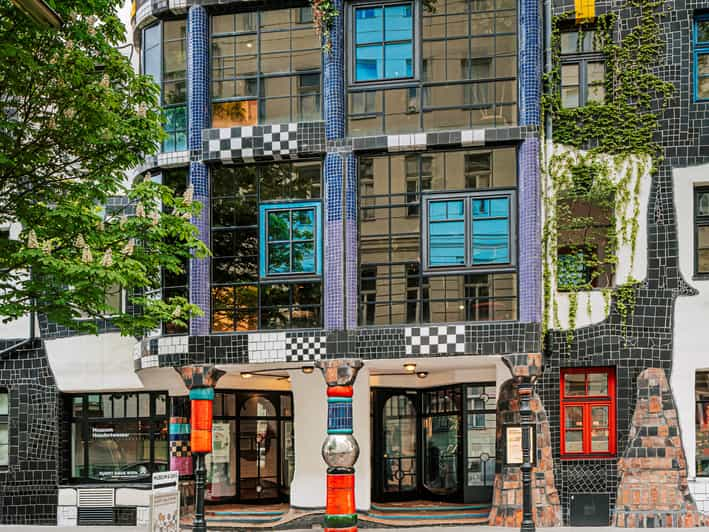
- Hundertwasser’s building is part of the experience: Organic shapes, strong colors, and an unusual interior introduce his ideas before you reach the galleries.
- The first two floors explain the artist: You follow his work from picturesque early images to models and architectural plans.
- The upper floors change: Temporary displays focus on contemporary art and, in the current garage exhibition, ecology, sustainability, and urban life.
- The €18 ticket offers a compact cultural stop: It is good value if you use the permanent and temporary exhibitions, then take time for the café.
- The audio guide costs €4: It can help explain paintings that have little nearby text.
- Radetzkyplatz is the practical transit target: Tram 1 or tram O connects you there from central Vienna transport hubs.
Why Hundertwasser’s ideas matter inside this museum
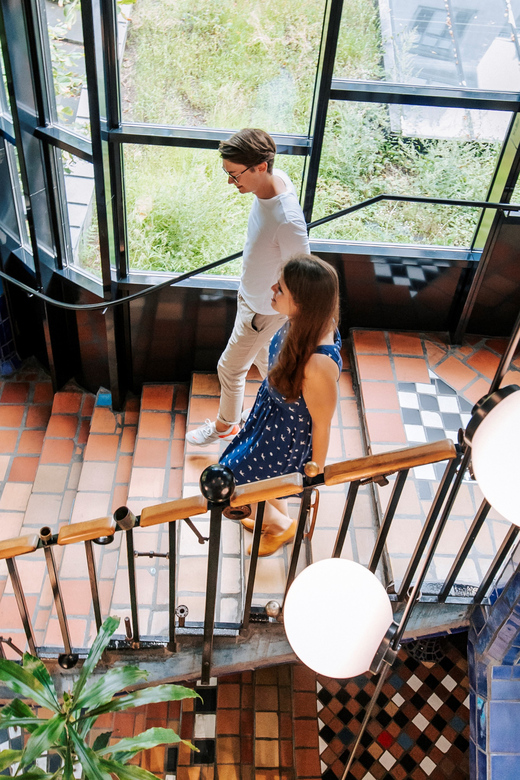
Friedensreich Hundertwasser was not only a painter. He was also an architect, designer, environmental campaigner, and sharp critic of the way modern cities are built. His central concern was simple to grasp: people should live in closer contact with trees, soil, uneven ground, and natural forms.
Kunst Haus Wien gives you a useful way into those ideas. The building is not a neutral container for paintings. Its architectural remodeling reflects Hundertwasser’s dislike of rigid geometry and his belief that people should not be forced into identical, overly controlled spaces.
I find that approach more useful than seeing a few famous images in isolation. You begin to understand why his art uses strong color, rounded shapes, irregular lines, and playful details. These choices were not only decorative. They were tied to his ideas about freedom, individuality, and the need to bring nature back into urban life.
You may arrive expecting a quirky art museum and leave thinking about apartment blocks, public spaces, and the amount of greenery in your own city. That is a good result for a short museum visit.
More museums and galleries in Vienna:
- Vienna: Skip-the-Line Sisi Museum, Hofburg and Gardens Tour
★ 4.8 · 5,918 reviews - Vienna Kunsthistorisches Museum Day Admission Ticket
★ 4.6 · 3,690 reviews - Tickets for the Albertina Exhibitions
★ 4.7 · 2,126 reviews
Entering Kunst Haus Wien on the way to the galleries
The building gives you a preview of Hundertwasser before the formal exhibition begins. Its design rejects the plain, straight, predictable look associated with many modern buildings. Instead, you encounter an environment shaped by uneven forms and strong visual contrasts.
That makes the arrival memorable, but it also sets a challenge. The building can compete with the art. If you rush in, snap a few pictures, and hurry upstairs, you will miss the point of the place. Pause long enough to notice how the architecture prepares you for Hundertwasser’s way of thinking.
The museum suits visitors who enjoy art with a clear personality. You do not need a background in modern art to follow the basic themes. Color, nature, imagination, and resistance to uniform design are visible throughout.
The staff are described as friendly and helpful, which matters in a smaller museum where a simple question can improve your visit. The museum shop also offers creative souvenirs without requiring a major splurge, a useful stop if you want something more unusual than a standard postcard.
The first two floors: paintings, models, and a changing view of cities
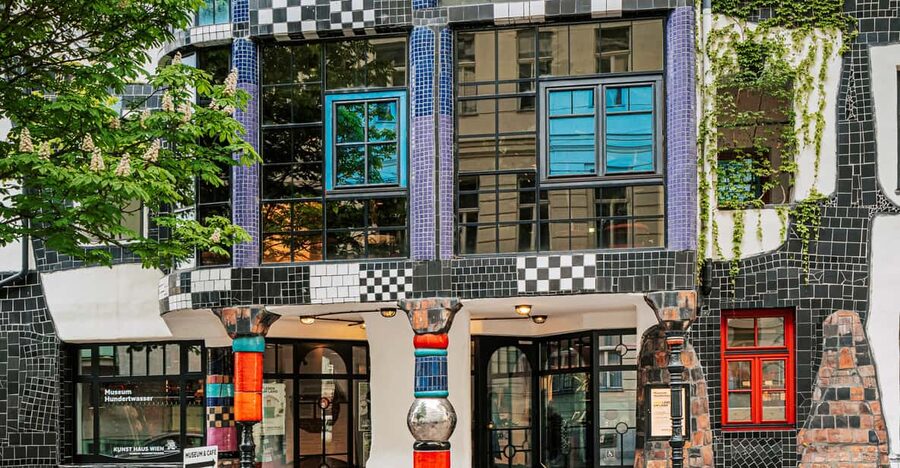
The permanent Museum Hundertwasser exhibition occupies the first two floors. This is the heart of the visit, especially if you know little about the artist.
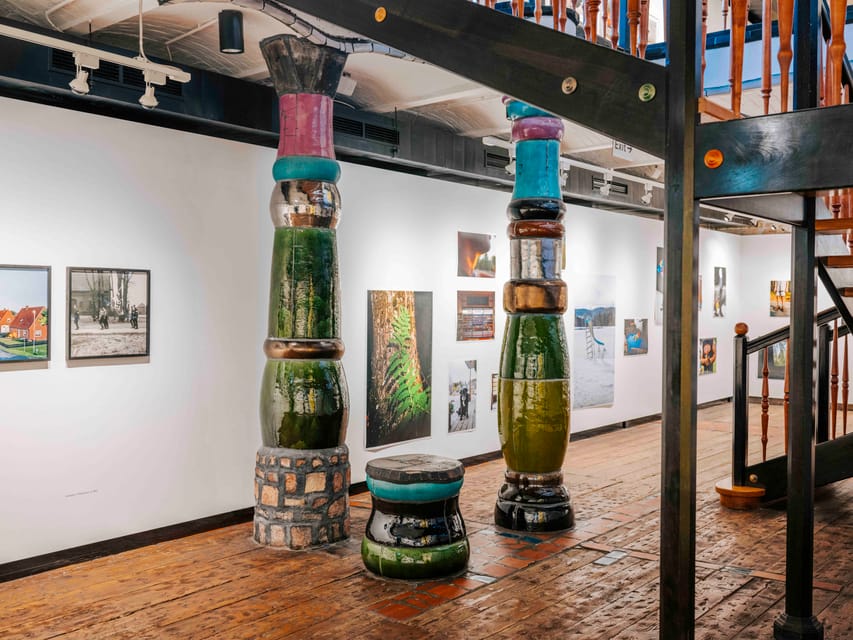
The display traces Hundertwasser from his early picturesque visions toward his practical architectural work. You see the connection between his paintings and his built projects, along with models that show how his ideas could be put into physical form.
The models are important. Paintings can make unusual buildings seem like fantasy, but a model shows the planning behind the dream. You get a clearer sense of how Hundertwasser imagined homes, public buildings, and urban spaces with planted areas, irregular shapes, and a closer relationship to the natural world.
His work can be joyful at first glance, but it is not simply cheerful decoration. The color and odd shapes carry a challenge to accepted ideas about order and good design. He wanted you to question why buildings must be square, why roads and rooms should always follow rigid lines, and why nature is often treated as something separate from city life.
The art itself may divide your attention. Some pieces are immediately appealing because of their color and energy. Others are harder to read, especially when there is limited information beside the paintings. I would spend the extra €4 on the Hundertwasser audio guide if you want help with the artist’s symbols, life, and working methods.
The supplied activity information creates a small point worth checking before you pay: it lists audio guide language support in English, French, and German, while also stating that the Hundertwasser audio guide costs €4. Treat the €4 guide as an optional extra unless your selected ticket clearly says it is included.
The upper floors: contemporary art and ecological questions
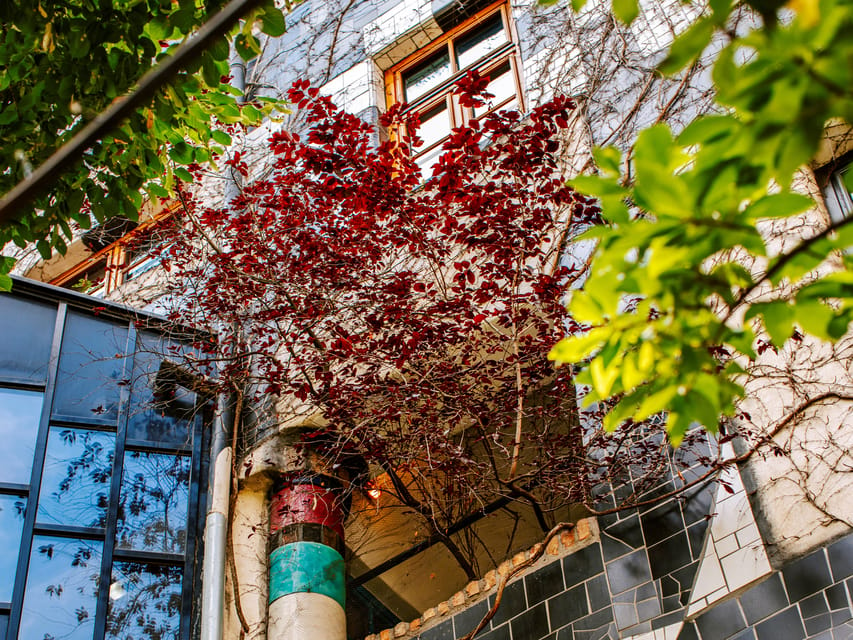
The top two floors hold temporary exhibitions. The exact content can change, so the upper galleries give you a different visit from the permanent display each time you return.
Your ticket includes access to the contemporary art exhibition and the current garage exhibition, focused on ecology, sustainability, and urbanity. This pairing helps connect Hundertwasser’s ideas to current concerns rather than leaving them in the past.
The ecology display is particularly useful after the permanent floors. First, you learn what Hundertwasser believed. Then you see contemporary work addressing related questions: how cities use space, how people live with nature, and how design affects the environment.
The contemporary galleries may appeal most to visitors who want more than biography and paintings. They also provide a change of pace. Hundertwasser’s work can be visually intense, while temporary displays may offer more varied media and quieter moments.
Do check your ticket details, since the information says you can visit the permanent exhibition, one special exhibition, or buy a combination ticket for both. The activity described here includes access to the contemporary exhibition and the current garage exhibition, but ticket arrangements can vary. If you want the complete experience, confirm that your booking covers the floors you plan to see.
A few more Vienna days worth a look
- Vienna: Vivaldi’s Four Seasons Concert in Karlskirche
★ 4.7 · 14,951 reviews - Vienna: Spanish Riding School Training
★ 3.9 · 9,281 reviews - Vienna: Skip-the-cashier-desk-line Giant Ferris Wheel Ride
★ 4.5 · 7,859 reviews - Vienna: Schönbrunn Palace & Gardens Skip-the-Line Tour
★ 4.7 · 7,739 reviews
How much time to allow for the museum
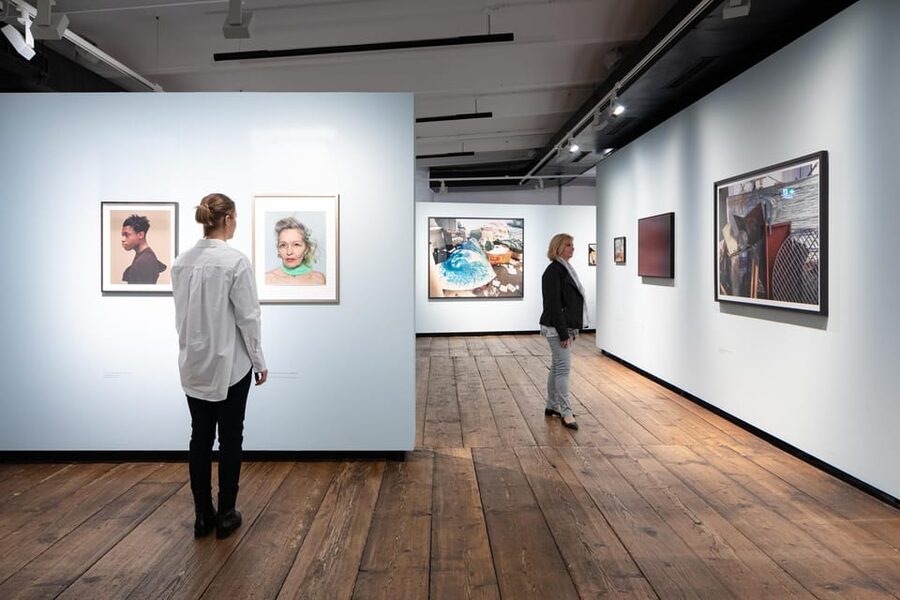
The ticket is valid for one day, but the visit itself is best treated as a compact half-day activity rather than a full-day museum expedition. The building, permanent displays, temporary exhibitions, café, and shop can comfortably fill a relaxed stop.
If you are mainly interested in Hundertwasser, focus on the first two floors and allow enough time for the models and ecological ideas. If contemporary art matters just as much, add the upper galleries rather than trying to race through everything.
The museum also works well late in a busy Vienna day. One visitor used it as a calmer final stop after a group itinerary, and that makes practical sense. The setting is visually lively, but the visit can still feel restful, especially if you include time at Café Friedlich.
Families and mixed-age groups should find plenty to look at. The strong colors and unusual forms give younger visitors an easy entry point, while older children and adults can follow the environmental themes. Art lovers who prefer quiet, traditional galleries may find the design distracting, but that unusual atmosphere is central to the experience.
Café Friedlich and the green courtyard
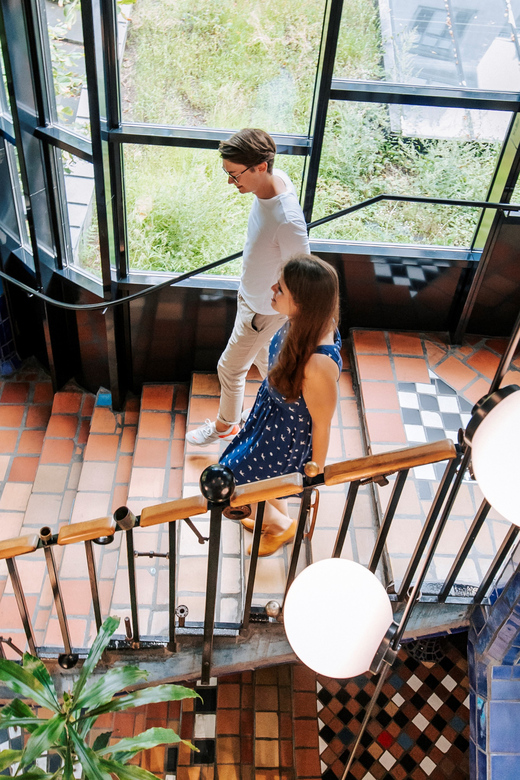
Plan around the café instead of treating it as an afterthought. Café Friedlich provides a place to sit after the galleries, with sweet and savory choices and a green courtyard setting.
That break has practical value. Hundertwasser’s work is visually busy, and a pause helps you sort out what you have seen. I would visit the café after the permanent collection and temporary galleries, not before, unless you need a quiet start to your day.
The café also extends the museum’s ideas beyond the display cases. Green space, informal atmosphere, and a less rigid setting fit the artist’s interest in making places more pleasant and connected to nature. You should not book the museum only for lunch, but the café adds real value to a ticket that might otherwise feel expensive for a small collection.
Food service and seating can vary, so allow flexibility rather than building a tight schedule around a particular dish. The key benefit is the setting and the chance to rest.
The $18 price and what you receive
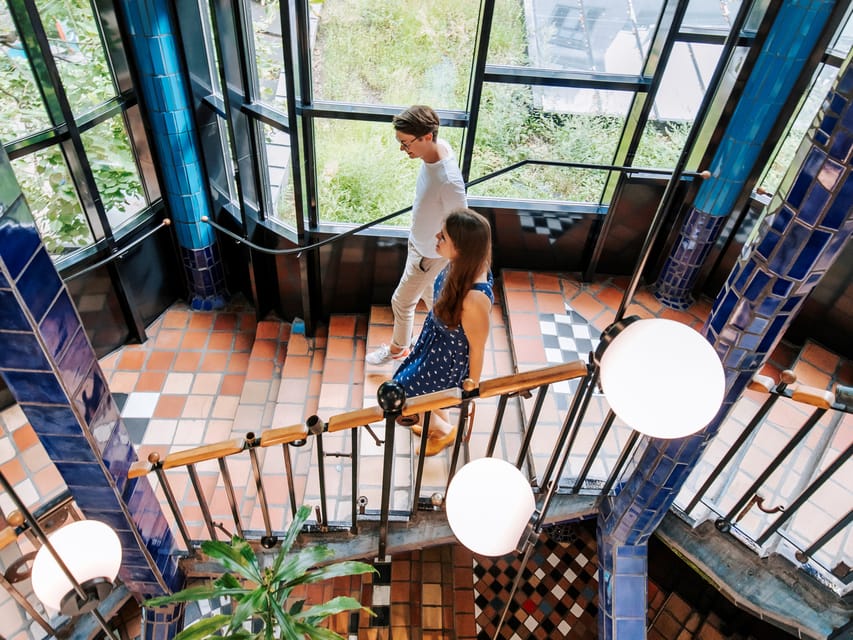
At $18 per person, this is not Vienna’s cheapest cultural stop. The value depends on how much of the museum you use.
For a quick look at one small permanent display, the price may feel high. For the permanent Museum Hundertwasser exhibition plus the contemporary and ecology galleries, followed by the courtyard and café, it becomes easier to justify. You are paying for an architectural experience as well as paintings.
The price also makes sense for a visitor who wants a museum with a strong point of view. You will not get a broad survey of Austrian art. You will get one artist’s ideas presented through art, architecture, models, ecological thinking, and temporary exhibitions.
Senior pricing is worth checking carefully. A booking issue once resulted in a higher per-ticket cost than expected, and the visitor still had to queue. I would compare the museum’s own senior price with the online rate before booking, especially if the difference matters to your budget.
The shop adds a small bonus. It has creative souvenirs at fairly manageable prices, so you can take home a visual reminder without committing to an expensive purchase.
Getting to Radetzkyplatz from central Vienna
The museum is easiest to reach by public transport. From Schwedenplatz, take U1 or U4, then tram line 1 toward Prater Hauptallee to Radetzkyplatz.
From Landstraße/Wien Mitte, reached by U3 or U4, take tram line O toward Praterstern to Radetzkyplatz. These directions make the museum straightforward to add to a central Vienna day, though you should allow time for the transfer and the walk from the tram stop.
The museum is not presented as a guided group tour with a named guide. You explore independently, using the displays and, if you choose, the optional audio guide. That gives you freedom to move at your own pace, but it also means you should not expect a live person to explain every painting.
The booking is flexible in practical terms: cancellation is allowed up to 24 hours before the visit for a full refund, and a reserve-now, pay-later option is available. The ticket is valid for one day, with availability and starting information shown during booking.
Who will enjoy Kunst Haus Wien most
I would put this museum high on the list for:
- Visitors who enjoy unusual architecture as much as framed art.
- People curious about ecology, sustainable cities, and environmental design.
- First-time visitors who have never heard of Hundertwasser and want a clear introduction.
- Fans of colorful, symbolic, imaginative art.
- Families looking for a museum with visual appeal and a relaxed café stop.
- Anyone wanting a shorter cultural activity away from Vienna’s grand imperial interiors.
You may want to choose another museum if you prefer a large collection covering many artists and periods. You may also find the permanent display less satisfying if you want extensive labels beside every painting. In that case, the audio guide is more than a luxury. It helps supply the context.
The museum is wheelchair accessible, which makes it a practical choice for a wider range of visitors. The listed audio guide languages are English, French, and German, while the optional Hundertwasser guide is specifically priced at €4.
Should you book Kunst Haus Wien?
Book it if you want to understand Hundertwasser as both an artist and an environmental thinker. The best reason to go is not one famous painting. It is the combination of architecture, models, color, ecological ideas, temporary exhibitions, and a pleasant courtyard stop.
I would choose the combination visit if available, since the upper-floor exhibitions add useful context and prevent the museum from feeling too brief. Add the audio guide if you want help interpreting the paintings, and leave room for Café Friedlich.
Skip it only if your Vienna schedule is packed with larger museums and you need a broad art collection. For a focused, unusual, and practical visit at $18, Kunst Haus Wien earns its place, especially on a slower afternoon or as a calm ending to a busy day.
FAQ
Where is Kunst Haus Wien located?
Kunst Haus Wien is in Vienna, with public transport access via Radetzkyplatz. From Schwedenplatz, take tram line 1 toward Prater Hauptallee. From Landstraße/Wien Mitte, take tram line O toward Praterstern.
What does the $18 ticket include?
The ticket includes entry to Museum Hundertwasser, access to the contemporary art exhibition, and access to the current garage exhibition about ecology, sustainability, and urbanity.
Are the temporary exhibitions inside the same museum?
Yes. The permanent Hundertwasser exhibition occupies the first two floors, while the temporary exhibitions are on the top two floors.
Is the audio guide included?
The activity information lists audio guide languages as English, French, and German, but it also specifically states that the Hundertwasser Museum audio guide costs €4. Confirm the exact inclusion shown with your selected ticket.
Is the museum wheelchair accessible?
Yes, Kunst Haus Wien is listed as wheelchair accessible.
Can I cancel the booking?
Yes. You can cancel up to 24 hours before the visit for a full refund. A reserve-now, pay-later option is also available.
Just added around Vienna
- Vienna: UNESCO Schönbrunn Palace Guided Tour with Entry★ 4.5 · 94 reviews
- World War II History Vienna Old Town Private Walking Tour★ 4.8 · 9 reviews
- Vienna: Winery and Wine Tasting Tour with a Wine Expert★ 5.0 · 5 reviews
- Vienna: Wine Tasting E-Bike Tour★ 4.9 · 46 reviews
- Vienna: Wine Tasting at Schönbrunn Palace★ 4.3 · 71 reviews
- Vienna: Wine Tasting Tour★ 4.8 · 61 reviews
- Vienna: Concert by the Vienna Baroque Orchestra★ 4.6 · 56 reviews
- Vienna: Wachau Valley Private Kayak and Wine Tour★ 5.0 · 3 reviews
Museums, compared.

Skip-the-Line Sisi Museum, Hofburg and Gardens Tour
Read our review →
Vienna Kunsthistorisches Museum Day Admission Ticket
Read our review →

Chocolate Workshop in Chocolate Museum w/ Tasting
Read our review →
St. Stephen’s Cathedral & Dom Museum Wien Tickets
Read our review →
Browse the lists this tour appears in