
Reviewed · SPANISH RIDING SCHOOL TICKETS
Vienna Spanish Riding School Guided Tour
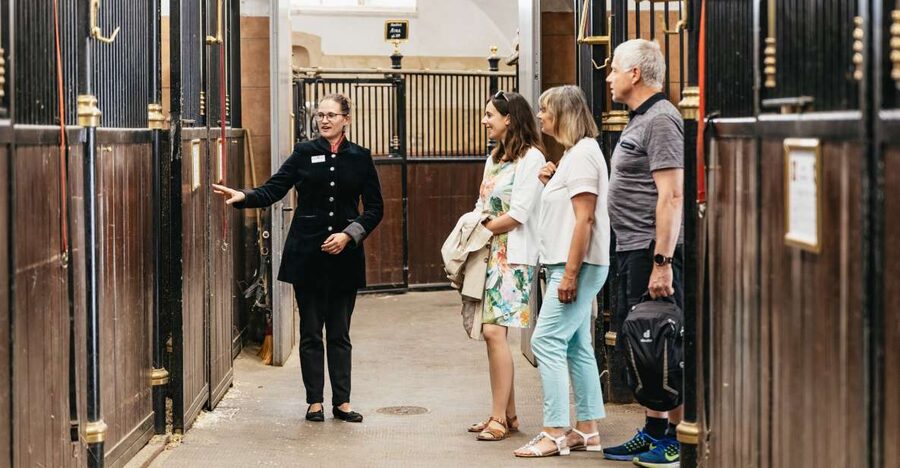
The best part of this 55-minute tour is getting beyond the polished performance hall and into the working side of Vienna’s Spanish Riding School. You see the Baroque Winter Riding School, the Summer Riding School, the Stallburg courtyard, the tack room, exercise areas, and the Lipizzaner stalls.
I like the close view of the horses and the chance to understand how much training goes into classical equitation. I also like the guides’ mix of history and daily detail. Sisi, Natasha, Lorelei, and Inga have all been praised for clear explanations, humor, and warm answers to questions. The main drawback is that large groups can make it hard to hear, and photos, video, and touching the horses are forbidden.
Key points to know before booking
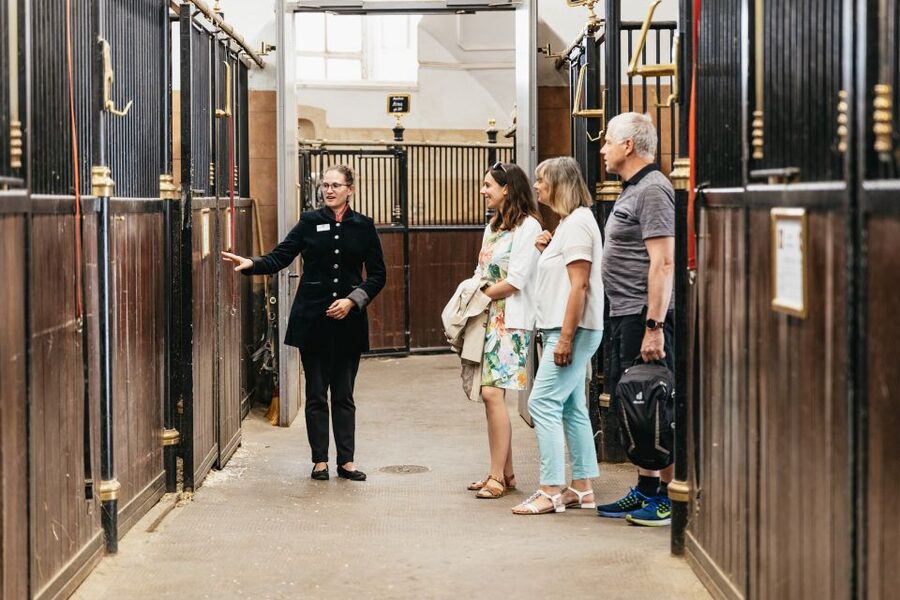
- See the horses up close: You walk through the Stallburg stables and view Lipizzaner stallions in their stalls, though you cannot touch them.
- Visit both riding schools: The tour includes the grand Winter Riding School and the Summer Riding School, home to the world’s largest oval horse walker.
- Hear the working story: Guides explain breeding, naming, care, selection, rider training, and the long path toward a place in the school.
- A performance is not included: This is a behind-the-scenes tour, not a morning exercise session or evening show.
- Good value at $28: The hour-long visit combines architecture, horses, history, and access you cannot get from a quick exterior look.
Why the Spanish Riding School tour is different
Vienna offers grand palaces by the dozen, but the Spanish Riding School gives you something more active: a living institution still practicing classical equitation in the Renaissance tradition of the Haute Ecole. It has operated for more than 450 years, and the buildings remain part of its daily work rather than a museum display.
That distinction matters. You are not simply looking at old saddles and painted ceilings. You see where the horses live, where equipment is stored, and where riders and horses prepare for public performances. The tour helps connect the formal spectacle with the routine behind it.
I especially like this visit for people who know little about horses. One visitor booked it mainly to see the building, then found the training system and current practices unexpectedly absorbing. You do not need an equestrian background to follow the tour. A good guide explains the basics without assuming you already know the difference between ordinary riding and the demanding movements of classical dressage.
Horse lovers get more detail. The guides discuss lineage, breeding, naming, care, rider selection, and the years of work required to represent the school. The subject has enough depth to keep experienced riders interested, while the architecture gives non-riders a strong reason to come along.
More Spanish Riding School mornings:
- Vienna: Spanish Riding School Training
★ 3.9 · 9,281 reviews - Performance Of The Lipizzans At Spanish Riding School
4,190 reviews - Vienna: Spanish Riding School 45-Minute Performance Show
★ 3.9 · 731 reviews
Entering through Michaelerplatz
The meeting point is the main entrance at Michaelerplatz 1. Show your mobile voucher at the ticket counter, then exchange it for a paper ticket. You can collect that ticket no earlier than one hour before the activity, so do not arrive far ahead expecting to pick it up in the morning.
This is a central Vienna location, and the entrance can feel busy. Give yourself enough time to identify the Spanish Riding School entrance and handle the ticket exchange before the tour begins. The voucher is not the final ticket, so this small step matters.
Tours are offered in English and German. English groups are separate from German groups, which helps keep the commentary clear. The guide leads the group through several parts of the complex, so expect to walk and stand rather than sit throughout.
The Winter Riding School and its Baroque setting
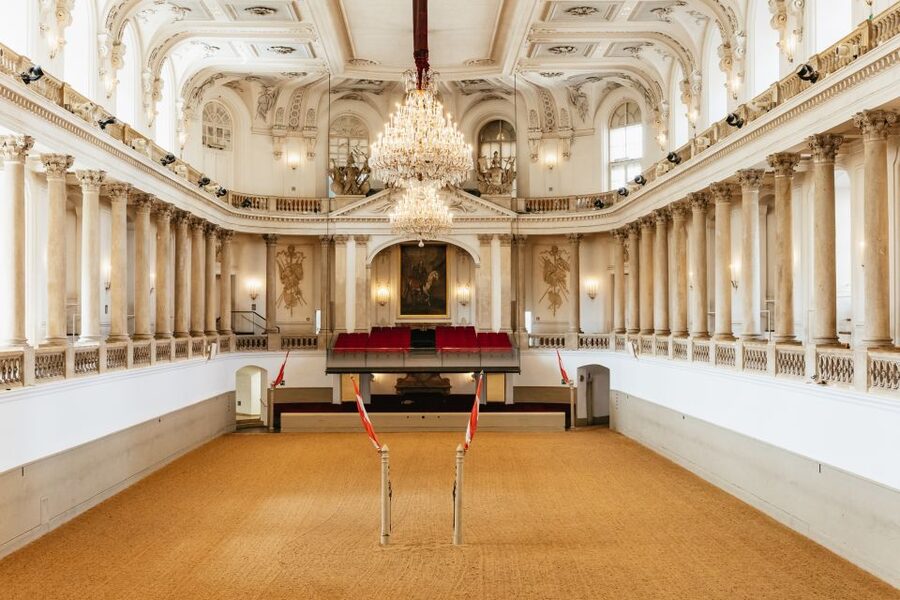
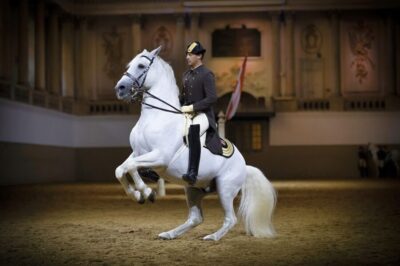
The tour typically begins with the formal riding areas, including the Winter Riding School. This is the image most people have in mind when they picture the Spanish Riding School: a grand Baroque hall designed for controlled movement, ceremony, and public display.
The room gives you a sense of the setting in which the Lipizzaners perform. Guides explain the school’s history and the relationship between the riders, horses, and training system. Some tours spend time seated in the arena while the guide talks, giving you a chance to look closely at the proportions and decoration.
The building is not just a pretty background. Its size and layout help explain the precision expected during training and performances. When you later see the stables and equipment, the ornate arena feels less like a separate attraction and more like the public face of the same working school.
Do not expect a performance here. The guide may describe what happens during a show, but this ticket does not include a morning exercise session or a formal presentation. If you want to see the horses perform, you need a separate ticket.
The Summer Riding School and the great horse walker
The route also includes the Summer Riding School, where you see the world’s largest oval horse walker. This is one of the more unusual details of the visit because it shows the practical side of horse care and exercise.
The Winter Riding School is made for ceremony. The Summer Riding School and its exercise facilities remind you that horses need daily routines outside the spotlight. The guide explains how the school operates and how the horses’ schedules support their training.
The amount of activity you see can depend on the timing of your visit. The horses may be resting, away at their summer location, or not working during your tour. That is not a flaw in the tour itself, but it is worth knowing if your main goal is to watch movement rather than learn about the institution.
A few more Vienna days worth a look
- Vienna: Vivaldi’s Four Seasons Concert in Karlskirche
★ 4.7 · 14,951 reviews - Vienna: Skip-the-cashier-desk-line Giant Ferris Wheel Ride
★ 4.5 · 7,859 reviews - Vienna: Schönbrunn Palace & Gardens Skip-the-Line Tour
★ 4.7 · 7,739 reviews - Vienna: Light of Creation Votive Church Immersive Light Show
★ 4.8 · 6,779 reviews
Inside the Stallburg and its historic courtyard
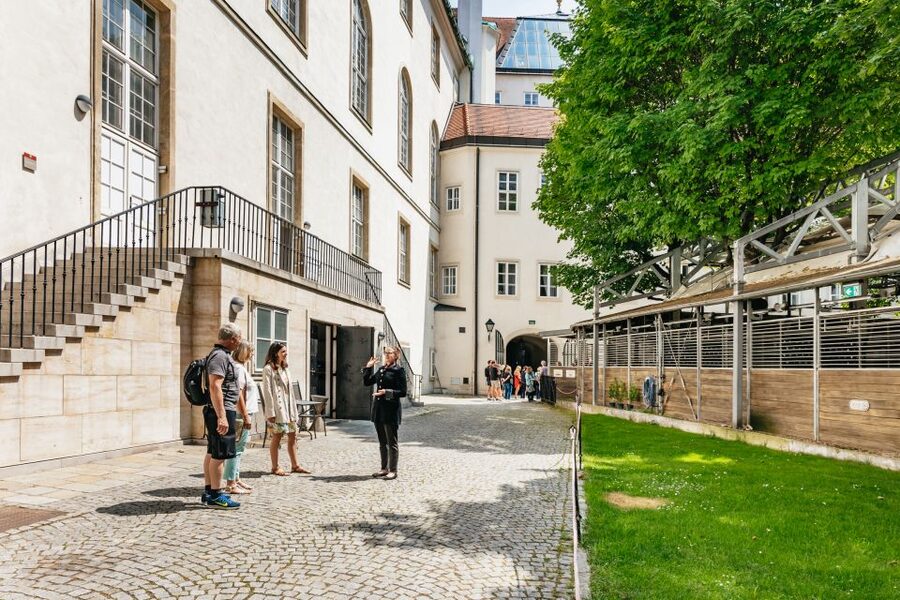
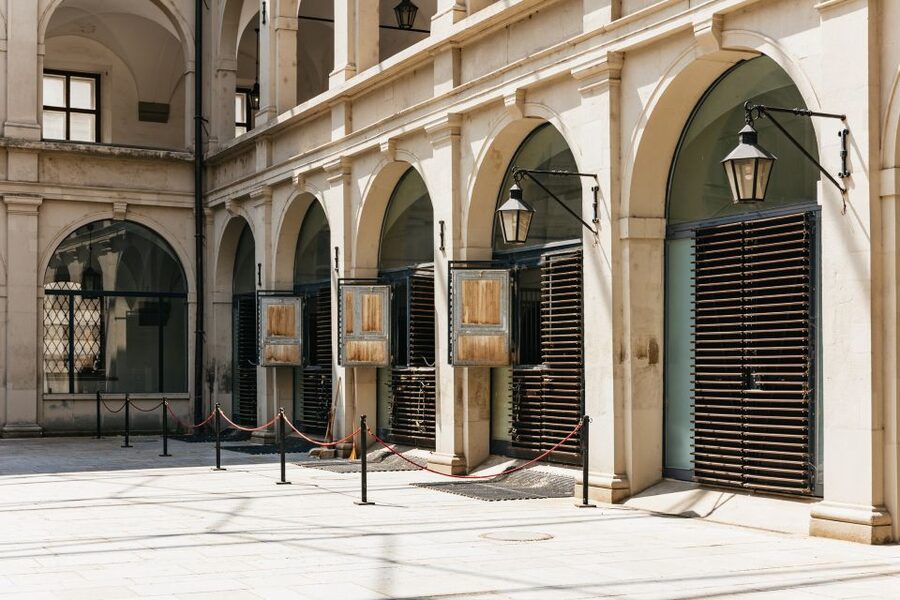
The Stallburg is Vienna’s most important Renaissance building, and the tour takes you through its arcade courtyard and historic stables. This is where the visit becomes most personal. Instead of seeing the Lipizzaners only at a distance in a performance hall, you view them in the place where they are housed and cared for.
The courtyard also gives you a useful view of the relationship between old architecture and present-day work. Stone arches, stable doors, tack, and horses occupy the same setting. It feels practical rather than staged.
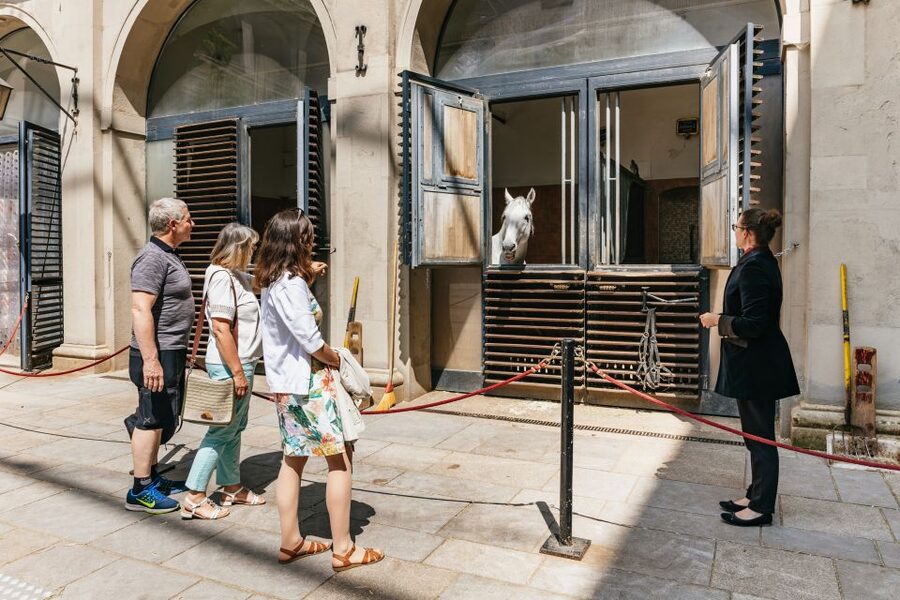
The stable visit is the strongest part for many people. You can get close to the horses in their stalls, within the limits set by the school. You cannot pet them, and you must not take photographs or video. That rule can disappoint anyone hoping for a souvenir picture, but it protects the horses from constant attention and keeps the visit orderly.
You may be able to photograph horses from an open courtyard area if the guide permits it, but you should follow the instructions given on the day. The safest plan is to treat this as a camera-free experience.
Meeting the Lipizzaner stallions
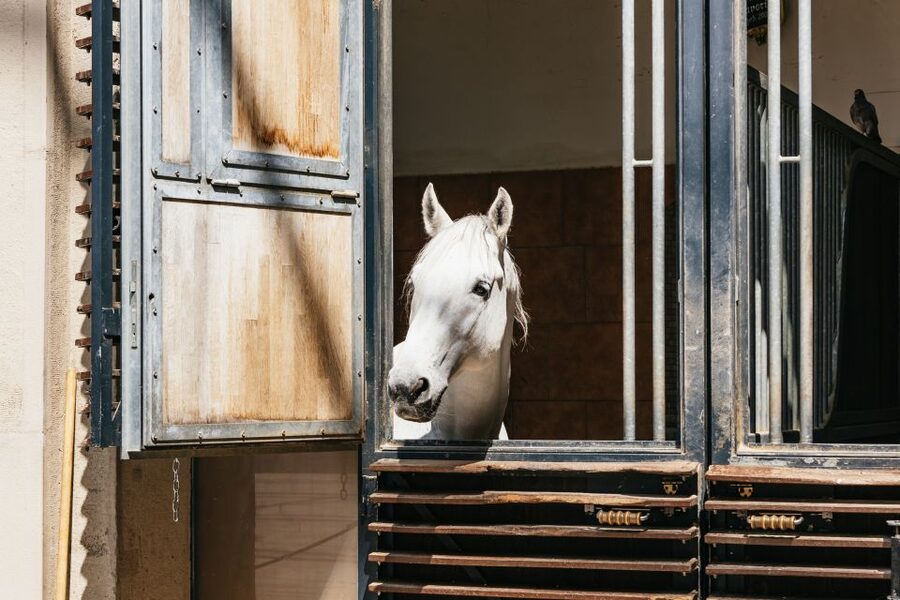
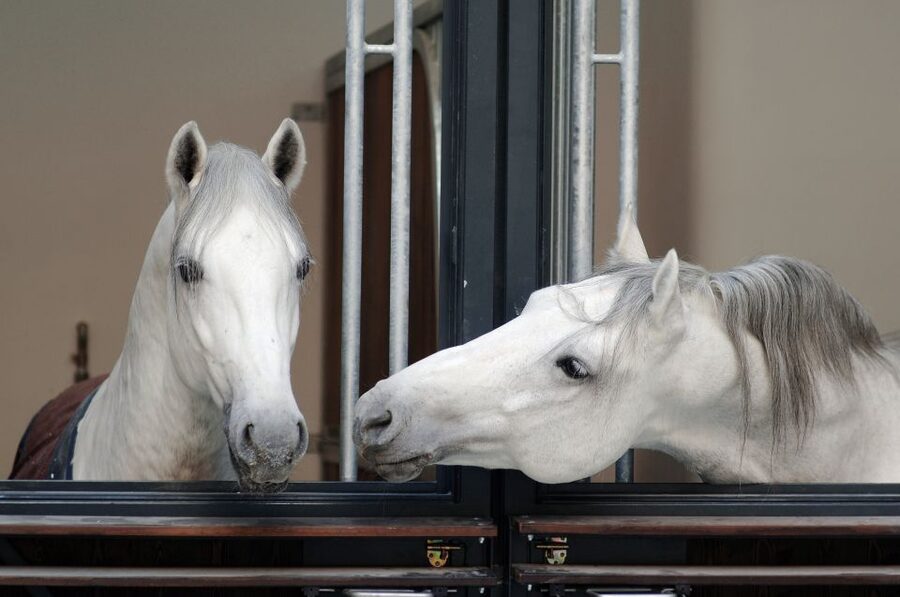
The horses are the stars of the tour, and the Lipizzaner stallions have a presence that photographs do not quite capture. The guide explains their care, breeding, lineage, and training, along with the process that prepares horses and riders for the school.
You may see horses of different ages and colors. One especially unusual horse mentioned during a tour was a rare bay that never turned white. Most people associate the Spanish Riding School with white stallions, so this detail adds a useful reminder that the horses do not all begin life looking the way they do in performances.
The horses are not props. You do not stroke them, feed them, or pose beside them. The distance can feel strict, especially if you have visited casual farm or stable attractions elsewhere, but the rules make sense in a working facility with valuable animals and a demanding schedule.
I also like that the tour explains the horses’ time away from central Vienna. Several guides have pointed out that the stallions are not kept at the city stables indefinitely and spend time in the countryside, including during summer breaks. That gives you a fuller picture of their care than a simple stable visit would.
The tack room and the equipment behind the spectacle
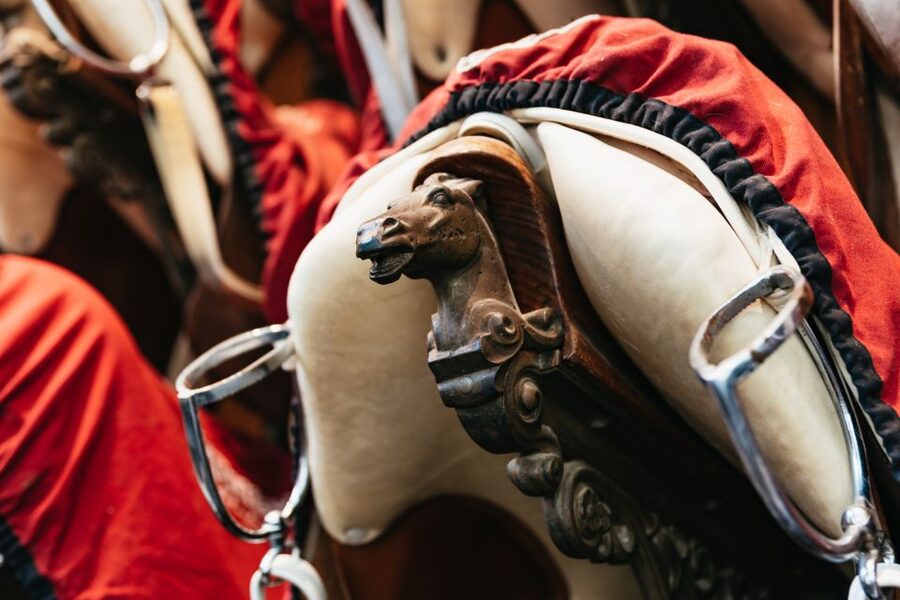
The tack room adds another practical layer. You see training equipment and show equipment, and the guide explains how these tools fit into the work of riders and horses.
This stop is useful because public performances can make the riding school seem effortless. The tack room shows the preparation behind that polished image. Details that might pass unnoticed during a performance become easier to understand after a guide points them out.
The route may also include exercise areas and other working spaces. The exact order can vary, but the idea remains the same: you move from the grand arena through the facilities that support daily training, then into the stables and equipment rooms.
A small bonus reported during one visit was the presence of a working cat in the tack room. The school’s mouse-catching cats are part of the everyday atmosphere, and they appear to be far less impressed by tour groups than the people are by them.
The guides make or break the hour
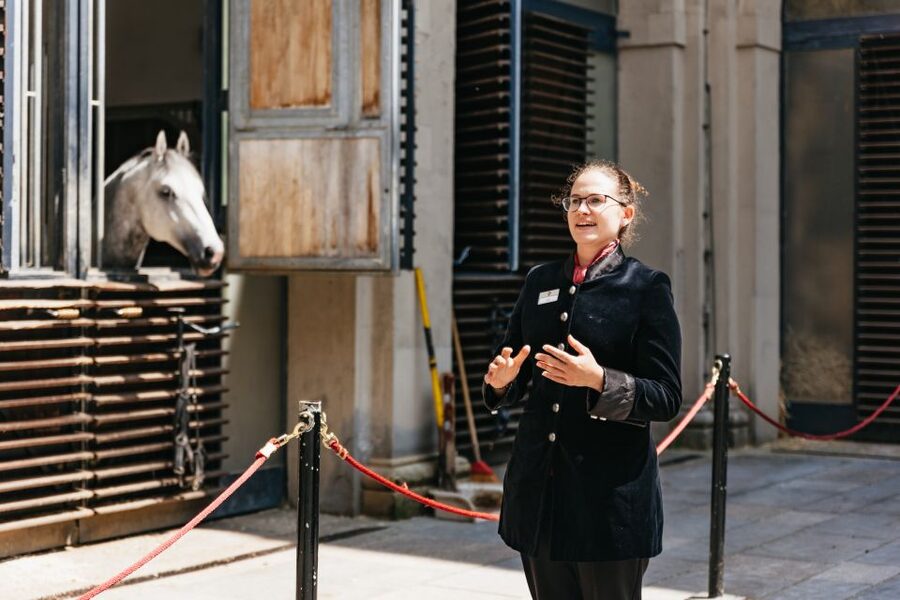
The tour is only 55 minutes, so the guide has to make good choices. The strongest guides combine dates and tradition with practical details about horse care and the school’s current routines.
Sisi has been praised for her humor and ability to include questions. Natasha has been noted for giving detailed information about the horses, riders, and facilities. Lorelei is a strong choice for visitors who want to ask many questions, including people who already work with horses. Inga has been praised for her enthusiasm and clear grasp of the institution.
Guide quality can vary from one departure to another, but the pattern is clear: the best guides are passionate, relaxed, and willing to explain. Some are historians rather than riders, while others have a closer connection to horses. That variety can work well because the tour needs both historical context and practical information.
The one recurring concern is group size. If the group is large, you may have trouble hearing every word, especially while walking through open or busy areas. Stay near the guide when possible and ask questions during pauses. The tour is more rewarding when you can hear the explanation instead of simply following the group from room to room.
What $28 gets you
At $28 per person, this is a fair price for a central Vienna visit lasting nearly an hour. You are paying for access to several working and historic areas, an English or German guide, and a level of context you would not get by viewing the buildings from outside.
The value is strongest if you care about architecture, horses, or traditional institutions. You see the Winter Riding School, the Summer Riding School, the Stallburg, the stables, and the tack room in one compact visit. For a short city break, that efficient mix is useful.
The value is weaker if you mainly want to watch horses perform. No morning exercise ticket is included, and there is no show as part of the guided visit. The horses may also be resting or away during parts of the year, especially around their summer break.
For a horse lover, $28 can feel like a bargain compared with the cost of a performance ticket. For someone who is only mildly curious, the price still makes sense if you want to see the famous architecture and have a free hour. If you want both the history and the spectacle, pair this tour with a separate performance when your schedule and budget allow.
Practical limits you should know
Plan on a walking tour through historic buildings. The tour is not wheelchair accessible, and wheelchair users are not suited for this activity. Children under three are not allowed on guided tours.
Pets are not allowed. Cameras and video recording are prohibited, including inside the stables. Take the rule seriously: the horses’ welfare and the working nature of the facility come first.
The activity offers free cancellation up to 24 hours before departure, and you can reserve now and pay later. Check the available starting times before booking, since the 55-minute duration does not tell you which departures fit your schedule.
Who should book the Spanish Riding School tour
I recommend this tour to anyone who wants more than a quick photograph of Vienna’s famous riding school. It suits horse lovers, architecture fans, families with older children, and curious visitors who enjoy seeing how a historic institution functions day to day.
It is also a smart choice if you cannot fit in a morning exercise session or evening performance. You still see the arena and horses, and the guide gives you enough background to make a later performance easier to understand.
I would hesitate only if you need wheelchair access, expect to touch the horses, or want uninterrupted photography. I would also choose a performance instead, or add one afterward, if watching the horses work is your main reason for coming.
Should you book it?
Book it if you want close stable access, strong architectural settings, and a clear explanation of the Lipizzaner tradition. The best part is not one grand reveal. It is the sequence from arena to courtyard, tack room, exercise spaces, and stalls, which shows how much daily work supports the famous performances.
Go in expecting information rather than a show. Keep your phone in your pocket, stay close enough to hear the guide, and respect the no-touching rule. At $28, this is a well-priced way to meet the Spanish Riding School as a working place, not just a pretty Vienna landmark.
FAQ
How long is the Spanish Riding School guided tour?
The tour lasts 55 minutes.
What areas are included?
The tour includes the Winter Riding School, Summer Riding School, the Stallburg courtyard and historic stables, and areas connected with the Lipizzaner horses.
Is a performance or morning exercise session included?
No. Morning exercise tickets are not included, and the guided tour itself is not a performance.
Can I take photos or videos?
No. Cameras, photography, and video recording are not permitted during the activity.
Can I touch the horses?
No. You can view the horses in their stalls, but touching them is not allowed.
Is the tour wheelchair accessible?
No. The guided tour is not accessible by wheelchair, and wheelchair users are not suited for this activity.
Just added around Vienna
- Vienna: UNESCO Schönbrunn Palace Guided Tour with Entry★ 4.5 · 94 reviews
- World War II History Vienna Old Town Private Walking Tour★ 4.8 · 9 reviews
- Vienna: Winery and Wine Tasting Tour with a Wine Expert★ 5.0 · 5 reviews
- Vienna: Wine Tasting E-Bike Tour★ 4.9 · 46 reviews
- Vienna: Wine Tasting at Schönbrunn Palace★ 4.3 · 71 reviews
- Vienna: Wine Tasting Tour★ 4.8 · 61 reviews
- Vienna: Wachau Valley Private Kayak and Wine Tour★ 5.0 · 3 reviews
- Vienna: Wiener Schnitzel and Strudel Cooking Class★ 4.9 · 126 reviews
Spanish Riding School Tickets, compared.
Spanish Riding School 45-Minute Performance Show
Read our review →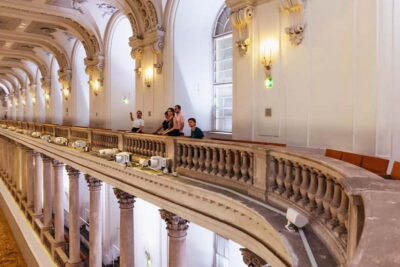
Spanish Riding School Guided Architectural Tour
Read our review →Browse the lists this tour appears in