
Reviewed · MUSEUMS
Vienna: Museum of Illusions Vienna Admission Ticket
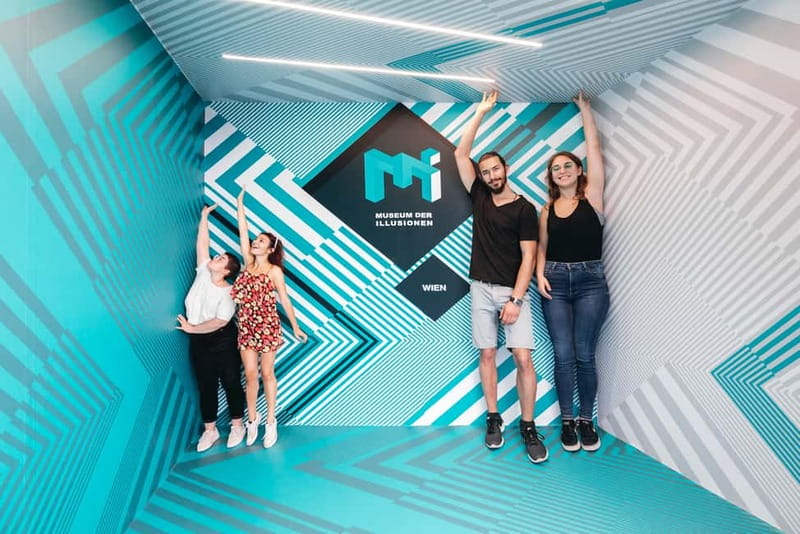
The best part of Vienna’s Museum of Illusions is that you do not simply look at displays. You take part in the tricks, stepping into rooms that make floors tilt, bodies change size, and solid ground seem to spin away. It is a playful break from Vienna’s grand palaces and serious art museums.
I like the large number of hands-on exhibits and the easy photo opportunities, especially in the Infinity Room. I also like that children and adults can work on the wooden puzzles together. The main drawback is size: some people find the museum shorter than expected, and you may finish wanting a few more rooms.
Key points to know before you go
- More than 70 exhibits: Expect a compact collection of visual illusions, brain teasers, rooms, and interactive displays.
- Best for families and friends: The activities give different ages something to do together instead of asking you to stand quietly and read labels.
- Bring your phone or camera: The Infinity Room and perspective-based exhibits are designed for memorable photos.
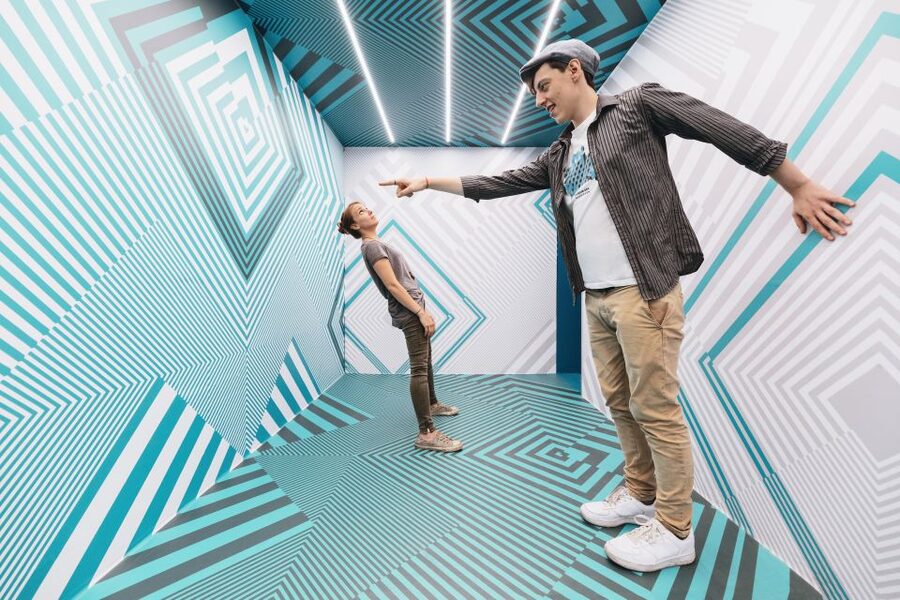
- Try the named rooms: The inclined room, Ames room, and vortex tunnel each create a different physical illusion.
- Allow for a flexible visit: Your ticket is valid for one day, but the activity listing does not give a fixed visit length.
- Good rainy-day option: The museum offers a light, playful change from Vienna’s cultural and historical sights.
A playful change from Vienna’s grand museums
Vienna is famous for places that reward quiet attention: imperial apartments, concert halls, picture galleries, and historic churches. The Museum of Illusions offers the opposite mood. You touch, pose, test, laugh, and try to work out why your eyes are giving you bad information.
That makes this a useful choice when your group needs a break from formal sightseeing. I would not book it as a replacement for Vienna’s major museums. I would book it as a change of pace, especially if you have children, teenagers, or friends who enjoy taking photos together.
The collection includes more than 70 exhibits. That sounds large, but the experience is not a full-day museum in the usual Vienna sense. You are moving through a set of interactive displays rather than spending hours with long galleries of objects. The value comes from participation, not from the number of minutes spent inside.
More museums and galleries in Vienna:
- Vienna: Skip-the-Line Sisi Museum, Hofburg and Gardens Tour
★ 4.8 · 5,918 reviews - Vienna Kunsthistorisches Museum Day Admission Ticket
★ 4.6 · 3,690 reviews - Tickets for the Albertina Exhibitions
★ 4.7 · 2,126 reviews
What happens inside the 70-plus exhibits
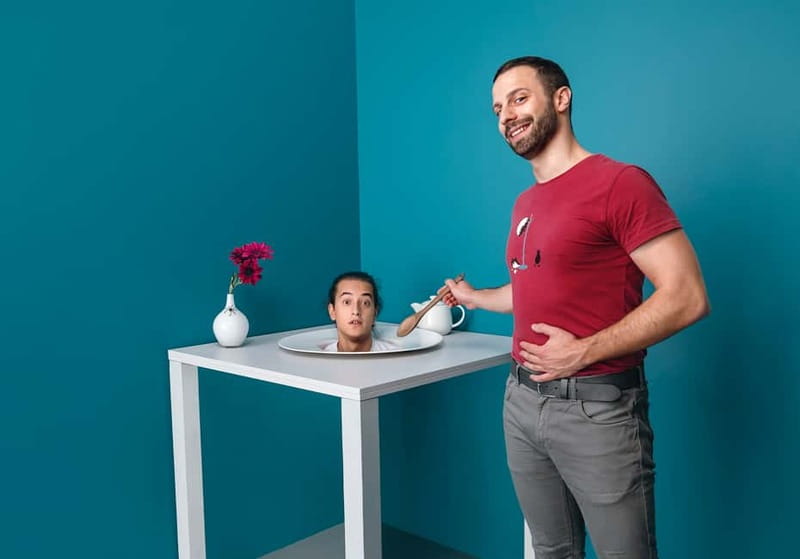
You begin with visual tricks and perspective puzzles that ask you to question what you see. Some exhibits are quick to understand, while others make more sense when you walk around them, change your position, or look at a friend inside the setup.
The museum is designed to keep you moving. You will likely shift from one photo opportunity to a brain game, then from a room-based illusion to another hands-on challenge. That rhythm helps younger children stay interested, though anyone hoping for detailed scientific explanations may find the treatment fairly light.
The displays are also social. Many work better with two or more people, since the fun comes from comparing how you look from different angles or watching someone else react to the illusion. I would avoid rushing through alone if you want the best photos. Having a companion makes it easier to pose, take pictures, and test the effect.
The inclined room and a floor that seems wrong
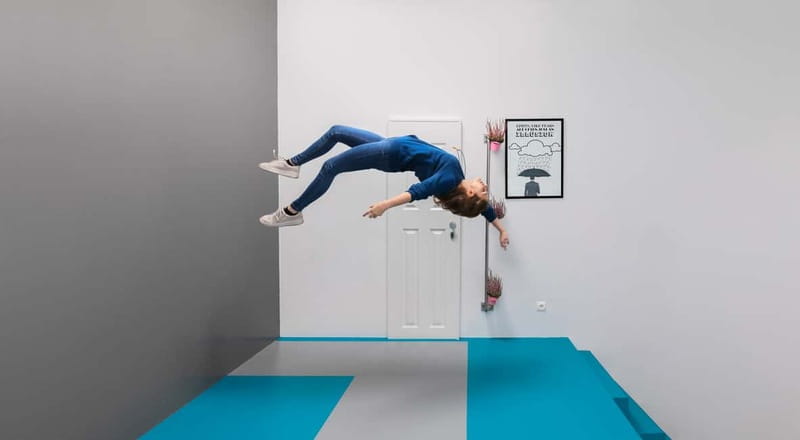
The inclined room plays with your sense of balance and direction. The space appears ordinary at first, but its angle makes your body and the room disagree. You may feel as if you are standing normally while the walls and floor suggest something else.
This is a good example of why the museum works better as an activity than as a display hall. You are not only looking at an explanation. You are physically trying to orient yourself in a space that has been designed to confuse your senses.
Take your time here. A quick photograph may show the effect, but the fun comes from standing, posing, and seeing how your posture changes. If you are visiting with children, this is one of the rooms where grown-ups can be just as amused as the younger members of the group.
Growing and shrinking in the Ames room
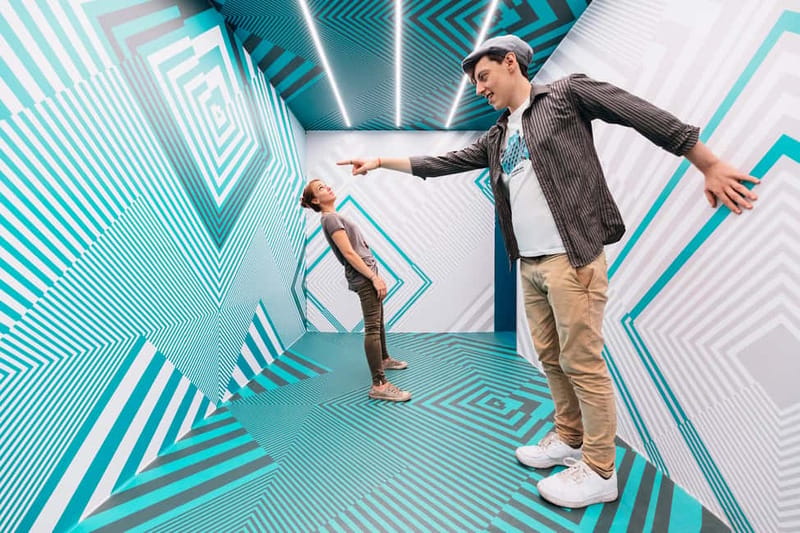
The Ames room is built around forced perspective. Put two people in the right positions and one can appear much larger or smaller than the other. Your eyes read the room as a normal space, but its shape and angles create a very different impression.
This is likely to be one of the most useful stops for group photos. You can make family members or friends look dramatically different in size without special camera equipment. It is also a simple way to show children that sight does not always tell the truth.
I like this exhibit because it has a clear payoff. You do not need a long explanation to understand the effect. Step into position, look through the camera, and the trick becomes visible at once. If you have several people in your group, take turns so everyone gets a chance to be part of the illusion.
A few more Vienna days worth a look
- Vienna: Vivaldi’s Four Seasons Concert in Karlskirche
★ 4.7 · 14,951 reviews - Vienna: Spanish Riding School Training
★ 3.9 · 9,281 reviews - Vienna: Skip-the-cashier-desk-line Giant Ferris Wheel Ride
★ 4.5 · 7,859 reviews - Vienna: Schönbrunn Palace & Gardens Skip-the-Line Tour
★ 4.7 · 7,739 reviews
The vortex tunnel and the loss of solid ground
The vortex tunnel aims at a different sense: balance. As you move through it, the surrounding pattern gives the impression that the space is turning. Your feet remain on the walkway, but your brain may tell you that the ground is moving or dropping away.
This can be a striking experience, but it is also one where you should move carefully. The point is to challenge your balance, not to hurry. Give yourself a moment before and after the tunnel, particularly if spinning sensations usually bother you.
The exhibit shows how much the museum depends on visual information. You can know that the structure is safe and still feel uncertain because your eyes are sending your brain the wrong message. That small conflict is the central idea behind nearly every room.
The Infinity Room and your best photo stop
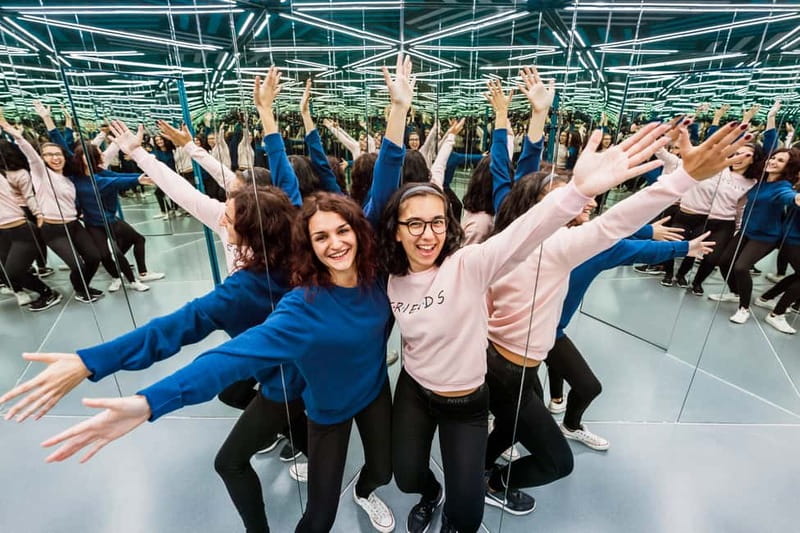
Bring a smartphone or camera. The Infinity Room is made for photos, using mirrors and repeated reflections to create a much larger-looking space. It is the kind of exhibit where the camera helps you appreciate the effect because the final image can look stranger than the room feels in person.
You will want to take more than one picture here. Try different positions and angles, and give each person a turn. A phone is enough for the experience described, so you do not need special equipment.
This is also where the museum’s social side becomes clearest. You are not only learning about an optical trick. You are creating a picture that records the trick. If your group enjoys taking unusual holiday photos, the Infinity Room may justify the admission on its own.
Wooden puzzles that slow the pace
Not every exhibit depends on entering a room or posing for a photograph. The museum also includes tricky wooden games that ask you to solve problems and think in less familiar ways.
These puzzles add useful variety. After several visual illusions, you can sit or stand with a physical challenge and focus on a solution. They are especially helpful for families because adults and children can attempt the same puzzle together, even if they solve it in different ways.
Do not expect a large educational workshop or a formal lesson. The puzzles are short, hands-on challenges. Their value is in encouraging creative thinking and giving you something to discuss with the people beside you.
Why families and friends tend to get the most from it
The museum is suitable for all ages, but the best group is one that enjoys interaction. Children can test the rooms, teenagers can make photos, and adults can compare how their senses respond. The museum gives everyone a role.
I would also consider it for friends looking for something different from the usual sightseeing routine. One rating summary describes it as a good option for spending time together, and that makes sense: the exhibits create shared jokes and photo moments without requiring specialist knowledge.
It can also work well for parents who want an activity that is educational without feeling like a lesson. The exhibits show ideas about perspective, balance, and visual perception through direct experience. You may not leave with technical terminology, but you will have a clearer sense that your brain builds a picture of the world rather than simply recording it.
The size of the museum and how long to plan
The ticket is valid for one day, but no fixed visit length is given. Plan around your own pace rather than treating the ticket as an all-day commitment. If you stop at each exhibit, take photos, and work through the puzzles, you will get more from the visit than if you simply walk from display to display.
The museum is described as a small, light-hearted attraction. That is important when you compare it with the $18 price. The admission is reasonable if you want an interactive activity and will use the rooms, photos, and games. It is less appealing if you expect a large museum with changing galleries or a long, detailed program.
Some people may leave wishing there were more rooms. I would see this as a compact stop that fits between other Vienna plans rather than the main event of your day. Its smaller scale can be an advantage when you need something easy to add to an itinerary.
A good rest from palaces and historical sights
Vienna offers plenty of grand cultural stops, but a full day of formal sightseeing can wear down even enthusiastic museum visitors. The Museum of Illusions gives you a place to relax without simply sitting in a café.
The tone is playful and low-pressure. You can move at your own pace, repeat an exhibit for a better photo, or spend longer on a puzzle that catches your interest. Staff members have been described as helpful, which matters when a perspective trick is not immediately clear or you need assistance with an activity.
I would especially consider this stop during a rainy day or for a mixed-age group. It does not ask everyone to have the same level of interest in art, history, or architecture. Instead, it offers a shared activity with simple rules: look closely, try the exhibit, and see what your senses do.
Access, booking flexibility, and practical details
The experience is wheelchair accessible, making it a practical option for many visitors who need step-free access. The supplied information does not provide detailed notes about every individual exhibit, so if you have specific mobility requirements, check the current arrangements before booking.
Admission costs $18 per person. You receive entry to the Museum of Illusions, with more than 70 exhibits included. There is no separate guided tour or additional item listed, so the price is mainly paying for access to the interactive collection.
You can reserve now and pay later, which helps if your Vienna plans are still changing. Free cancellation is available up to 24 hours in advance for a full refund. The ticket is valid for one day, with available starting times shown when you check the booking calendar.
Because the attraction is compact, I would pair it with another nearby plan rather than build an entire day around it. The museum works best as a lively stop between more traditional sights, a family activity, or an evening plan with friends.
Who should book the Museum of Illusions?
I would recommend it to families with children, groups of friends, and anyone who likes unusual photos or hands-on puzzles. It is also a good choice if your group needs a break from Vienna’s historical and cultural sights.
I would be more cautious if you have already visited several Museums of Illusions in other cities. The format can feel familiar, and the collection may not seem especially new if you have seen similar inclined rooms, forced-perspective displays, and mirror installations elsewhere.
Still, the price is fair for a playful interactive stop, provided you understand its limits. You are paying for a compact experience with many short activities, not for a traditional museum that occupies half a day. Go ready to participate, not just observe, and the visit should feel worthwhile.
Should you book this Vienna experience?
Book it if you want a family-friendly activity with more than 70 hands-on exhibits, easy photo opportunities, and a light change from Vienna’s grand cultural sights. The Infinity Room, Ames room, inclined room, vortex tunnel, and wooden puzzles give you several different ways to take part.
Skip it if you want a large museum, serious historical content, or a long guided experience. At $18 per person, it offers good value for a compact interactive stop, especially when your group enjoys taking photos and solving puzzles together. Keep your expectations realistic, bring your phone, and treat it as a fun addition to your Vienna day.
FAQ
Where is the Museum of Illusions experience located?
It is located in Vienna, in the Austrian state of Vienna.
How much does admission cost?
Admission costs $18 per person.
How many exhibits are included?
The museum has more than 70 exhibition pieces.
Is the Museum of Illusions suitable for children?
Yes. The experience is described as suitable for all ages and family-friendly.
What are the main exhibits to look for?
The named highlights include the inclined room, Ames room, vortex tunnel, Infinity Room, and tricky wooden puzzles.
Can I take photos inside?
Yes. You are encouraged to have a smartphone or camera ready because the museum includes many photo opportunities, including the Infinity Room.
How long is the ticket valid?
The ticket is valid for one day. Starting times depend on availability when you check the booking options.
Is the museum wheelchair accessible?
Yes. The activity is listed as wheelchair accessible.
Can I cancel my booking?
Yes. You can cancel up to 24 hours in advance for a full refund. You can also reserve now and pay later.
Just added around Vienna
- Vienna: UNESCO Schönbrunn Palace Guided Tour with Entry★ 4.5 · 94 reviews
- World War II History Vienna Old Town Private Walking Tour★ 4.8 · 9 reviews
- Vienna: Winery and Wine Tasting Tour with a Wine Expert★ 5.0 · 5 reviews
- Vienna: Wine Tasting Tour★ 4.8 · 61 reviews
- Vienna: Wine Tasting E-Bike Tour★ 4.9 · 46 reviews
- Vienna: Wine Tasting at Schönbrunn Palace★ 4.3 · 71 reviews
- Vienna: Concert by the Vienna Baroque Orchestra★ 4.6 · 56 reviews
- Vienna: Wachau Valley Private Kayak and Wine Tour★ 5.0 · 3 reviews
Museums, compared.

Skip-the-Line Sisi Museum, Hofburg and Gardens Tour
Read our review →
Vienna Kunsthistorisches Museum Day Admission Ticket
Read our review →

Chocolate Workshop in Chocolate Museum w/ Tasting
Read our review →
St. Stephen’s Cathedral & Dom Museum Wien Tickets
Read our review →
Browse the lists this tour appears in