
Reviewed · MUSEUMS
Sigmund Freud Museum Ticket
Berggasse 19 is more than an address on a museum label. It is the former home and practice of Sigmund Freud, the place where he worked, raised a family, and developed ideas that changed how many people think about the human mind. Hearing Freud’s actual voice and walking through his private rooms give the visit a personal edge that a standard biography cannot match.
I especially like the family material, including rare films from the 1930s, and the museum’s honest treatment of Freud’s escape from Vienna and the fate of his sisters. The AR installation recreating the story of Freud’s famous couch is another clever touch. The main drawbacks are that much of the original furniture left with Freud, the rooms can feel dim, and some sections require a fair amount of reading.
Key points at a glance
- Enter through Freud’s original doorway: Use the same entrance that Freud and his patients used at Berggasse 19.
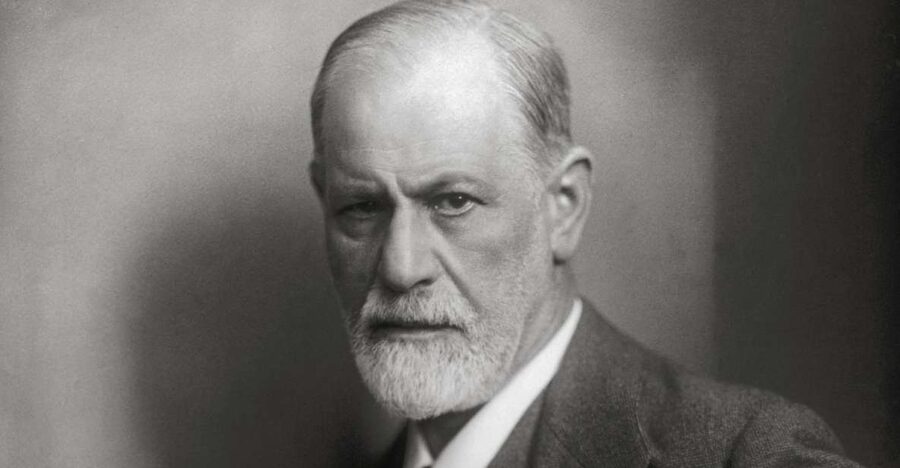
- Hear the man himself: Audio recordings preserve the voices of Sigmund and Anna Freud.
- See the family side: Private rooms, photographs, letters, and film footage show Freud as father, husband, collector, and brother.
- Use your phone for the couch: The AR installation explains what happened to the famous couch and shows its former place.
- Face the darker story: A dedicated section covers Freud’s flight to London, the Nazi persecution, and the murder of his sisters.
- Allow more than an hour: A quick visit takes about 1.5 hours, but readers who study the displays may spend close to three hours.
Entering Berggasse 19, Freud’s most famous Vienna address
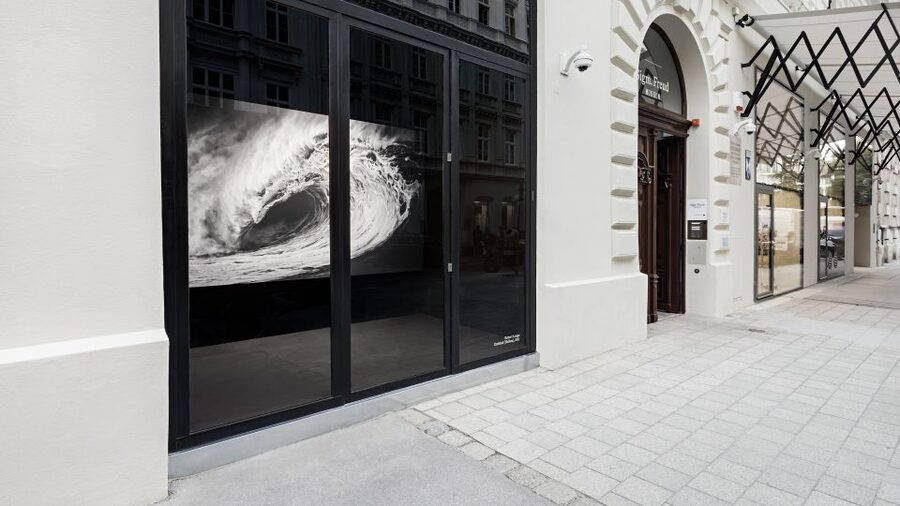
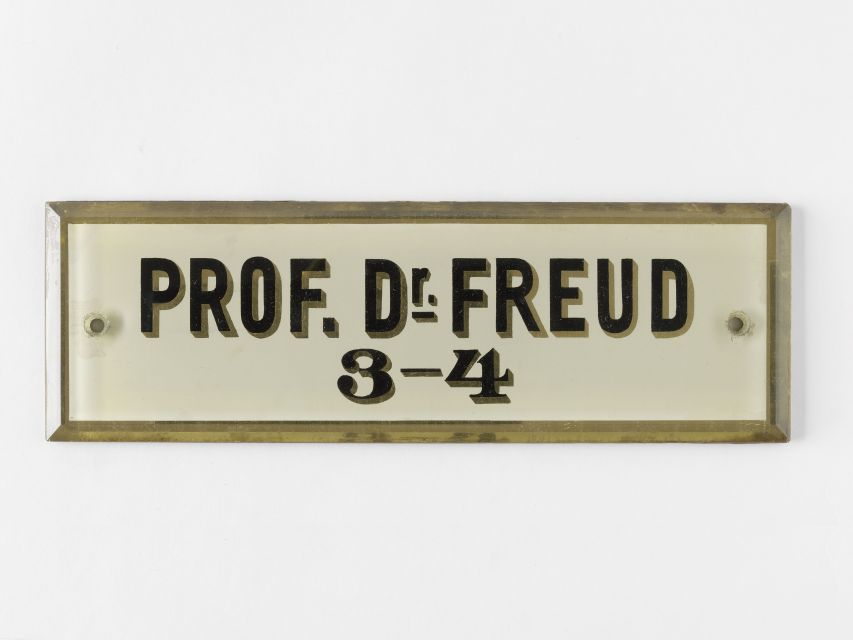
The museum begins with a simple but powerful act: you enter through the main entrance of Berggasse 19, the same entrance used by Freud and his patients. From there, historic stairs lead up to the mezzanine, where the Freud family lived.
That physical route matters. You are not simply looking at objects removed from their original setting. You are moving through the building where Freud worked and where Anna Freud grew up. The rooms help connect his professional life with the ordinary business of family life, even though the apartment no longer looks exactly as it did in Freud’s day.
The museum is spread across the building, and a newer staircase links the floors. Along the way, displays explain the history of the house and its residents. This gives the visit a wider frame. Freud’s story is important, but so is the story of the building after he was forced to leave.
Bring your voucher to the main entrance. The ticket provides admission for one day, and skip-the-line access makes arrival easier at busy times. An 11 a.m. visit can be a sensible choice if you want a quieter start, though opening hours may change, so check before setting out.
More museums and galleries in Vienna:
- Vienna: Skip-the-Line Sisi Museum, Hofburg and Gardens Tour
★ 4.8 · 5,918 reviews - Vienna Kunsthistorisches Museum Day Admission Ticket
★ 4.6 · 3,690 reviews - Tickets for the Albertina Exhibitions
★ 4.7 · 2,126 reviews
Freud’s rooms, family life, and the missing furniture
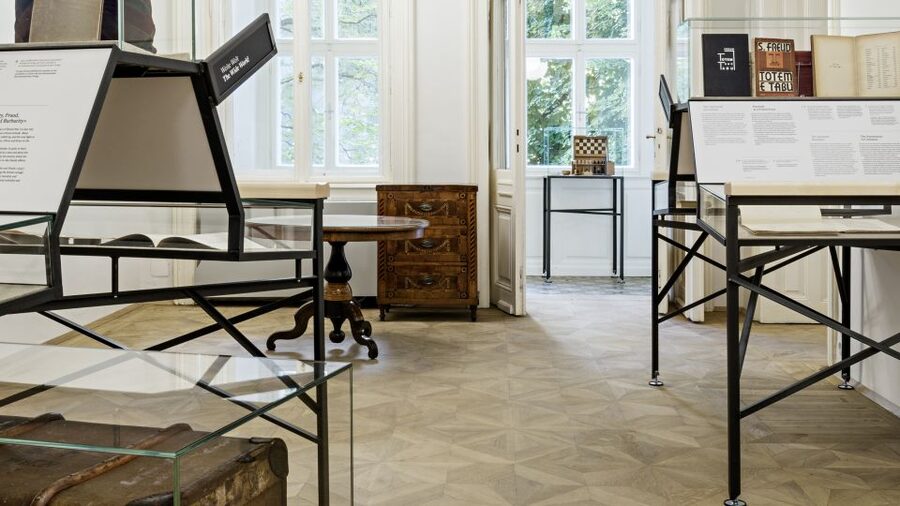
The private rooms are one of the museum’s strongest features. You can see where the Freud family lived and gain a more human sense of the man usually presented as a serious portrait, a cigar, and a list of theories.
The displays cover Freud as a father, husband, brother, collector, and friend. This personal material is especially useful if you already know something about psychoanalysis but know less about the man behind it. Photographs, correspondence, biographical notes, and family details make the visit less abstract.
You should adjust your expectations about the furniture. Freud took many important possessions with him when he fled Vienna, and the famous couch is not sitting in its old place. That absence is not hidden. Instead, the museum uses the empty space and the AR installation to explain the couch’s story.
The rooms can also feel plainly presented rather than fully reconstructed. You will not find every space dressed as a perfect period apartment. One section may feel spare, and the lighting is subdued. That helps protect documents and photographs, but it can make captions harder to read and may tire your eyes after a while.
For families, the museum includes small touches that can keep children involved. Puzzle stickers hidden in the rooms reveal Freud’s dog, and an eight-year-old visitor found this especially engaging. It is not a children’s museum, but those details can give younger visitors a reason to look closely.
Listening to Sigmund and Anna Freud
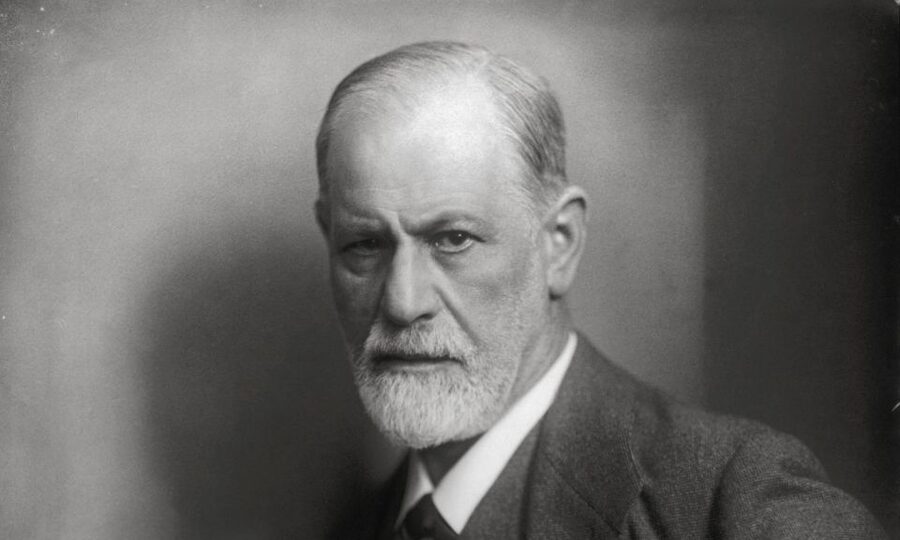
The recordings of Sigmund and Anna Freud add an unusual level of immediacy. Reading Freud’s ideas on a wall can feel distant. Hearing his voice gives you a sense of the actual person who wrote and spoke about them.
The same is true of Anna Freud’s voice. Her presence is important not only because she was Freud’s daughter, but because she became a major figure in child psychoanalysis in her own right. The audio material helps shift the story from a single famous father to a family shaped by psychology.
Some audio exhibits may not always be working, so do not build your entire visit around every recording. Still, the recordings that are available are among the most memorable parts of the museum. Take your time with them instead of treating the audio points as background noise.
The museum also shows unique family films from the 1930s. These moving images offer something photographs cannot. You see gestures, faces, and family dynamics, rather than just names and dates. If you enjoy social history, these films may matter as much as the academic material.
How the museum explains the birth of psychoanalysis
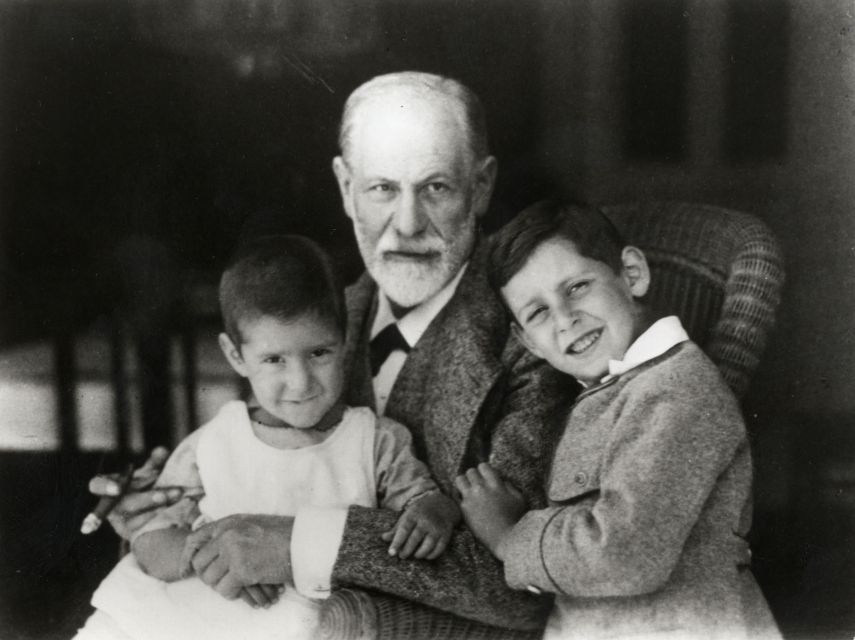
Freud’s work is presented through professional stations, biographical details, rare publications, and explanations of the main stages in his thinking. The museum does not assume that you have studied psychology, though visitors with a background in psychiatry, medicine, or mental health will likely spend longer with the displays.
One useful feature is the presentation of the major developments of psychoanalysis in clear summaries. This gives you a basic structure before you read the more detailed material. If Freud’s theories are familiar only as loose references to dreams, childhood, or the unconscious, the museum can help place those ideas in their professional setting.
Rare first editions, special printings, offprints, and presentation copies show how his theoretical work developed and circulated. These are not just decorative old books. They help explain how ideas moved from Freud’s desk into the wider intellectual world of early twentieth-century Vienna.
The presentation is largely self-guided. You can move at your own pace and spend more time on the subjects that interest you. The tradeoff is that the route is not always strictly chronological. You may read about Freud’s medical training and then find later work in the next room. If you want a clean timeline, keep an eye on dates as you go.
The captions provide a lot of information, and much of the material is available in English. Plan on at least 1.5 hours for a proper visit. If you read closely, watch the films, listen to the recordings, and consider the family story, two to three hours is reasonable.
A few more Vienna days worth a look
- Vienna: Vivaldi’s Four Seasons Concert in Karlskirche
★ 4.7 · 14,951 reviews - Vienna: Spanish Riding School Training
★ 3.9 · 9,281 reviews - Vienna: Skip-the-cashier-desk-line Giant Ferris Wheel Ride
★ 4.5 · 7,859 reviews - Vienna: Schönbrunn Palace & Gardens Skip-the-Line Tour
★ 4.7 · 7,739 reviews
Freud’s couch, recreated through augmented reality
The couch is the object most people expect to see, yet it is not physically in the museum. Freud’s famous couch went with him and is associated with his later life in London.
Instead, you can use your phone to activate the AR installation Freud’s Couch in the place where the furniture once stood. The installation explains the couch’s whereabouts and lets you connect the empty room with the object that has become a symbol of psychoanalysis.
This is a smart solution to a genuine problem. A reproduction might suggest that the original was still in Vienna, while an empty space alone could leave visitors wondering what they missed. The AR feature gives context without pretending that the couch remains in Berggasse 19.
You will need your phone for this part, so make sure it is charged. The installation is best understood as an interpretive tool, not a substitute for the original object. If you prefer museums with large collections of physical artifacts, this section may feel modest. If you appreciate technology used to explain missing history, it works well.
The Nazi period and Freud’s escape to London
The museum’s most sobering section concerns the years after the Anschluss. The building’s history becomes part of the story of Nazi violence, including the moment when Jewish residents were collected at Berggasse 19.
Freud and his closest family managed to leave for London. His brother Alexander also escaped, while his sisters Rosa, Marie, Pauline, and Adolfine were murdered in Nazi extermination camps. The museum gives this family story a clear place rather than treating it as a footnote to Freud’s professional success.
This part changes the mood of the visit. You begin with the birth of psychoanalysis and the routines of a respected Viennese household. You leave with a sharper sense of the danger that forced Freud out and destroyed the lives of members of his family.
The section dedicated to exile in London is particularly important because so much of the Vienna museum is shaped by absence. Freud left with his family, belongings, and key objects. The museum cannot recreate everything that was lost, but it can show how political persecution altered the house and the family forever.
Give this area time. It is not simply another exhibit room, and it is easy to rush past if you focus only on Freud’s theories. The historical material is one of the reasons the museum feels more serious than a standard memorial house.
Contemporary art in Freud’s former office
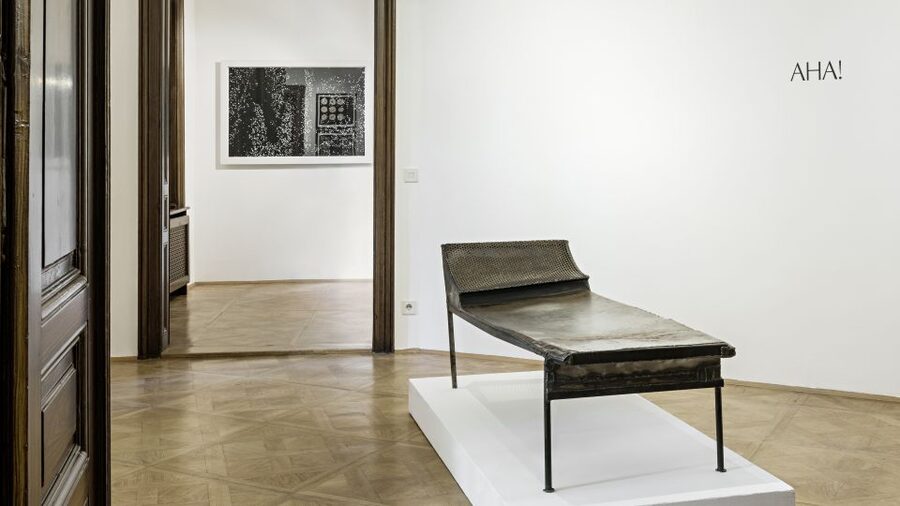
Freud’s former office contains the permanent exhibition Hidden Thoughts of a Visual Nature. It presents selected conceptual works from the Sigmund Freud Museum collection, including artists such as John Baldessari, Joseph Kosuth, Susan Hiller, Franz West, and Haim Steinbach.
This contemporary art section may surprise you. It does not recreate Freud’s office in period detail. Instead, it asks how visual art can relate to thought, language, interpretation, and hidden meaning.
If your main interest is Freud’s personal life, these works may feel like a change of direction. If you enjoy modern and conceptual art, the section adds another layer to the museum and links Freud’s ideas with later artistic responses.
The contrast also explains why the visit is not a simple historic house tour. You are moving between biography, intellectual history, Holocaust memory, archival material, and contemporary art. That range is a strength, but it means the experience is less tidy than a room-by-room reconstruction.
How long to stay and what the visit feels like
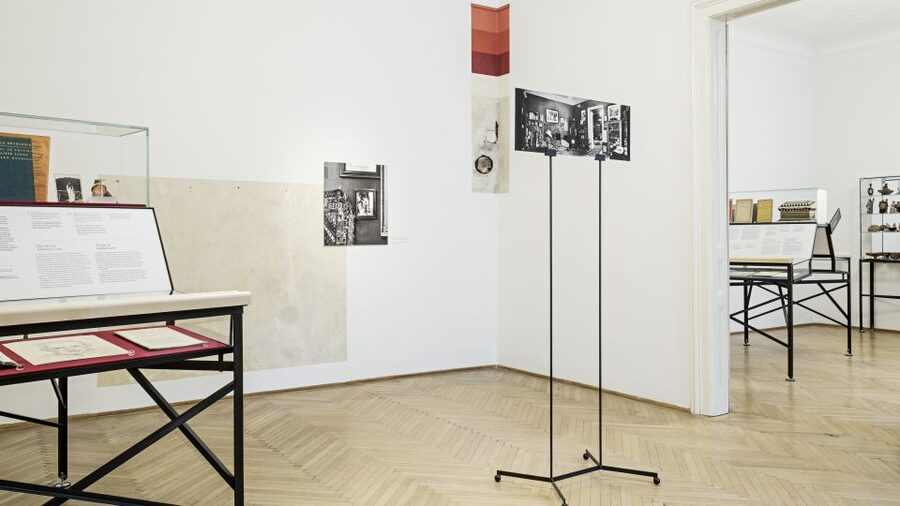
A focused visit can take about an hour. I would allow 1.5 hours at minimum if you want to watch the films and read the main captions. Three hours is possible for visitors who examine the publications, listen to every available audio point, and take time with the Nazi-era material.
The rooms are not always brightly lit. This protects the atmosphere and displays, but some people may find the museum tiring, especially if they are reading a lot. During hot weather, the interior can also feel warm, so light clothing and water before entry are sensible.
Noise can affect the experience too. Children may become bored in the text-heavy rooms, and a lively group can make the quieter audio stations harder to enjoy. The puzzle stickers help, but families should still expect a serious museum rather than a hands-on attraction.
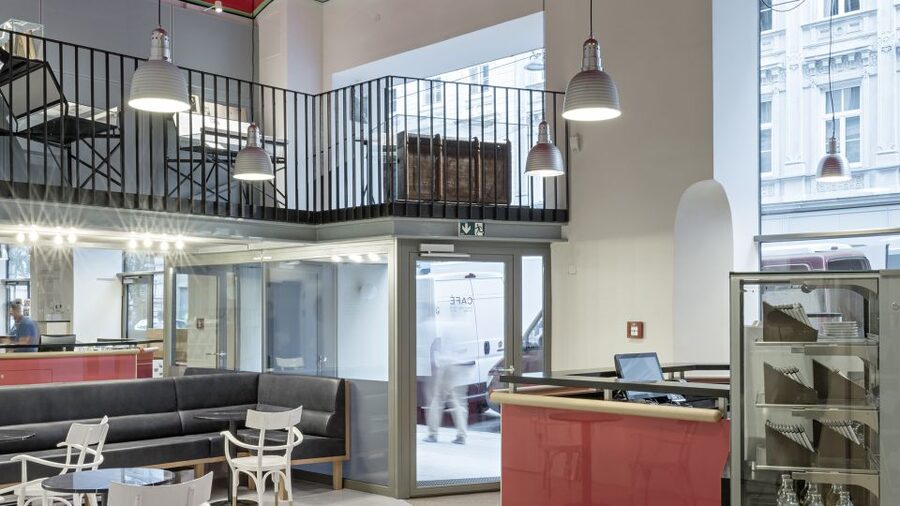
The building is wheelchair accessible, and there is a locker and a WC. At the end, the museum shop sells books and gifts, while the café offers Viennese coffee, cake, and Viennese wine. The book selection is more useful than the general gift range, especially if you want to continue reading about Freud after your visit.
Is the $18 ticket good value?
At $18 per person, the ticket is not a throwaway museum admission. The value depends on how much time and attention you give it.
For anyone interested in psychology, psychoanalysis, psychiatry, medicine, or modern European history, I think the price is reasonable. You are seeing Freud’s former home and practice, hearing his voice, viewing rare publications and family films, and confronting the story of his exile and family losses. That is a substantial visit, not a single-room memorial.
The value is weaker if you expect a fully furnished historic apartment. Much of the original furniture is gone, including the couch, and the rooms can feel sparse. It is also less satisfying if you dislike reading or have little interest in Freud’s ideas.
You do not need to be a specialist. The museum explains enough for a curious first-time visitor, while professionals can spend extra time with the documents and intellectual material. The best value comes from giving yourself more than a quick photo stop.
Who should book the Sigmund Freud Museum?
I would book this museum if you want to understand Freud as a person as well as a thinker. It suits visitors who enjoy biographies, old photographs, family archives, the history of Vienna, and the difficult story of Jewish life under Nazi rule.
It is also a strong choice for mental health professionals and students. The visit may feel almost like a pilgrimage if Freud’s work has shaped your own studies or practice. At the same time, you do not need a clinical background to follow the main story.
Families can make it work, particularly with older children and the puzzle stickers. Very young children may find the reading and quiet audio sections slow. The museum is also a good companion to other Vienna sights in the university district, since it is easy to reach by public transport.
I would hesitate only if you want original interiors, abundant furniture, or a guided tour with a clear spoken narrative. This is a largely self-guided museum, and its power comes from documents, spaces, recordings, and historical context rather than a fully staged reconstruction.
Should you book it?
Book the Sigmund Freud Museum if the idea of standing where Freud lived and worked interests you, especially if you also want the less comfortable story of his exile and his sisters’ fate. The family films, actual voices, and AR couch make the visit personal, while the professional displays explain why Freud still matters.
Go early or choose a quieter time if you want to listen and read without much noise. Allow at least 1.5 hours, and closer to three if you are serious about the material. At $18, it is best seen as a focused cultural visit rather than a quick attraction, but for the right audience it is one of Vienna’s more thought-provoking museum stops.
FAQ
Where is the Sigmund Freud Museum located?
The museum is at Berggasse 19 in Vienna, Austria. You present your ticket voucher at the main entrance.
How long does a visit take?
A visit can take about 1.5 hours, while visitors who read the displays closely and watch the films may spend nearly three hours.
Is Freud’s original couch in the museum?
No. The museum uses a phone-based AR installation called Freud’s Couch to show where the couch once stood and explain what happened to it.
Can I hear Sigmund Freud’s voice?
Yes. The museum includes recordings of both Sigmund Freud and Anna Freud, although some audio exhibits may occasionally be out of order.
Is the museum wheelchair accessible?
Yes, the museum is wheelchair accessible.
Can I cancel the ticket if my plans change?
Yes. You can cancel up to 24 hours in advance for a full refund. A reserve-now-and-pay-later option is also available.
Just added around Vienna
- Vienna: UNESCO Schönbrunn Palace Guided Tour with Entry★ 4.5 · 94 reviews
- World War II History Vienna Old Town Private Walking Tour★ 4.8 · 9 reviews
- Vienna: Winery and Wine Tasting Tour with a Wine Expert★ 5.0 · 5 reviews
- Vienna: Wine Tasting E-Bike Tour★ 4.9 · 46 reviews
- Vienna: Wine Tasting at Schönbrunn Palace★ 4.3 · 71 reviews
- Vienna: Wine Tasting Tour★ 4.8 · 61 reviews
- Vienna: Concert by the Vienna Baroque Orchestra★ 4.6 · 56 reviews
- Vienna: Wachau Valley Private Kayak and Wine Tour★ 5.0 · 3 reviews
Museums, compared.

Skip-the-Line Sisi Museum, Hofburg and Gardens Tour
Read our review →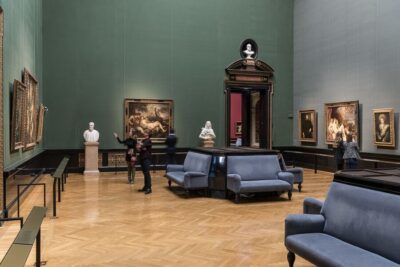
Vienna Kunsthistorisches Museum Day Admission Ticket
Read our review →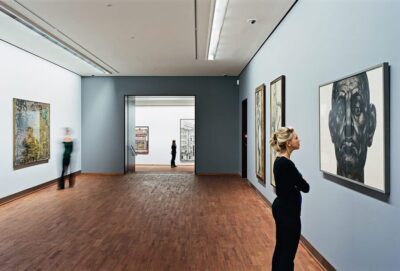
Chocolate Workshop in Chocolate Museum w/ Tasting
Read our review →
St. Stephen’s Cathedral & Dom Museum Wien Tickets
Read our review →

Browse the lists this tour appears in