Reviewed · VIENNA TOURS
‘Armenia In The Heart Of Vienna
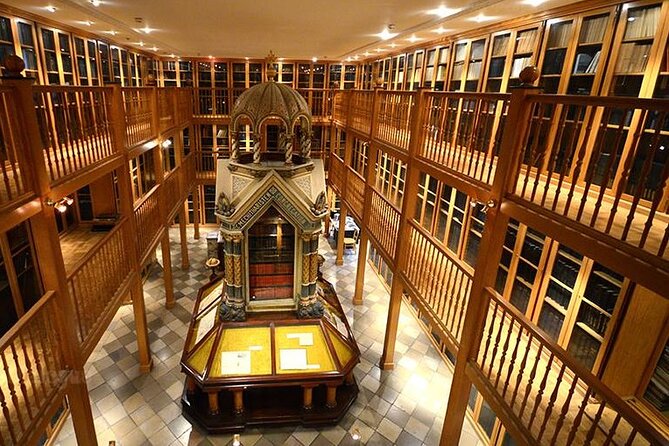
Vienna’s Armenian story is tucked inside the Mekhitarist Congregation, where a 90-minute visit brings together monastery life, old Armenian culture, Austrian connections, and a family liquor tradition. The most unusual part is the mix: one moment you are looking at medieval coins or manuscripts, and the next you are learning about Catherine liquor.
I like the small group limit of 15 people, which should make it easier to hear the guide and take in the displays without being pushed along. I also like the free liquor tasting, not as a gimmick, but as a way to connect the collection with a living Armenian family tradition.
The main consideration is scope. At $89.36 per person, this is not a broad Vienna sightseeing tour. It is a focused visit for people curious about Armenian culture, religious scholarship, and a lesser-known corner of the city.
Key points to know before you book
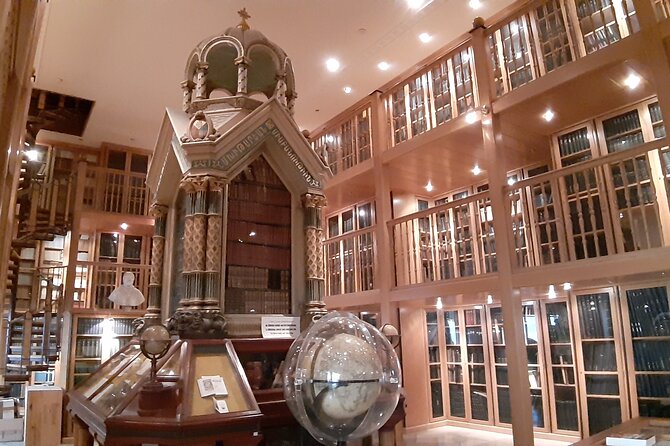
- A rare Armenian focus in Vienna: The tour explains the Mekhitarist Order’s role in Armenian culture and its connections with Austria.
- A compact 90-minute visit: You get a concentrated cultural experience rather than a full-day museum program.
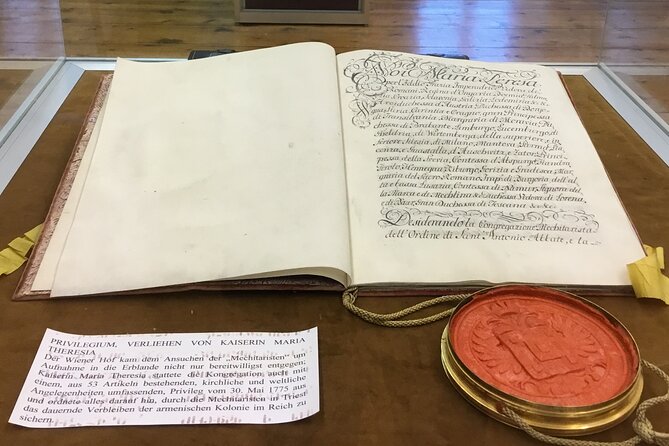
- Old objects with real variety: Expect manuscripts, coins, costumes, rugs, books, periodicals, and other historic items.
- Catherine liquor adds a personal touch: The tasting includes its flavor, family background, and place in the congregation’s story.
- Small groups help: A maximum of 15 people is useful in a quiet museum and monastery setting.
- Simple logistics: The meeting point is Mechitaristengasse 4 in Vienna’s 1070 district, and the activity ends there.
Why this small Armenian collection matters in Vienna
Vienna is often presented through imperial palaces, grand churches, concert halls, and coffeehouses. This experience points you toward a different side of the city: the Armenian presence connected to the Mekhitarist Order.
The congregation has been part of Vienna’s cultural life for nearly three centuries. Its importance reaches beyond religious practice. The order became known for scholarship, publishing, education, and its role in renewing Armenian culture during the nineteenth century.
That larger story gives the visit more weight than a quick look at old objects. A coin or manuscript is not simply something behind glass. It helps show how a community preserved language, faith, learning, and memory far from its original homeland.
The tour also explains how the Mekhitarists became early links between Austrian culture and the wider East. You are not just looking at Armenia from a distance. You are seeing how Armenian intellectual life took shape in an Austrian setting.
A few more Vienna days worth a look
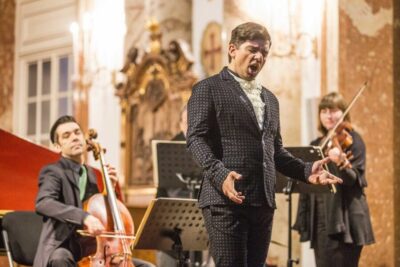
- Vienna: Vivaldi’s Four Seasons Concert in Karlskirche
★ 4.7 · 14,951 reviews - Vienna: Spanish Riding School Training
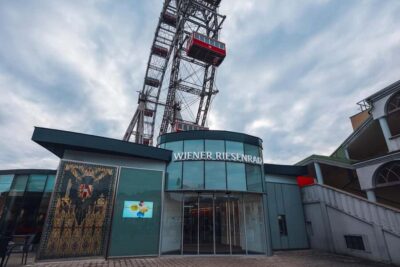
★ 3.9 · 9,281 reviews - Vienna: Skip-the-cashier-desk-line Giant Ferris Wheel Ride
★ 4.5 · 7,859 reviews
Entering the Mekhitarist Congregation at Mechitaristengasse 4
Your visit begins at Mechitaristengasse 4, 1070 Vienna. The activity starts and ends at the same location, which keeps the logistics easy. You do not need to arrange a second pickup point or find your way across the city after the visit.
The tour is offered in English and lasts about one hour and 30 minutes. That is long enough for an introduction to the congregation and its collection, but short enough to fit around other Vienna plans.
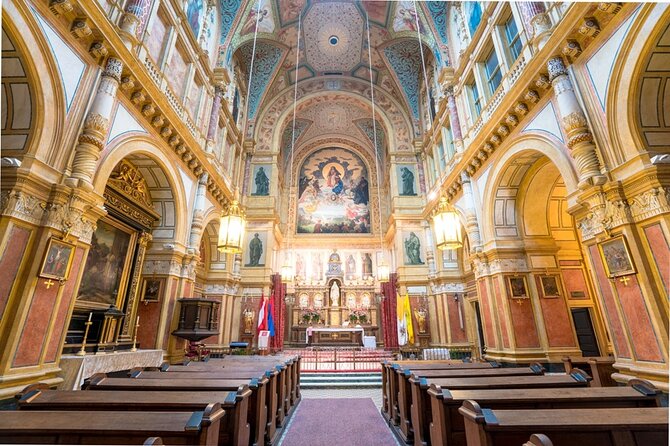
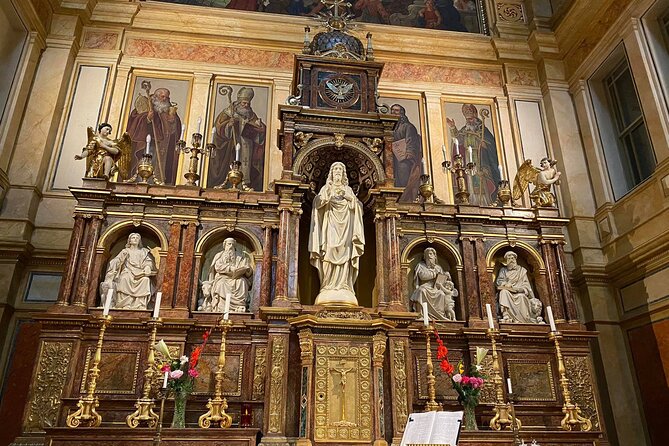
The setting is the main attraction. The congregation gives the tour a sense of place that a standard museum gallery cannot quite match. You are learning about an order within the environment tied to its work and identity.
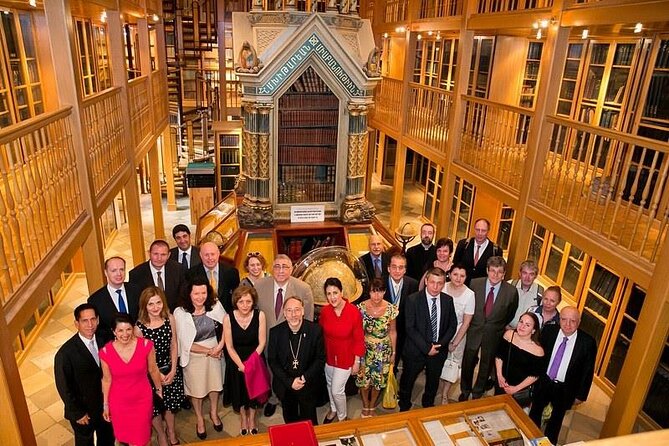
Since the experience is not presented as a large public museum route, I would arrive ready to listen closely. The group limit is 15 people, but rooms and display areas can still feel intimate. A smaller group should help you follow the explanation and ask a question if something catches your attention.
No guide name is provided for this experience, so you should not book expecting a specific named historian or curator. What is clear is that the tour is built around explanation, objects, and the story of the congregation.
Manuscripts, coins, rugs, and the physical record of Armenia
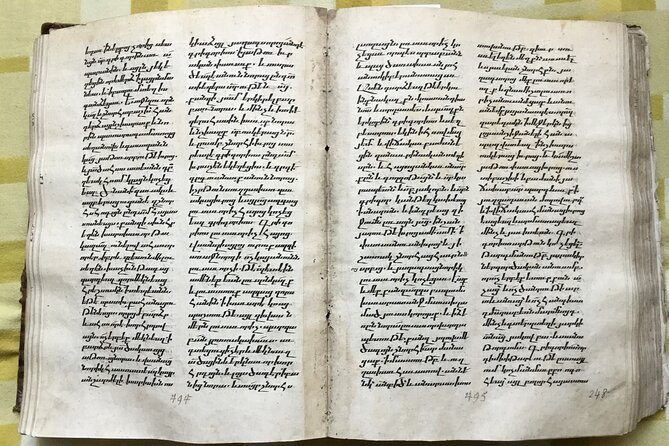
The collection covers a wide range of material. You may see ancient and medieval coins, manuscripts, folk costumes, rugs, books, periodicals, and other objects connected with Armenian life.
That variety is useful because no single object can explain a culture on its own. Coins can suggest trade and political change. Manuscripts point to the importance of writing and preservation. Costumes and rugs bring out everyday traditions and visual design. Books and periodicals show the role of printing and scholarship.
The age of some material is another reason to pay attention. Ancient and medieval objects are not simply old decorations. They offer clues about the people, institutions, and ideas that survived across centuries.
The tour’s value will depend partly on how much context the guide gives you around each item. The supplied details promise an explanation of the order’s scholarly achievements and its role in Armenian cultural renewal. That makes the spoken part important. You are paying for the interpretation as much as for access to the objects.
The collection may appeal most to you if you enjoy museums that are selective rather than enormous. You will not be faced with hundreds of rooms or a long list of famous masterpieces. Instead, the experience concentrates on a particular community and the materials it preserved.
The Militarist Museum and its art displays
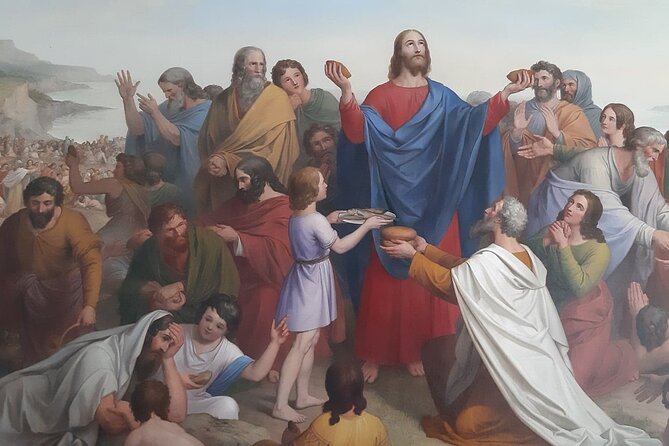
The visit includes art exhibitions in the Militarist Museum. This is one of the more unusual parts of the program because the tour combines fine and historic objects with the wider story of the congregation.
The museum displays help place Armenian culture in a visual setting. Along with books and manuscripts, you can expect art and objects that make the institution feel connected to both religious and public life.
The name of the museum may lead you to expect a conventional military collection. The information provided does not give a detailed list of military exhibits, so I would not book this expecting a full weapons museum or a large military-history program. Think of it as one part of a broader cultural visit.
For me, this is where the tour’s focused nature matters. The museum is included to help you understand the people and institutions behind the collection, not to compete with Vienna’s major art museums. If you want famous paintings, this is not the right choice. If you want a compact display tied to Armenian identity and the Mekhitarist story, it makes more sense.
A completely different way to spend a day here:
- Vienna: Schönbrunn Palace & Gardens Skip-the-Line Tour
★ 4.7 · 7,739 reviews - Vienna: Light of Creation Votive Church Immersive Light Show
★ 4.8 · 6,779 reviews - Vienna Spanish Riding School Guided Tour
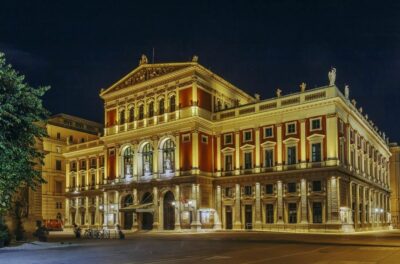
★ 4.7 · 6,765 reviews - Vienna: Classical Concert in the World-Famous Musikverein
★ 4.6 · 6,673 reviews
Catherine liquor connects the past with family life
The Catherine liquor portion gives the visit a more personal finish. You learn about the drink’s taste, its history, and its family background, then have the chance to sample it.
This tasting is one of the strongest reasons to choose the experience over a standard museum visit. It gives you something concrete to remember, and it connects the institutional story with a family-made product. The liquor is not presented as a random refreshment. It is part of the experience’s Armenian cultural thread.
One important point is that the tasting is described as free. That adds value to the $89.36 price, especially if you enjoy food and drink experiences alongside cultural sightseeing. Still, the tasting should be treated as a small part of the tour, not the main reason to book it.
A past participant described the liquor as one of the best in the world, but that is a matter of taste rather than a promise. I would expect an interesting sample and a story behind it, not a full tasting menu or a long spirits class.
If you do not drink alcohol, the collection and the congregation’s story remain the main reasons to attend. The information does not specify a nonalcoholic alternative, so you should not assume one is available.
What the Mekhitarist Order adds to the experience
The order is the thread holding the tour together. Without that background, the manuscripts, coins, costumes, and liquor could feel like a loose collection of unrelated items.
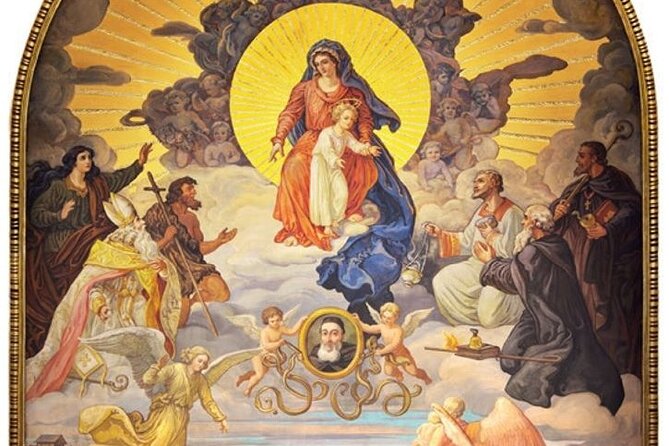
The Mekhitarist Order has been recognized for intellectual and scholarly work over nearly three centuries. The tour presents its role in the renewal of Armenian culture during the nineteenth century, along with its place in the relationship between Armenian and Austrian cultural life.
That context is valuable because it shows culture as something people actively preserve. Books must be written and printed. Manuscripts must be protected. Objects must be collected and explained. Institutions must keep a language and a sense of identity alive.
You may also come away with a clearer idea of how small religious communities can have an influence far beyond their size. The congregation’s work reached into scholarship and cultural exchange, earning the description of early pioneers of Austrian culture in the Orient.
The wording is grand, but the visit’s strength is that it gives the claim a physical setting. You can see the materials that support the story rather than hearing only a general lecture about Armenian influence.
Is $89.36 a fair price for 90 minutes?
At $89.36 per person, this is a relatively expensive short tour. You are paying about $59 per hour, before placing a separate value on the included admission and liquor tasting.
The price can make sense if you have a strong interest in Armenia, religious history, manuscripts, or small specialist collections. The English explanation, included admission, personal scale, and tasting add more than you would get from simply walking past the building.
It is less convincing if you are choosing between this and a major Vienna attraction solely on the number of things you will see. In 90 minutes, you will not cover a large part of the city or visit a long series of galleries. The experience has a narrow subject, and that is both its strength and its limitation.
I would compare the cost with what you value in a tour. If you want famous sights and broad coverage, spend the money elsewhere. If you want a quiet, unusual cultural stop with objects you are unlikely to encounter on a standard Vienna itinerary, the price is easier to justify.
The small group limit also matters. A maximum of 15 people is a better fit for a collection that depends on detail and explanation than a crowded coach tour. You are buying access to a specific place and its story, not just transport and a checklist of sights.
Who will enjoy this visit most?
I would recommend it to you if you have any of these interests:
- Armenian culture, language, religion, or art
- Manuscripts, old books, coins, and historic collections
- Small museums with a clear subject
- Vienna’s connections with Central and Eastern Europe
- Cultural tours that include a food or drink element
- Experiences that move beyond the city’s most famous sights
It may also suit repeat visitors who have already seen Vienna’s major palaces and museums. The city rewards this kind of side trip, especially when you want a subject that does not appear on every standard sightseeing route.
Families may find the liquor tasting less relevant, but older children or teenagers interested in objects and stories could still appreciate the variety. The provided information says most people can participate, but it does not offer detailed accessibility information.
I would be more cautious if you dislike religious settings, old documents, or guided cultural explanation. The experience is not designed as a fast-paced entertainment show. Its appeal comes from patient attention to a small collection and the ideas behind it.
Practical planning for your visit
The meeting point is Mechitaristengasse 4, 1070 Vienna, near public transportation. Because the activity ends back at the meeting point, it is easy to place before or after another stop in the city.
You receive a mobile ticket, and confirmation is provided when you book. The tour is in English, so you should be comfortable following an English-language explanation of Armenian and Austrian cultural history.
Allow at least the full 90 minutes. The stated duration is approximate, and arriving late could be especially awkward for a small-group visit inside a congregation.
The maximum group size is 15 people. That is not a private tour, but it is small enough to make the format more personal than a large city excursion.
Free cancellation is available if you cancel at least 24 hours before the start time. Changes or cancellations inside that period are not accepted for a refund. The experience also requires a minimum number of participants, so if the operator cancels for that reason, you are offered another date or experience, or a full refund.
Should you book Armenia in the Heart of Vienna?
Book this if you want a focused cultural experience with a clear Armenian identity, a small collection of old objects, and an unusual liquor tasting. The Mekhitarist Congregation gives you a side of Vienna that is easy to miss, while the manuscripts, coins, costumes, rugs, and books keep the visit grounded in real material.
Skip it if you want a major museum, a long sightseeing route, or the best value measured by hours and attractions. At $89.36, the tour asks you to care about its subject.
For the right audience, that narrow focus is exactly the point. You leave with a better sense of how the Mekhitarist Order shaped Armenian cultural life in Vienna, plus a taste of Catherine liquor and a story you are unlikely to hear on a conventional city tour.
FAQ
Where does the tour begin?
The tour begins at Mechitaristengasse 4, 1070 Vienna, Austria.
Where does the activity end?
The activity ends back at the meeting point.
How long does the experience last?
It lasts approximately one hour and 30 minutes.
What language is the tour offered in?
The tour is offered in English.
What is included in the visit?
Admission to the Mekhitarist Congregation experience is included. The visit also includes the displays in the Militarist Museum and a Catherine liquor tasting.
What can I see during the tour?
You can see ancient and medieval coins, manuscripts, folk costumes, rugs, books, periodicals, art exhibitions, and other historic items.
How many people can join the tour?
The experience has a maximum group size of 15 people.
Can I cancel for a full refund?
Yes. You can cancel at least 24 hours before the experience’s start time for a full refund. Cancellations or changes made less than 24 hours before the start time are not accepted for a refund.
Just added around Vienna
- Vienna: UNESCO Schönbrunn Palace Guided Tour with Entry★ 4.5 · 94 reviews
- World War II History Vienna Old Town Private Walking Tour★ 4.8 · 9 reviews
- Vienna: Winery and Wine Tasting Tour with a Wine Expert★ 5.0 · 5 reviews
- Vienna: Wine Tasting E-Bike Tour★ 4.9 · 46 reviews
- Vienna: Wine Tasting at Schönbrunn Palace★ 4.3 · 71 reviews
- Vienna: Wine Tasting Tour★ 4.8 · 61 reviews
- Vienna: Wachau Valley Private Kayak and Wine Tour★ 5.0 · 3 reviews
- Vienna: Wiener Schnitzel and Strudel Cooking Class★ 4.9 · 126 reviews
Vienna Tours, compared.
Vivaldi’s Four Seasons Concert in Karlskirche
Read our review →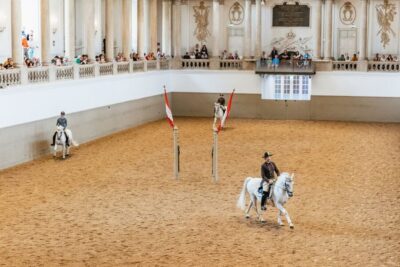
Skip-the-cashier-desk-line Giant Ferris Wheel Ride
Read our review →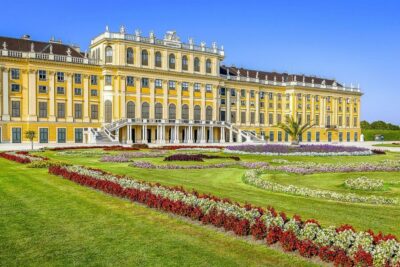
Schönbrunn Palace & Gardens Skip-the-Line Tour
Read our review →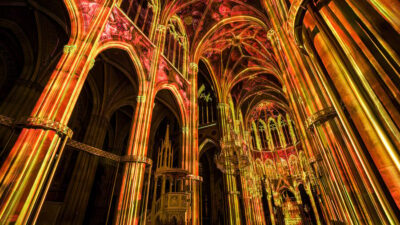
Light of Creation Votive Church Immersive Light Show
Read our review →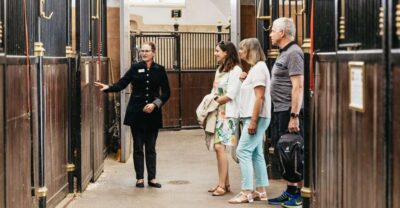
Classical Concert in the World-Famous Musikverein
Read our review →