Reviewed · TICKETS
Entrance ticket Heidi Horten Collection Vienna
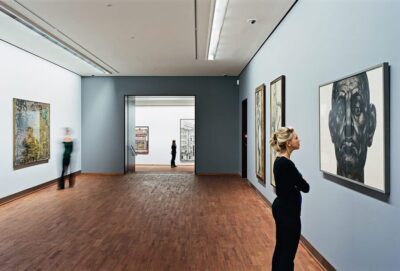
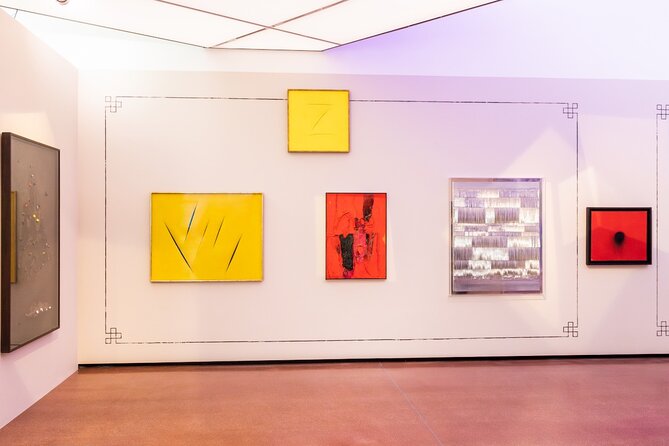
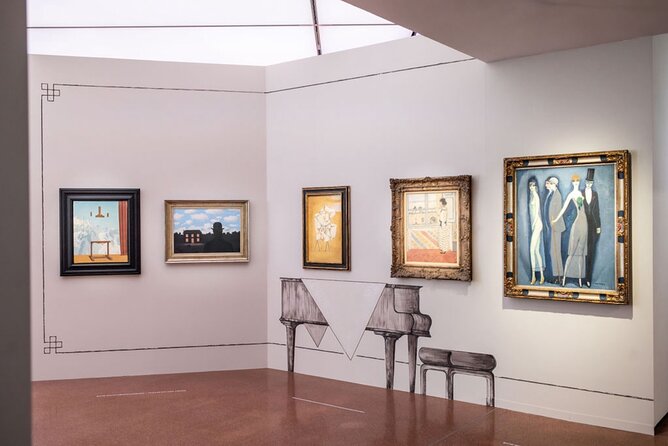
The most striking thing here is the combination of high-value modern art and an unusually open, theatrical building. Klimt, Warhol, Basquiat, Picasso, Rothko, and other major names appear in a compact setting, with sightlines that let you see across rooms rather than wander through a standard white-box gallery.
I like the central location, just beside the Albertina and close to the State Opera, and I like the free audio guide, which gives the collection more shape. The price, about $14.38, is fair for a one to two hour visit, though the loose mix of artists and bold interior design may feel unfocused if you prefer a museum arranged by period or movement.
- Klimt ⇄ Warhol: The permanent display moves from Vienna around 1900 to modern and contemporary art.
- Major names in a small space: Expect works associated with Bacon, Basquiat, Chagall, Fontana, Haring, Klee, Klimt, Lichtenstein, Magritte, Picasso, Rothko, Warhol, and others.
- The Line: From 19 September 2025 to 8 March 2026, this special exhibition examines line as a basic tool of art.
- An architectural experience: The open interior creates views between rooms and makes the building part of the visit.
- Audio support included: Use the audio guide to add context to a collection based largely on Heidi Horten’s personal taste.
- Easy city-center add-on: The museum works well after the Albertina, with no private transport needed.
A small museum with a big-name collection
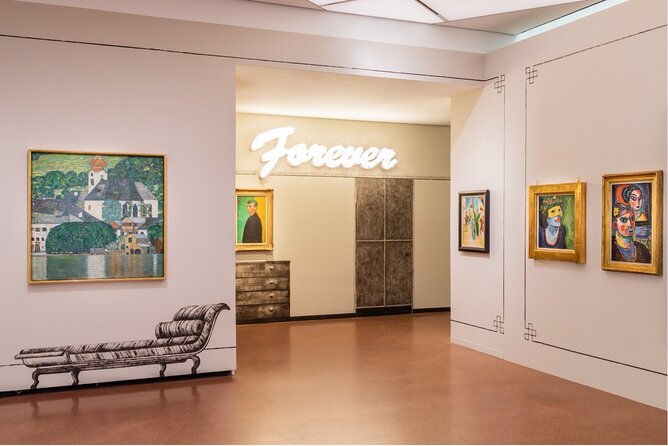
The Heidi Horten Collection is not a traditional survey museum. You will not move neatly from Impressionism to Cubism to Pop Art, with every historical step explained. Instead, the permanent display, called Klimt ⇄ Warhol, presents a selection from Heidi Horten’s private collection, linking major artists through visual impact rather than a strict academic timeline.
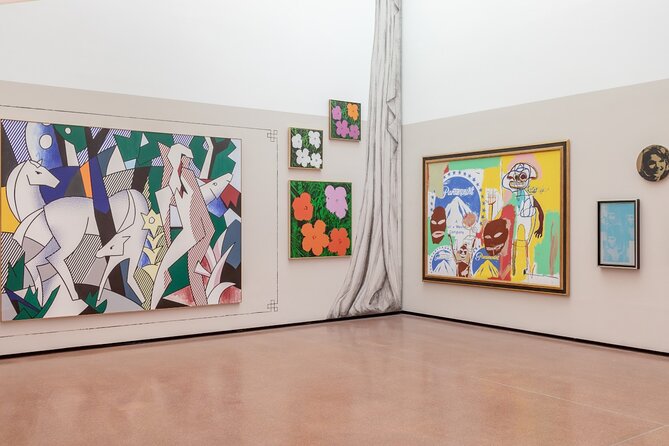
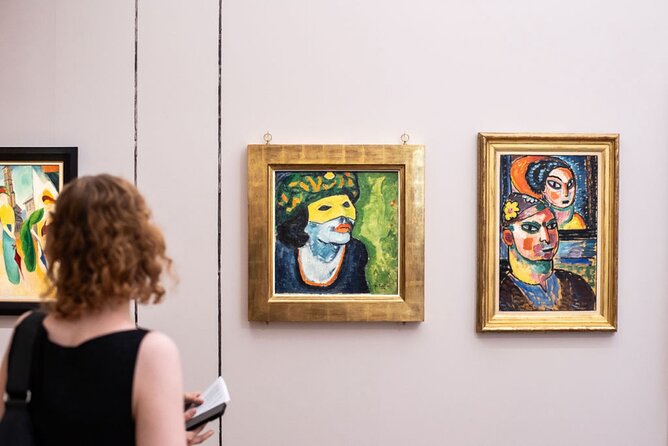
That approach can be refreshing. You might see the pleasure of comparing very different artists in the same visit: Klimt’s decorative force, Warhol’s cool repetition, Basquiat’s urgent marks, or Rothko’s broad fields of color. The museum wants the art to affect both your thinking and your feelings, not simply to illustrate a textbook.
It can also be disorienting. If you need a clear story about how one art movement led to another, you may find the arrangement more like a personal selection than a historical argument. I suggest using the audio guide rather than relying only on the labels. It helps give the works a little more order.
The museum is compact enough for a one-hour visit, but the art rewards a slower pace. Plan closer to two hours if you want to listen to the guide, return to favorite works, and see a temporary exhibition without rushing.
Klimt ⇄ Warhol, a personal view of modern art
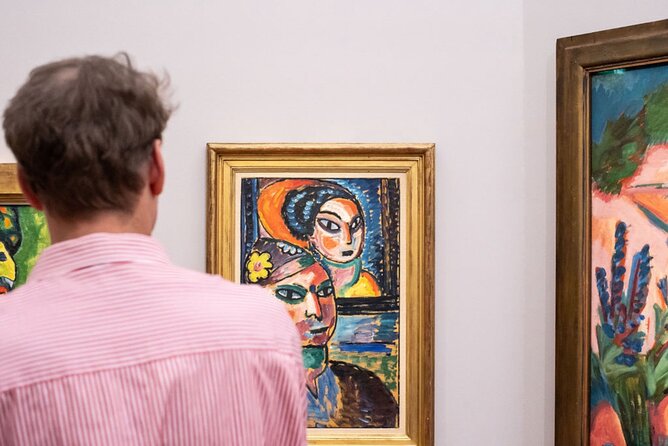
The permanent exhibition is the heart of the experience. Its title signals a broad journey between Gustav Klimt and Andy Warhol, with many stops in between. The artists named for the display include Francis Bacon, Georg Baselitz, Jean-Michel Basquiat, Marc Chagall, Lucio Fontana, Keith Haring, Paul Klee, Yves Klein, Roy Lichtenstein, René Magritte, Emil Nolde, Pablo Picasso, Mark Rothko, and Warhol.
That list gives you a good idea of the range. This is not a museum devoted to one school, country, or decade. It is a collection shaped by individual taste, and some artists receive only a small number of works. You may find a powerful piece by an artist who is less familiar to you beside a more famous name.
I like this format for a short Vienna stop. You do not need half a day to get something from it, and the variety keeps the visit moving. At the same time, the selection may seem like an assortment rather than a single argument. The museum openly presents the collection as personal, so you should enter expecting preference and surprise instead of a complete history of modern art.
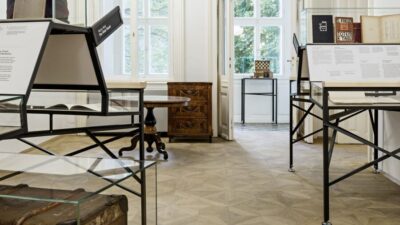
The display also has a strong visual personality. The ground-floor presentation was designed to suggest the private origins of the collection, rather than copying the plain rooms found in many major museums. Colored elements, unusual furnishings, and open views between rooms make the setting part of the presentation.
Some people will enjoy that theatrical touch. Others may feel that the interior competes with the paintings. The best advice is simple: give the works your attention first, then decide how much you like the staging.
A few more Vienna days worth a look
- Vienna: Vivaldi’s Four Seasons Concert in Karlskirche
★ 4.7 · 14,951 reviews - Vienna: Spanish Riding School Training
★ 3.9 · 9,281 reviews - Vienna: Skip-the-cashier-desk-line Giant Ferris Wheel Ride
★ 4.5 · 7,859 reviews
Why the building matters as much as the art
The architecture is one of the museum’s main attractions. The interior is open and transparent, with long views between artworks and exhibition areas. You often see several rooms at once, which changes how you move through the building.
This design creates energy, but it also has practical consequences. Sound and activity from another floor or room may carry into your space. One temporary display, Light Sound Senses, used light, sound, and smell in ways that could be distracting beside quieter paintings. The museum’s unusual openness is part of its identity, but it does not offer the calm separation found in every conventional gallery.
You will also see lines indicating where not to step. In narrower areas, the flow between rooms can feel tight. Take your time and watch your footing around the artworks, especially when other people are stopping to take photographs or listen to the audio guide.
The museum clearly welcomes photography and social sharing, and part of its presentation encourages a personal response. That may appeal to younger art lovers and anyone who enjoys a more playful museum visit. If you prefer silence, long wall texts, and a restrained display, the style may feel too showy.
The Line, on view from September 2025
If you visit between 19 September 2025 and 8 March 2026, the special exhibition The Line adds a second reason to come. It treats the line as one of art’s most basic elements and follows the idea across different times, places, and styles.
The exhibition includes work by Paul Klee, Lucio Fontana, Roy Lichtenstein, Egon Schiele, Jackson Pollock, Agnes Martin, Andy Warhol, Chiharu Shiota, and many others. The range includes artists from Europe, Africa, Asia, North America, and South America.
That geographic and historical spread matters. A line can describe a body, divide a surface, suggest movement, create structure, or become the entire subject of a work. The exhibition gives you a chance to notice something that is easy to overlook when you focus only on the artist’s name or the image.
The special exhibition should suit you if you enjoy connections across periods and cultures. It may be less satisfying if you want a tightly focused display devoted to one artist or a single movement. Still, its central idea is easy to grasp, which makes it a good choice for visitors who do not have much formal art training.
The exhibition schedule can change, so check the dates before booking. The permanent display and the special exhibition are separate reasons to visit, and your experience will depend partly on what is showing during your stay.
Using the audio guide well
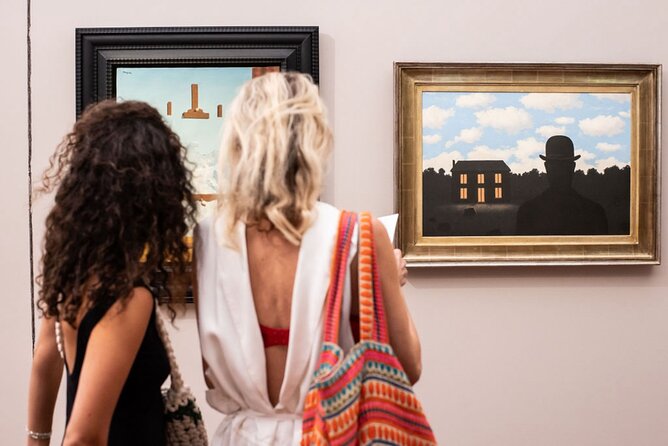
An audio guide is included, and it is one of the most useful parts of the ticket. The collection contains many famous names, but not every work will be familiar. A short explanation can help you understand why a particular piece belongs in the display and how it relates to the museum’s wider view of modern art.
The guide is also available through Smartify, including access from home. That gives you a chance to look over the material before arriving or revisit the information later. Bring your mobile phone, especially if you want to use the digital guide and examine details while moving through the rooms.
I would not try to listen to every available explanation. Choose the works that catch your eye, then use the guide to deepen those moments. In a compact museum, selective listening leaves more time to look.
The museum also offers educational activities and personal guidance at times. Information supplied about the institution points to art education for both younger and older audiences, with sessions that can combine discussion and making art. Specific programs may vary, so check what is scheduled for your date rather than assuming every visit includes a workshop.
A completely different way to spend a day here:
- Vienna: Schönbrunn Palace & Gardens Skip-the-Line Tour
★ 4.7 · 7,739 reviews - Vienna: Light of Creation Votive Church Immersive Light Show
★ 4.8 · 6,779 reviews - Vienna Spanish Riding School Guided Tour
★ 4.7 · 6,765 reviews - Vienna: Classical Concert in the World-Famous Musikverein
★ 4.6 · 6,673 reviews
Location beside the Albertina and State Opera
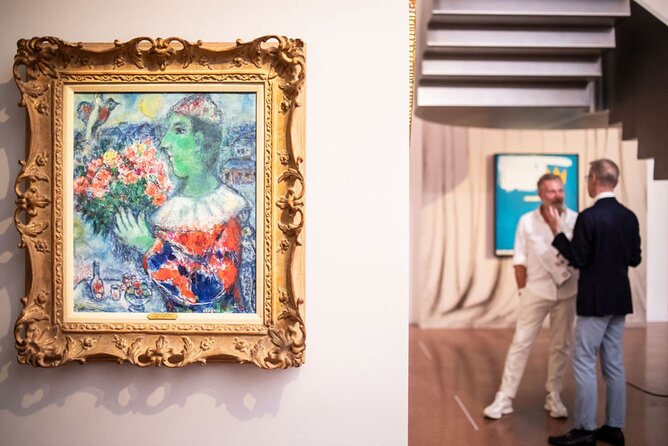
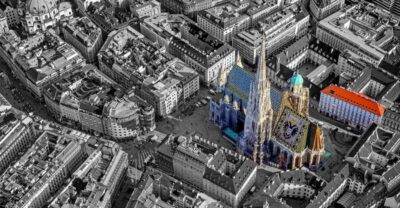
The location is excellent for a museum day in central Vienna. The Heidi Horten Collection is near the State Opera and next to the Albertina, so it is easy to pair with other major sights without arranging private transportation.
This makes the museum especially useful when you have a spare hour after another appointment. You can visit the Albertina, stop here for modern and contemporary art, and continue through the historic center on foot. The area is also accessible by public transportation, and the museum is near city transport connections.
The central setting does not make the museum a full-day experience. Think of it as a focused stop that fits neatly into a larger Vienna plan. That is a benefit if you want variety. It is less useful if you are seeking one huge institution where you can spend an entire afternoon without leaving.
Because the museum is close to other major attractions, you can compare its style with more traditional displays nearby. The contrast is revealing. The Heidi Horten Collection is more personal, more open, and more visually staged than a standard chronological museum.
Is the $14.38 ticket good value?
At about $14.38 per person, the ticket is reasonably priced for a central Vienna museum with an audio guide and access to the permanent display. A one-hour visit works out as a modest cost, while a two-hour visit gives you better value if you take time with the art and temporary exhibition.
The price is strongest when The Line or another substantial special exhibition is included. The museum regularly changes temporary programming, so the exact value depends on the dates of your visit. Check the current exhibition before booking.
The cost may feel less attractive if you only want to see one famous artist. This is not a dedicated Klimt museum or a pure Pop Art collection. You are paying for a broad selection, the setting, and the chance to make your own connections between artists.
There are no snacks or private transportation included, but neither is especially important here. The museum is in the city center, and your visit is short enough to fit around a café stop. All entrance fees and taxes are included, which keeps the basic price clear.
Free cancellation is available if you cancel at least 24 hours before the scheduled start time. Changes or cancellations made within 24 hours are not refundable.
Who will enjoy this museum most?
I would choose this museum if you like modern art but do not want to spend half a day in a large institution. The short format, famous names, and central address make it easy to add to a Vienna itinerary.
It is also a good match for you if you enjoy comparing different artists without needing every room to follow a strict historical sequence. The Line should appeal to anyone interested in how a simple mark can work in many ways.
Families and mixed-interest groups may find the variety useful. One person can focus on Klimt, another on Warhol or Basquiat, and someone else can simply enjoy the building and special effects. Most people can participate, and service animals are allowed.
I would be more cautious if you want a quiet, traditional museum with clear chronology and restrained interiors. The open rooms, unusual furnishings, sound-based displays, and emphasis on personal response may distract you. The museum also addresses questions about the collection’s private origins and financing, an issue some visitors may want to consider before purchasing a ticket.
Should you book the Heidi Horten Collection?
Book it if you want a compact modern-art stop in central Vienna, especially if you are already visiting the Albertina or if The Line is showing during your dates. The ticket is fairly priced, the audio guide adds useful context, and the collection includes enough major names to make the visit worthwhile.
Skip it if your ideal museum is strictly chronological, quiet, and academically arranged. The Heidi Horten Collection is deliberately personal and visually theatrical. Go with that expectation, give the audio guide a chance, and allow one to two hours so you can look beyond the famous names.
FAQ
How much does the Heidi Horten Collection ticket cost?
The listed price is $14.38 per person.
How long does a visit take?
You should allow approximately one to two hours, depending on how closely you listen to the audio guide and whether you visit the special exhibition.
What is included with admission?
The ticket includes entrance to the Heidi Horten Collection, an audio guide, and all fees and taxes.
Is The Line included?
The Line is listed as a special exhibition running from 19 September 2025 to 8 March 2026. Admission to the experience includes the museum entrance, but you should check the exhibition details for your chosen date.
Which artists can I see?
The collection includes works by artists such as Bacon, Baselitz, Basquiat, Chagall, Fontana, Haring, Klee, Klein, Klimt, Lichtenstein, Magritte, Nolde, Picasso, Rothko, and Warhol. The Line also includes artists such as Egon Schiele, Jackson Pollock, Agnes Martin, and Chiharu Shiota.
Is the museum easy to reach?
Yes. It is near public transportation, close to the State Opera and Albertina, and located in central Vienna. Private transportation is not included.
Can I cancel the ticket?
You can receive a full refund if you cancel at least 24 hours before the experience start time. Cancellations or changes made less than 24 hours in advance are not refunded.
Just added around Vienna
- Vienna: UNESCO Schönbrunn Palace Guided Tour with Entry★ 4.5 · 94 reviews
- World War II History Vienna Old Town Private Walking Tour★ 4.8 · 9 reviews
- Vienna: Winery and Wine Tasting Tour with a Wine Expert★ 5.0 · 5 reviews
- Vienna: Wine Tasting E-Bike Tour★ 4.9 · 46 reviews
- Vienna: Wine Tasting at Schönbrunn Palace★ 4.3 · 71 reviews
- Vienna: Wine Tasting Tour★ 4.8 · 61 reviews
- Vienna: Wachau Valley Private Kayak and Wine Tour★ 5.0 · 3 reviews
- Vienna: Wiener Schnitzel and Strudel Cooking Class★ 4.9 · 126 reviews
Tickets, compared.
Classic Ensemble Vienna in St. Peter’s Church Ticket
Read our review →
Vienna Kunsthistorisches Museum Day Admission Ticket
Read our review →
Tickets for Mozarthaus Vienna with Audio Guide
Read our review →
Skip-the-Line Entrance Ticket to the Danube Tower
Read our review →