Reviewed · VIENNA TOURS
Italian VIENNA
Vienna can feel thoroughly Habsburg, but this walk reveals its Italian side. Italian artists, architects, composers, preachers, and military leaders helped shape the city’s grand public face, and guide Mario Casalone connects those threads through central Vienna.
I like the fresh angle on familiar sights and the way the tour mixes major landmarks with anecdotes and everyday details. I also like the manageable price of $33.20 for roughly two and a half hours with a guide who explains the links between Austria and Italy in an easy, lively way.
The main consideration is that the published route names only Minoritenkirche and the Hofburg as formal stops, even though the walk ends at Stephansplatz. If you want extensive interior visits or a long list of museum admissions, this is not that kind of tour.
Key points to know before booking
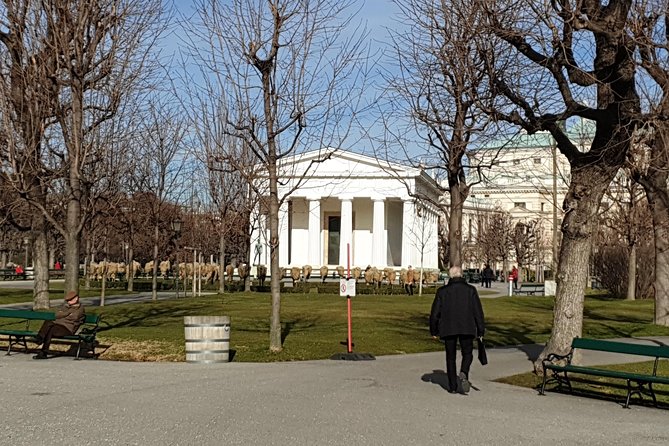
- Italian Vienna begins at Minoritenkirche, the church associated with Vienna’s Italian community.
- Mario Casalone leads the walk, using history, art, anecdotes, and personal storytelling.
- The Hofburg gets a clear place on the route, including the imperial apartments linked with Franz Joseph and Sissi.
- The walk ends at Stephansplatz, beside Vienna’s cathedral, a useful central point for continuing your day.
- The price is $33.20 per person, with admission to the listed stops free.
- The group can reach 30 people, so ask yourself if you prefer a small private-style walk or a standard group outing.
Why Italian influence matters in Vienna
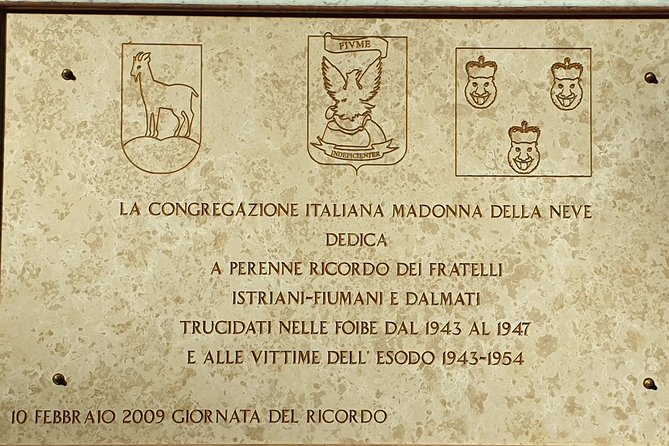
This tour’s central idea is simple but easy to miss: Vienna’s identity was not built by Austrians alone. Italian artists and builders helped give the city much of its Baroque appearance, while Italian culture also touched music, religion, court life, and political power.
That gives you a useful way to look at Vienna. Instead of treating each palace, church, and square as an isolated sight, you begin to connect people and ideas across several centuries. The result is less a checklist of buildings and more a story about how one European capital borrowed, adapted, and reshaped Italian culture.
I especially like this approach for a second day in Vienna. If you have already seen the Hofburg or walked through the old town, Mario’s route can give those places a new purpose. Several comments about the tour describe returning to familiar spots and seeing them from a different angle. That is exactly where a themed walk can earn its keep.
The route also appears to balance solid historical information with lighter stories. You should expect names, dates, artistic connections, and political background, but not a dry lecture. The feedback repeatedly points to Mario’s lively delivery, humor, patience with questions, and ability to make complicated links understandable.
A few more Vienna days worth a look
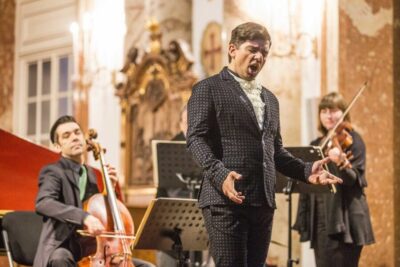
- Vienna: Vivaldi’s Four Seasons Concert in Karlskirche
★ 4.7 · 14,951 reviews - Vienna: Spanish Riding School Training
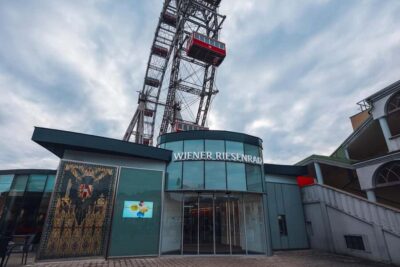
★ 3.9 · 9,281 reviews - Vienna: Skip-the-cashier-desk-line Giant Ferris Wheel Ride
★ 4.5 · 7,859 reviews
Starting at Minoritenkirche and Minoritenplatz
The meeting point is Wiener Minoritenkirche at Minoritenplatz 2A in Vienna’s first district. Admission is free, and the church is presented as the church of Vienna’s Italian community, making it a fitting starting point rather than a random pickup spot.
This opening gives the tour a clear theme from the first minutes. You are not simply beginning another walk through the center. You are starting with the place that most directly represents the Italian presence in Vienna.
The listed time here is about 15 minutes. That is enough to establish the church’s role and begin the wider story, but it is not enough for a long, detailed church visit. If you are hoping to study every architectural feature or spend time in prayer, you may want to return separately.
Minoritenplatz also places you in central Vienna, near public transportation and within the historic core. The mobile ticket makes the meeting arrangement straightforward, though you should still check the exact start time and arrive with enough time to find the church entrance.
Walking toward the Hofburg
The route then continues to the Hofburg, Vienna’s imperial palace and one of the city’s essential landmarks. This is where the Italian connection is likely to feel especially useful. The palace is often explained through the Habsburg dynasty, court ceremony, and imperial residence. This tour adds the artists, architects, and builders whose work helped create the setting for that power.
The published stop lasts about 15 minutes and admission is free. That wording matters. You should plan for an exterior-focused explanation or a short stop around the complex, not a full palace tour with entry to every museum and apartment.
The Hofburg is a broad architectural and historical subject. Its connection with Franz Joseph and Sissi gives the stop an immediate human angle, but Mario’s approach also reaches beyond famous personalities. The walk is designed to show how Italian talent contributed to the visual language of imperial Vienna.
I like that this keeps the tour from becoming another basic introduction to Sissi. You may hear about the imperial couple, but the larger point is how court culture, art, architecture, and power worked together. If you already know the standard Hofburg story, the Italian viewpoint should add something new.
From the imperial palace to Stephansplatz
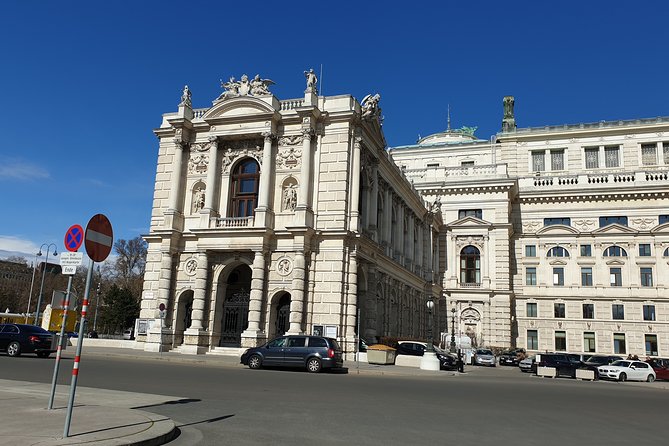
The tour finishes in Stephansplatz, the square beside St. Stephen’s Cathedral. This is an excellent end point for a central Vienna walk. You can continue sightseeing, find a restaurant, connect with public transportation, or simply use the square as a reference point while exploring the old town.
The cathedral itself is not listed as a formal admission stop, so do not assume the tour includes an interior visit. The value of the ending is its location and the way it closes the route in one of Vienna’s best-known public spaces.
The walk between the named stops is important. A 15-minute explanation at Minoritenkirche and another 15-minute stop at the Hofburg do not account for two and a half hours. That tells you the experience is built around walking, conversation, connecting points, and stopping at additional places along the way, even though those places are not individually described in the basic route information.
Because the exact sequence of every street and stop is not specified, I would treat this as a guided central-city walk rather than a rigid sightseeing circuit. That is good news if you like flexibility and stories. It is less ideal if you want a precise list of every location before booking.
A completely different way to spend a day here:
- Vienna: Schönbrunn Palace & Gardens Skip-the-Line Tour
★ 4.7 · 7,739 reviews - Vienna: Light of Creation Votive Church Immersive Light Show
★ 4.8 · 6,779 reviews - Vienna Spanish Riding School Guided Tour
★ 4.7 · 6,765 reviews - Vienna: Classical Concert in the World-Famous Musikverein
★ 4.6 · 6,673 reviews
Mario Casalone’s guiding style
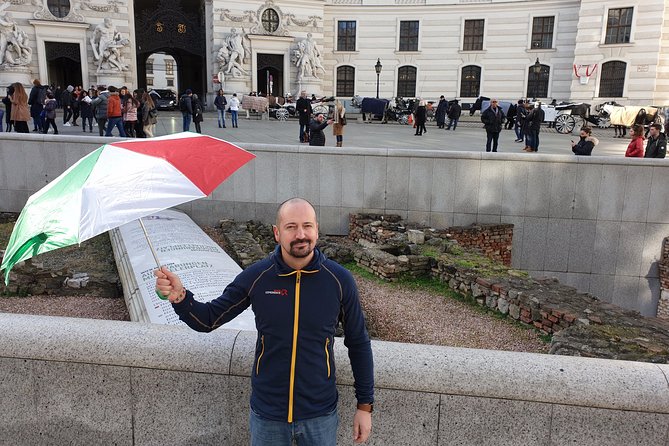
The guide is Mario Casalone, who operates as MarioViennaGuide. The strongest pattern in the available comments is not a single landmark. It is Mario’s presentation.
He is described as friendly, welcoming, prepared, patient with questions, and able to move between serious history and amusing details. Italian and German comments both emphasize his enthusiasm and his talent for making the material enjoyable without losing the facts.
That matters because a theme like Italian Vienna can easily become too academic. You could spend two hours hearing names of artists and architects without understanding why they matter. Mario’s strength appears to be making those connections feel personal and usable.
The comments also point to his Italian charm, expressive manner, and storytelling. I would expect a guide who talks with the group rather than simply reciting a script. That can make a difference on a walking tour, especially when the subject includes several centuries and many unfamiliar names.
Another useful detail is that the tour has remained interesting in poor conditions, including rain, wind, and storms, according to one experience. That does not mean bad weather is comfortable. It does suggest that the guide’s storytelling carries much of the experience, even when the streets are not at their best.
The group limit is 30 people. That is not a tiny group, so your experience may depend on where you are standing and how well you can hear. On the other hand, a capped group is preferable to an open-ended crowd, and the tour’s question-friendly style should appeal to people who want interaction.
What the $33.20 price buys you
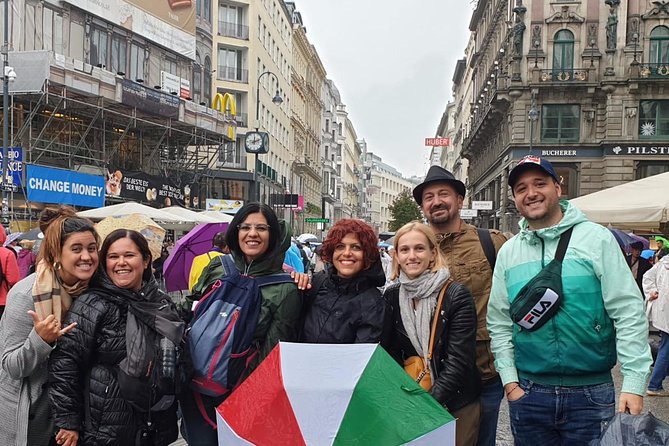
At $33.20 per person, this is a mid-priced walking tour rather than a free orientation walk. The important question is what you receive for the extra cost.
You are paying for a focused theme, a two-and-a-half-hour time commitment, and a guide who brings together art, architecture, music, religion, and politics. The listed stops have free admission, so the price is not covering entrance tickets. It is paying for interpretation and structure.
I think the value is strongest if you enjoy context. A free walk may show you the main streets and give you a broad introduction to Vienna. This experience promises something narrower and more distinctive: an explanation of how Italian culture helped shape the city.
The value is also stronger for repeat visitors. If you have already seen the Hofburg, Stephansplatz, or other central sights, you may not need another basic explanation of where they are. You may, however, enjoy learning why Italian artists and builders appear in Vienna’s story and how those links change the way you look at familiar buildings.
The price is less compelling if your main goal is to enter monuments. Since the described stops are free and there is no promise of museum entry, interior access, or skip-the-line privileges, compare it with your priorities before booking.
Who should book this Vienna walking tour
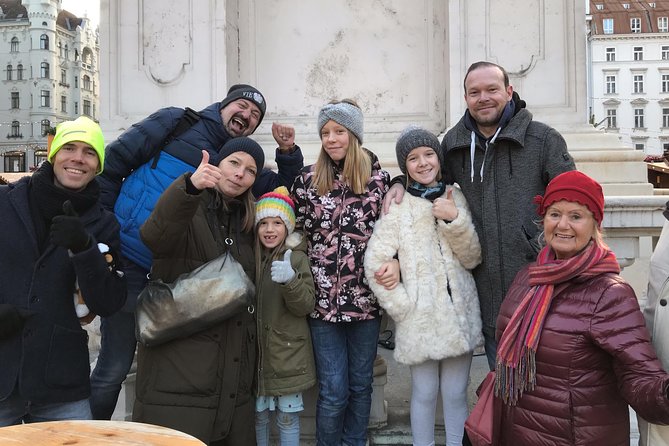
I would recommend this tour to you if you enjoy European art, architecture, music, court history, or cultural connections between countries. It should also suit anyone who likes learning through stories rather than reading plaques and guidebook summaries.
It is a particularly good fit for:
- Visitors who have already covered Vienna’s main sights and want a new theme.
- Italian-speaking or German-speaking visitors looking for a cultural link with Italy.
- History fans who want more than the usual Sissi and Habsburg story.
- People who enjoy questions, anecdotes, and a guide with a personal style.
- Anyone who wants a central walking tour ending near St. Stephen’s Cathedral.
You may want something else if you need a private guide, guaranteed small-group attention, extensive indoor sightseeing, or a route designed mainly around photography. The group may include up to 30 people, and the information provided does not promise a private format.
Most people can participate, and the route is near public transportation. Still, this is a walking experience, and weather can affect it. Wear practical shoes and check the forecast. If the operator cancels because conditions are poor or because the minimum number is not reached, you are offered another date or a full refund.
Practical timing and booking advice
The tour lasts approximately two hours and 30 minutes. That is long enough to feel substantial but short enough to fit into a morning or afternoon of sightseeing.
Since the walk begins at Minoritenkirche and ends at Stephansplatz, plan your day around the direction of travel. You do not finish where you started. That is convenient if you want to continue in the cathedral area, but you should not leave a bag or other item at the meeting point.
A mobile ticket is provided, and confirmation arrives at booking. The meeting point is Wiener Minoritenkirche, Minoritenplatz 2A, 1010 Vienna. The end point is Stephansplatz, 1010 Vienna.
Free cancellation is available if you cancel at least 24 hours before the start time. Changes or cancellations inside that window are not accepted for a refund. Since bad weather can affect the experience, keep the local forecast in mind and avoid booking it as the one fixed activity that cannot move.
My take on Italian Vienna
I like the tour because it gives Vienna a clear question to answer: how much of the city’s famous Baroque and imperial image came from Italy? That question leads you beyond the usual palace facts and toward the people who designed, decorated, preached, composed, and served the Habsburg world.
The route is not built around expensive admissions. Its appeal is the guide’s voice and the connections he makes between places. Mario Casalone appears to be at his best when explaining familiar Vienna sights from an unfamiliar angle, mixing facts with stories and making room for questions.
The main limitation is the lack of a fully detailed public route. You know the beginning, the main imperial stop, and the ending, but not every place visited in between. If that uncertainty bothers you, choose a tour with a published stop-by-stop map. If you are happy to let the guide shape the walk, the open structure may work in your favor.
Should you book it?
Book Italian Vienna if you want a story-led walking tour that reveals the Italian influence behind central Vienna’s art, architecture, and court culture. The $33.20 price is fair for two and a half hours of focused guiding, especially if you have already seen the standard sights.
Skip it if your priority is palace interiors, cathedral entry, or a very small group. For everyone else, this is a smart way to make familiar Vienna feel less predictable, with Minoritenkirche, the Hofburg, and Stephansplatz connected by a fresh cultural thread.
FAQ
Where does the Italian Vienna tour start?
The tour starts at Wiener Minoritenkirche, Minoritenplatz 2A, 1010 Vienna, Austria.
Where does the tour end?
It ends at Stephansplatz, the square beside St. Stephen’s Cathedral in central Vienna.
How long does the tour last?
The tour lasts approximately two hours and 30 minutes.
How much does the tour cost?
The listed price is $33.20 per person.
Is admission included at the stops?
Admission is listed as free at Minoritenkirche and the Hofburg. The tour information does not promise paid museum or interior admission elsewhere.
Who guides the tour?
The experience is provided by Mario Casalone, operating as MarioViennaGuide.
How large can the group be?
The tour has a maximum of 30 participants.
Can I cancel for a full refund?
Yes. You can cancel at least 24 hours before the experience start time for a full refund. Cancellations or changes made less than 24 hours before the start time are not refunded or accepted.
Just added around Vienna
- Vienna: UNESCO Schönbrunn Palace Guided Tour with Entry★ 4.5 · 94 reviews
- World War II History Vienna Old Town Private Walking Tour★ 4.8 · 9 reviews
- Vienna: Winery and Wine Tasting Tour with a Wine Expert★ 5.0 · 5 reviews
- Vienna: Wine Tasting Tour★ 4.8 · 61 reviews
- Vienna: Wine Tasting E-Bike Tour★ 4.9 · 46 reviews
- Vienna: Wine Tasting at Schönbrunn Palace★ 4.3 · 71 reviews
- Vienna: Concert by the Vienna Baroque Orchestra★ 4.6 · 56 reviews
- Vienna: Wachau Valley Private Kayak and Wine Tour★ 5.0 · 3 reviews
Vienna Tours, compared.
Vivaldi’s Four Seasons Concert in Karlskirche
Read our review →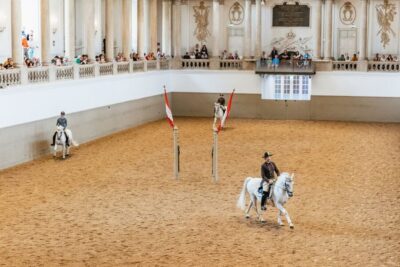
Skip-the-cashier-desk-line Giant Ferris Wheel Ride
Read our review →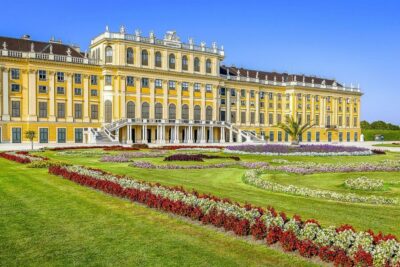
Schönbrunn Palace & Gardens Skip-the-Line Tour
Read our review →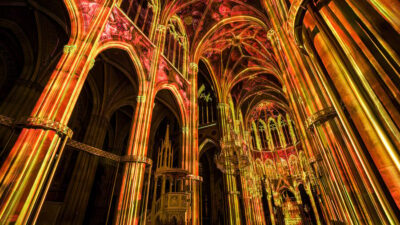
Light of Creation Votive Church Immersive Light Show
Read our review →
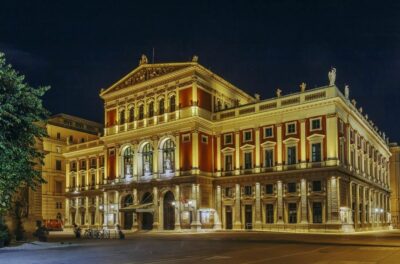
Classical Concert in the World-Famous Musikverein
Read our review →