
Reviewed · KUNSTHISTORISCHES MUSEUM TICKETS
Kunsthistorisches Museum Wien Guided Tour including admission
The best reason to book this tour is simple: it gives you a clear route through a huge museum without reducing the visit to a hurried checklist. You’ll see Peter Bruegel the Elder’s Tower of Babel, Vermeer’s The Art of Painting, and the Kunstkammer’s extraordinary Saliera, all inside one of Vienna’s grandest buildings. Priority entry saves time, while a group of no more than 15 keeps the guide close enough to hear.
I love the balance between famous paintings and strange, beautiful objects. I also like that your ticket lets you stay afterward and explore the Greek, Roman, and Egyptian collections at your own pace. The main drawback is that two hours to two and a half hours only covers selected rooms, and the tour is not suitable for wheelchair users or people with walking disabilities.
Key points to know
- Bruegel and Vermeer are the main artistic draws: See Tower of Babel and The Art of Painting with historical and artistic context.
- The Kunstkammer adds variety: Examine the gold Saliera by Cellini and the Madonna of Krumau.
- Small groups make a difference: The tour accepts no more than 15 people.
- You can keep exploring afterward: Admission covers the guided visit and your independent time in the permanent collections.
- English guidance begins at 10:15 am: Meet at Maria-Theresien-Platz 1, near public transportation.
- Allow for cloakroom rules: Umbrellas, backpacks, and rain coats must be left behind, and temporary exhibitions cost extra.
Why the Kunsthistorisches Museum deserves a guided visit
Vienna’s Kunsthistorisches Museum is not merely a container for famous paintings. The building itself was created to display the Habsburg collections, and its grand rooms set the tone before you reach the first masterpiece. If you enter without a plan, you can spend a pleasant hour wandering and still miss works you came to see.
That is where this tour earns its keep. Instead of sending you through every gallery, the guide concentrates on two major areas: the Picture Gallery and the Kunstkammer. You get a firm sense of the museum’s artistic range, then remain inside to visit other sections on your own.
I would choose this format if you have limited time in Vienna, or if European painting feels easier to admire than to interpret. The guide links artists, periods, materials, and patrons, so the pictures become more than famous names on a wall. Several guides, including Dieter, Cornelia, and Brenda, have been praised for clear explanations, lively storytelling, and a strong grasp of both art and Vienna’s past.
More Kunsthistorisches visits:
- Vienna Kunsthistorisches Museum Day Admission Ticket
★ 4.6 · 3,690 reviews - Combo Ticket: Kunsthistorisches Museum & Imperial Treasury
★ 4.7 · 785 reviews - Skip the Line: Kunsthistorisches Museum Vienna Entrance Ticket
★ 4.5 · 466 reviews
Meeting at Maria-Theresien-Platz at 10:15 am
The tour begins at Maria-Theresien-Platz 1 at 10:15 am. This is a central location near public transportation, but give yourself enough time to find the correct entrance and meeting point. The activity ends back at the museum, with no hotel pickup or drop-off.
The group limit is 15 people. That is not the same as a private tour, but it is a useful middle ground. You avoid the anonymity of a large crowd, and the guide has a better chance of answering questions and adjusting the pace. One guide supplied earpieces so everyone could hear clearly, a practical touch in large galleries.
The tour is offered in English. Group discounts may be available, and you can upgrade to a private guide if you want the visit tailored only to your own party. The private option may suit families or groups with very specific interests, while the small-group version offers a sensible balance of structure and cost.
Peter Bruegel’s Tower of Babel and the Picture Gallery
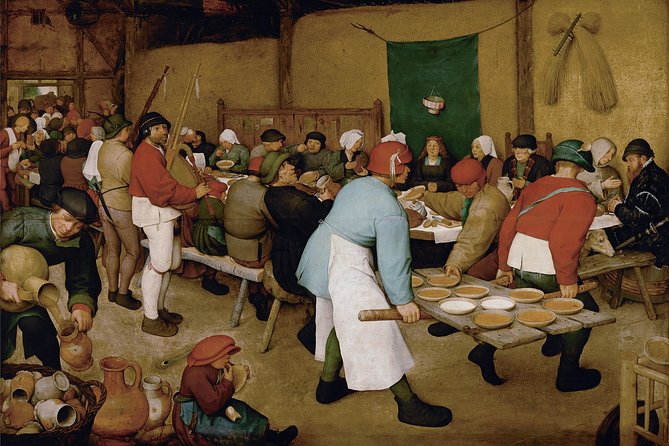
The Picture Gallery is the artistic heart of the visit. It contains major European painters, including Raphael, Rembrandt, Vermeer, Rubens, Titian, Caravaggio, and Peter Bruegel the Elder. You will not study every room, but the selected works give you a useful map of the collection.
Bruegel’s Tower of Babel is the headline work. Its appeal is not just size or fame. The painting rewards close looking, with its busy construction site, tiny figures, and layers of activity. A good guide can help you notice how Bruegel turns a biblical subject into a crowded scene of human ambition and everyday labor.
Bruegel’s paintings were especially popular with the people who praised this tour, and it is easy to see why. The works invite questions, and the guide can point out details you might skip while standing alone in front of a large panel. If this is the main reason you are visiting the museum, tell the guide early so you can make the most of the discussion.
Vermeer’s The Art of Painting brings a very different mood. Its quiet interior and careful handling of light give the guide room to explain technique, symbolism, and the role of the artist. The contrast with Bruegel is useful: one painting fills your attention with movement and detail, while the other asks you to slow down.
You may also see works by Rembrandt, Raphael, Rubens, Titian, and Caravaggio as the guide builds comparisons between artists and periods. The point is not to memorize a list. It is to understand how painting changed over time, and how artists working in different places approached light, space, religious themes, and portraiture.
The Kunstkammer, where art gets wonderfully odd
After the Picture Gallery, the route turns to the Kunstkammer. This collection is a welcome change from a room full of large paintings. Here you encounter objects made for courts and wealthy collectors, where fine materials, unusual shapes, and technical skill mattered as much as practical use.
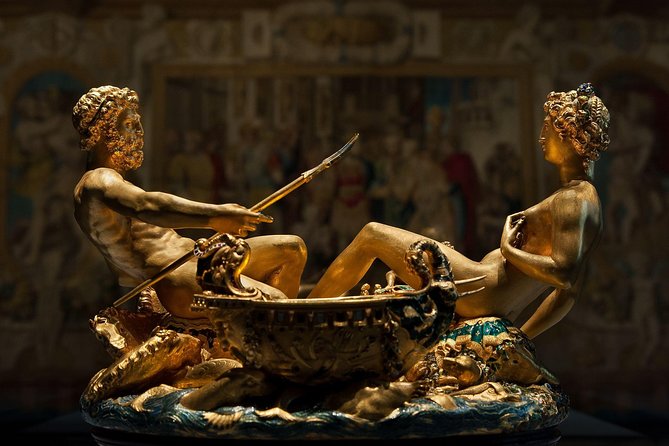
The gold Saliera by Cellini is one of the key objects. It is small compared with a monumental painting, but its precious material and detailed workmanship make it a memorable stop. The guide helps you understand why a court collection included objects that were rare, costly, and sometimes more curious than useful.
The Madonna of Krumau adds another kind of interest. Its medieval form gives you a chance to see how religious sculpture differs from the later paintings in the Picture Gallery. This pairing of paintings and objects keeps the tour from feeling like two hours of standing in front of canvases.
I particularly like this part for first-time art museum visitors. You do not need a specialist background to respond to an object made from gold or a striking medieval sculpture. The guide can supply the context, then you can decide what catches your eye.
More museums and galleries in Vienna:
- Vienna: Skip-the-Line Sisi Museum, Hofburg and Gardens Tour
★ 4.8 · 5,918 reviews - Tickets for the Albertina Exhibitions
★ 4.7 · 2,126 reviews - Vienna: Chocolate Workshop in Chocolate Museum w/ Tasting
★ 4.5 · 1,802 reviews - Sigmund Freud Museum Ticket
★ 4.6 · 1,668 reviews
A tour pace that works for families and older visitors
The strongest practical feature is the teaching style. The guides are described as enthusiastic, patient, and able to connect art with biography, history, materials, and technique. One guide included children aged five to nine through questions and activities, without cutting the adult content short.
That matters because the museum can be tiring for young children. A guide who asks them to look for details, compare pictures, or think about how an artwork was made gives them something to do besides follow adults from room to room. Families may also appreciate suggestions for simple art projects to try at home.
The pace has also worked well for older people. One guide allowed time to sit while discussing the art, and several galleries have seats. Still, you should expect to stand and walk through a large historic museum. The activity specifically excludes people with walking disabilities and wheelchair users, so check carefully before booking.
If you want every explanation delivered while standing directly in front of a work, you may find the time demanding. Do not hesitate to use the available seating when possible. You will absorb more if your feet are comfortable.
What your admission allows after the guided portion
The guided route is only an introduction to the building. Once the scheduled visit ends, you can remain in the museum and continue through the permanent collections. This is a major value point because the Kunsthistorisches contains much more than the two featured areas.
You can use the remaining time for the ancient Greek, Roman, and Egyptian collections. These galleries give the day a broader chronological sweep, moving you away from the European painting that dominates the tour. If ancient art matters to you, reserve energy for this independent portion rather than treating the guided visit as the entire museum experience.
The tour also gives you a layout before you explore alone. You learn where the main areas are and which works deserve a second look. I would keep a short list of personal priorities during the tour, then return to those rooms afterward while the guide’s comments are still fresh.
Temporary exhibitions are not included. If a special exhibition is important to you, budget separately and confirm its entry requirements. The included admission covers the tour and the museum collections described here, not every possible exhibition.
Photography without flash is permitted. That lets you record details for later study, but be considerate of other people and avoid letting your camera distract you from the original work.
Is the $119.09 price good value?
At $119.09 per person, this is not a casual walk-in museum visit. The price includes museum admission, an English-speaking professional guide, priority entry, and two to two and a half hours of focused instruction. The group remains capped at 15, and group discounts may help if you are booking for several people.
The value depends on what you want from the museum. If you only plan to see one or two paintings and leave, a guided visit may cost more than you need. If you want to understand why the works matter, avoid wasting time finding the main galleries, and stay afterward for independent viewing, the package makes more sense.
The guide is the part you are really paying for. Past guides such as Dieter, Cornelia, and Brenda have been praised for warmth, strong subject knowledge, clear delivery, and the ability to answer questions. Those qualities matter in a museum this large. A good explanation can turn a familiar masterpiece into a more personal experience.
Gratuities are not included and are optional. There is no hotel transportation, so you must reach the meeting point yourself.
Practical details before you book
Wear shoes that will remain comfortable through a large museum and a couple of hours of walking. The tour is not suitable for people with walking disabilities or wheelchair users, and this limitation should guide your decision more than the high rating.
Plan for the cloakroom. Umbrellas, backpacks, and rain coats must be left there and cannot be taken into the museum. Travel light if you can, and avoid arriving with a large bag that may slow you down.
The activity requires a minimum number of participants. If that minimum is not reached and the tour is canceled, you will be offered another date or experience, or a full refund. You can cancel for a full refund up to 24 hours before the local start time. Changes or cancellations made less than 24 hours before the start are not accepted.
The overall rating is 4.9 from 14 ratings, with every rating recommending the activity. That is a small sample, so I would treat it as encouraging rather than absolute proof. The consistent praise focuses on the guides, especially their enthusiasm, patience, historical context, and ability to keep the two-hour visit moving.
Who should book this museum tour?
I would recommend it to first-time visitors who want a firm introduction to Vienna’s major art museum. It also suits couples, families with older children, and anyone who wants to see Bruegel and Vermeer without spending the first hour working out the building’s layout.
It is a good choice if you enjoy asking questions. The small group gives you a better chance to interact with the guide, and the best part of the experience appears to be the human explanation around the objects.
You may prefer a private guide if your group has a narrow focus, needs a custom pace, or wants a more personal visit. You may prefer to go alone if you already know the collection well, want to spend a long time with one painting, or dislike a fixed start time.
Should you book the Kunsthistorisches Museum guided tour?
Book it if you want the museum’s essential works placed in context, especially Bruegel’s Tower of Babel, Vermeer’s The Art of Painting, and the Kunstkammer’s unusual treasures. The priority entry and small group help, while the freedom to remain afterward gives you time to explore beyond the guided route.
Think twice if $119.09 feels high for a museum visit, if temporary exhibitions are your main goal, or if walking for two hours is difficult. For most first-time art lovers with limited time in Vienna, though, this is a practical way to make sense of an enormous collection and leave with a useful plan for the rest of the building.
FAQ
Where does the tour begin?
The tour begins at Maria-Theresien-Platz 1, 1010 Vienna, Austria.
What time does the tour start?
The scheduled start time is 10:15 am.
How long does the experience last?
The guided experience lasts approximately two hours to two and a half hours.
Is museum admission included?
Yes. Entrance fees for the included museum visit are part of the tour price.
What language is the tour offered in?
The tour is offered in English.
How many people can join the group?
The group has a maximum of 15 participants.
Can I stay at the museum after the tour?
Yes. After the guided portion, you can remain at the museum and explore the other permanent collections, including ancient Greek, Roman, and Egyptian art.
Just added around Vienna
- Vienna: UNESCO Schönbrunn Palace Guided Tour with Entry★ 4.5 · 94 reviews
- World War II History Vienna Old Town Private Walking Tour★ 4.8 · 9 reviews
- Vienna: Winery and Wine Tasting Tour with a Wine Expert★ 5.0 · 5 reviews
- Vienna: Wine Tasting Tour★ 4.8 · 61 reviews
- Vienna: Wine Tasting E-Bike Tour★ 4.9 · 46 reviews
- Vienna: Wine Tasting at Schönbrunn Palace★ 4.3 · 71 reviews
- Vienna: Concert by the Vienna Baroque Orchestra★ 4.6 · 56 reviews
- Vienna: Wachau Valley Private Kayak and Wine Tour★ 5.0 · 3 reviews
Kunsthistorisches Museum Tickets, compared.
Vienna Kunsthistorisches Museum Day Admission Ticket
Read our review →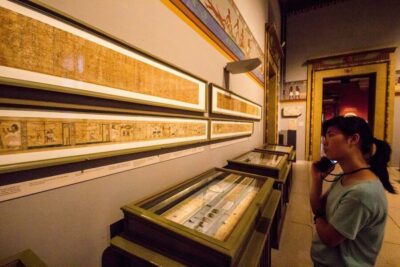
Combo Ticket: Kunsthistorisches Museum & Imperial Treasury
Read our review →
Skip the Line: Kunsthistorisches Museum Vienna Entrance Ticket
Read our review →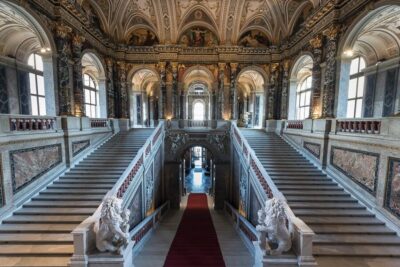
Kunsthistorisches and Leopold Museum Combo Ticket
Read our review →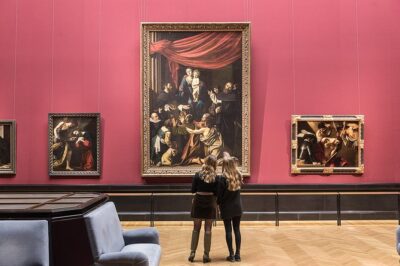
Kunsthistorisches Museum Vienna and Imperial Treasury of Vienna
Read our review →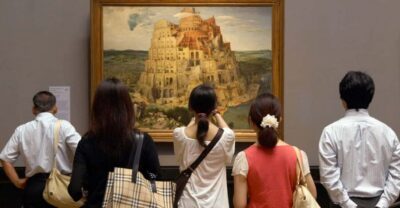
Kunsthistorisches Museum Guided Tour incl. admission
Read our review →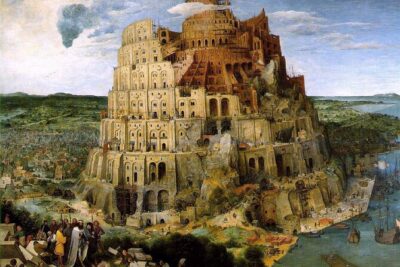
Private Tour of the Kunsthistorisches Museum: Secrets of Masterpieces | Tickets included
Read our review →
Private Tour of the Picture Gallery of the Fine Arts Museum VIenna (Kunsthistorisches Museum) with an Art Historian
Read our review →Browse the lists this tour appears in