
Reviewed · KUNSTHISTORISCHES MUSEUM TICKETS
Vienna: Kunsthistorisches Museum Guided Tour incl. admission
Vienna’s Kunsthistorisches Museum saves its best surprises for anyone willing to look past the grand entrance. Inside, you move from paintings by Vermeer, Breughel, Raphael, and Caravaggio to the odd, glittering treasures of the Habsburg collection. I like the small group limit of 15 and the way a good guide turns famous pictures into readable stories. I also like that your ticket lets you stay after the tour and continue at your own pace.
The main consideration is time. At 135 minutes, this is a focused introduction, not a complete museum visit. You will see two major sections, but you will need extra time afterward for the ancient Greek, Roman, and Egyptian displays. The price is also substantial at $116 per person, so this makes the most sense if you want expert guidance rather than simply entering on your own.
Key points to know before booking
- Two important sections in 135 minutes: Focus on the picture gallery and the Kunstkammer, then continue independently if you have time.
- Small groups capped at 15: The format allows you to hear the guide clearly and ask questions without dealing with a large crowd.
- Major old masters: The route generally includes Vermeer, Breughel, Caravaggio, Raphael, Rembrandt, Rubens, and Dürer.
- Rare Habsburg objects: Cellini’s golden Saliera and the Madonna of Krumau add a very different flavor to the visit.
- English-speaking Austria Guide: Guides including Dieter, Cornelia, Achim, Brenda, and Tolga have led this experience.
- Stay after the tour: Your admission covers the museum, though temporary exhibitions are not included.
Why this museum deserves your morning
The Kunsthistorisches Museum is not a quick stop for one famous painting. It grew from the collections of the Habsburg rulers, and that origin explains the museum’s unusual range. You are not only looking at paintings chosen for a modern art museum. You are seeing the results of centuries of royal collecting, with fine art, decorative objects, sculpture, and ancient pieces gathered under one roof.
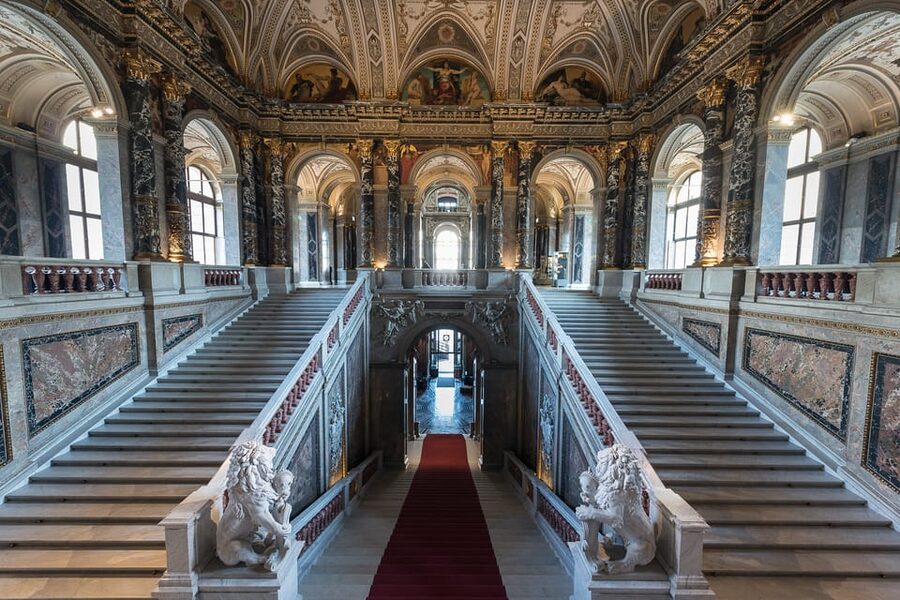
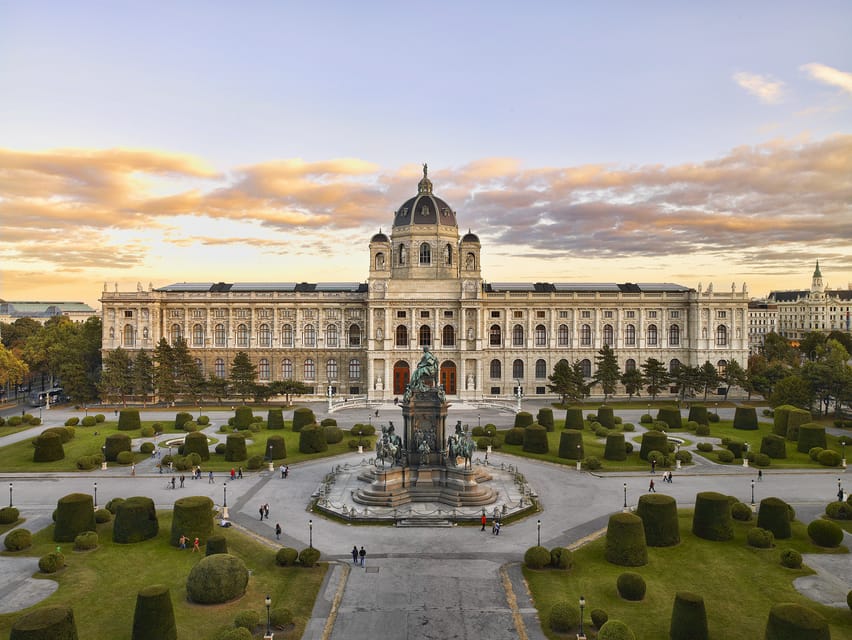
The building itself prepares you for the visit. Its grand scale and formal design fit the former imperial collection. That can make the first few minutes feel a bit imposing, especially if you are trying to find the meeting point while other people are heading toward the entrance.
A guided visit helps you get oriented fast. Instead of wandering from room to room and wondering which works deserve your limited time, you follow a clear route through the museum’s picture gallery and Kunstkammer. The guide gives you a framework for looking, which matters in a museum filled with important works.
I would not book this tour only because it includes skip-the-line entry. The real value is the explanation. A famous painting can be impressive at first glance, but a good guide points out the details, connects the work to its period, and helps you understand why it belongs in this particular museum.
More Kunsthistorisches visits:
- Vienna Kunsthistorisches Museum Day Admission Ticket
★ 4.6 · 3,690 reviews - Combo Ticket: Kunsthistorisches Museum & Imperial Treasury
★ 4.7 · 785 reviews - Skip the Line: Kunsthistorisches Museum Vienna Entrance Ticket
★ 4.5 · 466 reviews
Meeting your Austria Guide at Maria-Theresien-Platz
The meeting point is outside the Kunsthistorisches Museum at Maria-Theresien-Platz, in central Vienna. Go to the right end of the stairs leading up to the entrance, beside the group ticket counter marked Container 2.
Look for the guide wearing a red-white-red badge marked Austria Guide. Arrive at least 15 minutes early. That buffer is useful because the museum entrance, stairs, security arrangements, and cloakroom can take a little attention before the tour begins.
You will need to leave umbrellas, backpacks, and raincoats in the cloakroom. Plan your belongings accordingly. Photos are allowed inside, but flash photography is not. Anyone aged 0 to 18 must carry valid photo identification for the security check.
There is no hotel pickup or drop-off. You make your own way to the museum, so check the location before booking and allow time to arrive without rushing. This is a city-center museum visit, not a door-to-door excursion.
The picture gallery, from Breughel to Vermeer
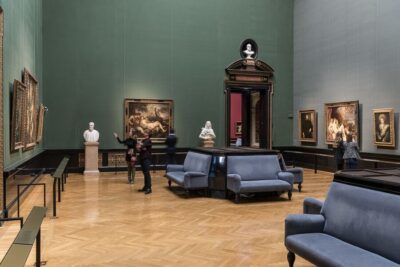
The first major section is the museum’s picture gallery, where the focus is on old master painting. This is the part most people expect when they hear the name Kunsthistorisches Museum, and it delivers a strong lineup.
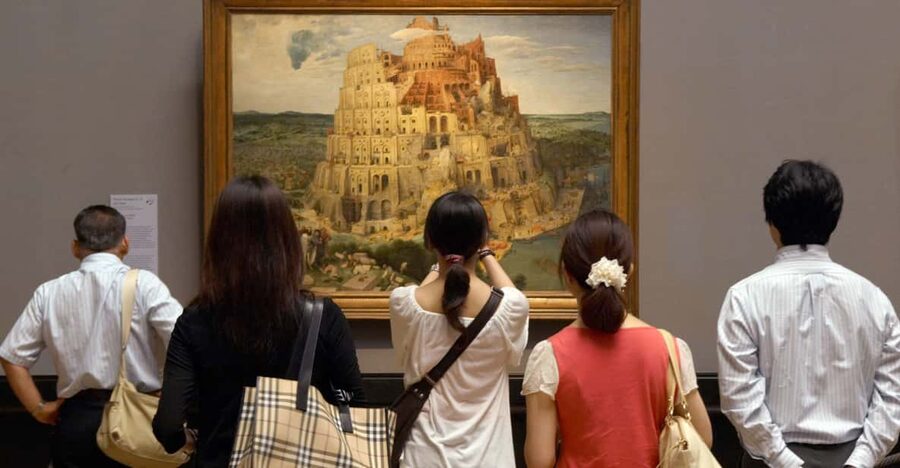
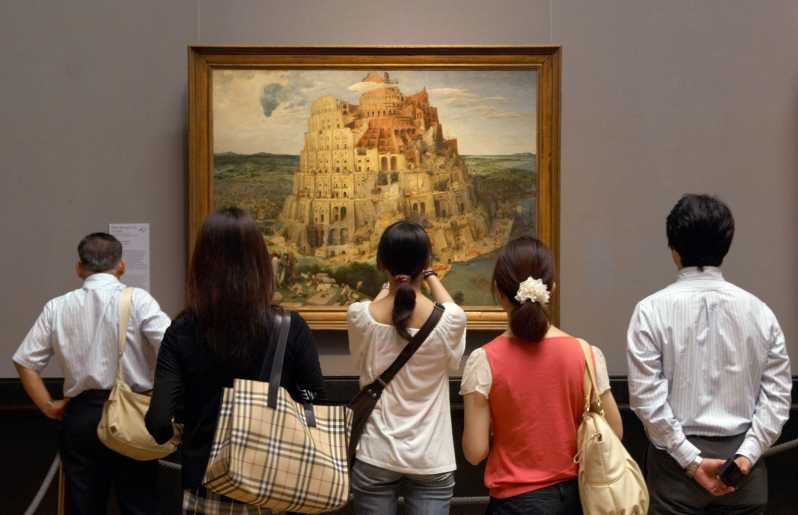
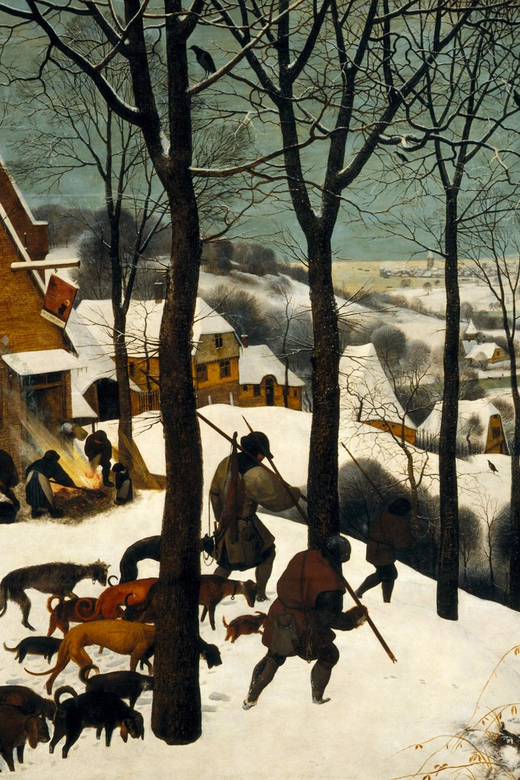
Peter Breughel the Elder’s Tower of Babel is one of the central sights. The painting rewards patient looking because its crowded scene contains far more activity than you can absorb in a few seconds. A guide can help you read the structure, the tiny figures, and the story being built across the picture.
Vermeer’s The Art of Painting gives you a completely different experience. Vermeer’s quiet interior scenes can look simple from a distance, but the arrangement of light, objects, and human presence is carefully controlled. Your guide can slow you down and show why this apparently calm room has such power.
The route generally includes works by several major names:
- Assumption by Peter Paul Rubens
- Caravaggio’s Crowning with the Thorns
- Albrecht Dürer’s Avarice
- Raphael’s Madonna of the Meadow
- Rembrandt’s Self Portrait
These works cover different moods and methods. Rubens brings movement and theatrical force. Caravaggio uses sharp light and physical drama. Dürer offers close observation and moral detail. Raphael gives you balance and grace, while Rembrandt turns attention inward through the face and expression.
The exact selection can change. Paintings may be on loan, under restoration, or temporarily unavailable, so do not treat every listed work as guaranteed. Still, the museum has enough depth that a missing picture does not ruin the visit.
The best guides do not try to lecture on every artist in equal detail. Dieter, who has led this tour, has been praised for choosing examples that explain the museum well without overloading the route. Tolga has also been singled out for making his choices entertaining as well as educational. That balance is important. You want context, not a two-hour recital of dates.
Why the Kunstkammer changes the pace
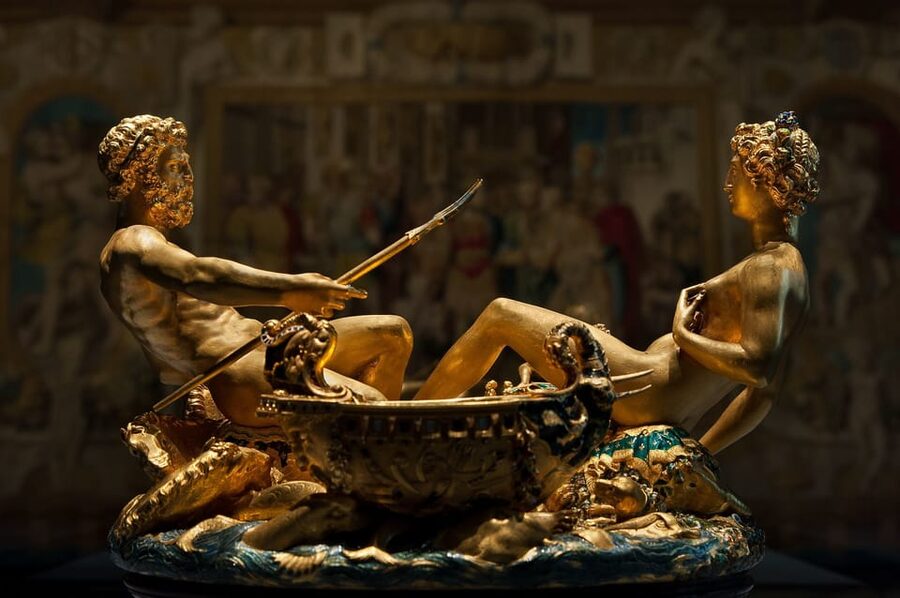
The second major section is the Kunstkammer, and this is where the visit becomes less predictable. If the picture gallery is about famous painters, the Kunstkammer is about objects that display technical skill, unusual materials, courtly taste, and sometimes sheer extravagance.
Cellini’s golden Saliera is the star object. It is a salt cellar made of gold, but calling it a salt cellar does not prepare you for the level of care given to such a small court object. It shows how the Habsburg collections valued craftsmanship and display as much as large-scale painting.
The Madonna of Krumau offers another change in scale and feeling. Moving between a monumental painting gallery and smaller, highly crafted objects helps you understand that the museum is not simply a collection of pictures. It is a record of how rulers wanted to see, own, and present art.
I especially like this part for people who think they are not museum specialists. A room of famous paintings can feel intimidating. Unusual objects give you an easier way in. You can ask practical questions about materials, use, size, and workmanship, then connect those details to the wider culture of the Habsburg court.
Achim, one of the guides who has led the tour, is an artist himself. His background can add a useful angle when discussing how an object or painting was made. Other guides, including Cornelia and Brenda, bring a more story-driven approach, mixing clear explanations with humor and memorable details.
Because the group is capped at 15, you have a reasonable chance to ask about an object that catches your eye. The smaller the group on your date, the more flexible the conversation may be. Some departures have had only one or two people, but you should not book on the assumption that you will receive a private tour.
More museums and galleries in Vienna:
- Vienna: Skip-the-Line Sisi Museum, Hofburg and Gardens Tour
★ 4.8 · 5,918 reviews - Tickets for the Albertina Exhibitions
★ 4.7 · 2,126 reviews - Vienna: Chocolate Workshop in Chocolate Museum w/ Tasting
★ 4.5 · 1,802 reviews - Sigmund Freud Museum Ticket
★ 4.6 · 1,668 reviews
What 135 minutes really gives you
The advertised duration is 135 minutes, or two hours and 15 minutes. That is enough for a well-chosen introduction to the picture gallery and Kunstkammer. It is not enough to inspect every room, read every label, or cover the full museum.
This time limit is actually helpful for many people. Vienna has plenty of museums, palaces, churches, and cafés competing for your attention. A strong two-hour route gives you the museum’s main ideas without consuming the whole day.
You should expect to spend most of the tour standing and walking through galleries. The experience is not suitable for wheelchair users or people with mobility impairments, according to the provided conditions. If standing for this length of time is difficult, a self-paced visit may not solve every problem, but it would give you more control over breaks.
The guides appear to be strongest when they can shape the route around the group. Alona’s small departure was adjusted to suit specific interests, while another participant received a timeline connecting the art to events around the Alps. That kind of flexibility depends on group size and the guide, but it shows why arriving ready with one or two questions can improve the experience.
Do not hesitate to say what you want to understand better. You might prefer painting technique, royal collecting, religious imagery, or the strange objects in the Kunstkammer. A good guide can often adjust emphasis even when the route remains fixed.
Staying on for ancient art after the tour
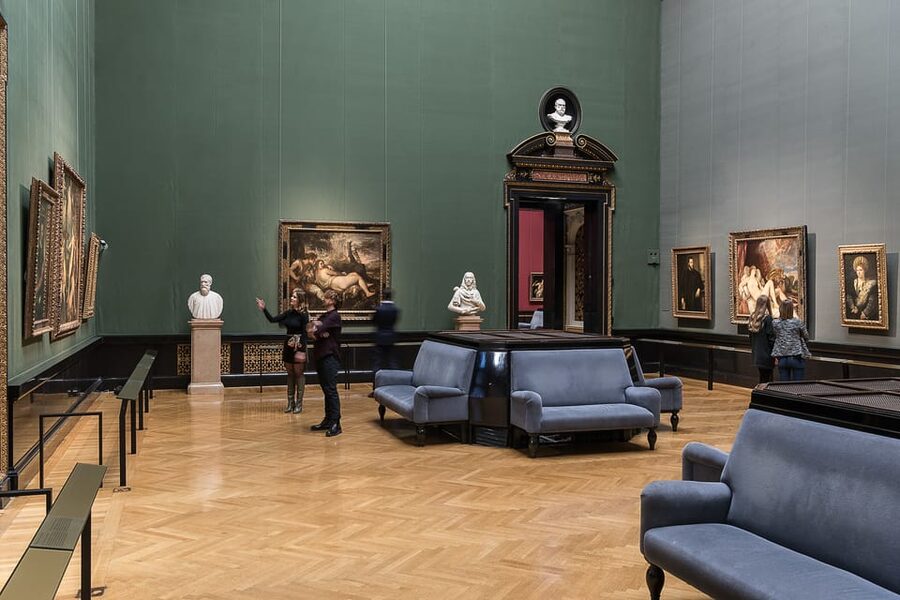
When the guided portion ends, you can remain in the museum and explore the other collections on your own. This is one of the better practical features of the experience because you do not have to choose between a guided introduction and independent browsing.
The ancient Greek, Roman, and Egyptian sections are especially useful if you want a wider view of the Habsburg collection. They also give you a different visual rhythm after the concentrated old master route.
I recommend deciding before the tour whether you want to stay. If you do, allow time for a break, because 135 minutes of close looking can be tiring. You may also want to revisit one or two paintings without a guide speaking beside you. The first explanation gives you a starting point, while a second look lets you notice your own details.
Temporary exhibitions are not included. If one is on your must-see list, check its admission arrangements separately rather than assuming the general museum ticket covers it.
Is $116 a fair price?
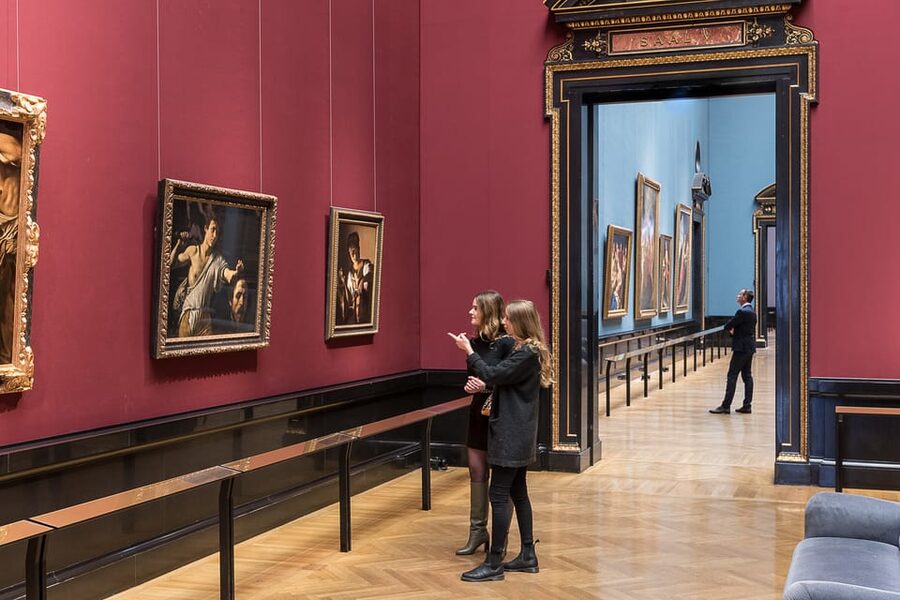
At $116 per person, this is not a budget museum entry. You are paying for admission, skip-the-line access, and a professional English-speaking guide in a group of no more than 15. The question is how much structure and interpretation you want.
For someone who already knows the museum, reads art history, or enjoys wandering alone, the price may be hard to justify. You could prefer a standard museum visit and spend as long as you like with individual works.
For a first visit, the calculation changes. The Kunsthistorisches Museum is large and full of high-value works. A guide can prevent you from missing the central pieces, explain how the galleries fit together, and make the odd objects of the Kunstkammer easier to appreciate. That can be worth paying for, especially if your time in Vienna is short.
The strongest value comes when you stay afterward. Treat the tour as the guided core of a longer museum visit, not as your entire museum experience. If you leave as soon as the tour finishes, you will get less from the admission than you could.
The small group also matters. Fifteen is not private, but it is far more manageable than a large coach group. You can hear the explanation, see the same painting at close range, and ask a question without stopping an entire crowd.
Which guide style may suit you
The provider uses different Austria Guides, so you cannot select a specific person from the information available. Names associated with this experience include Dieter, Cornelia, Achim, Brenda, and Tolga.
Dieter has a background in history and art-related subjects, with particular strength in explaining both the works and the museum’s wider setting. Cornelia has been described as energetic and thorough, a good match if you enjoy a lively presentation. Achim brings the perspective of a practicing artist.
Brenda combines humor with clear answers, while Tolga is known for making his choices entertaining as well as informative. These differences are useful to keep in mind, but the guide assigned to your date may be someone else.
What you can reasonably expect is a live English tour led by an Austria Guide, not an audio recording or a fixed script with no room for questions. The quality of the visit depends heavily on the individual guide, yet the repeated praise for clear explanations and thoughtful artwork choices makes the guided format a strong reason to consider booking.
Practical details that can change your experience
Book with the museum’s layout in mind. The meeting point is outside, at the right end of the entrance stairs, not inside a gallery. Arriving 15 minutes early gives you time to find the guide and deal with security.
Bring as little as possible. Umbrellas, backpacks, and raincoats must go into the cloakroom. You can take photos without flash, but keep your camera use considerate during the explanation.
The tour is offered in English, and a minimum of four participants is required for it to operate. If that minimum is not reached, you will be offered another date or a full refund.
Cancellation is flexible up to 24 hours before the start time, and you can reserve now while paying later. Those terms help if your Vienna plans are still changing, but the main decision remains whether you value a guided introduction enough to pay the premium.
Should you book the Kunsthistorisches Museum tour?
Book it if you want the major paintings explained rather than simply photographed, especially if this is your first visit to the museum. It is also a good choice if you have about half a day, want to see the Kunstkammer, and prefer a compact route led by a real person.
I would be more cautious if you need wheelchair access, dislike fixed walking routes, or want to spend an hour with one painting. Independent entry will give you more control. The $116 price is easiest to defend when you use the guided route as a starting point and continue into the museum afterward.
For most art lovers with limited time in Vienna, I would book it. The combination of Breughel, Vermeer, Caravaggio, Raphael, and the golden Saliera gives you both famous masterpieces and stranger discoveries. Just arrive early, carry little, and leave room in your schedule to keep exploring after the guide says goodbye.
FAQ
How long does the Kunsthistorisches Museum guided tour last?
The tour lasts 135 minutes, or two hours and 15 minutes.
What language is the tour offered in?
The live guided tour is offered in English.
How large is the tour group?
The group is limited to a maximum of 15 people. Smaller groups, including private-feeling departures, may occur, but they are not guaranteed.
Where do I meet the guide?
Meet outside the Kunsthistorisches Museum at the right end of the stairs leading to the entrance, beside the group ticket counter marked Container 2. The guide wears a red-white-red Austria Guide badge.
What should I bring to the meeting point?
Arrive at least 15 minutes before the start time. Anyone aged 0 to 18 must bring valid photo identification for the security check. Umbrellas, backpacks, and raincoats must be left in the cloakroom.
Can I take photos inside the museum?
Yes. Photography is permitted without flash.
Are temporary exhibitions included?
No. The tour includes museum admission, but temporary exhibitions are not included.
Just added around Vienna
- Vienna: UNESCO Schönbrunn Palace Guided Tour with Entry★ 4.5 · 94 reviews
- World War II History Vienna Old Town Private Walking Tour★ 4.8 · 9 reviews
- Vienna: Winery and Wine Tasting Tour with a Wine Expert★ 5.0 · 5 reviews
- Vienna: Wine Tasting E-Bike Tour★ 4.9 · 46 reviews
- Vienna: Wine Tasting at Schönbrunn Palace★ 4.3 · 71 reviews
- Vienna: Wine Tasting Tour★ 4.8 · 61 reviews
- Vienna: Wachau Valley Private Kayak and Wine Tour★ 5.0 · 3 reviews
- Vienna: Wiener Schnitzel and Strudel Cooking Class★ 4.9 · 126 reviews
Kunsthistorisches Museum Tickets, compared.
Vienna Kunsthistorisches Museum Day Admission Ticket
Read our review →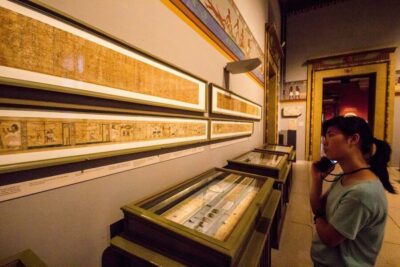
Combo Ticket: Kunsthistorisches Museum & Imperial Treasury
Read our review →
Skip the Line: Kunsthistorisches Museum Vienna Entrance Ticket
Read our review →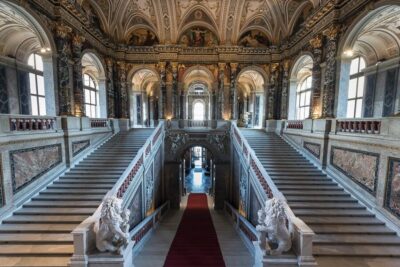
Kunsthistorisches and Leopold Museum Combo Ticket
Read our review →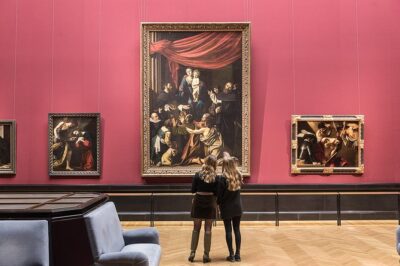
Kunsthistorisches Museum Vienna and Imperial Treasury of Vienna
Read our review →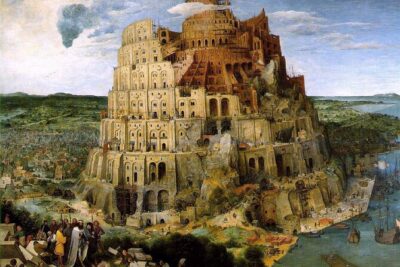
Private Tour of the Kunsthistorisches Museum: Secrets of Masterpieces | Tickets included
Read our review →
Kunsthistorisches Museum Wien Guided Tour including admission
Read our review →
Private Tour of the Picture Gallery of the Fine Arts Museum VIenna (Kunsthistorisches Museum) with an Art Historian
Read our review →Browse the lists this tour appears in