
Reviewed · MUSEUMS
MAK – Museum of Applied Arts, Vienna, Ticket
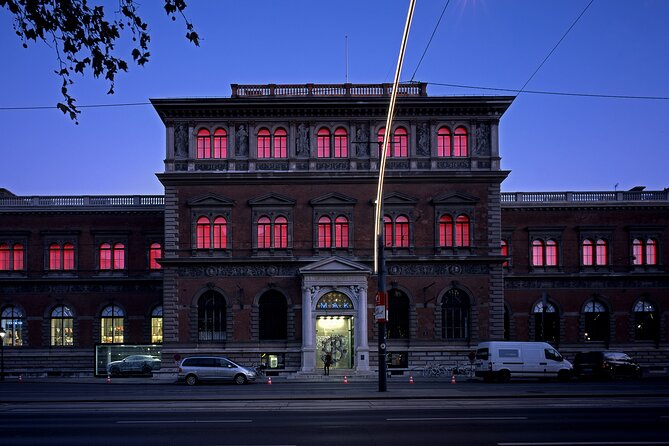
The most interesting thing about the MAK is its range. In one grand Ringstraße building, you move from medieval artwork to modern design, fashion, architecture, and the cultural shock of Vienna 1900. This is not a museum built around one artist or one tidy period.
I like the beautiful exhibition spaces, each shaped by contemporary artists, and I like the freedom to see both the permanent collection and temporary shows with one ticket. The Klimpt works are a strong reason to come, while the free digital guide helps you make sense of a collection that can otherwise feel broad.
The main drawback is focus. Some rooms may grab you, while others may feel less rewarding, especially if you prefer a traditional art museum or a collection with a clear story from start to finish. The skip-the-line feature may also be more useful on busy days than on a quiet weekday.
Key points to know before visiting
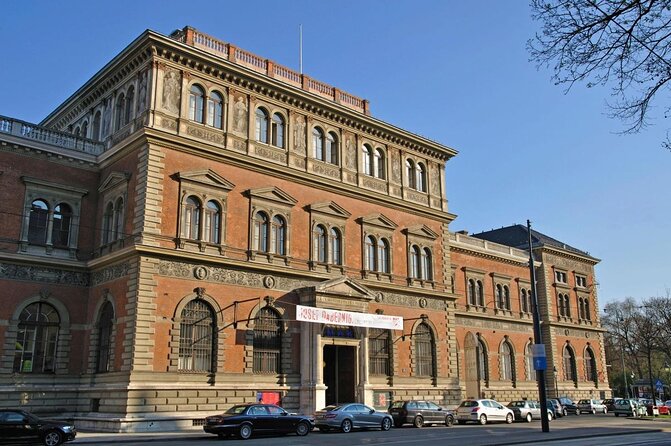
- Five centuries under one roof: See applied art, design, fashion, and architecture from the Middle Ages to today.
- Vienna 1900 gets special attention: The museum helps explain the artistic and cultural changes that shaped modern Vienna.
- Klimpt works are part of the permanent display: They can make the visit worthwhile even if some other sections do not appeal to you.
- Temporary exhibitions are included: Your ticket covers the permanent collections and current special shows.
- Plan on one to two hours: You can make a quick visit, but the building and broad collection reward a slower pace.
- Children under 19 enter free: The ticket also includes a cloakroom, WiFi, and a digital MAK Guide.
Why the MAK feels different from Vienna’s usual art museums
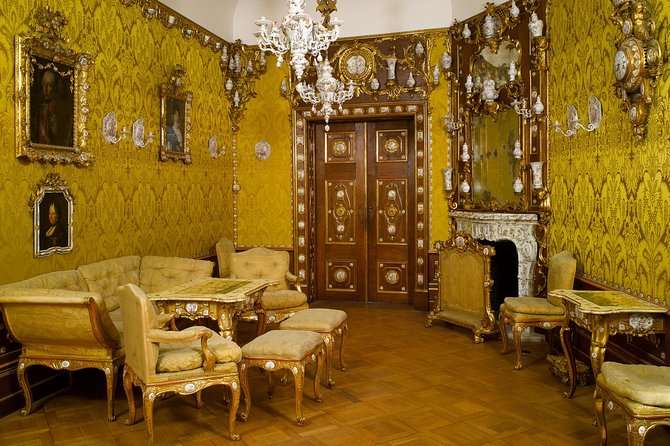
The MAK, or Museum of Applied Arts, asks you to look at art through everyday objects and design. That changes the way you move through the building. You are not simply following a line of paintings by famous artists. You are looking at how people shaped furniture, textiles, ceramics, architecture, fashion, and decorative objects across time.
That broad approach is the museum’s greatest strength and its chief challenge. If you enjoy crossing between art and design, you will find plenty to hold your attention. If you want a tightly organized collection of major paintings, the MAK may feel scattered.
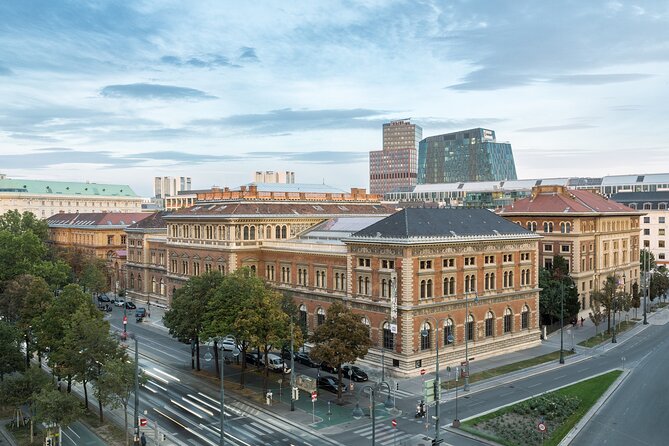
The building itself is part of the experience. It sits on Vienna’s Ringstraße, the grand boulevard associated with the city’s imperial era, and its spacious rooms have been redesigned by contemporary artists. The setting gives older objects a modern frame rather than placing them in a dusty historical display.
I would allow at least an hour for a brisk visit. Two hours is better if you want to use the digital guide, read the displays, and spend time with the Vienna 1900 material and temporary exhibitions.
More museums and galleries in Vienna:
- Vienna: Skip-the-Line Sisi Museum, Hofburg and Gardens Tour
★ 4.8 · 5,918 reviews - Vienna Kunsthistorisches Museum Day Admission Ticket
★ 4.6 · 3,690 reviews - Tickets for the Albertina Exhibitions
★ 4.7 · 2,126 reviews
Five centuries of art, design, fashion, and architecture
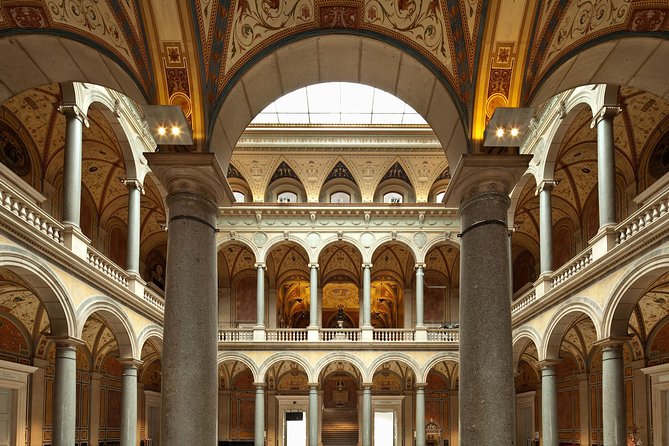
The permanent collection reaches from the Middle Ages to the present. That means you can expect a changing rhythm as you walk through the rooms. Older decorative works lead into later furniture, design, and objects shaped by industrial and modern ideas.
The appeal is not only in individual masterpieces. It is in seeing how styles change over time. A piece of furniture or a textile can reveal as much about an era as a painting, especially when you pay attention to materials, patterns, shape, and use.
The MAK is a good choice if you like asking practical questions about art. How was an object made? Who used it? Was it meant to show wealth, improve daily life, or break with older styles? The museum gives you room to make those connections without forcing every object into a narrow category.
The tradeoff is that not every room will feel equally strong. The collection is broad, and the quality or appeal may vary depending on your taste. One person may linger over historic objects, while another may move quickly to the modern design sections.
Vienna 1900 and the cultural shift toward modern life
The Vienna 1900 theme gives the museum a useful center of gravity. Around the turn of the 20th century, Vienna was changing quickly in art, architecture, design, and social life. The MAK helps you see that change through objects rather than only through famous names and landmark buildings.
This period is especially useful for anyone visiting Vienna’s other art museums or historic sites. After seeing grand imperial interiors, the MAK gives you a different view of the city’s identity. Here, design becomes a sign of changing taste and changing ideas about how modern life should look.
You may find the period sections more satisfying if you already have some interest in Art Nouveau, early modern design, or Vienna’s cultural revolution. Even without that background, the displays give you a way to understand why furniture, decorative arts, and architecture mattered so much at the time.
The museum does not depend entirely on Vienna 1900, however. It is one thread in a much larger collection. That makes the visit more varied, but it also means you should not expect every room to develop the period in equal detail.
The building may be the first thing you remember
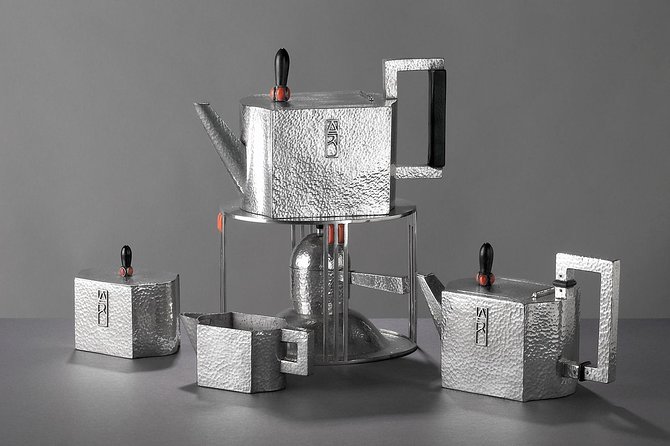
The MAK occupies a magnificent building on the Ringstraße, and the architecture deserves your attention before you begin studying the displays. The spacious rooms give the collection breathing room, while the contemporary exhibition designs add a layer of modern visual thinking.
This is one of those museums where the container matters almost as much as the objects. A quiet pause in a large gallery can be as pleasant as examining a cabinet, textile, or piece of furniture. The design of the rooms keeps the museum from feeling like a simple procession of cases.
That visual freedom also means you should not rush from object to object. Look up, notice the room, and take in how the displays frame the older works. If you have already spent the day visiting dense historic interiors, the MAK can provide a lighter change of pace.
One practical point: the experience is self-guided. There is no named tour guide included, but a free digital MAK Guide is available. You can use it to add context without committing to a fixed group tour.
A few more Vienna days worth a look
- Vienna: Vivaldi’s Four Seasons Concert in Karlskirche
★ 4.7 · 14,951 reviews - Vienna: Spanish Riding School Training
★ 3.9 · 9,281 reviews - Vienna: Skip-the-cashier-desk-line Giant Ferris Wheel Ride
★ 4.5 · 7,859 reviews - Vienna: Schönbrunn Palace & Gardens Skip-the-Line Tour
★ 4.7 · 7,739 reviews
Klimpt works and the permanent collection
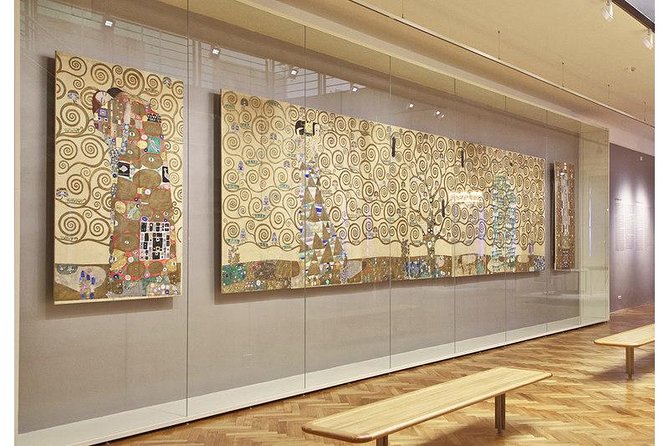
The Klimpt works are among the clearest reasons to include the MAK in a Vienna museum plan. They are part of the permanent display, so you do not need to time your visit around a temporary show to see them.
For many people, these works will be the emotional high point of the visit. They provide a recognizable anchor in a museum that otherwise moves through many forms of art and design. If you have already seen Klimpt elsewhere in Vienna, the MAK still gives you a different setting and a different way to think about the period.
You should keep your expectations measured. The MAK is not presented as a single-artist Klimpt museum, and the collection includes much more than his work. Come for the wider story of applied art and design, with the Klimpt material as an important part of the visit.
This is also where the museum’s mixed response makes sense. Some sections may feel fascinating and informative, while others may seem less successful. The permanent collection offers variety, not a guarantee that every room will be a personal favorite.
Temporary exhibitions add value to the ticket
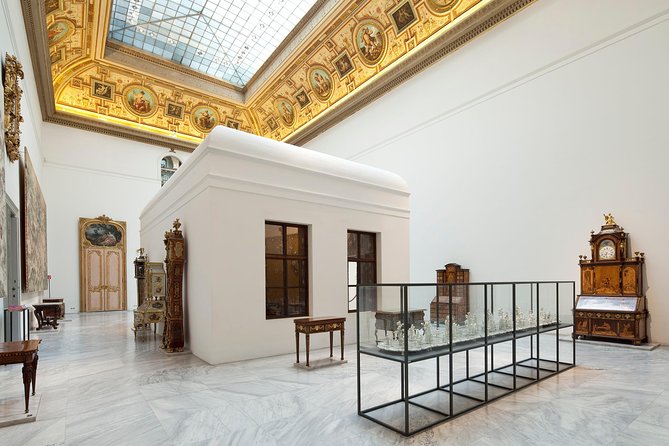
Your admission covers both the permanent collection and all temporary exhibitions running during your visit. This improves the value of the ticket, particularly if a strong special show is on display.
The temporary program covers art, design, fashion, and architecture. These exhibitions respond to 21st-century challenges, so they may feel more current and experimental than the older objects in the permanent collection.
Because temporary shows change, you should check what is scheduled for your date if a particular subject matters to you. The ticket promises entry to the exhibitions available at the time, but the supplied information does not name a specific show or artist.
This flexible format is useful for repeat visits. You can return to the MAK and find a different balance between historic objects and current design. For a first visit, I would check the special exhibition first, then use the permanent collection to fill the remaining time.
Is $21.72 good value for one to two hours?
At $21.72 per person, the ticket is not a bargain-basement museum admission, but it can be good value if you use the full access. You receive entry to the permanent collection and temporary exhibitions, plus the digital guide and the convenience of skip-the-line entry.
The value depends on your interests. If you love design, applied art, fashion, or architecture, you are buying access to a wide field rather than a single narrow display. If you mainly want famous paintings, you may find the price harder to justify.
The included practical extras help. A free cloakroom means you do not have to carry coats through the galleries. Free WiFi is useful for checking the digital guide, and admission is free for children and teenagers under 19.
The skip-the-line feature is another part of the calculation. On a busy day, it can save time and make your entrance easier. On a quiet day, you may find that you could have entered without it. One visit in late April was reportedly uncrowded, so the priority access was more of a guarantee than a necessity.
I would consider the ticket a better buy when you plan to visit a temporary exhibition or expect to spend close to two hours inside. It is less compelling as a quick stop made only to see one famous work.
Timing your visit and getting the most from the rooms
The museum is open Tuesday through Sunday from 10 a.m. to 6 p.m. It is closed on Mondays under the listed schedule, so check your day before making plans.
A morning visit gives you the full opening window and leaves the afternoon for another Vienna sight. A later visit can work if you want a compact museum stop, but you should allow enough time to see more than the entrance rooms.
I would use this simple plan:
- Begin with the temporary exhibition, since its schedule and layout may shape the rest of your visit.
- Move through the Vienna 1900 material while your attention is fresh.
- Find the Klimpt works in the permanent display.
- Use the digital guide for objects that catch your interest.
- Finish with the design and architecture sections rather than rushing through them at the end.
There is no hotel pickup or drop-off, and food and drinks are not included. You are arranging your own way to the museum and your own refreshments. The museum is near public transportation, which keeps the visit easy to fit into a day in central Vienna.
The booking confirmation arrives at the time of booking, and the tickets are held at the MAK for collection on the day. The experience has a maximum of 15 travelers, though the museum visit itself is not described as a guided group tour.
Who should book the MAK?
I would recommend this experience to you if you enjoy seeing how art connects with daily life. It is especially suitable for design fans, architecture students, fashion followers, visitors interested in Vienna 1900, and anyone who wants something different from a standard painting museum.
Families can also get good value because children and teenagers under 19 enter free. The broad mix of objects may give younger visitors more variety than a museum made up only of framed paintings, though the self-guided format means you will need to set your own pace.
The MAK is less suitable if you want a short, tightly edited collection of famous works. It may also disappoint if you expect every gallery to be equally compelling. The museum asks you to choose what interests you rather than presenting one perfectly controlled story.
The building alone makes the visit worthwhile for some people. The permanent Klimpt works, the Vienna 1900 material, and any strong temporary show give you clear reasons to go inside. Just allow enough time to let the collection reveal its range.
Cancellation and practical details
You can cancel for a full refund up to 24 hours before the experience start time. Changes or cancellations made less than 24 hours in advance are not accepted for a refund, and the cut-off follows local Vienna time.
Service animals are allowed, and most people can participate. The museum provides a free cloakroom and WiFi. Since the tickets are held for collection at the MAK on the day, keep your booking confirmation available when you arrive.
Should you book the MAK ticket?
Book it if you want a museum that brings together design, architecture, fashion, historic objects, and modern creative work in one handsome Ringstraße setting. The included temporary exhibitions and permanent Klimpt works make the $21.72 price easier to justify, especially when you have one to two hours available.
Skip it if your Vienna plan already contains several design museums and you prefer a more tightly focused art collection. For most curious visitors, though, the MAK is a worthwhile change of rhythm. Go for the building, the Vienna 1900 material, the Klimpt works, and the chance to see five centuries of creative work without committing to a guided tour.
FAQ
How long should I spend at the MAK?
The expected visit lasts approximately one to two hours. You can make a shorter visit, but allowing closer to two hours gives you time for the permanent collections, temporary exhibitions, and digital MAK Guide.
What does the MAK ticket include?
The ticket includes the permanent collections and all temporary exhibitions available during your visit. It also includes a free digital MAK Guide, cloakroom access, WiFi, and skip-the-line entry.
Are children admitted free?
Yes. Children and teenagers under 19 receive free admission.
When is the MAK open?
The listed opening hours are Tuesday through Sunday, from 10 a.m. to 6 p.m. The schedule applies from January 1, 2025, through December 31, 2026.
Is food or a hotel transfer included?
No. Food and drinks are not included, and the experience does not provide hotel pickup or drop-off.
Can I cancel the ticket for a refund?
Yes. You can receive a full refund if you cancel at least 24 hours before the experience start time. Cancellations or changes made less than 24 hours in advance are not accepted for a refund.
Just added around Vienna
- Vienna: UNESCO Schönbrunn Palace Guided Tour with Entry★ 4.5 · 94 reviews
- World War II History Vienna Old Town Private Walking Tour★ 4.8 · 9 reviews
- Vienna: Winery and Wine Tasting Tour with a Wine Expert★ 5.0 · 5 reviews
- Vienna: Wine Tasting E-Bike Tour★ 4.9 · 46 reviews
- Vienna: Wine Tasting at Schönbrunn Palace★ 4.3 · 71 reviews
- Vienna: Wine Tasting Tour★ 4.8 · 61 reviews
- Vienna: Wachau Valley Private Kayak and Wine Tour★ 5.0 · 3 reviews
- Vienna: Wiener Schnitzel and Strudel Cooking Class★ 4.9 · 126 reviews
Museums, compared.

Skip-the-Line Sisi Museum, Hofburg and Gardens Tour
Read our review →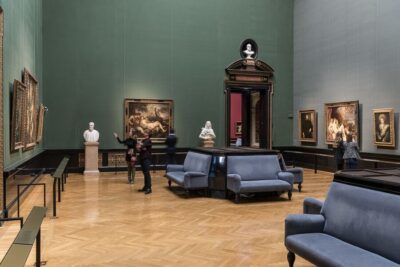
Vienna Kunsthistorisches Museum Day Admission Ticket
Read our review →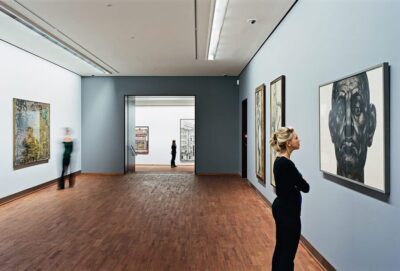

Chocolate Workshop in Chocolate Museum w/ Tasting
Read our review →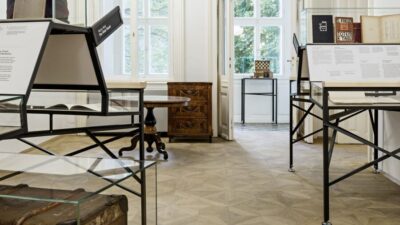
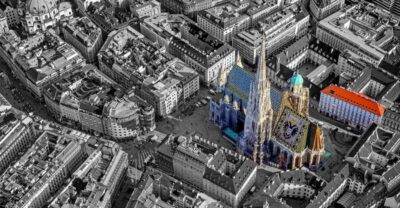
St. Stephen’s Cathedral & Dom Museum Wien Tickets
Read our review →

Browse the lists this tour appears in