
Reviewed · SKIP THE LINE
Skip the Line: Weltmuseum Wien Ticket
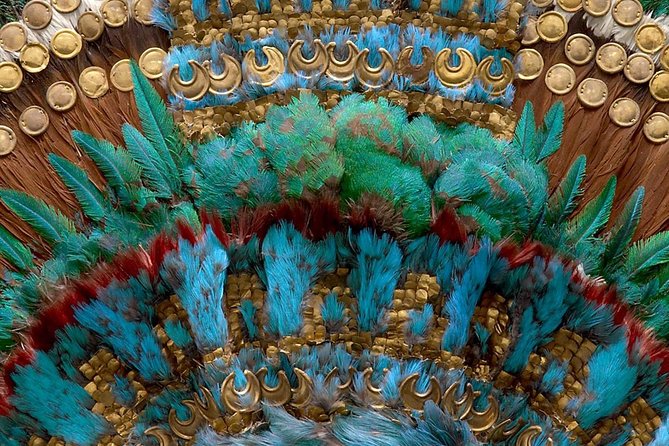
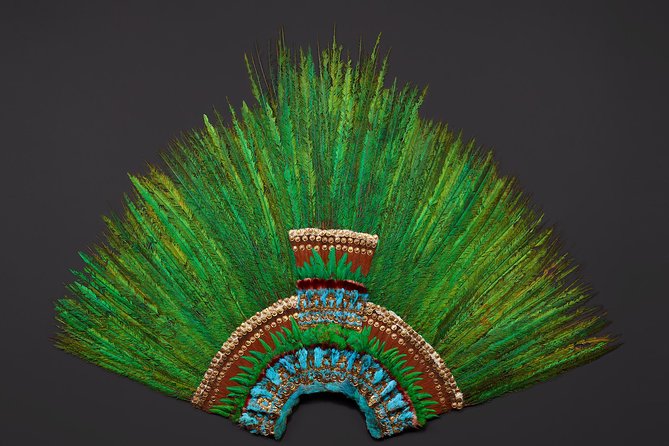
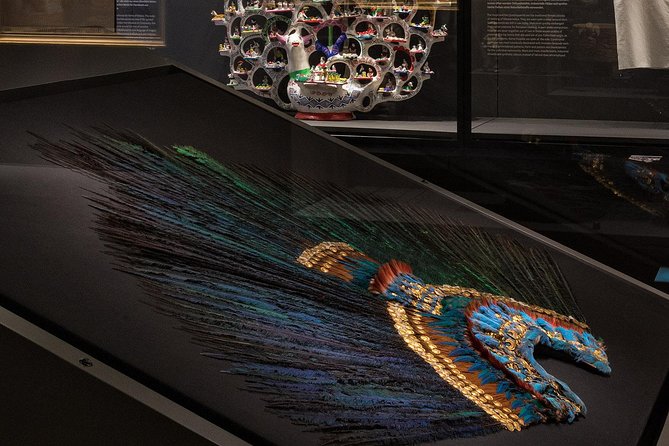
The most striking thing about the Weltmuseum Wien is its setting: this collection of world cultures fills part of Vienna’s Hofburg Palace, once the center of Habsburg court life. Inside, you move through 14 galleries covering objects from across the globe, including the famous Mexican feather headdress known as the Penacho.
I like the freedom to set your own pace and the useful convenience of a mobile ticket. You can linger over a small display, move quickly through a section that interests you less, or give the main museum a focused two-hour visit. The range of cultures and collecting periods also makes this more than a single-country museum.
The main drawback is that the ticket does not include an audio guide, so some displays may take more effort to understand. The museum can also feel dark in places, and captions may be hard to read. A ticket barcode has occasionally failed to scan, although admission was still granted.
Key points to know before you go
- Fourteen galleries in the Hofburg Palace: Expect cultural objects from many parts of the world rather than one long, narrow subject.
- The Penacho is a major highlight: The Mexican feather headdress is among the museum’s best-known objects.
- Two hours is a sensible visit: You can see much of the museum in that time, but not necessarily every display.
- Your phone is your ticket: The mobile admission is designed to help you avoid the regular ticket queue.
- No fixed route or guide: You choose what to see and how long to spend in each gallery.
- The cafe may be worth a stop: It has a limited menu, but the food quality can make it a pleasant break.
Entering a world museum inside the Hofburg
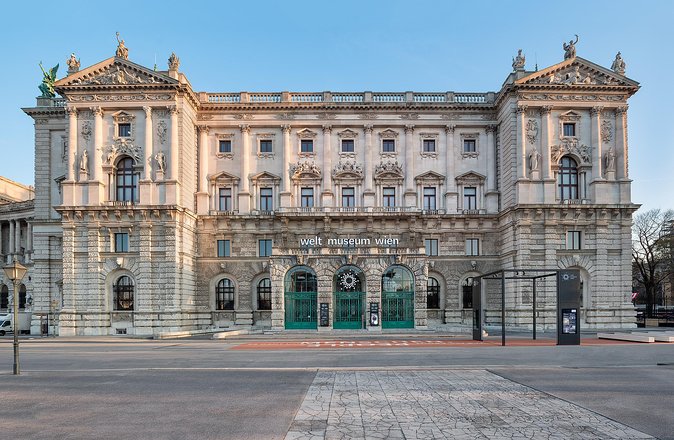
The Weltmuseum Wien occupies an unusual place in Vienna’s museum lineup. You are not entering a modern building designed solely for anthropology. You are entering the Hofburg Palace, the vast former imperial complex along the Ringstrasse, and then meeting objects gathered by Habsburg rulers and collectors over more than 500 years.
That setting gives the visit two layers. The palace connects the collection to imperial power and court life. The objects themselves point far beyond Austria, showing the cultures and daily lives of people from many regions of the world.
I find that combination useful for understanding the museum. You are not simply looking at attractive objects in glass cases. You are also seeing how European rulers collected, classified, and displayed material from distant places. The museum presents those collections as cultural stories and ways of life, not just as decoration.
Your ticket gives you admission without a fixed itinerary. That matters because the museum covers a lot of ground in a relatively compact visit. You can begin with the displays that interest you most, then decide how much time you have left for the rest.
More skip-the-line tickets in Vienna:
- Vienna: Schönbrunn Palace & Gardens Skip-the-Line Tour
★ 4.7 · 7,739 reviews - Vienna: Skip-the-Line Sisi Museum, Hofburg and Gardens Tour
★ 4.8 · 5,918 reviews - Vienna: Skip-the-Line Schönbrunn Palace & Gardens Tour
★ 4.8 · 5,411 reviews
Fourteen galleries and 500 years of collecting
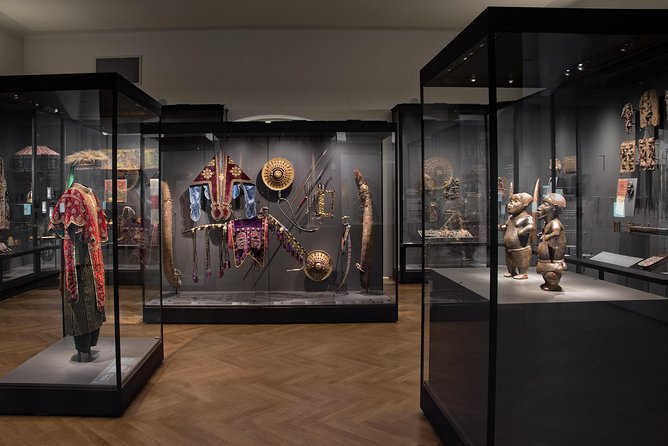
The main museum includes 14 distinct exhibition galleries. Together, they cover cultural treasures collected by the Habsburgs over more than five centuries, along with objects connected to voyages of discovery and 19th-century research.
That span is both the museum’s strength and its challenge. You get a broad look at global cultures, but the range can feel large if you try to examine every object closely. A two-hour visit is a good target for seeing much of the museum without turning the afternoon into a marathon.
I suggest choosing a few themes rather than trying to memorize everything. Look for objects that show how people lived, worked, worshiped, traveled, or expressed power. The museum’s value is not only in its famous pieces. Smaller objects can give you a more direct sense of everyday life and local traditions.
Maps are available to help you get your bearings. That is handy because the collection covers so many regions and historical periods. If you prefer a quick, organized visit, follow the map and keep moving. If one gallery catches your attention, ignore the clock for a while and stay there.
The Penacho and the Mexican displays
The Mexican feather headdress called the Penacho is one of the museum’s signature objects. It is the kind of piece that can shape your visit because it gives you a clear focal point within a very broad collection.
The Mexican material is especially appealing if you want a section with strong historical and visual interest. Allow yourself time to look closely rather than treating the Penacho as a quick photo stop. Its fame may draw you in, but the surrounding displays help place it within a wider cultural setting.
You should also keep your expectations realistic. A museum with objects from all over the world cannot give every region equal space. The Mexican displays may become your favorite section, but other galleries offer a different kind of reward: a wider comparison of customs, materials, beliefs, and artistic choices.
Cabinet of Curiosities and Habsburg collecting
Among the older material are objects connected to the Cabinet of Curiosities of Emperor Rudolf II. This brings you close to the collecting habits of an imperial court, where unusual and rare objects were assembled as signs of learning, power, and access to distant places.
The Habsburg collections are central to the museum’s identity. They show how rulers and scholars tried to make sense of the wider world through objects. You can read the collection as a record of curiosity, but also as a record of unequal power and imperial collecting.
That tension is worth keeping in mind as you walk through the galleries. The museum offers cultural treasures, yet their presence in Vienna is tied to the history of European collecting. Even without an audio guide, you can ask yourself who made each object, who collected it, and how it reached the Hofburg.
A few more Vienna days worth a look
- Vienna: Vivaldi’s Four Seasons Concert in Karlskirche
★ 4.7 · 14,951 reviews - Vienna: Spanish Riding School Training
★ 3.9 · 9,281 reviews - Vienna: Skip-the-cashier-desk-line Giant Ferris Wheel Ride
★ 4.5 · 7,859 reviews - Vienna: Light of Creation Votive Church Immersive Light Show
★ 4.8 · 6,779 reviews
James Cook and voyages of discovery
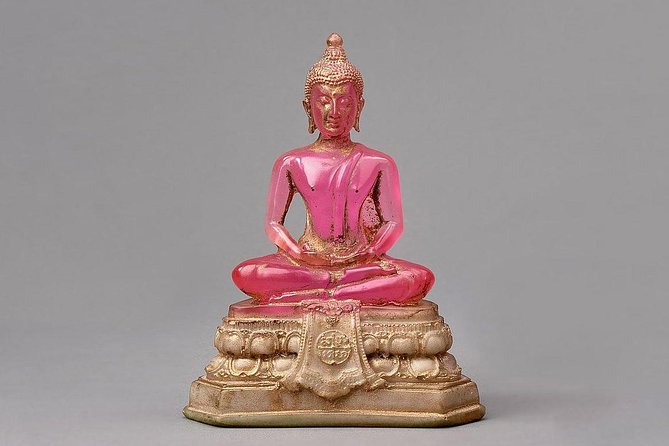
The museum also includes the famous collection associated with James Cook, along with objects from voyages of discovery and research in the 19th century. These sections connect the displays to the era when European expeditions gathered specimens, tools, artworks, and other objects from around the world.
For you, the value is in seeing how exploration changed European ideas about other societies. The objects are not only isolated works. They belong to travel, trade, research, and imperial networks that shaped museum collections across Europe.
This is also where the lack of an audio guide may matter most. Labels can tell you what an object is, but a guide would likely provide more context about the people who made it and the circumstances in which it was collected. If you enjoy reading and making connections for yourself, the displays remain rewarding. If you want a guided story, plan on doing some preparation before you arrive.
The Hall of Columns and two extra collections
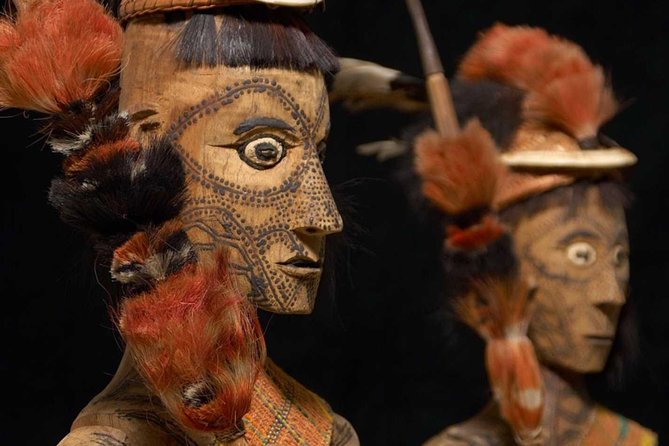
The breathtaking Hall of Columns provides access to two collections connected with the Kunsthistorisches Museum Vienna. These are the Imperial Armoury and the Collection of Historic Musical Instruments.
The Imperial Armoury is a change of mood from the ethnographical galleries. Here you find elaborate suits of armour and decorative weapons connected to chivalric ideals and important court occasions. It is a strong addition if you enjoy military history, craftsmanship, or the public image of European rulers.
The historic musical instruments collection adds another angle. It includes original instruments associated with composers such as Mozart, Haydn, and Beethoven. That makes it especially appealing if music is a major reason you visit Vienna.
The supplied information does not give a separate price or duration for these collections, so treat them as part of the museum visit rather than planning a separate timed attraction. The museum’s core focus remains global cultures, but these adjoining displays broaden the experience and make the Hofburg setting feel more connected to Vienna’s court and artistic life.
Why the self-guided format works
This is an admission ticket, not a guided walking tour. No guide is named, no fixed route is imposed, and no audio guide is included. That makes the experience flexible, but it also puts the responsibility for pacing and context in your hands.
I like that arrangement for a museum this varied. You can spend more time with Mexican objects, move quickly through material that is less familiar, and return to a gallery if you want another look. Families can also find the format easier because adults and children do not have to follow a guide’s exact timing.
The trade-off is that you may miss the connections between displays. Maps help you get started, but they do not replace interpretation. Before entering, decide if you are happy with a quiet, self-guided museum visit or if you need detailed explanation from an expert.
The museum is suitable for most people, and it is near public transportation. The maximum group size is listed as 99, though the ticket does not require you to join a group. In practical terms, you should expect an independent museum visit rather than a small-group tour.
How much time should you allow?
About two hours is a sensible plan for the main collection. That gives you enough time to see a large portion of the museum and pause at major highlights without rushing through every label.
You may need longer if you want to examine most objects carefully, include the Imperial Armoury and musical instruments collection, or take a cafe break. One visitor found two hours about right but still did not see everything. That is a useful warning: the stated duration is an estimate, not a promise that every display can be covered.
A shorter visit can still work if you are near the Hofburg and want one focused museum stop. Start with the Penacho or another section that matters most to you. If you have several museums planned for the same day, two hours here gives you a manageable dose of global culture without taking over your schedule.
Price, convenience, and the skip-the-line question
At $19.25 per person, this ticket is reasonably priced if avoiding a ticket queue matters to you. The main thing you are paying for is admission and convenience, not a private explanation or special behind-the-scenes access.
Advance booking guarantees admission according to the supplied tour details and lets you carry the ticket on your phone. That can be useful during a busy day in Vienna, especially if you want to protect a particular time for the Hofburg area.
Still, you should not assume the skip-the-line feature will always save a long wait. The museum may be quiet when you arrive, and one experience found that an advance ticket was convenient but not essential. If the regular line is short, the financial value of prebooking is smaller.
There is also a practical technical point. A mobile ticket did not scan on one occasion, although entry was still allowed. Keep the ticket ready on your phone and be prepared to show the booking details if the barcode does not work immediately.
Tuesday evening hours and practical planning
The listed opening information gives Tuesday hours of 10:00 a.m. to 9:00 p.m. for both 2025 and 2026. That late Tuesday closing can be useful if you want to visit after another daytime activity.
Because only Tuesday hours are provided here, check the selected date before you go if your visit is planned for another day. The ticket information confirms mobile entry, but it does not include a meeting point, guided departure time, or required route through the museum.
Public transportation is nearby, so the museum can fit naturally into a Hofburg and Ringstrasse sightseeing plan. You do not need to build a separate excursion around it. Allow time to find the correct entrance within the palace complex and to get your phone ticket ready.
The cancellation terms are straightforward: cancel at least 24 hours before the experience start time for a full refund. Changes or cancellations inside that 24-hour window are not accepted for a refund, and the cut-off follows local Vienna time.
Lighting, labels, and the cafe
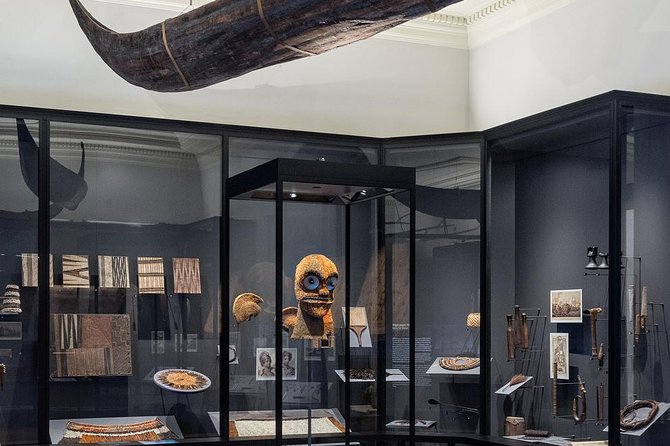
The galleries can be a little dark, and captions may be difficult to read in places. That does not ruin the visit, but it changes how you should approach it. Give your eyes time to adjust, and do not judge a display from a quick glance if the label seems hard to make out.
Since there is no audio guide included, the captions carry much of the explanatory load. If you want the stories behind the objects, read selectively and focus on the displays that interest you most. Trying to read every label can make a broad museum feel tiring.
The cafe is another useful part of the visit. The selection is limited, but the quality can be excellent. It is a sensible place to pause after the galleries, particularly if you are using the museum as a two-hour stop rather than rushing straight back into Vienna sightseeing.
Who will enjoy the Weltmuseum Wien?
I would suggest this ticket to you if you like anthropology, collecting history, material culture, or museums that compare different parts of the world. It also suits families because you control the pace, and the maps make it easier to get started.
Music fans should note the historic instruments collection, while anyone interested in court life may prefer the armoury and the Hofburg setting. The museum offers enough variety that different people in the same group can find their own highlights.
You may want to skip it if you dislike reading labels, want a live guide, or prefer a museum with one tightly defined subject. The absence of an audio guide is the clearest limitation. The dark galleries may also bother you if you need very easy-to-read captions.
Should you book this ticket?
Book it if you want a flexible Hofburg museum visit, like the certainty of advance admission, and expect to spend about two hours among global cultural objects. The $19.25 price is fair when saving time and securing entry matter more than getting a guided experience.
You can probably wait until the day if your schedule is loose and you are visiting during a quiet period. The advance ticket is convenient rather than essential in every situation. For most people, the best reason to book is not a guaranteed long queue. It is the freedom to fit the Weltmuseum into a planned Vienna day with your admission already arranged.
FAQ
Where is the Weltmuseum Wien?
It is in the Hofburg Palace on Vienna’s Ringstrasse.
What does the ticket include?
It includes entrance fees to the museum.
Is an audio guide included?
No. An audio guide is not included.
How long does the visit take?
The experience is approximately two hours.
Do I need to follow a fixed itinerary?
No. You explore the museum at your own pace, with no fixed itinerary.
Can I use a mobile ticket?
Yes. A mobile ticket is provided.
What are the listed Tuesday opening hours?
The listed Tuesday hours are 10:00 a.m. to 9:00 p.m. for both 2025 and 2026.
Is the museum near public transportation?
Yes. The museum is near public transportation.
How much does admission cost?
The listed price is $19.25 per person.
Can I cancel for a full refund?
Yes. You can cancel at least 24 hours before the experience start time for a full refund. Cancellations or changes made less than 24 hours before the start time are not refunded.
Just added around Vienna
- Vienna: UNESCO Schönbrunn Palace Guided Tour with Entry★ 4.5 · 94 reviews
- World War II History Vienna Old Town Private Walking Tour★ 4.8 · 9 reviews
- Vienna: Winery and Wine Tasting Tour with a Wine Expert★ 5.0 · 5 reviews
- Vienna: Wine Tasting E-Bike Tour★ 4.9 · 46 reviews
- Vienna: Wine Tasting at Schönbrunn Palace★ 4.3 · 71 reviews
- Vienna: Wine Tasting Tour★ 4.8 · 61 reviews
- Vienna: Wiener Schnitzel and Strudel Cooking Class★ 4.9 · 126 reviews
- Vienna: Concert by the Vienna Baroque Orchestra★ 4.6 · 56 reviews
Skip the Line, compared.
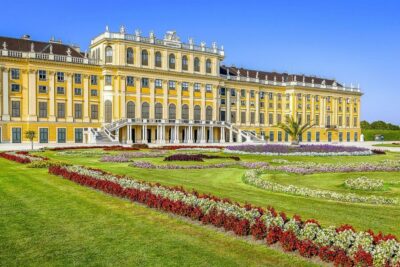
Schönbrunn Palace & Gardens Skip-the-Line Tour
Read our review →
Skip-the-Line Sisi Museum, Hofburg and Gardens Tour
Read our review →
Skip-the-Line Schönbrunn Palace & Gardens Tour
Read our review →
Bus & Schönbrunn Palace Skip-the-Line Guided Tour
Read our review →
Skip-the-Line Entrance Ticket to the Danube Tower
Read our review →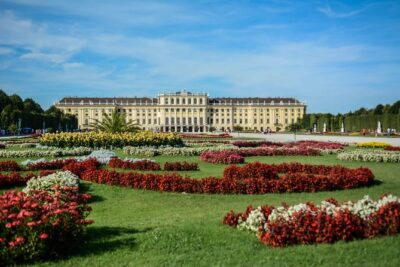
Skip the Line Schönbrunn Palace and Gardens Guided Tour
Read our review →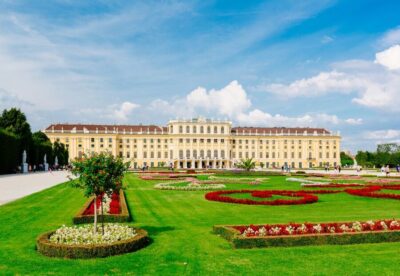
Schönbrunn Palace & Garden Skip-the-Line Guided Tour
Read our review →
Skip-the-Line: Eagle’s Nest in Berchtesgaden Tour from Salzburg
Read our review →Browse the lists this tour appears in