
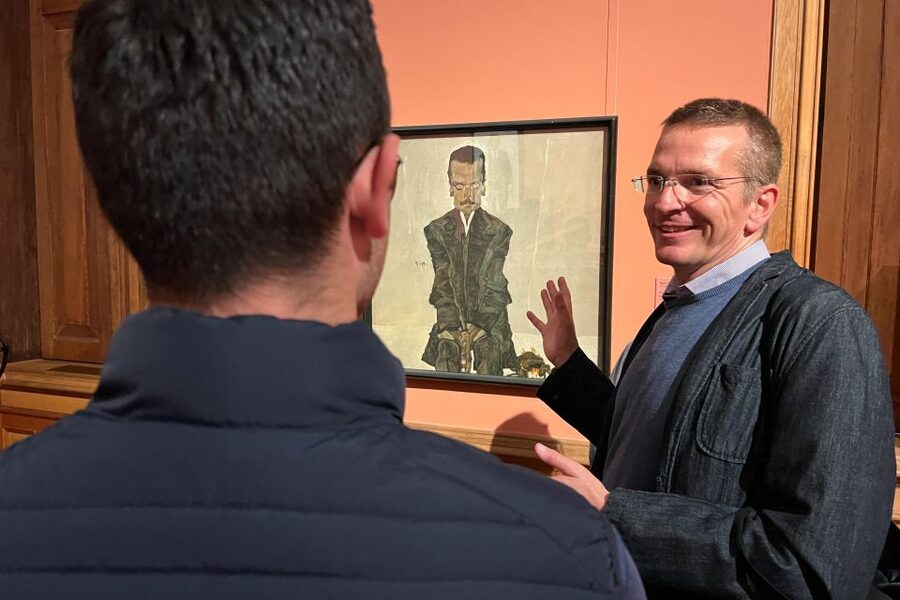
Reviewed · BELVEDERE PALACE TOURS
Vienna: Belvedere & The Best of Gustav Klimt Private Tour
The chief reason to book this tour is simple: The Kiss is here, in the grand Upper Belvedere, and a private guide can give the famous painting more meaning than a quick look and a crowded-room photograph. You’ll also walk through the palace gardens, where water features and statues set up a fine first act before the art begins.
I like the two-hour focus and the scheduled entry. You get a clear route through the palace rather than wandering through 800 years of art without a plan. I also like the private format, which lets you ask about Klimt, Schiele, French Impressionism, or the palace itself as your interests shift.
The catch is price. At $265 per person, this is a costly museum visit, especially if you mainly want to see Klimt. It makes better sense for art lovers, first-time Vienna visitors, and small groups who value a personal guide than for anyone happy to use a museum map and explore alone.
Key points to know before you book
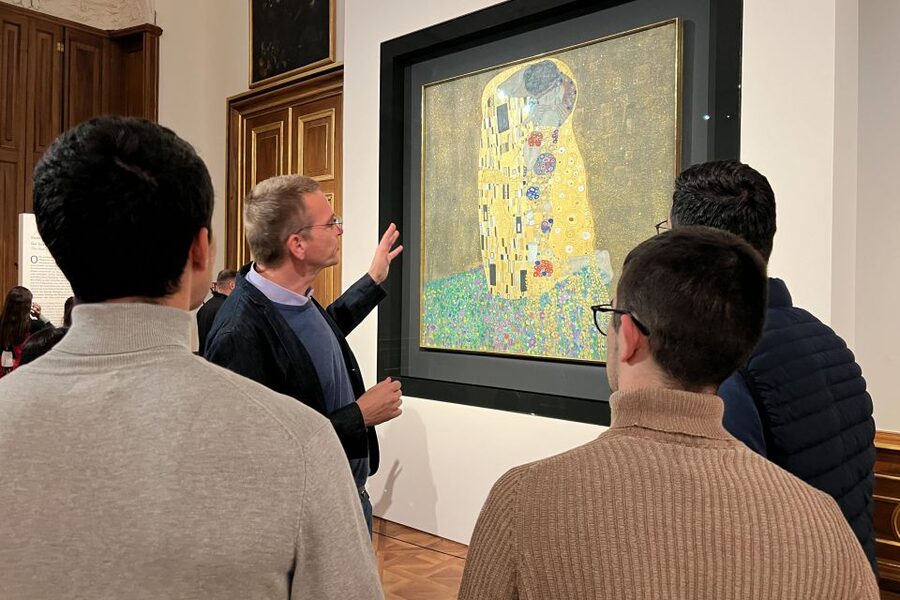
- Klimt’s The Kiss is the main event: You’ll also see other works by Gustav Klimt and art by Schiele, Monet, Van Gogh, and Rodin.
- The gardens are part of the tour: Walk from the main gate toward the Upper Palace through formal Baroque grounds designed by a disciple of André Le Nôtre.
- Timed entry saves museum time: Scheduled tickets and an express security check reduce the wait before you reach the galleries.
- The guide makes the difference: Past guides have included Alex, Claudia, and Clemens, with especially strong praise for their clear English, wit, and art knowledge.
- The route covers more than Klimt: The museum spans medieval works, Viennese modernism, French Impressionism, sculpture, and palace interiors.
- Two hours is focused, not leisurely: The tour ends inside the museum, so you can continue alone if you want more time.
Why The Kiss makes this Belvedere visit special
Klimt’s The Kiss is one of those paintings you have likely seen reproduced on posters, mugs, and countless souvenirs. At the Belvedere, you see the real work in the setting where it has become the museum’s great calling card. The gold surface, patterned robes, and close embrace reward a slow look, even if you already know the image well.
A guide helps you get past the obvious. The point is not simply that the painting is gold and famous. You can ask about Klimt’s place in Viennese modernism, the decorative patterns, and the way the painting differs from a standard portrait or religious scene. The tour’s strongest focus is on Klimt and the artists around him, so this is a good choice if that period interests you.
You should also expect other Klimt works, not just The Kiss. The exact route and amount of time at each piece can vary with the guide and your questions, but the tour is built around giving his work proper attention.
Clemens, one of the guides named in the feedback, was especially praised for connecting Klimt’s life and influences with the wider Viennese art scene. Alex was described as positive and engaging, while Claudia was praised for combining strong art knowledge with a sense of wit. You are not guaranteed one of these guides, but their strengths show what the private format is meant to provide.
More Belvedere and Klimt visits:
- Entry Ticket Upper Belvedere, Klimt’s Kiss & Permanent Collection
★ 4.5 · 831 reviews - Vienna: Lower Belvedere Entry Ticket & Temporary Exhibitions
★ 4.1 · 275 reviews - Vienna: Belvedere Palace Skip-the-Line Tour
★ 4.9 · 197 reviews
From the Belvedere gate through the formal gardens
You meet at the main gate on Prinz-Eugen-Straße 27, under the Belvedere sign. That detail matters because the palace grounds are large enough to make a vague meeting point inconvenient. Arrive at the front gate and look for your guide there.
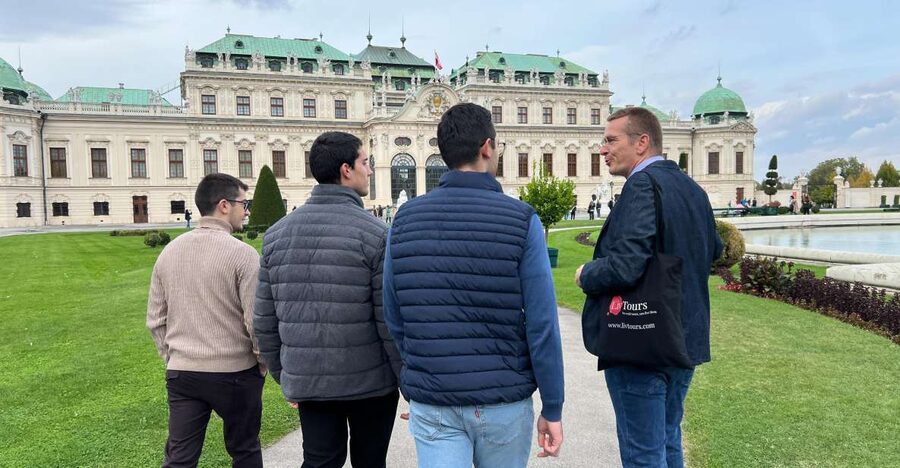
The first part is a walk through the formal gardens toward the Upper Palace. This is more than a transfer from the gate to the museum. The garden design gives you a sense of the Belvedere as a princely residence, not just a container for paintings.
Prince Eugene of Savoy used the Belvedere as his summer residence. He was a major military leader, and the palace was built to display wealth, status, and taste. The Baroque setting is deliberately theatrical, with formal paths, water features, and statues arranged to create views toward the palace.
The gardens were designed by a disciple of André Le Nôtre, the French garden designer associated with Versailles. You can look for the strict geometry and carefully ordered sightlines as you walk. The route is especially pleasant before entering the galleries because it gives your eyes a break from indoor art and your mind a little context.
This garden walk is also one of the tour’s more accessible moments. You are not yet trying to identify artists or follow a dense lecture. You are simply moving through the grounds and taking in the relationship between the palace, water, statues, and open space.
One practical point: the tour is only two hours, so the garden portion is a focused introduction rather than a long garden visit. If you want to linger over every fountain and statue, you may need extra time after the guided part. The formal gardens are worth seeing at a slower pace if your schedule allows.
Entering the Upper Palace with timed admission
The guide leads you to the Upper Palace, where your scheduled entry ticket is used. The express security check is useful here, particularly at busy times when a general admission line can eat into a short museum visit.
Timed entry does not mean you walk straight into a private, empty palace. The galleries can still have other visitors, and The Kiss naturally draws attention. What it does give you is a planned arrival and less uncertainty at the door. For a two-hour tour, that matters.
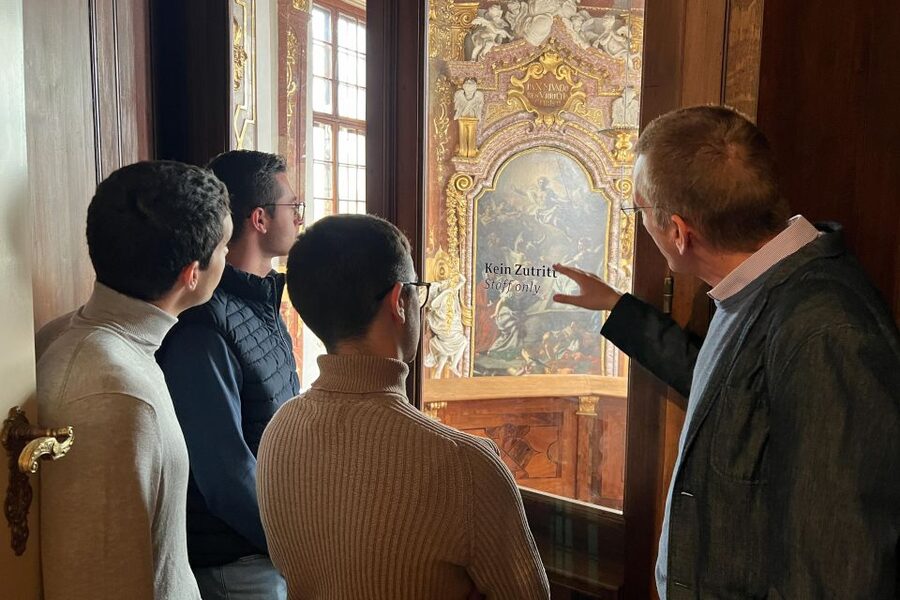
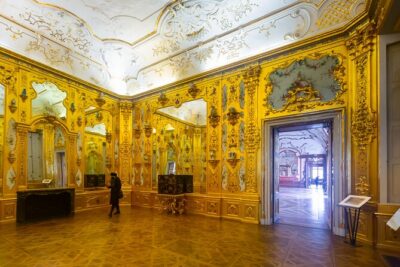
The Upper Palace itself is part of the attraction. Look for parquet floors, gilded frames, and frescoed ceilings with trompe l’oeil effects. These are not minor decorations added around the collection. They are part of the visual argument of the building: Prince Eugene wanted visitors to feel the power and refinement of the place.
I like that the tour treats the palace rooms and the art as connected. A Klimt painting in a plain white gallery would still be important, but here you are seeing modern Austrian art inside a Baroque building created for aristocratic display. That contrast gives the visit some texture.
The palace interiors can also compete with the art for your attention. If you are mainly interested in Klimt, you may find yourself wanting to move quickly through architectural details. A good private guide should help you balance both, and the private format gives you a chance to say when you want more art and less architecture.
A guided route through 800 years of art
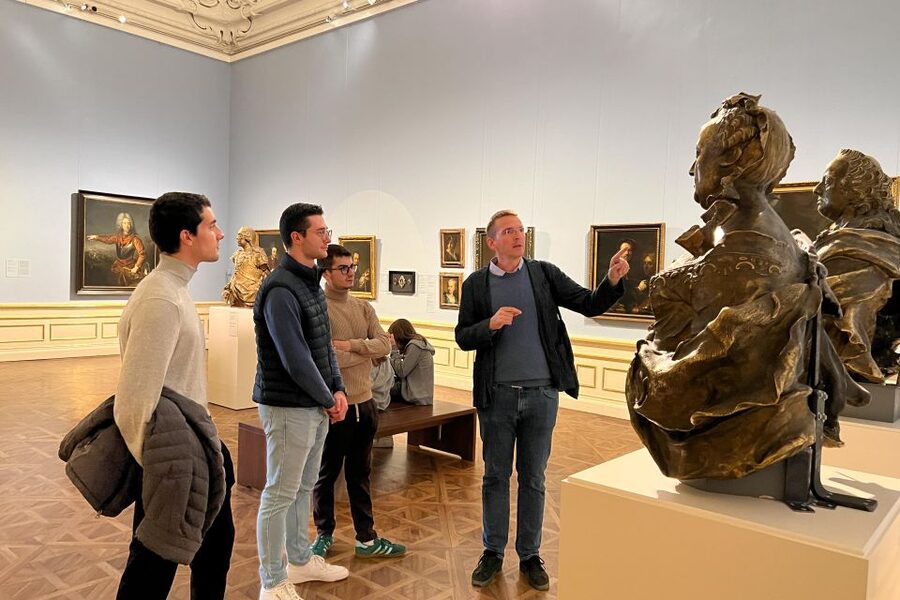
The museum collection reaches from the medieval era to modernism. That range is both a strength and a possible challenge. You get a broad picture of Austrian art, but two hours is not enough to treat every period equally.
The guide’s job is to choose the works that make the collection understandable. Medieval pieces can show where Austrian art began, while the later Viennese modernists reveal how artists broke from older academic and decorative traditions. The route becomes more useful when these works are connected rather than presented as a string of names.
You will not receive a full survey course in 120 minutes. Instead, expect selected highlights and explanations that help you see why certain artists matter. If your main goal is Klimt, tell the guide at the start. If you are more interested in the full collection, the private format lets the visit spread out across more periods.
Egon Schiele is a particularly important companion to Klimt. His work gives you a different version of Viennese modernism, with a more tense and exposed approach to the human figure. Seeing Schiele alongside Klimt helps prevent the visit from becoming a single-artist pilgrimage.
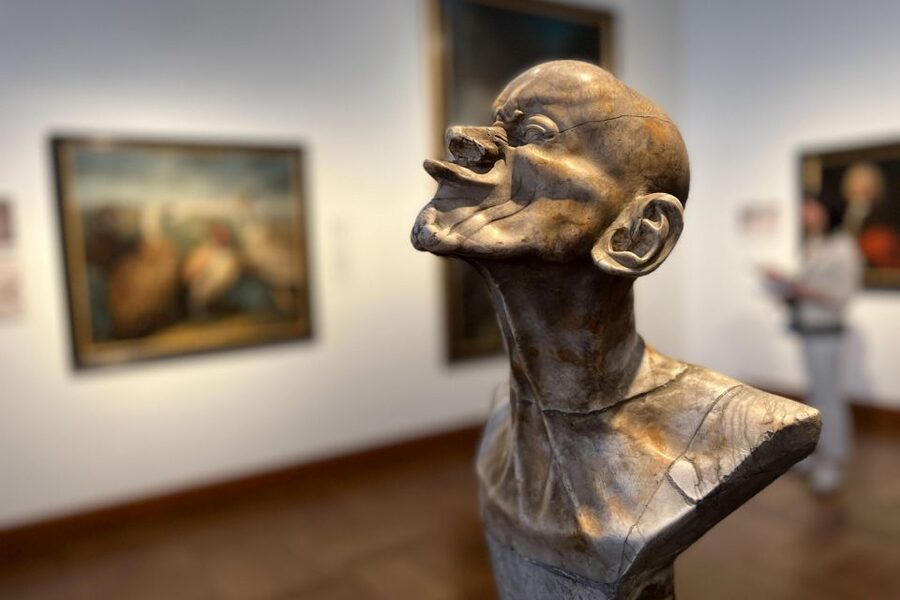
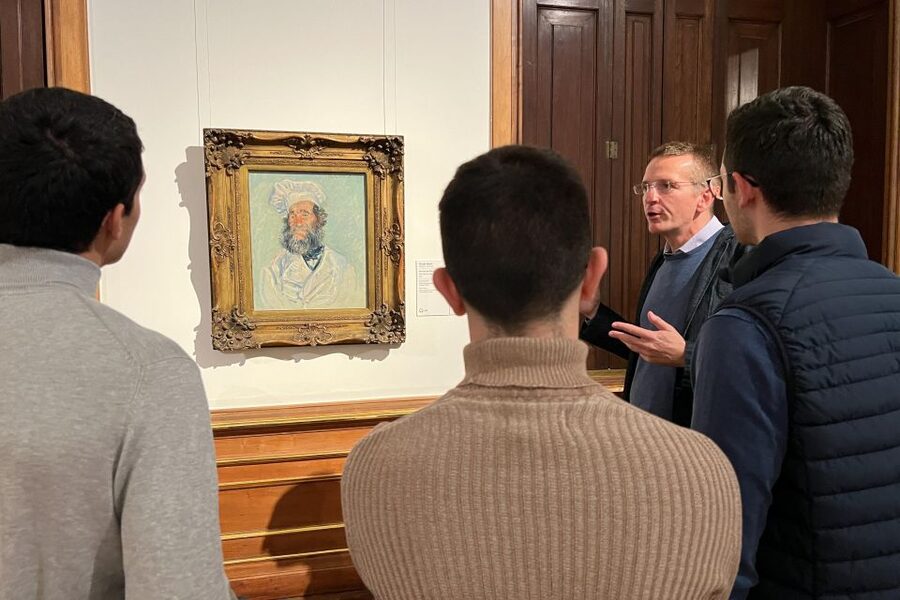
The tour also includes work by French Impressionists, including Monet and Van Gogh, as well as sculpture by Auguste Rodin. These artists broaden the visit beyond Vienna. You can compare Klimt’s ornamental surfaces with Impressionist color and Rodin’s treatment of the body and movement.
That variety is valuable, but it also explains why you should not expect an exhaustive Klimt tour. The museum has too much range for that in two hours. Think of this as a guided highlight visit with Klimt at its center, not a complete study of every room.
A few more Vienna days worth a look
- Vienna: Vivaldi’s Four Seasons Concert in Karlskirche
★ 4.7 · 14,951 reviews - Vienna: Spanish Riding School Training
★ 3.9 · 9,281 reviews - Vienna: Skip-the-cashier-desk-line Giant Ferris Wheel Ride
★ 4.5 · 7,859 reviews - Vienna: Schönbrunn Palace & Gardens Skip-the-Line Tour
★ 4.7 · 7,739 reviews
What a private guide adds to the art
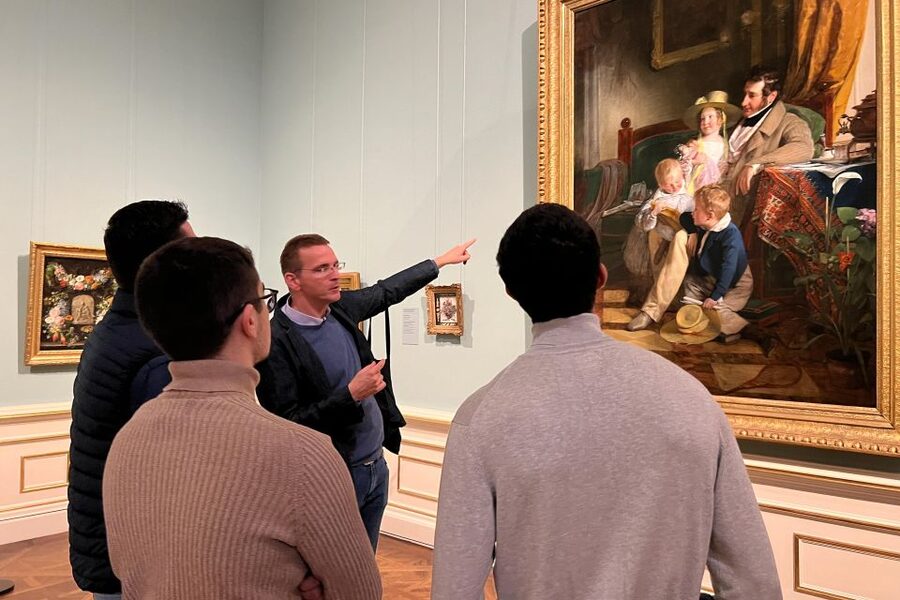
The private group format is the strongest practical reason to pay more. You are not following a large party at the pace of the slowest person, and you have room to ask direct questions. If you want to know why The Kiss became so famous, how Schiele differs from Klimt, or what a palace fresco is doing overhead, you can ask without interrupting a lecture for thirty people.
The quality of the guide matters greatly. The best feedback about this experience centers on clear English, strong art knowledge, enthusiasm, wit, and the ability to adjust the discussion. Clemens was praised for tailoring the tour to the group’s interests and for adding architectural context about the Belvedere. Claudia was singled out for her wit and well-timed explanations. Alex received praise for his positive manner.
Those details give you a useful standard. A private tour should not be a memorized speech delivered beside the same three paintings. It should feel like a conversation with a clear route. You should be able to signal that you want more Klimt, more architecture, or more Viennese modernism.
The tour is offered in English. If you need another language, this is not the right choice based on the available information. The small private setting is especially helpful for visitors who want explanations at a comfortable pace or who have limited museum time.
Is $265 per person fair value?
The price is the main issue. At $265 per person, this costs far more than entering a museum on your own. One piece of direct feedback judged it meaningfully overpriced and suggested a price about 30 percent lower. That is a fair concern, especially for solo visitors or couples who are comfortable reading wall labels.
The value improves when you look at what is bundled together: a private guide, scheduled admission, an express security check, the garden walk, the palace interiors, and focused help with a major art collection. You are paying for time saved and interpretation, not just a ticket.
For a group of friends or family members who would otherwise hire a private guide separately, the price may feel more reasonable. For someone who only wants a photograph of The Kiss, it is hard to justify. You could enter the museum and see the central work without paying for a private two-hour service.
I would also weigh your Vienna schedule. If you have one afternoon for the Belvedere and want to make sure you see the key works without getting lost in the collection, the tour has a clear benefit. If you have a full day and enjoy slow, independent museum visits, keep the money and take your time on your own.
The strongest case for the price is the guide’s ability to connect the art. Klimt, Schiele, Monet, Van Gogh, Rodin, medieval works, and Baroque architecture can seem like separate stops. A good guide turns them into a readable sequence. That is the part you cannot get from timed entry alone.
The final half hour and staying longer
The guided portion finishes inside the museum. You are not required to leave with the guide at the two-hour mark, so you can continue exploring on your own after the formal tour ends.
This is a useful arrangement. The guide can keep the main route moving, then you can return to a favorite Klimt or spend more time with Schiele, Monet, Van Gogh, or Rodin. You may also want to revisit the palace interiors once you know which architectural details deserve a closer look.
The timing does mean you should manage your questions. A long discussion beside the first gallery can reduce the time available for later works. Tell your guide what matters most at the beginning. A private tour is flexible, but the clock still moves.
You can also use the final period to see the museum at your own pace. Some people prefer to hear explanations first and then look quietly. This format supports that rhythm better than a tour that ends outside the building.
Who should book this Belvedere tour?
I would recommend it first to visitors who want Klimt and are willing to pay for expert help. It is also a strong match for first-time visitors to Vienna who want the Belvedere’s major sights organized into one efficient visit.
Art students, museum fans, and anyone curious about the link between Baroque architecture and Viennese modernism should get good value from the conversation. The private format is also useful for families or small groups with different interests, since the guide can adjust the emphasis.
I would be more cautious if you are watching every euro, already know Klimt well, or enjoy reading and exploring without a guide. The two-hour limit also means you should not book this expecting a complete treatment of the entire collection.
The tour is wheelchair accessible, and the activity is offered as a private group with a live English-speaking guide. You can cancel up to 24 hours in advance for a full refund, and reserve now while paying later, which helps if your Vienna plans are still moving.
Should you book it?
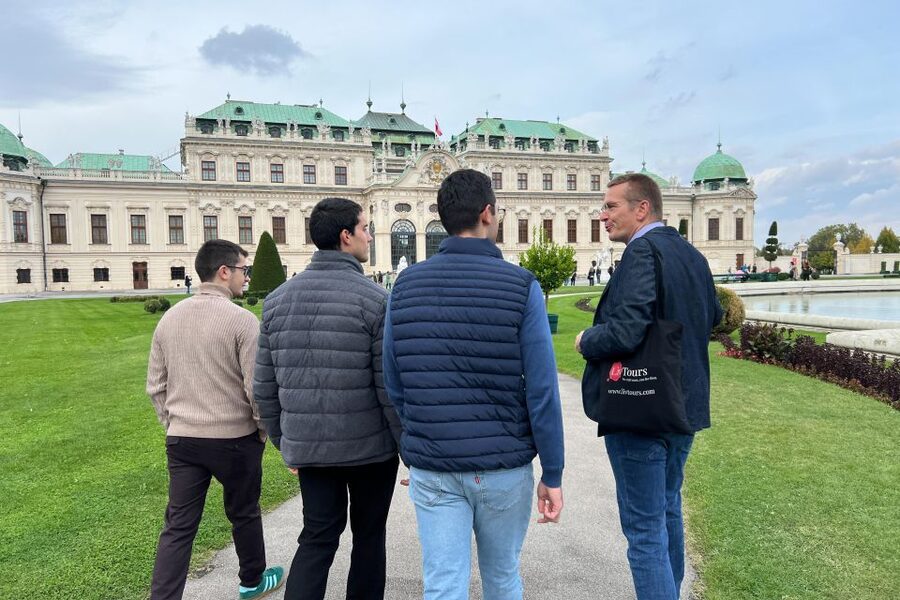
Book this tour if The Kiss is high on your Vienna list and you want a clear, personal explanation of Klimt, Schiele, and the Belvedere itself. The scheduled admission and garden-to-gallery route make a short visit easy to manage, while the guide can add context that a quick solo look will miss.
Skip it if the $265 price feels uncomfortable or if you prefer to explore museums independently. The Belvedere is worth visiting either way. This private tour earns its cost through focused guiding, not through access to a different collection.
FAQ
How long does the Belvedere and Klimt tour last?
The tour lasts two hours. The guided portion finishes inside the museum, so you can continue exploring at your own pace afterward.
Where does the tour meet?
Meet your English-speaking guide at Belvedere, in front of the main gate, under the Belvedere sign. The address provided is Prinz-Eugen-Straße 27.
Is The Kiss included?
Yes. The tour includes Gustav Klimt’s The Kiss, along with other Klimt works and pieces by Schiele, Monet, Van Gogh, and Rodin.
Is the tour private?
Yes. It is offered for a private group with a personal live guide.
What language is the tour offered in?
The available language is English.
Can I cancel the tour?
Yes. You can cancel up to 24 hours in advance for a full refund. You can also reserve now and pay later.
Just added around Vienna
- Vienna: UNESCO Schönbrunn Palace Guided Tour with Entry★ 4.5 · 94 reviews
- World War II History Vienna Old Town Private Walking Tour★ 4.8 · 9 reviews
- Vienna: Winery and Wine Tasting Tour with a Wine Expert★ 5.0 · 5 reviews
- Vienna: Wine Tasting E-Bike Tour★ 4.9 · 46 reviews
- Vienna: Wine Tasting at Schönbrunn Palace★ 4.3 · 71 reviews
- Vienna: Wine Tasting Tour★ 4.8 · 61 reviews
- Vienna: Concert by the Vienna Baroque Orchestra★ 4.6 · 56 reviews
- Vienna: Wachau Valley Private Kayak and Wine Tour★ 5.0 · 3 reviews
Belvedere Palace Tours, compared.
Entry Ticket Upper Belvedere, Klimt’s Kiss & Permanent Collection
Read our review →
Lower Belvedere Entry Ticket & Temporary Exhibitions
Read our review →
Skip-the-line Upper Belvedere Tickets and Guided Tour Vienna
Read our review →
Schönbrunn, Belvedere, Big Bus, Giant Wheel & Cruise
Read our review →
Skip-the-line Upper Belvedere Tickets and Guided Tour Vienna
Read our review →
Klimt Villa (Gustav Klimt Atelier & Museum) Ticket
Read our review →Browse the lists this tour appears in