
Reviewed · CONCERTS
Vienna: Classical Concert in St. Anne’s Church (Annakirche)
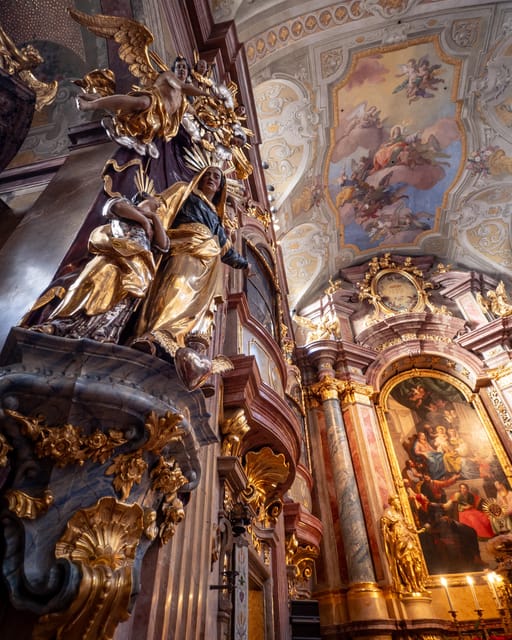
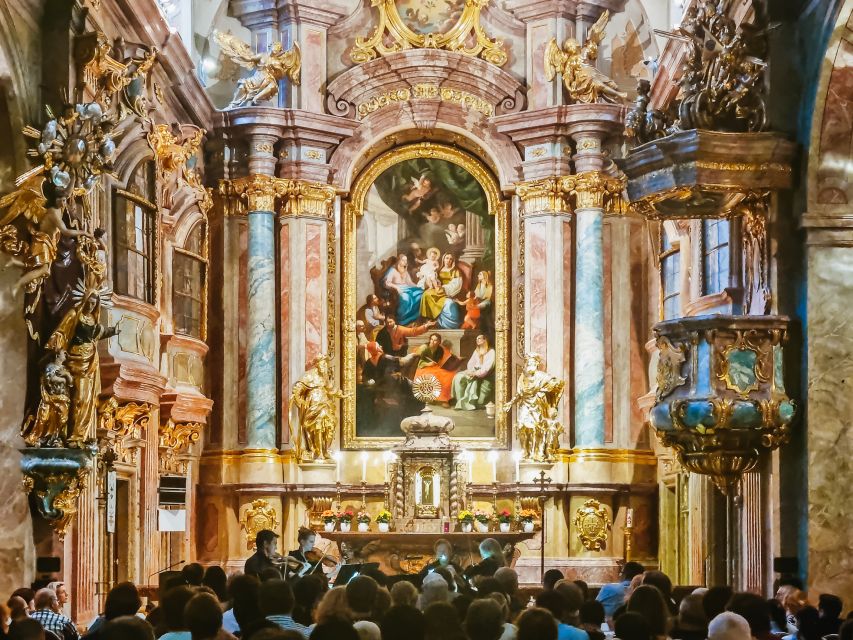
Vienna’s St. Anne’s Church turns a classical concert into a close-up experience. The string quartet performs just a short distance from the audience, surrounded by gilded decoration, blue marble balconies, and the church’s warm Baroque acoustics. The setting is as important as the music.
I like the use of period instruments, which gives Mozart, Haydn, Beethoven, and Schubert a sound closer to their own era. I also like the 70-minute length: long enough for a satisfying musical evening, yet short enough to fit neatly between dinner and a late stroll through central Vienna. The main drawback is free seating. Arrive 30 to 40 minutes early if you want the best view, and remember that the church can feel warm in summer.
Key points to know before you go
- The concert begins at 8 PM: Plan dinner and transportation around a fixed evening start.
- St. Anne’s Church is tiny and ornate: Its intimate scale lets you watch the musicians closely.
- Period instruments shape the sound: The program aims to recreate the atmosphere of Vienna’s Classical Era.
- Free seating rewards early arrival: Front seats can fill well before the music begins.
- The location is exceptionally central: Annagasse 3b is about three minutes from the Vienna State Opera.
- The church is heated in cold months: In summer, bring water since the interior may feel warm.
Why St. Anne’s Church makes the concert special
You enter St. Anne’s Church, or Annakirche, in the heart of Vienna’s pedestrian center. It is only about three minutes on foot from the Vienna State Opera and roughly five minutes from the Karlsplatz and Stephansplatz underground stations. That makes this one of the easiest evening concerts to add to a day of sightseeing.
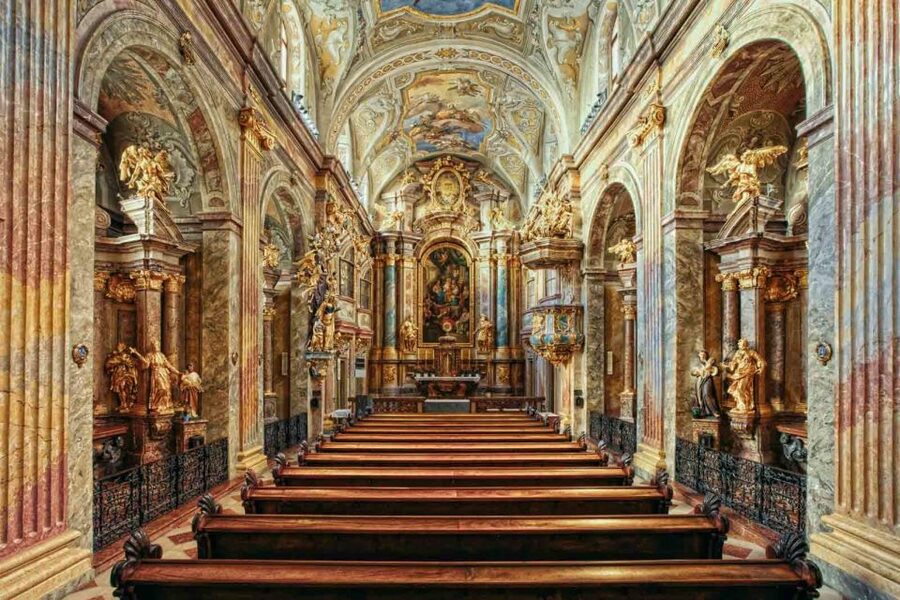
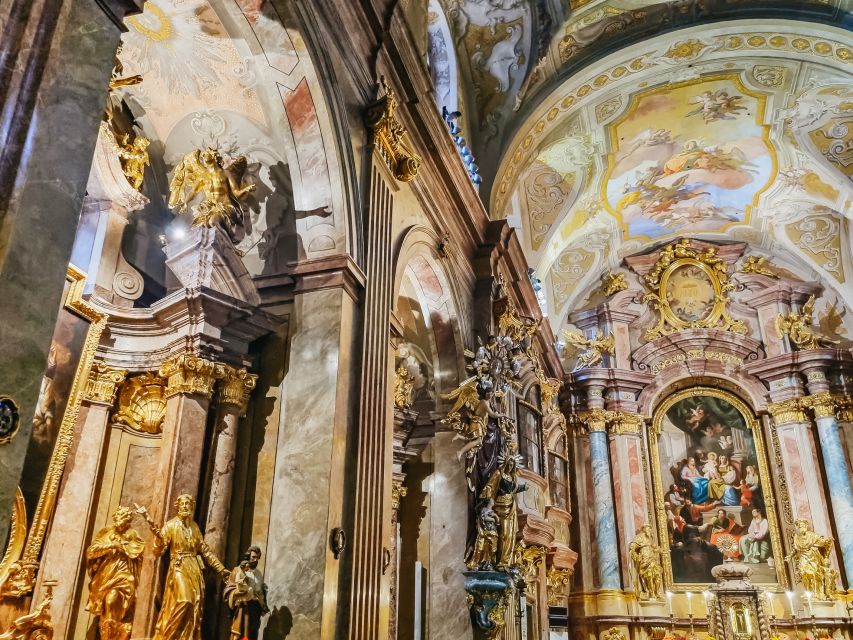
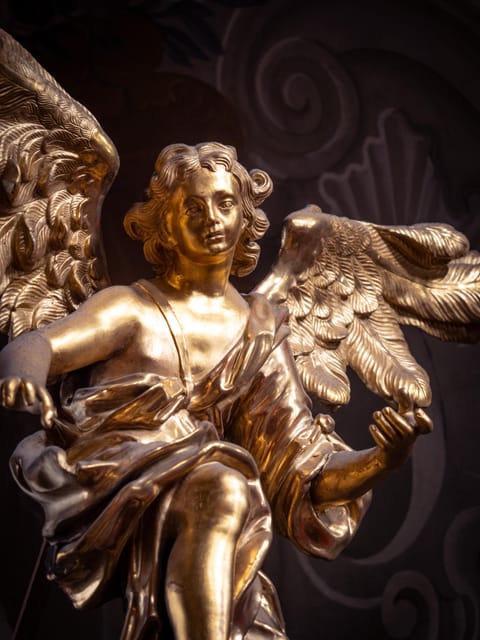
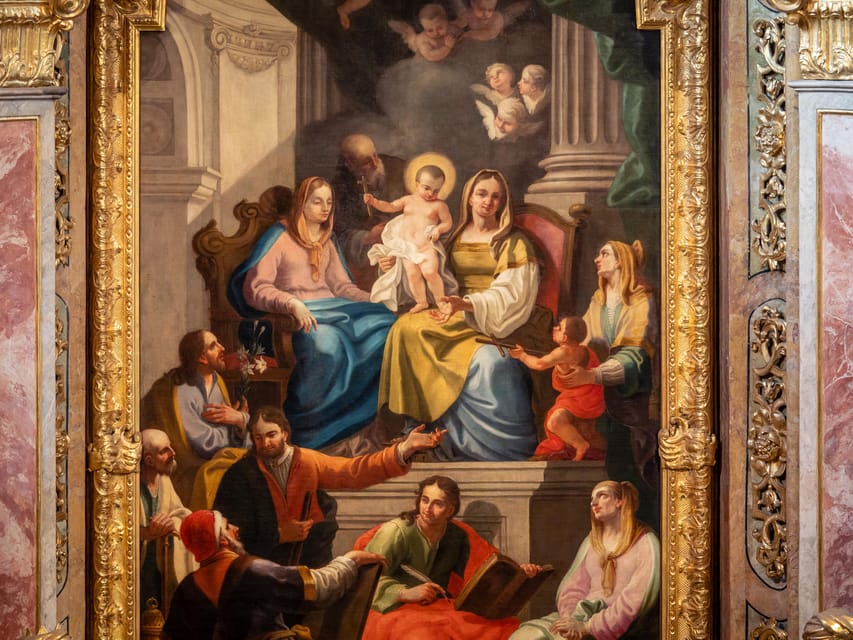
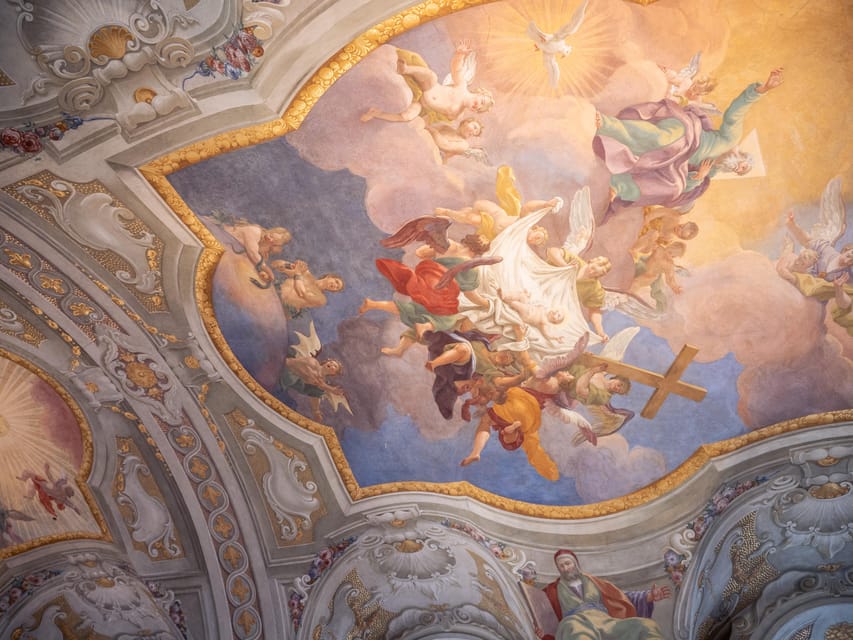
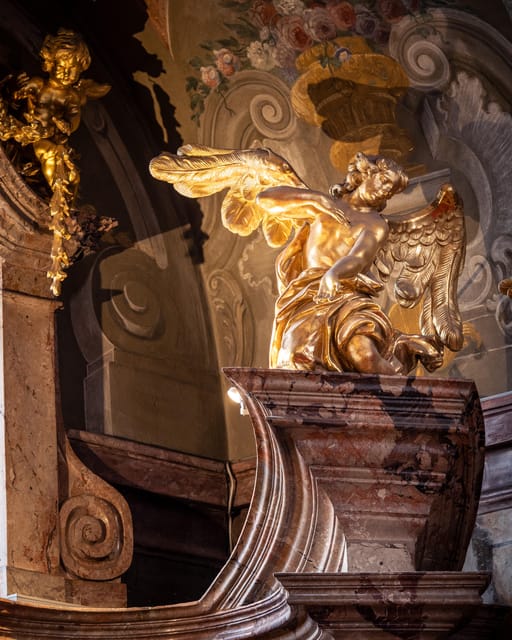
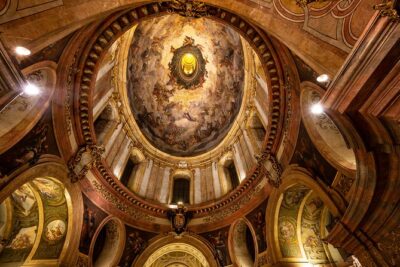
The church itself is a major part of the experience. Its Baroque interior is packed with visual detail, including gilded ornaments and blue marble balconies. The scale is smaller than a grand opera house, which creates a more personal setting. You are not watching tiny figures from the back of a vast auditorium. You can see the players working together, notice the movement of the bows, and follow the exchange between instruments.
The architecture also affects the music. St. Anne’s has lively acoustics, so the strings carry through the church without needing a large ensemble. This sound can be beautiful, especially in slower passages by Haydn or Schubert. It also means the music has a natural reverberation. If you prefer a dry, highly controlled concert-hall sound, the church acoustics may feel less precise. For most people, though, the echo is part of the charm.
Lighting adds to the mood. The church is lit well enough for you to admire its decoration, while still keeping the room intimate. You get a proper look at the interior instead of sitting in near darkness.
More Concerts in Vienna
- Vienna: Vivaldi’s Four Seasons Concert in Karlskirche
★ 4.7 · 14,951 reviews - Vienna: Classical Concert in the World-Famous Musikverein
★ 4.6 · 6,673 reviews - Vienna: Classical Concert at St. Stephen’s Cathedral
★ 4.1 · 4,177 reviews
What the 70-minute program is like
The performance lasts 70 minutes, with a string ensemble or quartet drawn from renowned Viennese orchestras. The exact program can vary, but the music centers on complete works by Mozart, Haydn, Beethoven, or Schubert. Some programs may also include other composers associated with the classical string tradition.
That detail matters. This is not presented as a parade of short popular tunes or a background-music package. You hear substantial works written for string ensemble, with the musicians shaping the full piece rather than rushing through familiar melodies. One useful feature for newcomers is that you do not need a formal background in classical music to enjoy the evening. The setting, the compact running time, and the direct sound make the format approachable.
The musicians play instruments from the period, or instruments built in the style of those used during the composers’ time. Historical performance practice can involve gut strings and bows of an older design, creating a lighter, more textured sound than a modern orchestra. You may notice a crisp attack in fast passages and a more delicate color in quiet sections.
The difference will not be equally obvious to everyone, and that is fine. You do not need to identify the instruments or compare historical technique with modern performance. The value is that the concert tries to match the musical world of Mozart, Haydn, Beethoven, and Schubert rather than simply placing their compositions in any convenient setting.
A program that moves among several composers can also give you useful contrasts. Haydn may feel energetic and finely balanced. Mozart can sound graceful and conversational. Beethoven brings stronger accents and dramatic turns, while Schubert often allows more lyrical warmth. Listening in this historic church helps you hear how varied the Viennese tradition can be.
Free seating and the best place to sit
Your ticket includes free seating, so there are no assigned rows or reserved chair numbers. This is the most important practical point of the evening.
If you want to sit near the front and watch the musicians closely, arrive around 30 to 40 minutes before the 8 PM start. That gives you time to find Annagasse 3b, enter without rushing, and choose a seat before the better positions are taken. People who arrive later can still hear clearly from farther back, but the musicians may be less visible.
Front seats offer the strongest visual connection. You can watch the quartet’s coordination and see the instruments at close range. Seats farther back give you a wider view of the church and may let you appreciate the interior as a whole. Side seats can also work well, and some visitors prefer softer seats at the side for greater comfort.
The seating arrangement may not suit someone who needs a guaranteed particular position. It also creates the usual risk of late arrivals disturbing the room. One account described late entry and a bright phone flash as distractions. Recording is not permitted, so keep your phone away once the music begins.
Hearing the period instruments in a Baroque church
The period instruments are not just a marketing detail. They connect the program to the musical culture of Vienna during the Classical Era. Mozart and Haydn lived and worked in an age when chamber music was often performed in smaller rooms, churches, palaces, and private homes rather than only in modern concert halls.
St. Anne’s supports that idea. The church does not feel like a neutral box built solely for sound. Its surfaces send the music outward and back into the room, giving the quartet a rounded acoustic. You may hear the notes linger slightly after the bow leaves the string. In a slow movement, that can create a calm, almost suspended feeling.
The sound is also intimate. A string quartet has no conductor standing between you and the music, and each player has a clear role. You can follow the first violin carrying a melody, hear the second violin answer it, and notice the viola and cello holding the harmony together.
This is especially useful if you are new to classical music. A huge orchestra can be thrilling but difficult to follow. Four musicians in a small church let you see how a composition is built. You may leave with a better sense of why chamber music has such a strong place in Vienna.
The acoustics are not perfect for every taste. A church can add resonance that softens quick passages, and people seated farther back may hear more echo than those near the front. Still, the room’s character is one reason to choose this concert rather than a standard indoor recital.
A completely different way to spend a day here:
- Vienna: Spanish Riding School Training
★ 3.9 · 9,281 reviews - Vienna: Skip-the-cashier-desk-line Giant Ferris Wheel Ride
★ 4.5 · 7,859 reviews - Vienna: Schönbrunn Palace & Gardens Skip-the-Line Tour
★ 4.7 · 7,739 reviews - Vienna: Light of Creation Votive Church Immersive Light Show
★ 4.8 · 6,779 reviews
Planning the evening around Annagasse
The central location makes this a simple addition to a Vienna itinerary. St. Anne’s Church is in the pedestrian zone, so you should think of it as a walking destination rather than a place to pull up by car. From the Vienna State Opera, the walk takes about three minutes. From Karlsplatz or Stephansplatz underground stations, allow about five minutes on foot.
Because the concert starts at 8 PM, you can pair it with a central Vienna dinner or an afternoon visit to nearby sights. The surrounding area has cafés and restaurants, which is useful if you want a meal before or after the performance. The church’s location also makes an evening walk through the center easy.
Do not confuse the experience with a performance at the Vienna State Opera. The opera house is nearby, but this is a chamber concert in a Baroque church. There are no singers or opera staging details in the activity described here. The focus is live string music, architecture, and the atmosphere of a compact evening performance.
The 70-minute running time helps with planning. You are not committing to a full-length opera or a long symphonic program. You can finish around 9:10 PM and continue your evening in central Vienna.
Comfort, temperature, and small practical details
The church is heated during the cold months, which makes this a sensible winter activity. Vienna can be cold after dark, and a warm church is a welcome change from walking between sights.
Summer comfort is less certain. One visitor found the church warm and advised carrying water. Since the building is historic and the concert takes place indoors, dress for a warm room in July and August rather than assuming you will need a heavy layer.
There is no guide or lecture described as part of the event. The included free concert program gives you information about the music, but you should not expect a sightseeing tour of the church or a formal explanation before every piece. I see that as a benefit if you want the music to speak for itself, but it may disappoint you if you prefer a narrated cultural experience.
The setting calls for quiet behavior. Snoring, conversation, and phone flashes can affect the performance, especially in a small room. You will enjoy the concert more if you silence your phone, avoid recording, and settle into your seat before the opening piece.
Is the $38 price good value?
At $38 per person, this concert offers a reasonable way to experience live classical music in central Vienna without paying opera-house prices. The ticket includes entry and a concert program, and the music lasts 70 minutes. The strongest value comes from the combination of three things: professional musicians, a historic Baroque venue, and period-style instruments.
The price is particularly attractive if you want an evening cultural activity but do not need a full opera production. You are paying for a focused chamber concert rather than scenery, costumes, singers, and a multi-hour performance. That keeps the experience simpler and more affordable.
The value also depends on what you care about. If your main goal is to hear a large orchestra or see a famous opera production, this is not a substitute. If you want a close view of musicians in a beautiful space, the price compares well with other central Vienna entertainment.
I also like that the concert can work for mixed groups. A serious classical listener can appreciate the composers and historical instruments. Someone with little classical experience can still enjoy the church, the clear quartet format, and the manageable length. Several program combinations include Haydn, Mozart, and Beethoven, while Schubert can add a more lyrical change of pace.
Who should book this concert?
I would choose this experience for a first classical concert in Vienna, especially if you want something less formal than the opera house. The church provides immediate atmosphere, and you do not need to spend hours learning how a concert works before attending.
It is also a good choice for couples, solo visitors, and families with older children who can sit quietly for 70 minutes. The intimate setting makes the performance feel special without requiring a formal evening wardrobe or a large time commitment.
Music fans should pay attention to the program on the date you select. If you have a favorite composer, check whether Mozart, Haydn, Beethoven, or Schubert is scheduled. The experience is strongest when the program matches your taste.
I would hesitate if you dislike church acoustics, need assigned seating, or want a guided explanation of the architecture. The free seating system also means you cannot guarantee the exact view you want unless you arrive early.
Should you book St. Anne’s Church?
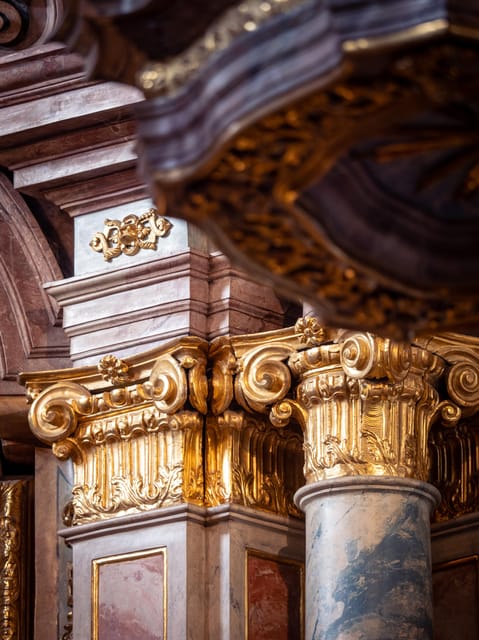
Yes, if you want a compact, well-priced classical concert in one of Vienna’s most decorative interiors. Arrive 30 to 40 minutes early, choose your seat, and give yourself time to look at the church before the music starts.
The best reason to book is the combination of intimacy and atmosphere. You hear musicians close by, on period-style instruments, in a Baroque church with strong acoustics. The main compromises are free seating, possible distractions from late arrivals, and summer heat.
For $38, this is a sensible pick for a Vienna evening, particularly when a full opera feels too long or too expensive. Check the program, plan for the 8 PM start, and choose this when you want the music and the room to share equal billing.
FAQ
Where is the concert held?
The concert takes place at St. Anne’s Church, also called Annakirche, at Annagasse 3b in Vienna. It is about a three-minute walk from the Vienna State Opera.
What time does the concert begin?
Concerts begin at 8 PM.
How long does the performance last?
The concert lasts 70 minutes.
Is seating assigned?
No. The ticket provides free seating in the venue. Arriving 30 to 40 minutes early can help you secure a seat near the front.
Which composers are included?
Programs include complete works by Mozart, Haydn, Beethoven, or Schubert. The exact selection can vary by performance.
Is the church heated?
Yes. St. Anne’s Church is heated during the cold months. It can feel warm in summer, so bringing water is sensible.
Just added around Vienna
- Vienna: UNESCO Schönbrunn Palace Guided Tour with Entry★ 4.5 · 94 reviews
- World War II History Vienna Old Town Private Walking Tour★ 4.8 · 9 reviews
- Vienna: Winery and Wine Tasting Tour with a Wine Expert★ 5.0 · 5 reviews
- Vienna: Wine Tasting E-Bike Tour★ 4.9 · 46 reviews
- Vienna: Wine Tasting at Schönbrunn Palace★ 4.3 · 71 reviews
- Vienna: Wine Tasting Tour★ 4.8 · 61 reviews
- Vienna: Wachau Valley Private Kayak and Wine Tour★ 5.0 · 3 reviews
- Vienna: Wiener Schnitzel and Strudel Cooking Class★ 4.9 · 126 reviews
Concerts, compared.
Vivaldi’s Four Seasons Concert in Karlskirche
Read our review →
Classical Concert in the World-Famous Musikverein
Read our review →
Vienna Classical Concert at St. Peter’s Church
Read our review →Browse the lists this tour appears in