Reviewed · TICKETS
Vienna: Imperial Crypt Entrance Ticket
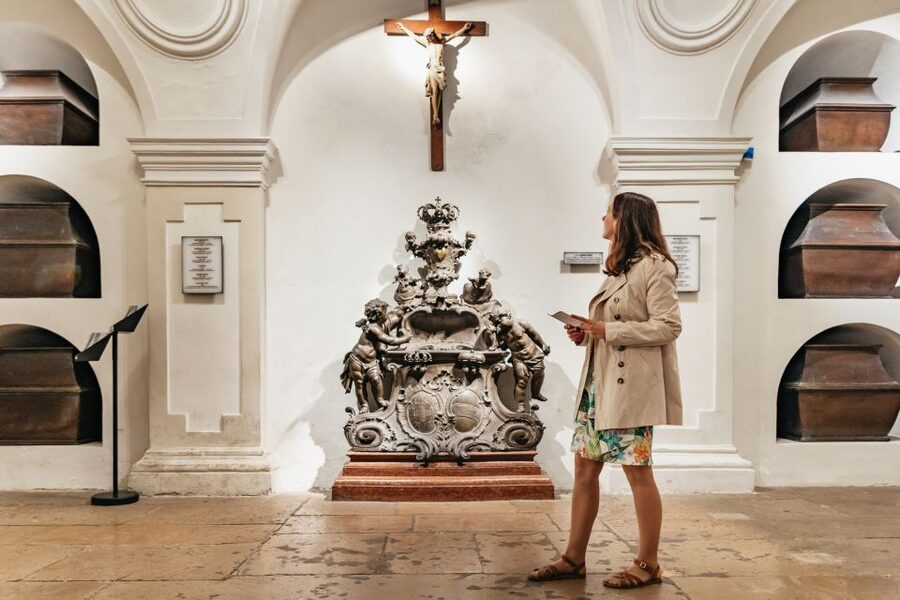
The Imperial Crypt puts you face to face with the Habsburg dynasty, not in a grand palace but beneath a modest Capuchin church in central Vienna. About 150 members of the imperial family rest here, surrounded by metalwork, carved details, urns, and monumental sarcophagi.
I like the close look at four centuries of European power, and I like the quiet, personal touches still left for figures such as Empress Elisabeth, known as Sisi. The main drawback is the limited explanation in English, so the visit means more if you already know some Habsburg history or arrange the extra guided tour.
Key points to know before you go
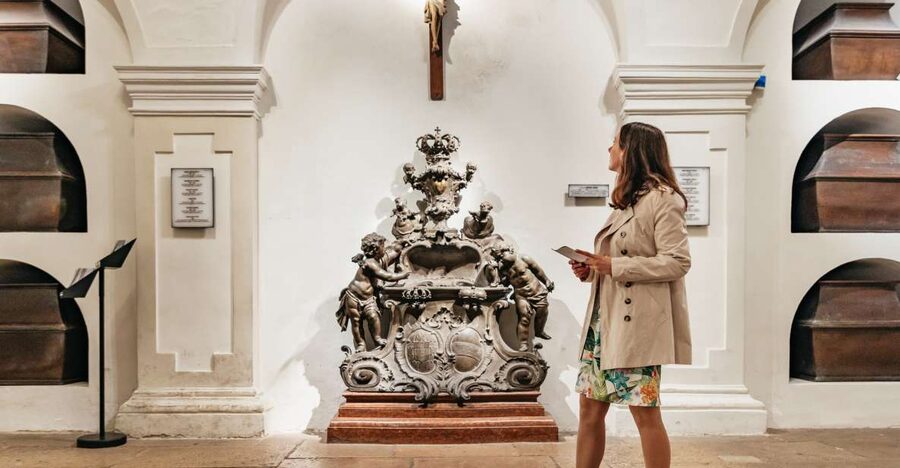
- See the sarcophagus of Maria Theresa: One of the crypt’s most impressive funerary monuments belongs to the powerful empress and her husband.
- Find Franz Joseph, Sisi, and Rudolph: Their tombs connect the grand imperial story with one of Austria’s best-known family tragedies.
- Expect ten connected vaults: The crypt grew through repeated extensions over more than 400 years.
- Plan from 30 minutes to 1.5 hours: A quick visit is possible, but the details reward slow reading.
- Consider the English guided tour: An extra €3 can add useful stories and background that the basic information may not provide.
- Respect the solemn setting: Pets, large bags, sleeveless shirts, and video recording are not allowed, and photography is prohibited.
Beneath the Capuchin Church in central Vienna
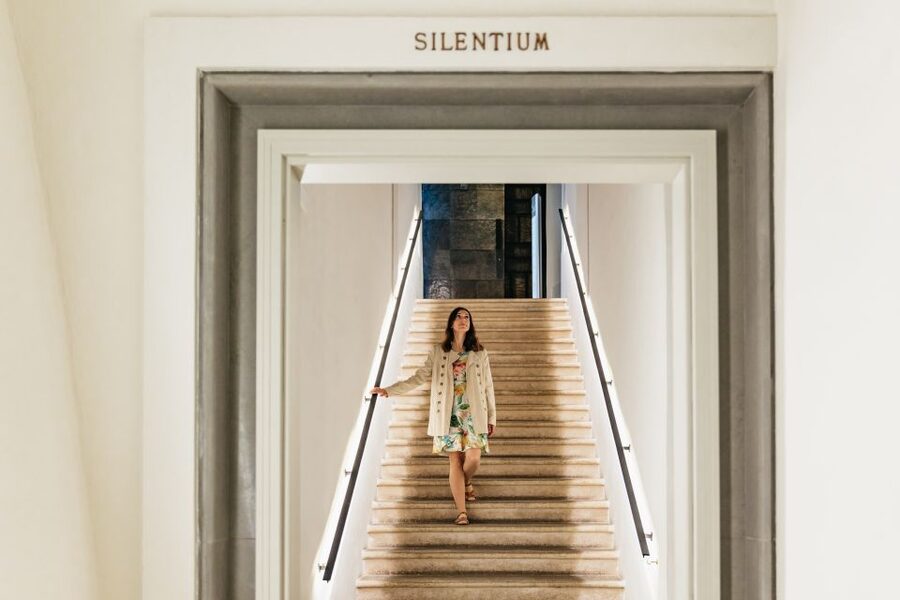
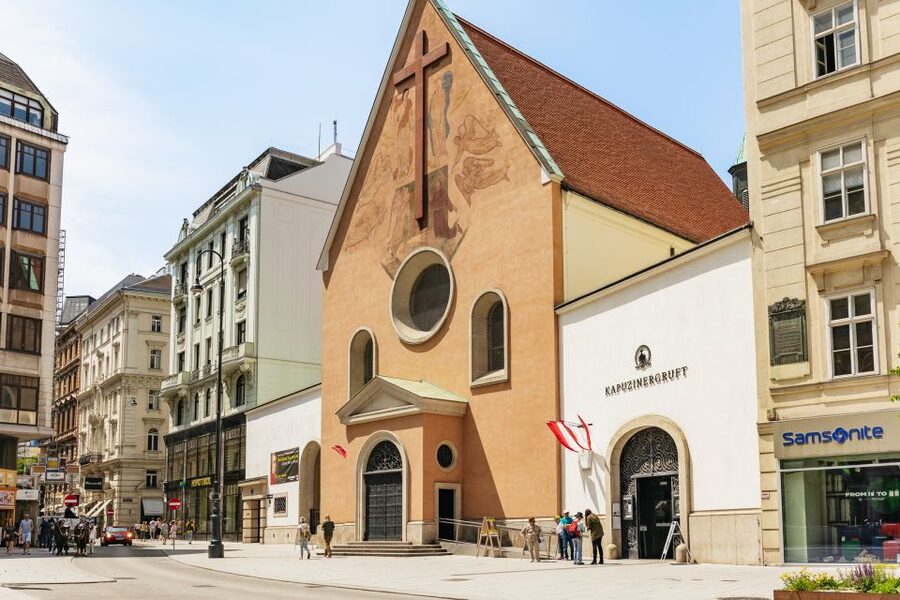
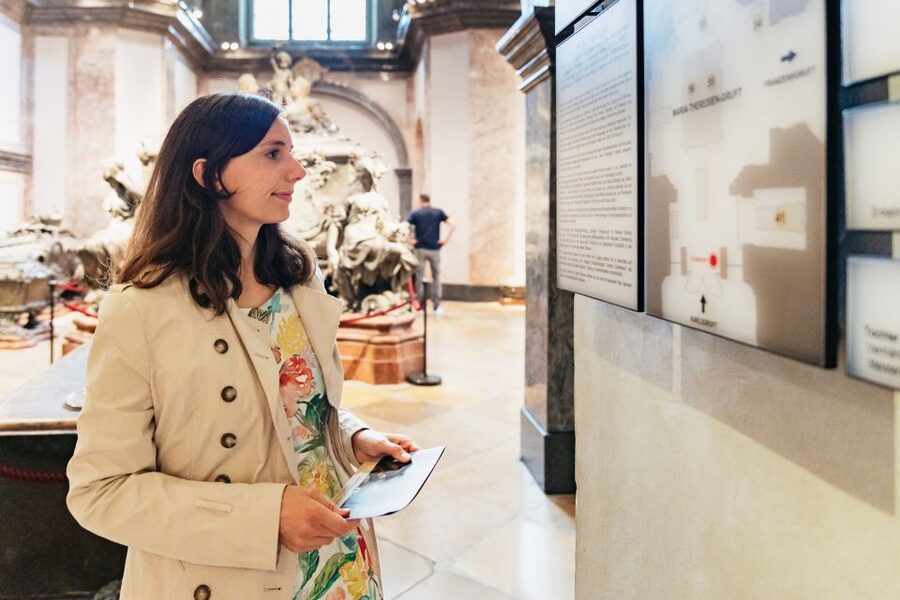
The entrance sits below the Capuchin Church and monastery, close to Vienna’s central sights. That setting matters. You leave the busy city streets and enter a low, enclosed series of rooms where the Habsburg story becomes physical: not portraits in a museum, but the actual resting places of rulers and their relatives.
The church above is described as humble compared with the importance of the people below. That contrast gives the visit much of its character. The Imperial Crypt does not feel like a glittering palace room. It feels quieter and more restrained, even when the tombs themselves are lavish.
The crypt remains under the care of the Capuchin Order. Over time, new rooms and extensions were added, creating a system of ten vaults. You move through these connected spaces at your own pace, looking at sarcophagi, urns, and funerary monuments from different periods of Habsburg rule.
This is not a conventional guided attraction with a fixed performance or a long route through Vienna. Your ticket gives you access for one day, and the visit is self-paced. That makes it easy to fit between other central Vienna sights.
A few more Vienna days worth a look
- Vienna: Vivaldi’s Four Seasons Concert in Karlskirche
★ 4.7 · 14,951 reviews - Vienna: Spanish Riding School Training
★ 3.9 · 9,281 reviews - Vienna: Skip-the-cashier-desk-line Giant Ferris Wheel Ride
★ 4.5 · 7,859 reviews
What you see in the ten vaults
The Imperial Crypt contains the mortal remains of roughly 150 Habsburg personalities. The collection includes emperors, empresses, children, spouses, and other members of the dynasty. Each room has its own feel, shaped by the period in which it was built and the designers who created it.
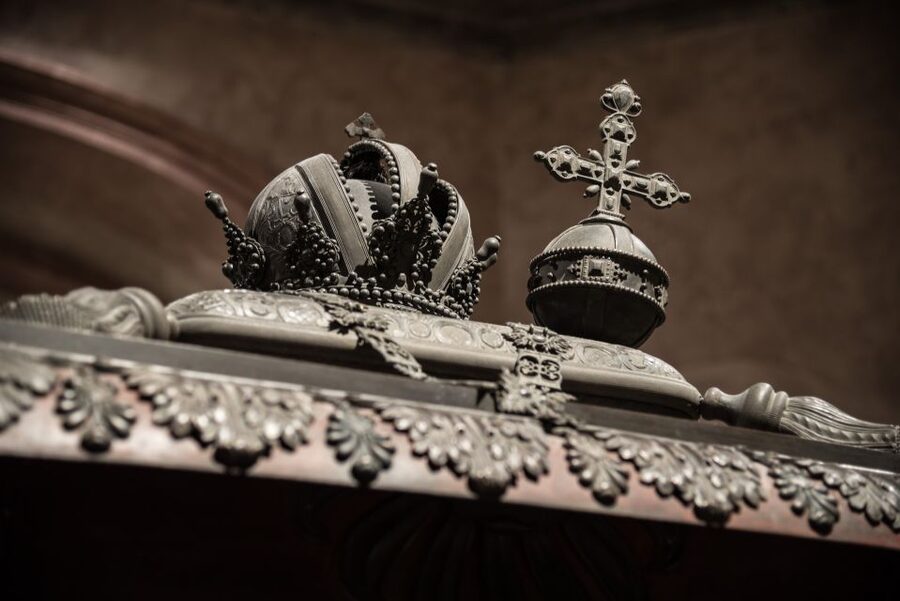
The main visual attraction is the funerary metalwork. You may see coffins made from tin, copper, or bronze, with silver and gold details. Some are restrained and severe. Others are covered with elaborate ornament, symbolic decoration, and carefully worked figures.
The craftsmanship is worth time on its own. If you hurry through in 20 or 30 minutes, you will see the main tombs but miss much of the small detail. I would allow at least an hour if you want to read the labels and compare the different styles.
The rooms also show how attitudes toward imperial burial changed. Some monuments focus on rank and ceremony. Others feel more personal. The result is less a single grand hall than a sequence of rooms that chart the dynasty’s long rule and changing taste.
The crypt is often described as peaceful rather than macabre. That seems right. It is a burial place, so the mood is solemn, but the ornate coffins and quiet atmosphere make the visit feel reflective rather than frightening.
Maria Theresa and the great imperial tombs
Maria Theresa is one of the key figures to seek out. She ruled the Habsburg lands during the 18th century and remains one of the dynasty’s most important leaders. Her tomb is among the crypt’s major sights, and it gives you a clear sense of how imperial burial could become a public statement of power.
The monument associated with Maria Theresa is large and highly decorated. It is not simply a container for remains. It was designed to communicate status, authority, and the importance of the people inside.
Her resting place also gives useful context for the rest of the crypt. The Habsburgs were not a small royal family with a short reign. Their marriages, political alliances, wars, and inheritances shaped Austria and much of Europe. Seeing the family gathered in one place makes that long story easier to grasp.
You do not need to be an expert in Austrian history to appreciate the workmanship. Still, Maria Theresa’s tomb will mean more if you spend a little time learning who she was before your visit.
Franz Joseph, Sisi, and Rudolph
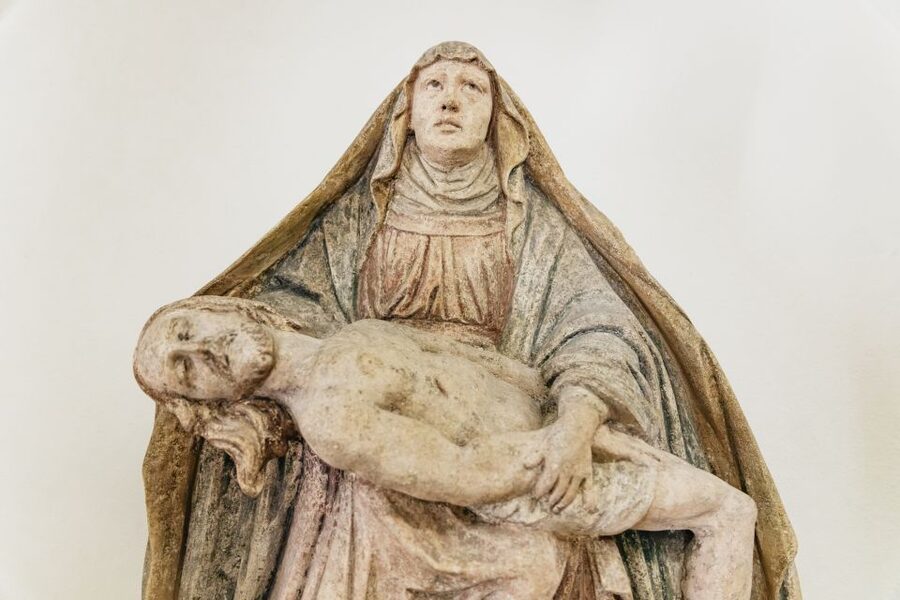
The tombs of Emperor Franz Joseph and Empress Elisabeth are among the most anticipated stops. Elisabeth, widely known as Sisi, remains one of the best-known figures in Austrian imperial history. Her public image has been shaped by books, films, and Vienna’s tourism industry, but the crypt presents her as part of a real family and dynasty.
Franz Joseph ruled for many decades, and his reign is closely tied to Vienna’s imperial identity. Beside him, Sisi’s story feels more personal and tragic. Their son Rudolph is also buried in the crypt, adding another layer to the family’s complicated history.
These tombs can draw more attention than the less famous members of the family. Take time to look beyond the best-known names. The crypt includes many people who played important roles in court life, dynastic marriage, and succession, even if their names are less familiar today.
Some people still leave flowers or notes for particular members of the family. Those small gestures change the mood. They remind you that these are not only historical figures displayed on a timeline. Some remain meaningful to people now.
A completely different way to spend a day here:
- Vienna: Schönbrunn Palace & Gardens Skip-the-Line Tour
★ 4.7 · 7,739 reviews - Vienna: Light of Creation Votive Church Immersive Light Show
★ 4.8 · 6,779 reviews - Vienna Spanish Riding School Guided Tour
★ 4.7 · 6,765 reviews - Vienna: Classical Concert in the World-Famous Musikverein
★ 4.6 · 6,673 reviews
Why the context matters
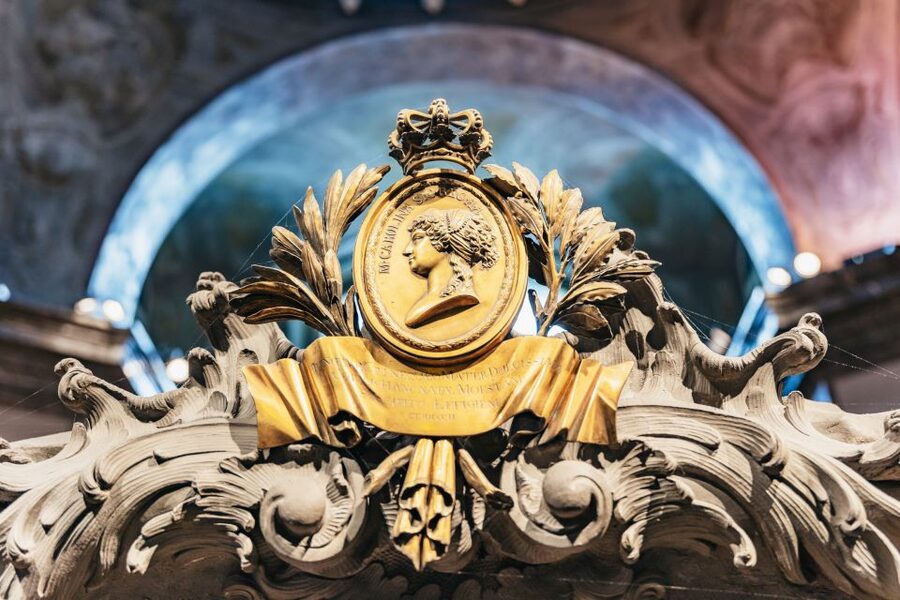
The biggest weakness of the basic visit is the amount of information available in English. Labels and small booklets provide useful help, but several people find that they want more background on the people and the political events connected to them.
If you know little German or little about the Habsburgs, the tombs may blur together after the first few rooms. The visual impact remains, but you may not understand why one person mattered more than another or how the family members were connected.
An English guided tour can improve the visit. A one-hour guided tour has been available directly through the ticket office for an additional €3. That small extra cost is worthwhile if you want stories about the occupants rather than only names and dates.
The guided option is especially useful for first-time visitors who are not familiar with Maria Theresa, Franz Joseph, Sisi, or Rudolph. If you prefer to read quietly and set your own pace, the self-guided visit works well, but bring patience and expect to supply some of the historical context yourself.
You can also do a little preparation before arriving. Even a basic understanding of the Habsburg succession and the family’s major figures will make the rooms easier to read. The crypt gives you the objects. Background knowledge supplies the connections.
Hearts, bodies, and unusual Habsburg traditions
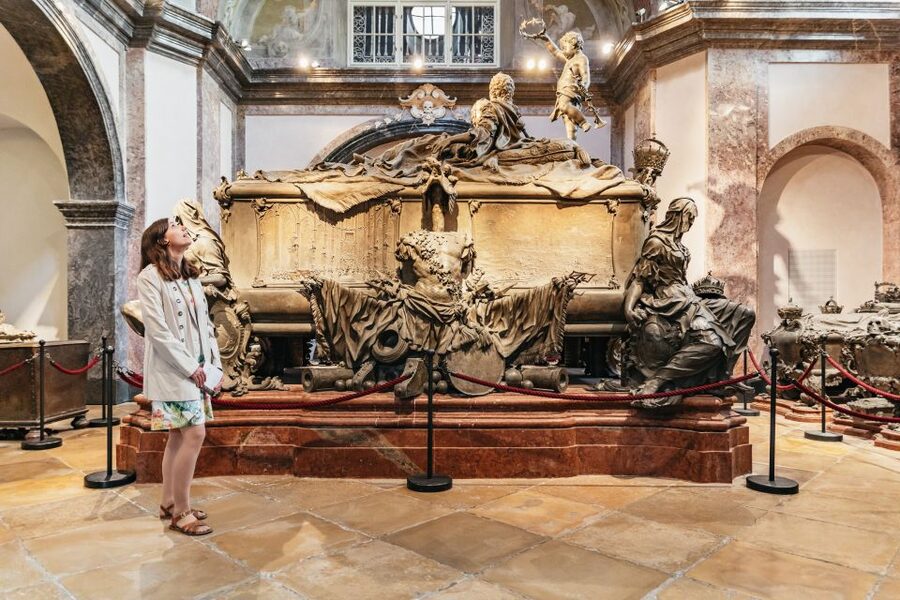
One detail often surprises visitors: the Habsburgs’ hearts are not all kept in the Imperial Crypt. Some hearts are placed inside the nearby monastery, while the bodies rest in different locations according to historic Habsburg burial customs.
The information provided here does not offer a full explanation of every burial practice, so you should not expect the crypt to tell the entire story of Habsburg funerals. Still, knowing that the body, heart, and other remains could be treated separately adds another layer to the visit.
The Imperial Crypt itself continues to serve as the final resting place for Habsburg family members, including people from more recent generations. That ongoing connection makes the site different from a purely historical museum.
How long to spend inside
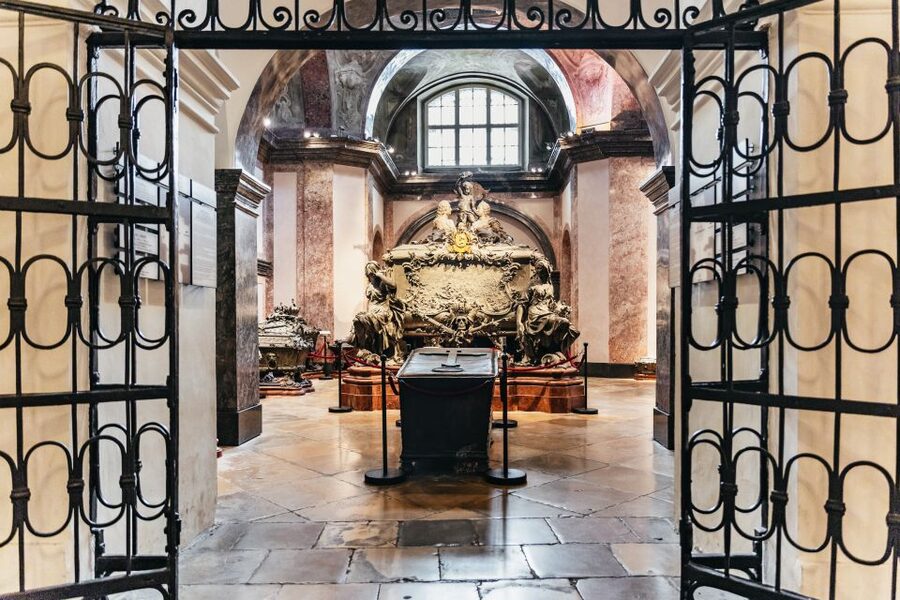
Your visit can be short or slow. About 30 minutes is enough to walk through the main rooms and see the most famous sarcophagi. That may suit you if the crypt is one stop in a packed day of sightseeing.
Allow around 1 to 1.5 hours if you want to read the available information, study the craftsmanship, and pause at the major tombs. One visitor spent about 1.5 hours looking at the coffin designs and reading about the people buried there.
The crypt can feel busy at times, especially around the most famous tombs. A slow visit may require patience as other people pass through or stop to read. The spaces are not enormous, so you will not have the same freedom to spread out that you might find in a large palace.
The ticket is valid for one day, and the booked time may be more flexible than you expect. A practical tip is to check the opening arrangement at the desk rather than assuming you must enter at the exact time printed on your booking. One visitor with a late 5:30 p.m. time slot was able to enter earlier, which mattered because the crypt closed at 6 p.m.
Price, access, and what to bring
At about $17 per person, this is not Vienna’s cheapest short stop. The value depends on your interest. If you enjoy imperial history, architecture, funerary art, or unusual religious sites, the price is reasonable for access to a place you cannot duplicate elsewhere.
The ticket includes entrance to the crypt. A guided tour is not included, but the additional €3 option can make the visit more rewarding if you want detailed explanations.
The crypt is wheelchair accessible. Small groups are limited to nine participants, which can help keep an organized visit manageable, although the space itself may still feel close in busy periods.
Leave pets and large bags behind. Sleeveless shirts are not allowed, and video recording is prohibited. Lockers are available for some belongings, with a refundable €1 or €2 coin deposit mentioned for the locker system.
Photography is prohibited as a mark of respect for the dead. This rule is sometimes ignored, but you should follow it. The crypt is a burial place, not a photo studio, and the quiet atmosphere is part of what makes the visit work.
Pairing the crypt with an evening concert
A combo ticket can pair the Imperial Crypt with A Little Night Music after the visit. This gives you a useful contrast: a quiet underground burial site followed by an evening of music.
The supplied details do not specify the concert venue, timing, or exact combined price, so check those points before booking. The pairing makes the most sense if your schedule already includes the concert and you want to connect two very different sides of Vienna’s cultural life in one outing.
Do not rush the crypt just to reach the concert. If the timing is tight, choose the shorter route through the main rooms and save the full reading visit for another day, since the entrance remains valid for one day.
Who will enjoy the Imperial Crypt most?
I would recommend this visit to you if you like dynastic history, ornate metalwork, church architecture, or places that show Vienna beyond its palaces and concert halls. It is particularly useful for putting the Habsburg family into a human setting.
The crypt is less suited to someone looking for a large museum, a fully narrated tour, or a major architectural interior. The rooms are compact, and the written explanations may not answer every question in English.
Families with older children may find the tombs a memorable way to discuss monarchy, death, succession, and European history. Younger children may lose interest quickly, especially if they do not know the people being discussed.
If you have already visited Schönbrunn Palace, the Hofburg, or other Habsburg sites, the crypt adds a final chapter. Those palaces show how the dynasty lived and ruled. Here, you see how the family chose to be remembered.
Should you book this experience?
Book the Imperial Crypt if you want a short, unusual historical stop in central Vienna and you are prepared to read, observe, and supply some context yourself. The most striking features are the ornate sarcophagi, the calm setting, and the chance to see famous figures such as Maria Theresa, Franz Joseph, Sisi, and Rudolph in one place.
I would add the English guided tour for an extra €3 if you are unfamiliar with Austrian history. Skip the crypt only if you need a large-scale attraction, extensive English interpretation, or a more active experience. For everyone else, $17 buys a memorable look at the family behind Vienna’s imperial image.
FAQ
How long does a visit to the Imperial Crypt take?
You can see the main areas in about 30 minutes, but allow 1 to 1.5 hours if you want to read the information and study the sarcophagi in detail.
Who is buried in the Imperial Crypt?
About 150 Habsburg personalities are buried there, including Maria Theresa, Emperor Franz Joseph, Empress Elisabeth, also known as Sisi, and their son Rudolph.
Is the Imperial Crypt wheelchair accessible?
Yes, the activity information states that the Imperial Crypt is wheelchair accessible.
Is a guided tour included with the entrance ticket?
No. Entrance is included, while a guided tour may be available directly through the ticket office for an additional €3.
Can I take photographs or record video inside?
Video recording is not allowed, and photography is prohibited in the crypt. You should also avoid bringing pets or large bags.
Can I cancel my ticket or pay later?
You can cancel up to 24 hours in advance for a full refund. A reserve-now, pay-later option is also available, so you do not need to pay at the time of booking.
Just added around Vienna
- Vienna: UNESCO Schönbrunn Palace Guided Tour with Entry★ 4.5 · 94 reviews
- World War II History Vienna Old Town Private Walking Tour★ 4.8 · 9 reviews
- Vienna: Winery and Wine Tasting Tour with a Wine Expert★ 5.0 · 5 reviews
- Vienna: Wine Tasting E-Bike Tour★ 4.9 · 46 reviews
- Vienna: Wine Tasting at Schönbrunn Palace★ 4.3 · 71 reviews
- Vienna: Wine Tasting Tour★ 4.8 · 61 reviews
- Vienna: Concert by the Vienna Baroque Orchestra★ 4.6 · 56 reviews
- Vienna: Wachau Valley Private Kayak and Wine Tour★ 5.0 · 3 reviews
Tickets, compared.
Classic Ensemble Vienna in St. Peter’s Church Ticket
Read our review →
Vienna Kunsthistorisches Museum Day Admission Ticket
Read our review →
Tickets for Mozarthaus Vienna with Audio Guide
Read our review →
Skip-the-Line Entrance Ticket to the Danube Tower
Read our review →