
Reviewed · STRAUSS CONCERTS
Vienna: Johann Strauss – Immersive Audiovisual Experience Ticket
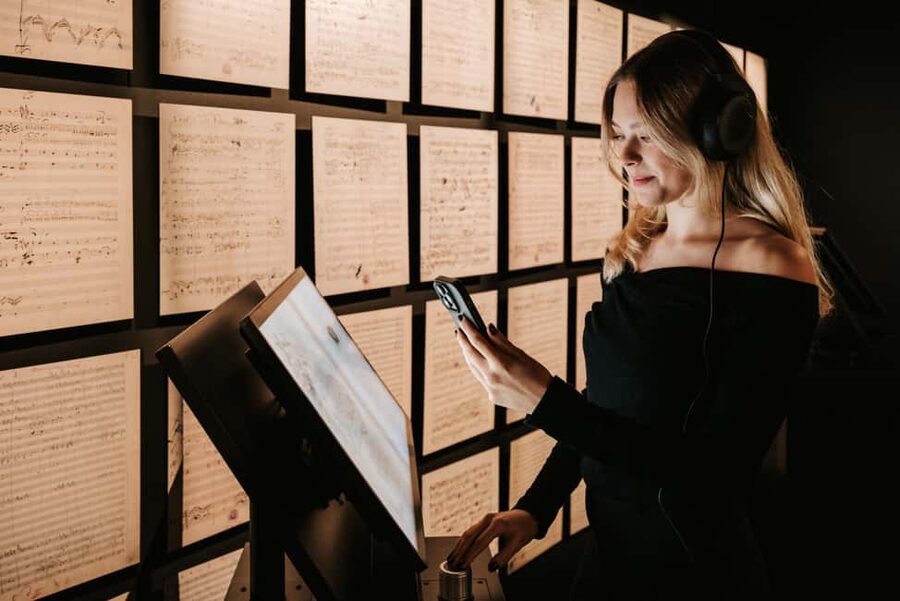
Vienna’s Johann Strauss Museum turns a museum visit into a moving musical show. You follow the Waltz King through projected scenes, interactive displays, and location-based audio rather than standing in front of long text panels. I especially like the waltz-making machine, which lets you create a tune and take home sheet music, and the photo booth, which places your face in a Johann Strauss-style portrait. The catch is that much of the visit comes through large headphones, and people prone to motion sickness may not enjoy the audiovisual effects.
The 75-minute visit works well for curious adults, families, classical-music fans, and anyone who normally finds museums a little flat. It costs $28 per person, which is fair if you want a structured, theatrical look at Vienna’s most famous musical family. If you prefer live musicians, original objects, or a quiet traditional museum, this may feel more like a media attraction than a standard collection.
Key points at a glance
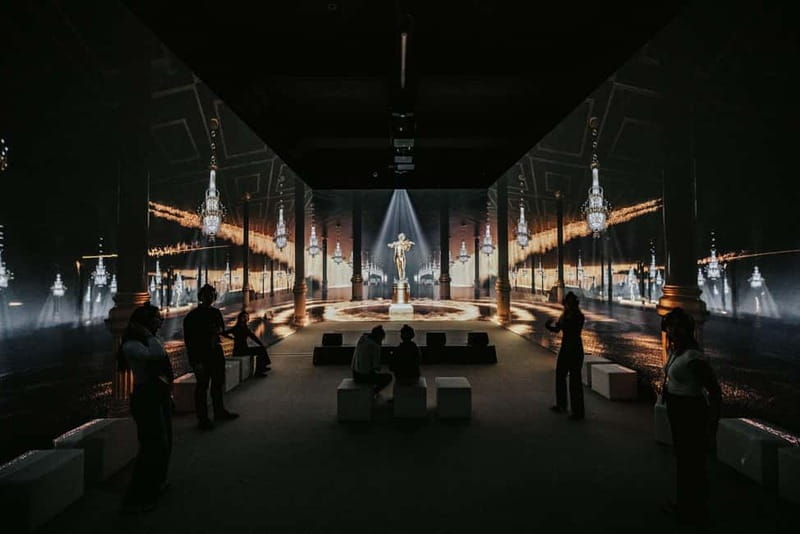
- Location-based 3D sound: Your headphones track your position precisely as you move through the virtual scenes.
- A personal waltz to take home: Use the composing machine to create music and receive it as sheet music.
- A playful Johann Strauss portrait: The photo booth lets you picture yourself as the Waltz King.
- A 75-minute format: The visit is long enough to tell a story without taking up half your day.
- Eight audio-guide languages: Choose Chinese, English, French, German, Italian, Japanese, Korean, or Spanish.
- Flexible ticket choices: Timeslot tickets require you to keep the selected time, while weekday and everyday flex tickets allow more freedom.
Entering the world of Vienna’s first pop star
Johann Strauss is presented here not simply as a nineteenth-century composer, but as a public figure with the reach and excitement of a modern pop star. That framing gives the visit a useful angle. You are not only hearing waltzes. You are seeing how music, performance, public image, and Vienna’s social life came together around one celebrated name.
The exhibition uses music, projections, animation, and interactive stations to tell this story. I like that approach because Strauss’s work is meant to be heard, not only read about. A conventional museum can explain dates and names, but this format puts the music at the center of the visit.
You move through the museum with headphones supplied as part of admission. The audio guide is available in eight languages, including English, German, French, Italian, Spanish, Chinese, Japanese, and Korean. The host or greeter can also assist in German or English.
One practical point matters here: this is not an audio guide that simply plays while you walk from label to label. The location-based system identifies where you are in real time, so the soundtrack and spoken material can respond to your position. That gives you more freedom to move around than a fixed group presentation.
More Strauss evenings in Vienna:
- Vienna: Mozart and Strauss Concert at Schönbrunn
★ 4.5 · 2,364 reviews - Vienna: Mozart & Strauss Classical Concert at Börse Palace
★ 4.5 · 810 reviews - Vienna: Johann Strauss Dinner Show at the Prater
★ 4.5 · 730 reviews
How the 75-minute visit unfolds
The full visit takes about 75 minutes, though your pace may vary slightly. The experience is organized around major parts of Strauss’s life and music, with each section using a different combination of sound, projected imagery, animation, and hands-on interaction.
You begin with orientation to the world of Johann Strauss and the period in which he became famous. The presentation gives you a broad sense of his public role and explains why the waltz became such an important part of Vienna’s identity.
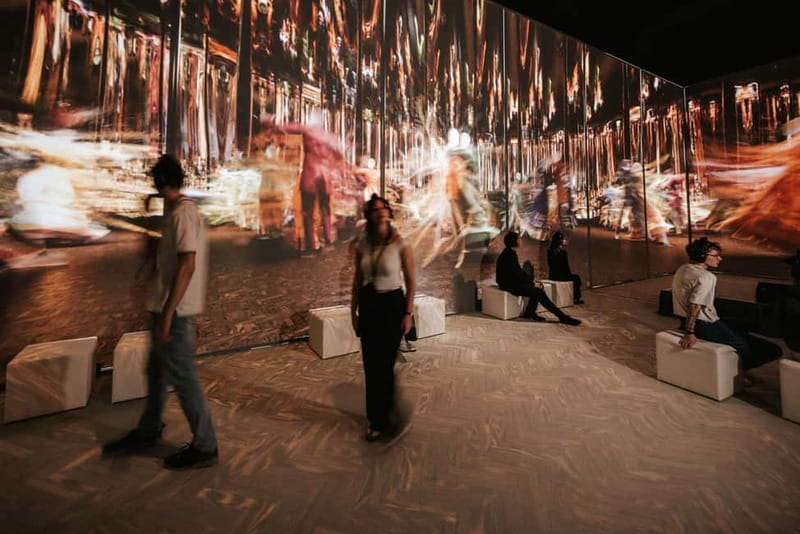
From there, the exhibition brings in more interactive material. Multimedia stations offer information and animation that connect Strauss’s melodies with scenes from his life. The museum does not rely only on written panels, so you should expect to listen and watch as much as you read.
The changing audiovisual settings are the main reason to choose this attraction over a more traditional museum. The sound follows you through the space, and the projections create a sense of movement through time. If you enjoy music, film, and visual effects together, this format keeps the visit active.
The final room receives particular attention because it provides one of the strongest visual payoffs in the museum. I would save a little energy for this part rather than treating the early displays as the whole event. The presentation builds toward an emotionally larger finish, making the last section more than a simple exit corridor.
Why the headphone system matters
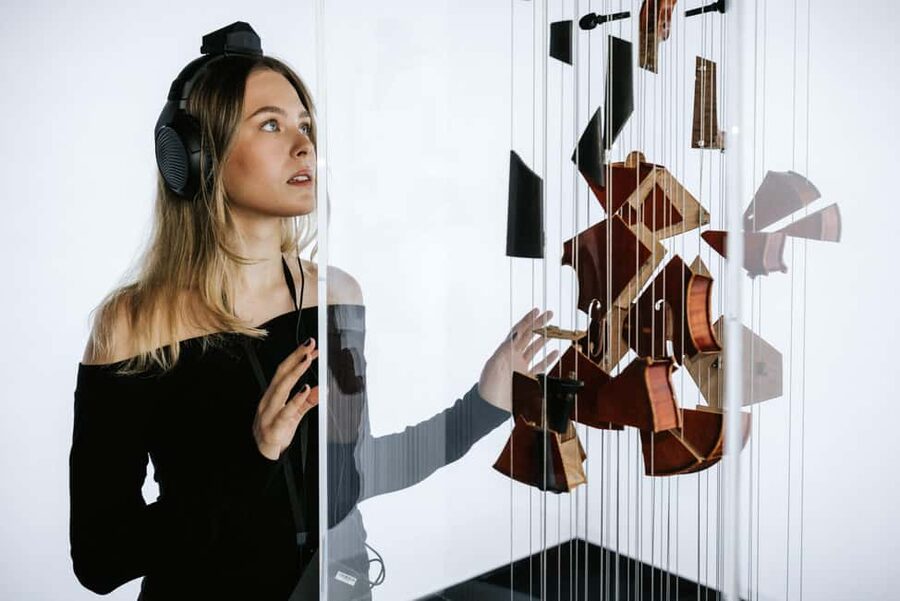
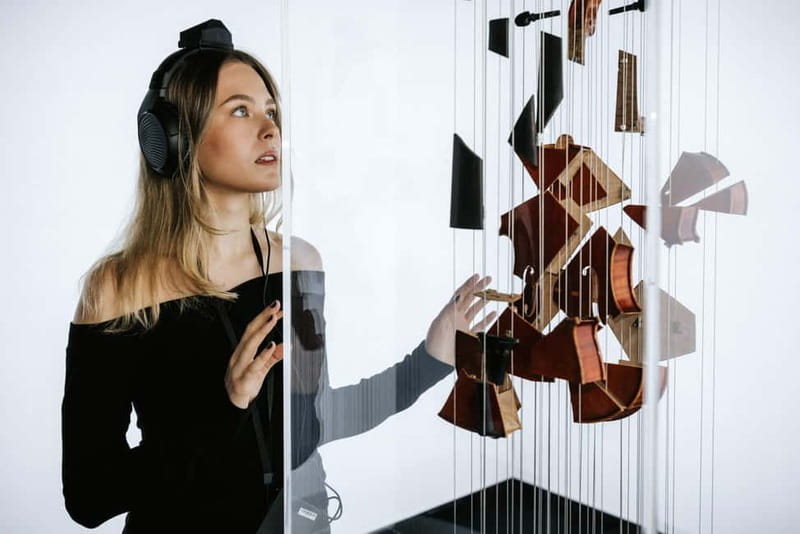
The large headphones are central to the visit, not an optional extra. They carry the narration, music, and location-based sound, so you will want to be comfortable wearing them for most of the 75 minutes.
The benefit is freedom. You are not tied to a guide speaking to a group, and you do not have to wait for a crowd to gather around one display. You can move through the scenes at your own pace while the system adjusts the audio to your position.
I also like the precision of the 3D sound system. It is designed to locate you accurately in the space, which makes the music and spoken material feel connected to what you are seeing. That is a more advanced setup than the usual button-operated museum handset.
The tradeoff is just as clear. Some people find large headphones tiring, especially when worn for a full visit. One visitor specifically noted that everything is played through the headphones, so this is worth considering before you book.
The exhibition also advises against the experience for people with motion sickness. The combination of moving images, projections, and audiovisual effects may not suit everyone. If you are sensitive to simulated movement, a quieter Strauss concert or conventional museum may be a better choice.
Making your own Strauss-style waltz
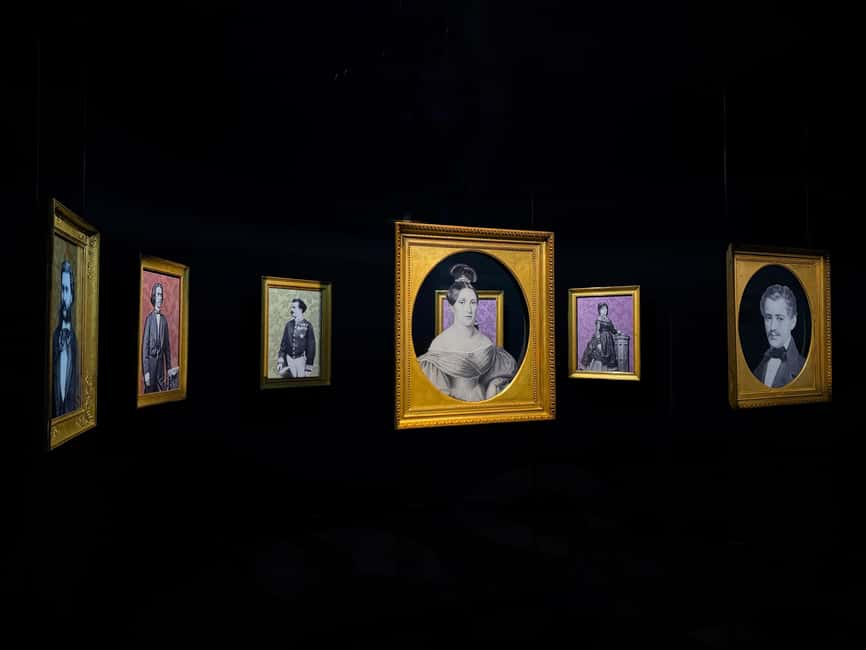
The composing machine is one of the most useful features for understanding the attraction’s purpose. Instead of only receiving information about Strauss, you get to make something of your own.
You can compose a personal waltz through the machine and take it home as sheet music. That gives the visit a clear souvenir with more meaning than a standard postcard. Even if you are not a musician, the activity offers a simple way to think about melody, rhythm, and the structure of a waltz.
I would allow time for this station rather than rushing past it. The museum combines education with play here, and the machine gives families and younger visitors something concrete to do. It also breaks up the listening and viewing portions of the visit.
The composing machine does not turn you into Johann Strauss in 30 seconds, of course. But it makes the music feel less distant. You leave with a small connection to the creative process instead of only a set of facts.
A few more Vienna days worth a look
- Vienna: Vivaldi’s Four Seasons Concert in Karlskirche
★ 4.7 · 14,951 reviews - Vienna: Spanish Riding School Training
★ 3.9 · 9,281 reviews - Vienna: Skip-the-cashier-desk-line Giant Ferris Wheel Ride
★ 4.5 · 7,859 reviews - Vienna: Schönbrunn Palace & Gardens Skip-the-Line Tour
★ 4.7 · 7,739 reviews
A photo as Johann Strauss
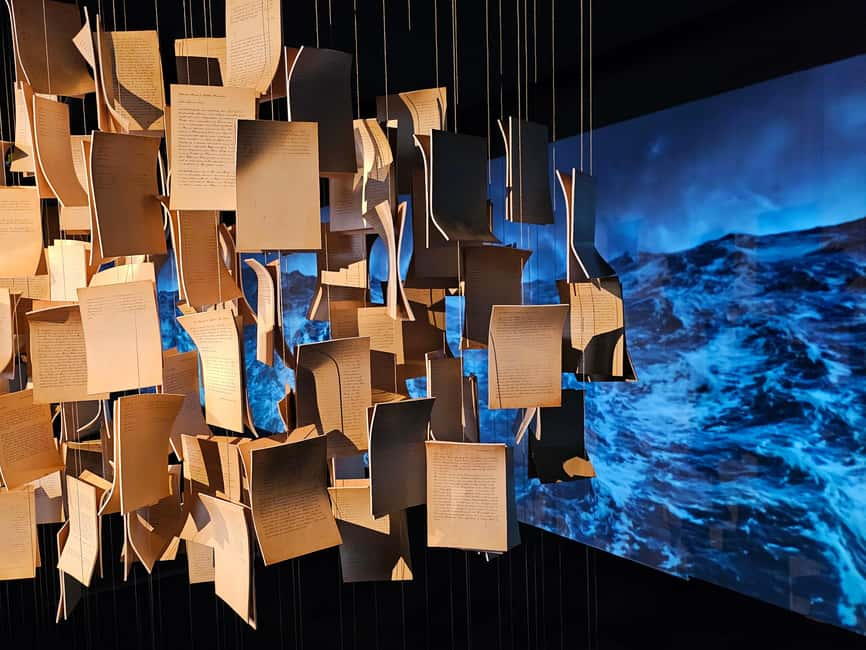
The souvenir shop includes a photo booth where you can have yourself photographed as Johann Strauss. The image is printed on the spot, giving you another take-home item included within the visit.
This feature has a lighter tone than the historical displays. It works best if you are willing to play along with the museum’s theatrical style. Families, couples, and friends can use it as a simple souvenir, while solo visitors may prefer the sheet music from the composing machine.
I appreciate that both activities are included rather than treated as separate paid add-ons. That helps the $28 admission feel more reasonable, particularly if you use both the composing machine and photo booth.
Is $28 a good value?
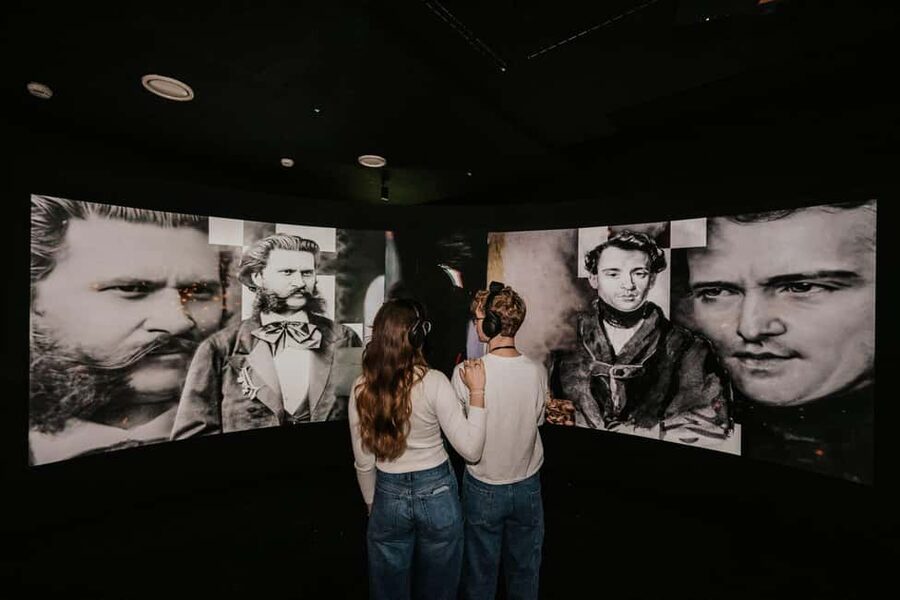
At $28 per person, this is not the cheapest museum stop in Vienna. The value depends on what you want from your visit.
I think the price is reasonable for a 75-minute attraction that includes admission, headphones, the composing machine, and access to the photo booth. You are paying for a guided multimedia production, not merely entry to rooms with displays. The audio system, projections, interactive stations, and personalized activities give the visit more structure than a quick look at static exhibits.
The value is strongest for visitors who want several things at once: a basic introduction to Johann Strauss, music in a central role, visual effects, and a souvenir you help create. It is also a good choice if you have limited time and want a focused cultural activity lasting a little over an hour.
The value is weaker if you are mainly seeking original Strauss manuscripts, historic instruments, or a live concert. The supplied details emphasize interactive technology and audiovisual storytelling, so you should not book this expecting a conventional archive or performance hall.
I would compare the ticket type carefully. A timeslot ticket requires you to attend on the selected day and time. A weekday flex ticket can be used flexibly on weekdays, while an everyday flex ticket can be used flexibly on any day. The flexible options may be worthwhile if your Vienna schedule is still changing.
Who will enjoy this most?
I would recommend the museum to anyone curious about Vienna’s music culture but not eager to spend hours reading. The combination of sound and projection gives you an easy route into Strauss’s work, even if you arrive with little background.
It suits families particularly well because the visit includes movement, animation, and hands-on activities. The composing machine gives children something creative to do, while the photo booth adds a playful finish. The 75-minute length is also manageable for a mixed-age group.
People with attention difficulties may appreciate the changing format. The attraction moves between narration, music, visuals, and interactive stations, rather than asking you to focus on written text for long stretches. The audiovisual design keeps the surroundings active.
Classical-music fans will find plenty to enjoy, but expectations matter. The museum offers context and presentation rather than a full concert. If hearing Strauss performed live is your main goal, pair this visit with a concert elsewhere in Vienna.
The museum is wheelchair accessible. Since the exact movement through each installation is not described in detail, you may still wish to confirm any specific access needs before arrival.
Planning your visit in Vienna
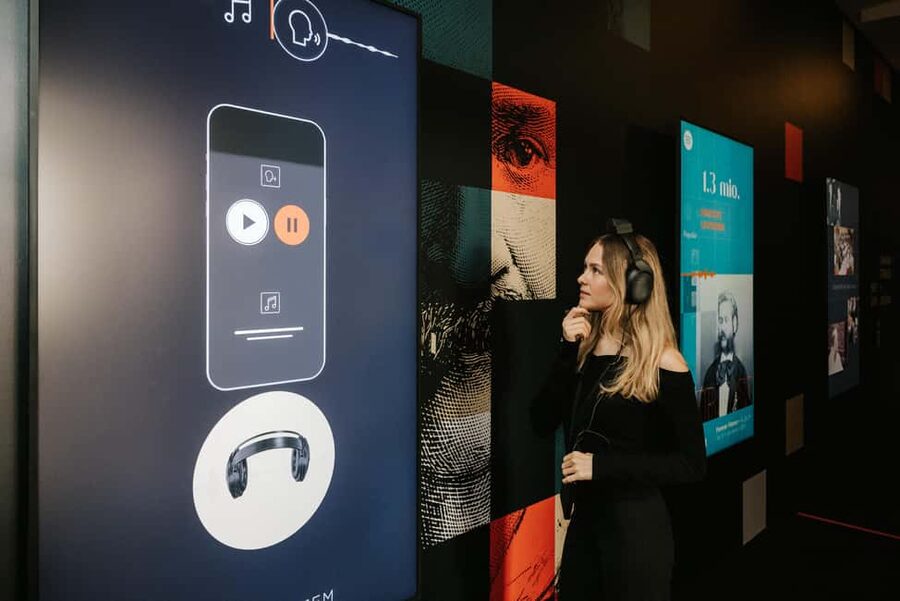
The museum is open Sunday through Thursday from 10:00 a.m. to 6:00 p.m., and Friday and Saturday from 10:00 a.m. to 7:00 p.m. The longer Friday and Saturday hours give you more room to fit it around dinner or another evening plan.
Because the experience runs on fixed starting times for timeslot tickets, arrive with enough margin to avoid a rushed entrance. The meeting point and ending point are both the Johann Strauss Museum, so there is no separate transport between sections.
English and German support is available from the host or greeter. The recorded audio guide adds six more choices: Chinese, French, Italian, Japanese, Korean, and Spanish. That makes the visit practical for international groups with different language needs.
Free cancellation is available up to 24 hours before the visit for a full refund. You can also reserve now and pay later, which helps if you are arranging several Vienna activities and want to keep your plans open.
Should you book the Johann Strauss Museum?
Book it if you want a lively 75-minute introduction to Johann Strauss with music, projections, interactive stations, and a personal waltz to take home. The best reasons are the precise headphone system, the composing machine, and the fact that the included activities give the $28 ticket some extra value.
Skip it if you dislike wearing headphones, feel unwell with audiovisual movement, or want original objects and a traditional museum atmosphere. For the right visitor, this is an entertaining way to meet Vienna’s Waltz King. It is less a quiet museum visit than a carefully staged music-and-image show, so choose it for the format as much as for Strauss himself.
FAQ
How long does the Johann Strauss Museum experience last?
The experience lasts approximately 75 minutes.
How much does admission cost?
The listed price is $28 per person.
What languages are available for the audio guide?
The audio guide is available in Chinese, English, French, German, Italian, Japanese, Korean, and Spanish.
Is the museum wheelchair accessible?
Yes, the experience is listed as wheelchair accessible.
Can I create my own music during the visit?
Yes. The composing machine lets you create your own waltz and take it home as personalized sheet music.
Is there a photo booth?
Yes. The museum has a photo booth where you can have a photo printed showing you as Johann Strauss.
Are tickets tied to a specific time?
Timeslot tickets require you to attend on the selected day and time. Weekday flex tickets can be redeemed flexibly on weekdays, and everyday flex tickets can be redeemed flexibly every day.
Just added around Vienna
- Vienna: UNESCO Schönbrunn Palace Guided Tour with Entry★ 4.5 · 94 reviews
- World War II History Vienna Old Town Private Walking Tour★ 4.8 · 9 reviews
- Vienna: Winery and Wine Tasting Tour with a Wine Expert★ 5.0 · 5 reviews
- Vienna: Wine Tasting E-Bike Tour★ 4.9 · 46 reviews
- Vienna: Wine Tasting at Schönbrunn Palace★ 4.3 · 71 reviews
- Vienna: Wine Tasting Tour★ 4.8 · 61 reviews
- Vienna: Wachau Valley Private Kayak and Wine Tour★ 5.0 · 3 reviews
- Vienna: Wiener Schnitzel and Strudel Cooking Class★ 4.9 · 126 reviews
Strauss Concerts, compared.
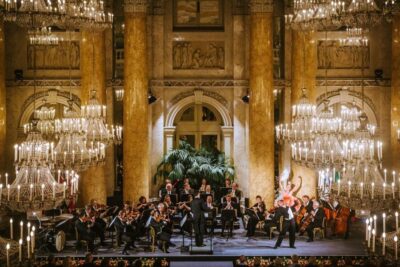
Mozart & Strauss Classical Concert at Börse Palace
Read our review →
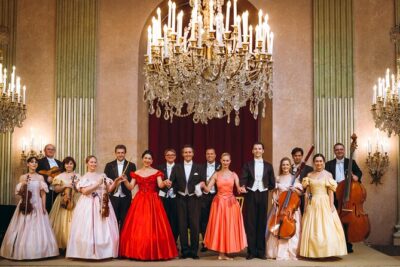
Vienna Residence Orchestra: Mozart and Strauss Concert
Read our review →
Vienna Classical Concert – Strauss in Historic 1837 Hall
Read our review →
Vienna Hofburg Orchestra: Mozart Strauss Concert at Konzerthaus
Read our review →Browse the lists this tour appears in