
Reviewed · STRAUSS CONCERTS
Vienna: King of Waltz – immersive Johann Strauss Museum
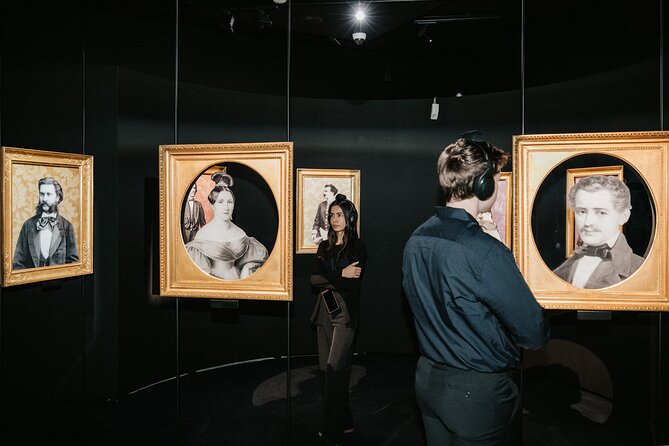
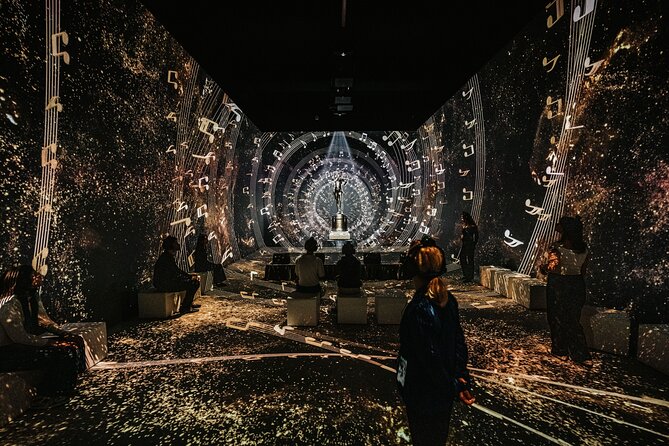
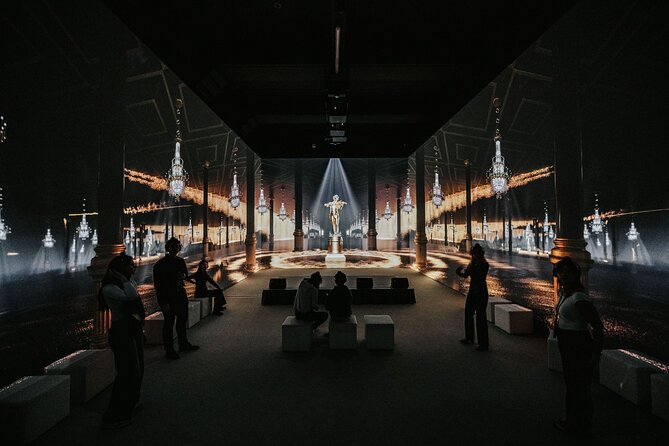
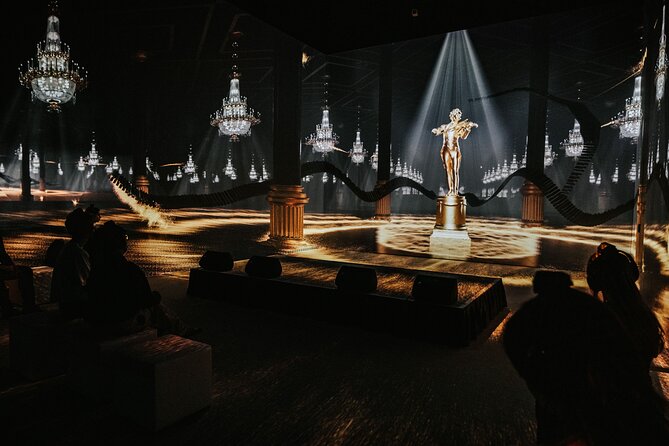
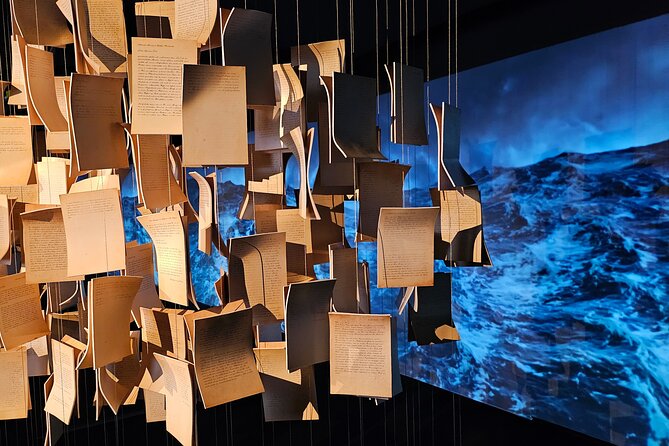
The most striking part of the Johann Strauss New Dimensions experience is how it turns a museum visit into a moving sound-and-image show. Inside the 800-square-meter Kleines Haus der Kunst, you follow seven stages of Strauss’s life with location-based 3D audio, animations, and interactive scenes rather than rows of silent display cases.
I like the composing machine, which lets you make a personal waltz and take home the printed sheet music. I also like the practical length: about 75 minutes, with seating available when you want a break. The main consideration is that this is a multimedia production, not a traditional museum filled with original objects, so visitors seeking a quiet, artifact-heavy history lesson may find it too screen-focused.
Key points to know before you go
- Seven acts in 800 square meters: The visit follows important phases of Johann Strauss’s life in a compact, carefully timed route.
- 3D sound follows your position: Motion-sensitive headphones and a GPS-controlled audio guide help connect each soundscape to the space around you.
- You can make your own waltz: The composing station creates personalized sheet music you can take home.
- A printed Strauss portrait is part of the fun: One station lets you take a photo of yourself as Johann Strauss and print it on the spot.
- Plan around 75 minutes: The experience is short enough to fit into a busy Vienna day, with seats available along the way.
- The price reflects the technology: At $28.94 per person, this is best value for visitors who enjoy music, visual effects, and hands-on exhibits.
Entering the Kleines Haus der Kunst
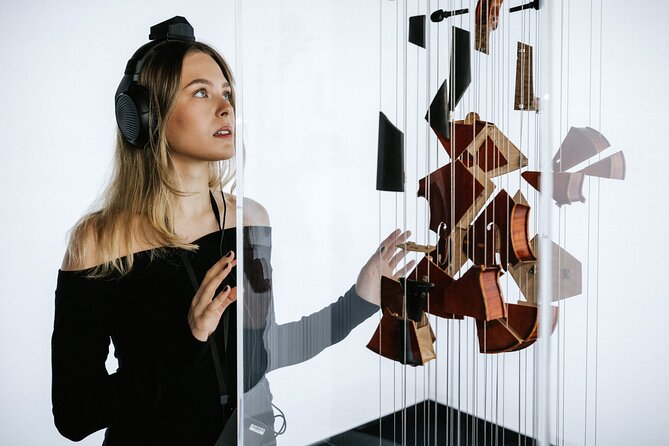
The Johann Strauss New Dimensions experience takes place at Vienna’s Kleines Haus der Kunst. The exhibition uses about 800 square meters, enough room for a series of distinct scenes without making the visit feel like an all-day commitment.
You should allow roughly 75 minutes from beginning to end. That timing matters in Vienna, where you may be fitting this stop between a palace, a concert, and a long coffee break. The exhibition is near public transportation, so you can treat it as an easy central-city cultural stop rather than a destination that requires a special excursion.
Admission, headphones, and the audio guide are included. Parking is not included, so public transportation is the sensible choice if you are staying in Vienna and do not need to bring a car.
The format is designed for most travelers to take part. You move through the experience with motion-sensitive headphones and a GPS-controlled audio guide. The technology is intended to respond to your location, so the soundtrack and commentary relate to the act or station you are visiting.
More Strauss evenings in Vienna:
- Vienna: Mozart and Strauss Concert at Schönbrunn
★ 4.5 · 2,364 reviews - Vienna: Mozart & Strauss Classical Concert at Börse Palace
★ 4.5 · 810 reviews - Vienna: Johann Strauss Dinner Show at the Prater
★ 4.5 · 730 reviews
Seven acts that trace the Waltz King’s life
The exhibition is organized into seven acts. Rather than presenting Strauss’s story as one long lecture, each part uses audiovisual material and a different setting to show a phase of his life and work.
That structure helps keep the 75 minutes moving. You are not expected to stand in one gallery and read a large block of text before proceeding. Instead, the story arrives through sound, visual scenes, animations, and interactive points where you can participate.
I would approach the experience as a guided musical story, not as a complete biography. It gives you a sense of Strauss’s public image, musical world, and importance in Vienna, but the emphasis is on atmosphere and participation. If you already know a great deal about Johann Strauss, you may find the presentation more entertaining than revealing.
The audio system is central to the visit. Location-based 3D sound can make the music feel connected to the space around you, rather than coming from one fixed speaker. The headphones also give the experience a clear rhythm, though you should expect a technology-led visit instead of the natural quiet of a standard museum.
Why the 3D sound matters
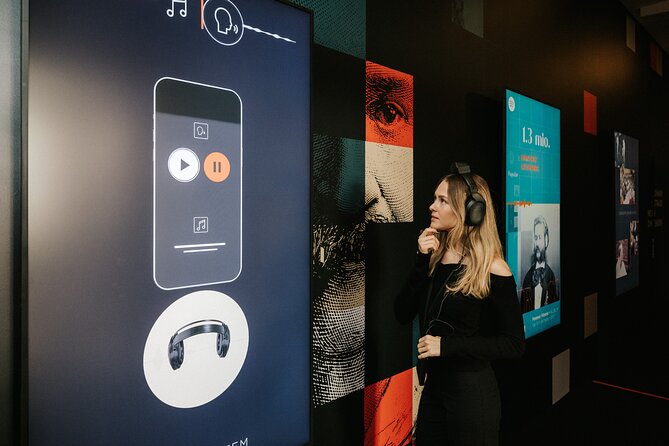
Johann Strauss is a composer whose work depends on movement, rhythm, and a sense of occasion. Hearing his music through a location-based sound system suits that subject better than a simple audio track would.
The motion-sensitive headphones are designed to react as you move. The GPS-controlled guide helps direct the audio content to the right point in the exhibition. This means you can pay attention to how a room feels and sounds, rather than trying to match a printed number with the correct recording.
The approach is especially useful if you enjoy learning through sound. You do not need to be a music historian to understand the appeal. Strauss’s melodies become part of the setting, and the soundscapes help connect his name with the waltz tradition associated with Vienna.
Still, expectations matter. Headphones, projections, and interactive displays are the main tools here. If your ideal music museum includes original manuscripts, costumes, or a large collection of physical objects, you should treat this as a companion experience rather than a replacement for a traditional museum.
The composing machine gives you something personal
The most distinctive hands-on feature is the composing machine. You can try your hand at building your own waltz, then receive personalized sheet music to take home.
That small souvenir gives the visit more staying power. A printed sheet of music is more memorable than a quick photo of an information panel, and it turns the experience into something you helped create. You do not need to arrive with musical training. The point is to experiment with the waltz form and see what comes out.
I would set aside a few minutes for this station rather than rushing through it. The exhibition has several interactive elements, and the composing machine is one of the clearest reasons to choose this experience over a regular audio tour about Strauss.
The sheet music also makes this a good option for families, couples, and friends who want to compare their creations. The available information does not specify how many people can use the machine at one time or how long each attempt takes, so allow a little flexibility if the station is busy.
More museums and galleries in Vienna:
- Vienna: Skip-the-Line Sisi Museum, Hofburg and Gardens Tour
★ 4.8 · 5,918 reviews - Vienna Kunsthistorisches Museum Day Admission Ticket
★ 4.6 · 3,690 reviews - Tickets for the Albertina Exhibitions
★ 4.7 · 2,126 reviews - Vienna: Chocolate Workshop in Chocolate Museum w/ Tasting
★ 4.5 · 1,802 reviews
Try the Strauss portrait station
Another playful stop lets you take a photo of yourself as Johann Strauss and have it printed immediately. It is a lighthearted feature, but it fits the exhibition’s larger idea: you are not only hearing about music history, you are briefly placed inside its visual world.
This is likely to appeal most to visitors who enjoy a souvenir with a personal touch. The printed image can also give children a reason to stay engaged during the historical sections.
The feature is not likely to satisfy someone looking for serious biographical study on its own. Think of it as a break from the audio and visual material, and as one of several ways the exhibition keeps you active.
Multimedia stations for musicians, dancers, and curious visitors
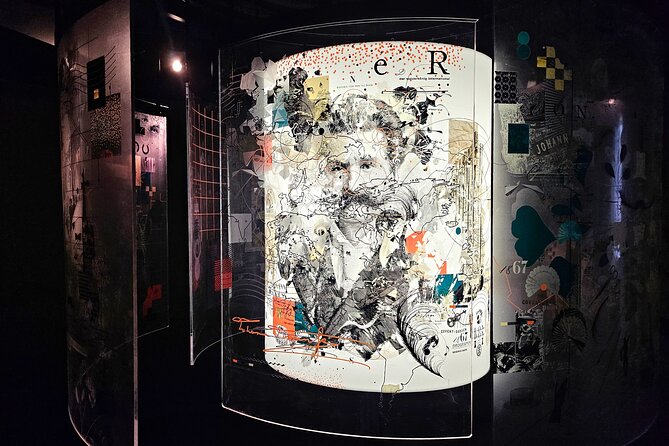
At different points, you can try activities connected with being a composer, musician, or dancer. These stations add variety to the route and help explain why Strauss’s music was made for movement and performance.
The interactive format works best when you are willing to take part. You can simply listen and watch, but the experience gives you more if you test the stations instead of treating them as background decoration.
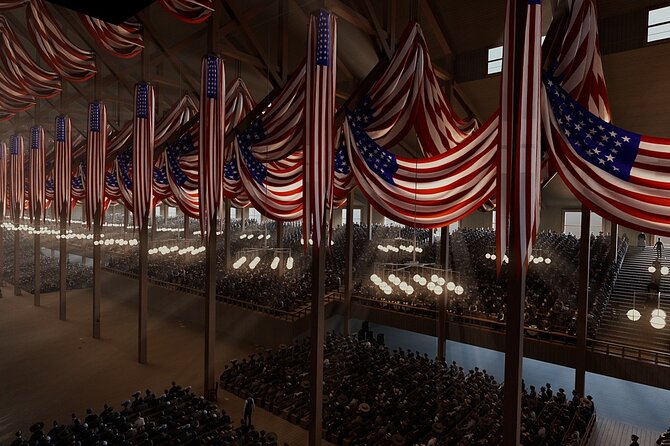
Animations complete the presentation and help link the acts together. They are useful for visitors who prefer visual explanation, especially younger members of a family group. At the same time, the polished multimedia style may feel less authentic to people who came hoping for a close look at original historical material.
That balance is important. The exhibition offers a modern interpretation of Strauss, not a preserved nineteenth-century room. Its value lies in showing how music, motion, sound, and image can work together.
Is $28.94 good value for 75 minutes?
At $28.94 per person, this is not the cheapest short museum stop in Vienna. The price is easier to justify if you use the included equipment and take part in the creative stations.
You are paying for admission, headphones, a GPS-controlled audio guide, 3D sound, animations, interactive displays, a composing activity, and the printed elements connected with the experience. A 75-minute visit works out to a moderate cost for a purpose-built audiovisual production, especially if Johann Strauss is a real interest for you.
The value is less clear if you only want a quick introduction to the composer. Vienna offers many music-related sights, and a visitor who prefers reading at their own pace may find the timed, technology-based format restrictive.
I would book it for the experience itself, not simply for the name Johann Strauss. The best comparison is with an interactive performance or a multimedia attraction, not with a small historic house. If you enjoy music presented through sound and visual effects, the price is reasonable. If you want rare objects and long written explanations, spend your museum budget elsewhere.
Who will get the most from this visit?
I would recommend this experience to several types of visitors:
- Music lovers who want to hear Strauss’s work presented in a physical setting.
- Cultural explorers who prefer active exhibits to long walls of text.
- Families looking for a manageable indoor activity with sound, images, and stations to try.
- Couples and friends who can enjoy making a waltz and comparing the printed results.
- First-time Vienna visitors who want a compact introduction to one of the city’s most famous musical figures.
It may be less suitable for you if you dislike headphones, projected imagery, or interactive technology. It is also not the right choice if your main goal is to see a large collection of original Strauss possessions.
The length is a real advantage. A 75-minute visit leaves room for other plans, and seating throughout the museum means you are not required to remain standing for the whole presentation. One published rating specifically praised the creative audiovisual material, the manageable duration, and the number of places to sit. Those are useful details if you are planning a full day of sightseeing.
How to plan this stop in a busy Vienna day
Because the experience is near public transportation, you can add it to a day spent in central Vienna without arranging private transport. Give yourself enough time to arrive before your reserved start time, then count on about 75 minutes inside.
You may want to avoid placing it directly before a concert or another fixed appointment unless you leave a generous gap. The stated duration is approximate, and interactive stations can take different amounts of time depending on how quickly you move through them.
The mobile ticket is convenient, since you do not need a paper voucher. Confirmation is provided when you book. If you are driving, remember that parking fees are not included.
Free cancellation is available if you cancel at least 24 hours before the experience begins. Within 24 hours, the amount paid is not refunded, and late changes are not accepted. The cut-off follows Vienna local time, so check the start time carefully if you are booking while abroad.
A modern way to meet Johann Strauss
This experience succeeds because it does not pretend to be a conventional museum. It uses sound, movement, animation, and personal participation to make Strauss’s world easier to approach.
The strongest moments are likely to come from the location-based audio, the composing machine, and the printed portrait. These features give the visit a sense of play, while the seven-act structure supplies a clear route through Strauss’s life and music.
I would not choose it as my only Johann Strauss activity in Vienna if I wanted detailed historical study. But as a compact, accessible introduction with a few memorable take-home elements, it earns its place on a city itinerary.
Should you book the Johann Strauss Museum experience?
Book it if you like music, visual storytelling, and hands-on exhibits, or if you want a 75-minute indoor stop that works for a mixed-age group. The printed sheet music and Strauss portrait make it more personal than a standard audio tour.
Skip it if you want original artifacts, a quiet scholarly museum, or a long visit at your own pace. At $28.94, the experience offers fair value for its technology and included activities, but only if that style matches your interests.
FAQ
Where does the Johann Strauss Museum experience take place?
It takes place at the Kleines Haus der Kunst in Vienna, Austria.
How long does the experience last?
The visit lasts approximately 1 hour and 15 minutes.
What is included in the ticket?
Admission, headphones, and an audio guide are included.
Does the experience use an audio guide?
Yes. It uses a GPS-controlled audio guide with motion-sensitive headphones and location-based 3D sound.
Can I create my own music during the visit?
Yes. An interactive composing machine lets you create your own waltz and take home personalized sheet music.
What is the cancellation policy?
You can cancel for a full refund at least 24 hours before the scheduled start time. Cancellations or changes made within 24 hours are not accepted and are not refunded.
Just added around Vienna
- Vienna: UNESCO Schönbrunn Palace Guided Tour with Entry★ 4.5 · 94 reviews
- World War II History Vienna Old Town Private Walking Tour★ 4.8 · 9 reviews
- Vienna: Winery and Wine Tasting Tour with a Wine Expert★ 5.0 · 5 reviews
- Vienna: Wine Tasting E-Bike Tour★ 4.9 · 46 reviews
- Vienna: Wine Tasting at Schönbrunn Palace★ 4.3 · 71 reviews
- Vienna: Wine Tasting Tour★ 4.8 · 61 reviews
- Vienna: Concert by the Vienna Baroque Orchestra★ 4.6 · 56 reviews
- Vienna: Wachau Valley Private Kayak and Wine Tour★ 5.0 · 3 reviews
Strauss Concerts, compared.
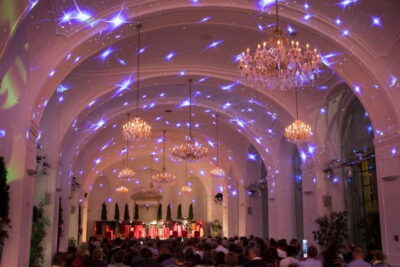
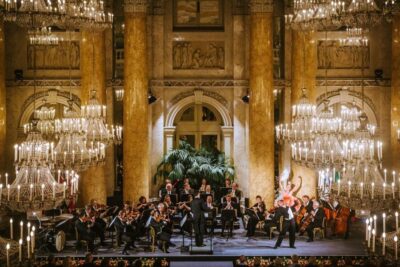
Mozart & Strauss Classical Concert at Börse Palace
Read our review →
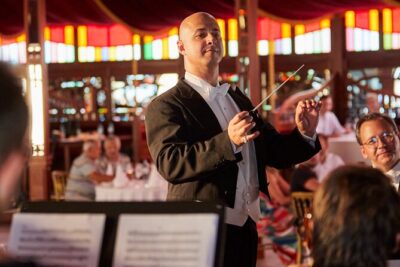
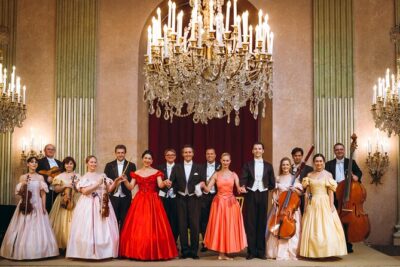
Vienna Residence Orchestra: Mozart and Strauss Concert
Read our review →
Vienna Classical Concert – Strauss in Historic 1837 Hall
Read our review →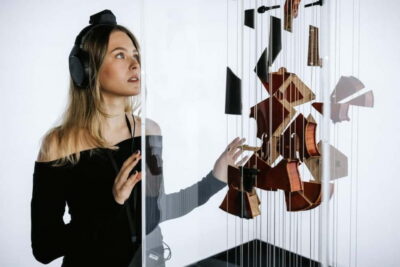
Johann Strauss – Immersive Audiovisual Experience Ticket
Read our review →Browse the lists this tour appears in