Reviewed · TICKETS
Vienna: Ticket to the Weltmuseum
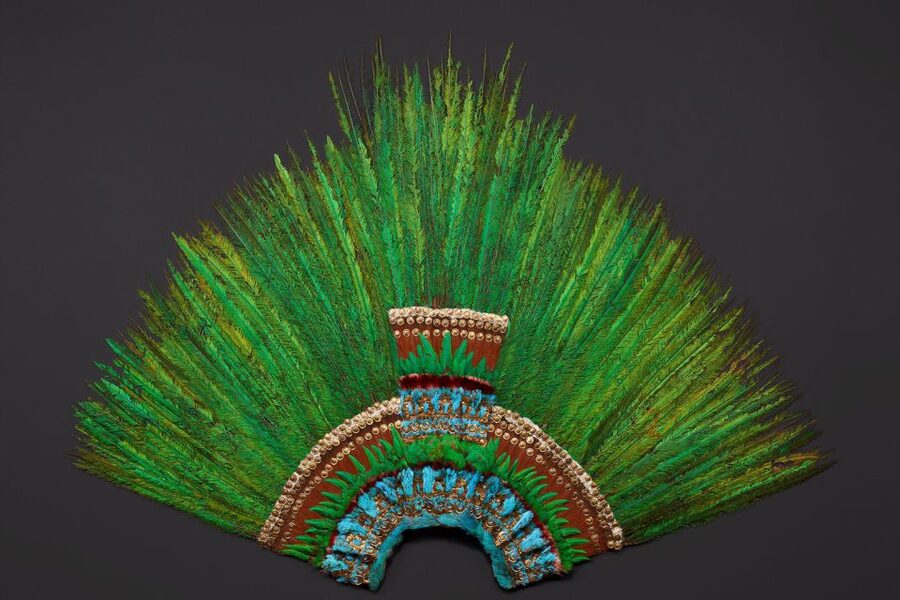
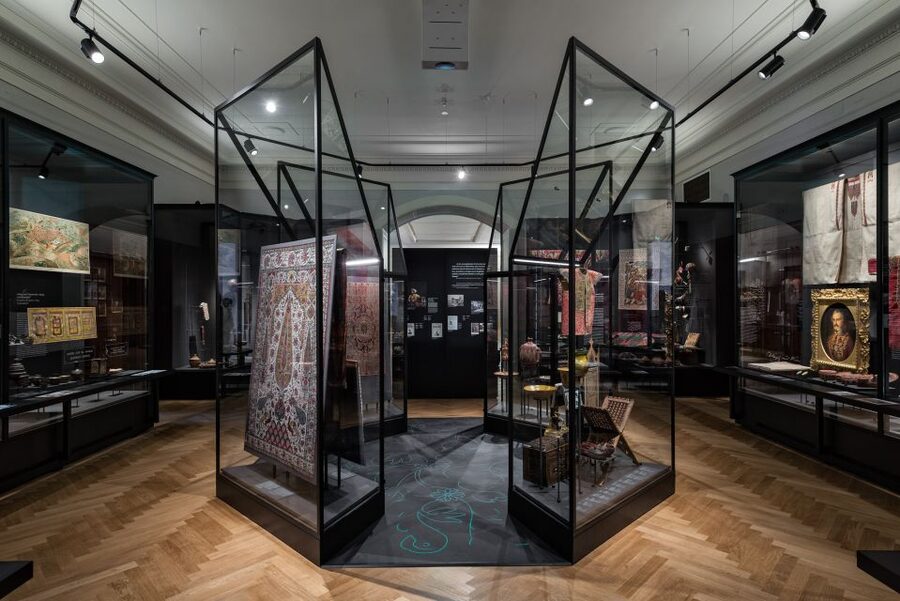
The first thing to know about Vienna’s Weltmuseum is that its star object is a small, striking piece with a huge story: the antique Mexican feather decoration known as the Penacho. Around it, you’ll find objects gathered across centuries, including treasures linked to Emperor Rudolf II and the collection associated with sailor James Cook. I like the mix of famous pieces and less familiar objects, since the museum gives you more than one reason to keep looking.
I also like the setting inside the Neue Burg. The listed Pillar Hall gives the visit a grand Viennese frame, while the museum café offers a sensible place to pause. The drawback is scale. You can see the main sights in an hour or two, but examining each room carefully could take much longer, and the $18 price may feel high if you plan only a quick look.
Key points to know before you go
- The Penacho is the main draw: Go in with enough time to see Vienna’s famous Mexican feather decoration rather than racing through the galleries.
- Five centuries shape the museum: The holdings reach back to Habsburg collecting and include objects connected with Emperor Rudolf II.
- James Cook’s collection adds a strong historical thread: It gives the visit a clear link to European exploration and collecting in the 19th century.
- The Pillar Hall is part of the experience: This listed hall is not just a passageway. It is the museum’s public heart and event space.
- This is a museum admission ticket, not a guided tour: You set your own pace and decide how much time to give each collection.
- Plan for a large museum: One visitor found it big enough to fill days when viewed in detail, so choose your priorities before entering.
Why the Penacho gives the visit a clear focus
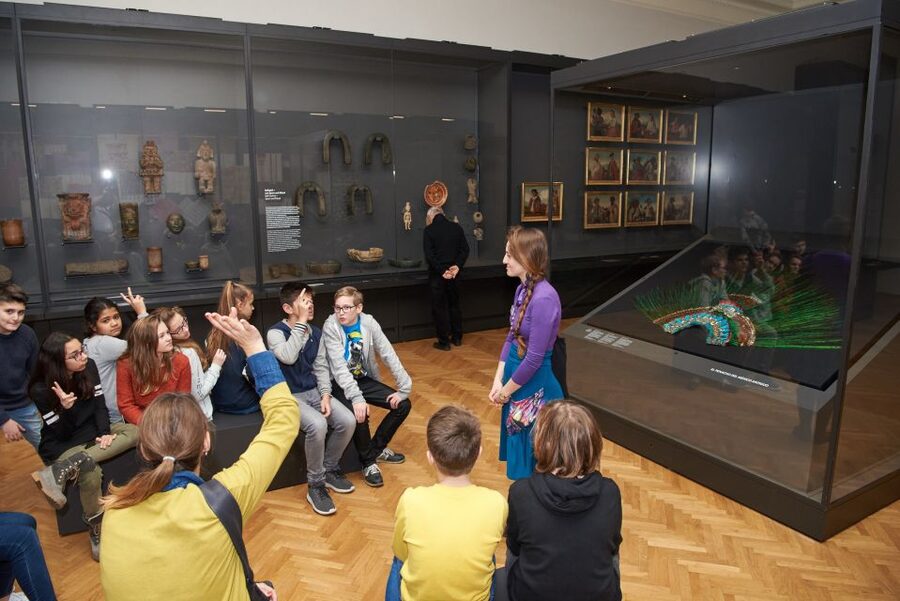
Many museums become a blur of cases after the first half hour. The Weltmuseum gives you a useful anchor: the Penacho. It is an antique Mexican feather decoration, widely associated with Moctezuma, and it draws people who might otherwise skip an ethnographic museum.
I would make this your first priority. See it while your attention is fresh, then let the other displays widen the story. The object is not just a decorative work. It raises questions about ownership, collecting, cultural meaning, and the way objects travel from one part of the world to another.
The museum’s material comes from non-European cultures, so the visit works best when you give the objects more than a passing glance. You might find clothing, ceremonial items, tools, images, and other pieces that are hard to understand without context. Historical photographs and books add another layer, showing how European institutions recorded and interpreted cultures outside Europe.
That can make the experience more thoughtful than a simple display of unusual objects. It also means the museum is not built around quick entertainment. If you want a short list of famous paintings, this may not be your best use of time. If you enjoy asking where objects came from and why they were collected, it has much more to offer.
A few more Vienna days worth a look
- Vienna: Vivaldi’s Four Seasons Concert in Karlskirche
★ 4.7 · 14,951 reviews - Vienna: Spanish Riding School Training
★ 3.9 · 9,281 reviews - Vienna: Skip-the-cashier-desk-line Giant Ferris Wheel Ride
★ 4.5 · 7,859 reviews
Five hundred years of Habsburg collecting
The museum’s story reaches back about 500 years through the collecting habits of the Habsburgs. That long time span is one of the reasons the displays can feel broad. You are not looking at one temporary exhibition or one narrow region. You are seeing the results of generations of royal and imperial interest in objects from outside Europe.
Emperor Rudolf II’s Kunstkammerstücke are among the pieces to watch for. A Kunstkammer was a princely chamber of art and unusual objects, built to show learning, taste, rarity, and status. Even without knowing every detail, you can see how such objects fit into a court culture that prized remarkable things.
The Habsburg connection also gives the museum a Viennese identity. This is not simply a collection of objects from around the world placed in a modern hall. The pieces are tied to the political and cultural history of the court that collected them.
I find that useful because it keeps the visit grounded. You are learning about non-European cultures, but you are also learning how Vienna looked at the wider world. That second story is not always comfortable, and it is worth paying attention to. A museum built from imperial collecting can raise questions about power and ownership as well as admiration for craftsmanship.
Following the James Cook collection
The James Cook collection gives the museum another strong point of reference. It connects the displays to the well-known sailor and to the 19th-century European interest in documenting distant places and peoples.
This section should appeal to you if you like travel history. Cook’s name brings maps, voyages, encounters, and collecting to mind, but the museum turns that broad subject into physical objects. The collection lets you consider how travel changed European ideas about the world and how objects became evidence in that process.
Do not treat this area as a separate museum visit. It works better as part of the larger pattern. The Habsburg holdings, Rudolf II’s objects, the Penacho, and Cook’s collection all show different reasons people gathered things: curiosity, prestige, scholarship, political power, and a desire to record the unfamiliar.
The museum does not provide a named guide with this ticket. You should expect to make your own route through the galleries. That is a plus if you like freedom, but it places more responsibility on you. Give yourself a simple plan: start with the Penacho, find the Rudolf II pieces, spend time with the James Cook material, then visit the Pillar Hall and café.
The Pillar Hall is more than a grand backdrop
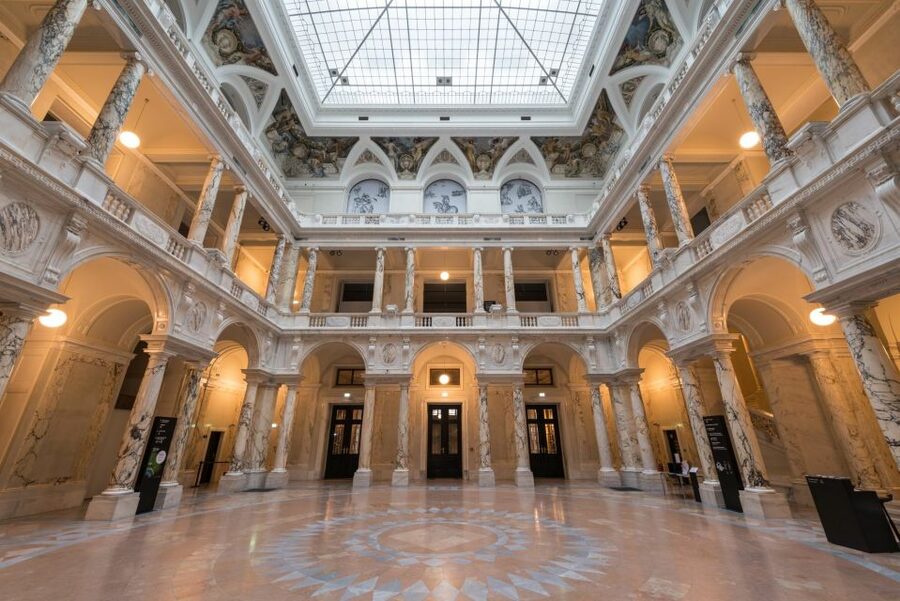
The listed Pillar Hall is the architectural centerpiece of the Weltmuseum. Its scale and columns give you a strong sense of place before you even begin studying the cases.
The hall is also open to the public and used for the museum’s own events and customer events. That matters because it is not merely an ornate room that you glimpse on the way to another gallery. It is part of how the museum functions today.
Take a few minutes here. Look up, take in the proportions, and notice how different the experience feels from a narrow gallery filled with objects. The hall gives the visit a pause between displays.
The café offers a small coffee break with a view into the Pillar Hall. I like this kind of pause because museums can wear you down, especially when the building is large. You can stop, reset, and decide if you want to return to a section you hurried through.
Do not expect the café stop to replace the museum visit. It is an extra moment, not the main attraction. Still, the combination of coffee and architecture is a practical reason to avoid rushing out as soon as you have seen the Penacho.
A completely different way to spend a day here:
- Vienna: Schönbrunn Palace & Gardens Skip-the-Line Tour
★ 4.7 · 7,739 reviews - Vienna: Light of Creation Votive Church Immersive Light Show
★ 4.8 · 6,779 reviews - Vienna Spanish Riding School Guided Tour
★ 4.7 · 6,765 reviews - Vienna: Classical Concert in the World-Famous Musikverein
★ 4.6 · 6,673 reviews
How much time should you allow?
The ticket is valid for one day, and that flexibility is useful. You do not need to force every room into a tight sightseeing schedule. You can visit when it fits your day and give the collection as much time as your interest allows.
For a quick visit, focus on the Penacho, the James Cook collection, Rudolf II’s Kunstkammerstücke, and the Pillar Hall. That gives you the museum’s strongest themes without trying to examine every object.
For a slower visit, allow several hours. One detailed visit could take far longer, since the museum is large and the holdings cover many cultures and periods. You may find yourself stopping for photographs, books, and objects that were not part of your original plan.
I would not pair this with a packed schedule of major Vienna sights if you want to read labels and think about what you are seeing. The Neue Burg location is central, but a central location does not make a large museum small.
The one-day validity gives you room to split your attention if the ticket conditions and museum opening arrangements fit your plans. The supplied information does not list opening hours or a required entry time, so check the available starting times before you book.
Is the $18 admission good value?
At $18 per person, this is not a bargain ticket for a short glance. The value improves when you use the museum’s size to your advantage and stay long enough to see several parts of the collection.
I think the price is fair for someone who cares about the Penacho, imperial collecting, or the James Cook material. You are paying for access to a large institution with objects, books, photographs, architecture, and several strong historical themes, not just one display case.
The price feels less attractive if you only want to enter, see the Penacho, and leave. In that case, the rest of the museum may not justify the cost for you. A visitor who wants every room in detail could also see the ticket differently, since a full examination might take days.
One useful point is that the museum can serve different kinds of visitors. You can make it a focused one-hour stop, a half-day cultural visit, or a longer return visit within the one-day validity. Your own pace determines the value more than a fixed schedule does.
The ticket is offered with free cancellation up to 24 hours before the visit, and you can reserve now and pay later. Those terms help if your Vienna plans are still moving, though they do not change the basic question: will you give the museum enough time to make $18 worthwhile?
Getting there and handling the practical details
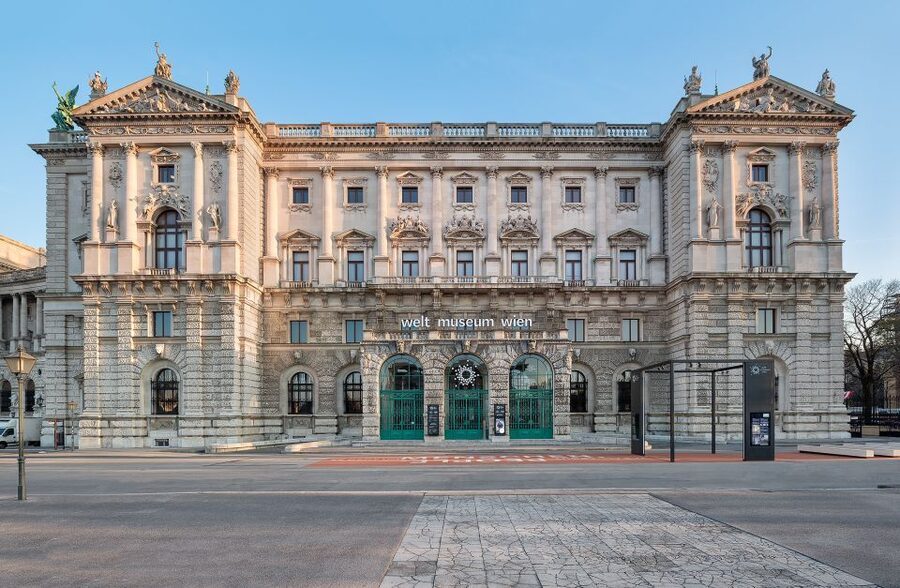
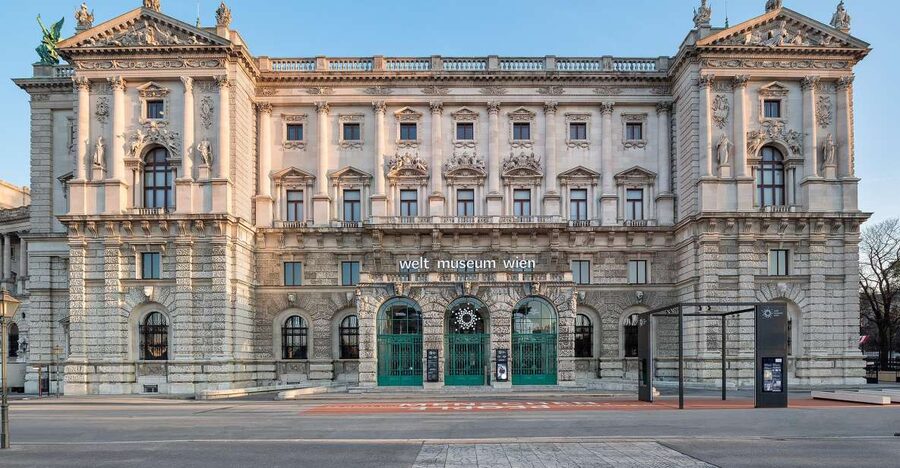
The meeting point is Heldenplatz, Neue Burg, 1010 Vienna. That is a clear central address, so you should have little trouble identifying the building once you are in the area.
This is admission to the Weltmuseum, not a transport package or a guided walking tour. You arrange your own way to the Neue Burg and then explore the museum on your own.
Wheelchair access is available, which is important in a large historic building. The information supplied does not describe every route, lift, or gallery detail, so if you need a specific access arrangement, confirm it before visiting.
The ticket is valid for one day. Starting times depend on availability, so check the date and time options before making plans around it. Since no guide is included, you do not need to coordinate with a tour leader or stay with a group.
That freedom is one of the ticket’s best features. You can move quickly through familiar subjects, slow down in the rooms that catch your eye, and take the coffee break when you need it.
Who will get the most from the Weltmuseum?
I would recommend this museum to you if you enjoy cultural history, royal collections, travel accounts, or objects with complicated origins. The Penacho gives first-time visitors an obvious reason to enter, while the wider holdings reward patience.
It also suits anyone who likes architecture as part of a museum visit. The Pillar Hall gives you a strong visual moment, and the café makes it easier to build in a pause.
Families and mixed-interest groups may find the visit flexible because people can spend different amounts of time in different areas. The size can be helpful, but it can also make the experience feel demanding if everyone wants to see every room.
You might skip it if your Vienna schedule is already full of museums and you want only a brief stop. At $18, the ticket deserves more than a rushed visit. You might also prefer another attraction if your main interest is European painting, since this museum focuses on non-European cultures, ethnographic objects, photographs, and books.
My practical route through the museum
I would use this order:
- Start with the Penacho, since it is the museum’s most distinctive single object and your main reason for visiting.
- Move to the objects linked with the Habsburgs and Emperor Rudolf II, paying attention to the idea of a royal collection built over centuries.
- Spend time with James Cook’s collection and consider how travel and collecting shaped European views of the wider world.
- Explore the other cultural displays at a slower pace. Historical photographs and books may not have the instant pull of a famous object, but they help explain how the museum formed its picture of non-European cultures.
- Finish in the Pillar Hall, then take a coffee break at the museum café if you want a quiet pause before leaving.
This route is not compulsory. It simply prevents the museum’s size from turning your visit into a random march from case to case.
Final verdict: should you book the Weltmuseum?
Book it if you want a large, serious museum with a famous Mexican feather decoration, Habsburg collecting, James Cook material, and a grand historic hall. At $18, it offers good value when you plan to stay for several hours or have a clear interest in the collections.
Think twice if you have only enough time to see one object. The Penacho is worth seeking out, but the museum’s full value comes from the links between its objects, its imperial origins, its photographs and books, and the building itself.
For most curious visitors, I would book with a relaxed schedule. Go for the Penacho, stay for the wider story, and leave time for the Pillar Hall rather than treating it as a quick box to check in Vienna.
FAQ
Where is the Weltmuseum located?
The meeting point is Heldenplatz, Neue Burg, 1010 Vienna, Austria.
What does the ticket include?
The ticket includes admission to the Weltmuseum in Vienna.
How long is the ticket valid?
The ticket is valid for one day.
Is the Weltmuseum wheelchair accessible?
Yes. The activity information states that the museum is wheelchair accessible.
Can I cancel the booking?
Yes. You can cancel up to 24 hours in advance for a full refund.
Can I reserve now and pay later?
Yes. The booking option allows you to reserve your spot and pay later.
Just added around Vienna
- Vienna: UNESCO Schönbrunn Palace Guided Tour with Entry★ 4.5 · 94 reviews
- World War II History Vienna Old Town Private Walking Tour★ 4.8 · 9 reviews
- Vienna: Winery and Wine Tasting Tour with a Wine Expert★ 5.0 · 5 reviews
- Vienna: Wine Tasting E-Bike Tour★ 4.9 · 46 reviews
- Vienna: Wine Tasting at Schönbrunn Palace★ 4.3 · 71 reviews
- Vienna: Wine Tasting Tour★ 4.8 · 61 reviews
- Vienna: Concert by the Vienna Baroque Orchestra★ 4.6 · 56 reviews
- Vienna: Wachau Valley Private Kayak and Wine Tour★ 5.0 · 3 reviews
Tickets, compared.
Classic Ensemble Vienna in St. Peter’s Church Ticket
Read our review →
Vienna Kunsthistorisches Museum Day Admission Ticket
Read our review →
Tickets for Mozarthaus Vienna with Audio Guide
Read our review →
Skip-the-Line Entrance Ticket to the Danube Tower
Read our review →