
Reviewed · MOZART CONCERTS
What do Mozart and Henry Ford have in common? – The freemason in Vienna
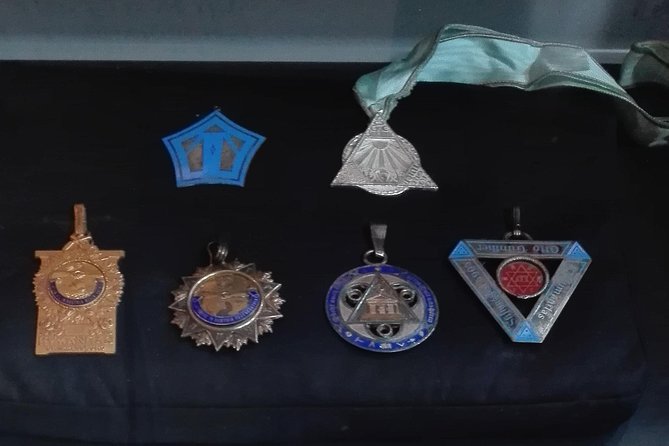
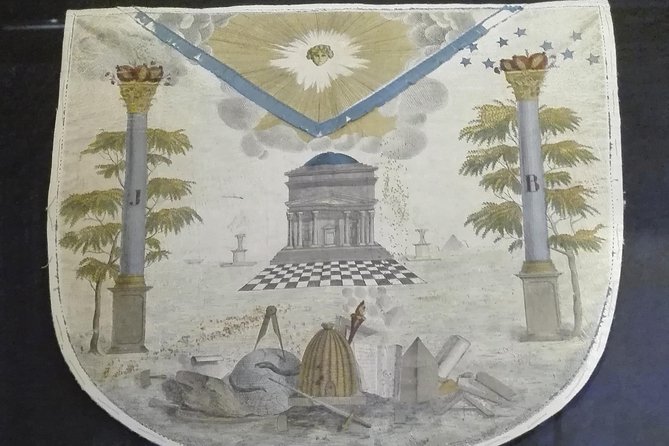
Vienna’s Freemasonry story is less about secret tunnels and grand revelations than about reading familiar places in a different way. On this 1-hour-45-minute walk, Sandra Blum of Safu points out connections between Freemasonry and figures such as Mozart, Henry Ford, Goethe, George Washington, Puccini, and others. The most interesting part is seeing how a private brotherhood is linked to very public streets, churches, and monuments.
I like the compact route through central Vienna, and I like that the tour uses landmarks you may already plan to visit. The private format also gives your own group the outing, although the minimum is five people and the group can be as large as 25, so the word private does not necessarily mean intimate.
- Freemasonry at St. Stephen’s Cathedral: Look for an emblem and consider it through the tour’s Masonic theme.
- Rauhensteingasse connection: Spend the longest listed stop at an address important to the organization.
- St. Michael’s Church: Add another church to the story, with a specifically Masonic link.
- Albertina finale: Examine the building from outside, with admission not included.
- Central meeting points: Begin at Judenplatz and finish at Josefsplatz in Vienna’s first district.
- Weekday scheduling: Book between 9:00 a.m. and 8:00 p.m., Monday through Friday, during the stated operating period.
Vienna’s Masonic Story Begins at Street Level
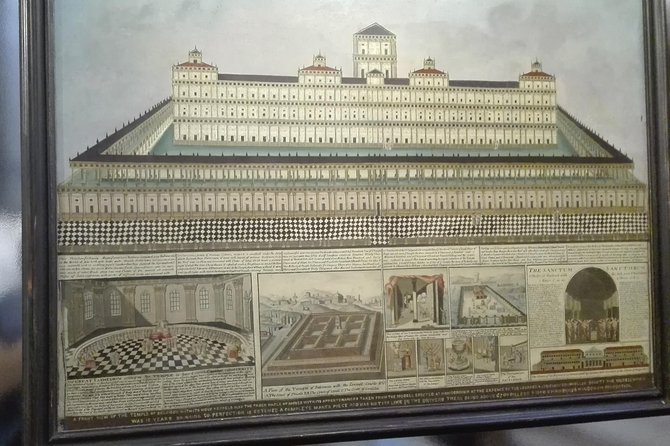
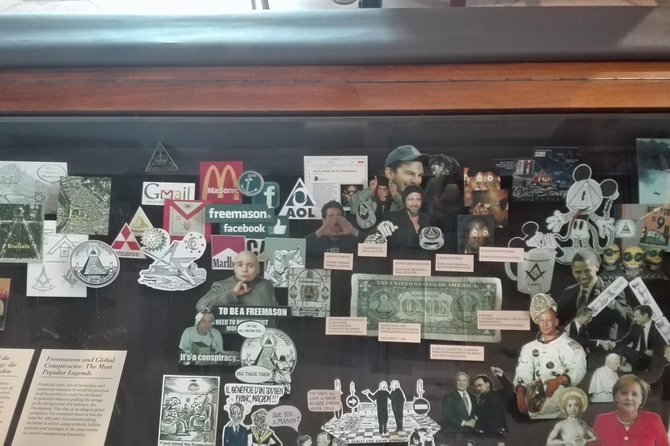
This tour offers a useful change of pace from Vienna’s better-known imperial subjects. You are not spending the whole time on palaces, Habsburg rulers, or concert composers. Instead, you are following an organization that has often been surrounded by claims of secrecy and conspiracy, then testing those claims against real places in the city center.
I appreciate the subject because it asks you to look twice. A symbol on a church, an address on a narrow street, or a connection involving a famous artist can seem ordinary until someone explains why it matters. The tour is best approached with curiosity rather than a promise of sensational discoveries.
The supplied description names a long list of people linked to Freemasonry, including Mozart, Henry Ford, Johann Wolfgang Goethe, George Washington, Henri Dunant, Giacomo Puccini, Gotthold Ephraim Lessing, and Fritz Muliar. The exact nature of each connection is not detailed in the tour information, so I would treat these names as starting points for the guide’s explanations rather than a guarantee of a full biography of every person.
That distinction matters. At $49.78 per person, you are paying for a specialized walking talk, not entry to a major museum or an extended sightseeing program. The value depends on how much you enjoy interpretation, symbols, local addresses, and the social history of Vienna.
Judenplatz Is a Practical Starting Point
The meeting point is Judenplatz 5, 1010 Vienna. This puts you in the central first district, where the walk can begin without a long transfer from the city’s main sightseeing area. The tour ends at Josefsplatz, also in the first district, so you finish near more central sights rather than being dropped far outside the core.
The experience uses a mobile ticket, which keeps the arrival simple. You should have the ticket ready on your phone and arrive with enough time to find Judenplatz. The information says the tour operates Monday through Friday from 9:00 a.m. to 8:00 p.m., during the listed period running from August 2, 2020, through June 18, 2026.
The start and finish are close enough to make this easy to add before or after another central Vienna plan. You are not signing up for a full-day commitment. The stated duration is about one hour and 45 minutes, though the listed stop times add up to less than that. That leaves room for walking between locations and for explanations along the route.
More Mozart Concerts in Vienna
- Vienna: Mozart Concert at the Golden Hall
★ 4.6 · 3,986 reviews - Vienna: Classical Concert at Mozart’s First House
2,423 reviews - Vienna: Mozart and Strauss Concert at Schönbrunn
★ 4.5 · 2,364 reviews
St. Stephen’s Cathedral and the First Symbol
The first stop is St. Stephen’s Cathedral, with about 10 minutes devoted to the emblem under the aspect of Freemasonry. This is a smart opening because the cathedral is one of Vienna’s most familiar landmarks. The tour asks you to shift from seeing it simply as a religious building to considering how a symbol or detail may be interpreted within Masonic traditions.
The stop is listed as free of admission, but that does not mean the whole cathedral is necessarily part of a paid interior visit. The supplied information specifically describes the Masonic emblem and does not promise an extended cathedral tour. I would expect the guide to focus on the relevant exterior or accessible feature rather than plan on a full architectural visit.
You will get more from this part if you are comfortable asking direct questions. What exactly is the emblem? How is it connected to Freemasonry? Is the connection historical, symbolic, or based on later interpretation? Those are useful questions when a tour deals with a subject that has collected plenty of mystery over time.
Rauhensteingasse and an Address With Weight
Rauhensteingasse receives the longest listed stop, about 20 minutes. That makes it the most substantial single location on the route, and the description calls it an important address for the union.
A street address may sound less dramatic than a cathedral or palace, but it can be more useful for understanding how an organization existed in everyday Vienna. A meeting place, office, lodge, or associated building can put a human scale on a group that is often described in grand and shadowy terms.
The tour information does not specify the exact building or whether you go inside. I would plan to view the location from the street and listen carefully to Sandra Blum’s explanation of why it matters. Since admission is listed as free here, you are not paying for a separate entrance.
This is also the part most likely to reward a focused guide. The location itself may not make sense without context. If you want a tour that constantly delivers famous interiors, Rauhensteingasse could feel modest. If you like connecting a city’s ordinary streets with its intellectual and social life, this may be one of the more revealing stops.
St. Michael’s Church and Another Masonic Link
The walk continues to St. Michael’s Church for roughly 10 minutes. The description identifies the church as another place related to Freemasonry, but it does not give further details about the symbol, person, or event involved.
That limited information is worth keeping in mind before booking. The stop is clearly part of the theme, yet the precise focus will come from the guide on the day. You should not assume that the tour includes a complete church visit, religious service, or a specialist architectural lecture. The confirmed feature is the church’s connection to the subject.
Still, repetition can help. After seeing a symbol at St. Stephen’s Cathedral and hearing about an address at Rauhensteingasse, a second church connection may show that Freemasonry’s presence in Vienna was not limited to one isolated site. The route builds its argument through several places rather than one grand claim.
A completely different way to spend a day here:
- Vienna: Vivaldi’s Four Seasons Concert in Karlskirche
★ 4.7 · 14,951 reviews - Vienna: Spanish Riding School Training
★ 3.9 · 9,281 reviews - Vienna: Skip-the-cashier-desk-line Giant Ferris Wheel Ride
★ 4.5 · 7,859 reviews - Vienna: Schönbrunn Palace & Gardens Skip-the-Line Tour
★ 4.7 · 7,739 reviews
The Albertina From Outside
The final listed stop is the Albertina, with about 10 minutes devoted to an exterior description. Admission is not included, and the activity does not promise entry to the museum.
That makes the Albertina a useful closing landmark but not a museum ticket. If you want to visit the galleries afterward, you will need to arrange and pay for that separately. I would consider this a benefit if you already have an Albertina visit planned, since the tour can end near the entrance and give you a themed introduction before you explore on your own.
The end point is Josefsplatz, not necessarily the Albertina itself, so listen for the guide’s instructions about the final walk. The route remains within Vienna’s first district, and the finish gives you a convenient place to continue sightseeing.
Famous Names, Careful Expectations
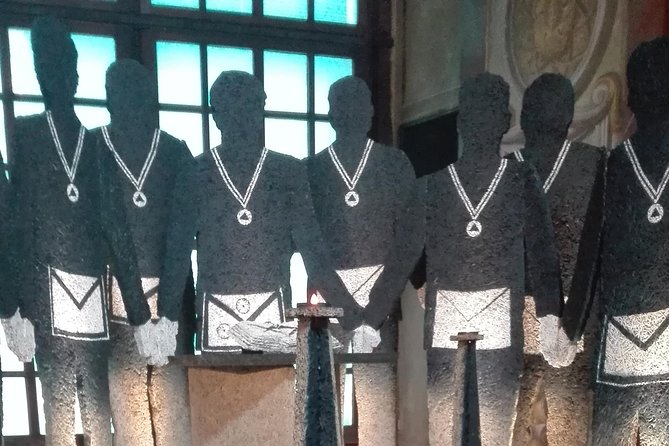
The strongest hook is the link between apparently unrelated names. Mozart and Henry Ford lived in very different worlds, while Goethe, Washington, Dunant, Puccini, Lessing, and Muliar belong to different countries, professions, and periods. The tour uses these figures to show the breadth of the Masonic network or, at least, the range of people associated with it.
I would not book this expecting a full account of every person listed. A walk lasting less than two hours has limited time, especially with four stops and movement between them. Instead, expect selected examples that help explain how Freemasonry touched cultural, political, humanitarian, and commercial life.
Mozart is likely to interest music lovers, but the supplied details do not say which Masonic episode is covered. Henry Ford may attract visitors curious about the organization’s international reach, yet no specific Ford site is named in Vienna. The same caution applies to the other figures. Their names set the scope of the discussion, not a guaranteed stop for each one.
This is where the guide’s presentation matters most. Sandra Blum is identified as the provider and guide behind Safu, but no biography or formal academic specialty is provided. You should book for the subject and route rather than for a promised credential.
What the $49.78 Price Buys You
At $49.78 per person, the price is reasonable for a private, guided city walk if you have at least five people sharing the experience and want a narrow subject. It is less compelling if you are mainly looking for famous interiors, admission tickets, or broad coverage of Vienna.
The price includes the guide’s time and interpretation across the central route. The listed stops do not require admission, and the Albertina is described from outside. That keeps the walk simple, but it also means your payment is for context rather than access.
For a couple, the minimum of five is important. The information says the activity requires a minimum of five and allows up to 25 people. You may need a larger family or friend group to book it, and a group of 25 will feel quite different from a private walk for five. I would ask about the final group size if that detail affects your decision.
The private format means only your booked group participates, which can be useful for families or friends with a shared interest. It also lets you ask about the links that catch your attention. But the maximum size means you should not picture a one-on-one seminar.
Who Will Get the Most From This Walk
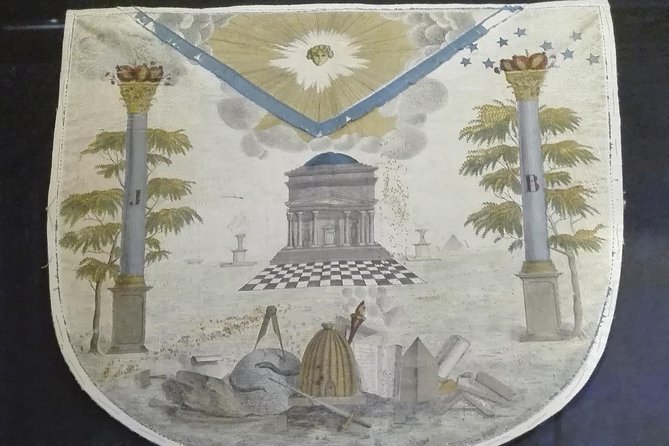
I would choose this experience if you have already seen some of Vienna’s major sights and want a more focused theme. It works particularly well for visitors interested in symbols, secret societies, famous cultural figures, and the way organizations leave marks on city streets.
It may also suit a group that wants a short weekday activity without committing to a museum visit. The central route, mobile ticket, and modest duration make it easy to fit around lunch, shopping, or another appointment.
I would be more cautious if you want a tour built around entering historic buildings. The route gives you exterior or location-based interpretation, and the Albertina admission is not included. I would also choose another activity if your main goal is a broad introduction to Vienna’s architecture, imperial politics, or musical heritage.
Wear comfortable shoes and allow time for walking between stops. The tour is near public transportation, and the route remains central, but the supplied information does not give a detailed accessibility assessment. Most people can participate, though anyone who needs specific mobility arrangements should confirm them before booking.
Cancellation is flexible up to 24 hours before the start time for a full refund. Within 24 hours, changes and refunds are not accepted. Since the tour requires at least five people, a cancellation for failure to reach that minimum results in another date or experience, or a full refund.
Should You Book the Freemason Tour in Vienna?
Book it if you want a specialized central Vienna walk and enjoy asking why a symbol, address, or famous name matters. The route is short, the topic is unusual, and the private format can work well for a group of five or more.
Skip it if you want substantial interior sightseeing or a broad city overview. The Albertina is exterior only, the stop descriptions are brief, and the value rests on Sandra Blum’s explanations.
For the right audience, this is a worthwhile way to look past Vienna’s familiar imperial surface and consider the city through Freemasonry’s symbols, addresses, and personalities. Just keep your expectations grounded: you are booking an interpretive walking tour, not an admission-packed attraction.
FAQ
Where does the Freemason tour begin?
The tour begins at Judenplatz 5, 1010 Vienna, Austria.
Where does the tour end?
The stated end point is Josefsplatz in Vienna’s first district.
How long does the experience last?
The tour lasts approximately 1 hour and 45 minutes.
What places are included on the route?
The route includes St. Stephen’s Cathedral, Rauhensteingasse, St. Michael’s Church, and the Albertina from outside.
Is admission to the Albertina included?
No. The Albertina stop is an exterior description, and admission is not included.
How many people are required for the tour?
The activity requires a minimum of five people and accepts a maximum of 25 people. It is described as a private activity for your group.
Just added around Vienna
- Vienna: UNESCO Schönbrunn Palace Guided Tour with Entry★ 4.5 · 94 reviews
- World War II History Vienna Old Town Private Walking Tour★ 4.8 · 9 reviews
- Vienna: Winery and Wine Tasting Tour with a Wine Expert★ 5.0 · 5 reviews
- Vienna: Wine Tasting Tour★ 4.8 · 61 reviews
- Vienna: Wine Tasting E-Bike Tour★ 4.9 · 46 reviews
- Vienna: Wine Tasting at Schönbrunn Palace★ 4.3 · 71 reviews
- Vienna: Concert by the Vienna Baroque Orchestra★ 4.6 · 56 reviews
- Vienna: Wachau Valley Private Kayak and Wine Tour★ 5.0 · 3 reviews
Mozart Concerts, compared.
Salzburg 2.5-Hour Walking Tour: Mozart, Old Town & More
Read our review →
Vienna Mozart Concert in Historical Costumes at the Musikverein
Read our review →Browse the lists this tour appears in