Reviewed · TOURS
Small Group Tour; Europe &The Balkans – Vienna to Dubrovnik/Split
Vienna to Dubrovnik or Split is a serious sightseeing run through Central Europe and the Balkans, not a slow holiday. In 10 days, you move from Lake Neusiedl and Bratislava to Budapest, northern Serbia, Sarajevo, Mostar, and the Croatian border. I like the small maximum group of 10, which should make border crossings, city walks, and daily decisions easier. I also like the route’s mix of grand capitals and smaller places such as Rust, Győr, Subotica, and Sremski Karlovci.
The main drawback is pace. Several days involve a lot of driving followed by short visits, and lunches, dinners, drinks, and most personal expenses are extra. One important caution: the opening overview describes a two-day Lake Koman and Shala River trip from Tirana, but the detailed 10-day program begins in Vienna and follows a completely different route. Confirm the exact departure plan before paying.
Key points to know before booking
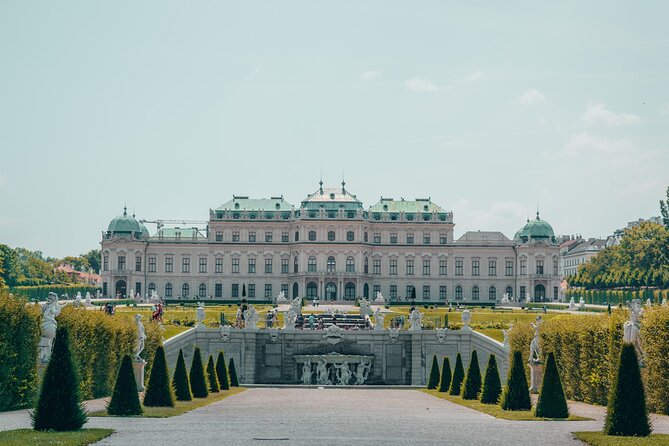
- A cross-border route with a real sense of movement: You travel through Austria, Slovakia, Hungary, Serbia, Bosnia and Herzegovina, and into Croatia.
- No more than 10 people: The small vehicle and limited group size should make the long road sections more manageable.
- Nine breakfasts and 3-star lodging included: Accommodation is based on double, twin, triple, or quadruple occupancy.
- Several high-value city stops: Bratislava Castle, Buda Castle, Belgrade Fortress, Sarajevo, and Mostar are built into the route.
- A fast pace with uneven walking: Sarajevo includes uneven ground, while the overall program requires regular walks and early starts.
- Check the route before booking: The supplied overview refers to Albania, kayaking, Lake Koman, and Shala River, none of which appear in the detailed Vienna to Croatia schedule.
What this 10-day journey is really like
This is best understood as a moving introduction to the former Austro-Hungarian world and the western Balkans. You are not settling into one region for long. Instead, you get a broad look at different languages, faiths, food traditions, architecture, and political histories, with a vehicle carrying you from one city to the next.
The tour begins at 11 a.m. with hotel pickup in Vienna. From there, the route heads southeast toward Lake Neusiedl and Rust before crossing into Slovakia. It ends at the Croatian border, where a local driver takes you onward to your hotel in either Dubrovnik or Split.
The structure is useful if you want the transport and border connections handled for you. It is less suitable if you want long museum visits, unplanned afternoons, or several nights in each city.
A few more Vienna days worth a look
- Vienna: Vivaldi’s Four Seasons Concert in Karlskirche
★ 4.7 · 14,951 reviews - Vienna: Spanish Riding School Training
★ 3.9 · 9,281 reviews - Vienna: Skip-the-cashier-desk-line Giant Ferris Wheel Ride
★ 4.5 · 7,859 reviews
Day 1: Lake Neusiedl, Rust, and the road to Bratislava
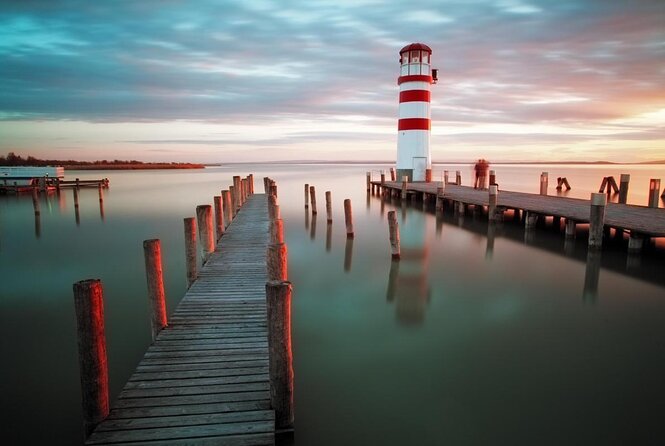
The opening drive takes you through Austria’s Burgenland wine area toward Lake Neusiedl, a UNESCO World Heritage site. The lake stop lasts about an hour, giving you a chance to see the broad water and vineyard-covered surroundings before continuing to Rust.
Rust is a pleasant first town. Its old center has colorful houses, flower boxes, traditional Austrian buildings, and small shops selling decorations made from wood and other natural materials. You have about two hours here, including time to walk through the center and possibly eat or sample local wine near the vineyards.
The limitation is simple: Rust receives only a short visit. If you are interested in wine, ask the tour leader how much free time is available for tasting, since the schedule leaves little room for a long cellar visit.
The drive then continues toward Bratislava. The listed transfer time is only 30 minutes, but the day also includes the longer approach from Vienna, the lake, and Rust. You should expect a full first day rather than a gentle start.
Day 2: Bratislava Castle and the Slovak capital
Bratislava is compact enough to explore on foot, and the program focuses on the old center, Michael’s Gate, and Bratislava Castle. The old town includes the Old Town Hall, churches, cultural institutions, and embassy buildings. You have about an hour for the central walk, followed by a half-hour at Michael’s Gate.
Michael’s Gate is the only surviving gate from the city’s medieval fortifications. It is a useful stop because it gives the old center a clear sense of scale. You are not simply looking at another attractive street. You can see how the historic city was once entered and defended.
The walk up to Bratislava Castle takes another hour. The castle sits above the Danube and provides one of the route’s best city views. Admission is included here, as it is at Buda Castle later in the trip.
After the castle, you get an hour of free time for coffee. This is a small but worthwhile touch. Bratislava’s café culture offers a chance to pause rather than move from monument to monument. The overall visit is still brief, so treat it as a strong introduction, not a full study of the city.
Day 3: Győr and the towns of western Hungary
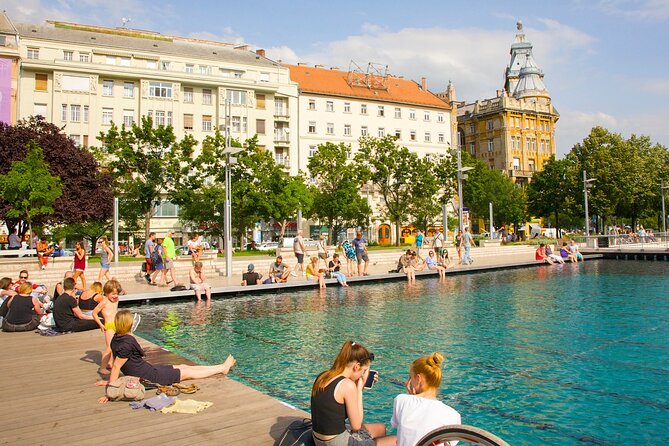
The route continues into Hungary with a stop in Győr, known as the City of Rivers. Its center is lined with colorful homes, churches, and Baroque buildings. The town is smaller and quieter than Budapest, which gives you a different view of Hungary.
The program includes Győr Town Hall, with its 59-meter tower and green roof, followed by the Cathedral of the Virgin Mary and the Győr Synagogue. The cathedral dates to the 11th century, while the synagogue’s large gray dome can be seen from a distance.
You then walk along Baross Gábor Way, a pedestrian street with cafés, shops, bars, and restaurants. This is a good place to buy lunch or try Hungarian food. The schedule specifically mentions blueberry beer, though food and drinks are not included in the tour price.
Győr is one of the more appealing stops for anyone who likes smaller historic centers. The drawback is that the day gives you roughly three hours in total, divided among several sights. You will get the shape of the town, but not much time for museums or long meals.
A completely different way to spend a day here:
- Vienna: Schönbrunn Palace & Gardens Skip-the-Line Tour
★ 4.7 · 7,739 reviews - Vienna: Light of Creation Votive Church Immersive Light Show
★ 4.8 · 6,779 reviews - Vienna Spanish Riding School Guided Tour
★ 4.7 · 6,765 reviews - Vienna: Classical Concert in the World-Famous Musikverein
★ 4.6 · 6,673 reviews
Day 4: Budapest, Buda Castle, and an evening at your own pace
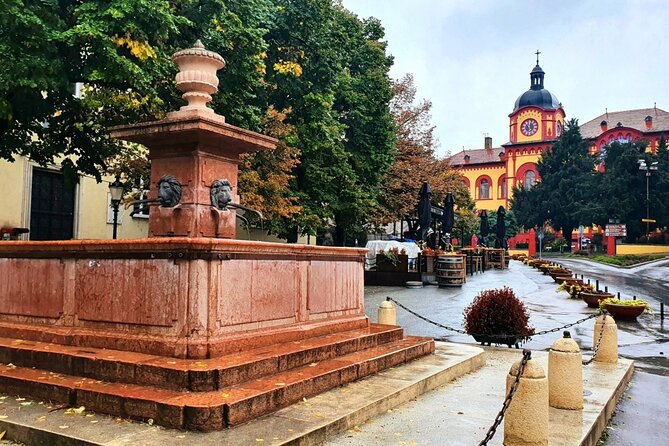
Budapest receives the most attention of the major capitals so far. The route takes you past St. Stephen’s Basilica, the Opera, Parliament, Heroes’ Square, and Fisherman’s Bastion. You also cross bridges over the Danube and see the contrast between Buda and Pest.
The organized sightseeing lasts about two hours, followed by an hour at Buda Castle. Buda Castle is a UNESCO World Heritage site and one of the central symbols of the city. Admission is included, which helps the value of the tour, though the visit remains short for a city of Budapest’s size.
The evening is free. This is important because Budapest rewards time after dark, when the river crossings and illuminated buildings give the city a different mood. You can choose your own meal and use the evening for a walk, coffee, or additional sightseeing.
Still, one evening is not enough for Budapest. If this city is a major reason for booking, consider adding extra nights before or after the organized trip. The included visit is a useful orientation, but it will not cover the city in depth.
Day 5: Subotica and the Austro-Hungarian borderlands
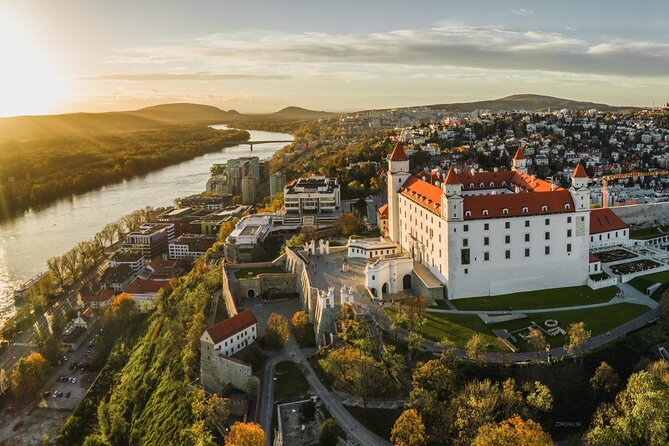
Subotica introduces you to northern Serbia and its mix of Central European influences. The city center is marked by an ornate City Hall, a park, fountains, and a large square. The relaxed streets and colorful architecture reflect the town’s importance during the Austro-Hungarian period.
You also visit the Cathedral of St. Teresa of Avila and the Subotica Synagogue. Admission to the synagogue is not included, so carry some local currency or ask the tour leader about the current entry arrangement.
The schedule allows roughly three hours in the city, with time for a meal or coffee. This is a good place to slow down slightly after the larger Budapest stop. Local food and wine are part of the appeal, but you pay for them yourself.
Subotica may be especially rewarding if you enjoy architecture and the way different religious traditions share one town. The visit is not built around a long guided museum program. It is more about walking, seeing the main buildings, and getting a feel for the place.
Day 6: Novi Sad and Petrovaradin Fortress
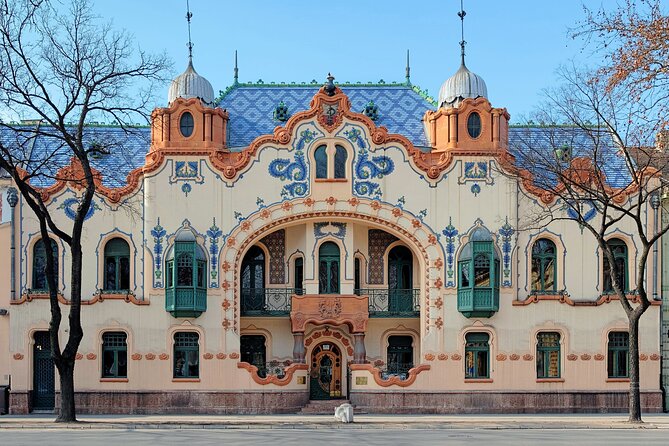
Novi Sad receives about three hours and is one of the more substantial stops in northern Serbia. It is described as a cultural center, shaped by its position between the former Austro-Hungarian and Ottoman worlds.
The walking route includes the pedestrian streets Zmaj Jovina and Dunavska, with free time to explore on your own. Petrovaradin Fortress, often called the Gibraltar on the Danube, is the key sight. Its elevated position gives the stop a strong visual element, while the old town offers cafés, churches, and Baroque architecture.
This is also an overnight stop, which makes the day feel less rushed than some others. You are not simply passing through on the way to somewhere else. You get an evening in Novi Sad, although meals and drinks remain your responsibility.
Day 7: Wine country at Sremski Karlovci
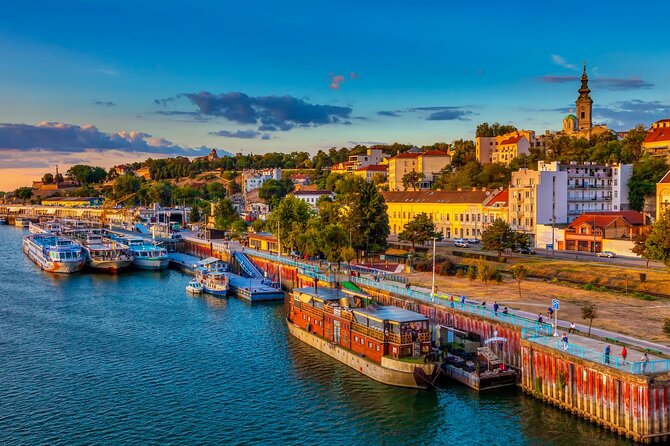
Sremski Karlovci is a small town near Novi Sad with a Baroque center and a long connection to Serbian religious and cultural life. The town is known for wine cellars and vineyards, and the route allows about three hours here.
The Four Lions fountain is tied to a local legend: drink from it and you will return to Karlovci and marry there. You do not need to take the story literally to appreciate the fountain as a memorable meeting point in the center.
The afternoon includes free time to taste local wines and look across the vineyards. Wine tasting is not listed as an included expense, so budget for it separately.
This stop adds a more local, rural note to the tour. It also breaks up the sequence of capitals and fortresses. If you prefer museums and major monuments, it may feel less essential. If you enjoy food, wine, and smaller towns, it could be one of the most pleasant days.
Day 8: Belgrade and a short stop in Zvornik
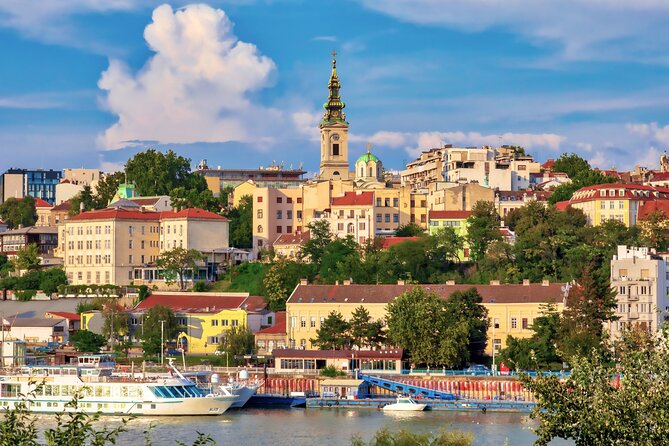
Belgrade begins at the fortress and Kalemegdan Park, where the Sava and Danube meet. The Upper Town includes the Pobednik monument, and the park provides broad views over the rivers and city.
From there, the route continues through Knez Mihailova toward Republic Square. This is Belgrade’s main social and shopping corridor, and the walk gives you a basic orientation to the center.
The organized Belgrade visit lasts only about an hour. That is the clearest weakness of the schedule. Belgrade is a large capital with far more to see, and this tour gives you a first look rather than a full visit.
Later, you cross into Bosnia and Herzegovina and stop in Zvornik for about an hour. The town sits along the Drina River, and you have time for lunch or a short walk. This is a practical break during a long transfer, not a major sightseeing session.
Day 9: Sarajevo, Latin Bridge, and Mostar
Sarajevo is one of the most meaningful stops on the route. The walk covers the Ottoman and Austro-Hungarian sections, along with markets, bazaars, mosques, churches, and synagogues. You will also see reminders of the 1990s war, including bullet holes and cannon marks.
The program notes uneven ground, so wear sturdy shoes and expect a more demanding walk than in the polished centers of Bratislava or Budapest. The route covers the origins of Sarajevo, the medieval Bosnian Kingdom, and the city’s position at the meeting point of several traditions.
At Latin Bridge, you learn how the assassination connected with the start of World War I took place here. The bridge is a small structure, but its place in European history gives the stop unusual weight.
The route then continues to Mostar. You visit Stari Most, the famous 16th-century Old Bridge and UNESCO World Heritage site, followed by the Old Bazaar. Cobbled lanes, mosques, Turkish-style shops, and stones marked with Don’t Forget give the old city a serious, reflective character.
Mostar receives around three hours in total, making it one of the better-proportioned stops. You have enough time to cross the bridge, walk the old streets, and find a local meal. Again, food is not included, so take advantage of the free time to try regional meat dishes or desserts if your budget allows.
Day 10: Crossing into Croatia
The final day is mainly a transfer. Your tour leader takes you to the Croatian border, where a local driver continues to your hotel in Dubrovnik or Split.
This split arrangement matters. The tour does not finish with a guided visit to either Croatian city. You should treat Dubrovnik or Split as your onward destination and plan any sightseeing separately.
It is also worth confirming which drop-off you are booking. Dubrovnik and Split are not interchangeable bases, and the route, hotel location, and onward plans will differ.
The price and what is included
At $3,450.94 per person, this is a substantial purchase. The value depends on how much you would otherwise spend arranging a multi-country route with private transport, border crossings, accommodation, and local coordination.
Included are nine breakfasts, nine nights in 3-star hotels, a professional tour leader, hotel pickup in Vienna, drop-off in Dubrovnik or Split, selected entry tickets, tourist taxes, road taxes, international car insurance, and petrol. The small group is another practical benefit. With a maximum of 10 people, the vehicle should be easier to manage than a large coach.
The price is based on double, twin, triple, or quadruple room occupancy. Solo participants should confirm the single-room supplement, since no single occupancy price is provided.
You must still budget for all lunches, dinners, drinks, snacks, souvenirs, and personal spending. The tour also includes many free periods, which is good for choice but means you pay directly for most meals and optional activities.
Who should book this route?
I would suggest this tour if you want to see several countries in one trip and prefer having transport, hotels, and border logistics arranged. It suits an active person with moderate fitness who is comfortable walking on cobblestones, climbing to viewpoints, and spending long stretches in a vehicle.
It is also a good fit if you value range over depth. You will see major capitals, smaller towns, wine country, river valleys, fortresses, old bazaars, and several religious traditions within a short period.
I would hesitate if you dislike changing hotels, want slow mornings, or hope to explore Budapest, Belgrade, Sarajevo, or Dubrovnik in detail. The schedule gives you an introduction to each place, not a full city break.
Before booking, ask the provider to clarify the major discrepancy between the Albania description and the Vienna to Croatia program. The detailed schedule, included services, meeting point, and end points all describe the Central Europe and Balkans route, while the separate overview refers to Tirana, Lake Koman, Shala River, kayaking, and a local bed-and-breakfast stay.
Cancellation is strict because the experience is non-refundable and cannot normally be amended. If poor weather or an insufficient minimum group causes cancellation, you are offered another date or a full refund. The tour itself can also change because of weather, strikes, holidays, site closures, or other outside events.
Should you book it?
Book this journey if you want a carefully connected first look at Central Europe and the Balkans, and you accept that the pace will be brisk. The strongest reasons are the small group, the broad route, included transport, and memorable stops such as Buda Castle, Petrovaradin Fortress, Sarajevo, and Mostar.
Skip it if you want a relaxed holiday or detailed time in each city. Most of all, confirm that you are purchasing the Vienna to Dubrovnik or Split program, not the separate Albania adventure described in the opening material.
FAQ
Where does the tour start?
The tour starts in Vienna, Austria, with hotel pickup at 11 a.m.
Where does the tour end?
The tour ends at the Croatian border. A local driver then takes you to your hotel in either Dubrovnik or Split.
How large is the group?
The maximum group size is 10 people.
Are hotels and breakfasts included?
Yes. The package includes nine breakfasts and overnight stays in 3-star hotels. Rooms are priced on double, twin, triple, or quadruple occupancy.
Are meals other than breakfast included?
No. Lunches, dinners, drinks, snacks, souvenirs, and personal spending are not included.
Is the tour suitable for someone with average fitness?
The tour requires a moderate fitness level. You should expect regular walking, and the Sarajevo visit includes uneven ground.
Just added around Vienna
- Vienna: UNESCO Schönbrunn Palace Guided Tour with Entry★ 4.5 · 94 reviews
- World War II History Vienna Old Town Private Walking Tour★ 4.8 · 9 reviews
- Vienna: Winery and Wine Tasting Tour with a Wine Expert★ 5.0 · 5 reviews
- Vienna: Wine Tasting E-Bike Tour★ 4.9 · 46 reviews
- Vienna: Wine Tasting at Schönbrunn Palace★ 4.3 · 71 reviews
- Vienna: Wine Tasting Tour★ 4.8 · 61 reviews
- Vienna: Concert by the Vienna Baroque Orchestra★ 4.6 · 56 reviews
- Vienna: Wachau Valley Private Kayak and Wine Tour★ 5.0 · 3 reviews
Tours, compared.
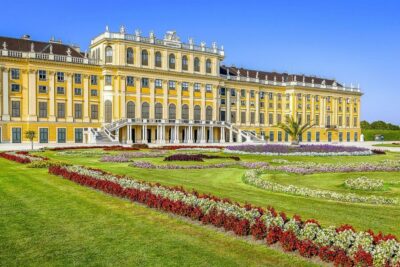
Schönbrunn Palace & Gardens Skip-the-Line Tour
Read our review →

Skip-the-Line Sisi Museum, Hofburg and Gardens Tour
Read our review →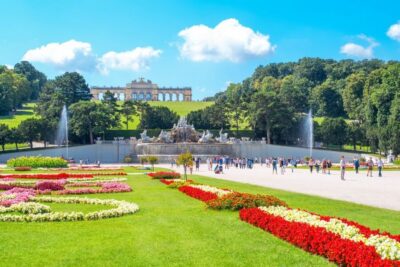
Skip-the-Line Schönbrunn Palace & Gardens Tour
Read our review →
Guided Walking Tour of City Center Highlights
Read our review →