
Reviewed · WALKING TOURS
Vienna: Guided Walking Tour of City Center Highlights
Vienna’s old center is a compact stage set of imperial courtyards, grand palaces, polished coffee houses, and streets with stories tucked behind ordinary doorways. This two-hour walk links the big sights with lesser-known corners, moving from the Sacher Hotel area past the Hofburg and Spanish Riding School to Blutgasse and St. Stephen’s Cathedral.
I like the way the tour gives you a useful first map of central Vienna without asking for half a day. I also like the mix of imperial history, coffee-house tradition, and local legends, rather than a parade of façades with dates attached. Guides such as Alex, Sandra, Wolfgang, and Stephan have earned praise for clear storytelling and humor.
The main consideration is that this is an exterior walking tour. You do not enter the Hofburg, and a public group may be large enough that hearing the guide can become difficult. One person specifically suggested a portable speaker, so try to stay close to the guide.
Key points to know before you book
- A focused two-hour route: You see the center’s main imperial sights without spending an entire morning on foot.
- The Hofburg is viewed from outside: Entry to the former Habsburg palace is not included.
- Coffee houses get real attention: The guide explains Vienna’s traditional café culture, not just the buildings around it.
- Blutgasse adds a quieter turn: The route leaves the busiest streets for a more tucked-away part of the Old Town.
- The finish is St. Stephen’s Cathedral: You end beside Vienna’s best-known Gothic landmark, with legends and stories along the way.
- Guide quality matters: Alex, Sandra, Wolfgang, Stephan, Sarah, and others have been praised for humor, detail, and strong English.
Why this walk works as your first Vienna activity
At $25 per person, this is priced as a low-cost orientation rather than a full museum tour. That distinction matters. You are paying for a guide who helps you understand how the center fits together, not for admission to major interiors.
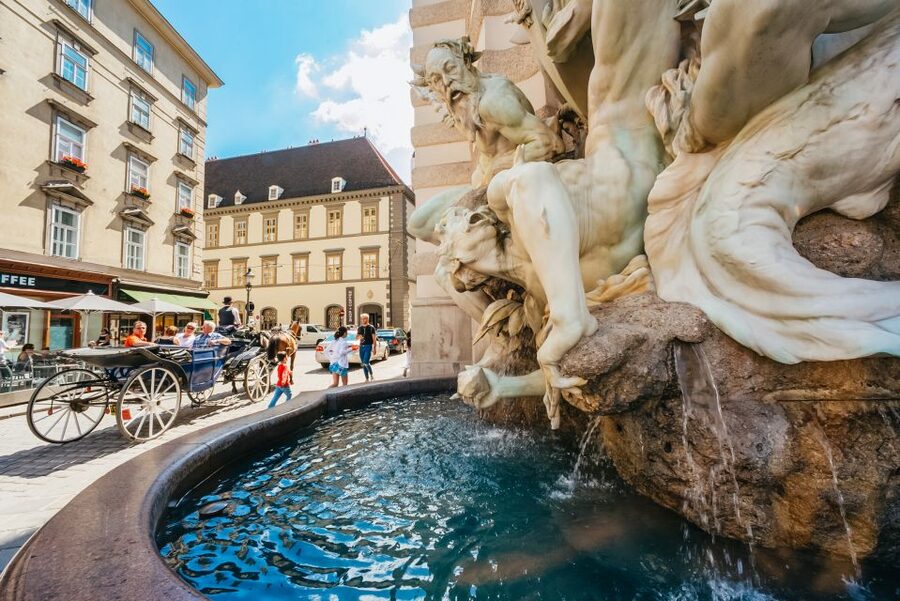
I would book it early in your stay. A good city walk gives you a practical sense of where the Hofburg, Spanish Riding School, coffee houses, Blutgasse, and cathedral sit in relation to one another. Afterward, you can return to the places that deserve more time, such as the Hofburg museums or a coffee house that caught your eye.
The two-hour length is another strength. It is long enough to cover the central sights and short enough to leave room for lunch, a museum, or an evening concert. The route is described as lasting about 1.5 to 2 hours, so allow the full two hours and avoid booking something immediately afterward.
More Walking Tours in Vienna
- Vienna: Vienna Central Cemetery Guided Walking Tour
★ 4.8 · 3,307 reviews - Vienna: Guided Walking Tour of City Highlights & Hidden Gems
★ 4.9 · 2,180 reviews - Vienna: Viennese Underworld Guided Walking Tour
★ 4.7 · 1,865 reviews
Starting near the Sacher Hotel
The walk begins near the Sacher Hotel, a handy central location for a first look at Vienna. The exact meeting point can vary by booking option, so check your confirmation rather than assuming every group meets in the same spot.
This area places you close to some of Vienna’s most famous central streets. It also gives the guide a natural starting point for explaining the city and its long imperial role. You should expect an introduction to Vienna as Austria’s capital, followed by a gradual move toward the Hofburg complex.
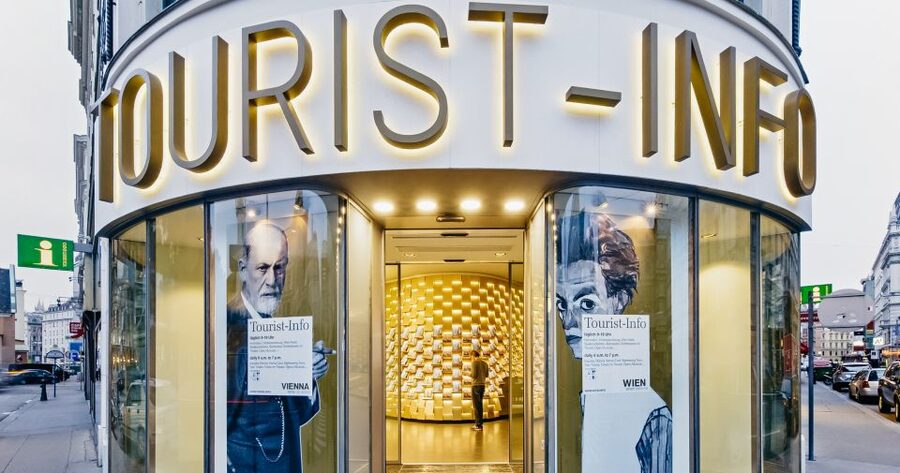
Finding the group may take a little care. Vienna’s center has many tour groups gathering near major sights, and one practical tip is to look directly outside the doors of the Information Shop if that is the meeting point shown for your booking. A visible flag or clear group marker would make things easier, so arrive a few minutes early and watch for the guide.
Seeing the Hofburg from the outside
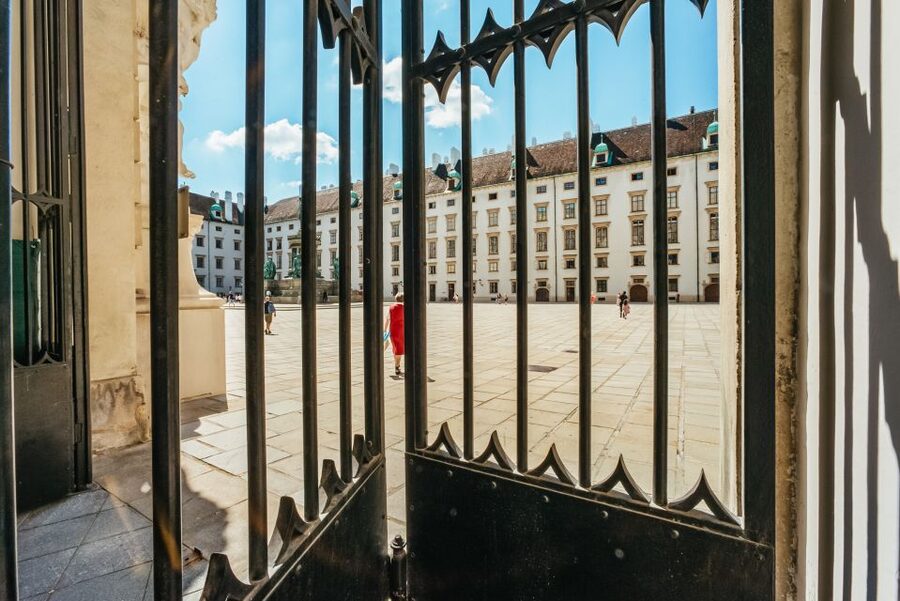
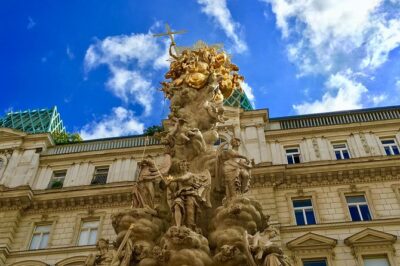
The Hofburg was the principal imperial palace of the Habsburg dynasty, and its size helps explain how much political power once gathered in central Vienna. On this walk, you admire the exterior rather than enter the palace.
That limitation is worth understanding before you book. If your main goal is the Imperial Apartments, museums, or other interior displays, you will need a separate ticket and visit. But for a first orientation, an outside explanation can be efficient. You see the grand buildings, courtyards, and surrounding monuments while the guide supplies the political and family background that makes the complex easier to understand later.
The route gives particular attention to the Habsburg emperors and empresses. One practical point is that the historical focus leans strongly toward imperial Vienna. If you want equal attention to every period, including modern Austrian life, this walk may feel narrower than a citywide history tour.
Still, the imperial focus fits the buildings around you. Guides including Alex and Sandra have been praised for making this material lively rather than turning it into a list of rulers. The best guides use humor, side stories, and small details to make the palace feel connected to real people.
Spanish Riding School and the Lipizzaner tradition
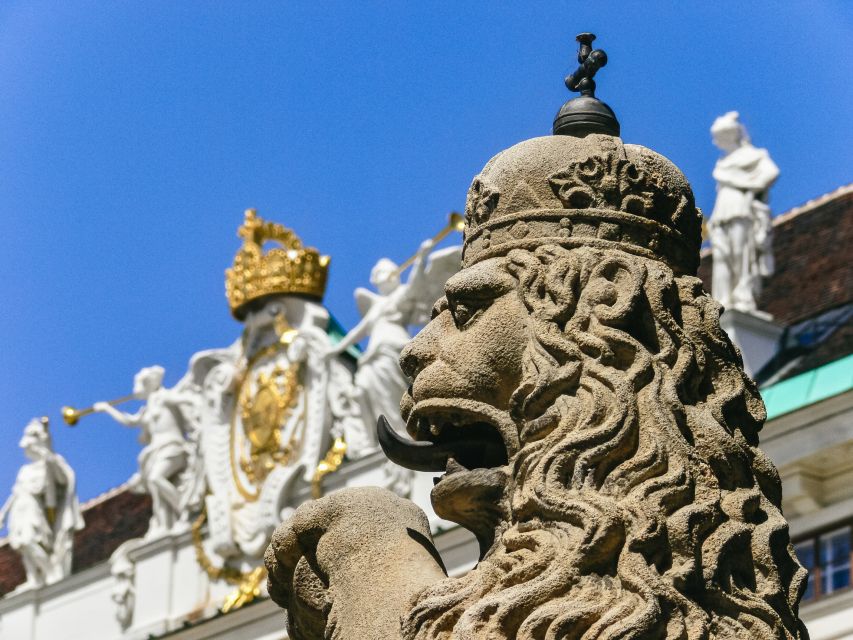
The next major sight is the Spanish Riding School, where Lipizzaner horses are trained. The tour views the setting from outside, so this is not a riding demonstration or stable visit.
That makes the stop a useful preview rather than a substitute for a dedicated Spanish Riding School experience. You get the location, the context, and a chance to see the buildings associated with one of Vienna’s most recognizable traditions. If you already plan to attend a performance or morning exercise, the walking tour helps you understand where it fits into the Hofburg complex.
This part can also be a welcome change of pace. Vienna’s imperial story is not only about palace rooms and dynastic marriages. The riding school connects the court to ceremony, training, and the public image of imperial power.
Because the tour moves on a schedule, you should not expect a long photo stop at every sight. One person found there was little time for pictures when the group fell behind. If photography is a priority, take quick shots while the guide is speaking, then return later for a slower look.
A completely different way to spend a day here:
- Vienna: Vivaldi’s Four Seasons Concert in Karlskirche
★ 4.7 · 14,951 reviews - Vienna: Spanish Riding School Training
★ 3.9 · 9,281 reviews - Vienna: Skip-the-cashier-desk-line Giant Ferris Wheel Ride
★ 4.5 · 7,859 reviews - Vienna: Schönbrunn Palace & Gardens Skip-the-Line Tour
★ 4.7 · 7,739 reviews
Coffee houses as part of Vienna’s identity
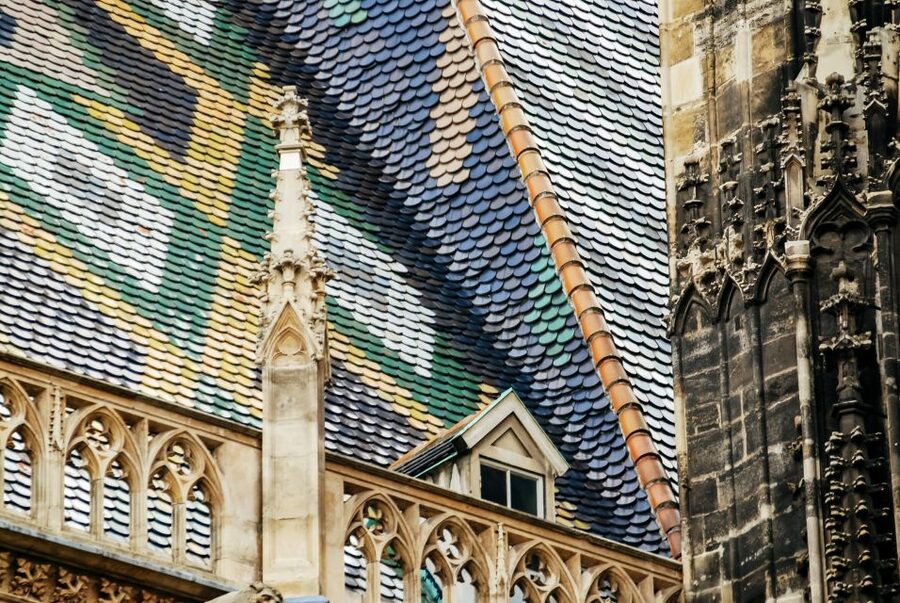
The walk then turns to Vienna’s famous coffee houses. This is one of the most useful parts of the route because a café in Vienna is not simply a place to grab caffeine between sights.
The guide explains the traditions surrounding the coffee house, giving you context for the menus, the rooms, and the unhurried style of service. You learn why these places matter to the city’s social and cultural life. That background can change how you approach your own coffee break later.
I especially like this inclusion because many short city walks treat cafés as photo stops. Here, coffee-house culture gets a proper place in the story. You do not need to spend money at a café during the tour, but you will be better prepared to choose one afterward.
Keep in mind that the tour does not promise a coffee tasting or a seated café visit. The value is the explanation and the setting. If you want food or drink, plan that separately.
A quieter turn through Blutgasse
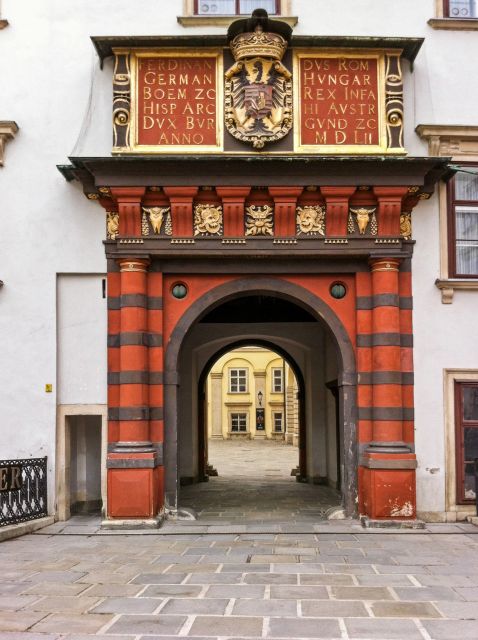
Blutgasse gives the walk a different feel from the broad, formal spaces around the Hofburg. The route heads off the main path into this small Old Town district, where the scale becomes more intimate and the streets invite closer attention.
This is the kind of stop that helps justify taking a guided walk instead of simply following a map between famous buildings. You might pass through this area on your own without understanding why it matters or noticing the details the guide points out.
The available description does not promise a long stop or a specific interior visit here, so think of Blutgasse as a short atmospheric section of the route. Its value comes from contrast: after the monumental palace complex and formal avenues, you get a tighter, less obvious part of central Vienna.
The guide’s storytelling style matters especially in places like this. Names including Wolfgang, Verena, Margareta, and Sarah have been praised for adding personal touches, jokes, pictures, and local context. A strong guide can turn a narrow street into a memorable piece of the city rather than a quick passage between larger sights.
Finishing at St. Stephen’s Cathedral
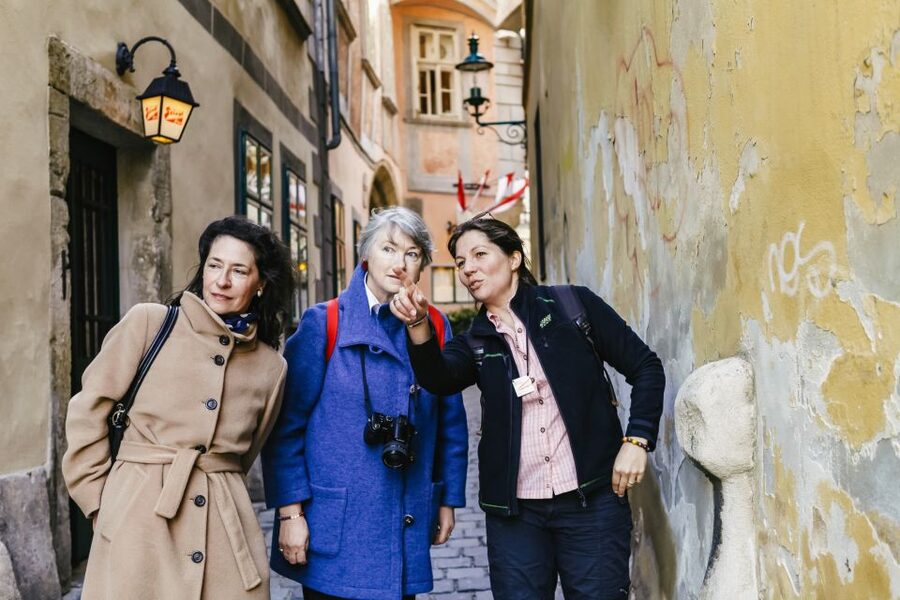
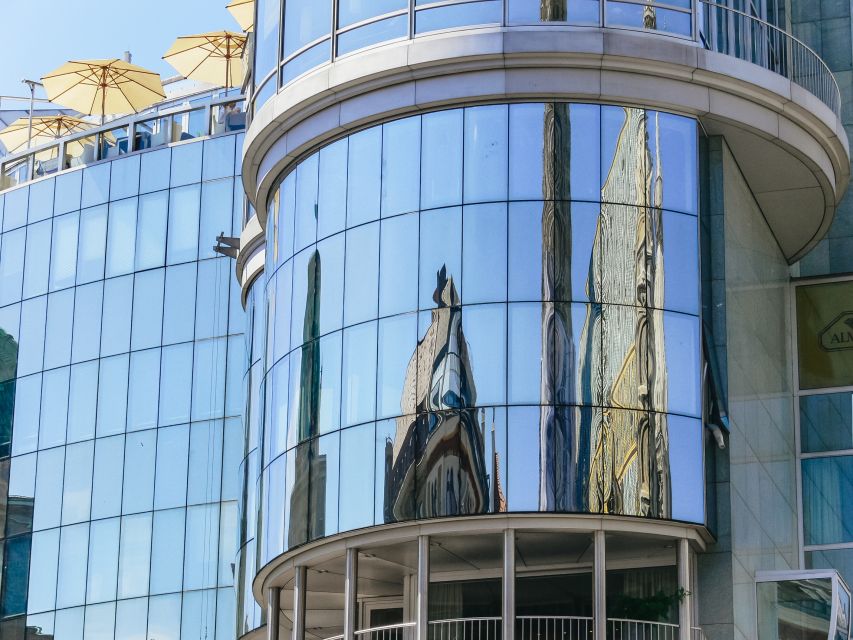
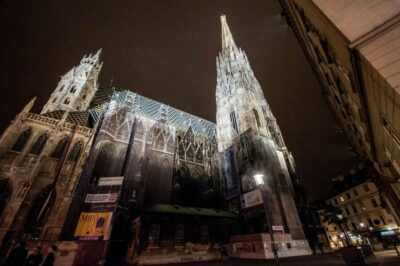
The walk ends with a view of St. Stephen’s Cathedral, Vienna’s best-known landmark. The cathedral is not just a convenient finish. It gives the tour a strong visual and historical closing point after the imperial buildings and smaller Old Town streets.
The route includes legends connected with St. Stephen’s, which adds a lighter and more memorable layer to the architectural story. You should expect to admire the cathedral from outside rather than enter as part of the tour. If you want to see the interior, arrange a separate visit.
Ending here is practical. St. Stephen’s Cathedral sits in the heart of the city, so you can continue exploring on your own, find a café, or use the surrounding streets as your next reference point. It is also an easy place to return to later for photographs and a closer look.
The cathedral stop can be busy, especially at popular times. Stay close enough to hear the guide, and remember that a public group may include people with different walking speeds and interests.
What the guides add to the experience
The strongest pattern in the feedback is the quality of the guides. Alex is repeatedly described as funny, friendly, and a strong storyteller. Sandra is praised for humor, detailed history, and a relaxed manner. Wolfgang is noted for involving the group and adding pictures and personal detail. Stephan is described as clear, enthusiastic, and entertaining.
Other named guides include Sarah, Margareta, Verena, Johann, Leonora, and Lukas. Their styles will differ, but the tour depends on the person leading it. You are not listening to an audio guide or following a printed script alone. The guide can answer questions, adjust explanations, and add small details about Vienna.
Language options are German and English. English-language ability has been praised for several guides, including Johann and Stephan. Still, hearing can be harder in a large public group, especially beside traffic or in a crowded square. Stand near the guide, and do not hesitate to ask for a repeat if you miss a key point.
The tour is also available as a private group. That option should suit you if you want more room for questions, a slower pace, or a route shaped around your party. The public version is the better value if you mainly want an efficient introduction.
Pace, weather, and group size
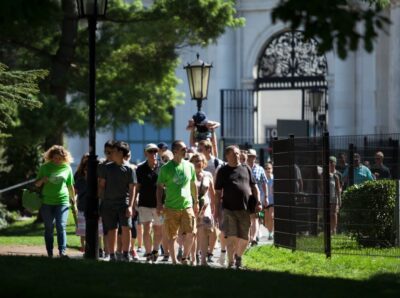
The route lasts two hours and involves walking outdoors in central Vienna. Wear comfortable shoes and bring protection from the weather. The tour operates in rain, and one group went ahead despite heavy downpours. On a hot day, a guide may seek shade for explanations, but you should still bring water and sun protection.
Group size can change the experience. A small group makes it easier to hear, ask questions, and speak with the guide between stops. A larger group may feel less personal, particularly without a headset. A tour guide system is not included.
The walk is listed as wheelchair accessible, which is important for many visitors. Because the tour moves through public streets and busy central areas, check the specific meeting details for your booking if you have mobility concerns.
Hotel pickup and drop-off on foot is available with the private option. The standard public walk does not include hotel pickup, so do not assume the guide will meet you at your accommodation.
Who gets the best value from this tour
I would recommend this walk to a first-time visitor who wants a clear introduction before tackling Vienna independently. It suits couples, families, and solo visitors who prefer a guide’s stories to reading plaques at each stop.
It is also a good choice if you have only a short stay. In two hours, you cover several signature sights and gain enough context to choose your next museum, café, or palace visit.
You may want something else if you have already toured the Hofburg area in depth or want interior access. This experience does not include entry to the Hofburg, the cathedral, or the Spanish Riding School. It also gives more attention to Habsburg and imperial Vienna than to every era of the city’s past.
At $25, the value is strongest when you treat it as a launch point. You get a licensed guide, a structured route, and stories that help you make better use of the rest of your time. It is less useful if you want a slow architectural study with long photo stops.
Final call: book it for orientation and stories
I would book this tour near the start of a Vienna visit, especially if you want to get your bearings fast without spending much. The combination of Hofburg exteriors, Lipizzaner tradition, coffee houses, Blutgasse, and St. Stephen’s Cathedral gives you a solid first look at the city center.
Choose the public tour for value, and choose the private option if personal attention matters more than price. Arrive early, confirm the meeting point, stay near the guide, and dress for the weather.
Book it if you want context, humor, and a brisk introduction to Vienna’s central sights. Skip it if your priority is entering major attractions or spending long periods taking photographs. For most first-time visitors, the short route and modest price make it a sensible first step.
FAQ
How long does the Vienna walking tour last?
The tour lasts about two hours, with the stated duration ranging from 1.5 to 2 hours.
How much does the tour cost?
The listed price is $25 per person.
What sights are included?
The route includes views of the Hofburg complex, the Spanish Riding School, Vienna’s traditional coffee houses, the Blutgasse district, and St. Stephen’s Cathedral.
Does the tour enter the Hofburg?
No. Entry to the Hofburg is not included. The tour focuses on the exterior of the complex.
Does the tour include entry to St. Stephen’s Cathedral?
The tour finishes with a view of St. Stephen’s Cathedral. Cathedral entry is not listed as included.
What languages are available?
The live tour is available in German and English.
Is the tour wheelchair accessible?
Yes, the activity is listed as wheelchair accessible.
Is hotel pickup available?
Hotel pickup and drop-off on foot are available if you select the private option.
Can I cancel for a full refund?
Yes. You can cancel up to 24 hours in advance for a full refund. You can also reserve now and pay later.
Just added around Vienna
- Vienna: UNESCO Schönbrunn Palace Guided Tour with Entry★ 4.5 · 94 reviews
- World War II History Vienna Old Town Private Walking Tour★ 4.8 · 9 reviews
- Vienna: Winery and Wine Tasting Tour with a Wine Expert★ 5.0 · 5 reviews
- Vienna: Wine Tasting E-Bike Tour★ 4.9 · 46 reviews
- Vienna: Wine Tasting at Schönbrunn Palace★ 4.3 · 71 reviews
- Vienna: Wine Tasting Tour★ 4.8 · 61 reviews
- Vienna: Concert by the Vienna Baroque Orchestra★ 4.6 · 56 reviews
- Vienna: Wachau Valley Private Kayak and Wine Tour★ 5.0 · 3 reviews
Walking Tours, compared.
Guided Walking Tour of City Highlights & Hidden Gems
Read our review →
Vienna Historic Center Small Group Walking Tour
Read our review →
Ghosts and Legends Guided Nighttime Walking Tour
Read our review →Browse the lists this tour appears in