
Reviewed · CITY TOURS
Vienna: Guided Walking Tour of City Highlights & Hidden Gems
Vienna’s imperial center is compact, and this two-hour walking tour makes good use of that fact. You begin at the Minoriten Church, pass the Hofburg and Spanish Riding School, and finish at St. Stephen’s Cathedral, with the city’s major sights linked by stories rather than a hurried checklist.
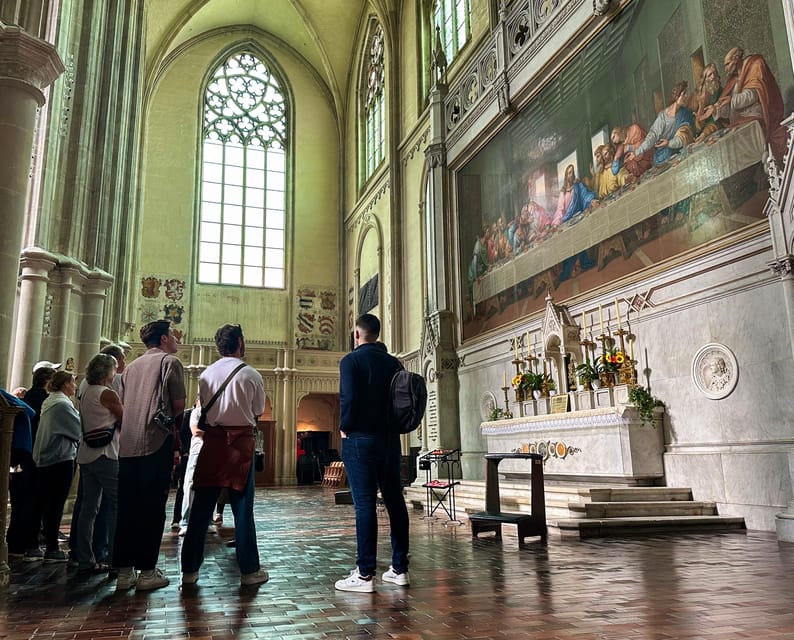
I like the Last Supper mosaic at the Minoriten Church, an unusual opening stop that many first-time visitors could easily miss. I also like the use of listening equipment on larger groups, since guides such as Celine, Petra, Michael, and Max can speak normally while you hear every word.
The trade-off is clear: this is an exterior-only tour. You will not enter the Hofburg, Albertina, Opera, Spanish Riding School, or cathedral, and the walk operates in all weather. Wear good shoes, plan a bathroom stop before meeting, and arrive on time.
Key points to know before booking
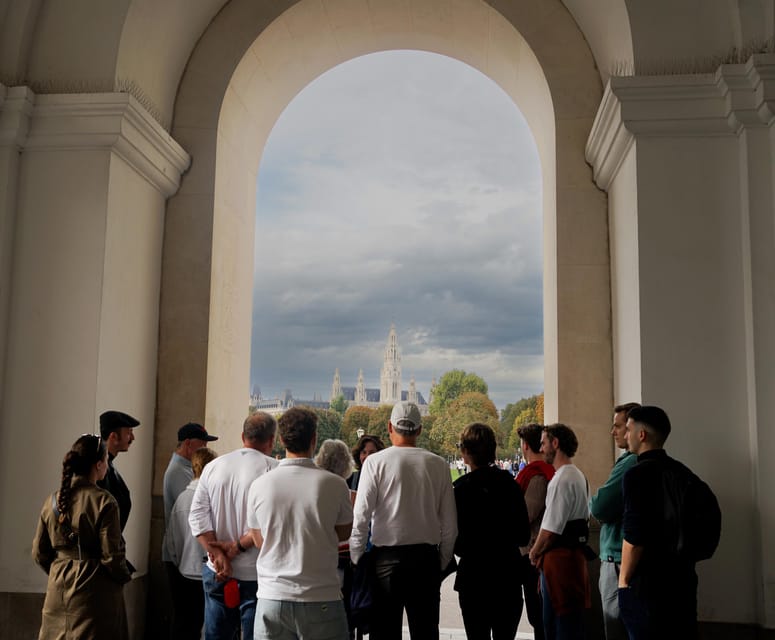
- The route covers Vienna’s historic core: You walk from Minoritenplatz through the Hofburg area, past the Opera, and finish beside St. Stephen’s Cathedral.
- The Minoriten Church mosaic is the unusual highlight: The Last Supper artwork gives the tour a more distinctive opening than a simple palace-and-cathedral circuit.
- Guides bring the city to life: Recent tours have been led by guides including Michael, Max, Petra, Celine, Ivo, Marlene, and Karl, with history, jokes, personal stories, and practical suggestions.
- Listening devices help in larger groups: One group reached about 30 people, but ear pieces made it easier to follow the guide.
- You see, but do not enter: The tour is best for orientation and context, not for museum visits or detailed interior sightseeing.
- The finish is useful: St. Stephen’s Cathedral puts you near central restaurants, shops, and public transport for the next part of your day.
Why this short Vienna walk works
Vienna can feel grand to the point of being confusing. Palace wings, formal squares, museums, churches, and monuments fill the first district, yet the connections between them are not always obvious when you first arrive.
This walk gives you a basic map in your head. You start near Minoritenplatz, then move toward the Hofburg, Heldenplatz, the Spanish Riding School, the Albertina, the Vienna State Opera, and St. Stephen’s Cathedral. The route is not a trip across the city. It is a concentrated look at the historic center.
That makes the tour especially useful on your first full day in Vienna. You can learn where the main sights sit, hear the broad story of the Habsburg court, and collect ideas for places to visit later. Several guides also give practical suggestions for the rest of your stay, which adds value beyond the two hours on foot.
The price is $27 per person. For that amount, you are paying for a local guide and a structured introduction to the central district, not admission to attractions. I consider that fair if you want context and orientation. It is less attractive if your main goal is to enter the museums or spend time inside the palace buildings.
More City Tours in Vienna
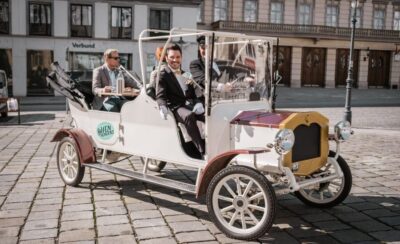
- Vienna: City Sightseeing Tour in an Electro Vintage Car
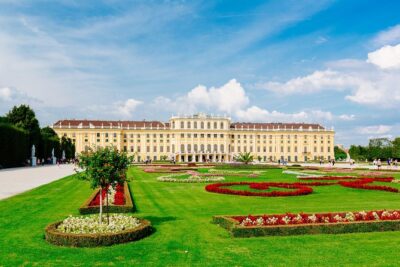
★ 4.7 · 1,085 reviews - Skip-the-Line Schonbrunn Palace Guided Tour and Vienna Historical City Tour
★ 3.5 · 940 reviews - Vienna Hop On Hop Off City Tour
★ 3.5 · 884 reviews
Meeting at Minoritenplatz by the Leopold-Figl statue
The meeting point is in front of the Leopold-Figl statue at Minoritenplatz. It is about a 10-minute walk from Stephansplatz, so you can reach it on foot if you are already in the center.
The U3 subway is another simple option. Get off at Herrengasse, follow the signs for Minoritenplatz, and look for the statue. Give yourself extra time for this first meeting. Latecomers are subject to a no-show policy, and the group will not be able to wait indefinitely.
Your guide may be holding a sign or standing clearly near the statue. On some departures, the guide is easy to spot by a bright hat or clothing. Still, the statue is the detail to trust, not a particular guide’s appearance, since the guide team changes.
English, German, and Italian tours are available. A private group can also be arranged if you want a more personal pace or have a group of your own.
The Minoriten Church and its Last Supper mosaic
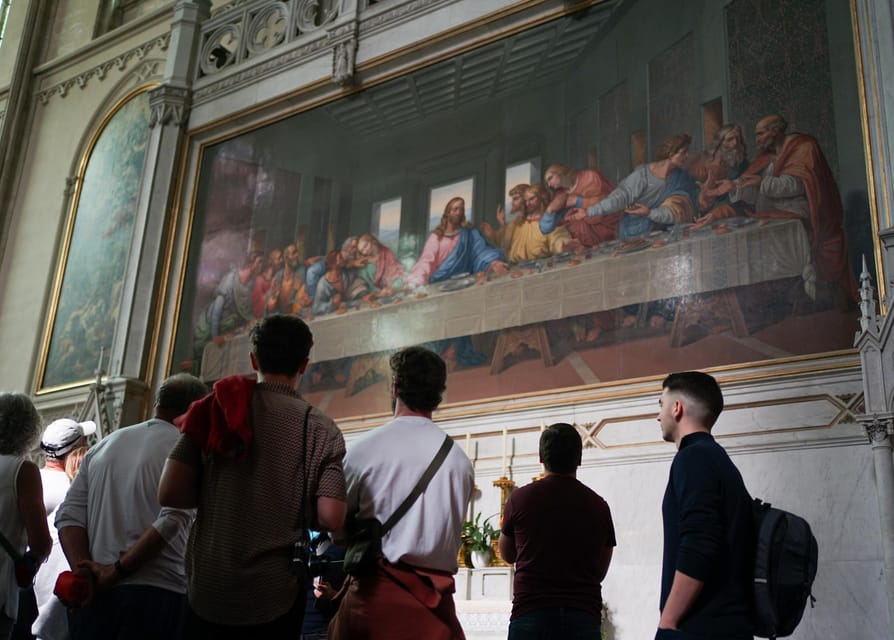
The first stop is the Church of the Minorities, commonly called the Minoritenkirche. Its most unusual feature on this tour is a mosaic reproduction of Leonardo da Vinci’s Last Supper.
This is a good choice for the opening stop because it immediately shows that Vienna is not only about imperial palaces and grand musical buildings. The church gives the guide a chance to talk about the city’s religious and artistic layers before the route moves into the main court district.
You should keep expectations realistic. The visit is brief and guided, not a full church tour. During a mass, entering the church is not possible, so the mosaic may not be available on your departure. That is one of the few parts of the experience that depends on what is happening at the church that day.
If the interior visit is open, it adds something special to the walk. If it is closed for mass, the tour continues with the exterior route.
Michaelerplatz and the Hofburg entrance
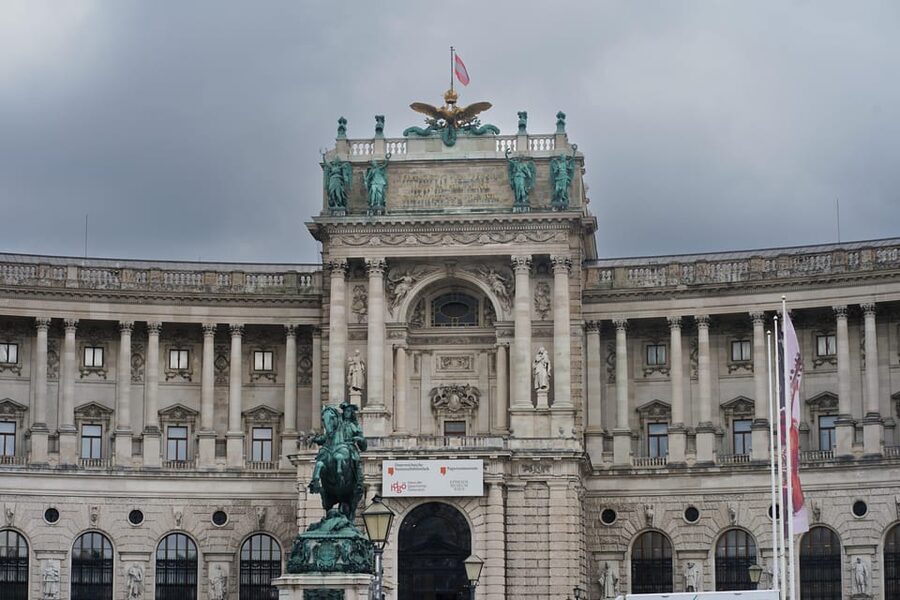
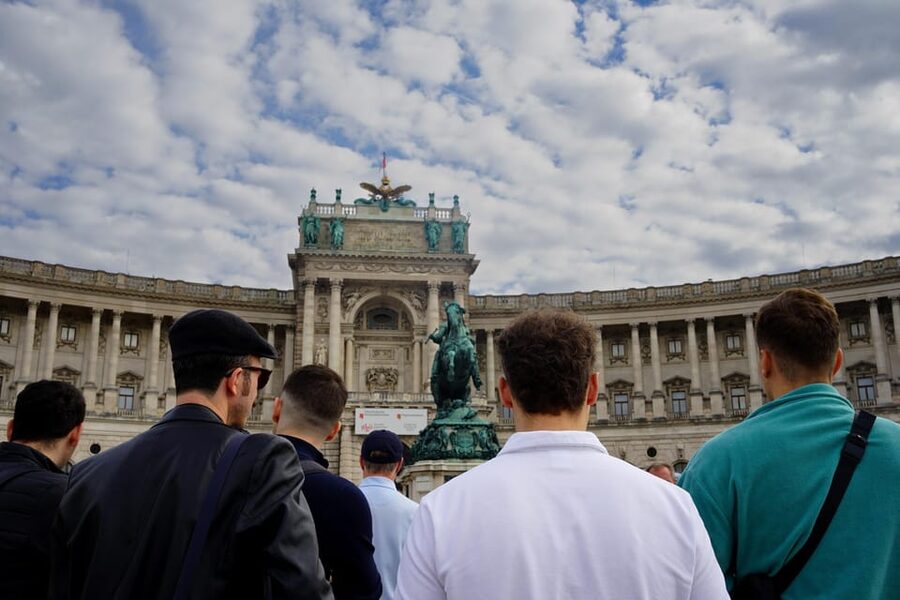
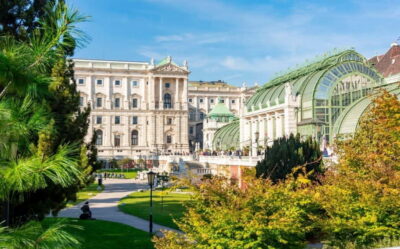
From Minoritenplatz, the walk heads toward Michaelerplatz, one of Vienna’s grandest urban spaces. Here you see the imposing entrance to the Hofburg Palace, where the imperial complex opens toward the historic center.
The value of this stop is not just the façade. The Hofburg is a sprawling collection of buildings rather than one simple palace, and Michaelerplatz helps you understand its scale. Your guide can place the entrance within Vienna’s imperial story and explain how the court shaped the city around it.
You will have time to look up at the architecture and take photographs, but do not expect to go inside. The Hofburg contains major attractions that require separate tickets, and none of those admissions is part of this walk.
That limitation can actually help on a first visit. You get a clear introduction before deciding if you want to return for a longer interior visit. If the palace is high on your list, note down the entrance and return later with enough time for the rooms or exhibitions you want to see.
More Walking Tours in Vienna
- Vienna: Guided Walking Tour of City Center Highlights
★ 4.7 · 4,989 reviews - Vienna: Vienna Central Cemetery Guided Walking Tour
★ 4.8 · 3,307 reviews - Vienna: Viennese Underworld Guided Walking Tour
★ 4.7 · 1,865 reviews - Vienna: World War II Historical Walking Tour
★ 4.8 · 1,772 reviews
Heldenplatz and Vienna’s imperial stage
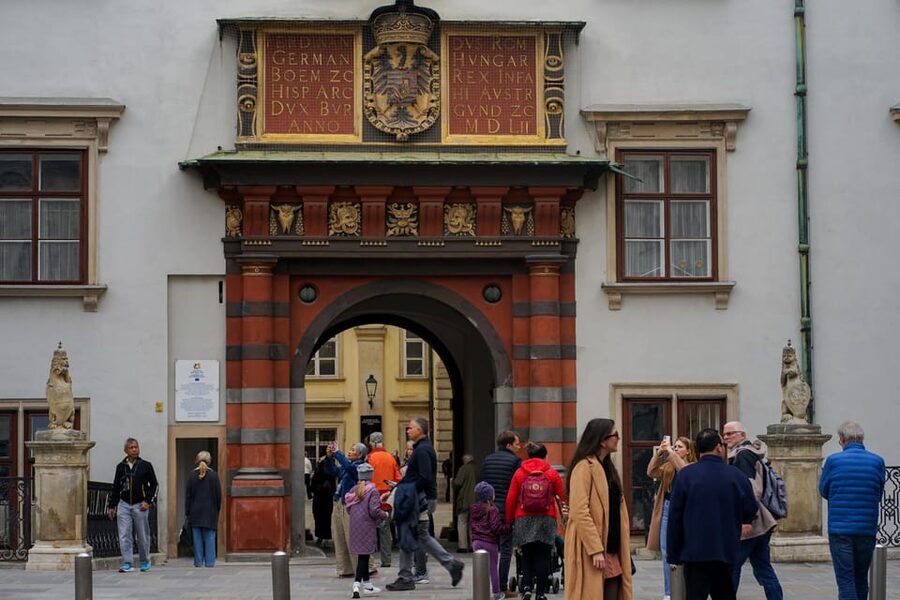
The route continues to Heldenplatz, the broad ceremonial square beside the Hofburg. This is one of the places where Vienna’s public image was built on a grand scale.
The square gives you room to appreciate the size of the palace complex and the formal design of the surrounding buildings. It also provides a useful setting for stories about Austria’s rulers, military traditions, and public ceremonies.
This is where a good guide matters. A row of impressive façades can blur together if you only take photographs. Guides such as Michael, Max, Ivo, and Karl have been praised for using humor, personal stories, and clear explanations to connect the architecture with daily life and politics.
The pace is purposeful. You stop, listen, take photographs, and move on. If you prefer long periods to sit quietly in one square, this will feel brisk. If you want to cover a lot of ground without losing the thread, the pace should suit you.
The Spanish Riding School and Vienna’s court traditions
Near the Hofburg, you stop at the Spanish Riding School. This is one of Vienna’s best-known institutions, tied to the old imperial court and its formal equestrian traditions.
The tour explains the school from the outside. You do not attend a performance or training session, and no entrance is included. That distinction matters because the name may lead some people to expect a horse show.
Still, the exterior stop works well within the broader story. The Spanish Riding School helps explain the ceremony and discipline associated with the Habsburg court. It also gives you a reason to return later if you want to book a separate interior experience.
The guide’s storytelling is especially useful here. A list of dates would be forgettable, but a clear explanation of why the school mattered to Vienna gives the building a purpose. Several guides have been praised for making facts easy to follow, even in cold weather and large groups.
The Albertina and the Vienna State Opera
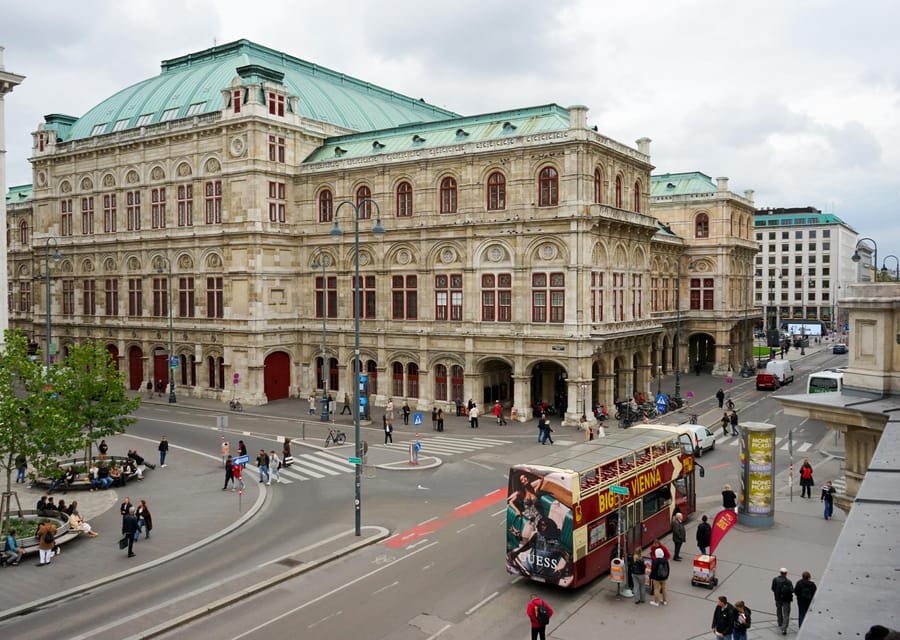
The next part of the route brings you toward the Albertina Museum and the Vienna State Opera. These two stops shift the focus from imperial government to art and music.
At the Albertina, you see the museum from outside and hear about its place among Vienna’s major cultural institutions. Admission is not included, so treat this as a preview. If you plan to visit later, the guide’s explanation can help you decide how to fit it into your schedule.
The Vienna State Opera is one of the city’s most recognizable buildings and a natural stop on a central walking route. It represents Vienna’s long connection with opera and concert music, but again, the tour does not include an interior visit or performance.
I like this section because it keeps the tour from becoming only a palace walk. Vienna’s identity is tied to its music and art as much as to its emperors. The guide connects those parts of the city in a way that helps you see the historic center as a living place, not just a group of monuments.
If you want a detailed look inside the Opera or Albertina, schedule those separately. This tour gives you the setting and the basic story, then leaves the choice to you.
Finishing at St. Stephen’s Cathedral
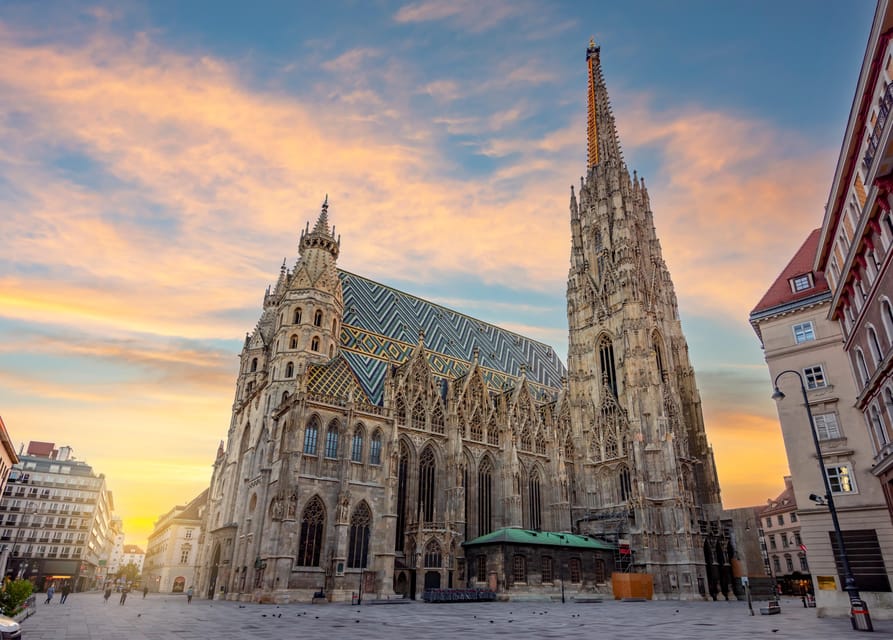
The walk ends at St. Stephen’s Cathedral, Vienna’s most famous Gothic landmark. Its patterned roof, tall tower, and dramatic stonework give the tour a strong finish.
The cathedral is more than a final photograph. It is a useful orientation point in the middle of Vienna, and you can easily continue from here to nearby cafés, shops, and other central sights. Several people use the end of the tour to stop for food or begin an independent visit.
As with the other major sights, the guided experience is exterior-only. You can admire the architecture from the square, but entering the cathedral is not included. If you want to see the interior, towers, or catacombs, plan a separate visit and allow extra time.
Ending here also makes practical sense. The route finishes in a part of the city where you can continue on foot or connect with public transport. You are not left at an isolated final stop.
The guide makes the difference
The route itself is strong, but the guide determines how much you take away. The most praised guides have been Michael, Max, Petra, Celine, Ivo, Marlene, Karl, Virginia, and others on the rotating team.
You can expect a mix of imperial history, local anecdotes, humor, and practical advice. Max, for example, has used personal memories of growing up in Vienna alongside the city’s historical story. Other guides have been praised for their energy, warmth, and ability to keep the walk moving in cold or windy conditions.
The tour can include a large group. One group had around 30 people, which is not the same as a private walk through quiet streets. The listening equipment helps considerably. You receive an ear piece, and the guide speaks through a microphone, so you can hear without standing shoulder to shoulder around every stop.
Private groups are available if you want more control over the pace. For a standard booking, expect the feel of a group tour, with the usual need to stay close and listen when the guide stops.
Weather, walking pace, and comfort
This is a true walking tour, not a gentle stroll between indoor attractions. You cover a series of central landmarks in two hours, with regular stops for explanations and photographs.
Comfortable shoes are essential. The tour runs in all weather, so bring clothing suited to the forecast. Winter departures can be cold and windy, but guides have kept the pace active and the explanations engaging. In warm weather, bring water and sun protection, although food and drinks are not included.
Plan ahead for personal needs. There is no advertised bathroom break, and one practical suggestion from the experience is to use facilities before meeting. Also keep your camera ready, since the route offers many exterior views but does not pause for long at every building.
The tour is not suitable for wheelchair users or people with mobility impairments. The route involves continuous walking and should be considered carefully if you have difficulty keeping up with a group.
What $27 buys you
At $27, this is a reasonably priced introduction to central Vienna. You receive two hours with a professional guide, an organized route, and exterior explanations at several of the city’s most important sights.
The value is strongest if you are visiting for the first time, have limited time, or want a historical framework before exploring on your own. The tour can save you from wandering between the Hofburg, Opera, and cathedral without understanding how they fit together.
The value is weaker if you want entry tickets. Museum admissions, palace interiors, performances, food, drinks, and transport are all extra. You should view the tour as an orientation walk, not a substitute for visiting Vienna’s attractions.
Free cancellation up to 24 hours before the start and the reserve-now, pay-later option make it easier to fit into a changing schedule. Still, book only when you can arrive on time, since the late-arrival policy is strict.
Who should take this tour?
I would choose this walk for a first morning or first full day in Vienna. It gives you a useful map, introduces the major landmarks, and leaves you with a short list of places to revisit.
It also suits solo visitors who want a simple way to meet other people while learning the city. The route is structured, the meeting point is central, and the finish at St. Stephen’s Cathedral makes the next part of the day easy to plan.
Families with older children may appreciate the variety of stops, but the two-hour pace and outdoor format may be tiring for younger children. Art and music fans should see the Albertina and Opera stops as previews, not complete visits.
Choose another experience if you need wheelchair access, dislike walking in poor weather, or want detailed time inside museums and churches. This tour does not try to do everything, and that is both its strength and its limit.
Should you book it?
Book this tour if you want clear orientation, lively history, and the main central sights in one efficient walk. The Last Supper mosaic gives the route a distinctive start, and St. Stephen’s Cathedral provides a useful finish.
I would especially recommend it early in your stay, before you decide which palace, museum, concert, or church deserves a longer visit. Arrive early, wear comfortable shoes, use the bathroom first, and dress for the forecast. If you accept that the tour stays outside, $27 is a sensible price for a well-organized introduction to Vienna.
FAQ
How long does the Vienna walking tour last?
The tour lasts two hours.
Where does the tour meet?
The meeting point is in front of the Leopold-Figl statue at Minoritenplatz. The location is about a 10-minute walk from Stephansplatz, or you can take the U3 subway to Herrengasse and follow the signs for Minoritenplatz.
Where does the tour finish?
The tour finishes at St. Stephen’s Cathedral.
Are museum and church interiors included?
No. The tour focuses on exterior visits. The Minoriten Church mosaic visit is included when access is possible, but entry to museums and other attractions is not included. Visiting the Minoriten Church may not be possible during mass.
What languages are available?
The tour is available in English, German, and Italian.
Is the tour suitable for wheelchair users?
No. The experience is not suitable for wheelchair users or people with mobility impairments.
Just added around Vienna
- Vienna: UNESCO Schönbrunn Palace Guided Tour with Entry★ 4.5 · 94 reviews
- World War II History Vienna Old Town Private Walking Tour★ 4.8 · 9 reviews
- Vienna: Winery and Wine Tasting Tour with a Wine Expert★ 5.0 · 5 reviews
- Vienna: Wine Tasting E-Bike Tour★ 4.9 · 46 reviews
- Vienna: Wine Tasting at Schönbrunn Palace★ 4.3 · 71 reviews
- Vienna: Wine Tasting Tour★ 4.8 · 61 reviews
- Vienna: Concert by the Vienna Baroque Orchestra★ 4.6 · 56 reviews
- Vienna: Wachau Valley Private Kayak and Wine Tour★ 5.0 · 3 reviews
City Tours, compared.
Skip-the-Line Schonbrunn Palace Guided Tour and Vienna Historical City Tour
Read our review →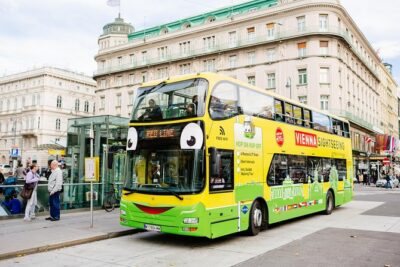
Small Group Guided Walking Tour of City Highlights
Read our review →
Big Bus City Highlights Night Tour with Live Guide
Read our review →Browse the lists this tour appears in