
Reviewed · KUNSTHISTORISCHES MUSEUM TICKETS
Private Tour of the Kunsthistorisches Museum: Secrets of Masterpieces | Tickets included
The best part of this private Kunsthistorisches Museum tour is its sense of purpose. Instead of wandering through one of Europe’s biggest art collections until your eyes glaze over, you get a clear route through the museum’s major paintings, historic objects, and unusual treasures. Julia, the guide most often named, brings art history, Austrian history, artist biographies, and the occasional joke into the conversation.
I like two things right away: your questions shape the visit, and the admission ticket is already included. I also like the use of a mini iPad and occasional props to connect one work with another. The main drawback is the price, $283.12 per person, which is a serious spend for three hours. This makes the tour best for people who want a focused art lesson, not simply a quick look around.
Key points to know before booking
- A private three-hour route: Your group gets the guide’s attention rather than joining a large public walk.
- A focused look at major works: The tour follows a short list of key pieces instead of trying to cover every room.
- Art history with wider context: Expect links between paintings, royal collecting, Austrian history, and the social world of the artists.
- Julia is a strong fit for curious visitors: Her approach includes questions, humor, biographies, and broader cultural background.
- Admission is included: You do not need to buy a separate museum ticket for this experience.
- A little preparation helps: Meet punctually at the central entrance on Maria-Theresien-Platz, where the middle door is closed.
Why the Kunsthistorisches Museum rewards a guided visit
Vienna’s Kunsthistorisches Museum can feel like several museums under one roof. Its grand building holds major European paintings, Egyptian, Greek, and Roman art, a numismatic collection, and cabinets filled with sculpture, church objects, decorative work, and scientific instruments.
That range is exciting, but it can also be hard to manage. You may begin with a plan to see Bruegel, stop for a Roman object, get pulled toward a portrait by Velázquez, and then realize you have spent an hour in one corridor. A guide gives the visit a shape.
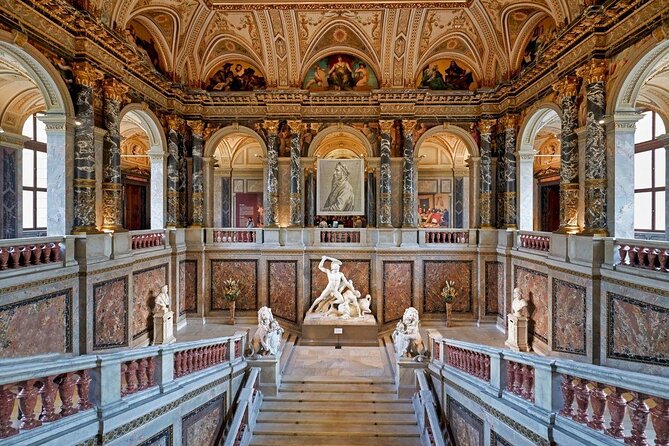
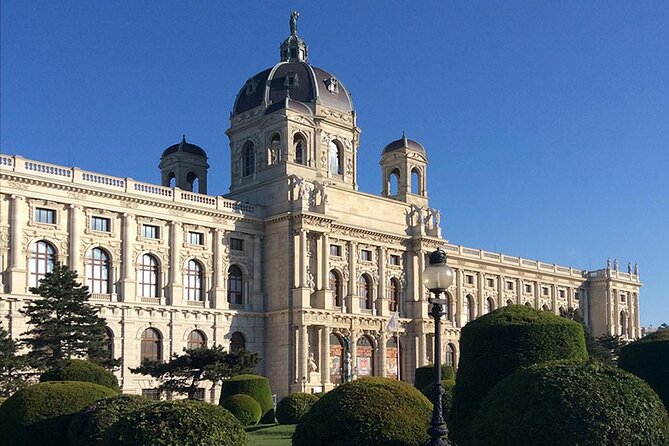
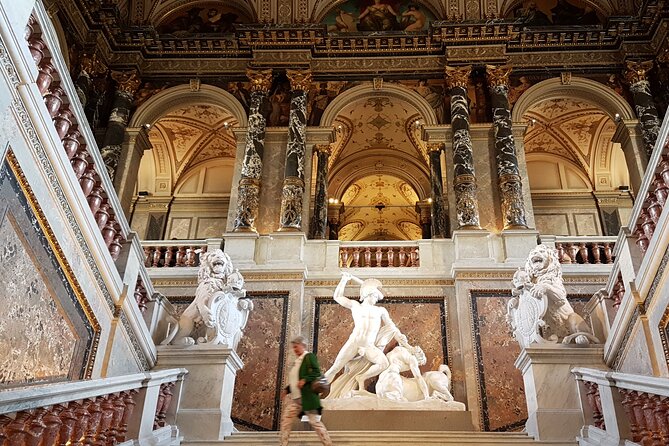
The museum itself is part of the experience. Its historicist architecture draws on temple forms linked with the ancient Western world. You are not entering a plain white box. The rooms, stairways, and ornament help explain why the museum is often treated as a grand home for imperial collections.
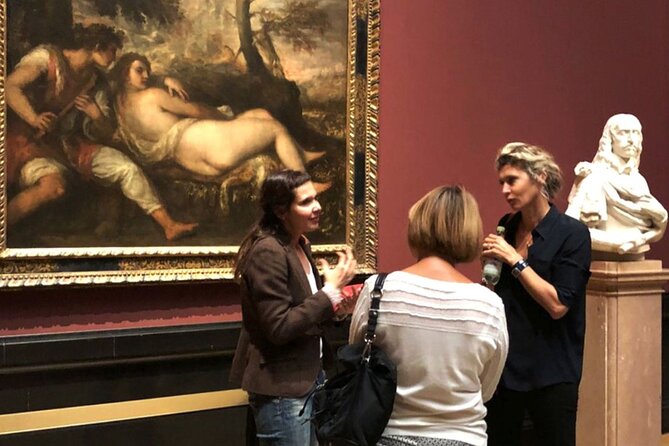
The private format matters here. In a large public group, you might hear a standard explanation and move on when the guide says so. On this tour, you can ask why a painting matters, request a particular artist, or spend more time with an object that catches your eye. One past guest even asked for Bronzino as a final course. That kind of flexibility is one of the strongest reasons to pay for a private guide.
More Kunsthistorisches visits:
- Vienna Kunsthistorisches Museum Day Admission Ticket
★ 4.6 · 3,690 reviews - Combo Ticket: Kunsthistorisches Museum & Imperial Treasury
★ 4.7 · 785 reviews - Skip the Line: Kunsthistorisches Museum Vienna Entrance Ticket
★ 4.5 · 466 reviews
Following a smart three-hour route
The stated duration is about three hours. That is long enough to gain a real sense of the museum, but not so long that every gallery gets equal attention. The route follows the museum’s short list of 35 must-see pieces for first-time visitors, while drawing from the larger collection of 100 works intended for returning visitors and 700 for local art lovers.
Do not read those numbers as a promise that you will see every item. Think of them as a way to understand the guide’s method. The tour is built around a selective group of works that can show you how the museum fits together.
You may move from a famous painting to an object that receives less attention but adds an important piece of the story. The purpose is not simply to identify the artist. You will be encouraged to look at composition, subject, technique, political setting, and the way the work was collected.
That approach is useful if you know little about art. It is also useful if you know a fair amount but want someone to connect the pieces. The guide can explain what makes a work important without assuming that you already speak the language of art criticism.
A three-hour tour still requires stamina. You will be on your feet and moving through a large museum. The activity asks for a moderate level of physical fitness, so wear sensible shoes and avoid scheduling it when you are already worn out from a full day of sightseeing.
The painters you are likely to care about
The Kunsthistorisches Museum is particularly strong in European painting. The stated highlights include Arcimboldo, Bruegel, Velázquez, Holbein, Dürer, Giorgione, Cranach, Raphael, Rembrandt, Rubens, and Titian.
That list gives you a good idea of the tour’s range. You are not getting a single-school survey or a narrow lesson on one century. You can expect connections across Renaissance, Baroque, and later European art, with the guide explaining how artists worked within changing religious, political, and economic settings.
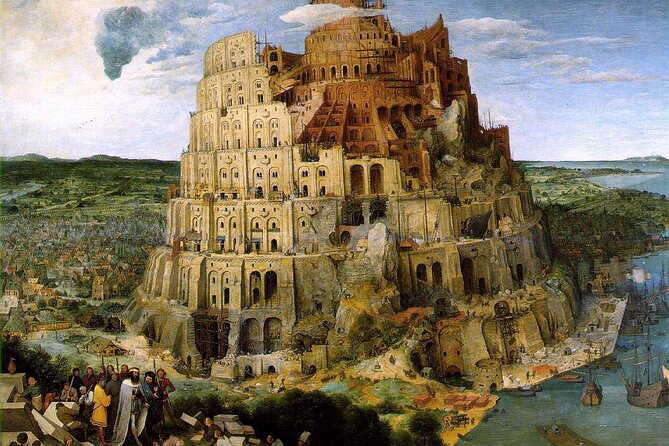
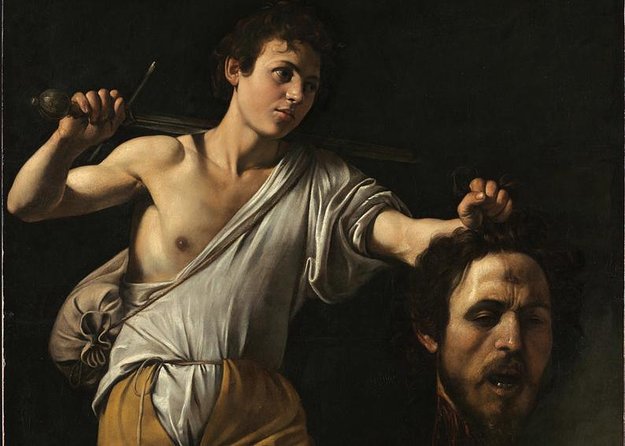
Bruegel is an especially important name here. His paintings offer plenty to discuss, from crowded scenes and seasonal life to small details that reward patient looking. A guide can help you notice how an apparently busy image is organized and why the ordinary activities in it matter.
Velázquez brings a different set of questions. His portraits can lead to discussion about court life, status, appearance, and the choices an artist makes when painting powerful people. Rubens opens another path, with movement, color, mythology, and the public role of a successful court painter.
The same is true of Dürer, Titian, Raphael, and Rembrandt. Each name can serve as more than a stop on a checklist. You will get more from the tour if you ask the guide to compare artists rather than treating each painting as an isolated masterpiece.
What makes Julia’s guiding style effective
The strongest praise for this experience centers on Julia. She is described as an art historian with command of art history, artist biographies, and the social and economic setting of the 16th through 19th centuries. Just as important, she is praised for making the information easy to follow.
That combination matters. A guide can know a great deal and still make a museum visit feel like a lecture you did not sign up for. Julia’s approach appears more conversational. She asks questions, responds to your interests, and uses humor and anecdotes to keep the discussion moving.
She has also used a mini iPad to show related examples and cross-reference works. This is helpful when the connection is hard to see from the gallery alone. A prop or image can clarify a technique, an artist’s development, or a subject that appears in several works.
The tour can also reach beyond painting. One guest singled out the museum’s Gothic boxwood miniatures and the tiny Prayer Nut. Another noted the Egyptian collection and the turquoise hippo. These details are important because they show how the tour can make room for the museum’s less obvious attractions.
You should still tell the guide what you want. If your interests include ancient objects, decorative arts, portraiture, or a particular painter, mention them at the start. The experience is designed around your group, and the guide’s flexibility is more valuable when you use it.
More museums and galleries in Vienna:
- Vienna: Skip-the-Line Sisi Museum, Hofburg and Gardens Tour
★ 4.8 · 5,918 reviews - Tickets for the Albertina Exhibitions
★ 4.7 · 2,126 reviews - Vienna: Chocolate Workshop in Chocolate Museum w/ Tasting
★ 4.5 · 1,802 reviews - Sigmund Freud Museum Ticket
★ 4.6 · 1,668 reviews
Beyond paintings: Egypt, antiquities, and curious objects
The museum’s Egyptian, Greek, and Roman collections broaden the visit. They also prevent the tour from becoming a procession of famous European canvases.
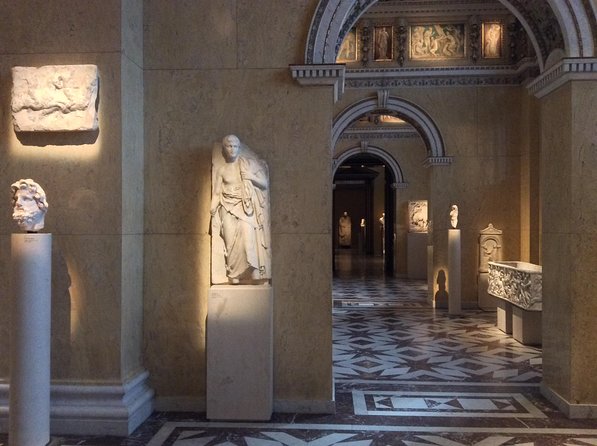
Ancient objects can help you think about how museums build a story across time. A Roman portrait, an Egyptian figure, or a Greek object may raise different questions about religion, ceremony, daily life, and the purpose of art. If your group has a background in classical studies, this part of the museum may become a major feature rather than a short side stop.
The cabinets of curiosities add another change of pace. These displays bring together indoor sculpture, church plate, decorative pieces, and scientific instruments. The old collecting habit behind such rooms was not organized according to modern museum categories. Valuable, rare, strange, and useful objects could sit together.
That mix is part of the charm. You may find that a small object holds your attention longer than a famous canvas. A guide can explain why the item was collected, how it relates to court culture, and what it tells you about changing ideas of knowledge and value.
For me, this is one of the tour’s best features. You are not only being shown the names that appear in an art-history textbook. You are also being shown how power, taste, curiosity, and collecting shaped the museum you see today.
A private format that follows your interests
A private activity means only your group takes part. That does not guarantee that every possible gallery or favorite artist will fit into three hours, but it does give you control over the conversation.
If you want a clear introduction to European painting, the guide can keep the focus on major works. If you have already seen the famous paintings, you can ask for more time with objects, historical context, or less familiar artists.
This works especially well for families with older children, couples with different levels of art experience, and small groups with a shared interest. A specialist can explain a work without forcing everyone into the same level of detail.
It also suits people who often feel lost in museums. You do not need to arrive with a background in art. The guide can begin with simple questions about what you notice, then build toward more complex points about technique and meaning.
The format is less useful if you prefer to wander alone at your own speed. A three-hour guided visit has a planned rhythm, even when it responds to your questions. You are paying for interpretation and direction, not just entry.
Is $283.12 per person good value?
At $283.12 per person, this is not a budget museum visit. The admission ticket is included, but the real purchase is the guide’s time and the private format.
The value depends on how much structure you want. If you would otherwise spend three hours drifting through the galleries and seeing only a few famous works, a private art historian can make the visit far more productive. You leave with a framework for understanding the museum, not just a list of artists.
The price is harder to justify if you are happy with a self-guided visit, have already studied the collection, or want only a short introduction. You might see many of the same paintings on your own, though you will miss the tailored explanations and chance to follow your questions.
Group discounts are available, which may make the cost easier to manage for a larger private party. Since this is priced per person, check the total carefully before booking. The best value comes when everyone in your group has a real interest in the museum.
The tour is booked, on average, about 60 days ahead. That suggests planning early, especially if you want a particular date or guide. Confirmation is received at booking, and you can present either a paper or electronic voucher.
Meeting at Maria-Theresien-Platz
The meeting point is Maria-Theresien-Platz, in front of the museum’s main entrance. The instructions are specific: arrive punctually, look for the three doors, and remember that the central door is closed. Your guide will wait in front of it.
This is a small detail, but it matters in a busy city. Give yourself enough time to identify the correct entrance rather than arriving at the last second and searching for a guide.
The museum is near public transportation, so reaching the meeting point is practical. The tour ends back at the same meeting point, which makes it easy to continue sightseeing nearby or plan a meal afterward.
Free cancellation is available up to 24 hours before the start time for a full refund. Changes or cancellations made less than 24 hours before the start time are not accepted, and the local time cutoff applies.
Who should book this museum tour?
You should consider it if you want to understand what you are seeing rather than simply photograph famous paintings. It is a strong choice for first-time visitors who find large museums overwhelming, art lovers who want a focused route, and anyone who enjoys asking questions.
It is also a good match for mixed groups. One person can ask about technique, another about politics, and another about ancient objects. A private guide can bring those interests into one conversation.
Families should note the moderate physical fitness requirement and the three-hour length. Younger children may not enjoy a sustained art-history discussion, though the variety of paintings, objects, and the turquoise hippo could help hold attention.
Solo visitors can book, but the cost per person is easier to justify when shared by a small group. If you are traveling with friends or family who will all take part, the private setup becomes more attractive.
My verdict on the Kunsthistorisches Museum experience
I would book this tour if the Kunsthistorisches Museum is high on your Vienna list and you want more than a quick pass through the famous rooms. The guide’s art-history background, use of visual aids, and willingness to follow personal interests give the visit real substance.
The strongest reasons to go are the private attention, included admission, and clear focus on major works without ignoring the Egyptian collection, antiquities, and cabinets of curiosities. Julia appears particularly well suited to visitors who like context, questions, and a little humor.
I would skip it if your main goal is a low-cost museum visit or complete freedom to wander. At $283.12 per person, this is a specialist service. For the right audience, it turns a huge collection into a readable, memorable three hours.
FAQ
How long is the Kunsthistorisches Museum tour?
The tour lasts approximately three hours.
Is admission to the museum included?
Yes. Admission to the Kunsthistorisches Museum is included in the tour price.
Is this a private tour?
Yes. Only your group participates in the activity.
Who leads the tour?
The experience is led by a professional art historian. Julia is the guide named most often in the available tour details and feedback.
What language is offered?
The tour is offered in English.
Where does the tour meet?
It begins at Maria-Theresien-Platz, 1010 Wien, Austria, in front of the museum’s main entrance.
Where does the tour end?
The activity ends back at the meeting point.
What should I know about the museum entrance?
There are three doors at the main entrance, but the central door is closed. Arrive punctually and wait in front of it for your guide.
Can I cancel for a full refund?
Yes. You can cancel at least 24 hours before the experience start time for a full refund. Cancellations or changes made less than 24 hours before the start time are not accepted.
Just added around Vienna
- Vienna: UNESCO Schönbrunn Palace Guided Tour with Entry★ 4.5 · 94 reviews
- World War II History Vienna Old Town Private Walking Tour★ 4.8 · 9 reviews
- Vienna: Winery and Wine Tasting Tour with a Wine Expert★ 5.0 · 5 reviews
- Vienna: Wine Tasting E-Bike Tour★ 4.9 · 46 reviews
- Vienna: Wine Tasting at Schönbrunn Palace★ 4.3 · 71 reviews
- Vienna: Wine Tasting Tour★ 4.8 · 61 reviews
- Vienna: Concert by the Vienna Baroque Orchestra★ 4.6 · 56 reviews
- Vienna: Wachau Valley Private Kayak and Wine Tour★ 5.0 · 3 reviews
Kunsthistorisches Museum Tickets, compared.
Vienna Kunsthistorisches Museum Day Admission Ticket
Read our review →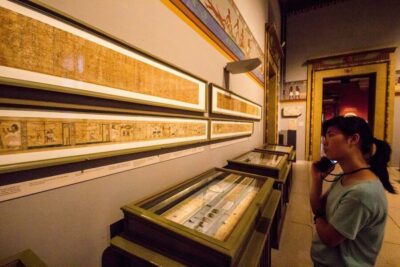
Combo Ticket: Kunsthistorisches Museum & Imperial Treasury
Read our review →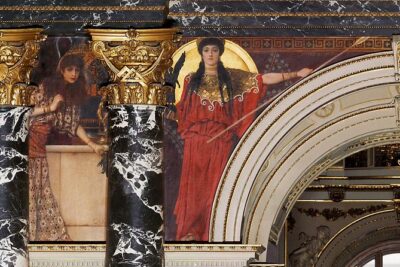
Skip the Line: Kunsthistorisches Museum Vienna Entrance Ticket
Read our review →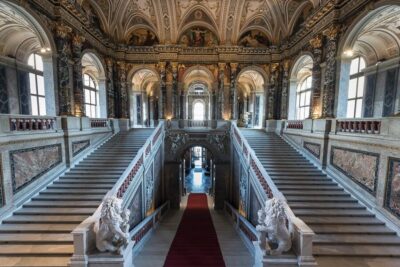
Kunsthistorisches and Leopold Museum Combo Ticket
Read our review →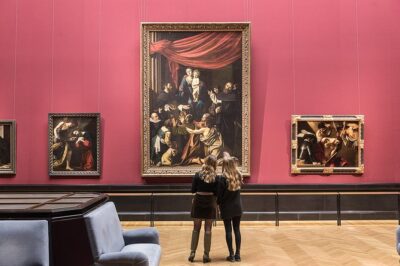
Kunsthistorisches Museum Vienna and Imperial Treasury of Vienna
Read our review →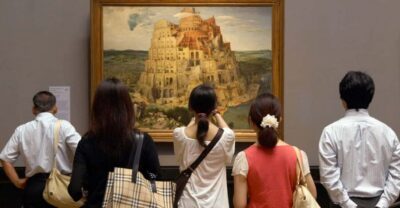
Kunsthistorisches Museum Guided Tour incl. admission
Read our review →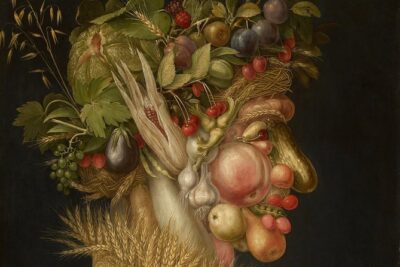
Kunsthistorisches Museum Wien Guided Tour including admission
Read our review →
Private Tour of the Picture Gallery of the Fine Arts Museum VIenna (Kunsthistorisches Museum) with an Art Historian
Read our review →Browse the lists this tour appears in