Reviewed · TOURS
Taste and Tour Small Organic Wineries with a Winemaker
The best thing about this wine tour is its focus on small organic producers, not polished tasting rooms built for crowds. From Krems, Chris leads you through the vineyards and cellars of the Kremstal and Kamptal, introducing you to winemakers who work by hand, experiment with old and new methods, and care about how soil and harvest shape each bottle.
I like the personal scale and the range of wines. You may taste Grüner Veltliner from a family estate, French grapes aged in amphora, and hand-harvested Pet Nat from a sparkling wine maker. I also like that the tour ends with a short walk to a vineyard viewpoint. The main consideration is the pace: three hours includes driving between several locations, and you need to manage cellar steps, small rooms, and a 7 to 10 minute walk.
Key things to know before booking
- Chris brings winemaking experience: He owns or rents small vineyard parcels and makes wine himself, so the discussion covers practical work from vine selection through bottling.
- The tour visits four very different producers: Kapitel Zwei, Mantlerhof, Feldtheorie, and WeinSchach each show a different approach to organic wine.
- You start and finish in Krems: Bahnhofplatz 2 is the standard meeting point, with flexible arrangements possible at the train station or boat landing.
- The wines go beyond the usual Austrian lineup: Expect Grüner Veltliner and Riesling, plus Roter Veltliner, French varieties, and experimental natural sparkling wine.
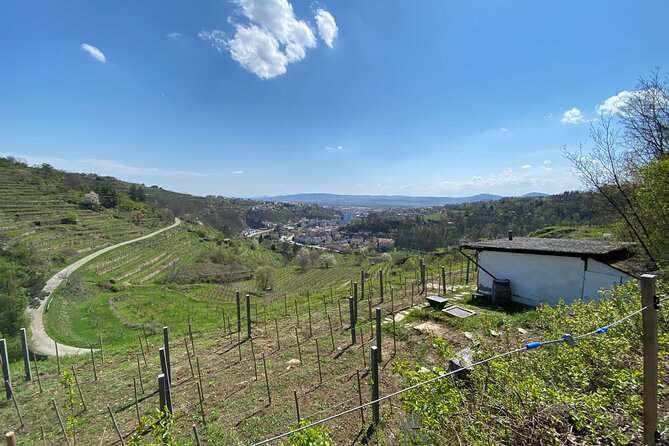
- The final viewpoint adds a useful sense of place: A short vineyard walk looks across the surrounding wine country and the Danube region.
- This is a private tour: Only your group takes part, which allows the tastings and conversation to follow your interests.
Why this tour works better than a standard tasting
A basic wine tasting gives you a few glasses and a list of grape names. This experience tries to explain why the wine tastes the way it does. You move between small producers, hear how they farm, see where the wine is made, and compare very different ideas about fermentation and aging.
Chris is central to that format. He is not just driving you from one address to another. His own vineyard work gives him a practical connection to the subject, and he can explain questions about young vines, vineyard parcels, soil, harvest timing, fermentation, and bottling. The tone is informal and personal rather than classroom formal.
You should also expect plenty of tasting. Earlier versions of the experience included young wines still developing, barrel samples, aged Grüner Veltliner, Riesling, Zweigelt, and Pinot. The current route emphasizes four producers with organic and small-scale methods, so the exact bottles may change with the season and availability.
The group format matters. Since this is a private activity, Chris can spend more time on the subjects that interest you. If you want to understand natural fermentation, ask about it. If you care about vineyard history or Austrian grape varieties, the conversation can move that way. This flexibility is one reason the tour suits curious wine drinkers better than people who simply want a quick afternoon drink.
A few more Vienna days worth a look
- Vienna: Vivaldi’s Four Seasons Concert in Karlskirche
★ 4.7 · 14,951 reviews - Vienna: Spanish Riding School Training
★ 3.9 · 9,281 reviews - Vienna: Skip-the-cashier-desk-line Giant Ferris Wheel Ride
★ 4.5 · 7,859 reviews
Getting from Vienna to Krems
The tour starts in Krems an der Donau, not central Vienna. That adds planning, but it also gives you a pleasant route into the wine country.
A direct train from Vienna to Krems is one option. The ride follows the Danube and makes the trip part of the day rather than a chore. You can arrange to meet Chris at the Krems train station. Another option is to arrive by boat from Vienna and meet at the boat station.
The meeting point listed for the tour is Bahnhofplatz 2, 3500 Krems an der Donau. Chris says he can be flexible about when and where you meet, so contact him after booking and settle the details in advance. Do not assume that a Vienna pickup is automatic. Pickup is offered, but the practical arrangement needs to be coordinated.
The route includes about 30 minutes of driving between the different locations. That is a reasonable trade for visiting producers spread across the region, though it means the tasting time is not a continuous three hours. Allow extra time around your train or boat connection, especially if you are returning to Vienna the same day.
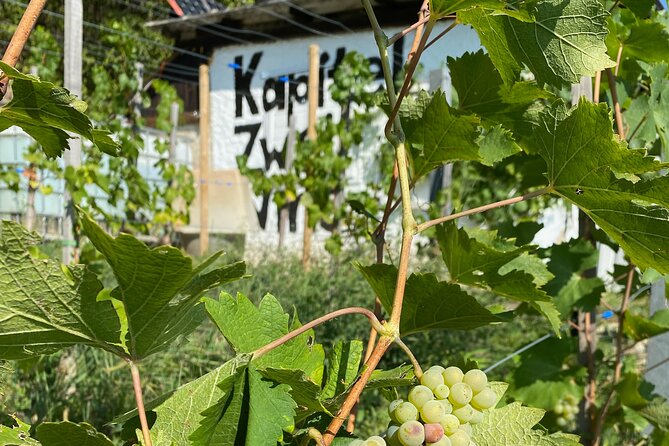
Kapitel Zwei and the replanted Kremsleithen vineyard
The first stop takes you uphill from the river toward Kremsleithen, a vineyard site at roughly 300 meters above sea level. The road passes through wine country, and the climb helps you see how quickly the terrain changes outside Krems.
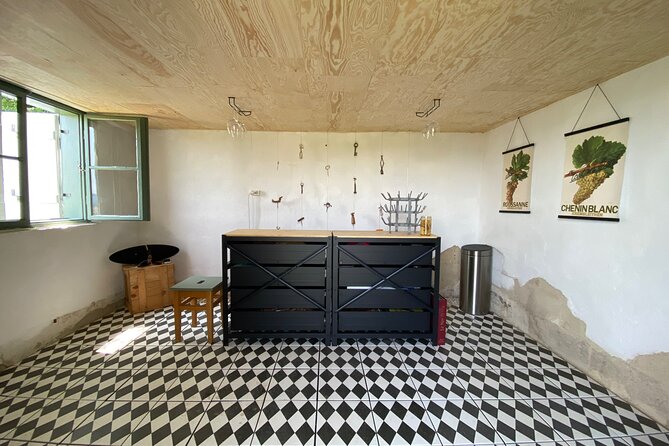
Kapitel Zwei means Chapter Two, an apt name for a young project with an experimental spirit. The winery is working with French grape varieties including Chenin Blanc, Roussanne, and Sémillon. These are not the varieties most closely associated with Austrian wine, so this stop broadens the picture from the beginning.
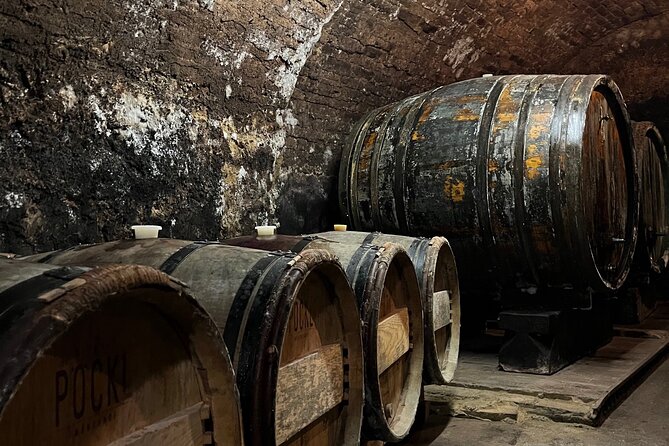
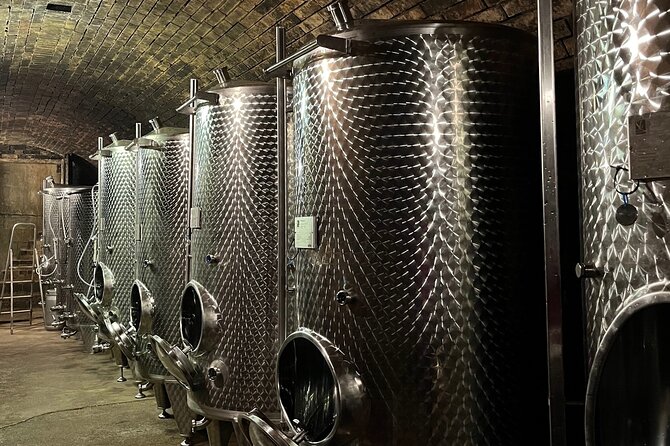
The wine is aged in amphora and steel tanks. That gives Chris and the winemaker useful subjects to explain: how a vessel affects texture, how fermentation changes over time, and why a producer might choose a less familiar grape for this part of Austria.
The Kremsleithen vineyard itself was abandoned for decades and replanted in May 2022. Its name refers to the steep slope running down toward the Krems River. Records mention the site as far back as 1266, while the new vines represent a very recent beginning.
That contrast is what makes the stop worthwhile. You are looking at an old place with a new purpose. The soil is described as loamy, sandy, and clay-based, and the grapes are handpicked from this single vineyard, or ried. The visit lasts about 20 minutes, so expect a compact introduction rather than a long vineyard walk.
Mantlerhof, a family winery with centuries of roots
Mantlerhof brings the traditional side of the tour. It sits in Brunn im Felde, near the Kamp River before it joins the Danube. In the village center, an old manor with an early classical facade houses this family-run winery.
The Mantler family has worked the estate for more than 200 years, with winemaking roots reaching back to 1365. The setting helps put Austrian wine in a social and historical context. You are not simply visiting a production shed outside town. You are arriving at a long-established property woven into the village.
The estate works about 15 hectares of vineyards and farms organically. Its main focus is Grüner Veltliner and Roter Veltliner. Grüner Veltliner is Austria’s best-known white grape, but Roter Veltliner is less familiar to many visitors, making this a good chance to compare the two.
The tasting lasts about 45 minutes, the longest scheduled stop. That gives you time to ask about the family business, organic vineyard work, and how wines from different parcels are handled. The atmosphere is likely more traditional than at Kapitel Zwei, and the contrast is useful. You can see how a long-running estate and a young experimental winery answer similar questions in different ways.
A completely different way to spend a day here:
- Vienna: Schönbrunn Palace & Gardens Skip-the-Line Tour
★ 4.7 · 7,739 reviews - Vienna: Light of Creation Votive Church Immersive Light Show
★ 4.8 · 6,779 reviews - Vienna Spanish Riding School Guided Tour
★ 4.7 · 6,765 reviews - Vienna: Classical Concert in the World-Famous Musikverein
★ 4.6 · 6,673 reviews
Feldtheorie in Schönberg am Kamp
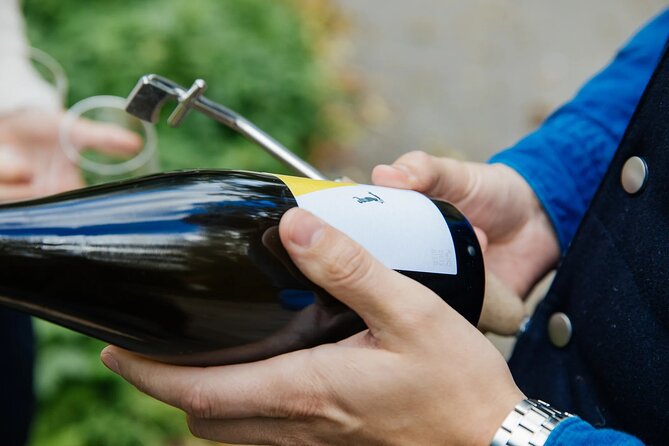
Feldtheorie is the tour’s story of a newer generation finding its way into winemaking. Ulrike Filp and Robert Bormuth discovered wine during a trip to New Zealand while studying natural sciences. After internships in Germany, Australia, and Austria, they bought vineyard parcels in the neighboring Kamptal region.
Their scientific backgrounds add another angle to the conversation. The goal is not to turn the visit into a lecture, but you can expect careful attention to how the vineyard and cellar work together. They work with family and friends, handling both the vineyards and cellar themselves.
The winery’s stated aim is to pass on the character of the Kamptal through its wines. That makes this a good stop for anyone interested in place, not just grape variety. Chris can help connect the wine in your glass to the hills, soil, weather, and choices made during production.
The visit is scheduled for about 30 minutes. That is enough for an introduction and tasting, but not a long estate tour. The short timing is part of the overall design: you get several viewpoints in one afternoon rather than spending the entire day at one winery.
WeinSchach and the art of Pet Nat
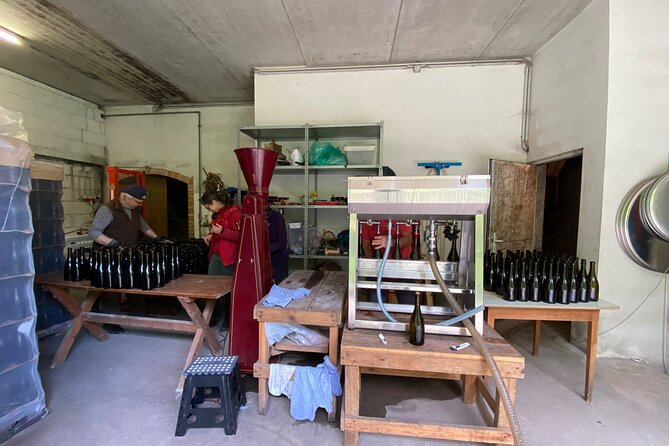
The final winery stop is WeinSchach in Langenlois, a producer devoted to sparkling wine. Its specialty is Pet Nat, short for pétillant naturel, a style that finishes fermentation in the bottle. The winery works biologically, harvests by hand, and disgorges the bottles.
The producer’s aim is ambitious: to make Pet Nat that can sit beside more established sparkling wines. The process is experimental, and the team is willing to go back to the beginning when a trial does not work. That is a useful reminder that small-scale wine production often involves testing, adjustment, and patience rather than a fixed recipe.
This tasting can be especially interesting if you usually drink still Austrian wine. You will have a chance to see how the same concern for farming and minimal handling applies to sparkling wine. Ask Chris or the winemaker about bottle fermentation, disgorging, and how the final balance is reached.
WeinSchach gets about 40 minutes, enough time for the methods to make sense before you taste. Since Pet Nat is not always as predictable as heavily standardized sparkling wine, approach this stop with curiosity. If you want only familiar, polished styles, the experimental character may not suit you. If you like unusual bottles and small producers, it may be the highlight.
The final vineyard viewpoint
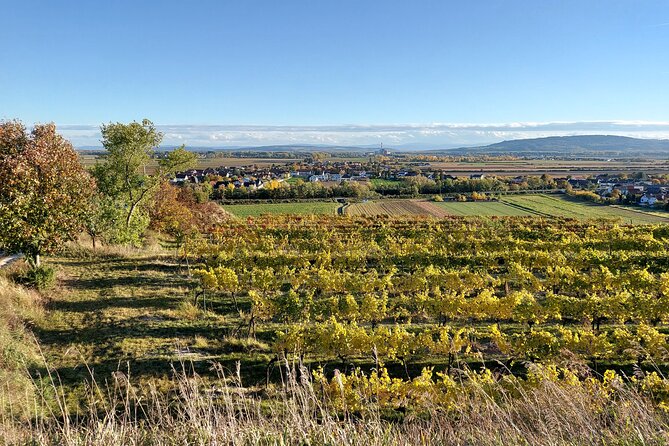
After the cellar visits, the tour finishes with a 7 to 10 minute walk through vineyards to a viewing point over the region. The walk is short, but it changes the afternoon from a series of tastings into a sense of place.
You have spent the tour hearing about slopes, river valleys, parcels, and soil. From the viewpoint, those ideas become visible. The Danube and surrounding wine country are no longer just names attached to a tasting sheet.
Wear shoes that can handle an uneven vineyard path. The tour requires some walking and a moderate level of fitness, and some cellar visits involve walking down into small rooms. Anyone uncomfortable with confined spaces or cellar steps should think carefully before booking.
What $114 means in practical value
At about $114.02 per person, this is not a cheap tasting at a single bar. It is also not simply a scenic drive. The fee covers roughly three hours, transportation between four wine producers, a private format, several tastings, access to small family-run cellars, and Chris’s guidance.
The value is strongest if you would otherwise struggle to reach these wineries on your own. Public transport can get you to Krems, but visiting several rural producers requires careful timing and local contacts. Chris supplies both the route and the introductions.
The price is less compelling if you want a long, leisurely visit at one major estate. The schedule moves from place to place, with about 2.5 hours devoted to the tour itself and around 30 minutes to driving. You will get breadth rather than a single deep estate visit.
The exact wines may also vary. Small producers sell limited quantities, and one tasting included barrel samples and a highly rated Riesling that was nearly sold out. That unpredictability is part of the small-winery experience, but you should not book expecting a fixed bottle list.
Who should book this experience
I would recommend it to wine drinkers who want context with their tasting. It is particularly suited to people curious about organic farming, natural wine, Austrian grape varieties, small cellar methods, and the difference between traditional and experimental producers.
It also works well for a couple, solo visitor, or small private group. Chris has tailored tastings around questions and interests, which is far more useful than hearing the same short speech at every stop.
You do not need to be a sommelier. The discussions can cover basic questions about how wine is made, and Chris’s practical experience helps explain technical points in plain language. At the same time, serious wine students can ask about single vineyards, blends, fermentation, harvest timing, and aging.
This is not the best choice if you dislike small rooms, cellar steps, short walks, or changing wines. It is also not ideal if you want to remain in Vienna all day without arranging transport to Krems. Plan the outing as a regional excursion.
Booking details and useful limits
The experience is offered in English and operates Monday through Saturday from noon to 7 p.m. during the stated season, November 1, 2025 through October 31, 2026. Confirmation is sent within 48 hours, subject to availability.
Service animals are allowed, and the meeting area is near public transportation. Some hiking is required, and the activity is not recommended for people who cannot walk down into a cellar or who do not enjoy confined spaces.
The tour has free cancellation up to 24 hours before the start time. Cancellations or changes made less than 24 hours before the start are not refunded or accepted.
Should you book the Krems wine tour?
Book it if you want to meet the people behind small Austrian wineries and understand how organic farming, vineyard parcels, fermentation, and family tradition shape the wine. The combination of Kapitel Zwei’s young French varieties, Mantlerhof’s long family history, Feldtheorie’s modern approach, and WeinSchach’s Pet Nat gives the afternoon real variety.
Skip it if you want a grand estate, a fixed tasting menu, or a tour that begins and ends in Vienna without extra planning. For everyone else, the price is fair for a private route through four producers, especially when Chris’s local connections and winemaking experience are part of the experience.
The strongest reason to go is simple: you will taste wine in the places where its story begins, then look out over the vineyards that give the region its character.
FAQ
Where does the tour begin?
The standard meeting point is Bahnhofplatz 2, 3500 Krems an der Donau, Austria.
Does the tour return to the starting point?
Yes. The activity ends back at the meeting point.
Can I come from Vienna by train?
Yes. You can take a direct train to Krems, then arrange to meet Chris at the train station.
Can I arrive by boat from Vienna?
Yes. You can arrive in Krems by boat from Vienna and arrange to meet Chris at the boat station.
Is pickup available?
Pickup is offered, but the exact time and location are flexible and should be coordinated with Chris.
How long does the tour last?
The tour lasts approximately three hours. About 2.5 hours are spent on the tour, with around 30 minutes of driving between locations.
Which wineries are included?
The planned stops are Kapitel Zwei Wine at Kremsleithen, Weingut Mantlerhof, Weingut Feldtheorie in Schönberg am Kamp, and WeinSchach in Langenlois, followed by a vineyard viewpoint.
Which wines might I taste?
The tour can include Grüner Veltliner, Roter Veltliner, Riesling, French varieties such as Chenin Blanc, Roussanne, and Sémillon, and Pet Nat. The exact wines can depend on the producer and availability.
Is this a private tour?
Yes. Only your group participates in the activity.
Is the tour suitable for people with limited mobility?
The tour requires a moderate level of physical fitness, some hiking, a 7 to 10 minute vineyard walk, and walking down into a cellar. It is not recommended for people who cannot manage those conditions or who do not enjoy small rooms.
Just added around Vienna
- Vienna: UNESCO Schönbrunn Palace Guided Tour with Entry★ 4.5 · 94 reviews
- World War II History Vienna Old Town Private Walking Tour★ 4.8 · 9 reviews
- Vienna: Winery and Wine Tasting Tour with a Wine Expert★ 5.0 · 5 reviews
- Vienna: Wine Tasting E-Bike Tour★ 4.9 · 46 reviews
- Vienna: Wine Tasting at Schönbrunn Palace★ 4.3 · 71 reviews
- Vienna: Wine Tasting Tour★ 4.8 · 61 reviews
- Vienna: Concert by the Vienna Baroque Orchestra★ 4.6 · 56 reviews
- Vienna: Wachau Valley Private Kayak and Wine Tour★ 5.0 · 3 reviews
Tours, compared.
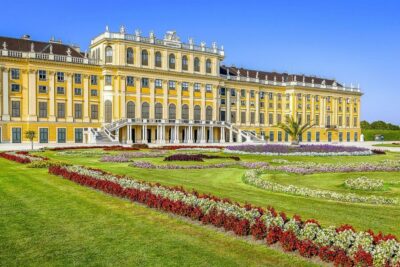
Schönbrunn Palace & Gardens Skip-the-Line Tour
Read our review →

Skip-the-Line Sisi Museum, Hofburg and Gardens Tour
Read our review →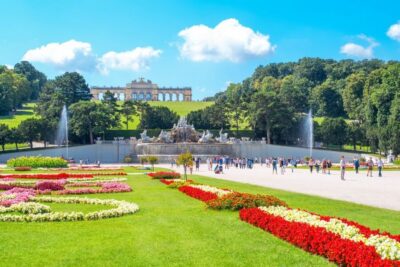
Skip-the-Line Schönbrunn Palace & Gardens Tour
Read our review →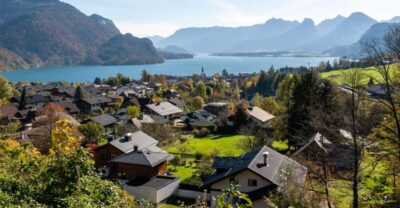

Guided Walking Tour of City Center Highlights
Read our review →