Reviewed · TOURS
Bicycle tour – Vienna Complete
Vienna’s grand center is compact enough to explore by bicycle, and this three-hour ride links the imperial Hofburg, Ringstrasse, Musikverein, Naschmarkt, and several historic squares without asking you to hike from one sight to the next. The route is an orientation tour, not a visit inside the city’s museums or concert halls.
I like the mix of major landmarks and smaller city corners, especially Judenplatz, Lugeck, and the coffee stop some guides add along the way. I also like the friendly, personal feel when the group is small. The main catch is that commentary can be hard to hear in traffic, and a full group of 15 may feel less tidy than a group of seven or ten.
Key points to know before you ride
- You cover the historic center, not the Danube: This tour stays in central Vienna and does not include a ride along the river.
- The pace is gentle: You stop often, and several riders found it comfortable even with limited cycling experience.
- Anita, Fritz, Karin, Guta, and others guide the route: The experience can vary slightly by guide, especially in storytelling and group management.
- Most cycling uses bike lanes or designated paths: You still need to watch traffic signals, intersections, and other road users.
- The bikes are included: They are described as solid city or road-style bicycles, with fitting before departure.
- Plan for the weather: The tour runs in rain or shine unless conditions force cancellation, so bring suitable clothing.
Why a bicycle is useful in central Vienna
Vienna can look easy on a map, but its sights spread across a wide ring of grand buildings, formal gardens, squares, and markets. On foot, you can cover the core, but you will spend more time crossing between places. A bicycle lets you connect the pieces while staying outdoors.
This is not a strenuous ride. The route has no major hills, though there are minor rises and normal city-road conditions. One account puts the route at about 6 kilometers, while the operator describes it as roughly 10 kilometers. Either way, the frequent stops make it feel more like a moving city orientation than an athletic outing.
The ride is also useful on a first morning in Vienna. You see the shape of the old center, learn which buildings deserve a return visit, and finish with a better sense of where to find museums, cafés, markets, and parks. A guide may also suggest restaurants or coffee spots for the rest of your stay.
You do need to pay attention. Vienna is bike-friendly in many places, but cycle lanes cross busy roads and intersections. Keep your eyes on the traffic lights, stay with the group, and do not rush through a red light to keep up. The guide will wait.
A few more Vienna days worth a look
- Vienna: Vivaldi’s Four Seasons Concert in Karlskirche
★ 4.7 · 14,951 reviews - Vienna: Spanish Riding School Training
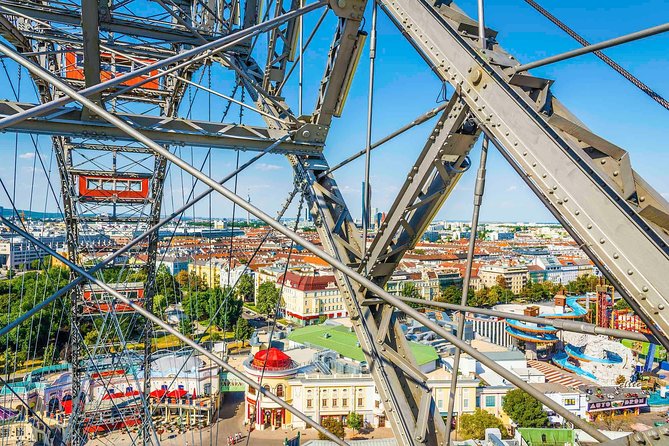
★ 3.9 · 9,281 reviews - Vienna: Skip-the-cashier-desk-line Giant Ferris Wheel Ride
★ 4.5 · 7,859 reviews
Starting at Piaristengasse at 10:00
The meeting point is Piaristengasse 56-58 in Vienna’s 8th district. The listed start time is 10:00 a.m., and the ride returns to this same location after about three hours.
Allow a little patience at the start. Bikes need to be assigned and fitted, and one rider reported that the group did not get moving until about 10:30. That may not happen every day, but it is wise not to schedule a tight museum entry or train departure immediately afterward.
The maximum group size is 15. That is manageable, but it is not intimate. Smaller groups of around seven offer easier conversation and make it simpler to stay together at crossings. Larger groups may require occasional pauses while the guide gathers everyone.
Helmets are available free at the shop, although they may not always be actively offered unless you ask. I would request one before setting out, especially if you are not used to riding in city traffic.
The Hofburg and Ringstrasse: Vienna’s imperial face
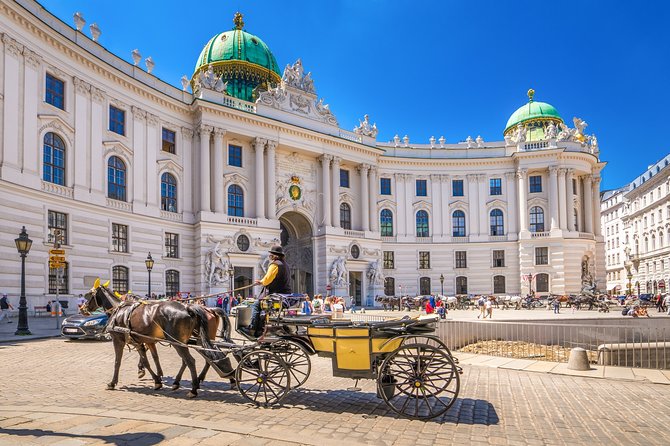
The Hofburg is the natural opening chapter. For centuries, it served as the home of the Habsburg rulers, and its large complex now holds museums and imperial collections. You stop outside for about 15 minutes, enough for an explanation and photographs, but not enough for an interior visit.
That distinction matters. If you want the Imperial Apartments, the Sisi Museum, or the court silver collection, plan a separate visit. The bicycle tour gives you the setting and political background, then moves on.
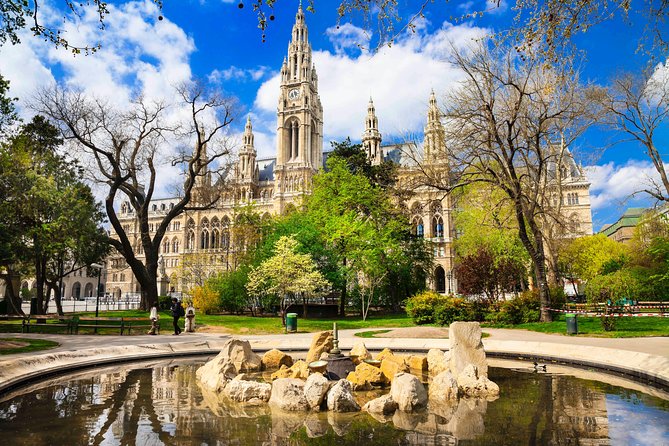
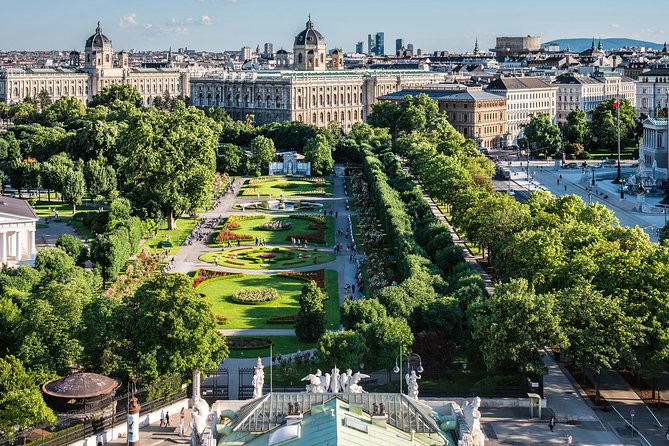
The Ringstrasse follows with about 30 minutes, making it the longest stop on the route. This broad boulevard curves around the old center and presents Vienna’s public face through buildings such as the Vienna State Opera, Parliament, and City Hall.
This is where cycling earns its keep. You roll past a succession of grand facades instead of seeing them as isolated points on a walking map. The stop can also be commentary-heavy, with more attention to government and state buildings than to music, food, or daily life. If your main interest is Vienna’s arts scene, listen for the guide’s cultural side stories and plan extra visits afterward.
Musikverein, Lugeck, and Judenplatz
The Musikverein receives about 10 minutes. This concert hall is linked with the Vienna Philharmonic and the famous New Year’s Concert, so it is an important stop for music fans. You see the exterior and hear why the building matters, but you do not attend a concert or tour the inside.
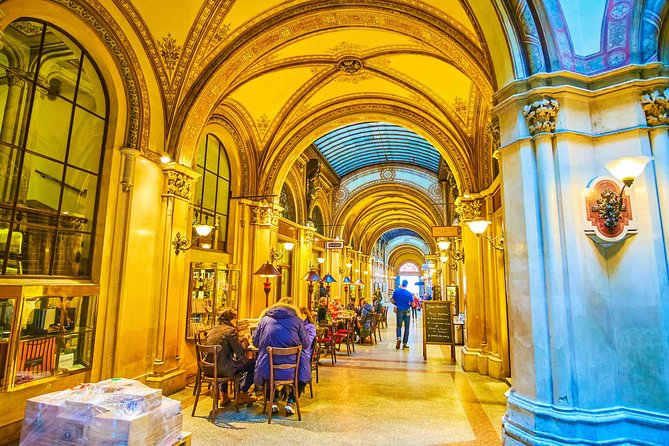
Lugeck offers a change of mood. Its traditional buildings and cafés make it feel more like a lived-in city square than a ceremonial boulevard. It is scheduled for about 10 minutes, enough to pause and look around, though not enough for a proper café visit unless your guide adjusts the pace.
Judenplatz is one of the more meaningful stops. The square includes a memorial to Vienna’s Jewish community and the victims of the Holocaust. A good guide can help you understand why this quiet space matters within the city center. It is not simply a photo stop, and you should expect a more serious moment here.
The route’s historical range is one of its strengths. You move from imperial power and concert tradition to the consequences of persecution and war. The drawback is that the quality of the explanation depends on the guide’s delivery. Some riders found the English easy to follow, while others had trouble hearing a soft voice in the street.
A completely different way to spend a day here:
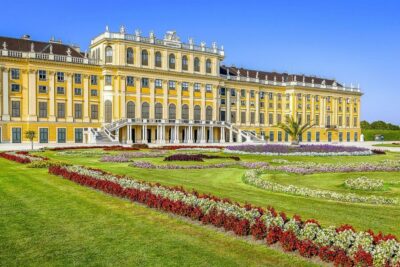
- Vienna: Schönbrunn Palace & Gardens Skip-the-Line Tour
★ 4.7 · 7,739 reviews - Vienna: Light of Creation Votive Church Immersive Light Show
★ 4.8 · 6,779 reviews - Vienna Spanish Riding School Guided Tour
★ 4.7 · 6,765 reviews - Vienna: Classical Concert in the World-Famous Musikverein
★ 4.6 · 6,673 reviews
Am Hof and Volksgarten: squares, gardens, and Sisi
Am Hof is among Vienna’s oldest squares. Its Baroque buildings and periodic markets give the stop a broad sense of the city’s past and present. The scheduled pause is about 10 minutes, so look closely at the architecture before the group moves on.
Volksgarten provides a welcome green break. It is known for formal rose gardens, classical statues, and references to Empress Elisabeth, better known as Sisi. You have about 15 minutes here, which gives you time to slow down, take photographs, and enjoy a quieter setting.
This section helps balance the grand civic buildings on the Ringstrasse. It also gives less confident cyclists a chance to relax. One guide may include a coffee stop at a small park stand, but that is not guaranteed as a formal part of every departure. In cooler weather, a warm drink can make a real difference. One December ride included such a pause.
Naschmarkt and Karlsplatz: food, art, and Baroque Vienna
Naschmarkt is Vienna’s best-known market and brings a more informal note to the route. Stalls sell produce, spices, and international food, filling the area with color and strong aromas. The scheduled stop is only about 10 minutes, so treat it as a quick introduction rather than time for a full meal.
If you want to sample food, ask the guide how much time is available before buying anything. A leisurely market lunch belongs on another part of your itinerary. Still, this stop shows you a side of Vienna that grand palaces cannot: shopping, eating, and ordinary city life.
At Karlsplatz, the focus shifts back to architecture. Karlskirche is one of Vienna’s major Baroque churches, and the square also connects with museums and cultural venues. The stop lasts about 10 minutes, which is enough for an outside look and a short explanation.
The sequence works well because it breaks up the historical buildings with a market and public square. It also gives you clues about where to return later. If you like museums, music, or church interiors, Karlsplatz is worth marking on your map.
Schwarzenbergplatz and the Johann Strauss monument
Schwarzenbergplatz adds a complicated historical layer. Its monumental fountain and Soviet war memorial recall different periods of Vienna’s past, including the city’s experience during and after the Second World War. The scheduled stop is about 15 minutes, so the guide has time to explain the memorials rather than simply point them out.
The final stop is the Johann Strauss monument in Stadtpark. Strauss is celebrated as the king of the waltz, and his gilded statue is one of Vienna’s most recognizable public monuments. The park gives the ride a pleasant finish, with space to pause among trees and statues before returning to Piaristengasse.
This ending is fitting. After imperial buildings, political squares, memorials, and market streets, you finish with music and a park. It also leaves you near one of the city’s classic themes: Vienna as a place where public life, culture, and ceremony meet.
How good are the bikes and the cycling conditions?
The bicycles are included in the price, and riders describe them as comfortable, solid, and easy to handle. The operator uses city bikes suited to central streets, while one account described them as solid road bikes. You should be fitted before leaving.
The ride is mostly on designated cycle lanes or paths, but that does not mean you can switch off. You may ride beside slow traffic, cross intersections, and pass through busy areas. The guide leads, but you remain responsible for signals and your own position on the road.
The low physical demand makes this a good choice for older children, casual cyclists, and adults who do not ride often. One hesitant rider felt increasingly comfortable during the tour. You should still be able to balance, brake, and follow directions in an urban setting.
Dress for the forecast. This is a rain-or-shine activity unless the operator cancels for poor conditions. A cold day can be manageable, but gloves, a warm hat, and a waterproof layer are sensible additions. The route has frequent stops, so you are not pedaling continuously, but you will be outside for roughly three hours.
Guide quality, group size, and the value of the commentary
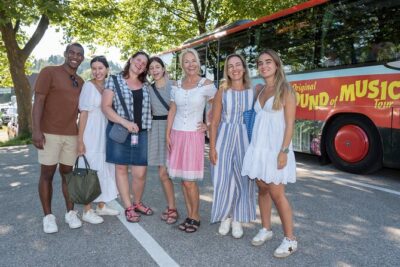
The guide can make or break this experience. Anita receives particular praise for combining history with humor and local suggestions. Fritz is described as an excellent source of background information, while Karin, Guta, Marcelo, David, Oliver, and Othelia are also named among the guides leading rides.
The strongest guides connect the buildings to the city’s character. They explain why a square matters, point out local quirks, and help you decide what to see next. Some guides also build in water, bathroom, or coffee breaks.
The weak point is communication while moving. It can be difficult to hear a soft voice beside traffic, and some riders found the historical thread too focused on government buildings. If you cannot hear, say so at the next stop rather than trying to listen while riding.
A group of 15 is the upper limit, not the ideal for everyone. If you prefer a quiet, conversational tour, ask about the expected group size before booking. If you care more about seeing many landmarks efficiently, the larger format may be fine.
Is $56.86 a fair price?
At $56.86 per person, the value depends on how you use it. The price includes bicycle use, a guide, and about three hours of city sightseeing. You are paying for orientation, transportation between sights, and local explanation rather than admission to museums or churches.
That is reasonable if you are visiting Vienna for the first time and want to cover a lot of ground early in your stay. You can then return to the Hofburg, Musikverein, Karlskirche, or Naschmarkt on your own.
It is less appealing if you expect a Danube ride, a countryside outing, or extensive time inside attractions. This route stays in the historic center. It also may not suit you if you want an extremely small group or a highly specialized cultural tour.
The tour is offered in English, and confirmation is sent within 48 hours, subject to availability. It is near public transportation, and most people can take part. Free cancellation is available up to 24 hours before the start time. If bad weather or an insufficient number of bookings cancels the ride, you are offered another date or a full refund.
Who should book this Vienna bike tour?
I would choose it for a first visit, especially if you want a clear map of central Vienna before exploring museums and cafés on foot. It also suits older children and groups of friends who want an active morning without a hard workout.
It is a good fit for casual cyclists who are comfortable around traffic and willing to follow signals. You do not need to be a serious rider, but you should not expect a protected park-only route.
I would look elsewhere if the Danube is your main goal, if you want long stops inside attractions, or if you prefer a tightly focused music, food, or Jewish history tour. I would also ask about group size and helmet availability before booking if those details matter to you.
FAQ
How long is the Vienna Complete bicycle tour?
The tour lasts about three hours. The route has been described as roughly 6 to 10 kilometers, with frequent stops at central sights.
Where does the tour start and finish?
It starts at Piaristengasse 56-58, 1080 Vienna, at 10:00 a.m. The activity ends back at the same meeting point.
Is bicycle use included?
Yes. Bicycle use is included in the price, and the bikes are fitted before the ride.
Are helmets available?
Yes. Free helmets are available at the shop, although you may need to ask for one before departure.
Does the tour visit the Danube?
No. The route focuses on Vienna’s historic center and does not include cycling to the Danube.
What happens if the weather is poor?
The experience requires good weather. If the operator cancels because of poor conditions, you are offered a different date or a full refund.
Just added around Vienna
- Vienna: UNESCO Schönbrunn Palace Guided Tour with Entry★ 4.5 · 94 reviews
- World War II History Vienna Old Town Private Walking Tour★ 4.8 · 9 reviews
- Vienna: Winery and Wine Tasting Tour with a Wine Expert★ 5.0 · 5 reviews
- Vienna: Wine Tasting E-Bike Tour★ 4.9 · 46 reviews
- Vienna: Wine Tasting at Schönbrunn Palace★ 4.3 · 71 reviews
- Vienna: Wine Tasting Tour★ 4.8 · 61 reviews
- Vienna: Wachau Valley Private Kayak and Wine Tour★ 5.0 · 3 reviews
- Vienna: Wiener Schnitzel and Strudel Cooking Class★ 4.9 · 126 reviews
Tours, compared.
Schönbrunn Palace & Gardens Skip-the-Line Tour
Read our review →
Skip-the-Line Sisi Museum, Hofburg and Gardens Tour
Read our review →
Skip-the-Line Schönbrunn Palace & Gardens Tour
Read our review →
Guided Walking Tour of City Center Highlights
Read our review →