
Reviewed · CONCERTS
Vienna: Classical Concert at Mozarthaus with Museum Entry
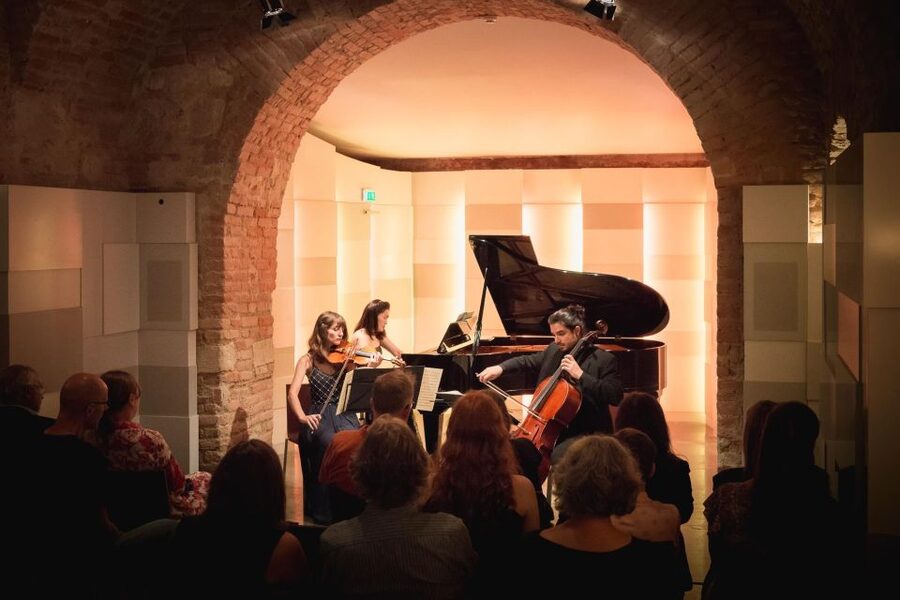
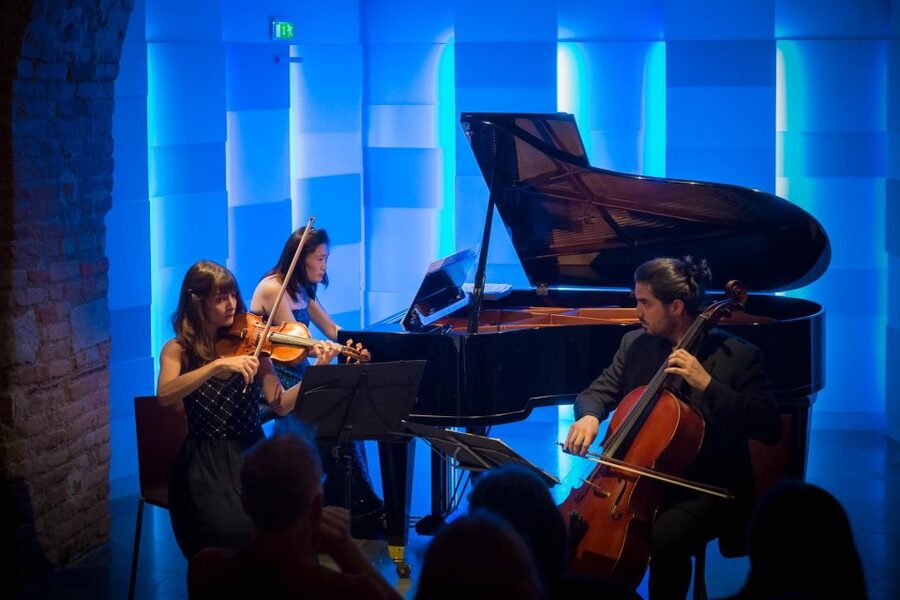
Mozart’s former Vienna home becomes the setting for a small candlelit concert, held several floors below the apartment in a renovated cellar. The intimate trio performance is the main event, with piano, violin, and cello bringing Mozart and other Viennese composers close enough to hear every detail.
I like the smart two-part plan: you first see where Mozart lived and worked, then hear music in the same building. I also like the warm introductions before many pieces, which help first-time listeners follow the program. The main drawback is that the museum can feel longer than expected, and some displays and audio-guide material may feel dated.
Key points to know
- Mozart’s only surviving Vienna residence: Explore the apartment where he lived, thought, and composed.
- A 70-minute cellar concert: Hear the Wiener Ensemble in a small, candlelit room with reserved seating.
- More than Mozart: The program may include Beethoven, Schubert, and Strauss alongside Mozart.
- Useful musical introductions: Performers explain the background of many pieces before playing them.
- Museum timing matters: If your ticket includes museum entry, arrive before 4:50 PM. The concert begins at 6:30 PM.
- Good value for a first concert: At $69 per person, the package combines a central museum visit with live chamber music.
Why the concert is the real draw
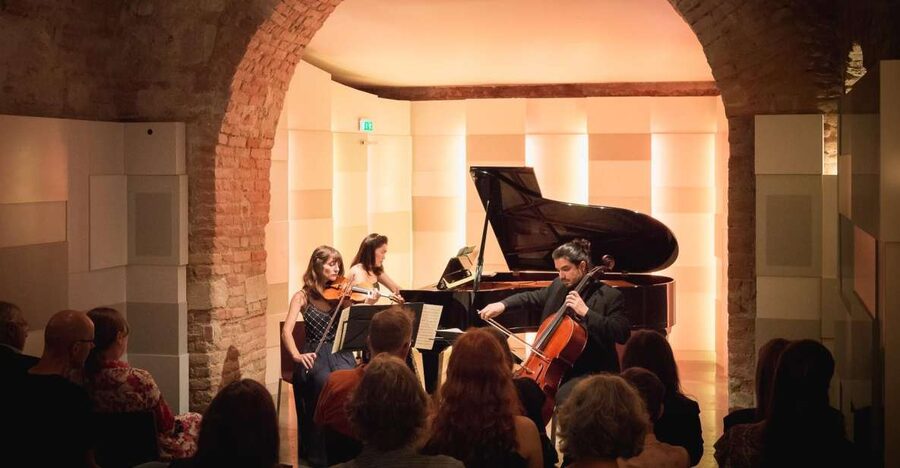
I would choose this activity mainly for the music. The setting helps, but the strongest part is the quality and closeness of the performance. A trio of musicians can create a surprisingly full sound, and the small room lets you hear the players’ timing, expression, and interplay in a way that a large hall often softens.
The Wiener Ensemble focuses on Mozart and his contemporaries, and the program is not limited to one composer. You may hear Mozart alongside Beethoven, Schubert, or Johann Strauss. That variety keeps the 70-minute program moving and gives you a broader taste of Vienna’s musical tradition.
The musicians also introduce many selections with short stories or background details. This matters if you do not know much about classical music. Instead of facing a string of unfamiliar titles, you get a simple reason to listen for a certain mood, rhythm, or musical idea.
The tone is not stiff. Performers have been praised for speaking with warmth and humor, and one musician may act as host as well as player. That makes the room feel closer to a salon concert than a formal night at a grand concert hall. You still hear serious musicianship, but the evening does not demand specialist knowledge.
More Concerts in Vienna
- Vienna: Vivaldi’s Four Seasons Concert in Karlskirche
★ 4.7 · 14,951 reviews - Vienna: Classical Concert in the World-Famous Musikverein
★ 4.6 · 6,673 reviews - Vienna: Classical Concert at St. Stephen’s Cathedral
★ 4.1 · 4,177 reviews
Inside Mozart’s apartment at Mozarthaus Vienna
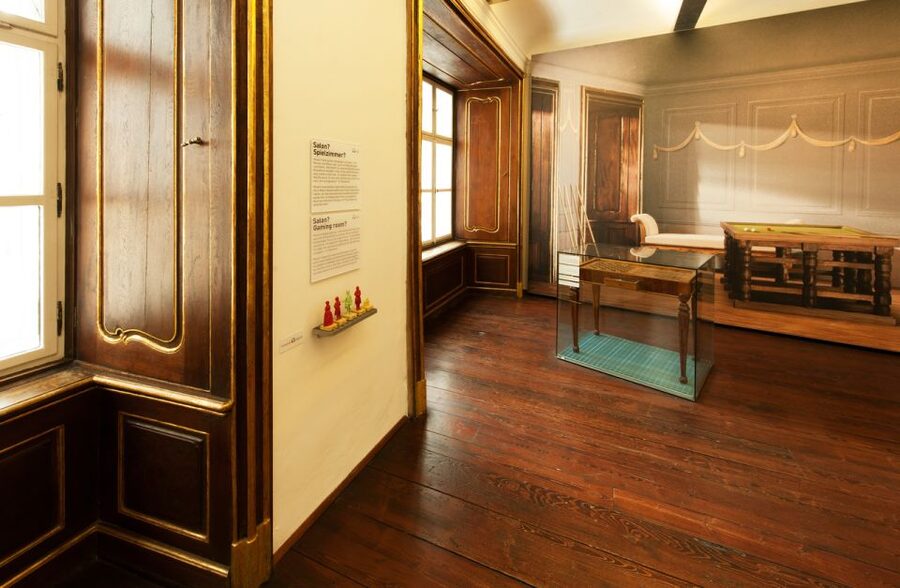
The first part takes place in Mozarthaus Vienna, near Stephansplatz. This is Mozart’s only surviving residence in the city, which gives the visit a genuine sense of place. You are not simply looking at a later monument or a concert hall named after him. You are entering the building where he actually lived during his Vienna years.
The museum covers Mozart’s life, his period, and private details about the composer. It also helps place his work in the social world of eighteenth-century Vienna. An audio guide adds structure, which is useful because the museum’s physical collection is not enormous.
That last point is worth understanding before you go. You should not expect room after room filled with original furniture, tools, and personal objects. Much of the value comes from the rooms themselves, the interpretation, and the story of Mozart’s life. If you prefer a museum packed with artifacts, you may find this portion less exciting than the concert.
The museum visit can also take longer than expected. The information is worthwhile, but the displays require reading and listening rather than simply moving from one striking object to the next. I would allow enough time to proceed at a comfortable pace, especially if you are interested in Mozart beyond his best-known works.
Some upkeep and audio-guide issues have been noted, including old equipment and uneven narration in at least one language. The English and German options are available, but the museum experience may feel less polished than the music downstairs. That contrast is important when setting expectations for the $69 package.
From museum rooms to a candlelit cellar
After the museum, you make your way several floors down to the concert room. The change in mood is part of the appeal. Upstairs, you have been following Mozart through an exhibition. Downstairs, the evening becomes a live performance in a compact historic setting.
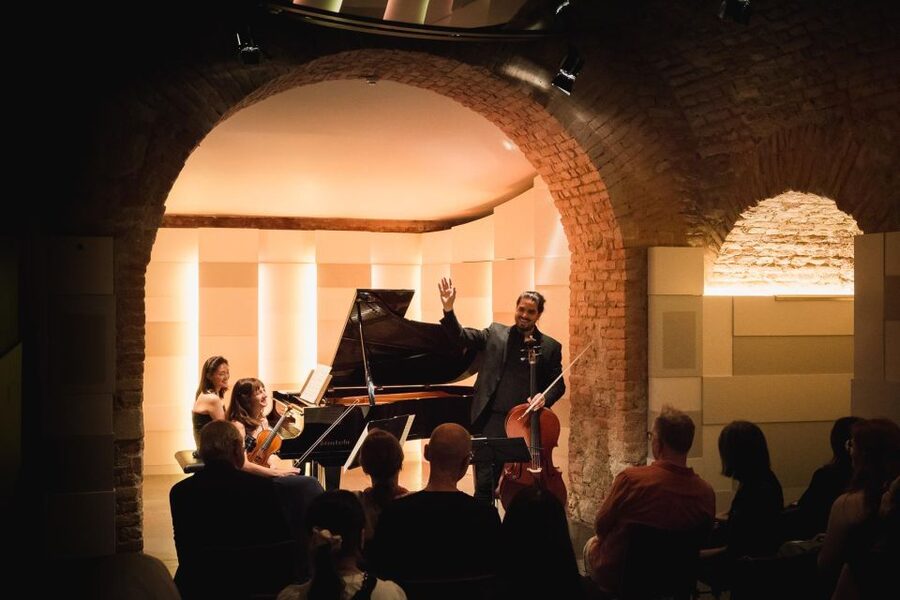
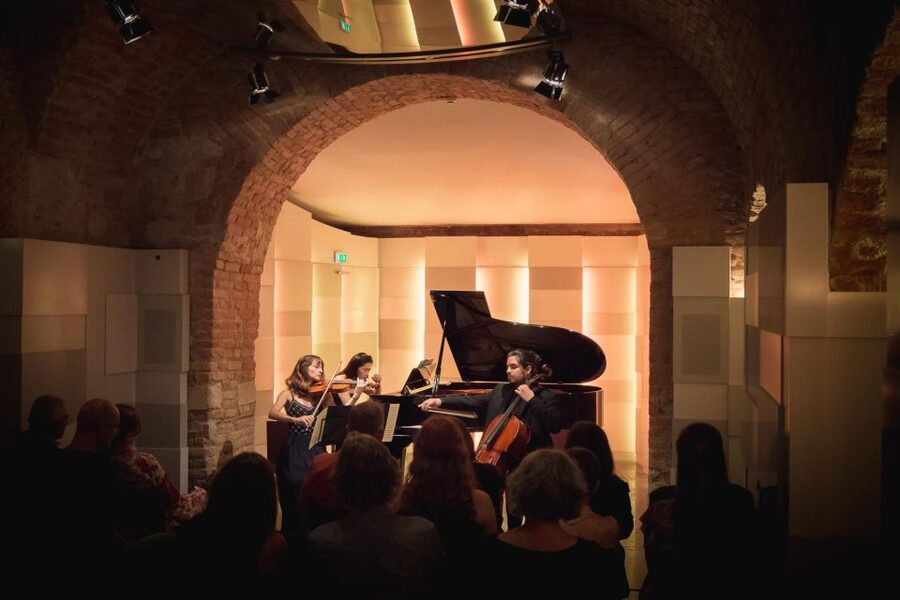
The cellar is renovated, intimate, and candlelit. It is not a grand Viennese concert hall with a large orchestra and formal stage. You are closer to the performers, and the limited scale is exactly what gives the event its character.
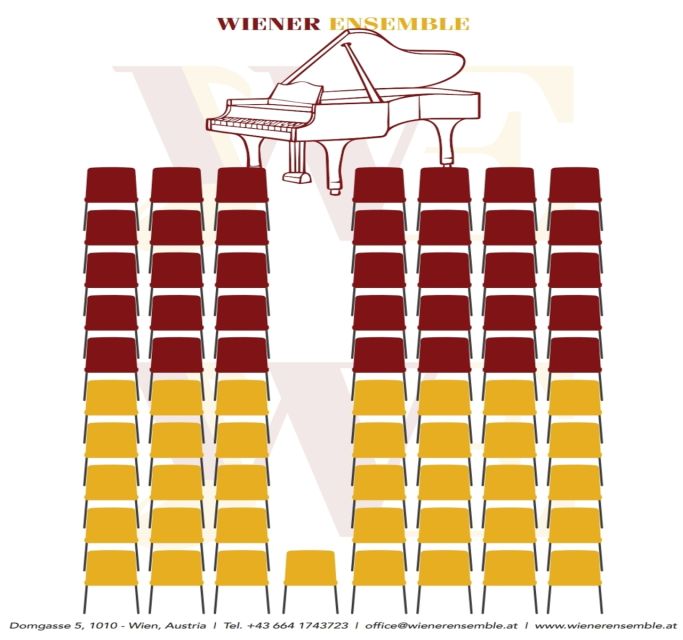
Reserved seating is included, but the layout may not give every seat the same view. Front-row seats are especially desirable if you want to watch the musicians closely. You may still hear well from other positions because the room’s acoustics are a major strength, but a clear sightline is worth considering when selecting an option.
The room can also feel warm. One concertgoer specifically advised against wearing too many layers because the performance space is in the cellar. Vienna evenings can be cool, so dress in layers you can remove rather than arriving bundled up.
The activity is wheelchair accessible, with an elevator on the premises. Since the concert takes place below the museum, it is wise to mention any access needs when booking or arriving, even though elevator access is available.
What you hear during the 70 minutes
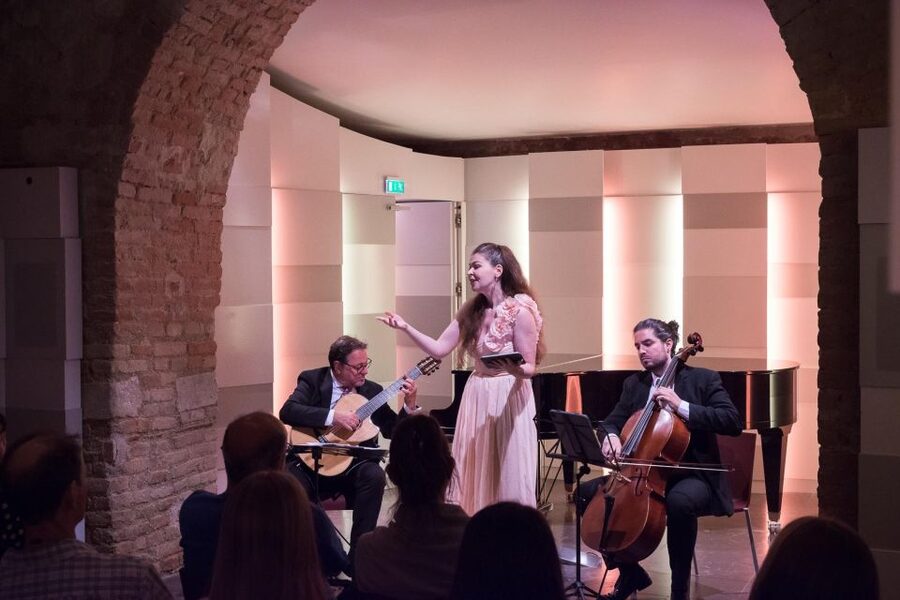
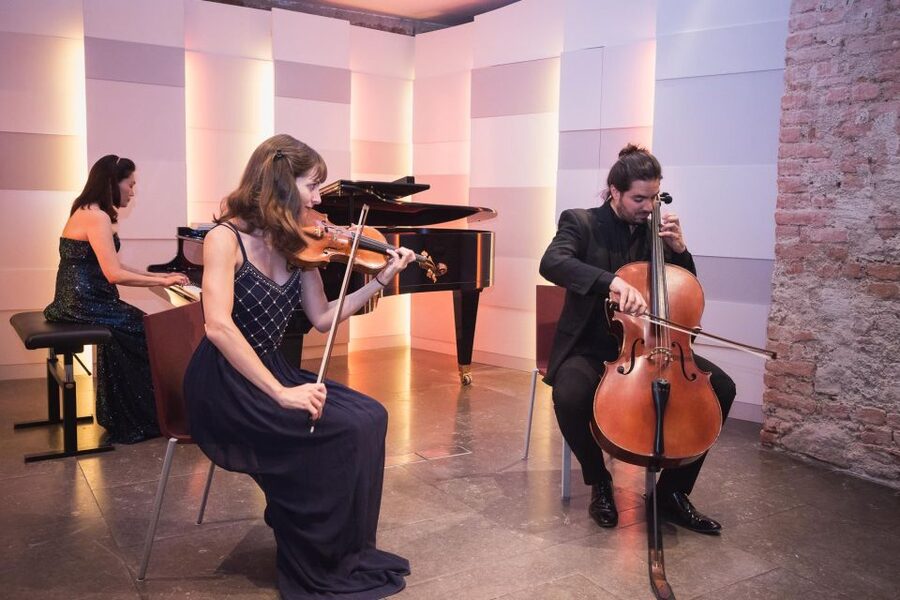
The standard ensemble is a trio, often featuring piano, violin, and cello. This combination gives the program a pleasing range. The piano supplies weight and color, while the strings can shift from delicate and conversational to bright and forceful.
Mozart is central, but the program may include music by several Viennese masters. Beethoven can bring greater drama, Schubert a more lyrical mood, and Strauss a lighter, more festive finish. The exact selections can vary, so you should book this as a representative Vienna music program rather than a single-composer recital.
The introductions are one of the best features for newcomers. The performers explain the background of the pieces and sometimes share stories about the composers. That small amount of context can change how you listen. A melody is easier to follow when you know something about its origin or character.
This is also a good choice for someone attending a classical concert for the first time. You do not need to recognize every piece or understand technical terms. The length is manageable, the room is informal, and the performers help you connect the music to the people and city behind it.
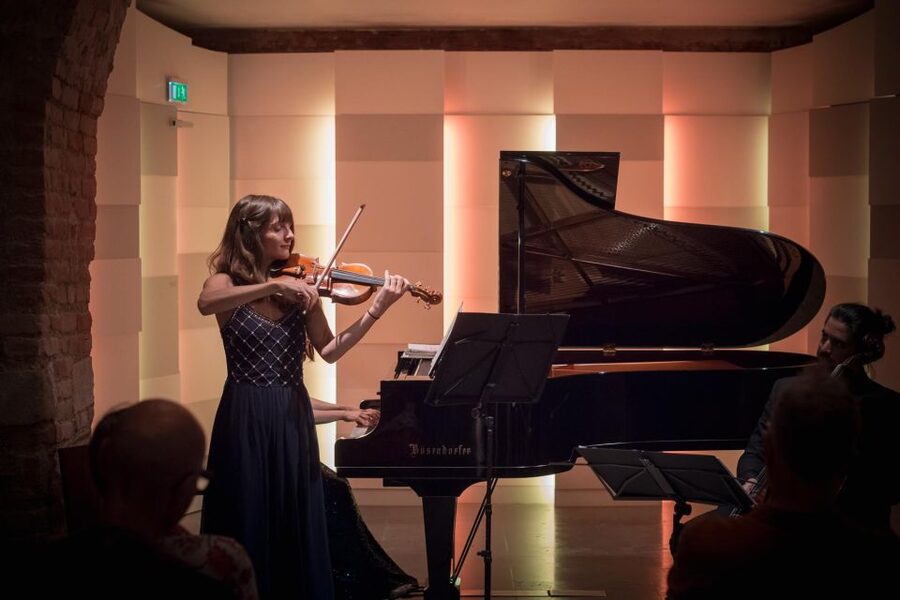
For experienced listeners, the appeal is different. You can focus on the precision of the ensemble, the balance between instruments, and the details that recordings often flatten. Several particularly enthusiastic accounts singled out the violinist’s expressive playing and the trio’s close synchrony.
A completely different way to spend a day here:
- Vienna: Spanish Riding School Training
★ 3.9 · 9,281 reviews - Vienna: Skip-the-cashier-desk-line Giant Ferris Wheel Ride
★ 4.5 · 7,859 reviews - Vienna: Schönbrunn Palace & Gardens Skip-the-Line Tour
★ 4.7 · 7,739 reviews - Vienna: Light of Creation Votive Church Immersive Light Show
★ 4.8 · 6,779 reviews
Timing the museum and concert
The concert starts at 6:30 PM. If your ticket includes the museum, you can visit at any time during the museum’s opening hours on the day of your concert, but the final admission is at 4:50 PM.
That cutoff is the most important planning detail. Do not arrive at the museum shortly before the concert and assume you can wander in at the last minute. Give yourself time for the apartment exhibits, audio guide, and transition downstairs.
A practical plan is to visit the museum in the late afternoon, then take a short break before the concert. The exact ideal arrival time depends on how closely you read and listen, but arriving well before 4:50 PM removes pressure. The venue is near Stephansplatz, so you can also build the visit into a central Vienna sightseeing day.
The experience lasts 70 minutes, not counting the museum. That makes it easy to fit into an evening without giving up an entire night. Afterward, you are already in central Vienna, with plenty of options for dinner or an evening walk.
The meeting point is the Wien Museum Mozarthaus near Stephansplatz. Present your voucher there. English and German assistance is available, but the music itself crosses language barriers easily.
Is the $69 price fair?
At $69 per person, the value depends on how you view the two parts. The concert alone is the strongest reason to book, and reserved seating in a historic, central setting makes the price reasonable for a special evening in Vienna.
The museum entry improves the package if you are curious about Mozart’s life and want the full connection between place and music. You see the apartment, learn about the composer, and then attend a performance in the same building. That sequence gives the night a clear shape instead of making it just another short concert.
The budget option does not include museum admission. If you mainly want the performance, that can be a sensible choice. If this is your first visit to Mozarthaus Vienna, I would lean toward the combo because the museum helps explain why the location matters.
I would not choose this package expecting a large-scale orchestral event. You are paying for a small ensemble, close listening, a central venue, and a historic setting. If you prefer spectacular interiors, a full orchestra, or a long formal program, another Vienna concert may suit you better.
For a first classical concert, though, the price is easier to justify. You receive a manageable introduction to the music, short explanations, a reserved place, and a museum visit. It is a compact cultural evening rather than an expensive formal production.
Who will enjoy this most
This suits you if you want to hear live classical music but do not feel ready for a major concert hall. The room is friendly, the program is varied, and the musicians provide enough explanation to keep the music approachable.
It also fits Mozart fans, readers of musical biographies, and anyone drawn to the Amadeus era. The apartment visit gives you a direct connection to the composer’s Vienna life, even though the museum collection itself is not packed with surviving personal objects.
Couples and families can also make good use of the format. The concert is short enough for children or teenagers who might struggle with a longer recital, although younger children should be comfortable sitting quietly during the performance.
I would be more cautious if museum presentation quality is a major priority. Some equipment and displays may feel worn, and the audio narration is not equally strong in every language. In that case, choose the concert-only option if available, or treat the museum as background rather than the main attraction.
Small details that make the evening better
Arrive early if you want the best chance of a front-row or especially clear seat, even though seating is reserved. The front is ideal for watching the performers’ hands and expressions, while the room’s acoustics should still carry the music well from other seats.
Wear light layers. The cellar can be warm, and a heavy coat or thick sweater may become uncomfortable during a quiet performance.
Plan your museum visit around the 4:50 PM final admission time. I would not leave it until after dinner, since the museum visit must happen before the 6:30 PM concert.
If you are new to classical music, listen closely to the introductions. They are not filler. They give you a way into each piece and help make the program feel like a connected evening rather than a random list of famous names.
The museum audio guide is useful, but do not expect every language track to be equally polished. If you find the narration distracting, focus on the rooms and written material, then save your attention for the performance.
Should you book the Mozarthaus concert?
I would book this if you want one approachable, atmospheric classical concert in Vienna and like the idea of pairing music with Mozart’s actual residence. The performance is the clear highlight, with skilled musicians, strong acoustics, useful introductions, and a setting that feels personal rather than grand.
Choose the combo ticket if you have an interest in Mozart’s life and can arrive before 4:50 PM. Choose the concert-focused option if you mainly want the music and prefer not to spend extra time with an imperfect museum presentation.
At $69, it is not the cheapest way to hear classical music in Vienna, but it offers more than a short recital. You get a historic address, a museum, reserved seating, and a 70-minute live program in one evening. For a first concert or a Mozart-centered night in the city, that is a sound choice.
FAQ
Where does the Mozart concert take place?
The meeting point is the Wien Museum Mozarthaus near Stephansplatz in Vienna. The concert takes place in a renovated cellar several floors below Mozart’s former apartment.
How long is the concert?
The concert lasts 70 minutes. The museum visit is separate and may take additional time depending on how much you read and listen.
What time does the concert start?
The concert starts at 6:30 PM.
When must I arrive for museum entry?
If your ticket includes museum admission, arrive early enough to enter before the 4:50 PM last admission time. You can visit the museum at any time during its working hours on the concert date.
What music is performed?
The Wiener Ensemble performs well-known works by Mozart and may also play music by Beethoven, Schubert, Strauss, and other Viennese composers.
Is seating reserved?
Yes. Reserved concert seating is included, although the view can vary by location. Front-row seats offer a particularly close look at the musicians.
Is the activity wheelchair accessible?
Yes. The premises have an elevator, and the activity is listed as wheelchair accessible.
More Museums in Vienna
- Vienna: Skip-the-Line Sisi Museum, Hofburg and Gardens Tour
★ 4.8 · 5,918 reviews - Vienna Kunsthistorisches Museum Day Admission Ticket
★ 4.6 · 3,690 reviews - Tickets for the Albertina Exhibitions
★ 4.7 · 2,126 reviews - Vienna: Chocolate Workshop in Chocolate Museum w/ Tasting
★ 4.5 · 1,802 reviews
Just added around Vienna
- Vienna: UNESCO Schönbrunn Palace Guided Tour with Entry★ 4.5 · 94 reviews
- World War II History Vienna Old Town Private Walking Tour★ 4.8 · 9 reviews
- Vienna: Winery and Wine Tasting Tour with a Wine Expert★ 5.0 · 5 reviews
- Vienna: Wine Tasting at Schönbrunn Palace★ 4.3 · 71 reviews
- Vienna: Wine Tasting Tour★ 4.8 · 61 reviews
- Vienna: Wine Tasting E-Bike Tour★ 4.9 · 46 reviews
- Vienna: Concert by the Vienna Baroque Orchestra★ 4.6 · 56 reviews
- Vienna: Wachau Valley Private Kayak and Wine Tour★ 5.0 · 3 reviews
Concerts, compared.
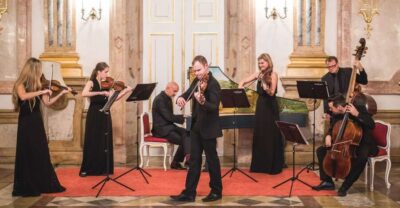
Vivaldi’s Four Seasons Concert in Karlskirche
Read our review →
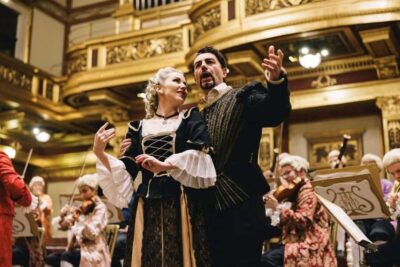
Classical Concert in the World-Famous Musikverein
Read our review →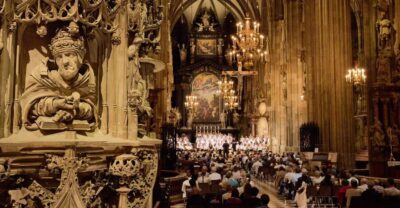
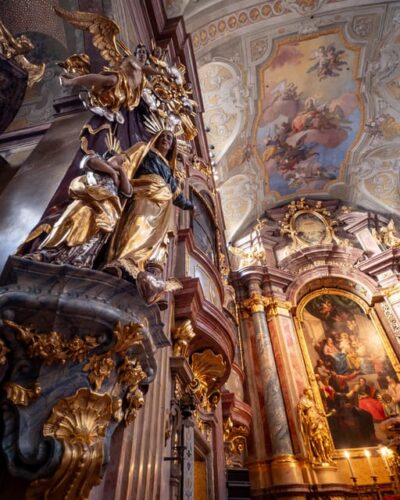
Classical Concert in St. Anne’s Church (Annakirche)
Read our review →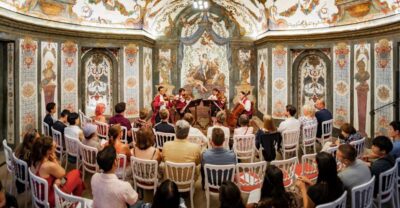
Browse the lists this tour appears in