
Reviewed · KUNSTHISTORISCHES MUSEUM TICKETS
Vienna Kunsthistorisches Museum Day Admission Ticket
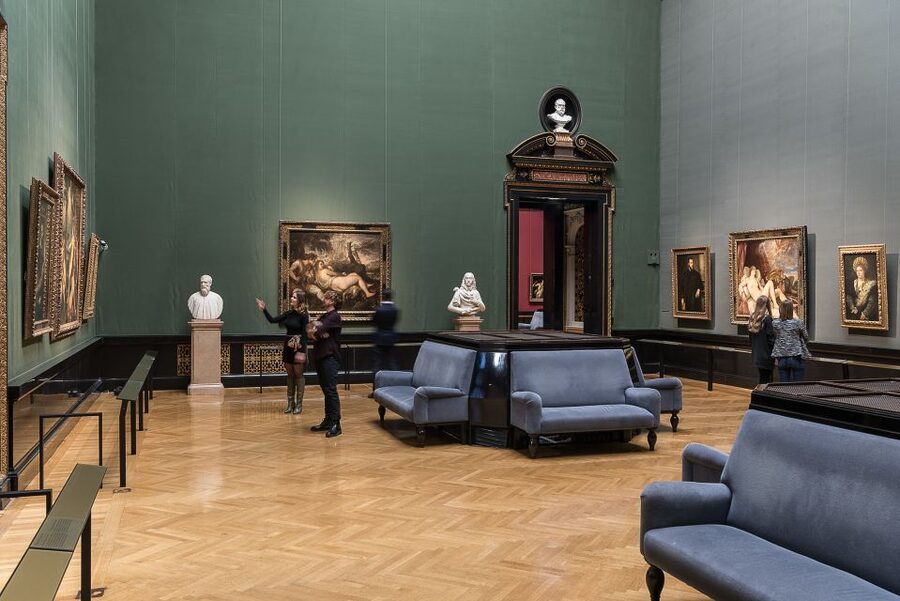
Vienna’s Kunsthistorisches Museum is not just a place to look at paintings. The building itself is part of the collection, with a grand staircase, marble interiors, and paintings created with Gustav Klimt’s collaboration. Inside, the imperial holdings move from ancient Egypt and classical antiquity to some of Europe’s best-known painters.
I especially like the range of the collection, which lets you pass from Egyptian objects to Rubens, Raphael, and Velázquez without changing museums. I also like the generous one-day admission: at about $25 per person, it gives you time to set your own pace rather than rushing through a short guided visit.
The main drawback is scale. You can spend two to five hours here with ease, and a determined visitor could use most of the day. Also, the printed voucher must be exchanged for an actual ticket at the museum’s voucher office, a step that has caused confusion and can cost you time.
Key points to know before you go
- Imperial collections under one roof: See Egyptian antiquities, Greek and Roman objects, Renaissance art, and paintings from the 17th and 18th centuries.
- A serious old-master gallery: Raphael, Rubens, Rembrandt, Vermeer, Velázquez, Titian, and Dürer are among the major names represented.
- The Kunstkammer rewards slow looking: Cellini goldwork, ivory carvings, sculpture, jewels, and unusual objects fill this section.
- Allow at least two hours: Four or five hours is more realistic if you want to see the major departments without racing.
- Buy the audio guide if you like context: It costs €5 for one or €7 for two and adds background on the building and selected works.
- Handle the voucher carefully: Take the printed voucher to the designated voucher or group-ticket office before approaching the entrance.
Why this museum deserves a place in your Vienna plans
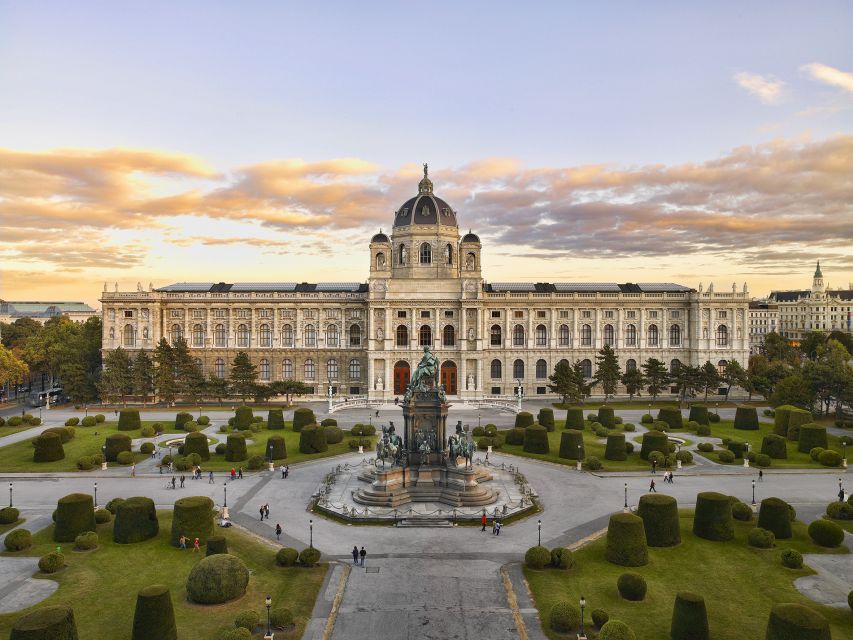
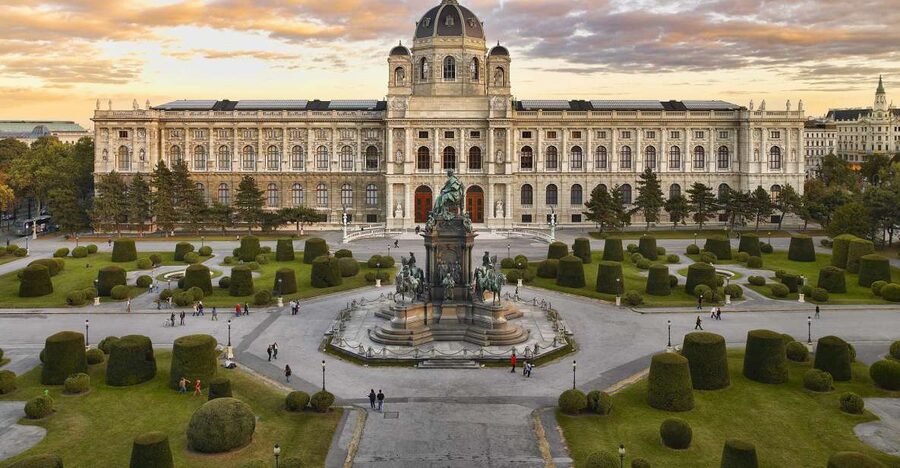
The Kunsthistorisches Museum was built by Emperor Franz Joseph to hold the Habsburg imperial collections. That origin explains the museum’s unusual breadth. This is not one artist’s house or a single period presented in isolation. It is a display of centuries of collecting, with art, archaeology, decorative objects, and court treasures sharing the same grand setting.
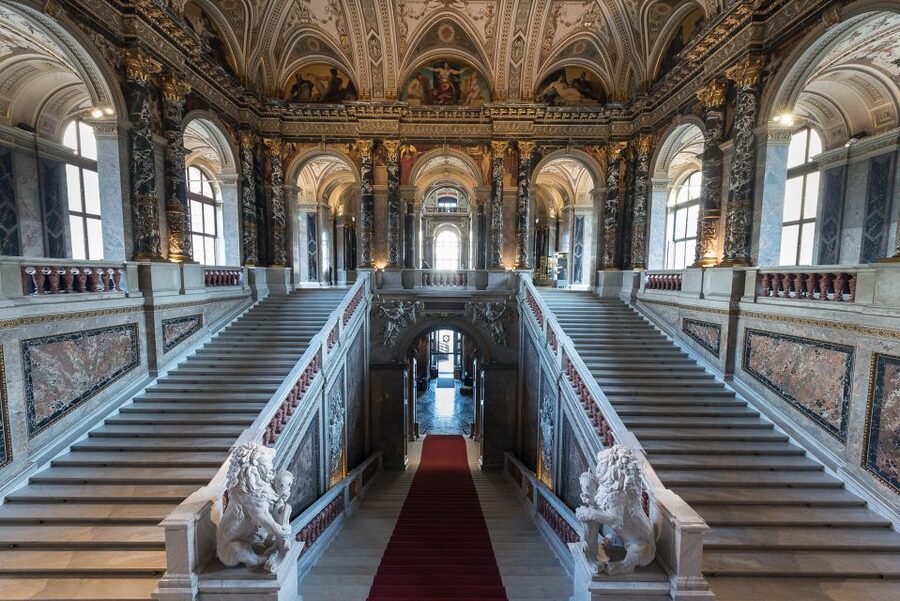
I find the first impression almost as memorable as the paintings. The staircase leads you into a building designed to impress, not merely to protect objects. Paintings connected with Gustav Klimt appear around the staircase, and the interiors give even a quick visit a sense of occasion.
You should allow a little time to look up and around before heading directly to the galleries. The polished architectural details, broad stairways, and formal rooms explain why so many people consider the museum itself one of Vienna’s major sights.
At the same time, this is a large institution. If you arrive expecting a compact museum that can be neatly finished in an hour, you may feel overloaded. I suggest choosing a few departments before you arrive, then adding rooms as your energy allows.
More Kunsthistorisches visits:
- Combo Ticket: Kunsthistorisches Museum & Imperial Treasury
★ 4.7 · 785 reviews - Skip the Line: Kunsthistorisches Museum Vienna Entrance Ticket
★ 4.5 · 466 reviews - Vienna: Kunsthistorisches and Leopold Museum Combo Ticket
★ 4.6 · 352 reviews
Starting with ancient Egypt and classical antiquity
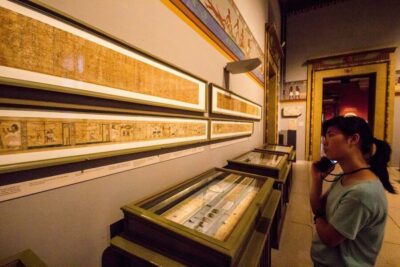
The Egyptian collection gives the museum a strong opening. You can expect objects connected with ancient Egyptian culture, followed by material from Greek and Roman antiquity. The precise appeal depends on your interests, but these rooms provide a useful change of pace from the European painting galleries.
The Egyptian displays are especially worthwhile if you enjoy objects with a clear connection to daily life, ritual, and burial practices. One visitor singled out this section as a favorite, while another preferred the Roman antiquities. That variety is part of the museum’s strength: you are not forced to spend the whole visit looking at framed paintings.
The classical antiquities section adds sculpture and historic objects to the experience. I would not treat these rooms as a warm-up to the paintings. They show how broad the imperial collections were and help place later European art in a longer artistic timeline.
Pay attention to your pace here. It is easy to spend more time than planned in the first few rooms, then reach the Picture Gallery already tired. If painting is your priority, decide in advance how much ancient art you want to see.
The Picture Gallery and its famous names
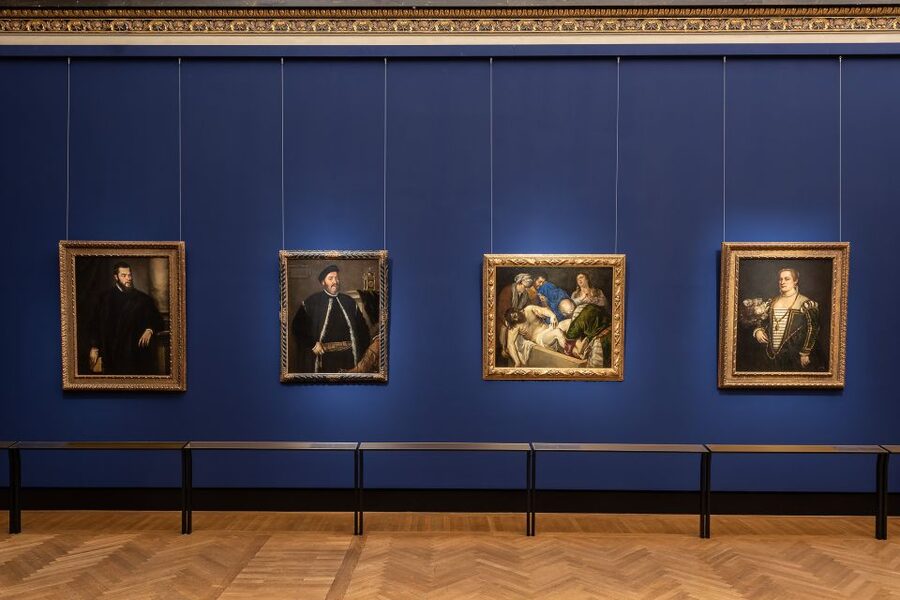
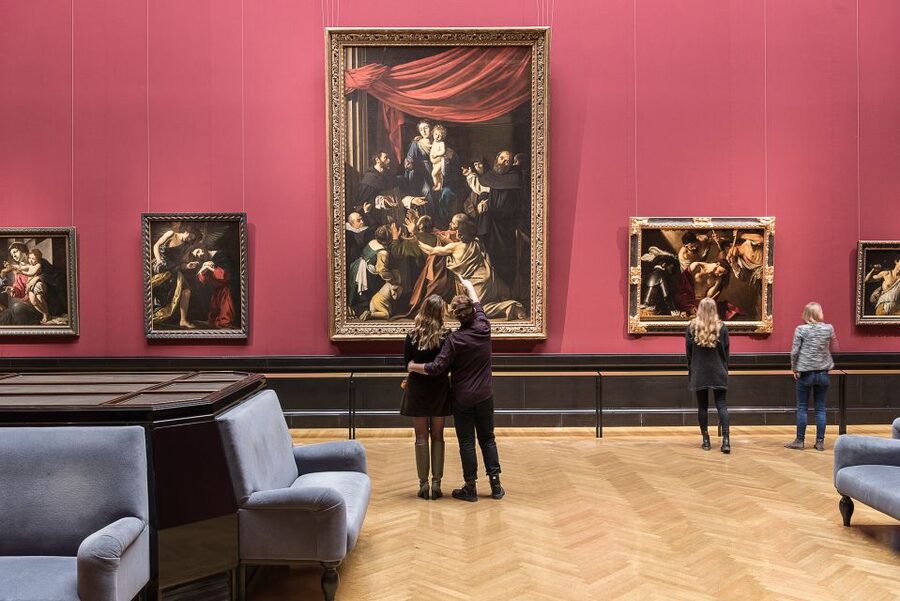
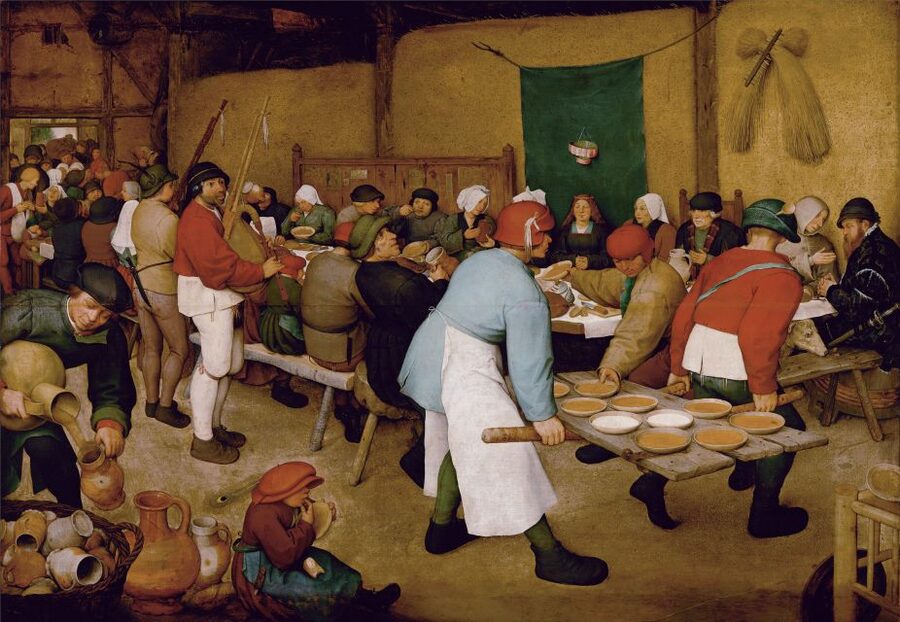
The Picture Gallery is the main reason many people book this admission. Its major names include Rubens, Rembrandt, Raphael, Vermeer, Velázquez, Titian, and Albrecht Dürer. The collection covers several centuries, so you can compare different approaches to portraiture, religious scenes, court art, color, and composition as you move through the rooms.
Rubens receives especially strong attention from many visitors, and it is easy to understand why. The scale and drama of his work suit the museum’s grand rooms. If Rubens is a priority for you, give this section time rather than treating it as one stop among many.
The Raphael works offer a quieter contrast. One visitor particularly valued being able to sit near a Raphael painting and study it without heavy crowds. That points to one of the museum’s pleasant qualities: the spacious galleries can allow more breathing room than you might expect in a major European collection.
Rembrandt and Vermeer reward a slower approach. You do not need to know every technical detail to enjoy them, but an audio guide can help draw your attention to details you might otherwise miss. The guide is not included, but the modest extra cost may be worthwhile if you want more than labels.
Velázquez, Titian, and Dürer add still more variety. The collection is not arranged as a single greatest-hits corridor. You will encounter different periods and styles, which makes it useful to choose a few artists or themes before your visit.
A sensible plan is to pick three or four essential works, then allow yourself to browse. Trying to see every painting equally carefully is not practical. The museum is simply too large.
The Kunstkammer: gold, ivory, and unusual treasures
The Kunstkammer is one of the museum’s most distinctive departments. Here, the focus shifts from large paintings to objects made with extraordinary care: goldsmith work, sculptures, ivory carvings, jewels, and courtly treasures.
Benvenuto Cellini is one of the key names to look for. His work shows why the imperial collection is valuable beyond its famous paintings. Small objects can carry as much visual drama as a monumental canvas, especially when gold, precious materials, and intricate carving are involved.
The ivory pieces deserve patience. Their scale may be smaller than the paintings, but the workmanship asks you to move closer and look carefully. This is a department where the audio guide can be useful because a short explanation may reveal why a particular object mattered to its original owner.
You will also find jewels and diamonds, including parts of the original jewelry associated with Empress Elisabeth. These objects connect art with court life and personal display. They are not simply pretty items in glass cases. They show how wealth, status, and craftsmanship worked together in the imperial world.
The collection also includes legendary objects identified with stories such as the Holy Grail or the horn of the unicorn. Treat these as historic treasures surrounded by tradition and belief, not as a simple checklist of proven religious or mythical objects. Their value lies partly in what people believed about them and why they were preserved.
More museums and galleries in Vienna:
- Vienna: Skip-the-Line Sisi Museum, Hofburg and Gardens Tour
★ 4.8 · 5,918 reviews - Tickets for the Albertina Exhibitions
★ 4.7 · 2,126 reviews - Vienna: Chocolate Workshop in Chocolate Museum w/ Tasting
★ 4.5 · 1,802 reviews - Sigmund Freud Museum Ticket
★ 4.6 · 1,668 reviews
The museum building is a major exhibit
Many museums use their architecture as a frame for the collection. Here, the frame demands attention of its own. The staircase, ceilings, decorative details, and formal rooms make the walk between galleries part of the visit.
The paintings associated with Gustav Klimt’s collaboration are an important detail to watch for near the staircase. Even if your main aim is to see Raphael or Rubens, pause before moving upstairs. You get a quick sense of how the museum’s imperial ambition continued into the building’s decoration.
The architecture also affects comfort. There are lots of steps, and the museum involves substantial walking. It is wheelchair accessible, but if stairs are tiring for you, allow more time and use the accessible routes and facilities available on site.
I would wear comfortable shoes and avoid planning another demanding museum immediately afterward. A quick visit is possible, but the building encourages you to slow down, and the collection rewards that choice.
How long should you spend inside?
Two hours will give you a useful overview, but it will not cover everything. Around three to four hours works better for a first visit focused on ancient collections, the Picture Gallery, and the Kunstkammer.
If you enjoy historic objects and want to read labels carefully, plan for four to five hours or more. One person spent about four and a half hours inside, while another stayed from opening until close and still felt there was more to see.
That does not mean you need to dedicate your entire day. I would choose one of these plans:
- Two-hour visit: Focus on the Picture Gallery and the building.
- Three-hour visit: Add either ancient Egypt and classical antiquity or the Kunstkammer.
- Four to five hours: See the major departments at a comfortable pace, with a café break.
- Full-day visit: Work slowly through nearly all the sections, taking regular breaks.
The museum’s size is a benefit only if you manage your energy. Water and a meal before arrival are sensible. A bottle of water is also useful, particularly on a warm day.
The café and taking a proper break
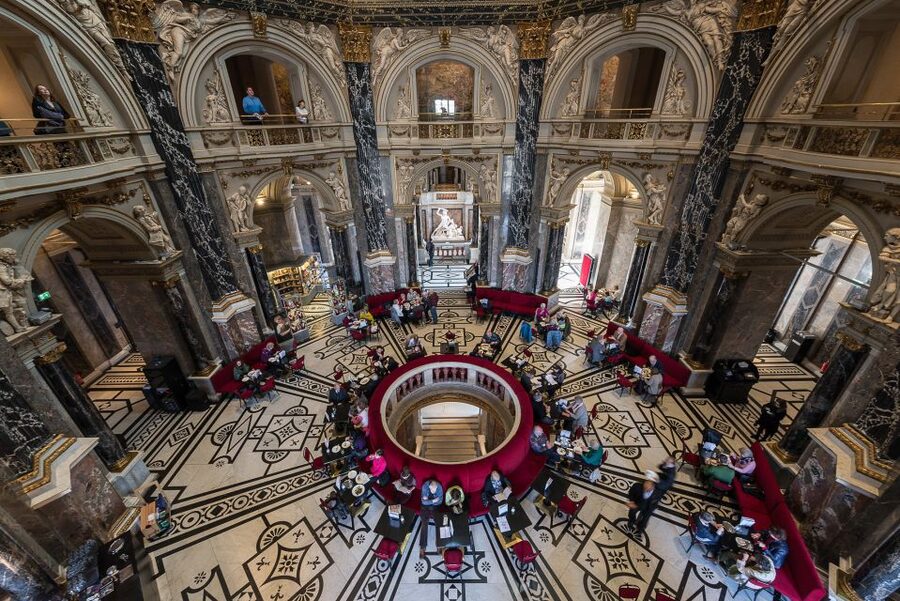
The café is housed within the museum and is frequently described as one of the highlights of the building. Coffee and cake make a good pause after the first major circuit, especially because the museum’s rooms can be mentally tiring even when they are not crowded.
Seating may involve a short wait, and prices are higher than a basic café outside. Still, the setting gives you something extra. You are not simply stopping for fuel in a plain cafeteria. You are continuing the architectural experience while resting your feet.
Food costs are worth keeping in mind if you are watching your budget. The admission itself offers good value for a major collection, but café spending can add up. I would use it for a deliberate break rather than relying on it for your only meal of the day.
Is the €5 audio guide worth adding?
The admission ticket does not include an audio guide. The listed price is €5 for one guide or €7 for two, and many people consider it worthwhile.
I would add it if you are not already familiar with the artists or if you want help choosing what deserves your attention. It provides information about the building and selected paintings, and it can point out details that are easy to overlook in a large gallery.
Skip it if you prefer to move independently, read wall text, or focus on your own favorite artists. The museum remains rewarding without it. Still, the relatively small supplement makes it one of the more useful optional extras, especially during a first visit.
Ticket exchange, timing, and practical details
The ticket is valid for one day, but the supplied voucher needs attention. Bring the required printed voucher and exchange it at the museum’s voucher office, located in the museum grounds near the entrance. Do not assume that showing the phone voucher directly at the entry gate will be enough.
This distinction matters. Some people have lost around 30 minutes by joining the wrong queue, reaching the entrance, and then being sent back to exchange the voucher. Look for the voucher or group-ticket office first, and confirm the process before waiting in the main entry line.
The attraction is at Maria-Theresien-Platz in Vienna’s 1010 district. Check the current available starting time when booking, since the ticket has a one-day validity but the booking system may show timed availability.
Cancellation is free up to 24 hours before the visit, and the reserve-now, pay-later option helps if your schedule is still changing. Children and young people under 19 generally receive free admission. School groups under 19 must be registered through the museum’s booking department.
For adult groups of more than 10, one accompanying guide can receive free admission with the group under the stated conditions. Groups of fewer than 10 do not receive free guide places, and state-certified tourist guides generally enter free.
Who will enjoy this admission most?
This is a strong choice for anyone who wants one substantial museum visit in Vienna. It suits art lovers, history fans, families with different interests, and people who want protection from a rainy or very hot day. The air conditioning was also appreciated on a particularly warm day.
Families should note the free admission generally available to children and young people under 19. The variety helps, since one person can look at Egyptian objects while another prefers paintings or decorative art.
This may be less suitable if you want a short, tightly guided experience with a fixed route. There is no guide included, and the scale requires you to make choices. The audio guide adds structure, but you still need to manage your own time.
Should you book the Kunsthistorisches Museum ticket?
Yes, if the major collections appeal to you and you can spare at least two hours. At around $25, the ticket is good value for the number of departments, famous paintings, historic objects, and architectural details included in one visit.
Book it with a plan: exchange the printed voucher before joining the entry queue, choose your priority galleries, and consider the audio guide. If you have only one museum day in Vienna, this is a sensible choice for a broad encounter with imperial art rather than a narrow specialist collection.
Skip it only if your schedule is so tight that you would have less than an hour inside. The museum needs time. Give it a proper half-day, and the range of art, objects, and rooms makes the admission worthwhile.
FAQ
Where is the Kunsthistorisches Museum?
The museum is at Maria-Theresien-Platz, 1010 Vienna, Austria.
How long is the admission valid?
The ticket is valid for one day.
What does the admission ticket include?
It includes entrance to the Kunsthistorisches Museum.
Is the audio guide included?
No. An audio guide costs €5 for one person or €7 for two.
Do I need a printed voucher?
Yes. A printed voucher is required, and you should exchange it at the museum’s voucher office before entry.
Can children enter for free?
Children and young people under 19 generally receive free admission.
Is the museum wheelchair accessible?
Yes, the activity information states that the museum is wheelchair accessible.
Can I cancel the booking?
Yes. You can cancel up to 24 hours in advance for a full refund.
Can I reserve now and pay later?
Yes. The reserve-now, pay-later option lets you keep your plans flexible.
What kind of art can I see?
You can see ancient Egyptian and classical antiquities, paintings by Rubens, Rembrandt, Raphael, Vermeer, Velázquez, Titian, and Dürer, plus goldwork, ivory, sculpture, jewels, and other objects in the Kunstkammer.
Just added around Vienna
- Vienna: UNESCO Schönbrunn Palace Guided Tour with Entry★ 4.5 · 94 reviews
- World War II History Vienna Old Town Private Walking Tour★ 4.8 · 9 reviews
- Vienna: Winery and Wine Tasting Tour with a Wine Expert★ 5.0 · 5 reviews
- Vienna: Wine Tasting E-Bike Tour★ 4.9 · 46 reviews
- Vienna: Wine Tasting at Schönbrunn Palace★ 4.3 · 71 reviews
- Vienna: Wine Tasting Tour★ 4.8 · 61 reviews
- Vienna: Concert by the Vienna Baroque Orchestra★ 4.6 · 56 reviews
- Vienna: Wachau Valley Private Kayak and Wine Tour★ 5.0 · 3 reviews
Kunsthistorisches Museum Tickets, compared.
Combo Ticket: Kunsthistorisches Museum & Imperial Treasury
Read our review →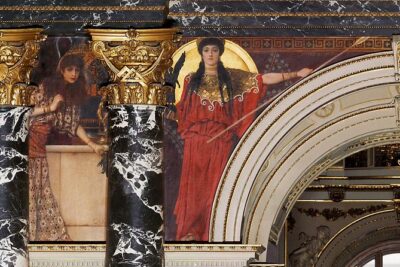
Skip the Line: Kunsthistorisches Museum Vienna Entrance Ticket
Read our review →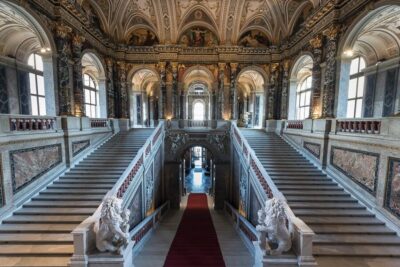
Kunsthistorisches and Leopold Museum Combo Ticket
Read our review →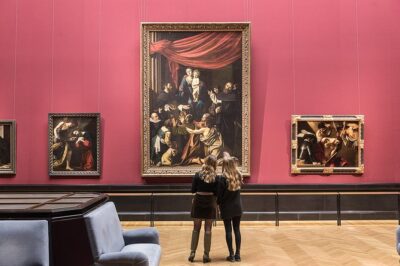
Kunsthistorisches Museum Vienna and Imperial Treasury of Vienna
Read our review →
Kunsthistorisches Museum Guided Tour incl. admission
Read our review →
Private Tour of the Kunsthistorisches Museum: Secrets of Masterpieces | Tickets included
Read our review →
Kunsthistorisches Museum Wien Guided Tour including admission
Read our review →
Private Tour of the Picture Gallery of the Fine Arts Museum VIenna (Kunsthistorisches Museum) with an Art Historian
Read our review →Browse the lists this tour appears in