
Reviewed · HISTORICAL TOURS
Wilhering Abbey: Discover 875 years of history!
Wilhering Abbey gives you two very different experiences in one compact visit: a seven-room museum that explains 875 years of Cistercian life, and a spectacular rococo church meant for quiet looking rather than quick sightseeing. The courtyard café adds an easy place to pause with coffee, cake, or an abbey snack.
I like the clear museum layout and the freedom to explore the church, cloister, courtyard, and park without an extra charge. I also like the way the exhibition offers both quick summaries and optional detail. The main drawback is the short 30-minute validity period for the museum, so you will need to keep moving if you want to read everything carefully.
Key points to know before visiting
- Seven themed rooms: Follow the abbey’s story, Cistercian spirituality, ora et labora, and the people who shaped Wilhering.
- Rococo church interior: The collegiate church is one of the visit’s main visual rewards and is freely accessible.
- A quiet courtyard stop: The Abbey Café serves self-service cakes, coffee, drinks, and regional snacks.
- More than a museum ticket: Your admission also gives you access to the cloister, abbey courtyard, and park.
- Simple, low-cost visit: At $7 per person, this works well as a short stop near other Upper Austrian sights.
- Check opening hours first: The museum can only be visited when it is open, with current times listed on the abbey’s website.
Begin at the Abbey Gate in Upper Austria
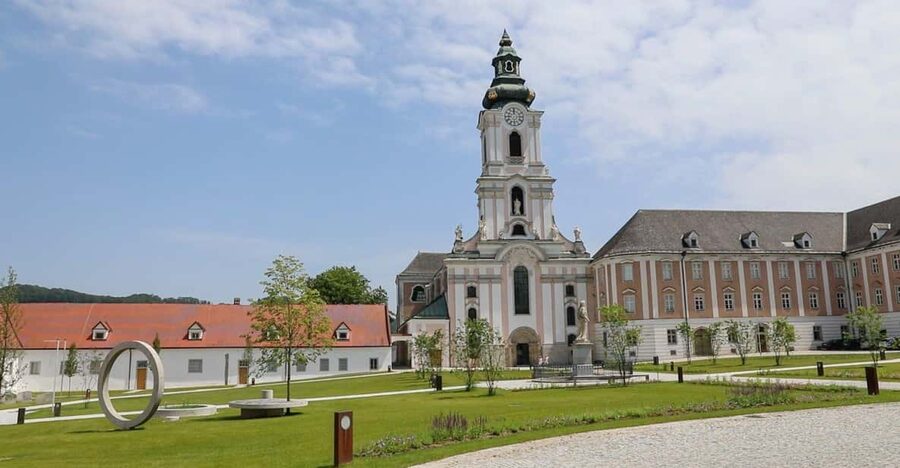
Your visit begins at the monastery gate, which also houses the café, shop, Benedict Hall, and museum entrance. If you enter through the café, the staff can point you toward the museum and help you get oriented.
This arrangement makes the gate more than a ticket doorway. It is the practical arrival point, with food, drinks, local products, and visitor assistance all in one place. You can start with the museum, stop for refreshments afterward, or use the courtyard as a calm break during a day of sightseeing.
The abbey is in Upper Austria, and the experience feels suited to a slow regional stop rather than a major half-day attraction. The listed museum visit lasts 30 minutes, which is enough for a focused look. It is not enough for a leisurely reading of every display followed by a long church visit and café break, so plan your priorities.
The church, cloister, courtyard, and park are freely accessible. That matters because the $7 price is not limited to a single narrow exhibition. You can spend your paid time in the museum, then continue exploring the abbey grounds without needing another ticket.
More history walks around Austria:
- Vienna: Time Travel and Magic Vienna History Tour
★ 4.6 · 3,879 reviews - Vienna: World War II Historical Walking Tour
★ 4.8 · 1,772 reviews - Vienna Historic Center Small Group Walking Tour
★ 5.0 · 1,746 reviews
Seven rooms tell the abbey’s story
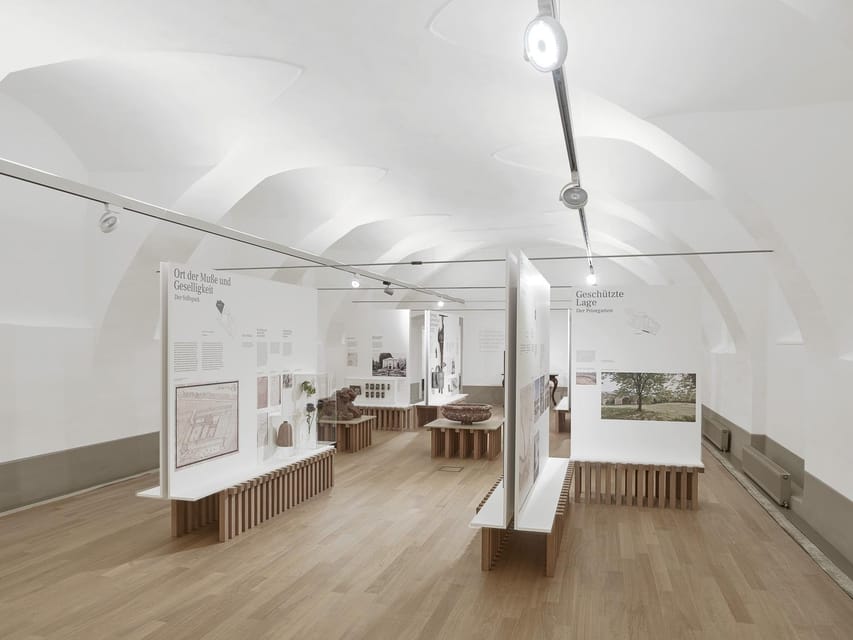
The museum is arranged around seven exhibition rooms and seven connected themes. Each room works on its own, but together they explain Wilhering Abbey as a place of faith, work, community, and changing personalities.
The first value of this layout is clarity. You are not simply walking through old rooms with labels that assume you already know the abbey’s story. The themes guide you from the institution itself to the Cistercian way of life and then toward the people connected with Wilhering.
The focus includes:
- Wilhering Abbey and its long history
- Cistercian spirituality
- The principle of ora et labora, prayer and work
- Important personalities from the abbey
- The role of the monastery as a religious and working community
The museum uses two levels of information. You can read the basic overview in each room and keep moving, or stop to explore selected subjects in greater detail. That is a useful approach for mixed groups. One person can make a quick circuit while another spends more time with a favorite topic.
I would treat the 30-minute admission period as a short, purposeful visit. Start by reading the overview in all seven rooms so you understand the full story. Then return to the subjects that interest you most, if time allows.
Younger visitors are not left with only long blocks of text. Interactive elements provide another way through the exhibition, giving children something to do as they learn about the abbey. The exact activities are not specified, so I would not plan the visit around a particular interactive display, but the museum has clearly been designed for more than silent reading.
Cistercian life beyond pretty buildings
The museum’s strongest subject is not simply the age of the abbey. It is the way the Cistercian ideal shaped daily life. The phrase ora et labora links prayer with work, and the exhibition uses that idea to explain the community in practical terms.
That context helps you read the rest of the visit. The church is not just an ornate room. The cloister is not just a photogenic passage. The courtyard and park are not merely open space. Together, they show how worship, work, movement, and rest fit into a monastic setting.
You will also encounter the abbey’s notable personalities. The supplied information does not name individual guides or give a full list of these figures, so you should expect the museum to introduce them through its own displays rather than through a scheduled personal tour.
This is a self-guided museum experience. No guide’s name or guided talk is specified, and the admission details mention entry to the museum rather than a live tour. That gives you control over the pace, but it also means you should arrive ready to read and make your own connections.
The rococo church is the visual high point
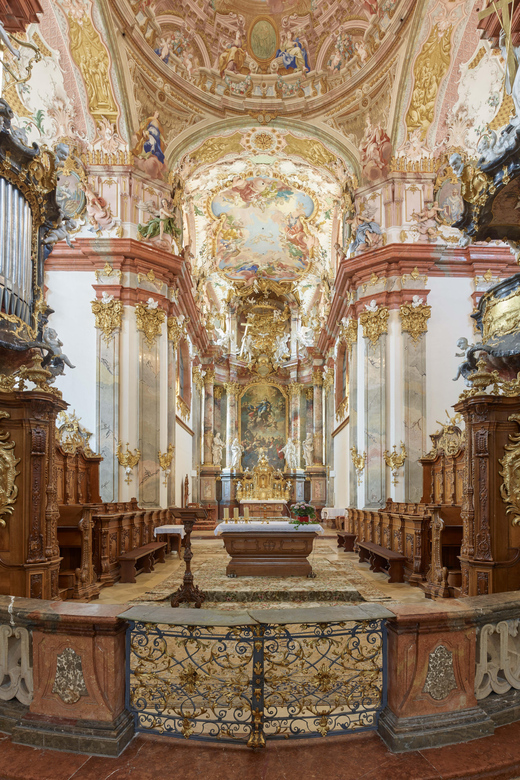
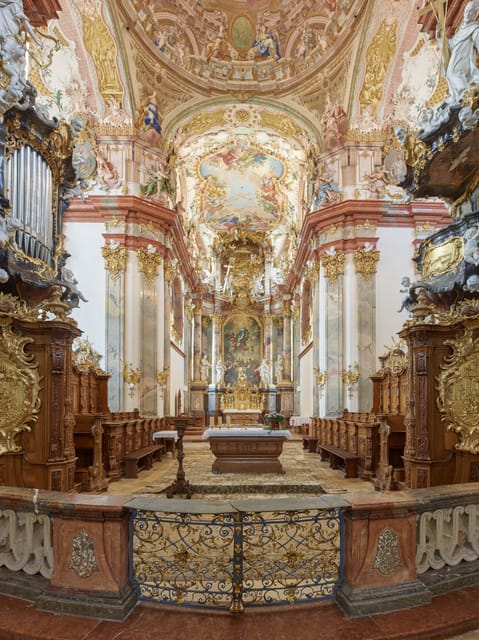
After the museum, give yourself time for the collegiate church. Its interior is described as one of Europe’s finest examples of rococo church design, and it is freely accessible with the other public parts of the abbey.
The best approach is to slow down at the entrance and let your eyes adjust to the whole interior before trying to identify individual details. Rococo spaces reward this first broad look. After that, you can focus on the decorations and the way the room is arranged for worship.
The church is likely to be the part that makes the strongest immediate impression, while the museum supplies the context. One explains the people and beliefs connected with the abbey. The other shows how those beliefs were given a grand visual setting.
The information provided does not specify a formal service schedule, interior photography rules, or a named art guide. Keep your visit respectful and check any notices inside the church. Since access is free, you can also return after the museum if the first look feels too brief.
A few more Austria days worth a look
- Linz: Harbor Cruise
★ 4.3 · 204 reviews - Customized Private Tour to Salzburg for Cruise Guests from Linz or Passau
★ 5.0 · 19 reviews - KZ Mauthausen Private Trip from Linz
★ 4.5 · 15 reviews - Linz Private Walking Tour
★ 4.8 · 11 reviews
Cloister, courtyard, and park: the slower part of the visit
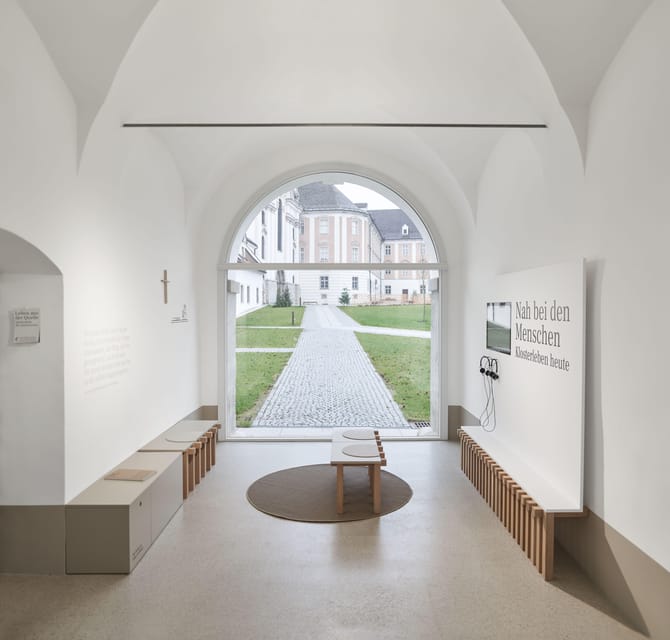
The cloister offers a change of pace after the information-heavy museum. This is where I would pause, look at the architecture around the passageways, and think about the connection between enclosed monastic life and the open courtyard beyond.
The abbey courtyard gives you a broader sense of the complex. It links the museum area, café, and other parts of the former farm of the abbey. The setting is designed for arrival and hospitality, not just for passing through.
The park is also freely accessible. No detailed route or special feature is supplied, so I would treat it as an unhurried extension of the visit rather than a separate attraction with a fixed itinerary. It is useful if you want a quiet few minutes after the church or museum.
This free access changes the value of the ticket. You can spend $7 on the museum and still have room to make the visit your own. Read quickly and continue to the church, or move at a gentler pace through the grounds if you have more time.
Coffee, cake, and regional abbey products
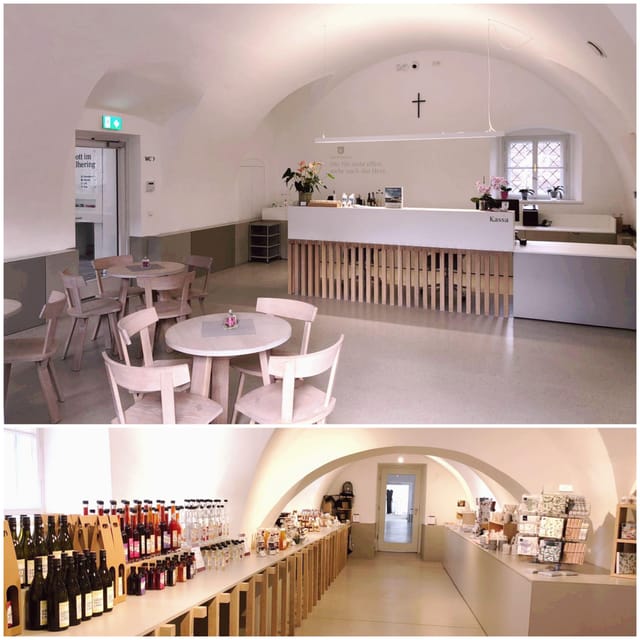
The Abbey Café is in the monastery gate and serves self-service cakes, coffee, drinks, and abbey snacks. The food selection favors regional suppliers, which gives the stop a local connection without turning it into a formal dining experience.
Self-service is worth noting. You should expect a casual café break, not table service or a guided tasting. That makes it convenient before or after the museum, especially if you want to keep your visit short.
The café sits in the beautiful Stiftshof courtyard, so the setting is part of the appeal. I would save a few minutes for it even if you are not especially hungry. A small coffee and cake stop can give you time to absorb the church and museum without adding a complicated meal to your schedule.
The Monastery Store adds another practical reason to pass through the gate. It sells abbey-related products, including wine from leased vineyards near Krems. The available information does not list every product or give tasting arrangements, so think of it as a shop rather than a guaranteed wine experience.
Is $7 good value for 30 minutes?
At $7 per person, the museum is reasonably priced if you want a focused introduction to Wilhering Abbey. The cost includes museum admission, while the church, cloister, courtyard, and park are freely accessible.
The value depends on how you use the time. If you rush through the seven rooms and leave without seeing the church or courtyard, the visit may feel brief. If you combine the museum with the free parts of the abbey and a café stop, the same ticket supports a fuller and more satisfying pause.
The 30-minute validity period is the main limitation. It begins with first activation, so I would avoid activating the ticket until you are ready to enter the museum. Use the first few minutes to understand the room order, then decide where you want to spend extra attention.
The option to reserve now and pay later also helps if your day in Upper Austria is still shifting. Free cancellation is available up to 24 hours in advance for a full refund. Those terms are useful, but the more important planning issue is still the museum’s opening schedule.
Plan around opening hours, not just your route
The museum can only be visited during its opening hours. Check the current times on the official Wilhering Abbey website before setting out, since a beautiful courtyard and church do not replace a closed museum if the exhibition is your main reason for coming.
The museum entrance is in the monastery gate or monastery café. Staff at the café can help if you are unsure where to begin.
The experience is wheelchair accessible. The information supplied does not give detailed notes about every passage, surface, or restroom, so anyone needing specific access details should confirm them with the abbey before arrival.
No transportation arrangement, group size, or guided-tour schedule is specified. That makes this best treated as an independent visit rather than a coach excursion or timed tour with a fixed leader. You can fit it into a wider Upper Austrian itinerary, but you need to manage your own arrival and timing.
Who will enjoy Wilhering Abbey most?
You will like this visit if you enjoy religious art, historic buildings, quiet courtyards, and museums that let you choose your level of detail. It also suits anyone looking for a short stop that feels more thoughtful than a quick photo break.
Families may appreciate the interactive parts of the exhibition, though the visit still includes historical and spiritual material that requires some reading. The courtyard café gives children and adults a natural pause between the museum and church.
This is less suitable if you want a full guided tour, a long activity with a host, or a tightly programmed itinerary. You will not receive a named guide or a scheduled performance based on the information available.
It is also not ideal to treat the 30 minutes as enough for every part of the abbey. The museum time is short, while the church, cloister, courtyard, park, café, and shop reward extra breathing room.
Should you book the Wilhering Abbey experience?
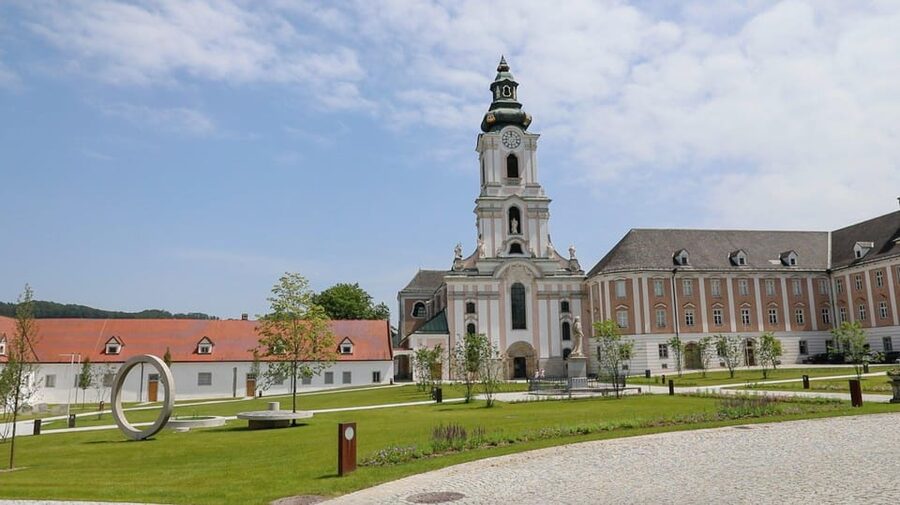
Book it if you want a low-cost introduction to an Austrian abbey with a strong rococo interior and a compact museum that explains Cistercian life. The combination of seven themed rooms, free access to the church and grounds, and a courtyard café makes the $7 price easy to justify.
I would especially recommend it as a flexible stop for people who value architecture, religious history, and quiet places. Check opening hours first, arrive ready to use the museum’s 30 minutes well, and leave time for the church and courtyard. Skip it only if you need a full guided program or have no interest in spending time with a historic religious site.
FAQ
How much does admission to Wilhering Abbey cost?
Admission costs $7 per person.
How long is the museum visit valid?
The museum admission is valid for 30 minutes from first activation.
What does the admission include?
It includes admission to the Museum of Wilhering Abbey. The church, cloister, abbey courtyard, and abbey park are freely accessible.
Where do I enter the museum?
The museum entrance is in the monastery gate or in the monastery café. Staff in the café can help you find the entrance.
What can I see in the museum?
The museum has seven exhibition rooms covering Wilhering Abbey, Cistercian spirituality, the motto ora et labora, and important personalities connected with the abbey.
Is the experience wheelchair accessible?
Yes, the activity is listed as wheelchair accessible.
Can I visit the museum at any time?
No. The museum can only be visited during its opening hours. Check the current schedule on the Wilhering Abbey website before you go.
Is there food or coffee at the abbey?
Yes. The Abbey Café offers self-service cakes, coffee, drinks, and abbey snacks, with a preference for regional suppliers.
Just added around Austria
- Zurich: Liechtenstein, Austria and Germany Private Day Tour★ 5.0 · 6 reviews
- Zell am See: Schmittenhöhe Tandem Paragliding Flight★ 4.9 · 82 reviews
- Vienna: UNESCO Schönbrunn Palace Guided Tour with Entry★ 4.5 · 94 reviews
- Zell am See: Paragliding Tandem Flight★ 5.0 · 31 reviews
- Zurich: Private Liechtenstein, Austria, and Germany Day Trip★ 5.0 · 16 reviews
- Villach/Ossiachersee: Paragliding “Action” Tandemflug★ 5.0 · 4 reviews
- Werfen: Hohenwerfen Castle Entrance Ticket★ 4.5 · 84 reviews
- World War II History Vienna Old Town Private Walking Tour★ 4.8 · 9 reviews
Historical Tours, compared.
Vienna Historic Center Small Group Walking Tour
Read our review →
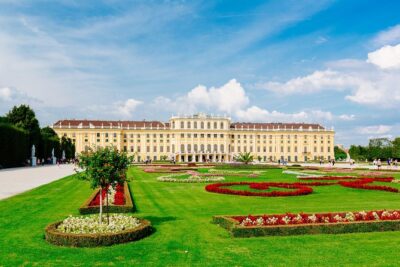
Skip-the-Line Schonbrunn Palace Guided Tour and Vienna Historical City Tour
Read our review →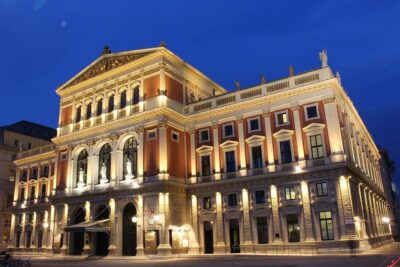
Vienna Mozart Concert in Historical Costumes at the Musikverein
Read our review →
Browse the lists this tour appears in