
Reviewed · HISTORICAL TOURS
Vienna: Time Travel and Magic Vienna History Tour
Vienna’s past comes alive in the old cellars beneath St. Michael’s monastery, where you move from Roman Vindobona to modern Austria through film, sound, moving seats, animated figures, and virtual reality. I especially like the 5D cinema, which gives the city’s early story a physical jolt, and the VR music sequence, which turns Vienna’s musical past into something you can see and feel rather than simply read about.
I also like the compact one-hour format and the way the experience jumps between rooms, so children rarely have time to lose interest. The main drawback is practical: you must climb about 50 steps over two levels, there is no elevator, and the attraction cannot accept wheelchair users because of the protected historic building.
Key things to know before you go
- Two thousand years in one hour: The route moves from the Roman camp of Vindobona through the Habsburg era, World War II, postwar Austria, and present-day Vienna.
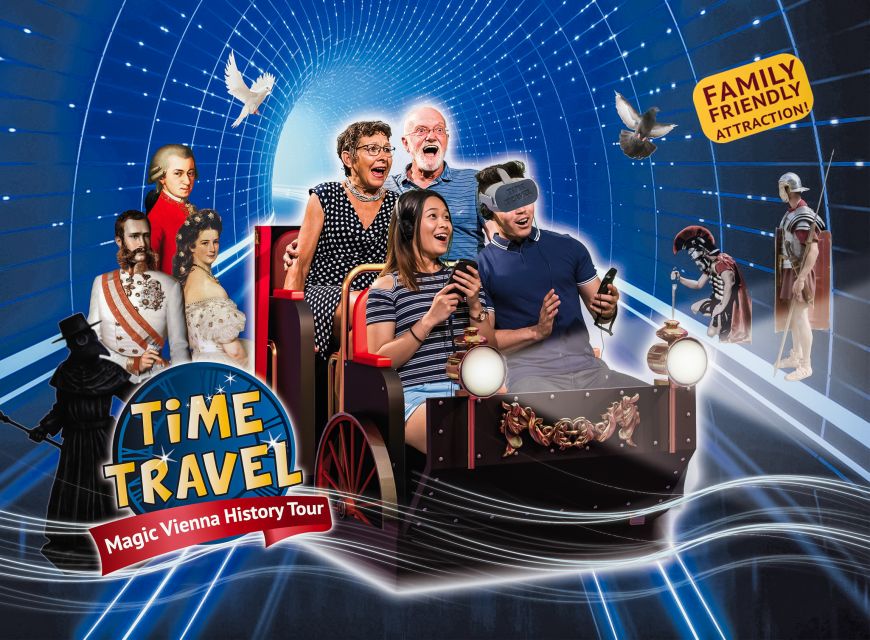
- Several kinds of special effects: Expect a 5D cinema, VR glasses, animated figures, atmospheric rooms, and a final virtual ride over Vienna.
- A strong family activity: The changing scenes and short format work well for children, teenagers, and adults together.
- A useful first-day stop: The presentation gives you a quick framework for understanding Vienna before visiting palaces, churches, and museums.
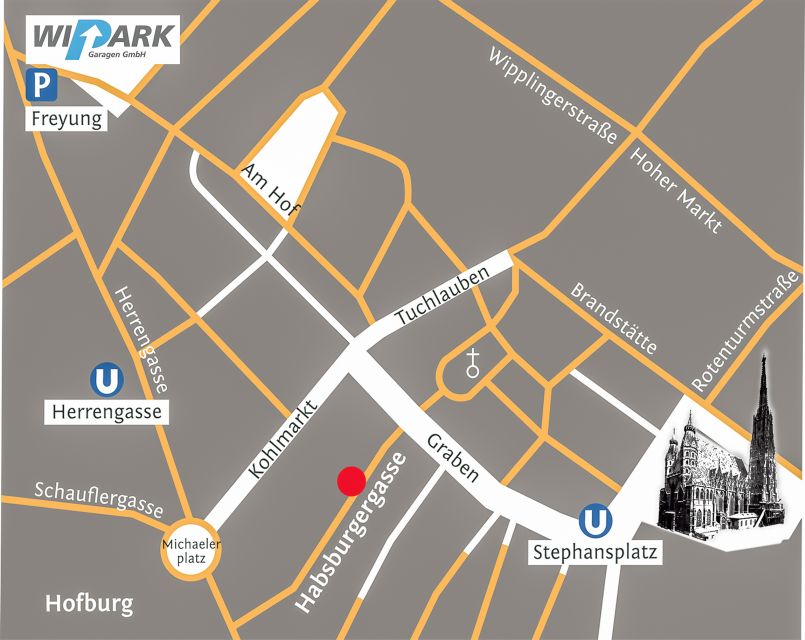
- Excellent central location: The entrance at Habsburgergasse 10A is about 200 meters from the Hofburg and close to Graben, Kohlmarkt, and Stephansplatz.
- Plan for stairs: The historic cellars have around 50 steps over two levels, with no elevator or wheelchair access.
A quick way to understand Vienna before sightseeing
Vienna can feel like several cities layered on top of each other. Roman military history sits beneath imperial palaces. Grand music traditions share streets with reminders of dictatorship and war. Then there is modern Austria, rebuilt and confident, but still shaped by what came before.
Time Travel Vienna gives you a fast introduction to those layers. It is not a substitute for the Kunsthistorisches Museum, the Hofburg apartments, or a serious history book. Instead, it works like an animated orientation session, giving you names, images, sounds, and broad connections before you explore the city on foot.
I find this especially useful early in a Vienna visit. After the hour-long presentation, the Habsburgs feel less like a long list of rulers, and Vienna’s imperial buildings have more context. You may also begin to notice how much the city’s identity is tied to music, monarchy, war, and reconstruction.
The attraction is located at Habsburgergasse 10A in the Altstadt. From here, it is roughly 200 meters to the Hofburg and about 100 meters to Graben, Kohlmarkt, and Stephansplatz. That makes it easy to combine with central Vienna sightseeing, especially on a rainy day or during a break between larger museum visits.
More history walks around Vienna:
- Vienna: World War II Historical Walking Tour
★ 4.8 · 1,772 reviews - Vienna Historic Center Small Group Walking Tour
★ 5.0 · 1,746 reviews - Time Travel-Magic Vienna History Tour Ticket
★ 4.5 · 1,099 reviews
Beginning with Roman Vindobona
The journey starts around the ancient Roman camp of Vindobona, the settlement that helped establish Vienna’s early importance. You are not simply reading a panel about Roman life. The presentation uses entertainment technology to place you inside a recreated version of the city’s earliest period.
This opening matters because Vienna’s story did not begin with the Habsburgs. The Roman chapter explains why this location mattered long before imperial palaces, coffeehouses, and concert halls shaped the city. The format is brisk, so you receive the basic setting rather than a detailed archaeological lecture.
That is both the strength and limit of the attraction. You get a memorable introduction, but you will not leave with a specialist’s command of Roman Vienna. If you enjoy a quick visual overview, the approach works well. If you want dates, artifacts, and careful scholarly detail, plan a museum visit as well.
Meeting Vienna’s famous figures
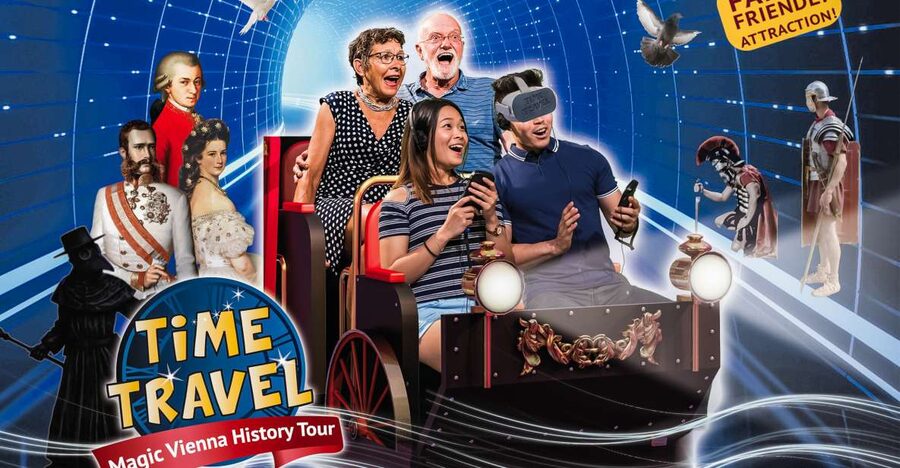
The next part uses a portrait gallery to introduce important people from Viennese history. Rather than presenting every figure as a name and date, the display lets historical personalities speak and gives the past a human face.
The imperial family receives particular attention. You meet members of the royal household through staged presentation and technology, giving you a sense of court life and the personalities behind the formal portraits. This is useful preparation for visiting the Hofburg, where the imperial story can otherwise feel remote or overly polished.
The presentation also helps explain why the Habsburgs mattered far beyond Vienna. Their influence shaped Austria and much of Central Europe for centuries. The attraction moves quickly, so it cannot explore every political decision or family connection, but it gives you enough structure to recognize the major players later.
For children, animated figures and character-based storytelling make this section easier to follow than a conventional historical display. Adults may appreciate the same approach for a different reason: it keeps the royal story from becoming a dry parade of titles.
The 5D cinema and ancient Vienna
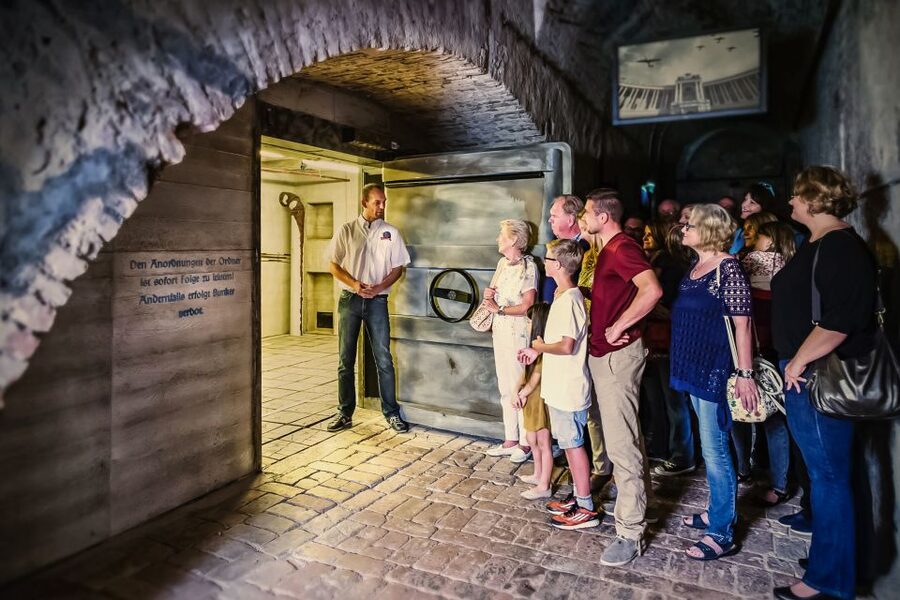
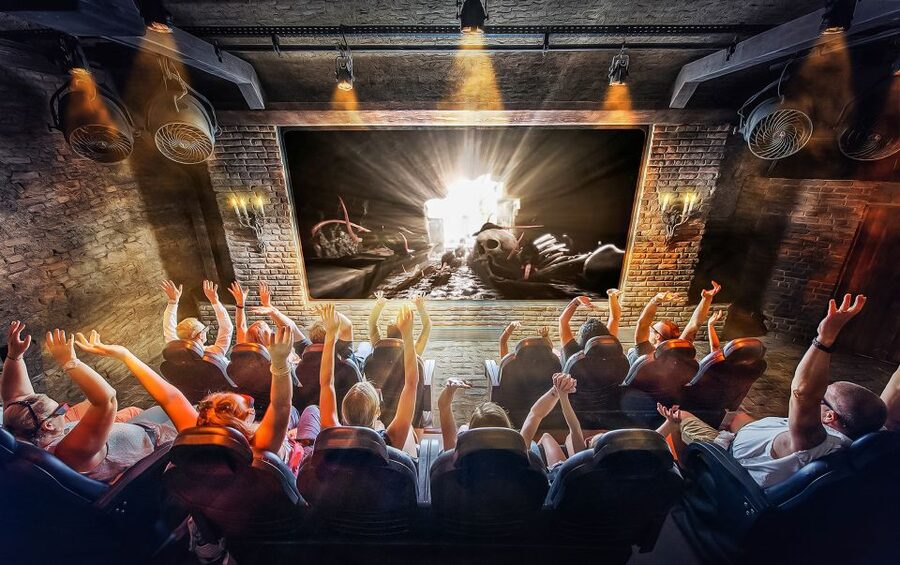
The 5D cinema is one of the main attractions. It combines a film with physical and sensory effects that make the ancient city feel close at hand. You may feel movement and other changes in the environment as the story unfolds, giving the presentation a small amusement-park edge.
The film is not especially long, and that is probably wise. Its purpose is to create a strong impression of ancient Vienna, not to replace a full documentary. The short length also helps the overall hour stay lively.
I would describe this part as entertaining first and educational second. It gives you an emotional sense of place, then lets the other rooms add historical information. Some adults may find the effects a little theatrical, but families are likely to appreciate the energy.
The changing pace is important. One room introduces a historical period, another uses figures or film, and then you move into a more physical or visual scene. That variety prevents the hour from feeling like one long lecture.
A few more Vienna days worth a look
- Vienna: Vivaldi’s Four Seasons Concert in Karlskirche
★ 4.7 · 14,951 reviews - Vienna: Spanish Riding School Training
★ 3.9 · 9,281 reviews - Vienna: Skip-the-cashier-desk-line Giant Ferris Wheel Ride
★ 4.5 · 7,859 reviews - Vienna: Schönbrunn Palace & Gardens Skip-the-Line Tour
★ 4.7 · 7,739 reviews
Imperial Vienna in a more personal form
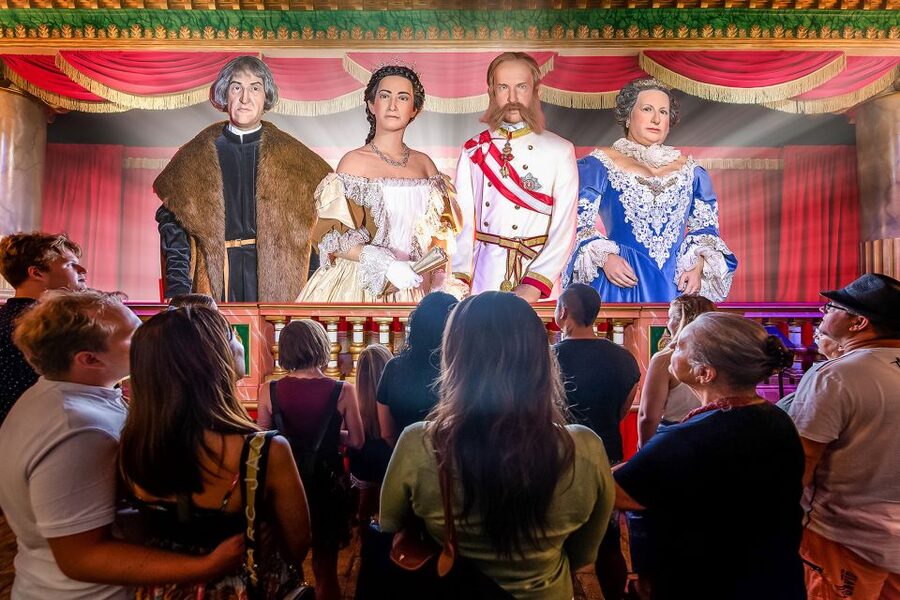
The imperial section brings you into the world of the Viennese court. You encounter the royal family through multimedia presentation and get a quick sense of court culture, rank, and ceremony.
This part pairs well with the actual Hofburg, located nearby. At the palace, you can see rooms, furnishings, and objects connected with imperial life. At Time Travel Vienna, you receive a more theatrical introduction to the people who occupied that world.
The attraction does not ask you to admire the monarchy uncritically. It gives you a compact look at the family and the court, leaving you to form your own impression. That balance is helpful because Vienna’s imperial image can easily become all gold, chandeliers, and romantic nostalgia.
If you have already spent several hours touring Habsburg apartments, this section may feel familiar. If you are new to the city, it provides a clear bridge between Vienna’s rulers and the buildings you will soon see outside.
Vienna’s music story through VR glasses
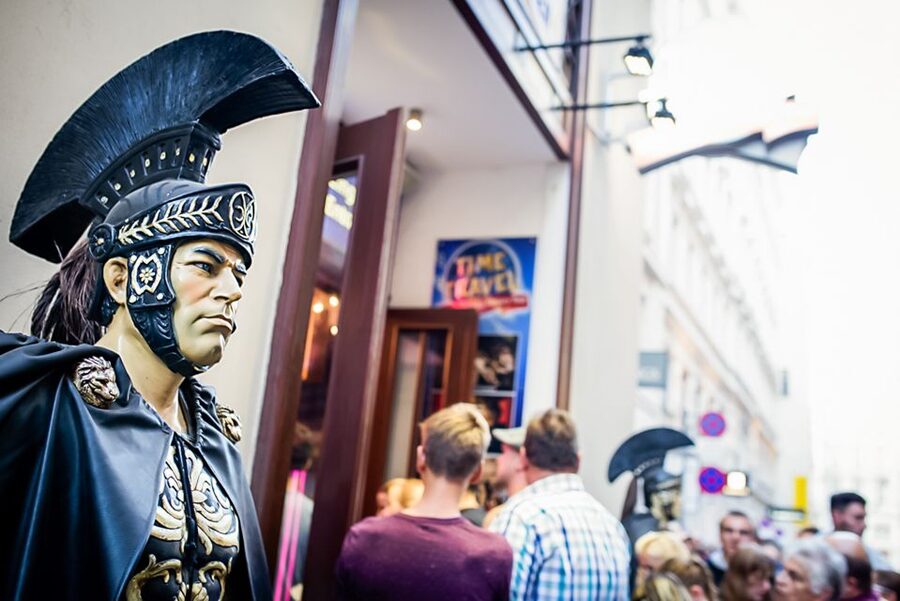
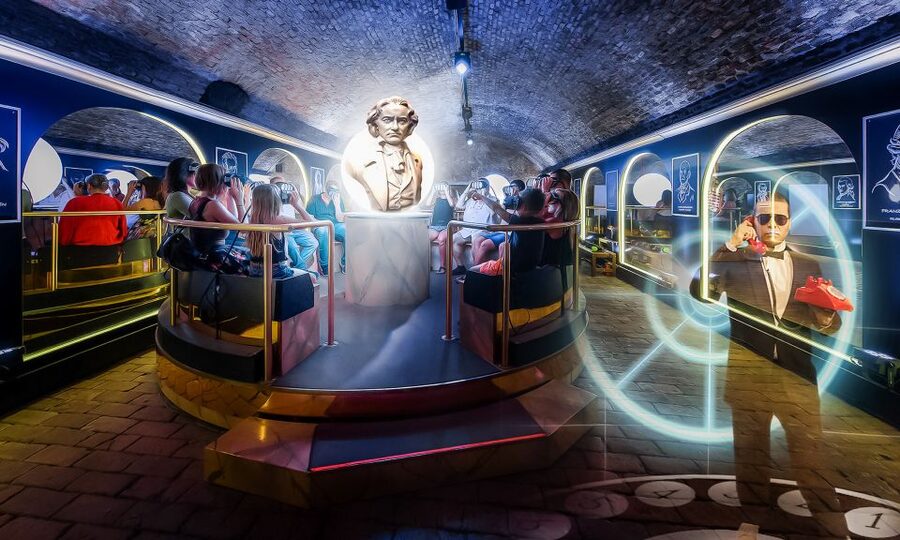
Vienna is strongly linked with music, and the virtual reality sequence gives that part of the city’s identity a separate treatment. With VR glasses, you enter a simulated world that follows the course of Viennese music history.
This is one of the most distinctive parts of the attraction because the subject is handled through motion and visual space rather than a standard display. You are not simply told that Vienna was a major musical center. The VR format gives you a more direct sense of that cultural tradition.
The equipment adds a modern contrast to the old cellars. Stone walls, historical themes, and virtual reality do not naturally belong together, yet that contrast is part of the attraction’s appeal. Vienna’s past is presented with current technology, rather than behind glass alone.
You should expect a shared attraction rather than a private VR session. The overall experience is organized for groups, and group size can vary. A larger group may mean that movement between rooms feels less intimate, but the staff are reported to handle the flow well.
War, destruction, and the return of peace
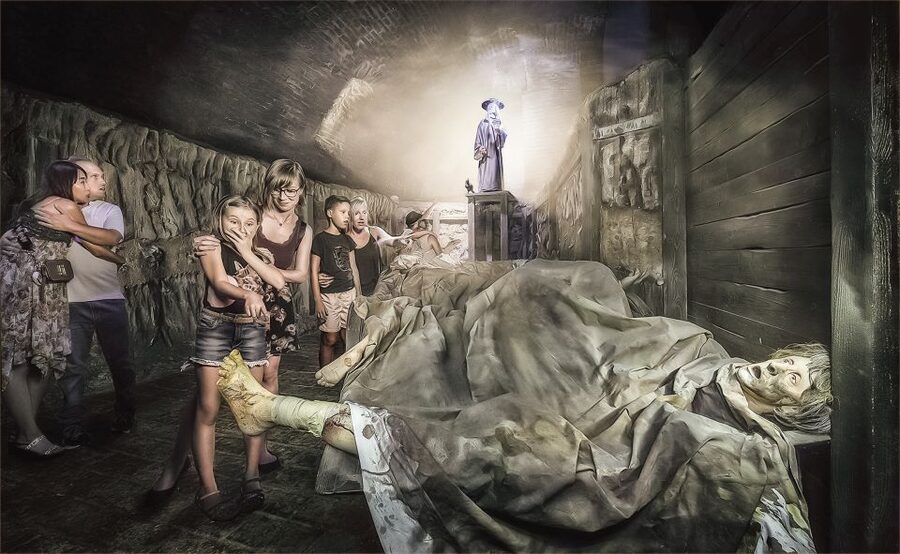
The tone changes sharply in the World War II section. In the Enemy Aircraft scene, you enter a simulated bomb shelter while aircraft and wartime danger seem to surround you. The attraction uses sound, atmosphere, and effects to communicate the fear of civilians living through air raids.
This is not a full account of Austria’s wartime role, and it should not be treated as one. It is a brief sensory scene designed to make the period emotionally understandable. The shift from imperial spectacle to danger and destruction is important, since Vienna’s twentieth-century story cannot be told honestly through palaces and music alone.
The experience then moves toward postwar Austria. In the Austria is free section, you hear Chancellor Leopold Figl’s famous speech amid the battered remains of Vienna. The scene conveys the relief of a country emerging from devastation and beginning again.
I appreciate the decision to include this chapter. It gives the hour a sense of historical shape. Vienna is not presented as a city frozen in its imperial past. You see a place damaged by war, affected by occupation and hardship, and then moving toward recovery.
Some younger children may find the bomb shelter sequence intense. Parents can judge their group in advance, though the section is brief. The attraction is family-friendly overall, but it does not avoid serious subjects.
Ending above the rooftops of Vienna
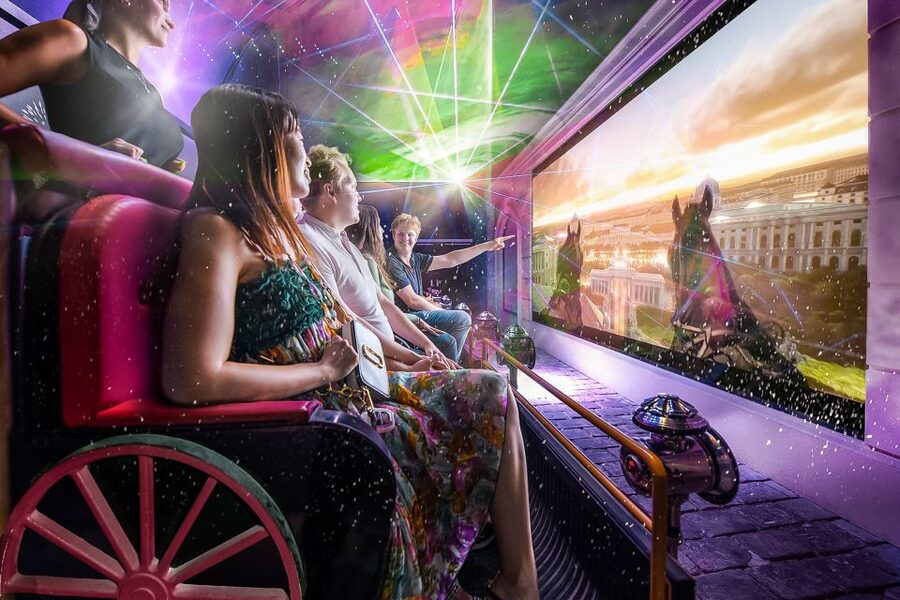
The final sequence changes the mood once more. You take a simulated flight over Vienna’s rooftops in a virtual horse-drawn carriage. It is a light, attractive way to finish, and it gives you a broad visual impression of the modern city after the darker wartime scenes.
The closing ride is not a substitute for a real viewpoint or walking tour. You will not learn every street or landmark from it. Its value is emotional: after moving through two thousand years of conflict, power, culture, and change, you finish by gliding above the city as it exists today.
The sequence also gives children a clear ending to the story. The route has a beginning, middle, and end, rather than a collection of unrelated special effects.
Why the one-hour length works
The advertised duration is one hour, and that is about the right amount of time for this style of attraction. The format has enough changes to keep your attention, but it does not ask you to spend half a day underground.
I like the efficiency. You can fit it between the Hofburg and Stephansplatz, use it as a rainy-day plan, or schedule it near other central sights. It also makes a good first activity because it introduces the city without demanding the concentration of a long guided walk.
The short length does mean that the history is selective. You receive broad chapters, not a detailed account of every century. The experience works best when you treat it as a lively starting point and then follow up with real sites around Vienna.
Price and practical value
At about $27 per person, the attraction is not the cheapest one-hour activity in Vienna. Still, the price covers entry to several different formats: staged rooms, a 5D cinema, VR, historical figures, a wartime shelter scene, and the final virtual flight.
For a family, the value comes from serving several age groups at once. Adults receive historical context, while children get movement, visual effects, and changing environments. You avoid paying for a separate children’s activity while adults visit a museum alone.
For solo adults or serious history fans, the value depends on your expectations. If you want original objects and detailed interpretation, you may prefer a museum. If you want a lively introduction that combines entertainment with useful context, the price is easier to justify.
The attraction has a rating of 4.6 from 3,879 reviews, which fits the experience’s strongest qualities: it is well organized, visually engaging, and easy to fit into a city visit. The most common praise centers on the effects, the variety of rooms, the friendly staff, and the way the activity works for different ages.
Who should book it
I would recommend Time Travel Vienna most strongly to:
- Families with children or teenagers
- First-time visitors who want quick historical context
- Anyone looking for an indoor activity near the Hofburg
- People who enjoy film, sound, VR, and theatrical effects
- Visitors with only a short gap in their schedule
- Adults who prefer an accessible introduction before visiting museums
I would be more cautious if you dislike simulated rides, group presentations, or theatrical history. The attraction is designed to entertain as well as inform. It will not satisfy someone looking for a quiet, artifact-focused museum.
You should also think carefully about mobility. The route includes about 50 steps across two levels, there is no elevator, and the building’s historic protections prevent wheelchair access. Pets are not allowed, and video recording is not permitted.
Reservations are strongly recommended. Last admission is at 19:00, so arriving late can spoil your plans. You can reach the site by U1 to Stephansplatz or U3 to Herrengasse. If you are driving, reduced-price parking is available at the Freyung garage.
The attraction offers a multilingual audio guide, and the staff can manage groups of different sizes. Discounts require suitable identification. Cancellation is allowed up to 24 hours before the activity for a full refund, and you can reserve now and pay later.
Pairing it with Sisi’s Amazing Journey
A useful pairing is Sisi’s Amazing Journey, located across from Time Travel Vienna. Several visitors recommend doing both, and the location makes the combination simple.
Time Travel gives you a broad account of Vienna, from Vindobona to the present. Sisi’s attraction concentrates more closely on Empress Elisabeth and the imperial story. Taking both creates a fuller introduction to the Habsburg chapter without requiring a long trip across town.
You do not need to force both into the same hour. If you want a slower visit, schedule them separately and use the nearby Hofburg, Graben, or Stephansplatz as a break between attractions.
Should you book Time Travel Vienna?
Book it if you want a fast, family-friendly introduction to Vienna that uses technology to make history easy to grasp. The best parts are the variety, the 5D film, the VR music sequence, the emotional wartime scenes, and the central location.
Skip it if your ideal history experience means original objects, long explanations, and a quiet museum atmosphere. Also skip it if stairs are a serious problem, since the historic cellar has no accessible route.
For most first-time visitors, I would place it early in the trip, ideally on the first day or during your first central Vienna outing. It gives you useful names and themes to watch for as you explore the palaces, streets, churches, and concert culture above ground.
FAQ
How long does Time Travel Vienna last?
The experience lasts about one hour.
How much does admission cost?
The listed price is about $27 per person.
Where is Time Travel Vienna located?
The meeting point is Habsburgergasse 10A, 1010 Vienna, in the historic city center.
How close is it to the Hofburg?
Time Travel Vienna is about 200 meters from the Hofburg.
How close is it to Stephansplatz?
The attraction is about 100 meters from Stephansplatz, Graben, and Kohlmarkt.
Which subway lines reach the attraction?
You can use the U1 to Stephansplatz or the U3 to Herrengasse.
Is an audio guide included?
Yes. Admission includes a multilingual audio guide.
Does the attraction include virtual reality?
Yes. A VR sequence presents the development of Viennese music history.
Is the attraction wheelchair accessible?
No. The route includes two levels and about 50 steps, with no elevator. Wheelchair users cannot be accepted because of the historic building’s structural restrictions.
Are pets allowed?
No. Pets are not allowed inside the attraction.
Can I record video during the experience?
No. Video recording is not allowed.
What is the latest admission time?
Last admission is at 19:00. You should arrive on time.
Can I cancel my booking?
Yes. You can cancel up to 24 hours in advance for a full refund.
Can I pay later?
Yes. The activity allows you to reserve now and pay later.
Is the attraction suitable for children?
Yes. Its short length, changing rooms, film effects, animated figures, and VR make it suitable for children and adults. Some wartime scenes may feel intense for younger children.
Just added around Vienna
- Vienna: UNESCO Schönbrunn Palace Guided Tour with Entry★ 4.5 · 94 reviews
- World War II History Vienna Old Town Private Walking Tour★ 4.8 · 9 reviews
- Vienna: Winery and Wine Tasting Tour with a Wine Expert★ 5.0 · 5 reviews
- Vienna: Wine Tasting E-Bike Tour★ 4.9 · 46 reviews
- Vienna: Wine Tasting at Schönbrunn Palace★ 4.3 · 71 reviews
- Vienna: Wine Tasting Tour★ 4.8 · 61 reviews
- Vienna: Wachau Valley Private Kayak and Wine Tour★ 5.0 · 3 reviews
- Vienna: Wiener Schnitzel and Strudel Cooking Class★ 4.9 · 126 reviews
Historical Tours, compared.
Vienna Historic Center Small Group Walking Tour
Read our review →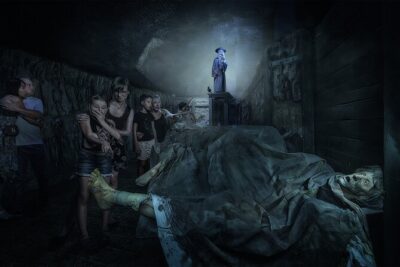
Skip-the-Line Schonbrunn Palace Guided Tour and Vienna Historical City Tour
Read our review →
Vienna Mozart Concert in Historical Costumes at the Musikverein
Read our review →
Browse the lists this tour appears in