
Reviewed · KUNSTHISTORISCHES MUSEUM TICKETS
Combo Ticket: Kunsthistorisches Museum & Imperial Treasury
Vienna’s grandest museum pairing brings together two very different kinds of splendor: masterworks by Rubens, Rembrandt, Raphael, Velázquez, Titian, and Dürer at the Kunsthistorisches Museum, then the Habsburgs’ crowns, jewels, and ceremonial objects at the Imperial Treasury. The buildings matter, too. The art museum’s grand rotunda and decorated dome are part of the show.
I like the ticket’s flexibility, since you can visit each museum once on different dates within a year. I also like the range: you can move from paintings and Egyptian objects to the Austrian imperial crown, German imperial crown, and Holy Roman Empire insignia without buying two separate admissions. The main drawback is practical: a printed voucher is required, and you may need to exchange it for museum tickets at a desk.
Key points to know before you go
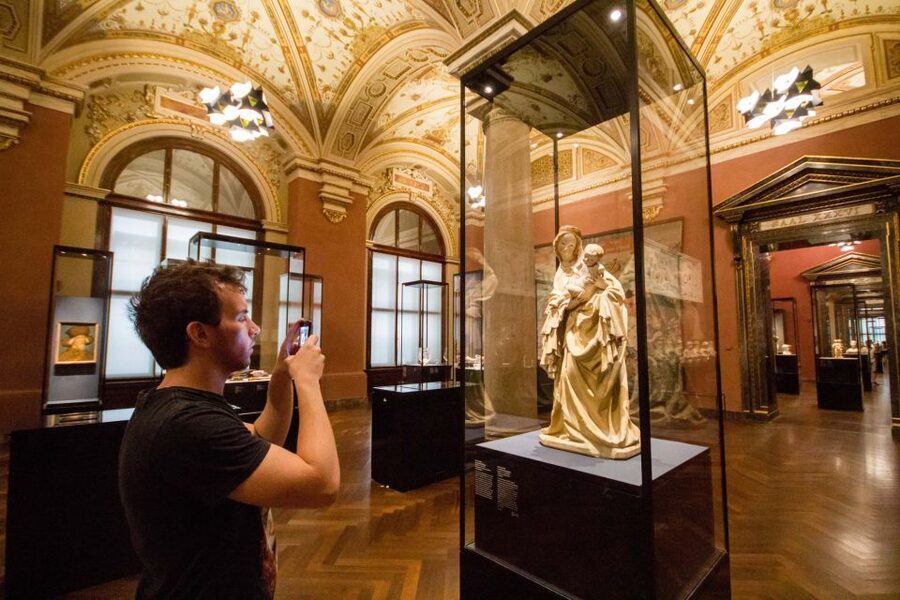
- Two museums, two different experiences: The Kunsthistorisches Museum covers paintings, sculpture, Egyptian objects, antiquities, and the Kunstkammer, while the Imperial Treasury focuses on crowns, regalia, jewels, and Habsburg objects.
- The ticket lasts one year: You get one entry to each location, and the visits can take place on different dates.
- Allow more than two hours: Two hours may work for a quick visit, but the art museum alone can occupy three or four hours if you stop often.
- The buildings deserve your attention: The grand rotunda, cupola hall, and ornate galleries are part of the Kunsthistorisches experience.
- Print your voucher in advance: A phone voucher may not be enough. Plan for a ticket exchange and possible queue at the museum desk.
- Audio guides cost extra: English text appears in many rooms, but an audio guide can make the collections easier to follow.
Two imperial museums in central Vienna
This is not a guided tour with a named guide or a fixed group itinerary. It is a self-guided combination ticket. You choose which museum to visit first, how long to stay, and whether to split the visits across your Vienna schedule.
The two locations are close enough to connect on foot. The Kunsthistorisches Museum is at Maria-Theresien-Platz, while the Imperial Treasury is inside the Hofburg at Michaelerplatz and Schweizerhof. That makes the pair easy to fit into a central Vienna day, especially if you are already visiting the Hofburg area.
The advertised duration is two hours, but treat that as a minimum planning figure rather than a strict timetable. The Imperial Treasury can take about an hour or two, depending on your interest in royal objects. The Kunsthistorisches Museum needs at least two hours for a brisk look, and three or four hours if you want to study several galleries.
Because the ticket is valid for one year, you do not need to force both museums into one exhausting afternoon. That flexibility is one of the strongest reasons to choose this option over a rushed single-day plan.
More Kunsthistorisches visits:
- Vienna Kunsthistorisches Museum Day Admission Ticket
★ 4.6 · 3,690 reviews - Skip the Line: Kunsthistorisches Museum Vienna Entrance Ticket
★ 4.5 · 466 reviews - Vienna: Kunsthistorisches and Leopold Museum Combo Ticket
★ 4.6 · 352 reviews
The Kunsthistorisches Museum: paintings in a palace setting
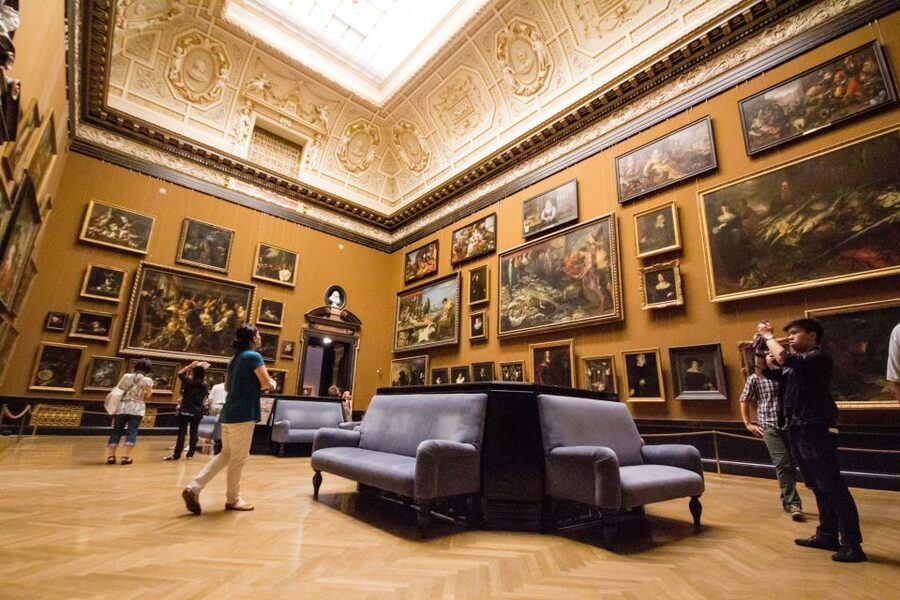
Start at the Kunsthistorisches Museum if you want the biggest visual impact. The building itself is unusually important to the experience. You pass through rooms designed for an imperial collection, with grand architectural details that can compete for your attention with the art.
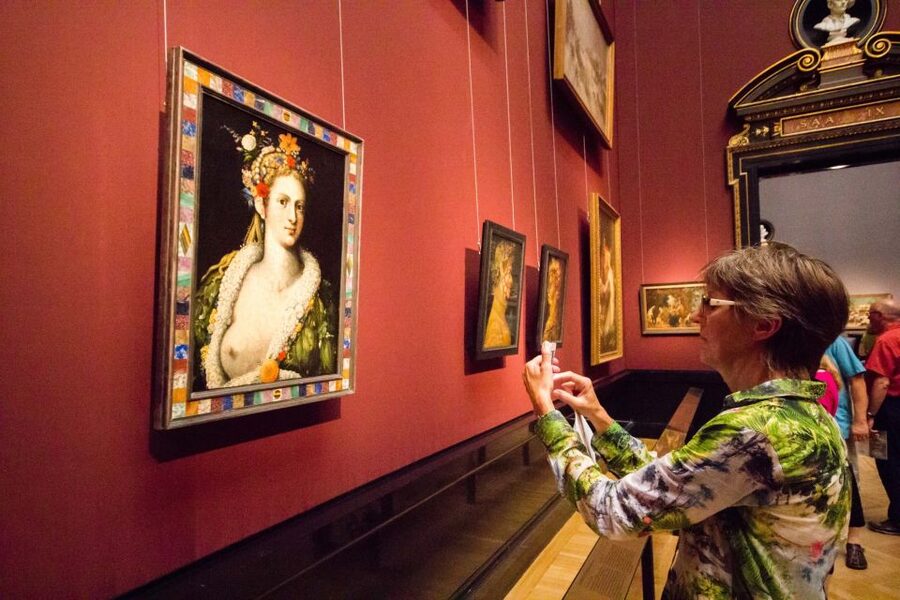
The painting collection is the obvious draw. You can see major works associated with Rubens, Rembrandt, Raphael, Velázquez, Titian, and Dürer. These names give you a useful way to plan your time, but do not limit yourself to a checklist. The pleasure here comes from moving between famous paintings, lesser-known works, sculpture, decorative objects, and the rooms that hold them.
The collection can feel overwhelming, particularly if you try to see every room in one pass. I suggest choosing a few priorities before entering. You might focus first on the major European paintings, then add the Kunstkammer or Egyptian collection if you still have energy.
One especially popular painting is Pieter Bruegel the Elder’s Tower of Babel. It draws crowds in the painting section, so expect to spend a little more time around it if you want a clear view. The museum’s painting rooms are only one part of the visit, though.
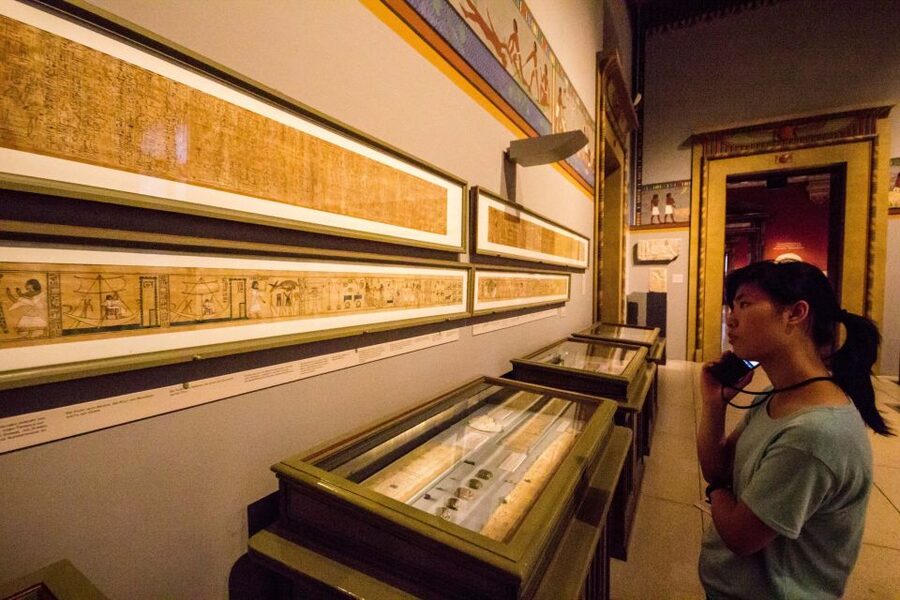
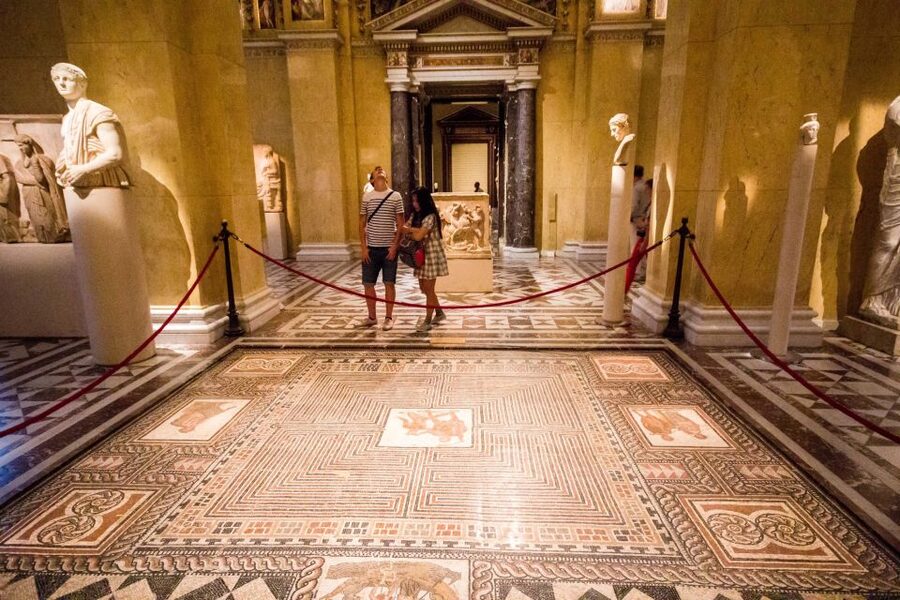
The Egyptian and antiquities displays receive particular praise from people who want more than European art. You might find Egyptian objects, sculptures, archaeological material, and historic decorative pieces that change the pace after several galleries of paintings. One visitor considered the Egyptian collection among the finest in Europe, while another singled out the glass and rock crystal objects in the Kunstkammer.
The Kunstkammer Vienna is included in the ticket. This section is useful if you enjoy craftsmanship and unusual objects as much as famous canvases. It can provide the small-scale detail that a large painting gallery sometimes lacks, with finely made pieces intended to show skill, rarity, and imperial taste.
The grand rotunda and cupola hall
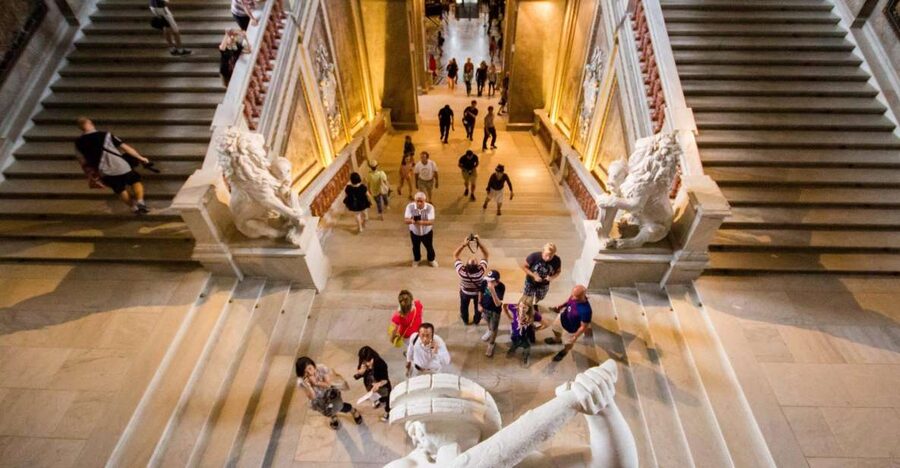
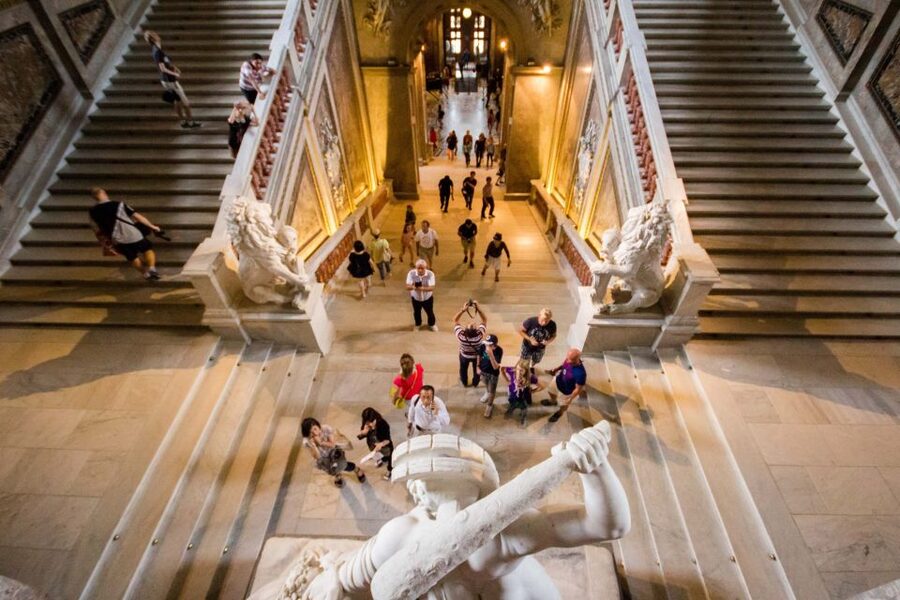
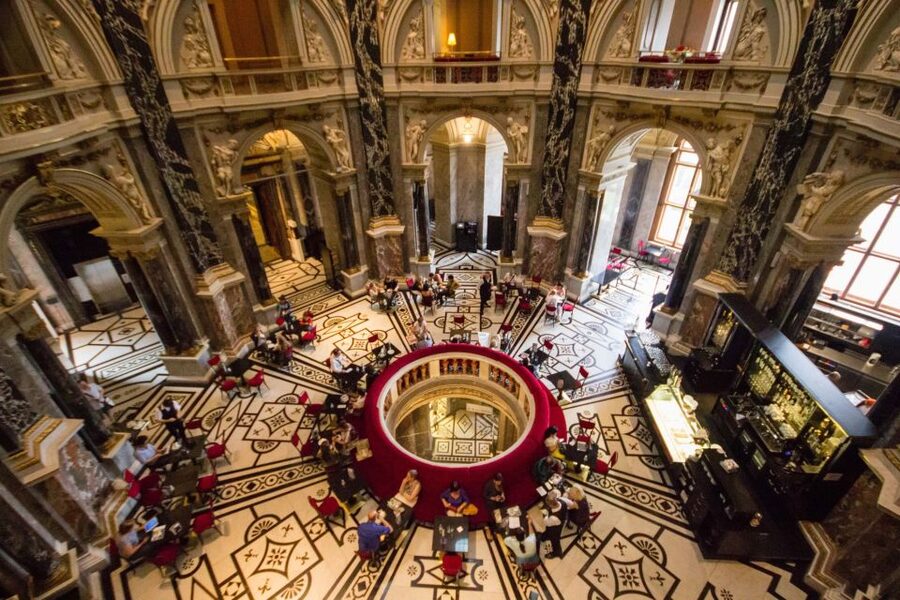
Do not hurry past the central architectural spaces. The grand rotunda, also called the Cupola Hall, gives you a good place to pause and look up. A café in this area lets you take a break with coffee or a meal while remaining surrounded by the museum’s decoration.
That rest matters. The museum is large, and the combination of long galleries, stairs, and dense displays can wear you down. A short stop in the rotunda can help you reset before continuing to the collections.
The building is also useful for visitors who are not serious art specialists. You can appreciate the decoration, scale, and formal rooms without understanding every painting. If your group has mixed interests, one person can spend time with the old masters while another concentrates on architecture, objects, or antiquities.
The museum is wheelchair accessible, but one visitor noted that there are many stairs. If mobility is a concern, confirm the best route with museum staff when you arrive. Accessibility is available, but the building’s historic layout may still affect how you move between areas.
The Imperial Treasury at the Hofburg
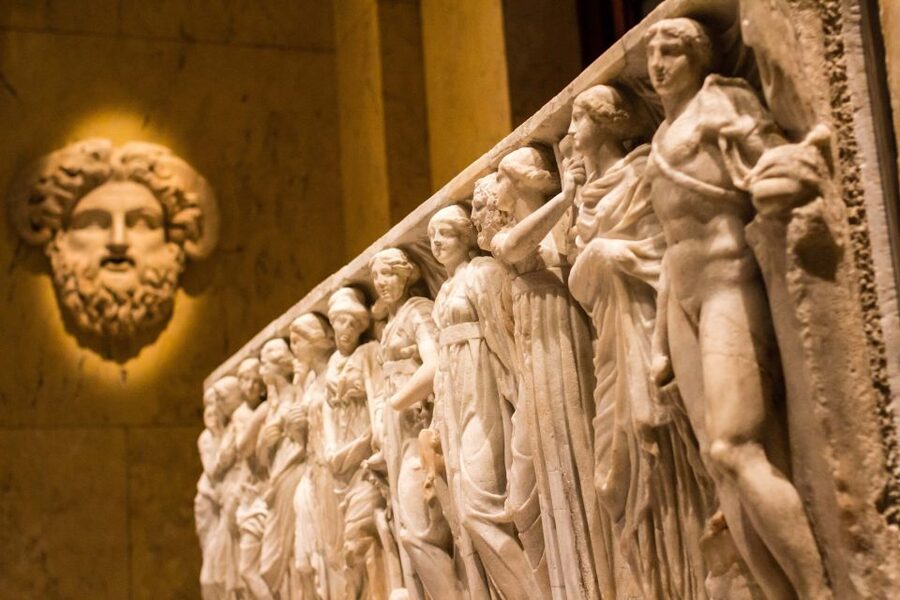
The Imperial Treasury provides a sharp change of mood. Instead of a broad art museum, you enter a collection centered on power, ceremony, religion, and dynastic identity.
The main highlights are the Austrian imperial crown, the magnificent German imperial crown, and insignia connected with the Holy Roman Empire. You also see Habsburg treasures, sparkling jewels, and ceremonial objects. The collection explains how rulers presented authority through clothing, crowns, symbols, and precious materials.
The Imperial Treasury is not only a jewelry display. Its importance comes from the meaning attached to the objects. A crown is not simply an attractive piece of metal and stone. It represents a ruler, a state, and a long tradition of imperial ceremony. The insignia of the Holy Roman Empire add political and religious context to the visit.
The collection also includes the largest cut emerald in the world, a detail worth seeking out if you enjoy unusual records and spectacular stones. Another point of interest is the Order of the Golden Fleece, which one visitor considered among the most fascinating objects.
Plan on roughly one to two hours here. If royal regalia and jewelry are not your interests, you may finish sooner. One honest assessment is that the Treasury can feel skippable for someone who cares little about precious objects. For anyone interested in monarchy, ritual, or the Habsburg court, it adds something the art museum cannot.
More museums and galleries in Vienna:
- Vienna: Skip-the-Line Sisi Museum, Hofburg and Gardens Tour
★ 4.8 · 5,918 reviews - Tickets for the Albertina Exhibitions
★ 4.7 · 2,126 reviews - Vienna: Chocolate Workshop in Chocolate Museum w/ Tasting
★ 4.5 · 1,802 reviews - Sigmund Freud Museum Ticket
★ 4.6 · 1,668 reviews
How to plan the two visits
You have two sensible choices. You can visit both museums on the same day, or use the ticket’s long validity and separate them.
A same-day plan works if you want to keep your Vienna sightseeing compact. Begin at the Kunsthistorisches Museum, since it has more material and can absorb several hours. Take a break at the café in the rotunda, then walk to the Hofburg for the Imperial Treasury.
This plan may become tiring if you try to see every gallery. A two-hour art visit followed by an hour at the Treasury gives you the main highlights, but not a careful look at both institutions.
Splitting the visits is better for most people. Use one morning or afternoon for the Kunsthistorisches Museum, then return another day for the Imperial Treasury. The ticket permits one entry to each venue on different dates, and it remains valid for one year. That is especially helpful if your Vienna schedule changes because of weather, opening days, or other museum plans.
Check opening arrangements before you set out. One visitor arrived when the Imperial Treasury was closed and had to return on another day. The flexible ticket solved the problem, but checking in advance would have saved time.
The ticket, printed voucher, and extra costs
The listed price is $37 per person. Its value depends on how much time you will spend in both museums. If you plan to visit only the painting galleries quickly, the price may feel less compelling. If you want the Kunsthistorisches Museum, the Kunstkammer, and the Imperial Treasury, the combined admission is easier to justify.
You receive entrance to the Kunsthistorisches Museum Vienna and the Kunstkammer Vienna, plus entrance to the Imperial Treasury at the Hofburg. Transfers are not included, but that is not a serious issue here because the locations are within walking distance of one another in central Vienna.
The main inconvenience is the voucher procedure. A printed voucher is required. Some ticket holders have also had to take the printed booking to the museum ticket office and exchange it for an admission ticket, sometimes waiting in line.
Do not assume that showing a QR code on your phone will be enough. Print the voucher before you arrive if possible. If you are already in Vienna, you may need to find a print shop. This extra step is easy to overlook and can take away some of the convenience of a combination ticket.
Audio guides are not included. English information is available in many rooms, but an audio guide may be worth the extra cost if you want help connecting objects to their history and purpose. The advice is especially useful at the Treasury, where the importance of crowns and insignia is not always obvious from appearance alone.
What to bring and how long to stay
Pack lightly if you can. Large bags, water bottles, and selfie sticks may need to be left at the cloakroom. That can mean an extra stop before entering the galleries, so do not arrive with more than you need.
Wear comfortable shoes. The museums involve substantial walking, and the Kunsthistorisches Museum has many stairs. You will enjoy the collections more if you are not watching the clock or looking for a place to sit.
For a quick visit, allow two hours at the Kunsthistorisches Museum and one hour at the Imperial Treasury. For a proper look, give the art museum three to four hours and the Treasury one to two hours. The museum café makes a longer art visit easier, especially on a cold or rainy Vienna day.
A rainy afternoon is a good use of this ticket. The museums provide warmth, shelter, and enough material to fill several hours. The grand interiors also give you something to enjoy even if you are not confident identifying artists or periods.
Who will get the most from this ticket?
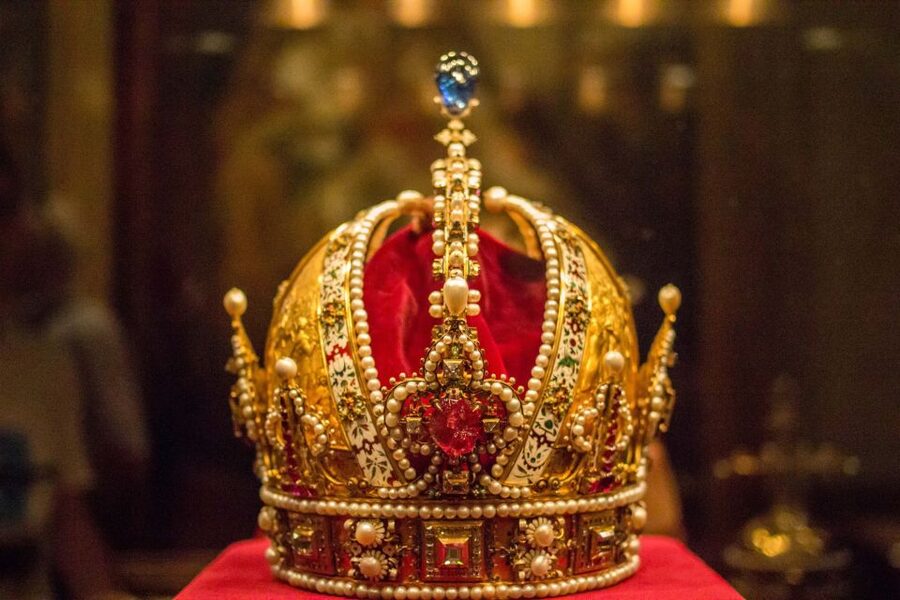
This combination suits first-time Vienna visitors who want two major cultural sights without arranging separate admissions. It also works well for people with varied interests. One person can focus on paintings and sculpture, while another spends more time with crowns, jewels, and historical objects.
Art lovers will find the Kunsthistorisches Museum the main event. Fans of Rubens, Rembrandt, Raphael, Velázquez, Titian, Dürer, or Bruegel should plan extra time for the painting galleries.
The Imperial Treasury is best for anyone drawn to royal ceremony, imperial symbols, precious stones, and the Habsburgs. If jewelry and court objects do not interest you, the art museum may be enough for your schedule.
Families and mixed-age groups can use the flexible timing to avoid forcing everyone through every room. Younger visitors may respond better to the crowns, weapons, jewels, and unusual objects than to a long sequence of paintings. The under-19 admission policy is another practical advantage: those under 19 enter free.
Should you book this combo?
Book it if you want both museums, can print the voucher, and are willing to give the pair more than the advertised two hours. The ticket is especially useful when you want flexibility, since each venue can be visited once on separate dates within a year.
Choose it with realistic expectations. This is not a guided experience, audio commentary is extra, and the voucher exchange may involve a queue. But the combination gives you access to some of Vienna’s most important art and imperial objects at a reasonable price, with the freedom to set your own pace.
My practical choice would be to spend a serious half day at the Kunsthistorisches Museum, then visit the Imperial Treasury on another day. That plan lets you appreciate the paintings, Egyptian objects, Kunstkammer, grand rotunda, crowns, and jewels without turning the visit into a museum endurance test.
FAQ
How much does the combo ticket cost?
The listed price is $37 per person.
How long is the ticket valid?
The ticket is valid for one year. You may visit each museum once, and the visits can take place on different dates.
Can I visit both museums on the same day?
Yes. You may visit both on the same day, or use the ticket on separate dates.
Is an audio guide included?
No. An audio guide is not included in the ticket price.
Do I need a printed voucher?
Yes. A printed voucher is required. You may also need to exchange it at the museum ticket office for an admission ticket.
Are visitors under 19 charged admission?
No. Visitors under 19 enter free.
Just added around Vienna
- Vienna: UNESCO Schönbrunn Palace Guided Tour with Entry★ 4.5 · 94 reviews
- World War II History Vienna Old Town Private Walking Tour★ 4.8 · 9 reviews
- Vienna: Winery and Wine Tasting Tour with a Wine Expert★ 5.0 · 5 reviews
- Vienna: Wine Tasting E-Bike Tour★ 4.9 · 46 reviews
- Vienna: Wine Tasting at Schönbrunn Palace★ 4.3 · 71 reviews
- Vienna: Wine Tasting Tour★ 4.8 · 61 reviews
- Vienna: Concert by the Vienna Baroque Orchestra★ 4.6 · 56 reviews
- Vienna: Wachau Valley Private Kayak and Wine Tour★ 5.0 · 3 reviews
Kunsthistorisches Museum Tickets, compared.
Vienna Kunsthistorisches Museum Day Admission Ticket
Read our review →
Skip the Line: Kunsthistorisches Museum Vienna Entrance Ticket
Read our review →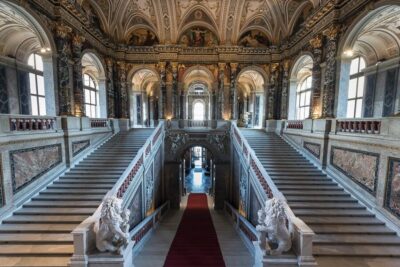
Kunsthistorisches and Leopold Museum Combo Ticket
Read our review →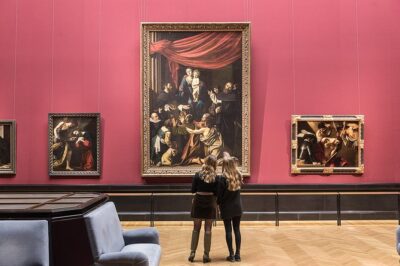
Kunsthistorisches Museum Vienna and Imperial Treasury of Vienna
Read our review →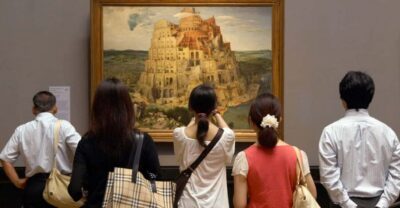
Kunsthistorisches Museum Guided Tour incl. admission
Read our review →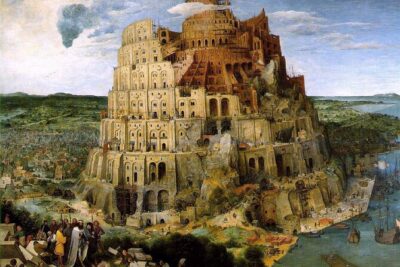
Private Tour of the Kunsthistorisches Museum: Secrets of Masterpieces | Tickets included
Read our review →
Kunsthistorisches Museum Wien Guided Tour including admission
Read our review →
Private Tour of the Picture Gallery of the Fine Arts Museum VIenna (Kunsthistorisches Museum) with an Art Historian
Read our review →Browse the lists this tour appears in