
Reviewed · OPERA TICKETS
STATE OPERA – PRIVATE guided tour (tickets included)
The most surprising part of Vienna’s State Opera is not only its gilded halls. It is the building’s troubled beginning, when its design caused a public scandal and one of its architects later died. This private 90-minute tour with Giselle Tours Vienna connects that difficult start with the opera’s glamorous present.
I like the private format, which lets Giselle adjust the conversation to your interests. I also like the backstage-minded details: how sets change from day to day, where they are stored, and how many people work behind the curtain. The main consideration is the price, $267, which makes most sense for a small group that values personal attention.
Key points at a glance
- A private visit inside Vienna’s State Opera: Only your group takes part, so the pace and conversation can be shaped around your questions.
- A 90-minute look at old and new Vienna: You see the ornate original areas alongside sections rebuilt after the Second World War.
- Opera stars and conductors in context: The discussion includes Placido Domingo, Montserrat Caballé, José Carreras, Gustav Mahler, Herbert von Karajan, Rudolf Nureyev, and Margot Fonteyn.
- Practical stagecraft, not just pretty rooms: Learn how sets change daily, where they are kept, and how the opera functions behind the scenes.
- A guide with a personal touch: Giselle is praised for her warmth, clear communication, humor, and ability to adapt the tour to a group’s interests.
- Simple central meeting point: Begin and end at Wiener Staatsoper, Opernring 2, near public transportation.
Why the State Opera deserves more than a quick photograph
Vienna is often called a city of music, and the State Opera is one of the clearest places to see why. This is not simply a beautiful building where performances happen at night. It is a working institution with a long public story, a large staff, changing productions, celebrated performers, and a social calendar that reaches far beyond the stage.
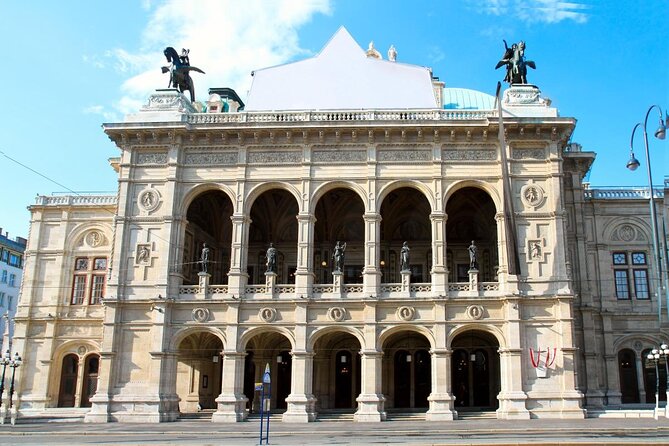
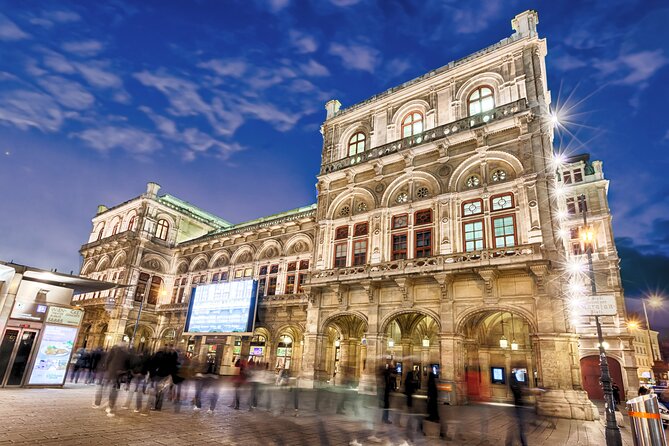
The tour begins at Wiener Staatsoper on Opernring, a convenient spot in central Vienna. You meet Giselle there, and the activity finishes at the same place. That makes it easy to fit into a day of sightseeing without arranging a complicated transfer.
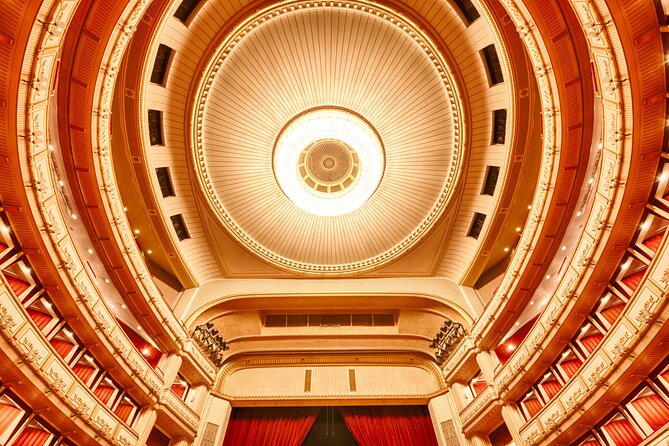
The building is about 150 years old, but the tour does not treat it as a frozen monument. You look at the pompous original sections and the modern areas shaped by postwar rebuilding. That contrast gives you a more useful understanding of the opera than a quick look at chandeliers and painted ceilings.
I like this approach because it links design to events. The grand rooms reflect the taste and confidence of 19th-century Vienna. The newer parts point to the damage and changes that followed the Second World War. The result is a building with several eras visible at once.
More nights at the opera:
- Vienna: Mozart Concert at the Vienna State Opera
★ 4.6 · 461 reviews - Vienna: Musical Tickets THE PHANTOM OF THE OPERA
★ 4.9 · 132 reviews - Vienna State Opera House Mozart Concert in Historical Costumes
★ 4.0 · 120 reviews
The grand rooms and the building’s difficult beginning
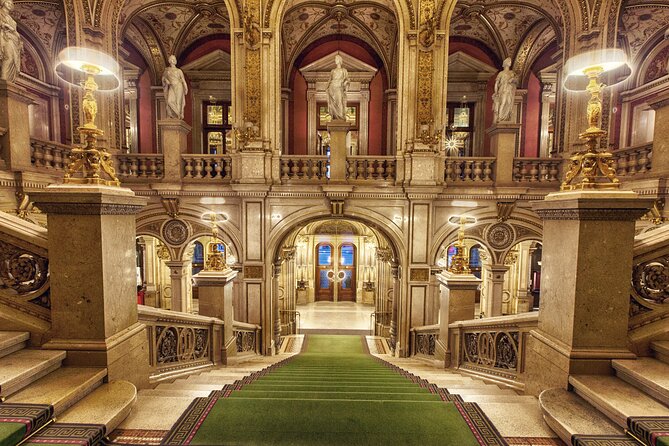
The State Opera’s opening story is unusually dramatic. Its construction caused a major scandal, and the controversy was so severe that it contributed to the deaths of one of the architects. Giselle uses this episode to show that Vienna’s most famous buildings were not always admired when they first appeared.
That is a useful reminder when you look at the ornate interior. It can be easy to see the opera as a polished symbol of imperial Vienna and forget that architecture was also tied to public opinion, politics, and personal reputations.
You will visit the areas open to the public, with attention to the older decorative sections. Expect the tour to focus on the building’s appearance, its use, and the stories tied to it rather than on a full performance. If you want to attend an opera, you will need to treat that as a separate plan.
The contrast between the original rooms and the postwar sections is one of the best reasons to take the tour. You get a sense of what changed and what endured. A guide can also point out why the opera feels both ceremonial and practical, since it must function as a busy performance house as well as a grand public symbol.
From Mahler to Domingo: the people behind the stage
A State Opera tour would feel incomplete without its performers, and Giselle brings several major names into the conversation. The program includes Placido Domingo, Montserrat Caballé, José Carreras, Gustav Mahler, Herbert von Karajan, Rudolf Nureyev, and Margot Fonteyn.
These names cover more than one role. Domingo, Caballé, and Carreras are linked with celebrated singing careers. Mahler and Karajan represent major chapters in conducting and musical direction. Nureyev and Fonteyn bring ballet into the story, reminding you that the opera house is also a place for dance.
The value here is not simply hearing a list of famous figures. Giselle’s background in music and Vienna allows the discussion to move toward the people who shaped the institution and the way audiences remember them. A musician in your group may want to spend more time on Beethoven or other composers, while another person may care more about singers, conductors, or ballet.
That flexibility matters. One particularly useful trait of Giselle’s guiding style is her ability to adjust the conversation to the group. She has been praised for communicating before the meeting, answering questions clearly, and shifting direction when a guest’s interests call for it.
If your group includes different levels of opera knowledge, a private tour helps. One person can ask basic questions without feeling out of place, while an enthusiast can take the discussion further. The tone is intended to be friendly rather than formal, with room for humor as well as serious musical context.
What happens behind the curtain
The most practical part of the tour may be the explanation of how the opera works day by day. Stage sets change daily, and Giselle explains how that process is managed and where the sets are stored.
That detail changes the way you see the building. Instead of thinking only about the performance in front of you, you begin to picture the work required before the curtain rises. Sets must be moved, stored, prepared, and replaced. The opera is not just singers and musicians appearing at the right moment.
You will also hear how many people work for this famous institution. The supplied information does not give a specific staff number, so do not expect a precise figure in advance. The useful point is the scale of the operation: an opera house depends on a large network of people beyond the performers.
I especially like this subject for visitors who are less interested in formal decoration. The halls may be the first thing that catch your eye, but the daily mechanics give the place its energy. You learn why a performance venue needs storage, planning, technical workers, artists, and management all working together.
This is also where a private guide can add more value than a short self-guided look. You can stop and ask how productions change, what happens to scenery after a show, or which parts of the institution are visible to the public. The tour is limited to areas open to the public, so it should not be treated as unrestricted access to every working room.
A few more Vienna days worth a look
- Vienna: Vivaldi’s Four Seasons Concert in Karlskirche
★ 4.7 · 14,951 reviews - Vienna: Spanish Riding School Training
★ 3.9 · 9,281 reviews - Vienna: Skip-the-cashier-desk-line Giant Ferris Wheel Ride
★ 4.5 · 7,859 reviews - Vienna: Schönbrunn Palace & Gardens Skip-the-Line Tour
★ 4.7 · 7,739 reviews
The Opera Ball and Vienna’s social theater
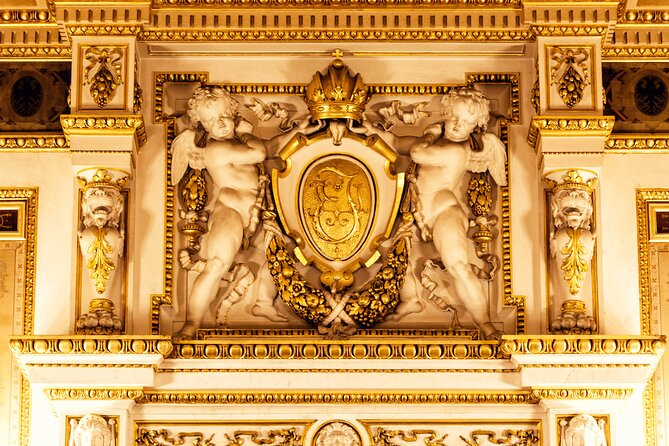
The Vienna Opera Ball brings a different side of the building into view. Giselle explains how the event is celebrated and how millionaires and local politicians take part.
The ball helps you understand that the State Opera has a public role beyond regular performances. It is a stage for music, ceremony, social display, and local tradition. The event also shows how Vienna connects culture with civic and political life.
For some people, this may be the most entertaining part of the tour. You get a glimpse of the opera as a place where important people gather, not only as a hall where an audience sits quietly in the dark. It adds a little glamour without pretending that glamour is the whole story.
The discussion is also a good fit for groups who enjoy customs and social history. You can ask about how the ball works, who takes part, and why it remains important to Vienna. Since this is a private tour, you have a better chance to keep the conversation focused on the subjects your group finds most interesting.
What the private format is worth at $267
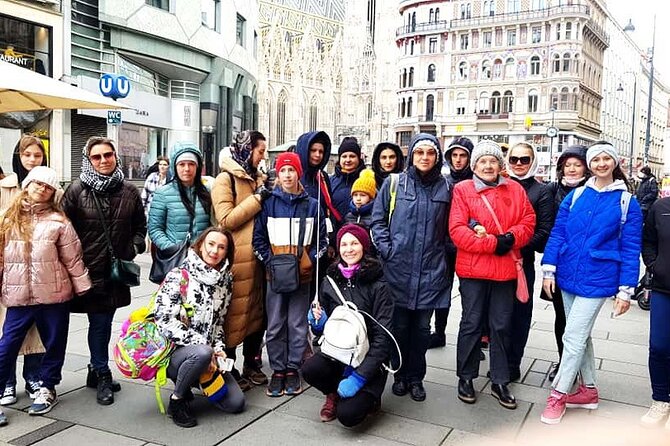
The listed price is $267, with admission included. The value depends heavily on group size. For one or two people, it is a major expense for 90 minutes. For a family or group of friends sharing the cost, the price may feel more reasonable, especially if you want a private conversation rather than a standard group visit.
You are paying for more than entry. The package includes a personal guide, interpretation of the building’s architecture, stories about artists and conductors, an explanation of the opera’s changing repertoire, and practical details about stage sets and staffing.
Still, you should be clear about what this is not. It is not a full evening performance, and it does not promise access to areas closed to the public. If your only goal is to see the interior at the lowest possible cost, a private tour may not be the best choice.
I would consider the price worthwhile for three types of groups:
- Opera fans who want context about performers, conductors, ballet, and repertory.
- Families or friends who prefer a flexible private guide and can share the cost.
- Visitors with strong interests in architecture, Vienna’s social customs, or the practical work of staging performances.
It is less suitable if you prefer to spend only a few minutes inside, dislike guided visits, or mainly want to attend a live opera. The 90-minute length is long enough for useful context but short enough to fit into a full day in Vienna.
Who will get the most from Giselle’s guiding style
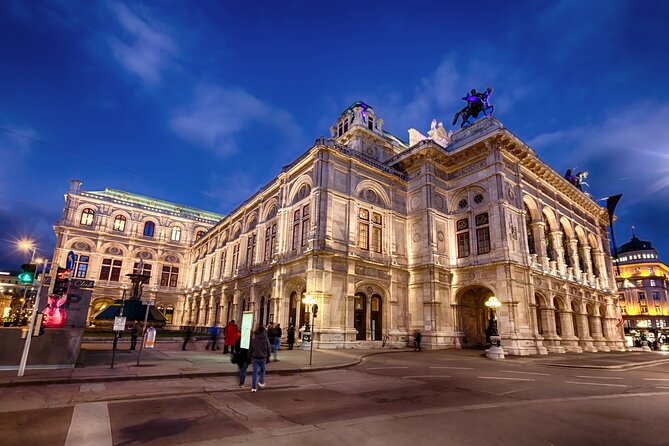
Giselle’s strongest qualities are her warmth, humor, preparation, and musical background. Her communication before the meeting is useful, since you can make your interests clear rather than arriving with a one-size-fits-all plan.
The tone appears to work well for both serious music fans and people who simply want to understand what they are seeing. A guest with a professional interest in medicine, for example, can still enjoy a detailed cultural tour, while a musician can steer the conversation toward composers and musical life.
Her style also suits families and mixed-age groups. The opera’s architecture gives children something visual to notice, while stories about famous artists and the Opera Ball can keep adults engaged. You should not expect an activity built around games or child-specific entertainment, but the private format makes it easier to adjust the pace.
Spanish-speaking visitors may also find the guide appealing, since some of the available feedback was written in Spanish and received a Spanish reply. The supplied information does not state a fixed language list, so confirm your preferred language when booking.
Timing, meeting point, and useful planning details
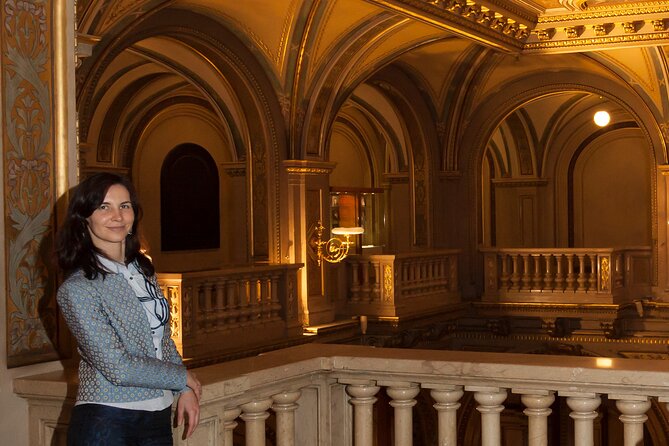
The tour lasts about one hour and 30 minutes. It starts and ends at the Vienna State Opera, Opernring 2, 1010 Wien. The site is near public transportation, which makes it practical to place before or after other central Vienna sights.
Allow a little extra time to find the exact meeting point, especially if you are arriving during a busy day in the city. Your booking confirmation is normally sent at once, unless you book within one hour of the start time. In that case, confirmation is sent as soon as possible and depends on availability.
The activity has a mobile ticket, so keep the booking accessible on your phone. Since only your group participates, tell Giselle in advance if you have a special interest in a composer, singer, conductor, ballet, architecture, or the Opera Ball. That is the best way to make the private format work for you.
Most people can participate, according to the supplied activity details. No specific accessibility information is provided, so if your group has mobility or access needs, ask before confirming.
Cancellation is free up to 24 hours before the start time. Cancel at least 24 hours ahead for a full refund. Within 24 hours, the amount paid is not refunded, and changes made in that period are not accepted.
Should you book this State Opera tour?
Book it if you want the State Opera explained rather than simply photographed. The combination of architecture, scandal, famous performers, postwar rebuilding, Opera Ball traditions, and backstage logistics gives you a much fuller picture of the institution.
I would especially choose it for a small group that can share the $267 cost and wants direct access to a guide who can adapt the conversation. Giselle’s friendly style is a strong reason to book, particularly if your group has varied interests or wants to ask many questions.
Think twice if your budget is tight or if you mainly want a live performance. In that case, put the money toward an opera ticket instead. But if you want a focused look at Vienna’s musical center, with admission included and a guide who can connect grand rooms to the people and work behind them, this private 90-minute visit is a solid choice.
FAQ
Where does the State Opera private tour begin?
It begins at Vienna State Opera, Opernring 2, 1010 Wien, Austria.
Where does the tour finish?
The activity ends back at the meeting point at Vienna State Opera.
How long does the tour last?
The tour lasts approximately one hour and 30 minutes.
Is admission to the State Opera included?
Yes. The admission ticket is included in the tour price.
Is this a private activity?
Yes. Only your group participates.
Who leads the tour?
The experience is provided by Giselle Tours Vienna, and the guide identified in the information is Giselle.
Is the meeting point near public transportation?
Yes. The meeting point is near public transportation.
What is the cancellation policy?
You can cancel at least 24 hours before the start time for a full refund. Cancellations and changes made within 24 hours are not refunded or accepted.
Just added around Vienna
- Vienna: UNESCO Schönbrunn Palace Guided Tour with Entry★ 4.5 · 94 reviews
- World War II History Vienna Old Town Private Walking Tour★ 4.8 · 9 reviews
- Vienna: Winery and Wine Tasting Tour with a Wine Expert★ 5.0 · 5 reviews
- Vienna: Wine Tasting Tour★ 4.8 · 61 reviews
- Vienna: Wine Tasting E-Bike Tour★ 4.9 · 46 reviews
- Vienna: Wine Tasting at Schönbrunn Palace★ 4.3 · 71 reviews
- Vienna: Concert by the Vienna Baroque Orchestra★ 4.6 · 56 reviews
- Vienna: Wachau Valley Private Kayak and Wine Tour★ 5.0 · 3 reviews
Opera Tickets, compared.
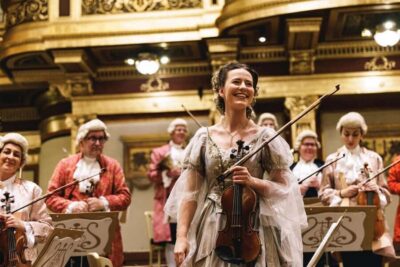
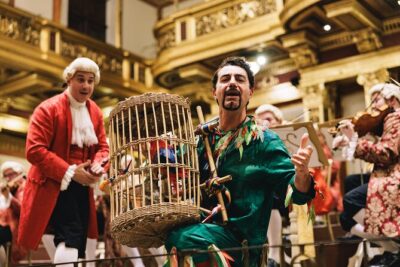
Vienna State Opera House Mozart Concert in Historical Costumes
Read our review →
Browse the lists this tour appears in