
Reviewed · OPERA TICKETS
Vienna Private Walking Tour including State Opera
Vienna’s grandest story unfolds on foot here, from Roman Vindobona and Habsburg emperors to Mozart, Mahler, and the birth of modern Austria. I like the private format, which lets your group of up to 15 set the pace, and I like the route’s strong mix of music, imperial buildings, Roman remains, and the city’s central churches.
The main caution is the State Opera promise. The advertised opera visit may amount to the lobby only, and a separate opera tour ticket may be needed. Confirm exactly what is included before paying, especially since entrance fees are excluded.
Key points to know before booking
- The State Opera is the headline stop, but full interior access may require a separate payment.
- A private group of up to 15 gives you more room for questions than a large public walk.
- The route covers Vienna’s central core, including Hofburg, Graben, Peterskirche, and Stephansdom.
- The guide speaks English or German, with Franziska Pfisker named in one account as a possible guide.
- Three hours moves quickly, so expect a broad introduction rather than museum-level detail.
- Comfortable shoes matter, and the walk is not suitable for people with mobility impairments.
A three-hour walk through Vienna’s big story
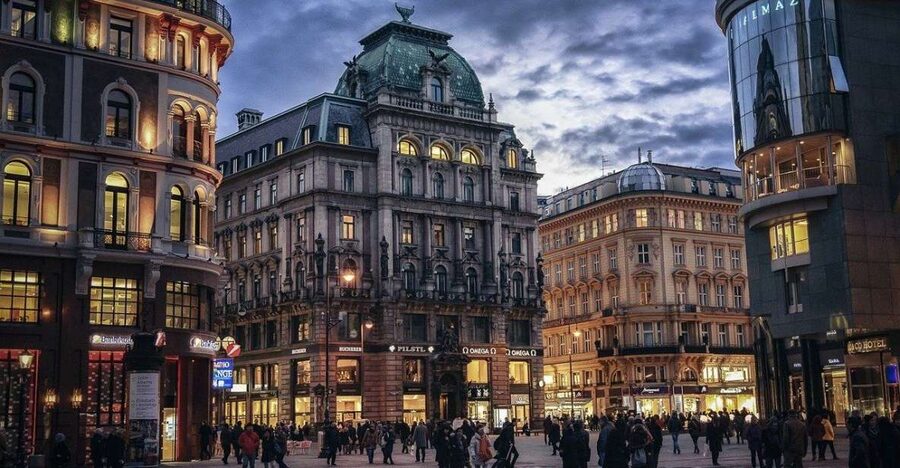
This tour is built for you if Vienna feels like a pile of grand facades without a clear storyline. In three hours, the guide links the city’s Roman beginnings, medieval growth, imperial rule, music, war, and modern political life.
That broad sweep is the tour’s real value. You are not simply moving from one pretty building to another. The route explains how Vienna changed from a Roman settlement into the center of the Habsburg monarchy, then into the capital of the Austrian Republic.
The tradeoff is time. Three hours sounds generous, but the route includes many major sights. You will get context for the buildings and streets, yet you should not expect lengthy interior visits, detailed art criticism, or a full treatment of every composer and political period.
The private format helps. Your group can ask about a particular emperor, composer, church, or historical period instead of following a fixed script. At the full group limit of 15, it is still a fairly large private party, but it remains more personal than a general city walk.
More Walking Tours in Vienna
- Vienna: Guided Walking Tour of City Center Highlights
★ 4.7 · 4,989 reviews - Vienna: Vienna Central Cemetery Guided Walking Tour
★ 4.8 · 3,307 reviews - Vienna: Guided Walking Tour of City Highlights & Hidden Gems
★ 4.9 · 2,180 reviews
Starting at the State Opera
The State Opera is a sensible place to begin because it ties together architecture, imperial culture, and Vienna’s musical identity. The building dates from the 1860s, when it was known as the Vienna Court Opera. In 1920, as the early Austrian Republic took shape, the name changed to the Vienna State Opera.
Its story is not just about a handsome facade. This was a major stage for works such as La Traviata, La Clemenza di Tito, and Verdi’s Don Carlo. Conductors and directors connected with the institution include Gustav Mahler, Herbert von Karajan, and Claudio Abbado.
You will also hear about the composers who made Vienna a musical capital: Wolfgang Amadeus Mozart, Josef Haydn, Ludwig van Beethoven, Franz Schubert, Johann Strauss the elder and younger, Johannes Brahms, and Gustav Mahler. That list is long, but the guide’s job is to explain how these figures fit into the city rather than simply recite names.
Pay close attention to what State Opera access means. The activity description says the opera is included, but entrance fees are not. A separate account says the visit consisted only of the lobby, while another says a full opera tour had to be booked and paid for separately.
That distinction affects the price. If you want the backstage, auditorium, or formal interior tour, ask before booking whether the additional ticket is required and how much it costs. If you are happy with a brief look at the lobby and an explanation from outside, the stop may still work well.
A scheduled change once shifted a start from 11 a.m. to 2 p.m. because the opera offered tours only at that later time. Keep your day flexible if opera access is important, and verify the meeting time before you set other plans.
Mozart, art museums, and the imperial center
From the opera, the route moves into Vienna’s central imperial district. The Mozart Monument provides a natural pause to discuss the composer and Vienna’s role in classical music.
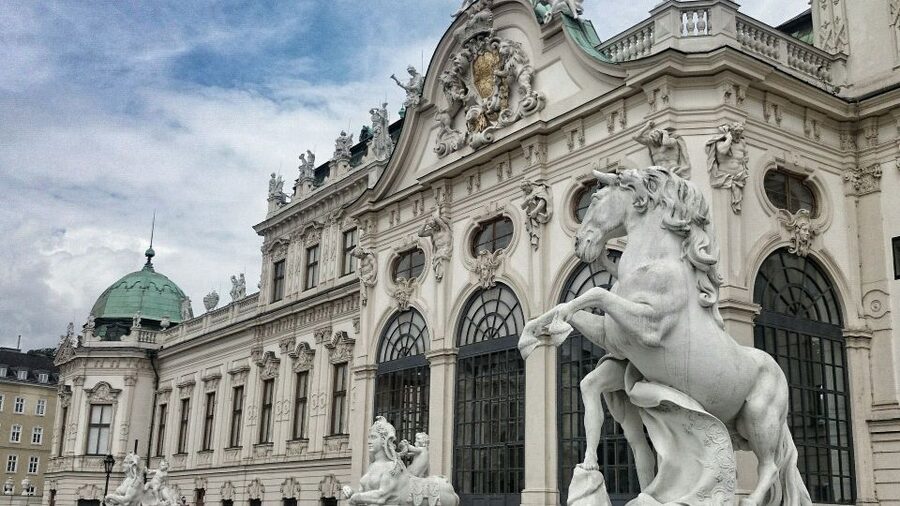
You then see the facades of the Art History Museum and the Hofburg. The Art History Museum represents the Habsburg interest in collecting and displaying art, while the Hofburg served for centuries as the powerful dynasty’s urban home.
The tour’s historical range includes the Holy Roman Empire and the later Austro-Hungarian Empire. Those labels can blur together when you encounter them in a guidebook, so a walking explanation is useful. The route gives you a chance to connect imperial titles and political power with the buildings directly around you.
Do not expect an extended museum visit here. The supplied details identify the facades, not an art museum admission. This is a city walk, not a museum tour, so the value comes from seeing how the buildings shape the center of Vienna and hearing why they mattered.
The Hofburg can feel almost too grand to understand at street level. A guide gives the complex a human scale by pointing out entrances, courtyards, and the way the palace expanded with Habsburg power. The reward is orientation, not a full palace experience.
Michaelerplatz and the layers beneath Vienna
Passing through the Michaelertor gate brings you to the Church of St. Michael, or Michaelerkirche. For years, it served as the official church of the emperors.
This part of the route is especially useful because Vienna’s center is not only baroque and imperial. Roman remains appear in the square, medieval walls survive in fragments, and traces of the old Burg Theatre add another layer to the same urban space.
The ancient Roman settlement of Vindobona is part of the larger story. You see how the modern city grew over older foundations rather than replacing them cleanly. That is one reason a walking guide helps: some of the most important evidence is low, partial, or easy to miss.
The stop also shows how Vienna reused its center over time. Imperial buildings, churches, Roman ruins, and medieval defenses sit close together. You may not spend long at each remnant, but the guide can help you read the square as a record of the city’s changes.
More nights at the opera:
- Vienna: Mozart Concert at the Vienna State Opera
★ 4.6 · 461 reviews - Vienna: Musical Tickets THE PHANTOM OF THE OPERA
★ 4.9 · 132 reviews - Vienna State Opera House Mozart Concert in Historical Costumes
★ 4.0 · 120 reviews - STATE OPERA – PRIVATE guided tour (tickets included)
★ 5.0 · 14 reviews
Graben, Peterskirche, and the road to Stephansplatz
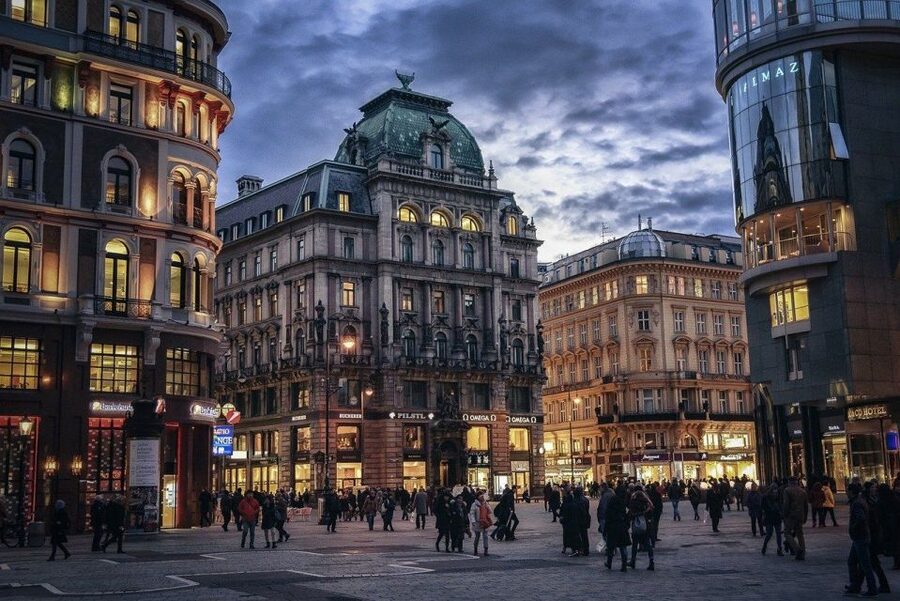
The route continues along Graben, one of central Vienna’s best-known streets. Its origins reach back to the Roman period, and the street is also linked with Richard the Lionheart’s entry into the city.
That combination of Roman beginnings and medieval legend makes Graben more than a shopping street. The guide can place the present-day avenue inside Vienna’s older road system and explain how the center developed around it.
Peterskirche, or St. Peter’s Church, follows. The church has been associated with the site since the fourth century. You will want to look up as you approach it, since its exterior and interior character differ from the broad imperial scale of the Hofburg.
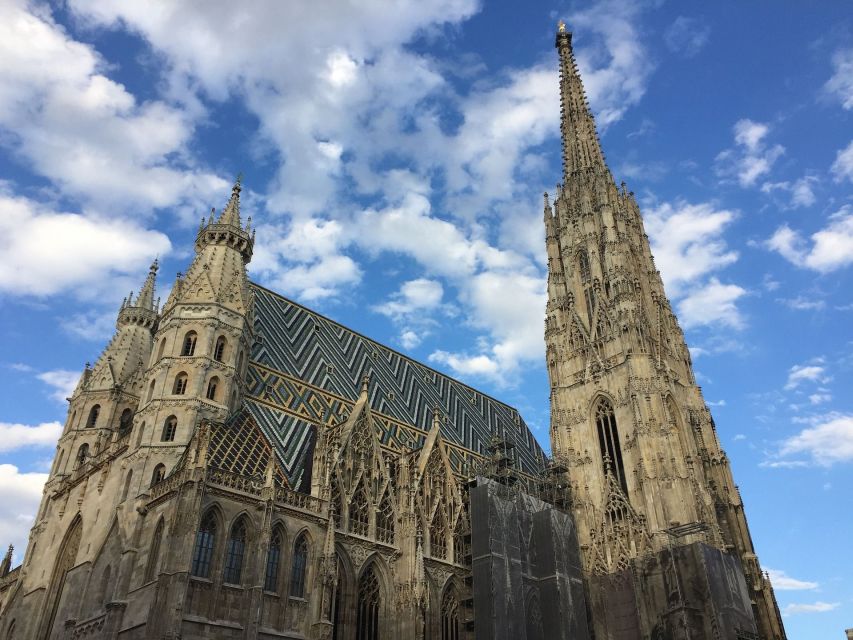
The final major stop is Stephansplatz and Stephansdom, Vienna’s cathedral. The cathedral is described as a Roman-Gothic masterpiece and one of the tallest churches in the world. It gives the walk a strong finish, with a landmark that has anchored Vienna’s center for centuries.
Because this is a private walk, you can ask the guide to slow down at Stephansdom if the cathedral matters most to you. Still, do not assume that a separate cathedral admission or tower visit is included. The stated inclusions cover a guide and the State Opera visit, while entrance fees are excluded.
From empire to war and the Second Republic
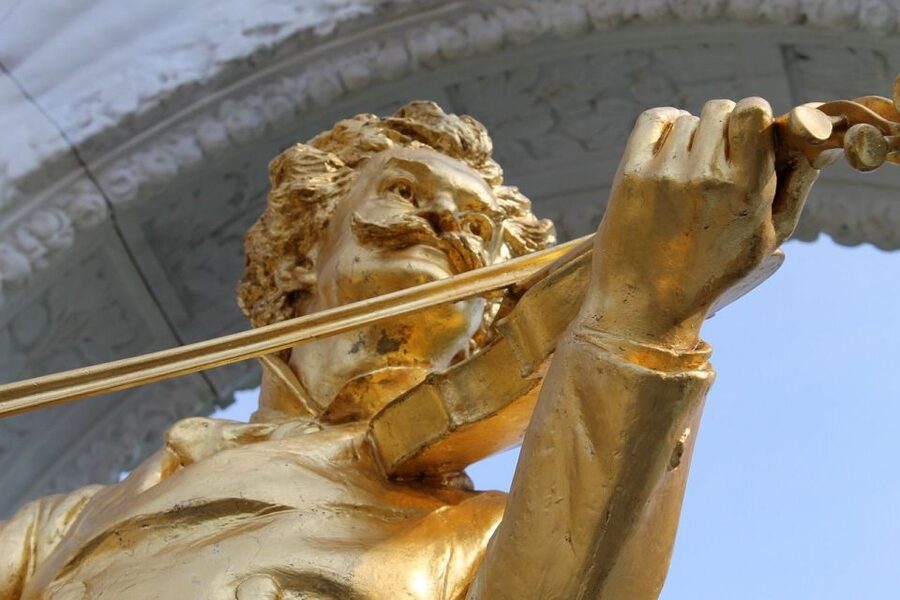
The tour is not limited to glorious imperial Vienna. It also covers the World Wars and the birth of the Second Republic.
That modern section matters. Vienna’s palaces and concert halls can make the city seem frozen in an elegant past, but the capital was shaped by war, political collapse, and the creation of a new Austrian republic. A good guide should connect the imperial buildings to those later events without treating them as decorative background.
This is also the point where guide quality becomes especially important. Historical subjects need precise language and a respectful tone, particularly when discussing Jewish persecution, Nazi crimes, concentration camps, and the human cost of war.
There is a serious warning here. One account names Franziska Pfisker and describes political and historical comments that made the group deeply uncomfortable, including insensitive wording about murdered Jewish people and references to current politics. I would ask who is guiding your tour and make clear that you expect factual, respectful treatment of the Holocaust and modern Austrian politics.
Another account describes a guide as very competent and says the three-hour walk passed quickly. That contrast tells you what matters most: the route has strong material, but the quality and tone depend heavily on the individual guide.
What the $323 private price really means
The price is $323 per group of up to 15 people. At the maximum size, that works out to about $22 per person, which is reasonable for a three-hour private walk. A group of five pays about $65 per person, and a couple effectively pays the full group price.
The value improves when you have a family or group of friends who would otherwise book several public tours. You get a private guide, English or German service, and a route through the most important central sights.
The value weakens if you are booking mainly for a full State Opera tour. Since entrance fees are not included and the opera visit may be limited to the lobby, the final cost can rise. You may prefer to compare this walk with a separate official opera visit, then book a city walk only if you want the broader history.
The tour also has no transport component. That is not a problem in this setting. The sights listed are in central Vienna, and walking is the best way to understand the relationship between them. It does mean you should plan for continuous time on your feet.
Practical details that shape the day
The meeting point is Stephansplatz 8A, 1010 Vienna. The tour lasts three hours, but the available starting time depends on the date, so check the schedule before arranging lunch, a concert, or an opera visit.
The guide can lead in English or German. If your group has mixed language needs, confirm which language will be used before you reserve.
Wear comfortable shoes. The route links several central sights, and the experience is not suitable for people with mobility impairments. The private format may allow some discussion of pace, but it does not change the basic nature of the activity: this is a walking tour across the historic center.
You can cancel up to 24 hours in advance for a full refund, and the reserve-now, pay-later option keeps your plans flexible. Those terms are useful in Vienna, where weather, opera schedules, and concert plans can change.
Who should book this Vienna walk?
I would choose this tour if you want a fast but serious orientation to central Vienna. It suits first-time visitors who want the Habsburg story, classical music, major churches, and Roman traces in one outing.
It also works well for a private family group. The guide can adjust the conversation toward music, architecture, imperial politics, or modern history instead of giving everyone the same general script.
I would be more cautious if you have limited mobility, need a fully detailed museum tour, or are paying specifically for extensive State Opera access. In those cases, confirm the interior arrangements and extra fees first.
Most important, ask for clarity about the guide and the opera before you pay. The historical route is appealing, and several elements are praised, including the engaging three-hour pace and the chance to stop and look. But the opera wording and one serious account of inappropriate commentary deserve attention.
FAQ
How long is the Vienna Private Walking Tour?
The tour lasts three hours.
Where does the tour meet?
The meeting point is Stephansplatz 8A, 1010 Vienna, Austria.
What languages are available?
The live guide is available in English or German.
Is this a private tour?
Yes. It is offered as a private group experience for up to 15 people.
Is the State Opera included?
The activity includes a visit to the State Opera, but the exact level of access needs confirmation. One account describes access to the lobby only, while a full opera tour may require a separate booking and payment.
Are entrance fees included?
No. Entrance fees are not included in the stated price.
What sights are covered?
The route includes the State Opera, Mozart Monument, Art History Museum facade, Hofburg, Michaelertor, Michaelerkirche, Roman ruins, medieval walls, remnants of the old Burg Theatre, Graben, Peterskirche, Stephansplatz, and Stephansdom.
What should I bring?
Bring comfortable shoes for the walking route.
Can I cancel the tour?
Yes. You can cancel up to 24 hours in advance for a full refund. The reserve-now, pay-later option lets you book without paying immediately.
Should you book it?
Book this walk if you want a private overview of Vienna’s center and you value a guide who can connect Roman Vindobona, Habsburg power, classical music, war, and the Second Republic in one clear route.
Do not book it without clarification if the State Opera is your main reason for going. Confirm whether you receive only lobby access or a fuller tour, and ask about any additional entrance fee. With that question settled, the experience can be a useful first look at Vienna, especially for a group that wants its own guide and a broad introduction rather than a single-site visit.
Just added around Vienna
- Vienna: UNESCO Schönbrunn Palace Guided Tour with Entry★ 4.5 · 94 reviews
- World War II History Vienna Old Town Private Walking Tour★ 4.8 · 9 reviews
- Vienna: Winery and Wine Tasting Tour with a Wine Expert★ 5.0 · 5 reviews
- Vienna: Wine Tasting E-Bike Tour★ 4.9 · 46 reviews
- Vienna: Wine Tasting at Schönbrunn Palace★ 4.3 · 71 reviews
- Vienna: Wine Tasting Tour★ 4.8 · 61 reviews
- Vienna: Wiener Schnitzel and Strudel Cooking Class★ 4.9 · 126 reviews
- Vienna: Concert by the Vienna Baroque Orchestra★ 4.6 · 56 reviews
Opera Tickets, compared.
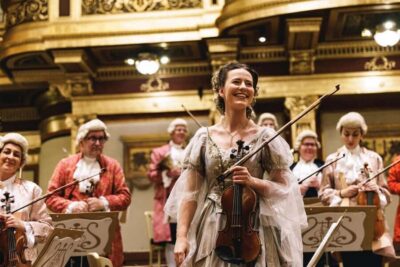
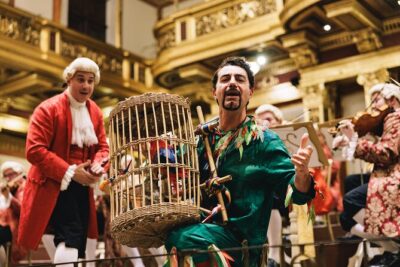
Vienna State Opera House Mozart Concert in Historical Costumes
Read our review →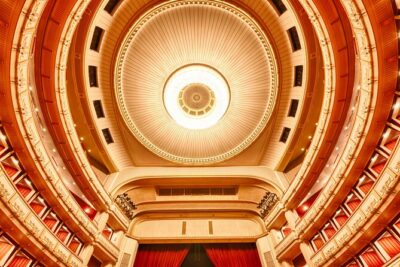
STATE OPERA – PRIVATE guided tour (tickets included)
Read our review →Browse the lists this tour appears in