
Reviewed · WORKSHOPS
Viennese Waltz Workshop
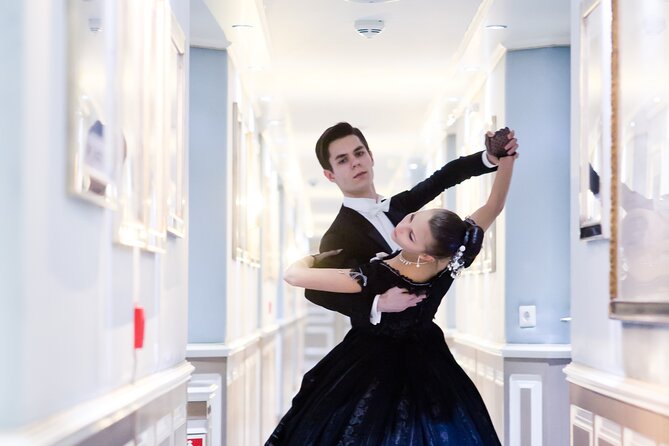
Vienna’s waltz is not just a dance lesson. It is a quick, hands-on introduction to one of the city’s great social traditions, taught in an elegant ballroom to music by Johann Strauss. You’ll learn the basic pattern, improve your posture, and get a feel for the etiquette behind Vienna’s famous balls.
I like the patient teaching, especially for couples with no ballroom experience, and I like the way the lesson adds cultural context instead of treating the waltz as mere footwork. The central location and $59.13 price also make this an easy activity to fit into a Vienna afternoon.
The main catch is the strict start time. Doors close on time, and arriving only a few minutes late can mean missing the class entirely. This is also a couples-only activity, with a minimum booking of two people.
Key points at a glance
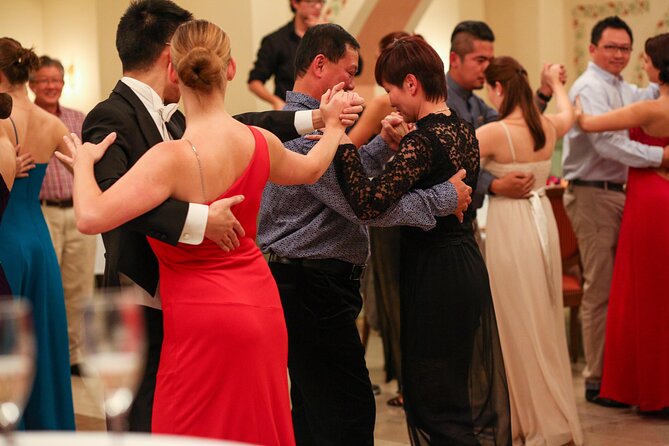
- A true beginner lesson: You need no previous dance experience, and the instructor breaks the waltz into manageable steps.
- Johann Strauss on the ballroom floor: You finish by dancing to classic Viennese waltz music, including the Blue Danube.
- A small-group feel: Classes may include only a few couples, though the advertised maximum is 30 participants.
- Instruction in English: German support is available if needed.
- A central meeting point: Start and finish at Griechengasse 6 in Vienna’s first district.
- Arrive early: You are asked to arrive 15 minutes before the start, and late entry is not guaranteed.
Why learn the waltz in Vienna?
The Viennese Waltz is closely tied to Vienna’s social life, formal balls, and musical identity. A short workshop gives you a practical way to connect with that tradition. Instead of only seeing grand ballrooms or hearing Strauss in a concert hall, you take part in the movement that made these spaces famous.
You do not need to be preparing for a formal ball. The class is also a pleasant cultural activity for a couple looking for something different from museums, palaces, and coffeehouses. You leave with a basic dance pattern, a better sense of ballroom manners, and a story to attach to Vienna’s music.
I especially like that the workshop blends movement with explanation. You are not simply told where to put your feet. The instructor also covers posture, partner etiquette, and some of the customs connected with Viennese balls. That helps the dance make sense as a social tradition rather than an exercise routine.
The activity is aimed at people who can move comfortably, and no previous training is required. The tone described by the teaching experience is friendly and relaxed, which matters when you are trying to coordinate your feet, your partner, and the turning motion all at once.
A few more Vienna days worth a look
- Vienna: Chocolate Workshop in Chocolate Museum w/ Tasting
★ 4.5 · 1,802 reviews - Chocolate workshop in Chocolate Museum Vienna “BO-YO”
★ 4.5 · 352 reviews - Nabiel’s Vienna Cooking Class
★ 5.0 · 234 reviews
Meeting at Griechengasse 6
You meet at Griechengasse 6, 1010 Wien, in central Vienna. The activity begins and ends at the same location, so you do not need to arrange a separate return transfer.
The meeting point is near public transportation, but give yourself extra time to find the entrance. One useful practical tip is to keep the directions and location photo from your booking message available on your phone. The studio can take a little searching, particularly in a busy central street.
Plan to arrive about 15 minutes early. This is not a flexible drop-in class. The provider keeps the workshop moving and may not open the door once instruction has started. One late arrival caused a serious problem for a couple who reached the location about five minutes after the start, so treat the arrival time as part of the booking, not a suggestion.
Vienna’s central streets can also slow taxis and cars, especially when pedestrian traffic is heavy. Public transportation or walking may give you better control over your timing. I would avoid scheduling another important activity immediately beforehand.
The first steps: posture, rhythm, and the box
The instructor begins by demonstrating the basic steps. You work on posture and learn how the partners coordinate their movement. For complete beginners, this opening is the most useful part of the class because it removes some of the mystery from the dance.
Several teaching approaches are possible within the workshop. The basic box step may come first, followed by the Viennese waltz pattern as the group becomes more comfortable. The instructor adjusts the pace to suit the couples in the room, so a couple with some ballroom experience may move ahead while first-time dancers receive more help.
You should not expect a full ballroom course in 50 minutes. The aim is a working introduction, not polished competition technique. The best result is that you can recognize the rhythm, move with your partner, and attempt the basic turns without feeling completely lost.
A small detail can surprise American dancers: the starting foot may differ from what you have learned in some US studios. The workshop begins with the right foot forward for one partner, rather than the left-foot start some dancers know. It is easy to adjust, but it is worth paying attention during the demonstration.
The instructor also helps with simple partner communication. That can be more valuable than memorizing extra figures. If one person leads clearly and the other stays relaxed, the dance feels much easier.
Strauss music and the moment it comes together
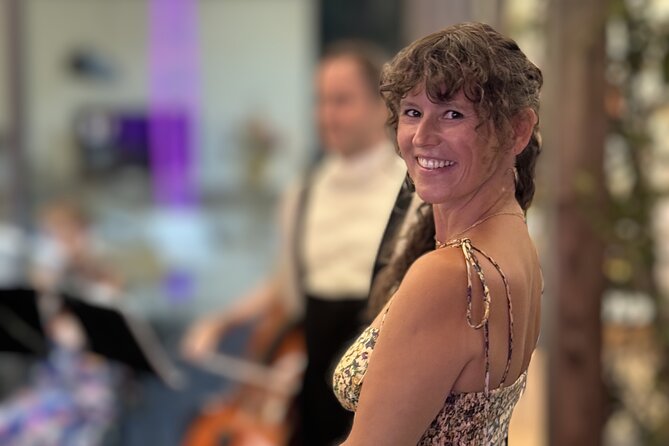
Once you have practiced the movements, you dance to Johann Strauss. The Blue Danube is specifically associated with the class, and hearing that music while moving around a Viennese ballroom gives the lesson its strongest sense of place.
This is where the activity becomes more than a short instructional session. You connect the familiar sound of Strauss with the physical rhythm of the dance. Even if your footwork is not perfect, you can appreciate why the waltz remains such a strong part of Vienna’s identity.
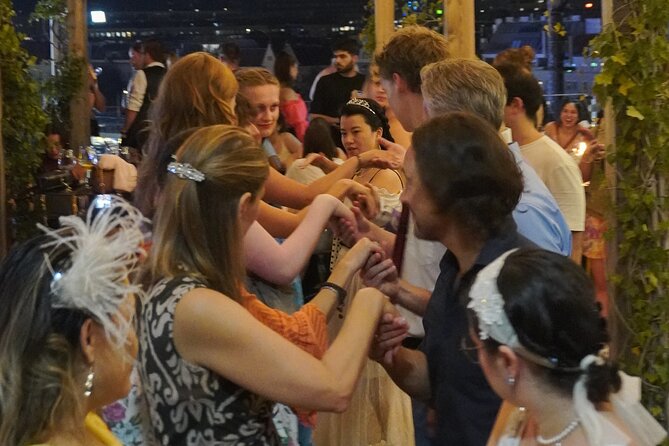
The class may also introduce Schunkeln, a simple swaying step used to change direction, rest, or keep time. A few open moves shared with other ballroom dances may follow the basic waltz pattern. These additions are useful because they give you something to do when you need a break from continuous turning.
The workshop is not designed to make you a finished dancer by the end. It is designed to give you enough confidence to keep practicing. Some couples find that the lesson inspires them to continue with classes at home, while others simply enjoy the novelty of dancing in Vienna.
A completely different way to spend a day here:
- Vienna: Vivaldi’s Four Seasons Concert in Karlskirche
★ 4.7 · 14,951 reviews - Vienna: Spanish Riding School Training
★ 3.9 · 9,281 reviews - Vienna: Skip-the-cashier-desk-line Giant Ferris Wheel Ride
★ 4.5 · 7,859 reviews - Vienna: Schönbrunn Palace & Gardens Skip-the-Line Tour
★ 4.7 · 7,739 reviews
An elegant ballroom with time for photos
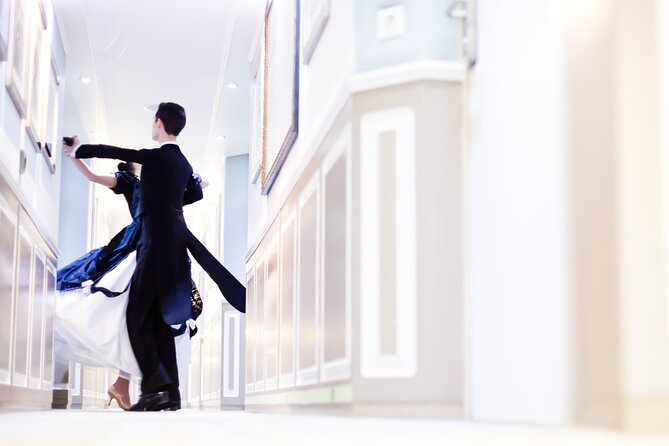
The ballroom is part of the appeal. The setting gives the workshop a more authentic feel than practicing steps in a plain activity room. You also receive time for personal photos, which is useful if you have dressed up for the occasion or want a keepsake from the experience.
Clothing and shoes are not included, and rental is not provided. Wear something that lets you move comfortably. You do not need formal ball attire, but restrictive clothing or uncomfortable shoes can make turning harder.
The setting is elegant, but do not confuse the workshop with attendance at a formal Viennese ball. You are learning the movements and some of the traditions behind them. The class does not include food or drinks, and the stated package is the lesson, ballroom use, photo time, and online video access.
The free Global Waltz Club online video recap is a helpful extra. Use it after the class to remember the sequence while the instructions are still fresh. For beginners, a short recap can make the difference between remembering the general rhythm and losing the steps by the next morning.
The instructors and teaching style
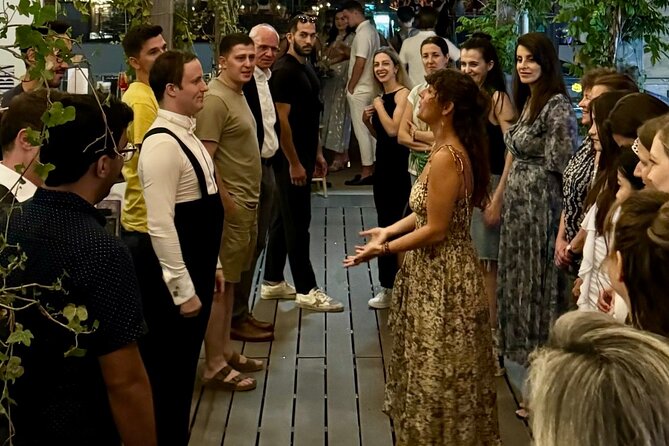
The instructors named in the feedback include Aga and Philip. Aga is repeatedly described as patient, encouraging, and clear, while Philip is noted for his friendly and engaging approach. Instruction is in English, and German support is available if needed.
The strongest part of the teaching is the ability to work with different levels in one room. Beginners receive a simple breakdown, while people with some ballroom experience can progress to additional movements. The class also suits mixed-age groups, with no stated age restriction.
You may have a group class with several couples, or you may find yourself in a very small session. One couple was upgraded to a private lesson when no other participants had booked that time. That kind of small class allows more direct correction, though you should not assume a private lesson will be available.
The advertised maximum is 30 travelers. That is a larger possible capacity than the small classes described in the feedback, so group size can vary. If personal attention is your top priority, ask about the expected class size before booking, but understand that the activity is sold as a group workshop.
The teachers also seem willing to keep the atmosphere light. That matters because dancing with a partner can feel awkward at first, especially when one person has two left feet. A relaxed class gives you room to make mistakes without turning the lesson into a test.
Is $59.13 good value?
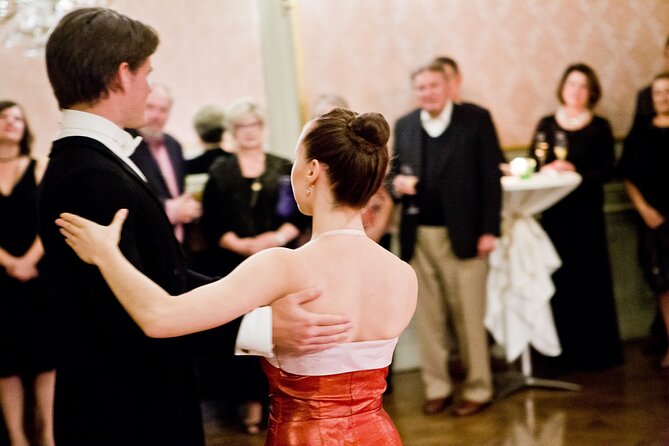
At $59.13 per person, the workshop is reasonably priced for a central Vienna cultural activity that includes instruction, ballroom use, photo time, and an online recap. The value depends on what you want from it.
If you want a full dance course, 50 minutes will feel short. One hour can pass quickly once the instructor explains posture, demonstrates the pattern, helps individual couples, and gives you time to dance to Strauss. A participant specifically found the lesson a little brief, even while enjoying it.
If you want one memorable activity that connects music, local tradition, and your own participation, the price makes more sense. You are paying for a guided introduction, not just access to a room. The cultural explanation and ballroom setting give the session more purpose than a generic dance class.
The price is particularly fair for a couple. Since the booking requires at least two people, it is designed around partners rather than solo drop-ins. Friends or family members can also book together if they are comfortable dancing in pairs.
There is no food, drink, pickup, or clothing rental included. Keep those exclusions in mind when comparing it with other evening activities. The workshop is best seen as a focused cultural stop, not a complete night out.
Who should book this workshop?
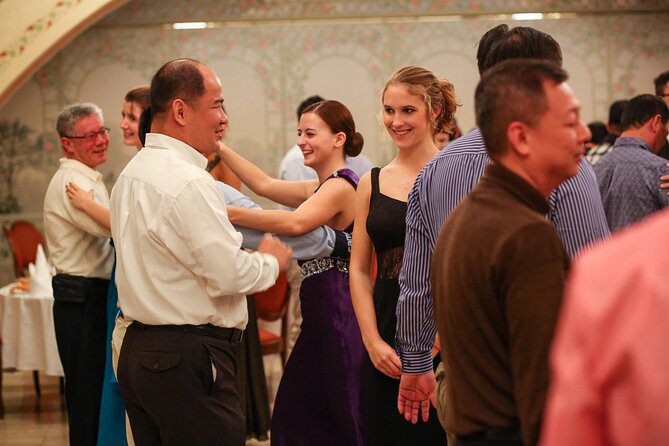
I would recommend it most strongly to:
- Couples who want a shared activity beyond sightseeing
- First-time dancers who prefer patient instruction
- Visitors attending a Viennese ball or formal event
- People who enjoy Strauss and want to experience the music physically
- Small groups of friends or family who can pair up
- Anyone looking for an activity that works across different ages and ability levels
You do not need to be graceful. In fact, the class may be most rewarding if you are starting from zero. The instructor’s job is to break the movement into small parts and help you build confidence.
This may not suit you if you dislike partner dancing, have very limited mobility, or need a flexible arrival time. It is also less suitable for a solo visitor because the booking requires at least two people.
Practical planning for your Vienna day
Book ahead if your schedule is fixed. The activity is booked an average of 44 days in advance, which suggests that popular dates can fill before your trip. You receive confirmation at booking, and the mobile ticket is convenient for a day of sightseeing.
Place the lesson where you can reach it without rushing. Since the location is central, you can pair it with other first-district sights, but leave a generous buffer before the start time. A late arrival can mean missing the workshop with no refund.
The cancellation policy allows a full refund if you cancel at least 24 hours before the local start time. Changes or cancellations inside that window are not refunded. If the minimum number of participants is not reached and the activity is canceled, you will be offered another date or experience, or a full refund.
Service animals are allowed, and the activity is suitable for most people who can move. The provider states that most travelers can participate, but the class does involve standing, stepping, and partner movement for about 50 minutes.
Should you book the Viennese Waltz Workshop?
Yes, if you want an easy, personal way to connect with Vienna’s music and social traditions. The strongest reasons are the patient beginner-level teaching, the elegant ballroom, and the chance to finish dancing to Strauss rather than only listening to him.
Book it with realistic expectations. You will learn the foundations, not master the waltz, and the 50-minute format can feel short. Arrive early, wear comfortable clothes and shoes, and make sure your partner is ready to participate.
For a couple, this is one of the more distinctive ways to spend an hour in Vienna. It gives you a simple skill, a cultural story, and a shared memory without taking over your day. Just do not leave arrival to the last minute.
FAQ
How long does the Viennese Waltz Workshop last?
The workshop lasts approximately 50 minutes.
Where does the workshop begin and end?
It begins and ends at Griechengasse 6, 1010 Wien, Austria.
Is the lesson suitable for complete beginners?
Yes. No previous dance knowledge is required, and the activity is suitable for anyone able to move.
Is the instruction given in English?
Yes. The main instruction is in English, with German support available if needed.
Do I need to book with a partner?
Yes. The activity is available only for couples, and each booking requires a minimum of two people.
Can I cancel for a full refund?
Yes, if you cancel at least 24 hours before the local start time. Cancellations or changes made less than 24 hours before the experience are not refunded.
Just added around Vienna
- Vienna: UNESCO Schönbrunn Palace Guided Tour with Entry★ 4.5 · 94 reviews
- World War II History Vienna Old Town Private Walking Tour★ 4.8 · 9 reviews
- Vienna: Winery and Wine Tasting Tour with a Wine Expert★ 5.0 · 5 reviews
- Vienna: Wine Tasting Tour★ 4.8 · 61 reviews
- Vienna: Wine Tasting E-Bike Tour★ 4.9 · 46 reviews
- Vienna: Wine Tasting at Schönbrunn Palace★ 4.3 · 71 reviews
- Vienna: Concert by the Vienna Baroque Orchestra★ 4.6 · 56 reviews
- Vienna: Wachau Valley Private Kayak and Wine Tour★ 5.0 · 3 reviews
Workshops, compared.

Chocolate Workshop in Chocolate Museum w/ Tasting
Read our review →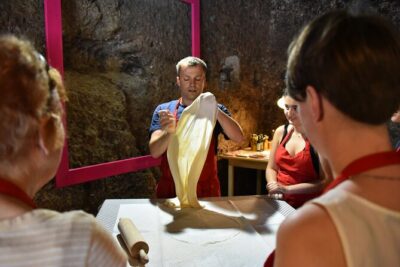
Austrian Apple Strudel Cooking Class including Lunch in Salzburg
Read our review →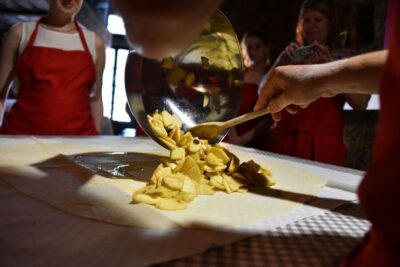

Chocolate workshop in Chocolate Museum Vienna “BO-YO”
Read our review →
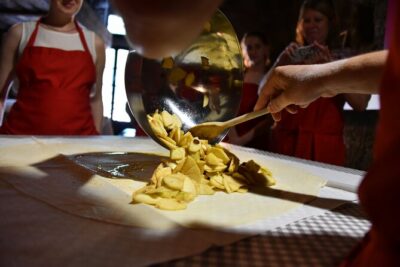
Salzburg Christmas Cookies and Apple Strudel Cooking Lesson
Read our review →
Traditional Kaiserschmarrn Cooking Class & Tasting
Read our review →
Cookies and Apple Strudel Cooking Class Including Lunch
Read our review →Browse the lists this tour appears in