
Reviewed · CITY TOURS
Vienna: City Highlights Guided Walking Tour & Old Town
Vienna’s historic center is compact, but its story is not. In two hours, this walking tour links Roman Vienna, the medieval Jewish quarter, the Habsburg court, and modern city life in one steady route. You’ll pass through courtyards and passageways that are easy to miss when you’re sightseeing on your own, then finish beside St. Stephen’s Cathedral.
I like the way the tour mixes famous sights with quieter corners, and I like its modest $25 price, especially if this is your first day in Vienna and you want quick orientation. The main caution is pace and depth: one Italian-language review found the information lighter than a city as important as Vienna deserves, so this works best as an introduction rather than a full history lesson.
Key points at a glance
- A two-hour route through central Vienna: The walk covers the old town, Hofburg surroundings, palace gardens, Ring Street, and St. Stephen’s Cathedral.
- History from several periods: You’ll hear about Ancient Rome, the Middle Ages, Vienna’s Jewish community, and the Habsburg era.
- Small details beyond the headline sights: Look for picturesque passageways, courtyards, and stories about Vienna’s famous Sacher cake.
- A useful first-day activity: The route gives you ideas for museums, churches, cafés, and further exploring after the tour ends.
- English and Italian options: The live guide leads the walk in one of these two languages.
- A gentle practical requirement: Comfortable shoes matter, since the experience is a city walk rather than a bus tour.
Why this short Vienna walk works
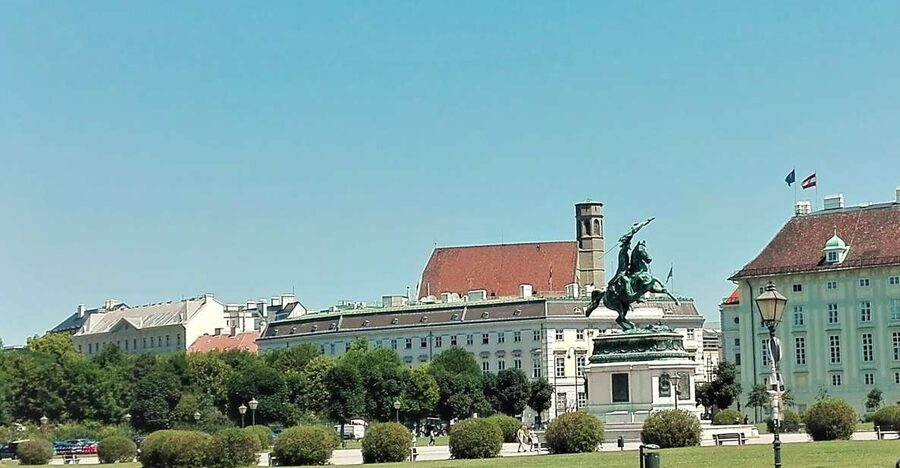
Vienna can feel grand from the first glance. The palace buildings are enormous, the churches are richly decorated, and the Ring Street seems designed to make every visitor stop for a photograph. The trouble is that grandeur alone does not explain the city.
This tour gives you a basic map of Vienna’s past and present. You move from the city’s Roman beginnings to its medieval center, then into the world of the Habsburg rulers and the modern institutions that now occupy their former palace. That sequence helps you understand why central Vienna looks the way it does.
I especially like the contrast between the large public sights and the smaller spaces along the way. A grand palace tells you about imperial power. A narrow passageway or quiet courtyard shows how the city was built for everyday life. In a short tour, that balance keeps the walk from becoming a procession of famous façades.
The tour is led by a licensed local guide, with English and Italian available. The supplied information names Astrid Stangl as the experience provider, but it does not identify the individual guide who will lead every departure. Your booking details should confirm the language and meeting point for your selected option.
More City Tours in Vienna
- Vienna: Guided Walking Tour of City Highlights & Hidden Gems
★ 4.9 · 2,180 reviews - Vienna: City Sightseeing Tour in an Electro Vintage Car
★ 4.7 · 1,085 reviews - Skip-the-Line Schonbrunn Palace Guided Tour and Vienna Historical City Tour
★ 3.5 · 940 reviews
Starting beside Roman Vienna
There are two possible starting points: the Art Gallery Carré d’artistes Wien or the Wien Museum Römermuseum. The second option places you near Vienna’s Roman remains, which fits the tour’s opening look at Ancient Roman Vienna.
That beginning gives useful context. Vienna was not created only as an imperial capital. Its story reaches back to an earlier settlement and military world, and traces of that past sit beneath the modern city. Even if you do not spend extra time inside the Roman museum, starting near it can sharpen your sense of how old the city center really is.
Because the starting location varies, check the selected option carefully before you set out. This is one of the few details that can affect your morning or afternoon planning. The tour itself lasts two hours, but finding the correct starting point is your responsibility.
Medieval streets and Vienna’s Jewish quarter
The route then moves through the historic center and the medieval Jewish quarter. This is one of the most valuable parts of the walk because it adds a human story to Vienna’s stone buildings.
You’ll hear about medieval Vienna and the Jewish community that lived in the center. The subject deserves attention, and the tour gives it a place within the wider city story instead of treating Vienna as only a city of palaces and music.
Expect to walk through picturesque passageways and pause at one or more courtyards. These stops may not have the visual impact of St. Stephen’s Cathedral, but they help you read the old town at street level. You begin to notice how the city’s lanes, entrances, and enclosed spaces fit together.
The depth of this history may depend on the guide and the group’s questions. The two-hour format requires choices, so you should not expect a detailed study of medieval Jewish life or a long visit at every site. If that is your main interest, use this walk as a starting point and plan a separate museum or site visit.
The Hofburg and the Habsburg court
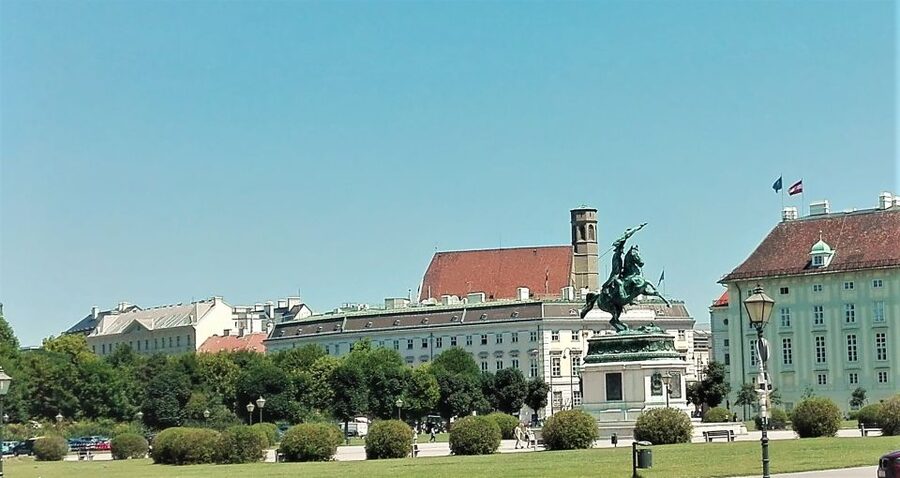
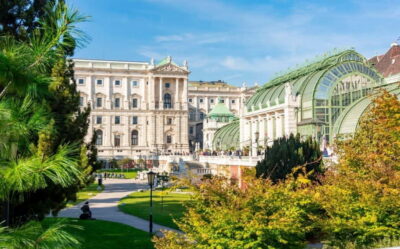
The walk continues around the Hofburg, the former residence of the Habsburgs. Today, the palace area contains several museums and other public uses, but the buildings still make the old imperial system easy to picture.
Here the guide explains the former residents and how the palace area functions now. That change from royal residence to public and cultural center is a useful piece of Vienna’s modern story. You are not simply looking at old walls. You are seeing a former seat of power adapted to present-day city life.
The Hofburg area also helps put Vienna’s scale in perspective. The complex is large enough to feel like a district rather than a single palace, and a walking explanation can show how its different parts relate to the surrounding center. You should expect an exterior-focused visit rather than a full palace tour, since the experience is a guided walk and does not list interior admissions.
That matters when you compare prices. At $25, you are paying for a guided overview, not entry to every museum or palace room. The value comes from the route, the explanation, and the time saved figuring out how the central sights connect.
More Walking Tours in Vienna
- Vienna: Guided Walking Tour of City Center Highlights
★ 4.7 · 4,989 reviews - Vienna: Vienna Central Cemetery Guided Walking Tour
★ 4.8 · 3,307 reviews - Vienna: Viennese Underworld Guided Walking Tour
★ 4.7 · 1,865 reviews - Vienna: World War II Historical Walking Tour
★ 4.8 · 1,772 reviews
A pause among 3,000 rose bushes
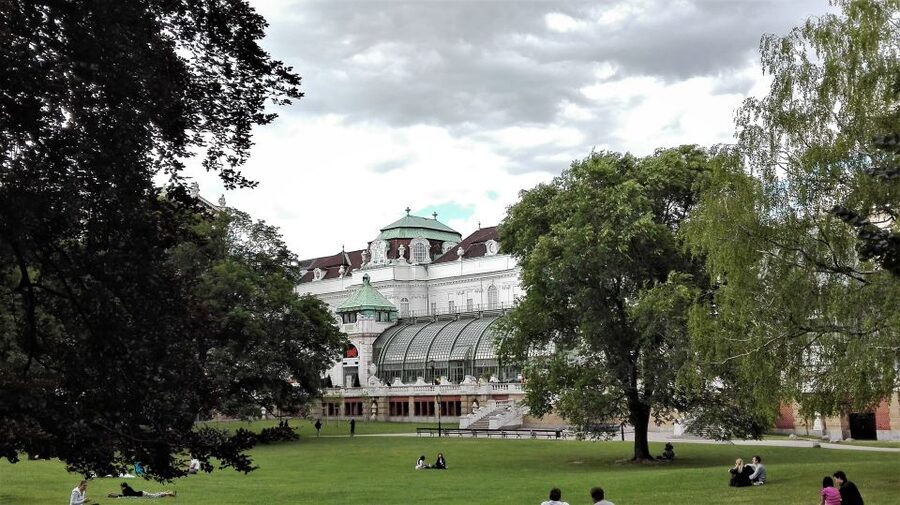
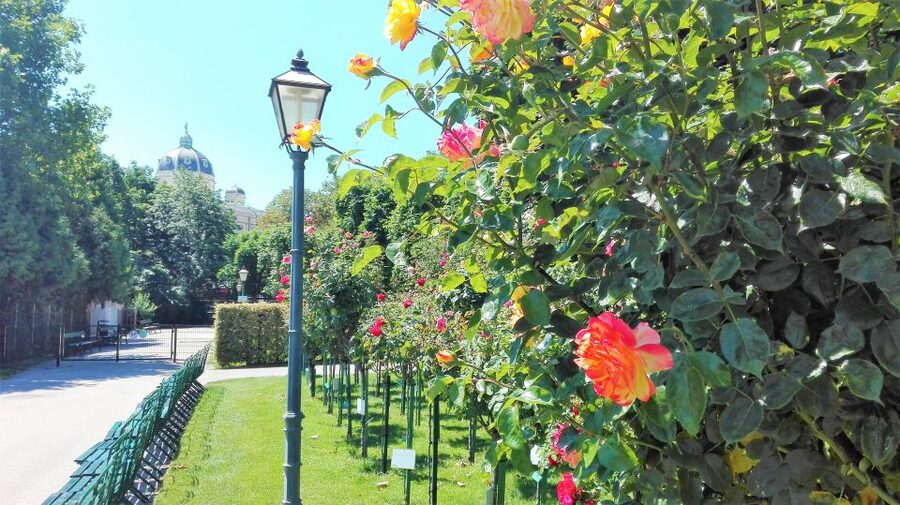
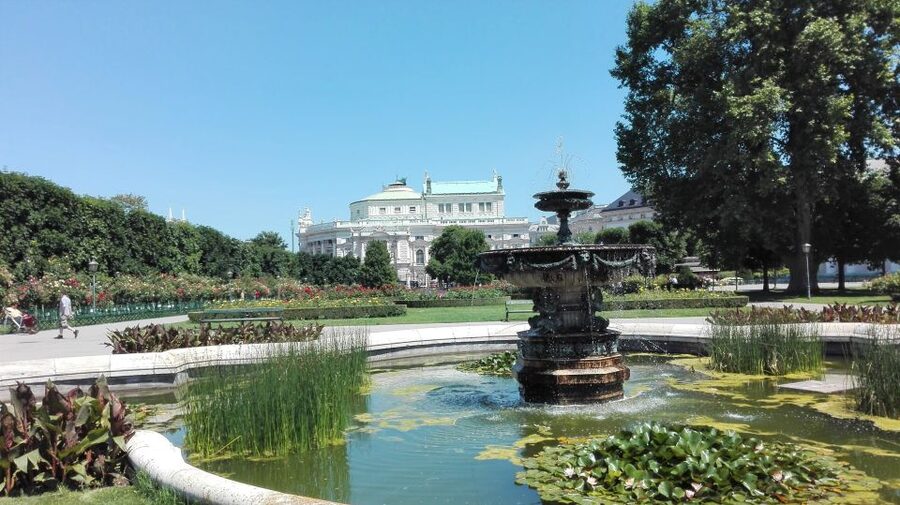
The former palace gardens offer a pleasant change from paved streets. The tour includes a stroll through the gardens, with the chance to enjoy the scent of about 3,000 rose bushes.
This garden stop gives the walk breathing room. After medieval lanes and imposing palace buildings, a green space makes Vienna feel less formal and more lived-in. It is also one of the better moments for photographs, especially if the roses are in bloom.
Do not treat the garden as a long rest break. The entire route lasts two hours, so the stop is part of a moving city walk rather than a leisurely garden visit. Still, it adds variety and gives you a sense of the former palace grounds beyond the main courtyards and ceremonial buildings.
Ring Street, cake, and the Habsburg crypt
The tour also introduces the history of Vienna’s famous Ring Street and its impressive buildings. This is a chance to understand the broad avenue as more than a grand road for sightseeing. Its architecture reflects the city’s later development and the public image Vienna wanted to project.
Food gets a place on the route, too. You’ll hear the story of Sacher cake and learn about other cakes worth trying during your stay. This is a small detail, but it is practical. Vienna’s café culture is part of how the city is experienced, and a guide can point you toward local specialties before you choose a pastry at random.
The walk passes the Capuchin Crypt, the Habsburg family crypt. The crypt is a strong reminder that the dynasty’s story was not only about palaces, ceremonies, and public power. It also involved family, burial, and succession, all concentrated in a site within the old town.
The information provided does not say that the tour enters the crypt. Plan on seeing or passing the site from the route unless your guide tells you otherwise. If you want to visit inside, check admission details separately.
Ending at St. Stephen’s Cathedral
The final landmark is St. Stephen’s Cathedral at Stephansplatz, the best-known focal point in Vienna’s old town. Ending here makes practical sense. You finish near one of the city’s main reference points, with the central streets close at hand.
The listed drop-off locations include Stephansplatz and Schulerstraße in the 1010 district. The activity information also says the walk ends back at the meeting point, while the route details list these central end locations, so check your confirmation for the exact arrangement attached to your booking option.
St. Stephen’s Cathedral works well as the final stop because it brings several parts of the tour together. It is a medieval landmark in the heart of the modern city, surrounded by cafés, shops, lanes, and public transport connections. Even if you do not go inside during the walk, you can return later with a better sense of where it fits in Vienna’s old town.
What $25 buys you
At $25 per person, this is priced as an accessible introduction to central Vienna. You get two hours with a licensed local guide, in English or Italian, and a route that includes more than a simple parade past the city’s major sights.
The price is strongest for first-time visitors who want a framework. After the walk, you should have a clearer idea of where the Hofburg, Capuchin Crypt, old town lanes, palace gardens, Ring Street, and St. Stephen’s Cathedral sit in relation to one another. You also leave with suggestions for cakes and other places to investigate.
The value is less clear if you already know Vienna well or want detailed academic history. One Italian-language assessment described the information as limited for a city of Vienna’s importance, while still noting that the guide was kind and available. That is a useful warning: expect a friendly overview, not an expert seminar.
The tour does not list entrance tickets, food, or drinks as included. You are paying for the walking route and guide. Keep extra time and money for museums, the cathedral, the Capuchin Crypt, or a café stop if you want to explore the interiors and taste the local specialties.
Timing, shoes, and access
The duration is two hours, with starting times shown when you check availability. That makes the tour easy to place on a first or second day in Vienna, but the exact departure matters if you have museum reservations or train plans.
Wear comfortable shoes. The route includes old-town streets, passageways, courtyards, palace surroundings, gardens, and city squares. Even a short walk can feel demanding when you stop often, so sensible footwear is more useful here than dress shoes.
The activity is listed as wheelchair accessible. Because the route includes historic streets, passageways, courtyards, and gardens, confirm any specific mobility needs when booking. The available information does not describe the surface or access details at each stop.
Cancellation is free up to 24 hours before the activity for a full refund. You can also reserve now and pay later, which helps if your Vienna schedule is still moving around.
Who should book this walk
I would choose this tour if you are visiting Vienna for the first time, want a short introduction, or prefer to learn the city by walking rather than looking out of a vehicle window. It also suits anyone who wants a mix of major landmarks and less obvious corners without committing to a half-day program.
It is a good fit for visitors who enjoy a story about a building, then a change of scene at a courtyard or garden. The Roman, medieval, Jewish, Habsburg, architectural, and café themes give you several ways into the city.
I would be more cautious if your main goal is detailed Jewish history, extensive Roman archaeology, or a full explanation of every Habsburg building. The route touches all these subjects, but two hours limits the amount of detail possible. In that case, book this only as an orientation and add a focused visit afterward.
Should you book it?
Book this walk if you want a friendly, central overview for $25, especially near the start of your Vienna stay. The route connects important places in a logical way and adds useful touches such as palace gardens, courtyards, the Capuchin Crypt, and Sacher cake.
Skip it if you already know the old town or need a specialist guide with long stops and dense historical detail. For most first-time visitors, though, it offers a practical beginning: two hours on foot, a licensed local guide, a clear sense of the center, and plenty of ideas for what to do next.
FAQ
How long does the Vienna walking tour last?
The tour lasts two hours.
What language is the tour conducted in?
The live guide is available in English or Italian.
What sights are included on the route?
The route includes Vienna’s historic center, medieval areas, the former Jewish quarter, the Hofburg surroundings, former palace gardens, Ring Street, the Capuchin Crypt, and St. Stephen’s Cathedral.
Does the tour visit St. Stephen’s Cathedral?
The tour ends at or near St. Stephen’s Cathedral in Stephansplatz. The provided information does not state that interior admission is included.
Does the tour visit the Hofburg?
The walk explores the surroundings of the Hofburg and explains its former Habsburg residents and present-day use. Palace entry is not listed as included.
Is the tour wheelchair accessible?
The activity is listed as wheelchair accessible.
What should I bring?
Bring comfortable shoes suitable for a two-hour city walk.
Where does the tour start?
The starting point varies by the option booked. The listed possibilities are Art Gallery Carré d’artistes Wien and Wien Museum Römermuseum.
Where does the tour end?
The listed end locations are Stephansplatz and Schulerstraße in Vienna’s 1010 district. The activity information also says it ends back at the meeting point, so check the details for your selected option.
Can I cancel for a refund?
You can cancel up to 24 hours in advance for a full refund. The activity also allows you to reserve now and pay later.
Just added around Vienna
- Vienna: UNESCO Schönbrunn Palace Guided Tour with Entry★ 4.5 · 94 reviews
- World War II History Vienna Old Town Private Walking Tour★ 4.8 · 9 reviews
- Vienna: Winery and Wine Tasting Tour with a Wine Expert★ 5.0 · 5 reviews
- Vienna: Wine Tasting E-Bike Tour★ 4.9 · 46 reviews
- Vienna: Wine Tasting at Schönbrunn Palace★ 4.3 · 71 reviews
- Vienna: Wine Tasting Tour★ 4.8 · 61 reviews
- Vienna: Wiener Schnitzel and Strudel Cooking Class★ 4.9 · 126 reviews
- Vienna: Concert by the Vienna Baroque Orchestra★ 4.6 · 56 reviews
City Tours, compared.
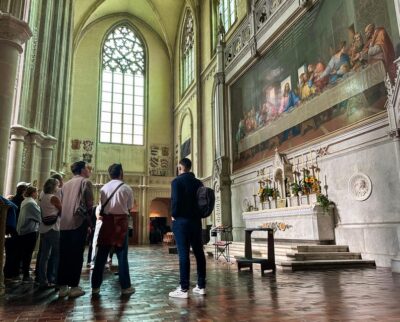
Guided Walking Tour of City Highlights & Hidden Gems
Read our review →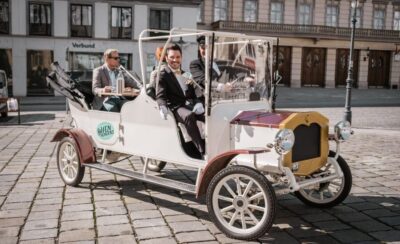
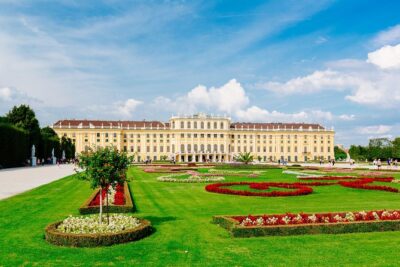
Skip-the-Line Schonbrunn Palace Guided Tour and Vienna Historical City Tour
Read our review →

Small Group Guided Walking Tour of City Highlights
Read our review →
Browse the lists this tour appears in