
Reviewed · WALKING TOURS
An Introduction to Vienna Walking Tour
The most important thing to know is that this experience is described as a Berlin contemporary-art tour, yet its location and meeting point are listed in Vienna. The advertised route runs from Auguststraße in Mitte to Potsdamer Straße, not through Vienna. That mismatch needs clearing up before you pay $176.
I like the focus on expert guides with backgrounds in art history, journalism, criticism, or academia. I also like the route itself: it connects intimate spaces in courtyards and basements with major galleries, while explaining why Berlin became an art center after 1989. Guides such as Katarina, Katerina, and Elsa are praised for making the history lively and easy to follow.
The drawback is simple but serious: the city details conflict. If you are staying in Vienna, do not assume this is a Vienna walking tour. Confirm the correct city, meeting point, and route with the provider before booking.
Key points to know before booking
- Berlin route, Vienna label: The description centers on Mitte and Potsdamer Straße, while the meeting point is Café Hawelka in Vienna.
- Three hours on foot: Bring comfortable shoes and expect a walking-heavy outing, plus a subway ride between the two Berlin areas.
- About 30 art spaces: The Potsdamer Straße area includes small projects, established galleries, courtyards, and basement venues.
- Academic-level guiding: Guides may be professors, doctoral students, historians, journalists, art critics, or published authors.
- Private and small-group options: A private tour can suit families or groups with special needs, but the $176 price is easier to justify when shared among several people.
- No video recording: You can take in the exhibitions and discussion, but filming is not allowed.
First, sort out the Vienna and Berlin confusion
I would pause before booking this experience. Its headline identifies Vienna, Austria, and the meeting point is Café Hawelka at Dorotheergasse 6 in central Vienna. Yet every major sightseeing detail belongs to Berlin.
The route begins on Auguststraße in Mitte. It then continues by subway to Potsdamer Straße, south of the Neue Nationalgalerie. The galleries named include Esther Schipper, Isabella Bortolozzi, Gitti Nourbakhsch, Guido Baudach, Arndt, Plan B, Tanya Leighton, and Klosterfelde. These are not Vienna stops.
That may be a simple publishing error, a misplaced tour title, or a problem with the booking details. I cannot tell which from the information provided. Do not treat the Vienna café as a harmless starting point. If you arrive in Vienna expecting a local walking tour, you would be in the wrong city for the stated itinerary.
Before booking, ask the provider one direct question: Is this a Berlin tour beginning in Berlin, or a Vienna tour beginning at Café Hawelka? Also ask which guide, route, and meeting point apply to your date. The experience provider is insightcities.com, and that is the right place to seek clarification.
More Walking Tours in Vienna
- Vienna: Guided Walking Tour of City Center Highlights
★ 4.7 · 4,989 reviews - Vienna: Vienna Central Cemetery Guided Walking Tour
★ 4.8 · 3,307 reviews - Vienna: Guided Walking Tour of City Highlights & Hidden Gems
★ 4.9 · 2,180 reviews
Why the Berlin art story is worth your time
Assuming the intended experience is the Berlin tour, its strongest feature is the link between art and city change. You are not simply taken from one white-walled gallery to another. The guide explains why artists and dealers gathered in Berlin after the Berlin Wall fell in 1989.
The reasons given are practical. Rents were affordable, open spaces were plentiful, and Berlin had a relatively liberal climate. Those conditions gave artists, gallerists, and project organizers room to try things that would have been harder to finance in more expensive European capitals.
That context matters. A gallery visit can feel detached from daily life if you only see the finished exhibition. Here, the streets, courtyards, former industrial spaces, and less polished blocks help explain how the city’s art economy took shape.
I also like that the story covers movement within Berlin. Mitte was an early center for galleries, but rising rents and changing conditions pushed many dealers south toward Potsdamer Straße. The tour uses that shift as part of the story rather than presenting Berlin’s gallery scene as fixed.
You should not expect a museum lecture with a set list of masterpieces. The exhibitions change, and the exact stops depend on what is open and on current shows. The value comes from seeing how the galleries operate and from having a specialist explain what you are looking at.
Auguststraße and the early Mitte gallery scene
The stated starting point is Auguststraße in Mitte, an area with a large concentration of galleries and art projects. One important reference point is Kunst Werke, a contemporary art institution founded in the early 1990s.
The guide may take you into smaller galleries as well, depending on current exhibitions. That uncertainty is part of the appeal, but it also means you should not book expecting a fixed checklist of famous artists or guaranteed interior access to every named venue.
Mitte is useful as the opening chapter because it shows where Berlin’s post-Wall art activity gathered first. You can ask how galleries chose their locations, how changing rents affected them, and how private galleries differ from nonprofit or artist-led spaces.
This part should suit you if you like discussion as much as sightseeing. You may spend time looking at one show, then move through a modest entrance or shared building to another space. The contrast between polished gallery rooms and less formal project venues is part of the point.
The walking pace may be manageable for many people, but the tour is not designed for those with mobility impairments. You will need comfortable shoes, and you should be ready for three hours of movement with periods of standing. One guide, Katerina, made time for rests during a three-hour city introduction, which suggests that a good guide can adjust the pace, but you should still discuss mobility needs in advance.
The subway ride to Potsdamer Straße
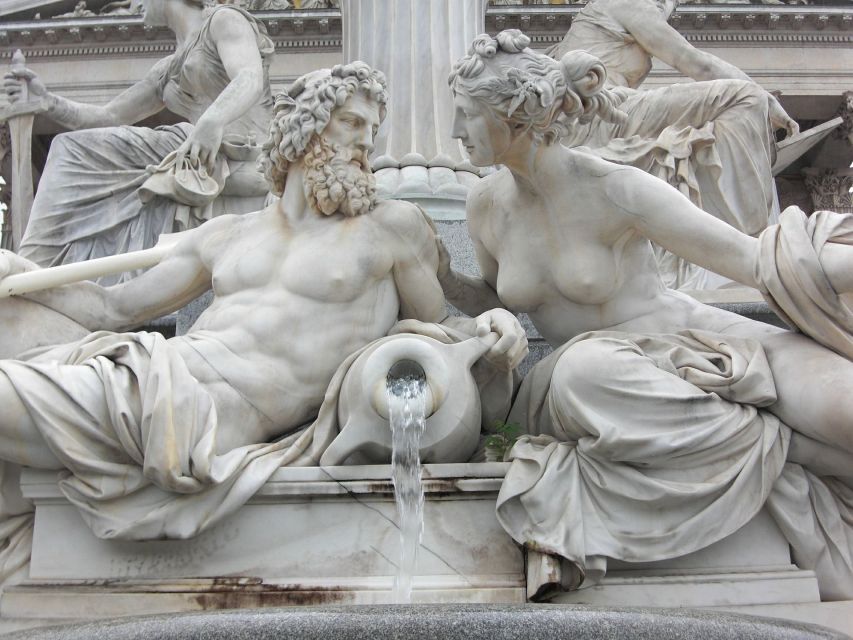
The move from Mitte to Potsdamer Straße is not just transport between attractions. It reflects the way Berlin’s gallery activity shifted from one part of the city to another.
The description says you take the subway to Potsdamer Straße. That gives the tour a useful change of setting, but it also means the experience is not a continuous walk from start to finish. If you hoped for three quiet hours on foot, factor in the subway segment.
Potsdamer Straße is presented as an unpolished neighborhood with roughly 30 galleries and art project spaces scattered along the strip and nearby streets. That description should set your expectations. This is not a neatly packaged art district where every gallery is beside the next. You may walk between conventional storefronts, side entrances, courtyards, and basement rooms.
I find that kind of route more revealing than a polished museum quarter. It shows how art spaces fit into an ordinary part of the city. At the same time, the rougher setting can make orientation harder, especially if you are visiting Berlin for the first time. Your guide is especially useful here because the point is not always obvious from the street.
A completely different way to spend a day here:
- Vienna: Vivaldi’s Four Seasons Concert in Karlskirche
★ 4.7 · 14,951 reviews - Vienna: Spanish Riding School Training
★ 3.9 · 9,281 reviews - Vienna: Skip-the-cashier-desk-line Giant Ferris Wheel Ride
★ 4.5 · 7,859 reviews - Vienna: Schönbrunn Palace & Gardens Skip-the-Line Tour
★ 4.7 · 7,739 reviews
Esther Schipper, Plan B, and the larger galleries
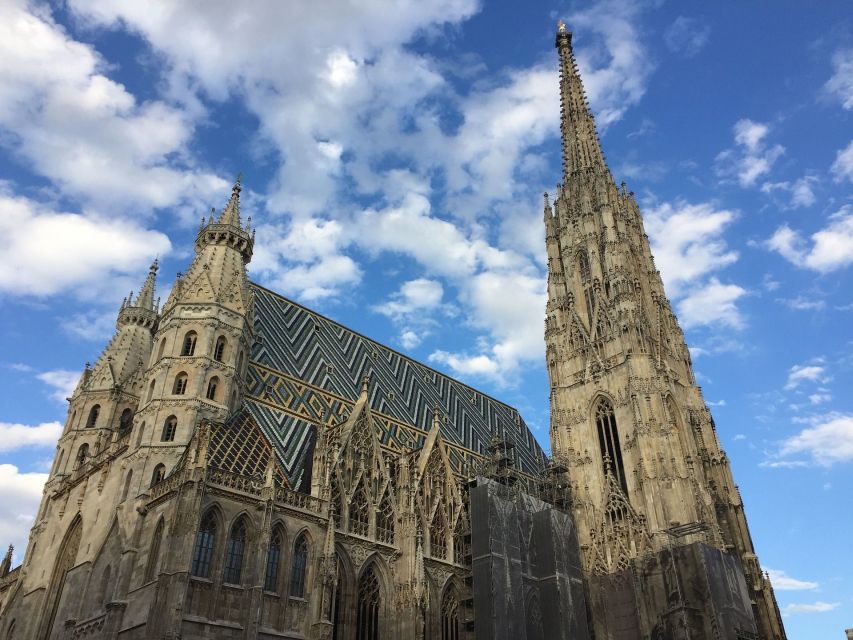
Potsdamer Straße includes internationally recognized names such as Esther Schipper, Plan B, Klosterfelde, and several other established galleries. The exact visits depend on current shows and access on the day.
Esther Schipper is one of the better-known names in the group, while Plan B and Klosterfelde add other established viewpoints. The route also names Isabella Bortolozzi, Gitti Nourbakhsch, Guido Baudach, Arndt, and Tanya Leighton. You should see these names as possible stops, not a promise that all will be visited during three hours.
That distinction is important. Galleries are working businesses, not permanent tourist attractions. An exhibition may be closed between shows, a space may not be available, or the guide may choose a smaller venue that better fits the day’s discussion.
The benefit of a small or private group is flexibility. You can ask why a gallery moved, how its program differs from another, or how commercial galleries support artists. A guide with a background in criticism or history can help you compare what you see instead of simply naming the artist and moving on.
Do not expect every stop to feel welcoming in the way a major museum does. Some spaces may be intimate, quiet, or tucked away. That is exactly why the guide matters. You are being shown how the art system works at several levels, from internationally established dealers to small independent projects.
Courtyards, basements, and the less polished side of art
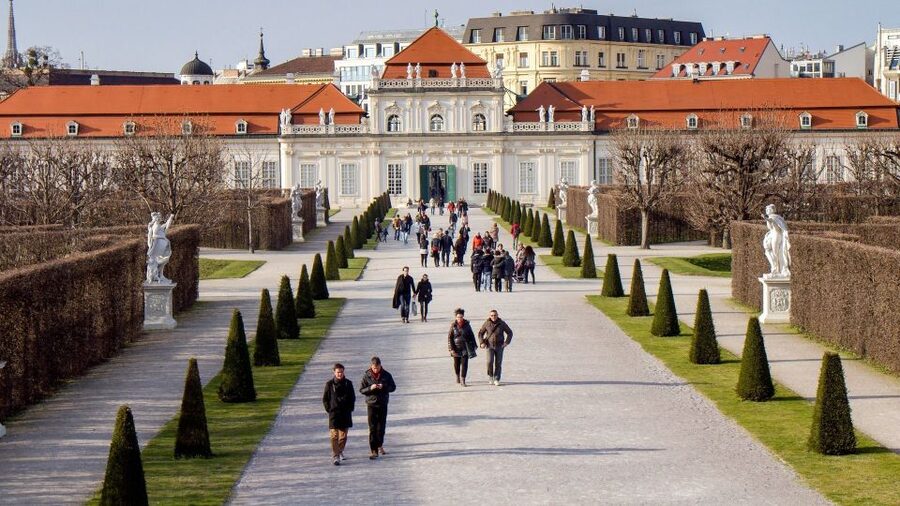
The most distinctive part of this experience is the promise of unusual venues. The route may include private initiatives hidden in courtyards and basements, along with more established galleries.
These spaces help explain Berlin’s appeal after 1989. A city with empty or inexpensive buildings gave artists and organizers room to experiment. The result was not one official art quarter but a spread of small, independent places.
For you, that means the tour can feel more like a guided investigation than a standard city walk. You need to pay attention to entrances and surroundings. A plain doorway may lead to an exhibition, while a familiar-looking gallery may be part of a larger network of dealers and project spaces.
The guide’s explanation is the key benefit. Without context, a basement gallery can simply seem inconvenient. With context, it becomes evidence of how artists found room to work and how Berlin’s reputation grew.
There is also a tradeoff. The experience depends on current openings and the guide’s route choices. If you want guaranteed access to a particular artist or institution, this may not be the best format. If you want to understand the city’s art culture through places of different sizes, it is a stronger choice.
The guides and the quality of the conversation
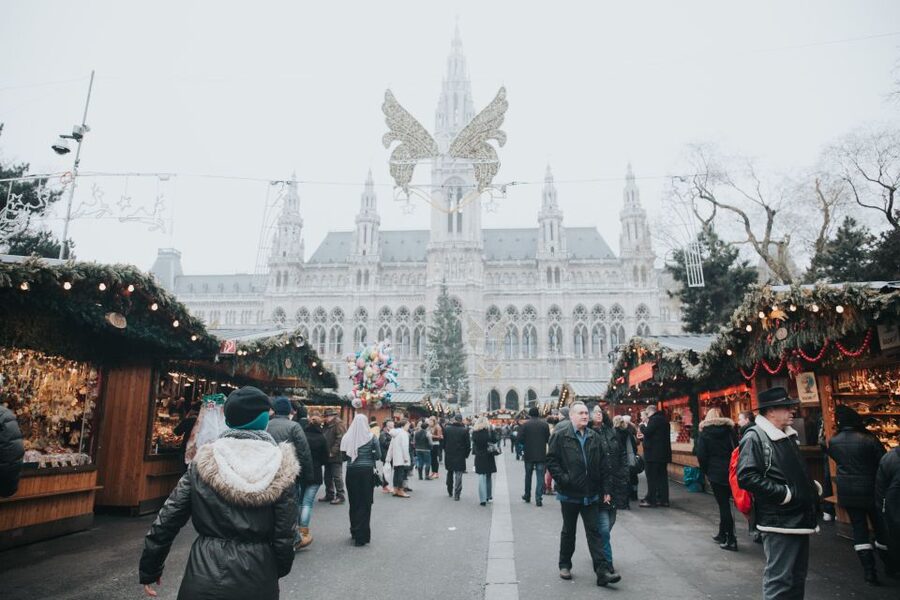
The guides are described as professors, doctoral students, historians, journalists, art critics, or published authors. That is a more specialized pool than you usually get on a general city walk.
Katarina and Katerina are both mentioned in the available information, and Elsa is also praised for an informative and engaging tour. The spelling difference may reflect separate guides or inconsistent listing details, so ask who is assigned if a particular guide matters to you.
The strongest feedback points to guides who combine facts with conversation. Katarina is described as keeping the tour interesting and engaging. Elsa is praised for clear, informed explanations. Katerina is noted for communication skills and for including politics, art, history, economics, military, religious, and social history in a city introduction.
That range tells you what to expect from the guiding style. The tour may connect art to rent, politics, war, religion, and social change rather than treating galleries as isolated rooms. You should come prepared with questions. A specialist guide can give you more when you show interest in how the pieces and institutions relate to the city.
The guide can also shape the value for families. A private group with a special-needs teenager found the communication effective, though the cost was considered better value when spread across more people. That is useful advice: private guiding gives you control, but the per-person price rises sharply in a small group.
Is $176 a fair price?
At $176 per person, this is not a casual budget walk. The price can make sense if you are strongly interested in contemporary art, want a private or small-group setting, and value specialist interpretation more than a long list of attractions.
It is harder to justify if you mainly want a general introduction to Berlin or Vienna. The tour lasts three hours, and the itinerary does not promise admission to major museums, a fixed number of exhibitions, or a guaranteed visit to every named gallery. You are paying for the guide’s time, expertise, route planning, and access to a specialist conversation.
Group size matters. A private tour for a family of four spreads the cost more reasonably than a private outing for one or two people. A small group may give you much of the same expert guidance at a lower individual cost.
One past customer felt the price was high for what was delivered, especially when weather forced a route change. That is a fair concern. Outdoor walking, subway travel, and changing gallery access make the experience more exposed to conditions than a museum ticket.
I would book it for an art-focused visit, especially if the provider confirms the Berlin route and you want a serious introduction rather than a simple sightseeing loop. I would skip it if the price would strain your budget or if you need a guaranteed, weather-proof schedule.
Timing, comfort, and practical details
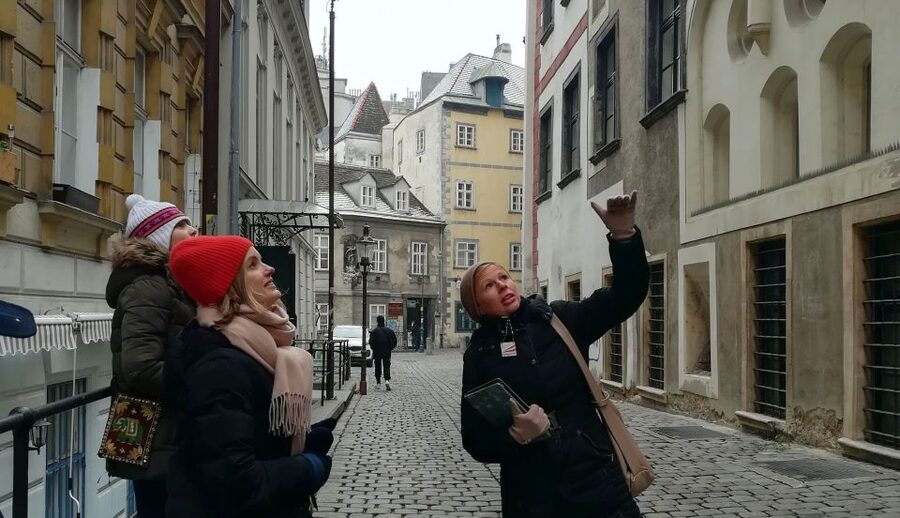
Set aside the full three hours. The tour includes walking in at least two areas and a subway transfer, so comfortable shoes are essential.
The experience is offered in English, with private or small-group formats available. Check the starting time for your date, since the available schedule can vary.
Video recording is not allowed. That is common in galleries, where artists and venues may control image use. You can still focus on looking and listening, but do not plan to film the guide’s presentation or the exhibitions.
Free cancellation is available up to 24 hours before the start time for a full refund. You can also reserve and pay later, which is useful while sorting out the serious Vienna and Berlin discrepancy.
Who should book this experience?
I would recommend it to you if contemporary art is a main reason for visiting Berlin, or if you want to understand how the city’s gallery system developed after the Wall fell. It is also a good fit if you prefer asking questions in a small group rather than following a large crowd.
It may suit returning Berlin visitors who have already seen the major sights and want a more specialized afternoon. The route offers a look at areas and spaces you might not identify on your own.
Families can consider the private format, especially when one traveler needs a flexible pace or clear communication. Discuss mobility needs before booking, since the activity is not suitable for people with mobility impairments.
I would not choose it as a first response to a listing that says Vienna. Until the city, meeting point, and itinerary are corrected, the booking risk is too high.
Should you book it?
Book this experience only after confirming that it is the Berlin gallery tour described here, not a Vienna walk. If that detail is settled, the tour offers a thoughtful way to connect Berlin’s art spaces with the economic and political changes that shaped them.
The strongest reasons to go are the specialist guides, the mix of major galleries and small project spaces, and the chance to see Potsdamer Straße beyond its polished reputation. The main reasons to hesitate are the $176 price, the changing gallery schedule, the walking demands, and the conflicting city information.
For an art-minded visitor who values explanation and conversation, it can be worth the money. For a general sightseeing day, I would choose a less expensive and more predictable option.
FAQ
Is this tour in Vienna or Berlin?
The booking details identify Vienna and give Café Hawelka in Vienna as the meeting point, but the itinerary describes a Berlin tour through Mitte and Potsdamer Straße. Confirm the correct city and route with insightcities.com before booking.
How long does the tour last?
The tour lasts three hours.
What language is the tour offered in?
The tour is offered in English.
Where does the tour meet?
The stated meeting point is Café Hawelka at Dorotheergasse 6, 1010 Wien. Because the itinerary describes Berlin, confirm whether this meeting point is accurate for your booking.
Which areas are included in the described route?
The route begins on Auguststraße in Mitte and continues to Potsdamer Straße by subway.
Which galleries might be included?
Possible galleries named in the route include Esther Schipper, Isabella Bortolozzi, Gitti Nourbakhsch, Guido Baudach, Arndt, Plan B, Tanya Leighton, and Klosterfelde. The exact visits depend on current exhibitions and access.
What should I bring?
Bring comfortable shoes because the experience involves walking.
Can I record video?
No. Video recording is not allowed.
Is the tour suitable for people with mobility impairments?
The activity is listed as unsuitable for people with mobility impairments.
Can I cancel for a refund?
You can cancel up to 24 hours in advance for a full refund. Reserve-now, pay-later booking is also available.
Just added around Vienna
- Vienna: UNESCO Schönbrunn Palace Guided Tour with Entry★ 4.5 · 94 reviews
- World War II History Vienna Old Town Private Walking Tour★ 4.8 · 9 reviews
- Vienna: Winery and Wine Tasting Tour with a Wine Expert★ 5.0 · 5 reviews
- Vienna: Wine Tasting E-Bike Tour★ 4.9 · 46 reviews
- Vienna: Wine Tasting at Schönbrunn Palace★ 4.3 · 71 reviews
- Vienna: Wine Tasting Tour★ 4.8 · 61 reviews
- Vienna: Wachau Valley Private Kayak and Wine Tour★ 5.0 · 3 reviews
- Vienna: Wiener Schnitzel and Strudel Cooking Class★ 4.9 · 126 reviews
Walking Tours, compared.
Guided Walking Tour of City Center Highlights
Read our review →
Guided Walking Tour of City Highlights & Hidden Gems
Read our review →
Vienna Historic Center Small Group Walking Tour
Read our review →
Browse the lists this tour appears in