
Reviewed · WALKING TOURS
Vienna: Courtyards & Hidden Places Walking Tour
Vienna’s grand center is easy to admire from the main squares. The fun begins when you turn into narrow lanes and quiet courtyards, where old doors, odd house names, and local legends reveal a less polished side of the city. This two-hour walk links major sights with places you could easily miss on your own.
I like the way the tour joins famous stops such as St. Stephen’s Cathedral with smaller corners around Ballgasse, Blutgasse, and the old university district. I also like the practical mix of subjects: Mozart’s final residence, Viennese food, postwar Vienna, churches, palaces, and the old city wall.
The main consideration is its focus. This is a walking tour of courtyards and stories, not a long cathedral visit. One participant specifically wanted more time in the courtyards and less time on St. Stephen’s Cathedral, so book it for the back streets rather than for an in-depth church tour.
Key points at a glance
- Quiet courtyards behind Vienna’s grand streets: See lesser-known passages and inner spaces connected with local legends and old city life.
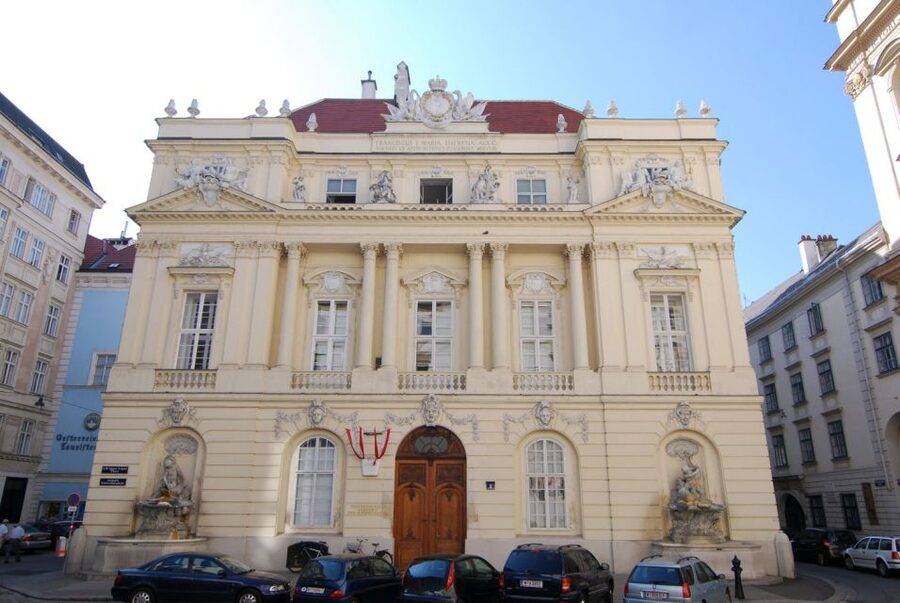
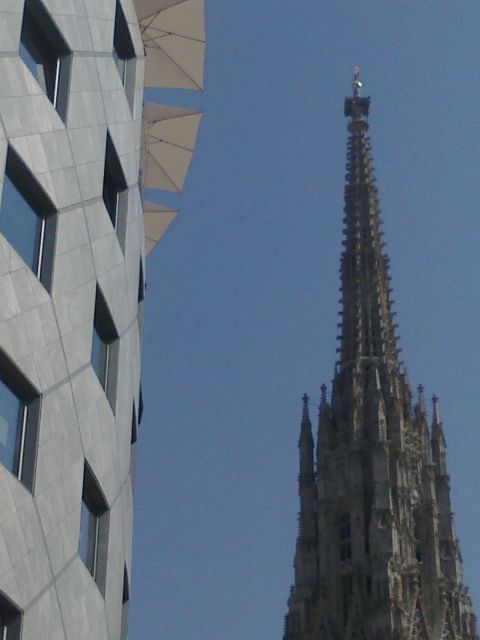
- A useful mix of famous and overlooked sights: The route includes Stephansplatz, St. Stephen’s Cathedral, Mozart’s final residence, Palais Neupauer-Breuner, and the Franciscan Church and Monastery.
- Stories beyond imperial Vienna: Expect discussion of traditional Viennese cuisine, famous residents, wartime damage, and the old city wall.
- A small-group format: The tour is designed for a small group, and some departures may feel almost private when attendance is very low.
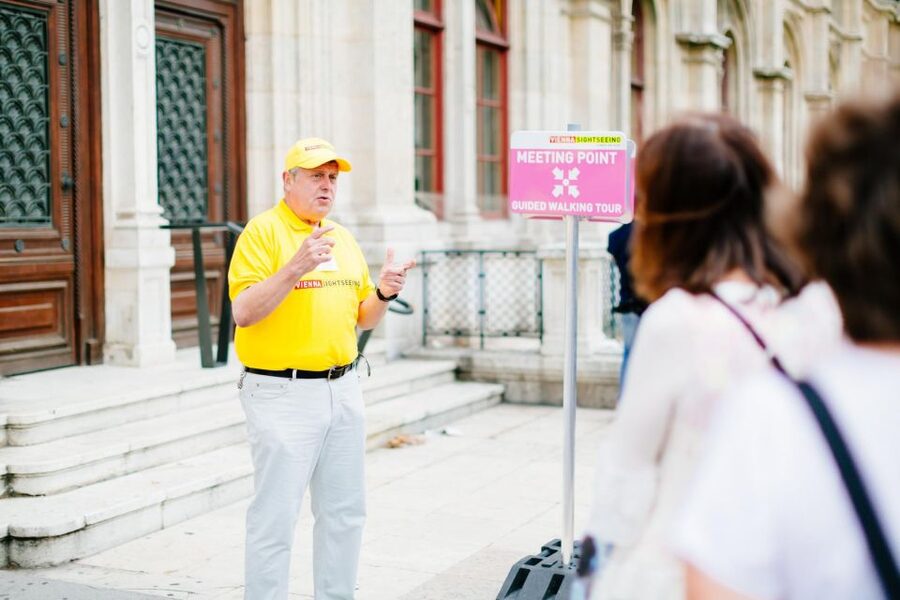
- Two language choices: A certified guide leads the walk in English or German.
- Best for mobile adults and older children: The tour is not suitable for children under 12, wheelchair users, or people with mobility impairments.
Why Vienna’s courtyards are worth your morning
Vienna can feel grand and formal at first glance. Ringed avenues, imperial buildings, grand churches, and broad squares give the city a polished face. Yet the old center also contains narrow streets where buildings press close together and courtyards hide behind plain entrances.
That contrast is the point of this tour. You get the basic orientation of central Vienna, then move away from the postcard views into places where the city’s past feels more domestic and human. A courtyard can tell you about housing, trade, religion, and class without needing a large monument.
I find this kind of walk useful early in a Vienna visit. It gives you a map in your head, but it also gives you a set of details to notice later. You may walk past a doorway again and remember the story attached to it, rather than seeing only another old facade.
The guide also adds context that is hard to pick up from street signs. Stories about famous people, food, buildings, and war help explain why Vienna is more than Mozart, coffeehouses, and imperial palaces. The strongest part of the format is its variety.
More Walking Tours in Vienna
- Vienna: Guided Walking Tour of City Center Highlights
★ 4.7 · 4,989 reviews - Vienna: Vienna Central Cemetery Guided Walking Tour
★ 4.8 · 3,307 reviews - Vienna: Guided Walking Tour of City Highlights & Hidden Gems
★ 4.9 · 2,180 reviews
Starting near Stephansplatz and St. Stephen’s Cathedral
The exact meeting point can vary by the option you book. The listed starting location is near a Bankomat, so check the confirmed meeting instructions carefully rather than assuming the group gathers directly at the cathedral.
St. Stephen’s Cathedral is one of Vienna’s essential sights, and the tour uses it as a major point of reference. You’ll learn about the cathedral and its place in the center of the city, then continue into the surrounding historic streets.
This is a useful introduction, but keep your expectations in check. The experience is not presented as a full cathedral tour. You should have time to look, listen, and understand the setting, but the larger emphasis comes later, when the group leaves the main landmark for smaller streets and courtyards.
That balance suits first-time visitors who want a broad introduction. If you have already spent time inside the cathedral and want a detailed study of its art, construction, or chapels, you will need a separate visit.
Ballgasse, Blutgasse, and the old center’s narrow lanes
From the cathedral area, the route moves through parts of the old center that can be easy to skip. Ballgasse and Blutgasse are not just street names on a map. They help show how compact medieval Vienna once was and how much of the old city survives in its tight street pattern.
The pace should allow you to look up, listen, and notice entrances that you would likely pass without a guide. The stories give these lanes a sense of place. Vienna’s old center is full of names tied to trades, people, buildings, and legends, and a walking guide can connect those clues.
The streets are also a reminder that the historic center is not a museum set. People still live and work in these buildings. You may need to pause at the edge of a passage or make room on a narrow walkway, so this is not a route for rushing from one monument to the next.
The experience works best when you enjoy small details. If you want a list of major sights with no pauses for stories, this tour may feel slower than expected. If you like the odd doorway, old courtyard, and local anecdote, the pace makes sense.
Palais Neupauer-Breuner and the Deutsches Haus
Palais Neupauer-Breuner adds a dose of aristocratic Vienna to the route. Its value is not only the building itself. The guide can use the palace to explain how powerful families shaped the center and how grand residences fitted into the city’s crowded streets.
The Deutsches Haus brings another layer to the walk. You are not simply moving from one beautiful facade to another. The route compares different kinds of buildings and uses them to explain how the old center developed.
This is where a live guide matters. A palace can look impressive in silence, but the surrounding story helps you understand who used it, what it represented, and how it relates to the streets nearby. The tour’s strongest comments focus on clear, entertaining explanations, and that style is important on a route with many short stops.
You should not expect extended entry time at every building. Much of the experience takes place outdoors, with the guide explaining what you are seeing from the street or courtyard.
A completely different way to spend a day here:
- Vienna: Vivaldi’s Four Seasons Concert in Karlskirche
★ 4.7 · 14,951 reviews - Vienna: Spanish Riding School Training
★ 3.9 · 9,281 reviews - Vienna: Skip-the-cashier-desk-line Giant Ferris Wheel Ride
★ 4.5 · 7,859 reviews - Vienna: Schönbrunn Palace & Gardens Skip-the-Line Tour
★ 4.7 · 7,739 reviews
Mozart’s final residence and the man behind the legend
Mozart is everywhere in Vienna, but the city’s Mozart story can become too tidy. This tour visits his final residence and uses the location to separate the real man from the familiar legend.
That is a useful approach. You will hear about his life in a place connected directly with his final years, rather than receiving only a general biography while standing in a crowded square. The guide also puts the famous composer into the broader life of Vienna, where music existed alongside work, religion, food, politics, and ordinary housing.
The stop is best understood as a short historical encounter, not a full museum visit. The experience information does not promise admission to the residence or a private interior tour, so expect to learn from the guide and the setting rather than plan on a long museum session.
If Mozart is your main reason for booking, you may want to pair this walk with a separate visit focused on his music and homes. If you want one meaningful Mozart stop within a larger city tour, this section fits well.
The Franciscan Church and Monastery
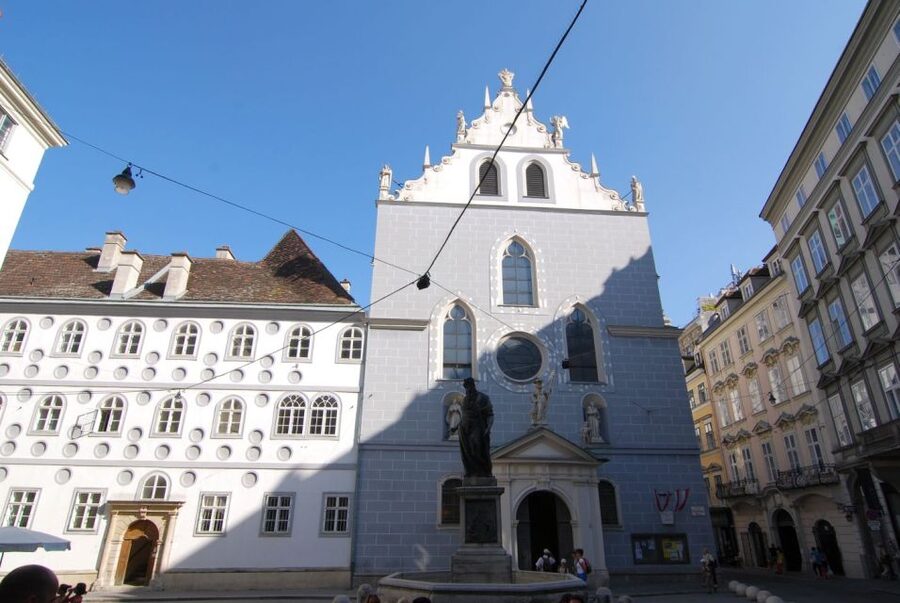
The Franciscan Church and Monastery gives the route a quieter religious stop. Vienna’s center has famous churches that dominate the skyline, but smaller religious sites can show a different side of the city.
The church also helps balance the tour’s secular subjects. After stories about palaces, musicians, street names, and food, you get a look at the religious institutions that shaped daily life in the old center.
As with the other stops, the guide’s explanation is the main feature. The available details do not promise a long interior visit, so you should not book this as a specialist church tour. Think of it as one part of a connected walk through the city’s religious and civic past.
Viennese food, old university streets, and the Jesuit Church
Food appears as part of the city story rather than as a tasting activity. You will learn about traditional Viennese cuisine and how food fits into local life. No meal or tasting is listed as included, so arrive having eaten enough for the walk.
This is a good choice for anyone who wants more than a menu of famous dishes. Food traditions make sense when linked to streets, buildings, and the people who lived there. The guide can place Viennese eating habits within the wider story of the old center.
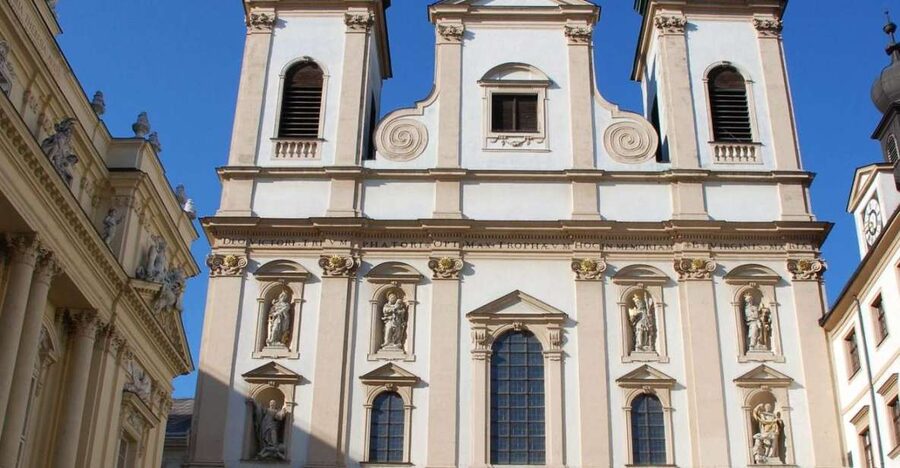
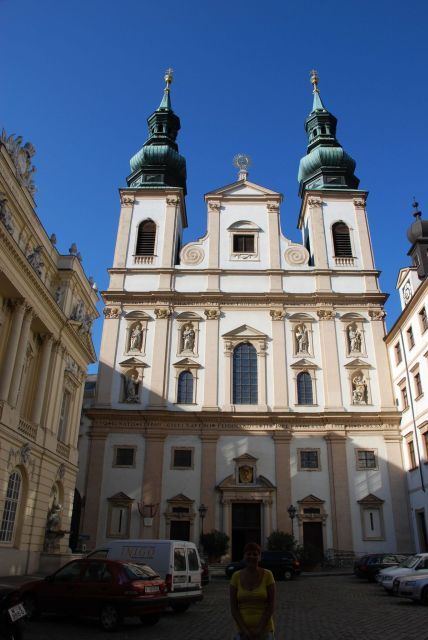
The route then reaches the old university district and the Jesuit Church. This part shifts attention toward learning, religion, and the institutions that helped shape Vienna.
The old city wall also appears in the route. That detail matters because it helps you picture the historic center as a defended, compact town rather than only the elegant district you see today. The city’s later growth becomes easier to understand once you know where its earlier limits were.
One especially useful feature is the chance to see Vienna through more than one period. You may hear about medieval streets, imperial buildings, Mozart’s time, and the destruction caused by World War II. One recent experience included photographs of Vienna after wartime bombing, which can make the city’s survival and rebuilding easier to grasp.
What the two-hour format does well
Two hours is enough to cover a good section of the center without turning the walk into an all-day commitment. You get an overview of the main sights, then enough time for several side streets and courtyards.
The tradeoff is depth. The guide must keep moving, and you will not receive a full lecture on every church, palace, or street. That is not a flaw if you see the tour as a first layer of understanding.
The small-group setup is another plus. A small group makes it easier to hear the guide in narrow streets and ask a question without holding up a large crowd. On some departures, attendance has been as low as two people, though you should not assume every date will be that intimate.
The guide’s delivery matters here. Feedback on the experience repeatedly describes the explanations as informative, entertaining, sympathetic, and easy to follow. That combination suits a walking tour because long strings of dates can become tiring fast.
Price, timing, and practical value
At $34 per person, the walk is priced like a compact guided introduction rather than a premium private tour. You are paying for two hours with a certified local guide, not for transport, food, or major admission tickets.
I consider that fair value if you want orientation and local context. The route covers a wide range of subjects and places, including several that you might not find on a basic sightseeing loop. The cost is less attractive if you already know central Vienna well and prefer to explore courtyards alone.
There is no hotel pickup or drop-off. You meet in the center and finish at Dr.-Karl-Lueger-Platz 3, with the exact meeting details depending on the option booked. That ending point is useful for continuing your day in central Vienna, but you should plan your next stop rather than expect to be returned to your hotel.
You can cancel up to 24 hours before the start for a full refund, and the reserve-now, pay-later option helps if your schedule is still changing. The walk operates in all weather, so check the forecast and dress for outdoor time.
Large bags and luggage are not allowed, and audio recording is prohibited. Wear comfortable shoes, especially because the route includes old streets and courtyards rather than a single smooth attraction.
Who should book this walk
I would choose this tour for a first or second day in Vienna, especially if you want to understand the historic center before exploring it alone. It suits adults and children aged 12 or older who enjoy stories, architecture, and a steady city walk.
It is also a good fit if you have already seen the big sights and want a different angle. The combination of courtyards, palace facades, church history, Mozart, food, and wartime photographs gives the walk a broad reach.
You should think twice if you have limited mobility. The tour is not suitable for wheelchair users or people with mobility impairments, and the route through narrow streets and historic courtyards may be demanding.
It may also disappoint you if you want a long interior visit at St. Stephen’s Cathedral or Mozart’s residence. The guide introduces those places, but the full value comes from the whole route, not from one extended stop.
Should you book Vienna’s Courtyards and Hidden Places walk?
Book it if you want Vienna’s old center explained through small places and strong stories. The route gives you the major landmark of St. Stephen’s Cathedral, then takes you toward quieter streets, courtyards, churches, palaces, and the old university district.
The best reason to go is the mix. You will not spend two hours on only Mozart, only architecture, or only church history. You get a readable introduction to how Vienna was built, lived in, damaged, and remembered.
Skip it if you need step-free access, want a food tour with tastings, or expect a detailed interior tour of the cathedral. For most mobile adults who value a small group and a lively local explanation, $34 is a sensible way to get your bearings and see corners of Vienna that are easy to miss.
FAQ
How long does the Courtyards and Hidden Places Walking Tour last?
The tour lasts two hours.
How much does the tour cost?
The price is $34 per person.
Which languages are available?
The tour is offered in English and German.
Who leads the tour?
A certified tourist guide from Viennatour Herbert Stojaspal leads the walk.
Where does the tour start?
There are two starting location options, and the meeting point may vary depending on the option you book. The listed starting location is near a Bankomat, so check your confirmed booking details.
Where does the tour finish?
The listed drop-off location is Dr.-Karl-Lueger-Platz 3, 1010 Vienna. The experience does not include transport to your hotel.
Is St. Stephen’s Cathedral included?
Yes. The tour includes a guided visit and explanation of St. Stephen’s Cathedral, though the experience focuses on the wider historic center rather than only the cathedral.
Can children or wheelchair users join?
The tour is not suitable for children under 12, people with mobility impairments, or wheelchair users.
What happens if the weather is bad?
The tour operates in all weather conditions. Large bags and luggage are not allowed, and audio recording is prohibited.
Just added around Vienna
- Vienna: UNESCO Schönbrunn Palace Guided Tour with Entry★ 4.5 · 94 reviews
- World War II History Vienna Old Town Private Walking Tour★ 4.8 · 9 reviews
- Vienna: Winery and Wine Tasting Tour with a Wine Expert★ 5.0 · 5 reviews
- Vienna: Wine Tasting E-Bike Tour★ 4.9 · 46 reviews
- Vienna: Wine Tasting at Schönbrunn Palace★ 4.3 · 71 reviews
- Vienna: Wine Tasting Tour★ 4.8 · 61 reviews
- Vienna: Wachau Valley Private Kayak and Wine Tour★ 5.0 · 3 reviews
- Vienna: Wiener Schnitzel and Strudel Cooking Class★ 4.9 · 126 reviews
Walking Tours, compared.

Guided Walking Tour of City Center Highlights
Read our review →
Guided Walking Tour of City Highlights & Hidden Gems
Read our review →
Vienna Historic Center Small Group Walking Tour
Read our review →
Browse the lists this tour appears in