
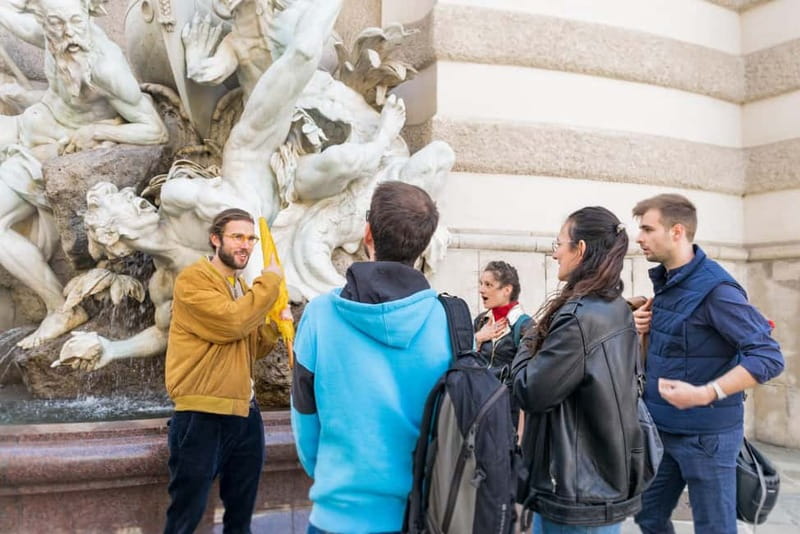
Reviewed · HISTORICAL TOURS
Vienna: Historical Walking Tour – Hitler and the 1900s
Vienna’s early 1900s were anything but quiet. This two-hour walk links Hitler’s formative years in the city with the artistic upheaval of Klimt and Wagner, then shows how an imperial capital moved toward modern life. It is a useful way to read Vienna beyond grand palaces and polished concert halls.
I like the focused theme, which gives the walk a clear purpose, and I like the mix of political, artistic, and architectural stories. Guides such as Joseph and Cristina bring plenty of anecdotes, while Ángeles and Mia were especially pleased by how much history their guide packed into the route. The main drawback is that this is an outdoor overview, not a museum tour, so you will not enter attractions or spend long periods at individual sites.
Key points at a glance
- Hitler’s Vienna: Trace the early years of Adolf Hitler and consider how Vienna shaped his later life.
- Klimt and Wagner: Connect the city’s artistic revolution with its wider political and social changes.
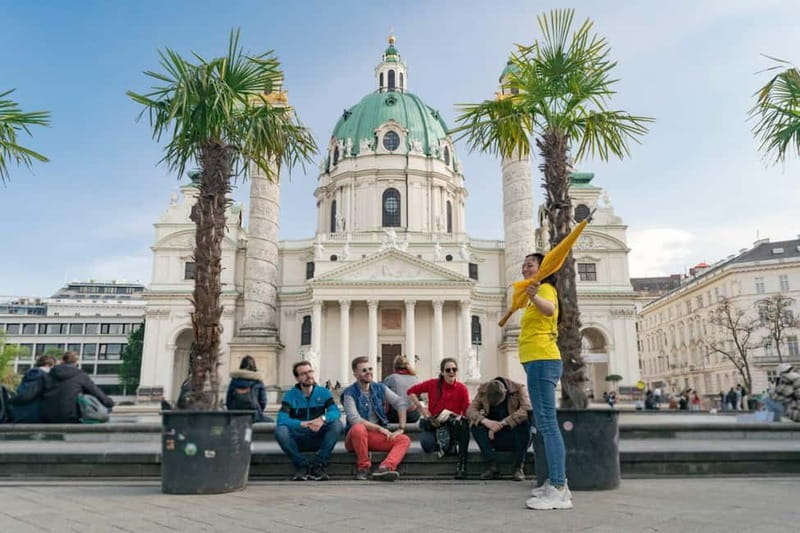
- Karlsplatz: See one of Vienna’s key city spaces as a meeting point between imperial tradition and modern design.
- MuseumsQuartier: Explore an area that helps explain Vienna’s shift from court city to cultural capital.
- Local storytelling: Guides including Joseph and Cristina are praised for anecdotes, clear speech, and strong command of the subject.
- Simple two-hour format: Walk, listen, ask questions, and finish back where you began, with no entrance fees or transport required.
Why this Vienna walk feels different
Many first visits to Vienna revolve around the Habsburg court, Mozart, grand churches, and coffeehouses. Those subjects matter, but they can leave out the harder questions that shaped the city in the 20th century. This tour takes a more direct route through Vienna’s political and cultural upheaval.
The Hitler theme needs careful handling, and that is part of the value here. You are not being asked to admire him or treat his early life as a curiosity detached from its later consequences. Instead, the walk uses his Vienna years as one thread in a larger story about a city full of social tension, artistic change, and competing political ideas.
The tour also places Hitler beside Klimt and Wagner, which may seem like an unusual combination at first. It makes sense once you see the period as a whole. Vienna was changing in several directions at once. Art challenged old tastes, architecture changed the look of the city, and political movements questioned the imperial order.
I would choose this walk if you want context rather than a checklist of sights. It gives you a framework for understanding places you may already plan to see, including Karlsplatz and MuseumsQuartier.
More Walking Tours in Vienna
- Vienna: Guided Walking Tour of City Center Highlights
★ 4.7 · 4,989 reviews - Vienna: Vienna Central Cemetery Guided Walking Tour
★ 4.8 · 3,307 reviews - Vienna: Guided Walking Tour of City Highlights & Hidden Gems
★ 4.9 · 2,180 reviews
Starting beneath the yellow Prime Tours umbrella
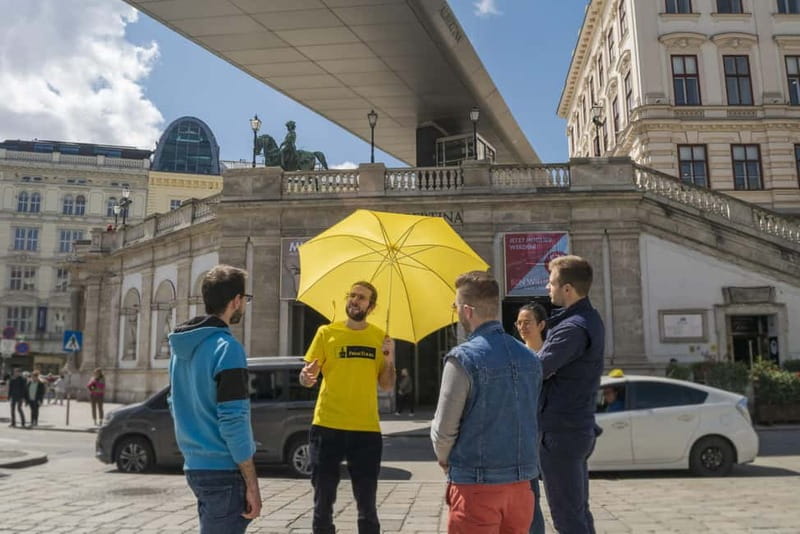
The meeting point is easy to identify: look for the yellow Prime Tours umbrella. The exact street location and starting time depend on the date you select, so check availability before you leave your hotel.
The walk lasts two hours and ends back at the meeting point. That return makes it easy to fit into a larger sightseeing day. You could schedule it in the morning before a museum visit, or use it later to make sense of the city center after seeing the major imperial sights.
You should wear comfortable shoes. No special equipment is needed, but this is a genuine walking tour, not a bus ride with a few short stops. Since the route is outdoors, dress for Vienna’s weather and leave room in your day for standing while the guide explains each place.
The tour is in English and led by a live guide. It is wheelchair accessible, though the practical ease of any walking route can depend on temporary street conditions and the pace of the group.
Hitler’s early years in Vienna
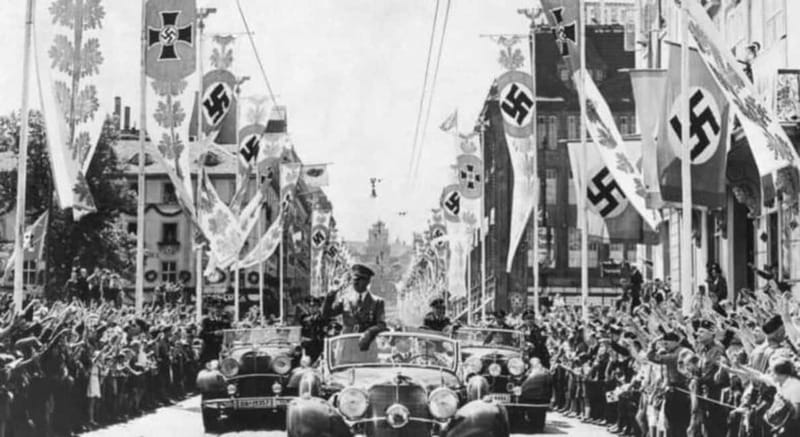
The first major subject is Adolf Hitler’s time in Vienna. The guide explains his early life in the city and explores how those years influenced his later path. This section is likely to interest visitors who want historical facts placed in a physical setting rather than presented only in a book or museum display.
The important point is not simply finding an address connected with Hitler. The walk asks you to consider Vienna as he encountered it: an imperial city with sharp divisions, powerful cultural institutions, and political currents that reached far beyond the palace walls.
A guide can make this subject easier to approach with care. The strongest part of the experience will likely be the explanation around each place, not a dramatic photo stop. Joseph, one of the guides associated with this experience, is praised for using anecdotes and stories to make the material easier to follow. Cristina is also singled out for clear speaking and strong preparation.
You should expect a serious tone here. This is not a light sightseeing stroll built around amusing trivia. The subject calls for attention, and the tour is best suited to anyone willing to examine uncomfortable parts of Vienna’s past without reducing them to a simple story.
Karlsplatz and the city’s changing face
Karlsplatz is one of the stops that shows how different periods of Vienna sit beside one another. The square connects major routes and public spaces, making it a useful place to talk about the city’s growth and changing priorities.
Here, the guide links Vienna’s imperial foundations with the pressures of the early 20th century. The point is not just the appearance of the square. It is how public architecture can reveal what a city wants to project about itself.
Expect the guide to discuss architecture and historical events together. That combination is one of the tour’s strengths. You are not simply told that Vienna changed. You can look at the built environment while hearing why those changes mattered.
The drawback is that a busy public square can be noisy. You may need to stay close to the guide and listen carefully. The tour’s success depends partly on how clearly the guide speaks and how well the group gathers around each stop.
More history walks around Vienna:
- Vienna: Time Travel and Magic Vienna History Tour
★ 4.6 · 3,879 reviews - Vienna: World War II Historical Walking Tour
★ 4.8 · 1,772 reviews - Vienna Historic Center Small Group Walking Tour
★ 5.0 · 1,746 reviews - Time Travel-Magic Vienna History Tour Ticket
★ 4.5 · 1,099 reviews
Klimt, Wagner, and Vienna’s artistic revolution
The tour moves beyond politics into the artistic changes that helped define early 1900s Vienna. Gustav Klimt represents the city’s bold new visual language, while Wagner points to the architectural and design changes reshaping public life.
This is an appealing part of the walk for anyone who plans to visit Vienna’s museums or galleries. You gain background before seeing the art itself. Even without entering a museum, you can understand that Vienna’s artistic revolution was not an isolated trend. It formed part of a wider argument about taste, tradition, public space, and modern life.
The guide’s job is especially important here. Names and dates alone can make art history feel remote. Anecdotes give the story a human scale, and the strong feedback about Joseph, Cristina, and the other English-speaking guides suggests that storytelling is central to the experience.
You should keep your expectations in check. The tour does not include museum admission, and it cannot provide the same detail as a dedicated Klimt or architecture tour. Think of this section as a clear introduction that helps you decide what deserves a closer look later.
MuseumsQuartier and Vienna after the empire
MuseumsQuartier helps complete the tour’s picture of Vienna as a city that moved from imperial capital to modern cultural center. The area is associated with museums and public culture, making it a natural place to discuss how Vienna presents its past in the present.
The guide uses this setting to connect old structures with newer cultural life. That matters because Vienna can sometimes feel frozen in its imperial image. This stop shows that the city is not only about palaces and dynasties. It has also had to adapt, reinterpret its past, and make room for new forms of art and public life.
You may find this part especially useful if you are deciding how to divide your sightseeing time. The tour gives you enough background to return to MuseumsQuartier on your own, though you will need a separate ticket and separate time for any museum you choose to enter.
Since the activity ends back at the meeting point, you can continue exploring nearby afterward. The tour does not include food, drinks, museum admission, or transportation, so budget those separately.
The guide makes or breaks the experience
A historical walk rises or falls on its guide. The available comments point to the tour’s strongest feature: clear, lively storytelling. Joseph is noted for anecdotes, Cristina for polished delivery and strong command of the subject, and Ángeles and Mia found their guide highly informed and the history very interesting.
That praise matters because the route itself includes public places you could visit without paying. You are paying for interpretation. A good guide turns Karlsplatz from a square into evidence of urban change, and turns a discussion of Hitler’s Vienna into a careful explanation rather than a collection of sensational facts.
The language is English only. If you want a walk in another language, this is not the right choice. If English works for you, the format gives you a chance to ask questions as you go, though the supplied details do not promise a particular guide on every departure.
Tips are not included as a fixed charge. The information encourages an additional tip on the spot if you feel the guide earned it. Consider carrying some cash, although no specific payment method is given.
What the 22 dollar price really covers
At $22 per person, this is a reasonably priced introduction to a complicated part of Vienna. You are not paying for entry to a major attraction. You are paying for two hours of guiding, a planned route, historical interpretation, and the convenience of connecting several subjects that are often treated separately.
The value is strongest for first-time visitors who want a city orientation with more substance than a basic highlights walk. It is also useful for returning visitors who already know the palace-and-cathedral circuit and want to examine Vienna’s 20th-century story.
The price is less attractive if you prefer to explore independently or already have detailed knowledge of Hitler, Klimt, Wagner, and Vienna’s political history. You can see many of the public locations without a ticket. In that case, the deciding question is simple: do you want a guide to connect the dots?
The booking terms add useful flexibility. You can reserve now and pay later, and cancellation is free up to 24 hours before the tour for a full refund. That helps if your Vienna schedule is still changing.
Who should book this walk
I would recommend it to adults and older students interested in modern European history, political ideas, art, architecture, and the way cities reshape their identity. It suits curious visitors who want to ask why Vienna looks and feels the way it does today.
It is also a smart choice before museum visits. The tour can give you a basic map of the period and help you decide which cultural sites deserve more of your time.
I would be more cautious if you want a relaxed, purely scenic walk. Hitler’s early life is a central theme, and the mood is serious. The tour may also feel too broad if your only goal is an in-depth study of Klimt or a detailed architectural survey.
Families can decide based on the age and interests of their children. The subject is historical and political, not a light entertainment program. The two-hour length is manageable, but younger children may not find the material engaging.
Practical details before you go
Meet the guide under the yellow Prime Tours umbrella. Because the exact start times vary, confirm the departure that fits your plans before booking.
Bring comfortable footwear and dress for outdoor conditions. Food and drinks are not included, and neither is transportation to or from the meeting point. Museum and attraction entry after the tour also costs extra.
The experience is wheelchair accessible. It is a live English-language tour, lasts two hours, and returns to its starting point. The guides are freelance and participation is voluntary, so follow ordinary city-walking precautions and stay aware around streets and public spaces.
Should you book the Hitler and 1900s tour?
Book it if you want Vienna explained through its political and artistic turning points, not just its imperial decoration. The mix of Hitler’s early years, Klimt, Wagner, Karlsplatz, and MuseumsQuartier gives you a useful way to see familiar places with sharper context.
Skip it if you want museum interiors, a relaxed palace tour, or a narrow focus on one artist. At $22, the walk offers good value when the guide’s storytelling is your main reason for joining. Names such as Joseph and Cristina suggest the experience can be especially strong when you get a guide who tells clear stories and handles difficult subjects with care.
FAQ
How long does the tour last?
The walking tour lasts two hours.
What language is the tour in?
The live tour guide speaks English.
Where does the tour start?
Look for the yellow Prime Tours umbrella at the meeting point.
Where does the tour end?
The activity ends back at the meeting point.
Is the tour wheelchair accessible?
Yes, the activity is listed as wheelchair accessible.
Does the price include museum entry?
No. Entrance fees to museums or other attractions after the walking tour are not included.
Are food and drinks included?
No. You need to arrange food and drinks separately.
Can I cancel the booking?
Yes. You can cancel up to 24 hours in advance for a full refund. You can also reserve now and pay later.
Just added around Vienna
- Vienna: UNESCO Schönbrunn Palace Guided Tour with Entry★ 4.5 · 94 reviews
- World War II History Vienna Old Town Private Walking Tour★ 4.8 · 9 reviews
- Vienna: Winery and Wine Tasting Tour with a Wine Expert★ 5.0 · 5 reviews
- Vienna: Wine Tasting E-Bike Tour★ 4.9 · 46 reviews
- Vienna: Wine Tasting at Schönbrunn Palace★ 4.3 · 71 reviews
- Vienna: Wine Tasting Tour★ 4.8 · 61 reviews
- Vienna: Concert by the Vienna Baroque Orchestra★ 4.6 · 56 reviews
- Vienna: Wachau Valley Private Kayak and Wine Tour★ 5.0 · 3 reviews
Historical Tours, compared.
Vienna Historic Center Small Group Walking Tour
Read our review →
Skip-the-Line Schonbrunn Palace Guided Tour and Vienna Historical City Tour
Read our review →
Vienna Mozart Concert in Historical Costumes at the Musikverein
Read our review →
Browse the lists this tour appears in