Reviewed · GUIDED
Vienna – the making of a Weltstadt – guided Citytour
Vienna’s center is compact, but its story is anything but small. This two-hour walk links a Roman fort, imperial palaces, grand squares, composers, and St. Stephen’s Cathedral into one clear tale of how Vienna became a major Central European capital. I especially like the focus on understanding the city, not just ticking off famous buildings.
I also like the way the walk connects architecture with real people, from Mozart and Beethoven to the Habsburg rulers. Guide Christian Grausam has been praised for making complex periods clear, lively, and easy to follow. The main drawback is simple: this is a German-language tour, and the pace and route may not suit people with mobility impairments.
Key points at a glance
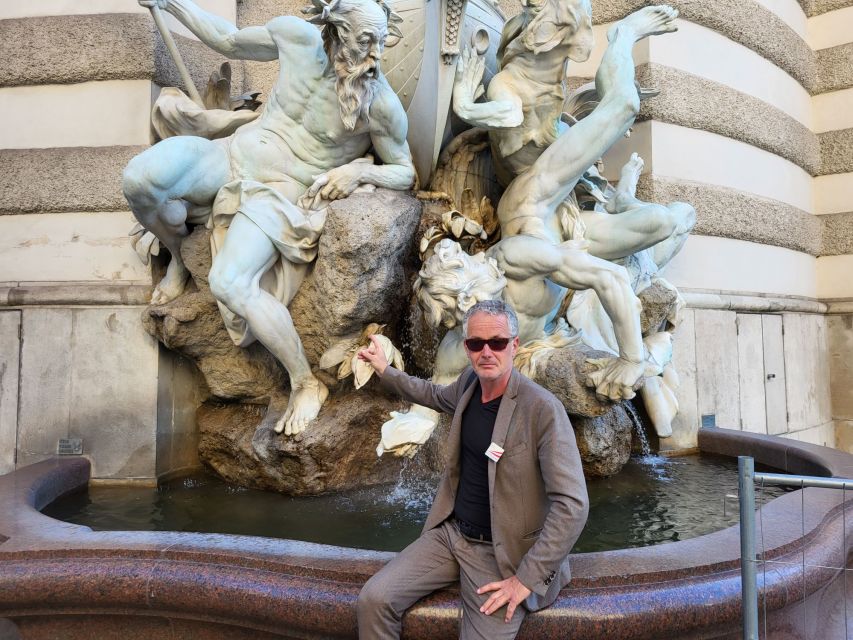
- Two thousand years in two hours: Follow Vienna from a small Roman fort to its 19th-century role as one of Central Europe’s most important cities.
- A local perspective: Christian Grausam, a certified tourist guide from Vienna, leads the walk with historical context and practical suggestions for later sightseeing.
- Imperial Vienna explained: The Hofburg, Heldenplatz, Josefsplatz, and nearby streets show why Vienna became a residential city for powerful rulers.
- Music and history meet: Mozart, Beethoven, and Josef Haydn all appear in the story, giving the walk a strong cultural thread.
- A satisfying finish: St. Stephen’s Cathedral is both the geographical and emotional center of the route.
- Know before booking: The tour is in German, lasts two hours, runs in all weather, and is not suitable for people with mobility impairments.
Why this walk helps you understand Vienna
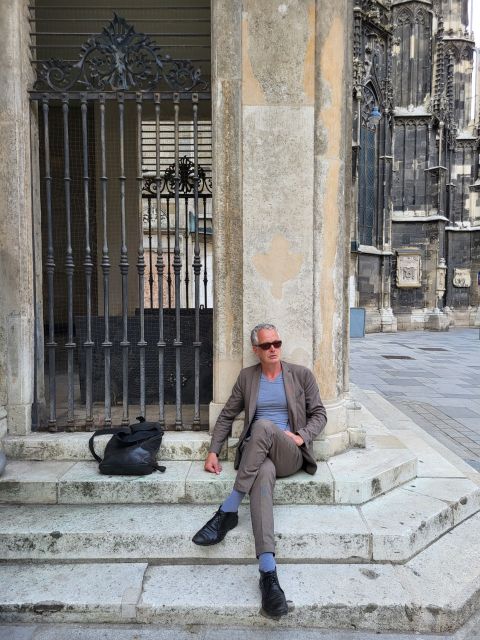
Many city walks give you a parade of facades and dates. This one aims for something more useful: a mental map. You move through busy central streets, quieter corners, imperial courtyards, and church squares while the guide explains how each place fits into Vienna’s long development.
I like that the route begins with the question of what Vienna was before it became an imperial capital. The city did not appear fully formed around the Hofburg. It grew from an early Roman military settlement, expanded through the Middle Ages, and later became the home of the Habsburg court. That long timeline gives the grand buildings a reason for being there.
The walk also asks you to look up. Vienna’s center brings several architectural periods close together, and the route is designed to show how those styles overlap. You might notice medieval traces beside Baroque buildings, courtly spaces beside ordinary urban streets, and formal imperial avenues close to older lanes.
The guide’s role matters here. Christian Grausam has been praised for linking the buildings and historical periods instead of treating each stop as an isolated fact. That approach is useful if this is your first visit, but it also suits returning visitors who want more than the standard postcard view.
A few more Vienna days worth a look
- Vienna: Vivaldi’s Four Seasons Concert in Karlskirche
★ 4.7 · 14,951 reviews - Vienna: Spanish Riding School Training
★ 3.9 · 9,281 reviews - Vienna: Skip-the-cashier-desk-line Giant Ferris Wheel Ride
★ 4.5 · 7,859 reviews
Starting near Schottenkirche and Freyung
Depending on the option you book, the meeting point may be at Freyung. The route includes Schottenkirche and the Freyung area, a good opening for a walk about Vienna’s changing identity.
Freyung helps introduce the older city beyond the best-known imperial sights. From here, the story can move naturally toward Am Hof, another important central square, before turning toward the streets that lead to the Hofburg.
The exact meeting point varies, so check your booking details carefully and arrive 10 minutes early. Since large bags and luggage are not allowed, this is best treated as a city walk rather than an activity to squeeze in between hotel checkout and a train departure.
This early portion should appeal to you if you want to see how Vienna’s center changes from one square to the next. It is not only about monumental buildings. The value lies in seeing the city as a built-up record of different periods.
Kohlmarkt and Michaelerplatz: approaching the imperial center
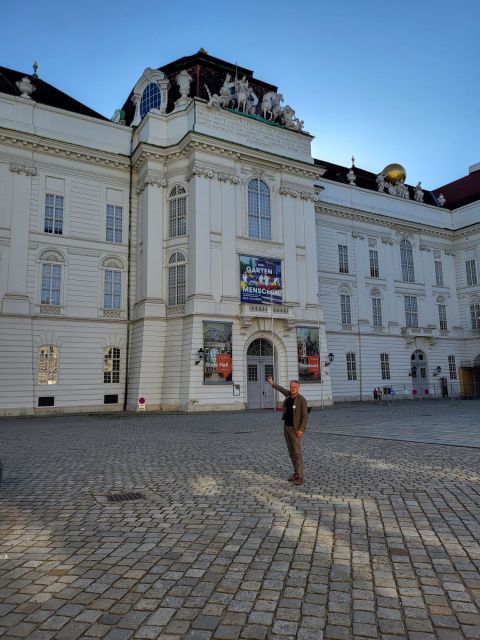
From the older central streets, the walk continues toward Kohlmarkt and Michaelerplatz. These places bring you closer to the Hofburg and the world of the imperial court.
Kohlmarkt is one of the central routes leading toward the palace complex. Michaelerplatz gives you a strong sense of arrival, with the Hofburg opening out ahead. The transition is important. You are no longer simply walking through an old European city. You are entering the former center of Habsburg power.
I find this part especially useful because it explains Vienna as a residential city. The rulers were not just occasional visitors passing through. The court, its officials, servants, artists, soldiers, and institutions shaped daily life here for centuries.
That context changes the way you see the Hofburg. It becomes more than a palace facade. It represents a government, a household, a social system, and a powerful symbol of authority. A short guided explanation can save you from seeing the complex as a collection of grand buildings with no clear connection.
The Hofburg and Heldenplatz
The Hofburg is the central historical anchor of this tour. The walk uses it to explain Vienna’s imperial role and the importance of the city as a seat of government and residence.
You will also reach Heldenplatz, one of the most recognizable open spaces in central Vienna. Here, the scale of the imperial setting becomes clear. Broad ceremonial space, palace buildings, and the memory of rulers all come together.
The tour follows the footsteps of major Habsburg figures, including Charles V and Franz Joseph, as well as Elisabeth, often known as Sisi. The point is not simply to list famous names. It is to show how rulers and court life affected the city’s buildings, ceremonies, and public image.
Franz Joseph and Elisabeth also provide a more personal entry into the imperial story. Their names are familiar, but a guide can place them within the wider history of Vienna rather than presenting them only as romantic figures.
You should expect plenty of standing and walking around this part of the route. The Hofburg area is one of the city center’s busiest sightseeing zones, and the tour is designed as an outdoor walk rather than a museum visit. If you want to enter the palace apartments, museums, or the Spanish Riding School, you will need separate plans.
A completely different way to spend a day here:
- Vienna: Schönbrunn Palace & Gardens Skip-the-Line Tour
★ 4.7 · 7,739 reviews - Vienna: Light of Creation Votive Church Immersive Light Show
★ 4.8 · 6,779 reviews - Vienna Spanish Riding School Guided Tour
★ 4.7 · 6,765 reviews - Vienna: Classical Concert in the World-Famous Musikverein
★ 4.6 · 6,673 reviews
Burggarten, Josefsplatz, and the Albertina
The route continues through Burggarten, Josefsplatz, and past the Albertina. These stops broaden the picture of Vienna beyond government and royalty.
Burggarten offers a change from the formal palace spaces. Its connection with the Hofburg shows how imperial life included gardens, leisure, and controlled public settings as well as offices and ceremonial rooms.
Josefsplatz returns you to the courtly world. It is another place where the physical layout helps explain how the Habsburg center worked. The surrounding buildings are not random attractions. They form part of a network created for administration, ceremony, residence, and culture.
The Albertina adds an artistic dimension. Vienna’s importance was not only political. The city also became a center for art and music, and the walk uses its central sights to introduce that side of Vienna.
This is one reason I would choose the tour early in a Vienna visit. You gain a useful framework before spending time inside the city’s museums. Afterward, the major buildings have more meaning, and you can decide which ones deserve a longer visit.
The Capuchin Crypt and the memory of rulers
The Capuchin Crypt is included in the route, though the supplied details do not state whether the walk enters the crypt. The site is closely tied to the Habsburg story and helps connect grand public power with the private fate of dynastic rulers.
Even from the outside, the location adds weight to the imperial section of the walk. Vienna’s rulers shaped the city during life, and their burial traditions remain part of the city’s historical identity.
This stop may appeal to you if you prefer history that feels personal rather than purely political. It also gives the guide a chance to discuss the difference between the public image of monarchy and the people behind it.
Do not book this tour expecting a detailed interior visit at every stop. The experience is a walking overview, and the two-hour schedule means the guide must keep moving. You can return later to places that catch your interest.
Franziskanerplatz, Domgasse, and Vienna’s musical past
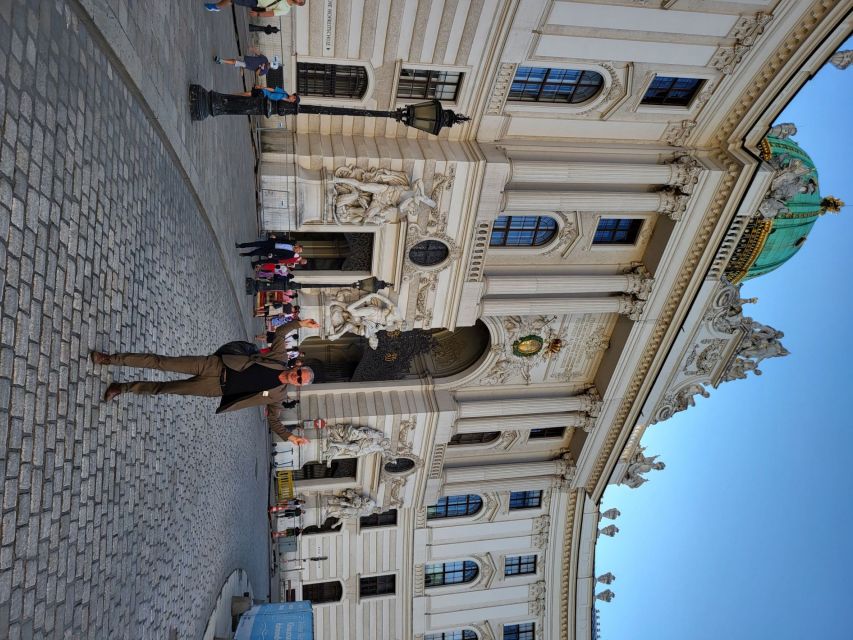
After the imperial sights, the route turns toward Franziskanerplatz and Domgasse. This section adds more intimate streets to the grand palace story.
Music is a major part of Vienna’s identity, and the tour follows the footsteps of Mozart and Beethoven. Both lived and worked in the city, and their presence helps explain why Vienna became so important to European music.
Domgasse is particularly connected with Mozart’s Vienna. The route does not promise a full museum visit, but the street gives the musical story a real location. Instead of hearing only that Mozart lived in Vienna, you connect his name with the city’s actual streets.
Josef Haydn also enters the story. The tour explains that he composed a melody important to Germany today, linking Vienna’s musical past with a later national symbol. That is the sort of detail that can make a short walk memorable, especially if you enjoy music but do not want a tour devoted only to concert halls and composer museums.
I like this shift from rulers to artists. It shows that Vienna’s importance came from more than the court. The city was also a place where composers worked, audiences gathered, and music became part of public life.
St. Stephen’s Cathedral: a fitting final stop
The walk ends at St. Stephen’s Cathedral, Vienna’s geographical and emotional center. This is a strong finish because the cathedral brings together the city’s religious, civic, and historical identity.
St. Stephen’s is not simply another major building on the route. Its position in the center helps explain how Vienna grew around a central church and market area before expanding into a larger capital. Ending here gives you a clear reference point for further exploring the city on your own.
The cathedral also brings the route back to the question of time. Roman beginnings, medieval memories, imperial power, musical culture, and modern Vienna all meet around this part of the center.
If you are planning your sightseeing, this is a useful place to finish because you can continue exploring central Vienna afterward. The tour does not include extra entrance visits, so you can choose later whether to go inside the cathedral or visit nearby sights at your own pace.
What the $35 price gives you
At $35 per person, this is reasonably priced for a two-hour guided city walk, especially if you want a clear introduction rather than a specialized museum tour. The price includes a certified local tourist guide, and the main value comes from the connections between places.
You are paying for interpretation, not admission tickets. The tour does not promise entry to the Hofburg, the Capuchin Crypt, the Albertina, or St. Stephen’s Cathedral. If you prefer to spend two hours inside one palace or museum, another activity may suit you better.
For a first day in Vienna, though, the cost can make sense. A good overview helps you use the rest of your time well. You learn which areas deserve a second visit, which museums connect with your interests, and how the center fits together.
The practical tips included by Christian Grausam are another useful part of the experience. The information provided does not list specific recommendations, but the tour is designed to give advice about what to do next. That can be valuable when you have limited time in Vienna.
Language, pace, and practical details
The tour is conducted in German. You should be comfortable following spoken German for two hours, since the historical explanations are the heart of the experience.
The walk lasts two hours and runs rain or shine. Wear shoes suitable for city walking and bring weather protection. Large bags and luggage are not allowed, so leave bulky belongings elsewhere before arriving.
The route includes several central streets, squares, and outdoor sights. It is not suitable for people with mobility impairments, so consider the amount of walking and standing before booking.
The meeting point can vary by the option selected. If Freyung is your starting point, the route includes Schottenkirche, Freyung, and Am Hof before continuing toward the Hofburg. Check the exact meeting location and arrive 10 minutes early.
You can cancel up to 24 hours before the tour for a full refund, and the reserve-now-pay-later option keeps payment flexible. Those policies are useful if your Vienna schedule is still changing.
Who should book this Vienna walk
I would recommend this tour to you if you want the city’s major sights to make sense as part of one story. It suits first-time visitors, history-minded visitors, and anyone who wants a local guide to connect buildings with rulers, artists, and changing architectural styles.
It is also a good choice if you enjoy walking through active city streets rather than sitting in a vehicle. The route gives you a feel for central Vienna at street level, including both famous places and less obvious corners.
You should think twice if you need an English-language tour, cannot manage a two-hour walk, or want extensive interior visits. The route is an overview, not a palace tour, music history seminar, or museum program.
Should you book it?
Book this walk if your goal is to understand why Vienna became a major European capital. The strongest feature is the way Christian Grausam connects Roman beginnings, medieval traces, imperial power, and musical culture within a short route.
The $35 price is fair for that kind of orientation, especially early in your stay. Just remember that the tour is in German, takes place outdoors in all weather, and does not include large bags or a mobility-friendly format. If those conditions work for you, this is a smart way to get your bearings before exploring Vienna’s museums, palaces, and concert life on your own.
FAQ
How long does the Vienna city tour last?
The tour lasts two hours.
What language is the tour conducted in?
The live tour is conducted in German.
How much does the tour cost?
The listed price is $35 per person.
Who guides the tour?
The experience is led by certified local tourist guide Christian Grausam.
Where does the tour meet?
The meeting point varies according to the option booked. Freyung may be used as the meeting point for one option.
What sights are included on the route?
The route can include Schottenkirche, Freyung, Am Hof, Kohlmarkt, Michaelerplatz, the Hofburg, Heldenplatz, Burggarten, Josefsplatz, the Albertina, the Capuchin Crypt, Franziskanerplatz, Domgasse, and St. Stephen’s Cathedral.
Can I bring luggage or a large bag?
No. Luggage and large bags are not allowed.
Does the tour operate in bad weather?
Yes. The tour takes place rain or shine. You should arrive at the meeting point 10 minutes before the scheduled start.
Just added around Vienna
- Vienna: UNESCO Schönbrunn Palace Guided Tour with Entry★ 4.5 · 94 reviews
- World War II History Vienna Old Town Private Walking Tour★ 4.8 · 9 reviews
- Vienna: Winery and Wine Tasting Tour with a Wine Expert★ 5.0 · 5 reviews
- Vienna: Wine Tasting E-Bike Tour★ 4.9 · 46 reviews
- Vienna: Wine Tasting at Schönbrunn Palace★ 4.3 · 71 reviews
- Vienna: Wine Tasting Tour★ 4.8 · 61 reviews
- Vienna: Concert by the Vienna Baroque Orchestra★ 4.6 · 56 reviews
- Vienna: Wachau Valley Private Kayak and Wine Tour★ 5.0 · 3 reviews
Guided, compared.
Guided Walking Tour of City Center Highlights
Read our review →
Bus & Schönbrunn Palace Skip-the-Line Guided Tour
Read our review →
Tickets for Mozarthaus Vienna with Audio Guide
Read our review →
Guided Walking Tour of City Highlights & Hidden Gems
Read our review →