
Reviewed · HISTORICAL TOURS
Vienna: Walking Tour of the Historic Ringstrasse
Vienna’s Ringstrasse is a grand 19th-century building project on a city-wide scale. This two-hour private walk links the Opera, Parliament, City Hall, museums, churches, gardens, and oversized palaces, while explaining why Emperor Francis Josef tore down the old walls and invited Europe’s finest architects to reshape the capital. I especially like the attention to Palais Ephrussi and the human stories behind the façades, including the family featured in The Hare with the Amber Eyes. The stops in Volksgarten and other open gardens also give you welcome breathing room between monumental buildings.
The tour’s private format is a real advantage for a family or small group that wants to ask questions. A possible drawback is the price: at $353 for up to eight people, it makes good value for a full group but is expensive for one or two people. The two-hour route is also an introduction rather than a detailed visit inside each landmark, and you need your own public transport ticket if one is required for your plans.
Key points to know before you book
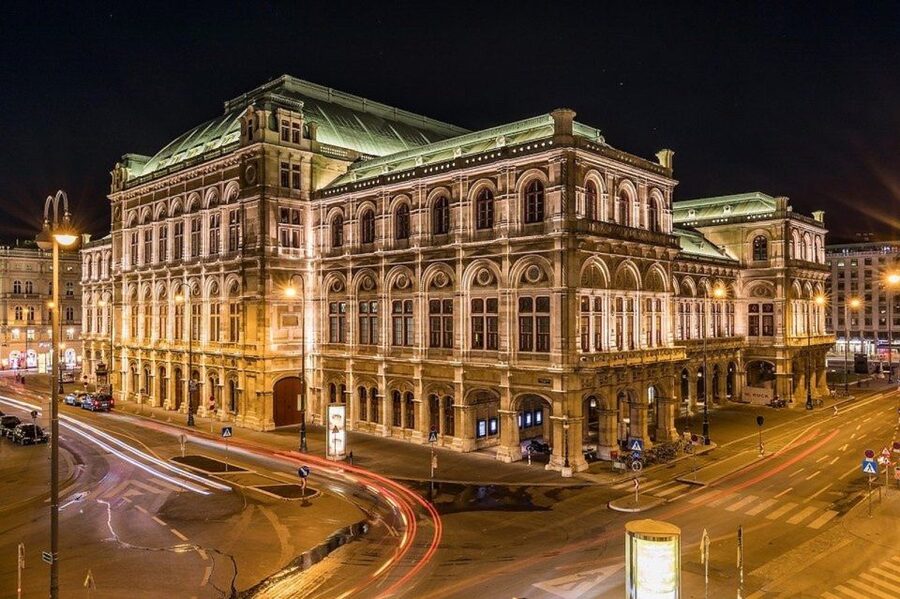
- The route covers Vienna’s most representative Ringstrasse sights, from the Liebenberg monument to the Opera House.
- Palais Ephrussi adds a personal story about a Jewish banking family whose fate is told in The Hare with the Amber Eyes.
- You see public buildings and private palaces together, revealing how government, culture, commerce, and social ambition shaped Vienna.
- The private group format suits up to eight people, with more room for questions than a large group walk.
- The tour is available in English, German, and Polish, and it is listed as wheelchair accessible.
- The $353 group price works best when shared, especially by a family or group of friends.
Why the Ringstrasse tells Vienna’s whole story
The Ringstrasse is more than a handsome boulevard. It is a record of Vienna’s imperial ambitions, artistic tastes, social divisions, and modern growth, all arranged along one broad route.
About 150 years ago, Emperor Francis Josef ordered the city walls demolished. That opened a wide belt of land around the old center. His idea was not simply to make room for traffic. He wanted a grand civic showpiece, lined with buildings for opera, theater, museums, universities, Parliament, City Hall, and other public institutions.
The plan attracted architects, artists, planners, industrialists, bankers, workers, and ambitious families from across Europe. Public buildings were designed to project the power of the empire. Private families used palaces to display money and social status, sometimes hoping that their spending would help win them a noble title.
That contrast is the key to this walk. You are not only looking at façades. You are looking at who had power, who wanted power, who supplied the labor, and who paid the human cost of the project.
More Walking Tours in Vienna
- Vienna: Guided Walking Tour of City Center Highlights
★ 4.7 · 4,989 reviews - Vienna: Vienna Central Cemetery Guided Walking Tour
★ 4.8 · 3,307 reviews - Vienna: Guided Walking Tour of City Highlights & Hidden Gems
★ 4.9 · 2,180 reviews
Starting at the Liebenberg monument
The meeting point is the Liebenberg-Denkmal at Mölker Bastei 8, in Vienna’s 1010 district. Arrive about 10 minutes early so you can find the monument without starting the tour in a rush.
The statue honors Johann Andreas von Liebenberg, a former mayor of Vienna. It gives the walk an early reminder that the city’s public identity was shaped by officials as well as emperors and aristocrats. From here, your guide sets the scene for the Ringstrasse and explains how the old fortifications gave way to a planned boulevard.
The opening context matters. Without it, the grand buildings can blur into one long parade of stone, columns, domes, and statues. With it, you can start separating the different jobs the buildings were meant to perform. One projected imperial authority, another education, another culture, and another the city’s own civic pride.
Palais Ephrussi and the people behind the façades
One of the most memorable stops is Palais Ephrussi, commissioned by the wealthy Jewish Ephrussi banking family. Its appearance is part of the Ringstrasse spectacle, but the family story gives the building a more personal edge.
The Ephrussi family is also central to Edmund de Waal’s book The Hare with the Amber Eyes. Mentioning that connection helps turn an imposing palace into a place tied to real people, family fortunes, art, and loss. If you know the book, this stop adds a physical setting to its story. If you do not, the guide’s explanation gives you a useful introduction without requiring prior reading.
I like this part of the route because it keeps the walk from becoming a simple architecture lesson. Vienna’s grand palaces were built by people who wanted to be seen. Their money helped shape the boulevard, but their later fates were often far less secure than their buildings suggested.
This is also where the tour’s focus on Jewish families, bankers, and social ambition can add needed balance to the imperial story. The Ringstrasse was not built only by the Habsburg court. It also reflected a rising financial class that used architecture to announce its arrival.
Votive Church and the University of Vienna
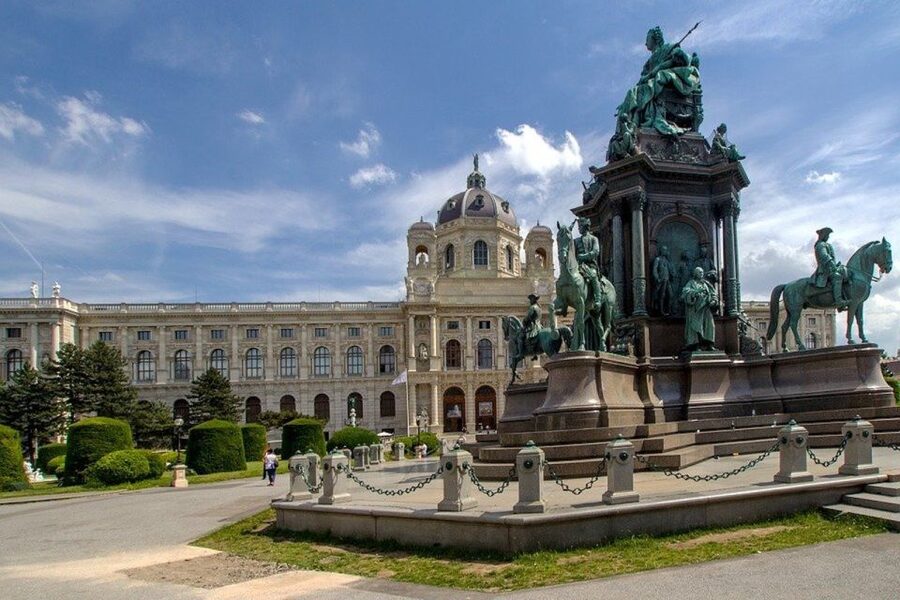
The Votive Church brings a different mood to the route. Its dramatic Gothic design contrasts with the more classically inspired government buildings and palaces nearby. That change in style helps you see that the Ringstrasse was never meant to follow one architectural rule.
Close by, the main building of the University of Vienna adds an academic note to the imperial ensemble. The university represented learning and public life, but it also belonged to a city where status and access were sharply divided.
Your guide’s job here is to explain the mix of styles and decoration rather than simply name the buildings. The Ringstrasse borrowed from different historical periods, and that was deliberate. Architects used Gothic, classical, Renaissance, and other references to give each institution an identity.
For you, the practical benefit is a clearer way to read the city. Instead of seeing a row of attractive old buildings, you can ask why a church looks Gothic, why a civic building favors classical forms, and what each choice says about the institution inside.
More history walks around Vienna:
- Vienna: Time Travel and Magic Vienna History Tour
★ 4.6 · 3,879 reviews - Vienna: World War II Historical Walking Tour
★ 4.8 · 1,772 reviews - Vienna Historic Center Small Group Walking Tour
★ 5.0 · 1,746 reviews - Time Travel-Magic Vienna History Tour Ticket
★ 4.5 · 1,099 reviews
City Hall, Burgtheater, and Parliament
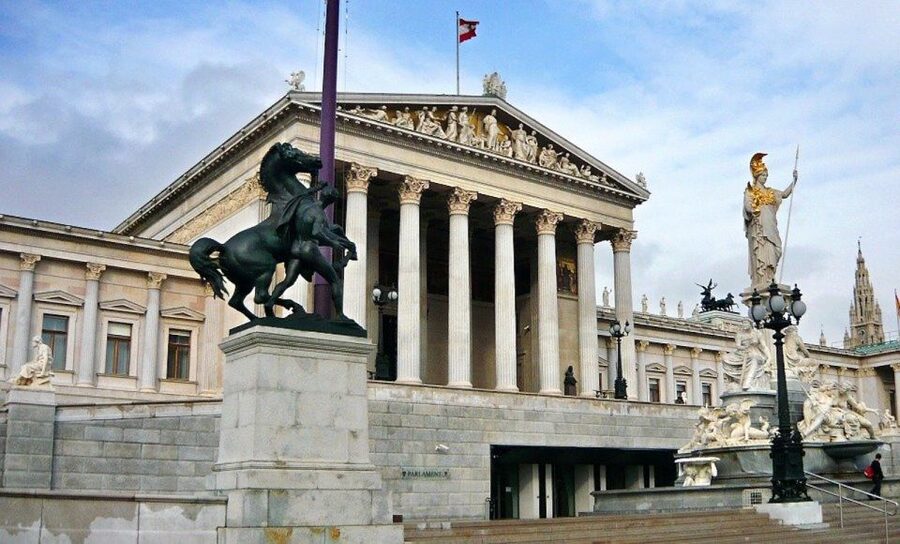
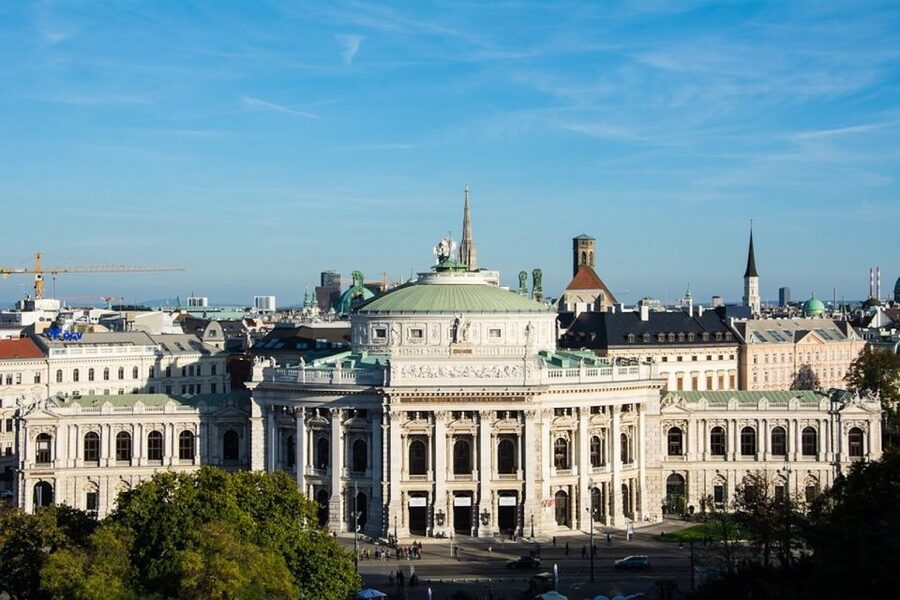
The approach to City Hall, the Burgtheater, and Parliament is one of the strongest stretches of the walk. These buildings sit within the part of the Ringstrasse designed to present Vienna as an imperial capital with serious political and cultural weight.
City Hall represents local government and civic ambition. Its scale makes the city itself look powerful, not merely the emperor. The Burgtheater speaks for Vienna’s theatrical tradition and the public importance of performance. Parliament brings national politics into the same architectural parade.
The decoration is generous, even excessive by modern standards. That is part of the point. The buildings were meant to impress residents, visitors, foreign officials, and anyone with money or influence. Their façades turned government and culture into public theater.
You will want to look up as you walk, but also pause to study the smaller elements: statues, columns, rooflines, and ornamental details. A guide can point out features that are easy to miss when you are focused only on the famous outline of a building. One of the strongest details mentioned about the guiding style is the habit of identifying small features and sharing stories about the former owners of the palaces.
A limitation remains: the tour is a walking overview. You should not expect a full interior visit to City Hall, Parliament, or the Burgtheater. The value comes from seeing the buildings in relation to one another and understanding the grand plan.
Gardens, statues, and a pause from the stone
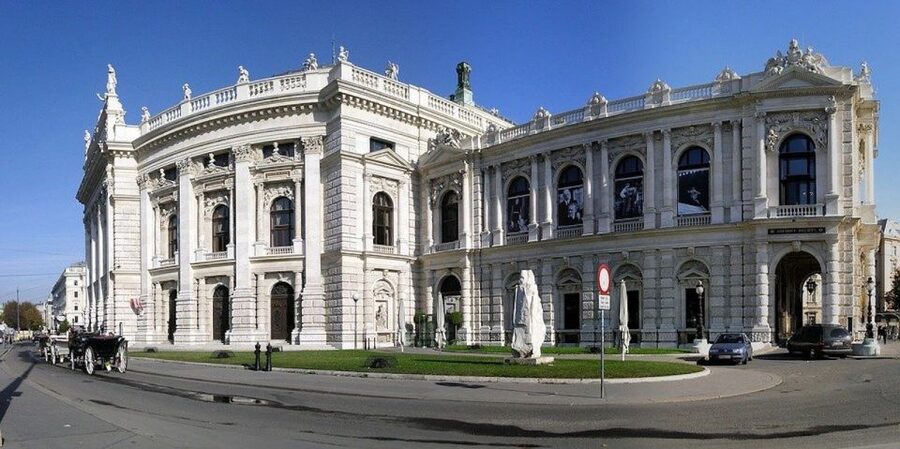
The Ringstrasse is not all monumental architecture. The route includes spacious gardens, including Volksgarten, with flower arrangements, statues, and open paths.
These green spaces break up the visual weight of the boulevard. They also show how planners considered movement and leisure. The original Ringstrasse included separate paths for carriages, riders, and pedestrians, along with tree-lined stretches that softened the scale of the new development.
A short pause here can make the rest of the walk more enjoyable. Two hours is not a long time, but the gardens provide a chance to rest your feet and take in the city at a slower pace. In good weather, the flower displays and statues make useful photo stops. In wet weather, they may be more of a brief transition than a lingering break.
You may also encounter statues such as Pallas Athene, the classical figure associated with wisdom and civic power. Her presence fits the Ringstrasse’s habit of using historic symbols to decorate modern institutions. The statue of Liebenberg adds a more specifically Viennese political reference.
Heldenplatz and the imperial setting
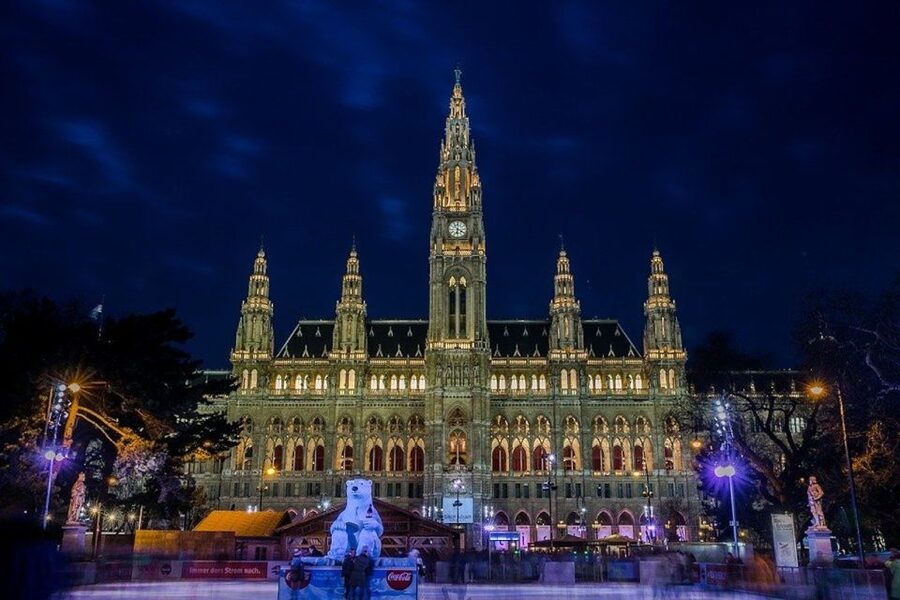
Heldenplatz brings the imperial dimension into sharper focus. This is one of the places where Vienna’s political symbolism feels especially concentrated.
The square connects the Ringstrasse experience with the Hofburg area and the former center of Habsburg power. You can expect the guide to place the surrounding buildings and monuments within the story of the empire, rather than treating each sight as an isolated stop.
The important thing here is the relationship between open space and architecture. Squares such as Heldenplatz were designed for ceremony, public display, and political messaging. They were not accidental gaps between buildings. Their size and positioning helped create a stage for the state.
That makes this part useful even if you have already seen the Hofburg on another visit. The walk’s route connects it to the wider plan of the Ring and shows how the city’s monuments worked together.
The builders, workers, and social cost
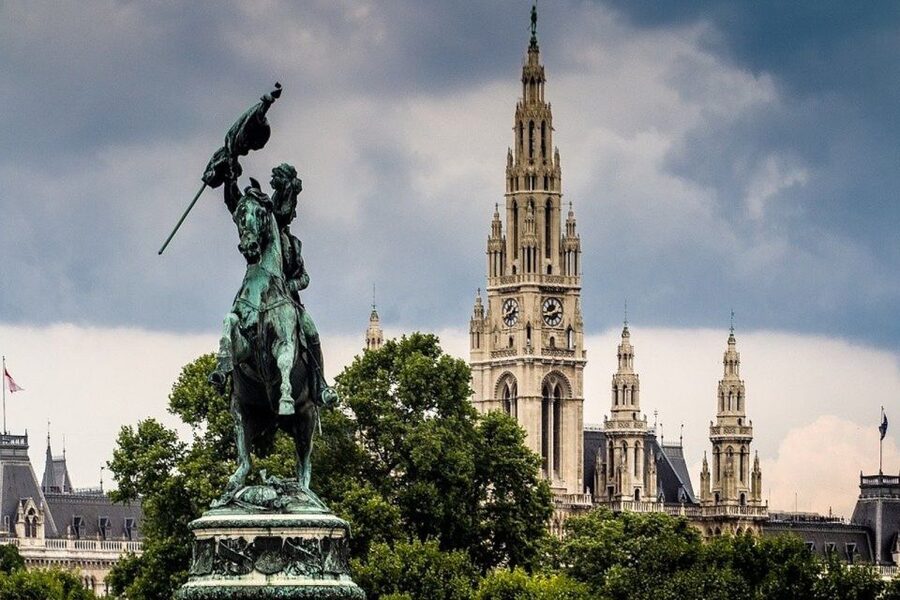
The Ringstrasse story can sound glamorous if you focus only on emperors, famous architects, and wealthy families. This tour also points to the poor people who came to Vienna looking for work and labored under difficult conditions.
That detail is important. The boulevard’s polished appearance depended on a large workforce, and the benefits of the new city were not shared equally. Industrialists and bankers could commission oversized palaces, while workers arrived to take jobs in a rapidly changing city.
I appreciate this wider frame because it gives the architecture some moral weight. You can admire the decoration and still ask who built it, who profited from it, and who had no say in the design.
The guide’s background stories are likely to be most useful here. The historic record comes alive when it includes the fates of artists, architects, wealthy owners, and poor workers rather than only dates and construction styles. A previous English-language experience was praised for making the walk interesting and informative even in rainy weather, and that suggests a guide who can keep the storytelling moving when conditions are less than ideal.
Finishing beside the Vienna Opera House
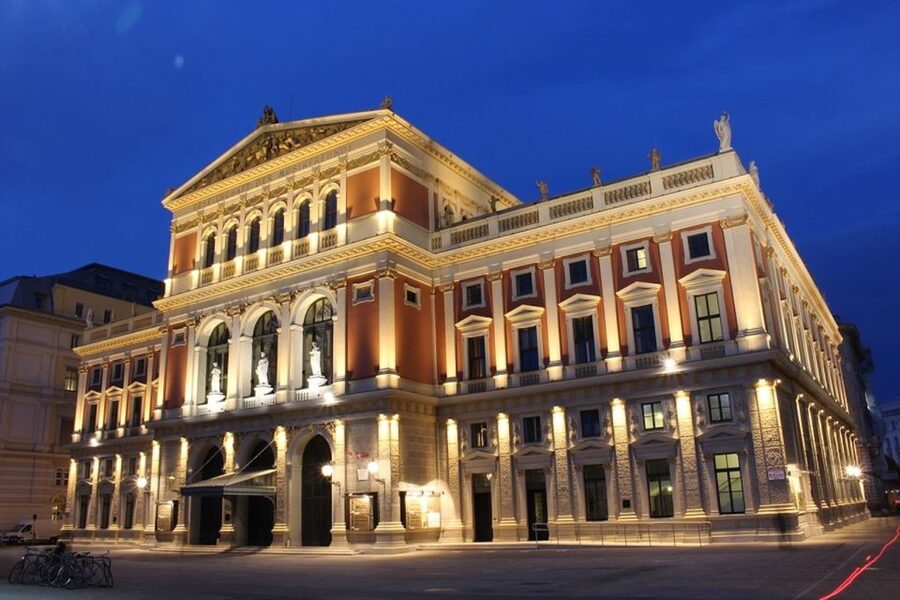
The walk ends near the Opera House, a sensible place to finish. The building represents the cultural side of the Ringstrasse project and provides a clear landmark for your next activity.
You can continue sightseeing in the central city, arrange a meal, or use nearby public transport. The end point also makes the tour useful early in a Vienna visit. After two hours, you will have a framework for understanding many of the buildings you may pass again during your stay.
Keep in mind that the guide does not provide hotel pickup or drop-off. You arrange your own way to the meeting point and away from the Opera House. A public transport ticket is not included, so bring one if you plan to use Vienna’s network before, after, or during the outing.
Price, group size, and overall value
The price is $353 per private group of up to eight people. That is a high total for a two-hour walk, but the calculation changes when the group is full. Divided among eight people, it becomes a much more reasonable way to secure a private guide. For two people, the same price is harder to justify unless you place a high value on privacy and the chance to shape the conversation.
The private setup is best for families, friends, or a small organization that wants a shared introduction to Vienna. You can ask about architecture, Jewish Viennese families, imperial politics, or the social history of the workers, rather than following a fixed large-group rhythm.
The rating is 4.7 from 10 recorded ratings, with especially strong praise for the guide’s ability to point out details and explain palace owners’ lives. One lower score described the content as thin, so expectations matter. This is a broad overview, and the quality of the experience will depend heavily on how much background and discussion your guide brings to the route.
Tours are offered in English, German, and Polish. The activity is listed as wheelchair accessible, though the route remains an outdoor city walk, so it is sensible to confirm any personal mobility needs when booking.
Who should book this Ringstrasse walk?
I would choose this tour if you want to understand Vienna’s Ringstrasse as a connected project rather than collect isolated photographs of famous buildings. It suits first-time visitors, families, architecture fans, and anyone interested in the people who financed, designed, built, and occupied the boulevard.
It is also a good pick if the story of Palais Ephrussi and The Hare with the Amber Eyes interests you. That stop gives the route an unusual personal thread.
I would be more cautious if you want long interior visits, extensive museum time, or a low-cost walk for one or two people. You will see many sights from the outside, but the two-hour schedule cannot provide a detailed tour of every building.
Should you book it?
Book it if you have a private group of several people and want a focused introduction to Vienna’s grandest boulevard. The strongest reasons are the small-group format, the mix of public buildings and private palaces, and the attention to personal stories such as the Ephrussi family.
Skip it if the $353 price feels too high for an exterior walking overview or if you prefer to explore at your own pace. For the right group, though, this is a useful first look at how Vienna turned demolished walls into an imperial showcase, and how that showcase was shaped by both great fortunes and hard labor.
FAQ
How long does the Vienna Ringstrasse walking tour last?
The tour lasts two hours.
Where does the tour begin?
It begins at the Liebenberg-Denkmal, Mölker Bastei 8, 1010 Vienna. You should arrive 10 minutes before the scheduled start.
Where does the tour end?
The walk ends next to the Vienna Opera House.
What languages are available?
The tour is offered in English, German, and Polish.
Is the tour private?
Yes. It is a private group tour for up to eight people.
Is transportation included?
No. Hotel pickup and drop-off are not included, and you need to bring your own public transport ticket.
Just added around Vienna
- Vienna: UNESCO Schönbrunn Palace Guided Tour with Entry★ 4.5 · 94 reviews
- World War II History Vienna Old Town Private Walking Tour★ 4.8 · 9 reviews
- Vienna: Winery and Wine Tasting Tour with a Wine Expert★ 5.0 · 5 reviews
- Vienna: Wine Tasting E-Bike Tour★ 4.9 · 46 reviews
- Vienna: Wine Tasting at Schönbrunn Palace★ 4.3 · 71 reviews
- Vienna: Wine Tasting Tour★ 4.8 · 61 reviews
- Vienna: Wachau Valley Private Kayak and Wine Tour★ 5.0 · 3 reviews
- Vienna: Wiener Schnitzel and Strudel Cooking Class★ 4.9 · 126 reviews
Historical Tours, compared.
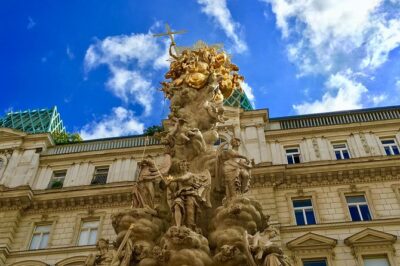
Vienna Historic Center Small Group Walking Tour
Read our review →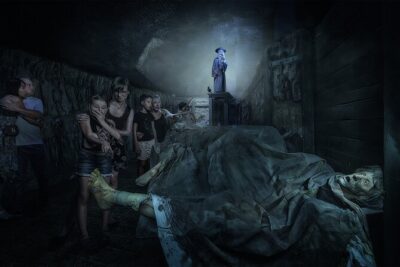
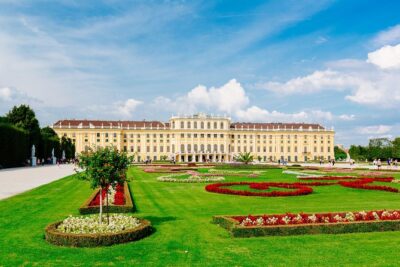
Skip-the-Line Schonbrunn Palace Guided Tour and Vienna Historical City Tour
Read our review →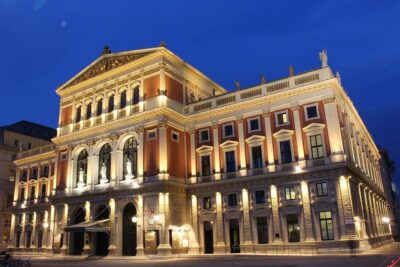
Vienna Mozart Concert in Historical Costumes at the Musikverein
Read our review →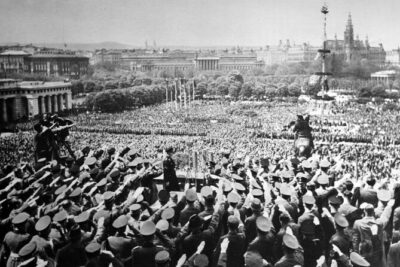
Browse the lists this tour appears in